Demonology & Spirits
Glasya-Labolas
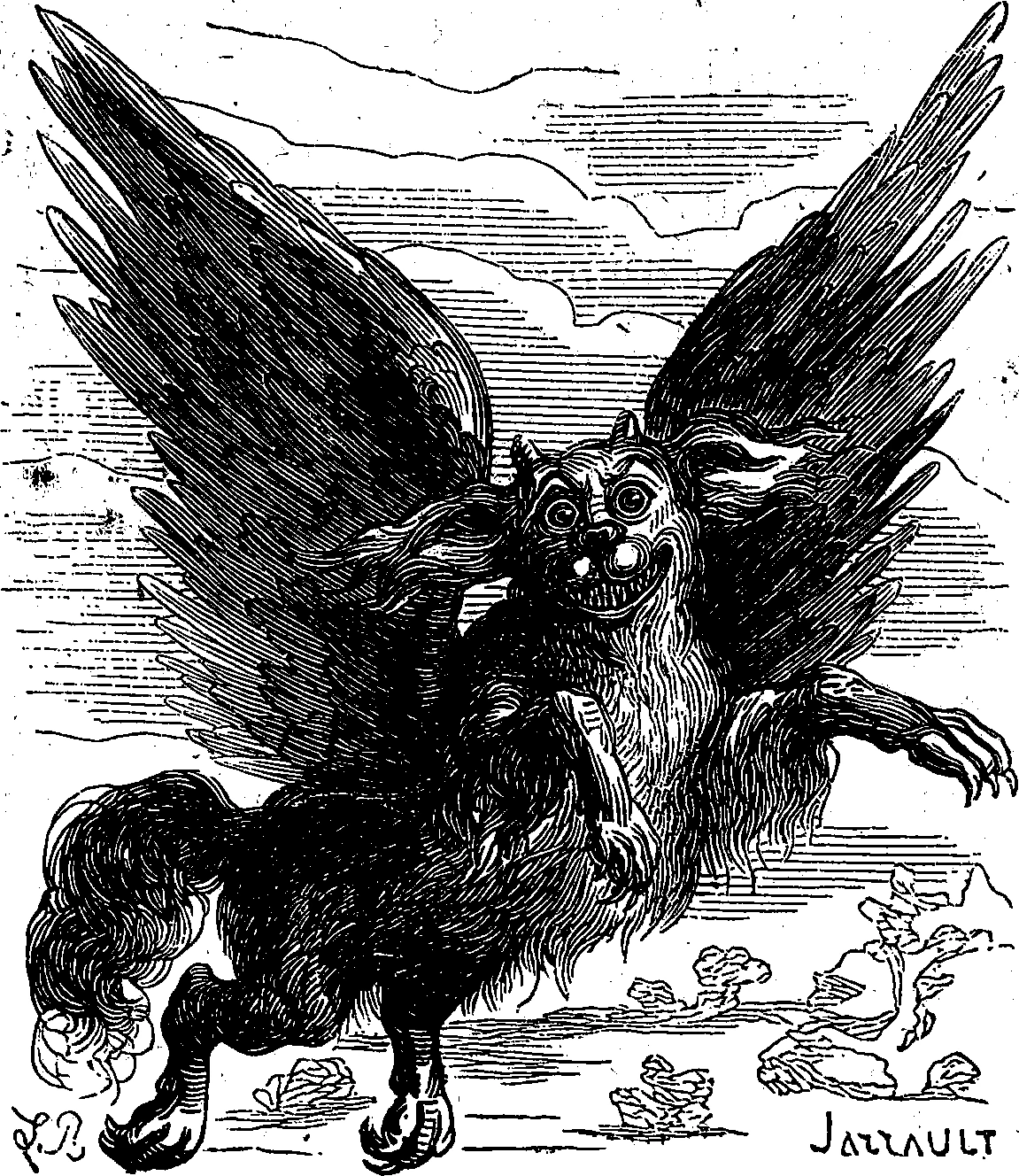
A Goetic spirit combining learned offices with a violent reputation and a winged dog form.
A Goetic spirit combining learned offices with a violent reputation and a winged dog form.
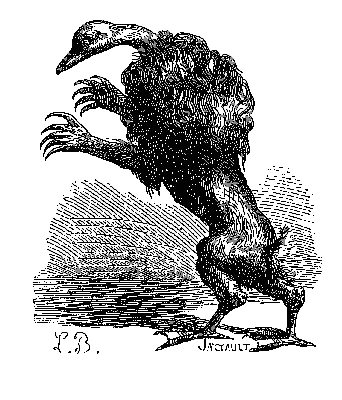
A Goetic spirit with an angelic body, lion head, goose foot, and hare tail, associated with knowledge and boldness.
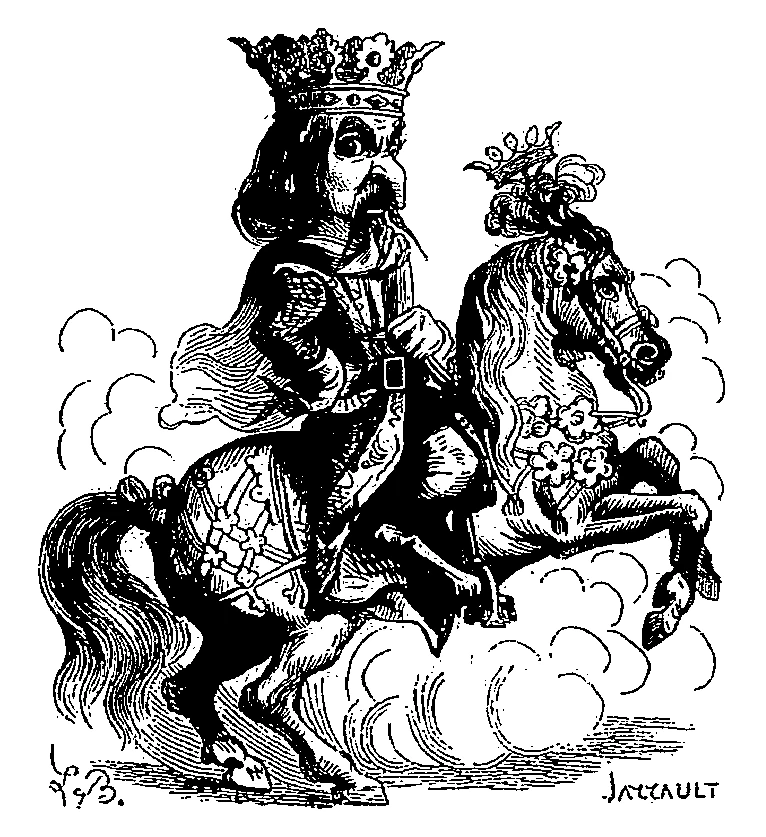
A Goetic duke riding a red horse, credited with knowledge, honors, and the transformation of metals.
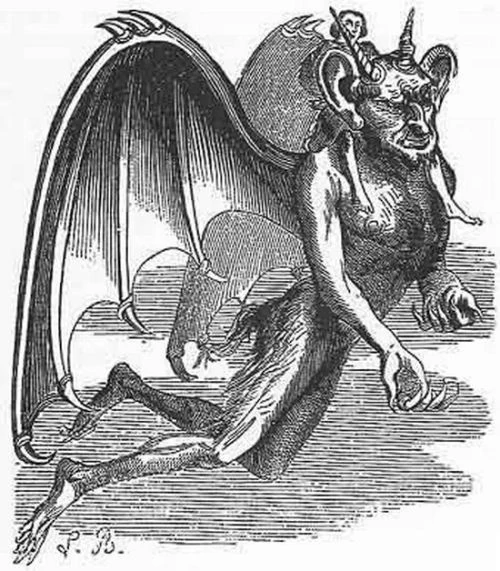
A Goetic spirit associated with learning, altered perception, familiars, and rapid travel.
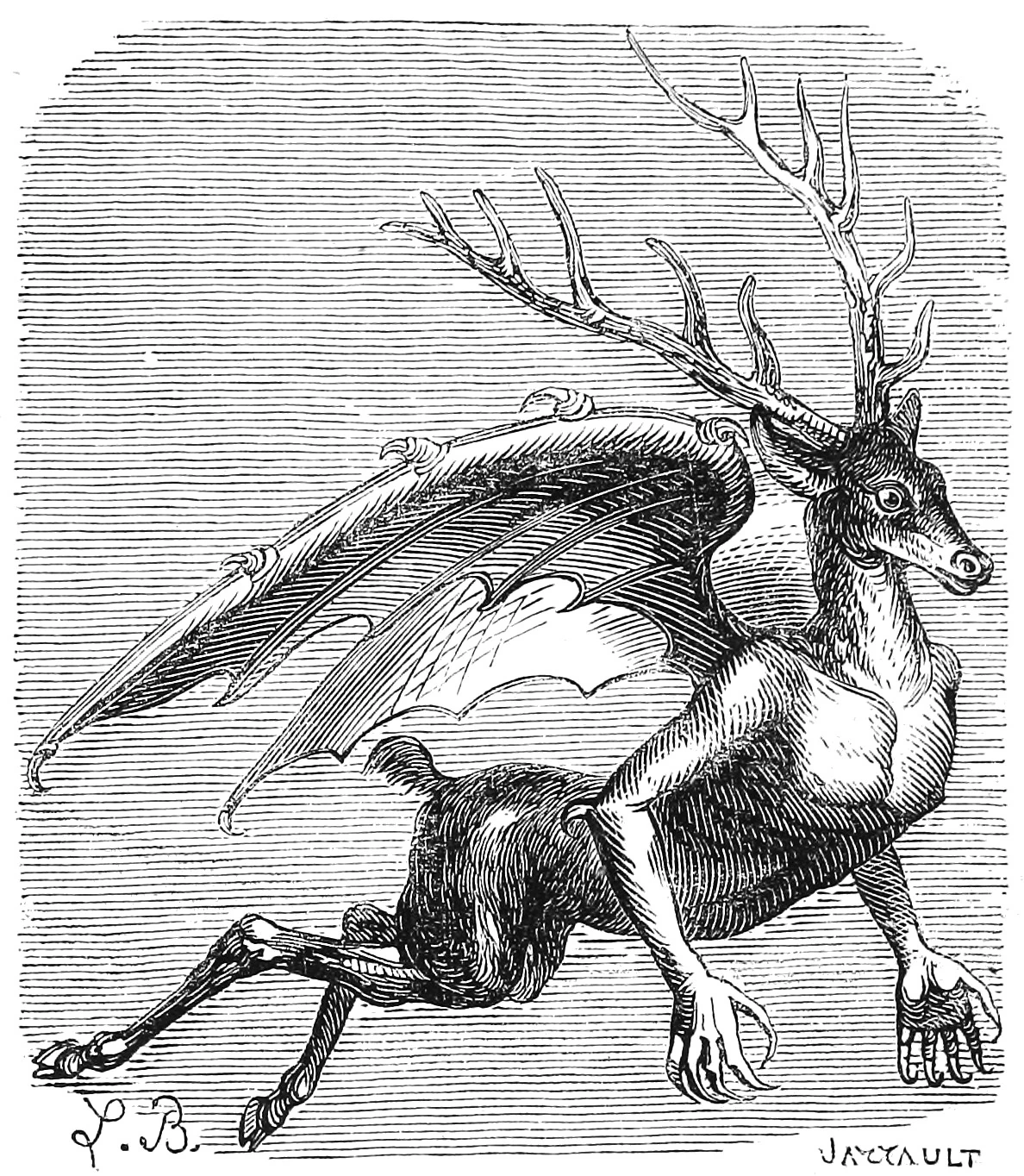
A Goetic earl depicted as a hart with a fiery tail, associated with storms and constrained answers.
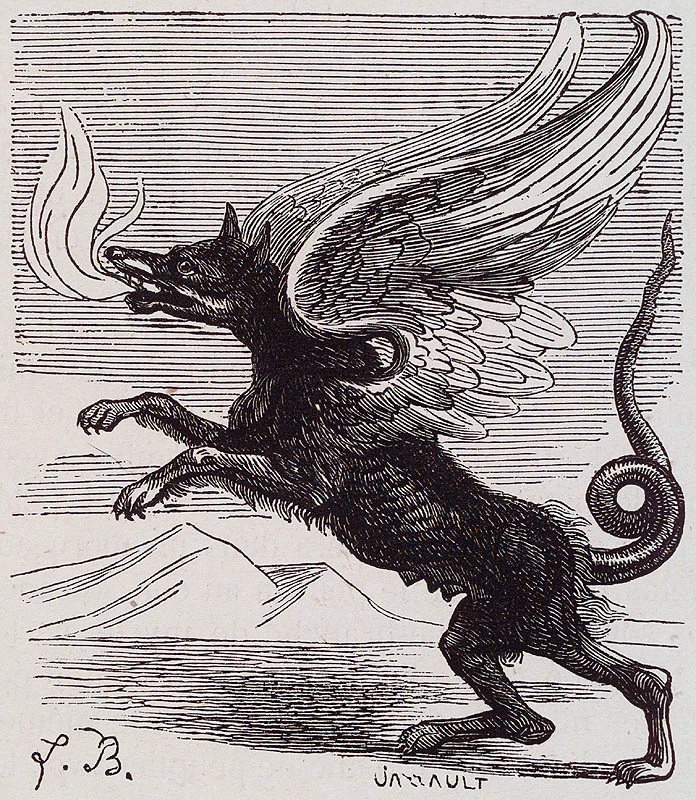
A Goetic marquis with a winged wolf form, described as a fighter who hopes to return to a heavenly throne.
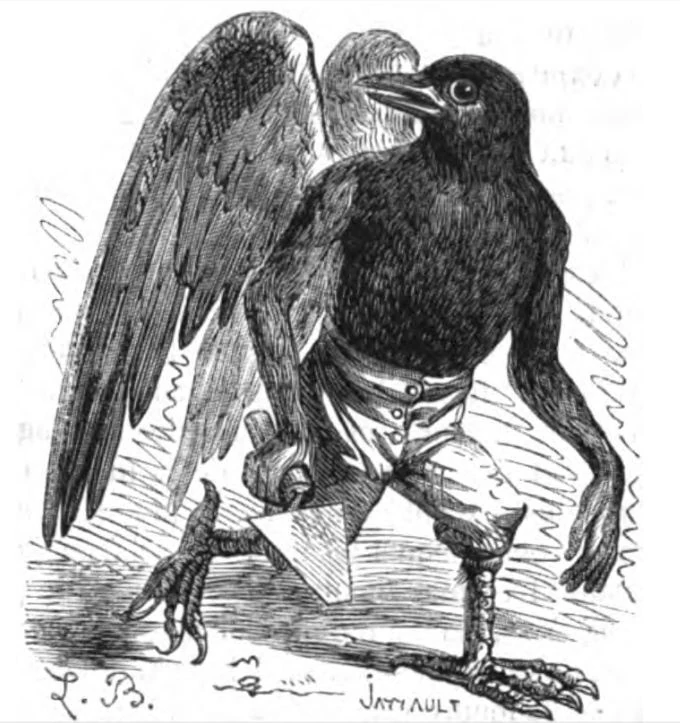
A Goetic president in a dark bird form, associated with building and a warning about offerings.
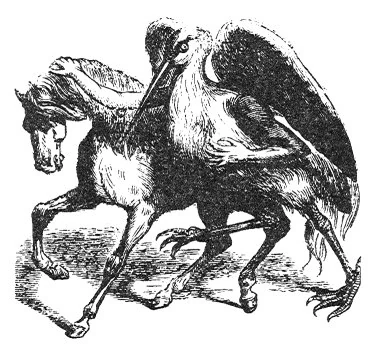
A Goetic marquis in bird form, associated with concealment, royal money, and unreliable answers.
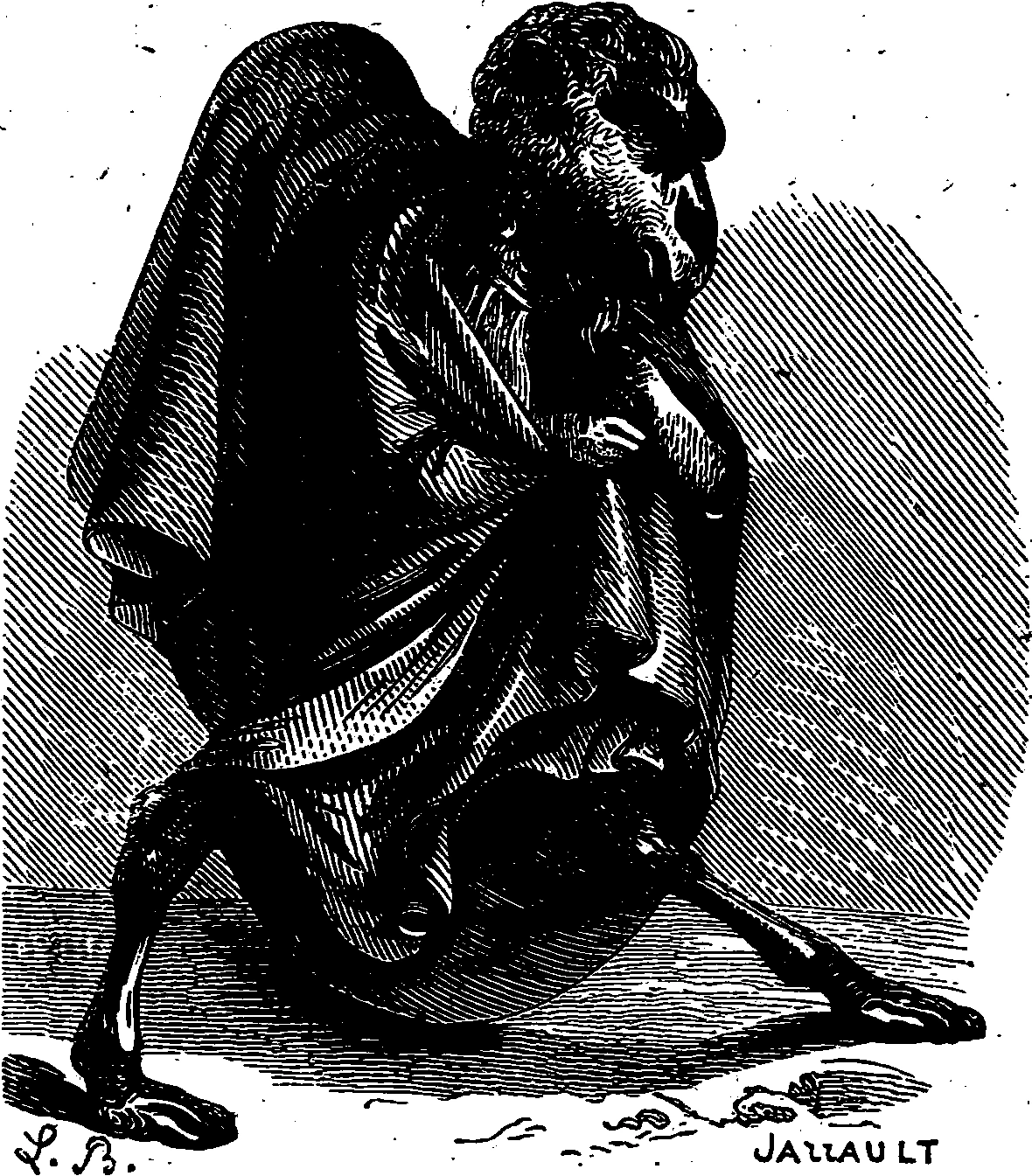
A Goetic duke first appearing as a dromedary, associated with affection, friendship, and knowledge.
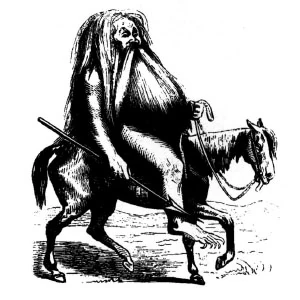
The Goetic knight, associated with philosophy, learned arts, and forms of divination.
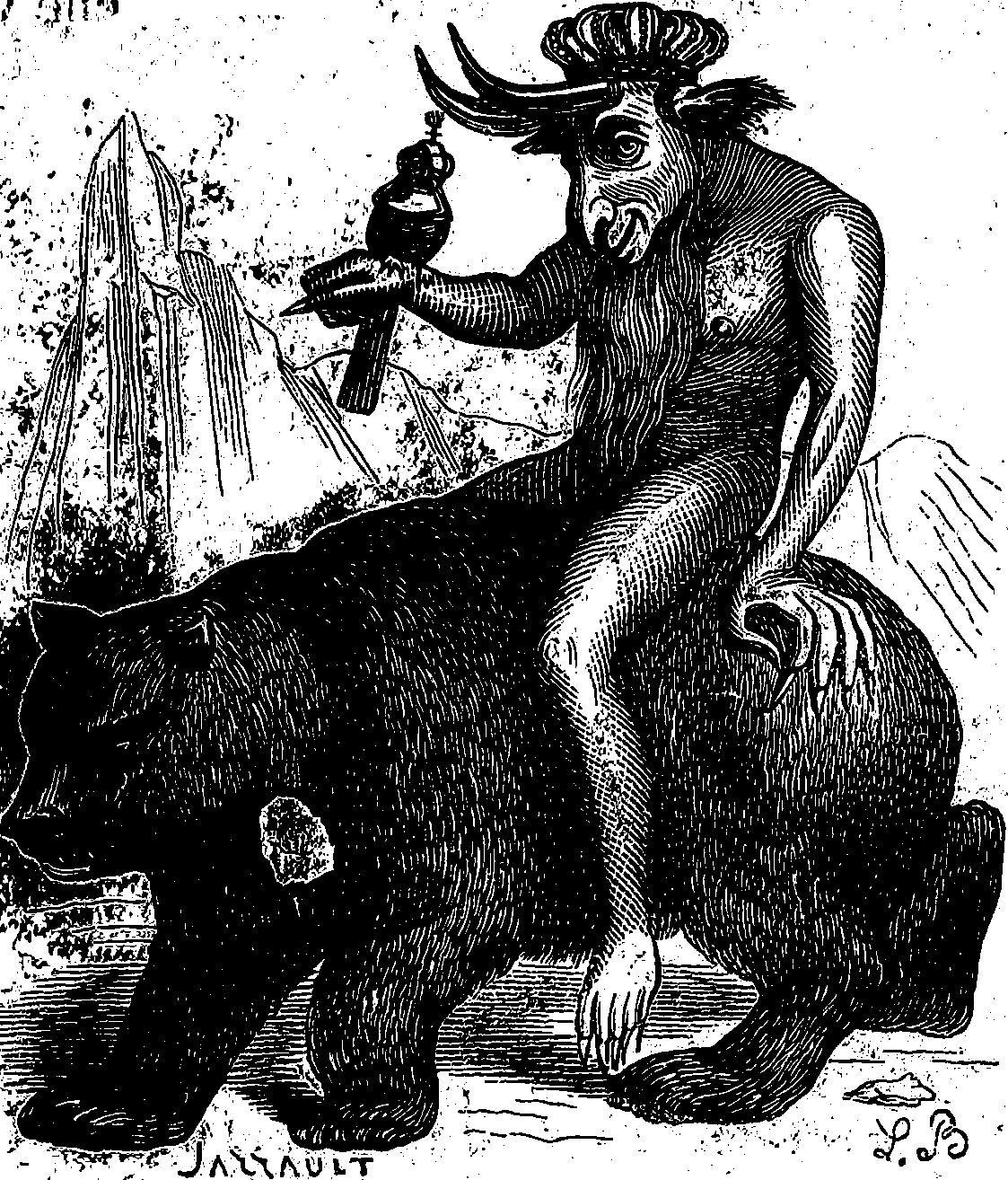
A three-headed Goetic king riding a bear, associated with answers, wit, and invisibility.

A Goetic president associated with animal voices, disputation, and answers given through burning ashes.
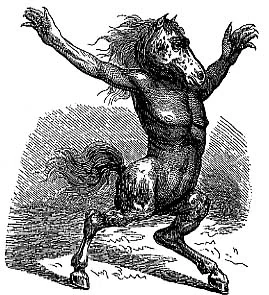
A Goetic prince portrayed as a horse and then a human, noted for the fidelity attributed to him.
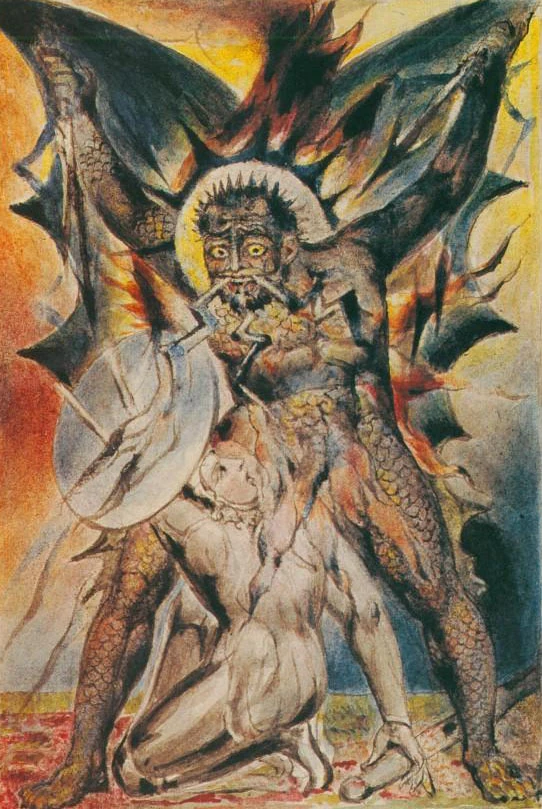
A biblical name associated with destruction, used in Revelation for the angel of the abyss.
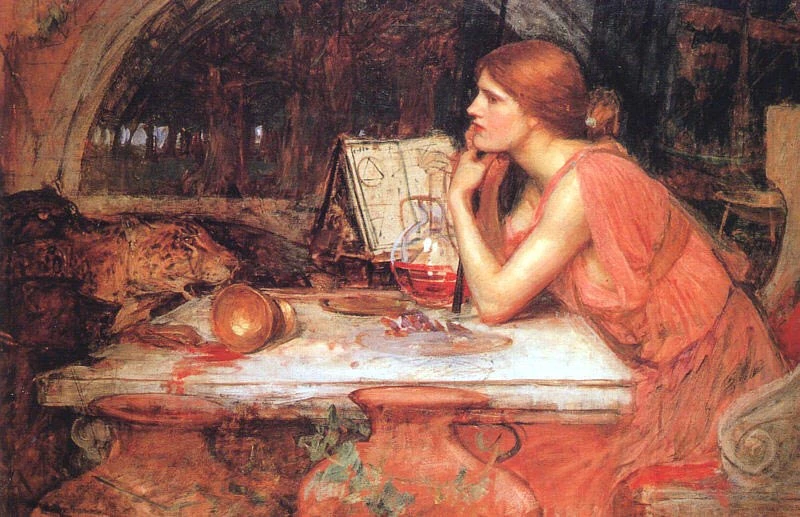
Ceremonies intended to clear, delimit, or reorder a ritual setting, with methods that vary by tradition.
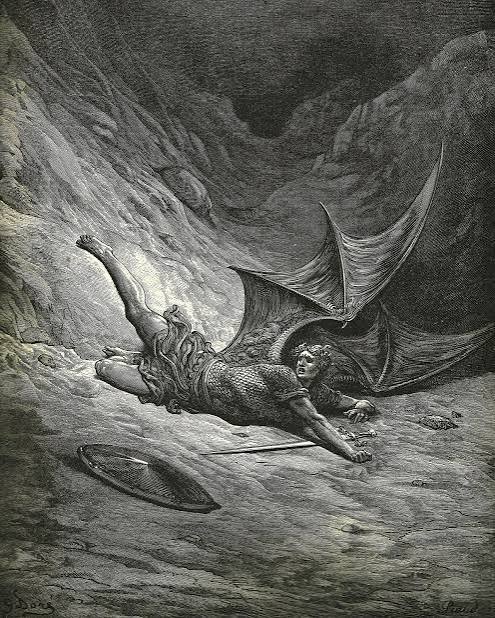
Modern theistic Satanism refers to contemporary religious currents in which Satan is understood as an independently real deity, spirit, intelligence, or metaphysical presence and is approached through devotion, ritual, prayer, magic, contemplation, or other religious practices. It is part of the wider field of modern Satanism but differs from explicitly non-theistic movements that use Satan primarily as…
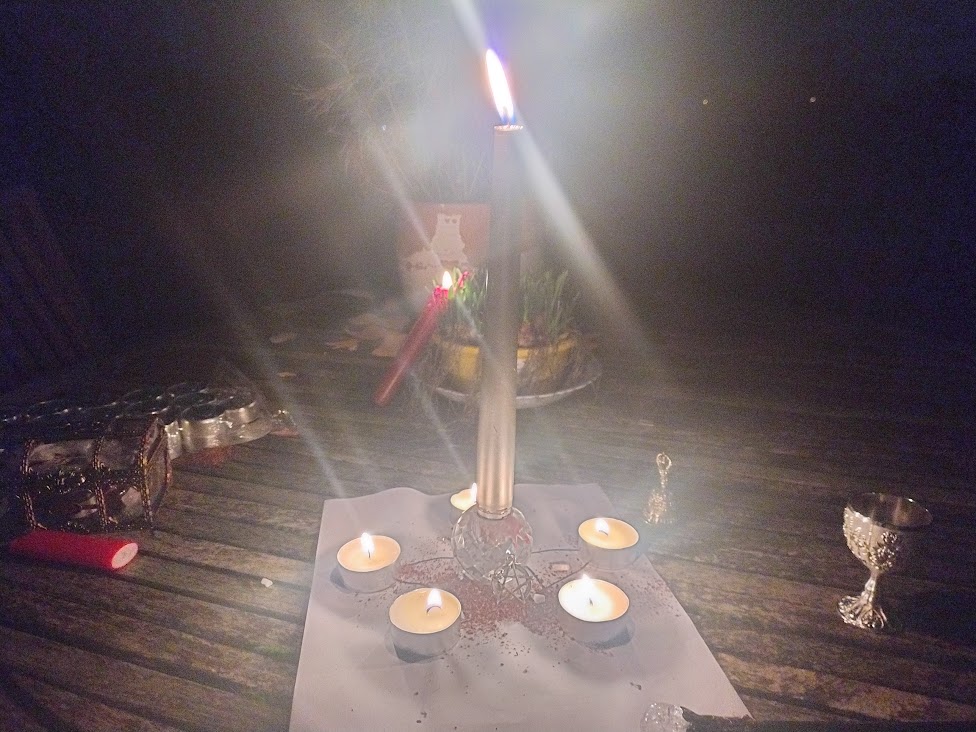
Ritual is patterned action given special religious, symbolic, social, or transformative significance. Ritual can mark time, establish sacred space, communicate with a deity, express commitment, create community, memorialize the dead, enact a transition, or focus attention on a chosen purpose. In theistic Satanism, ritual commonly includes devotional action directed toward Satan or other spirits…
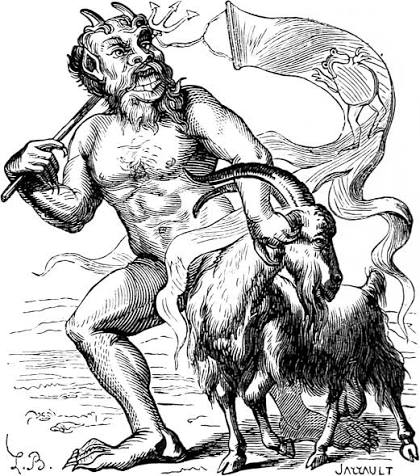
Azazel is a figure associated with the Day of Atonement in Leviticus, a rebellious Watcher in 1 Enoch, and a demonological and occult figure in later traditions. This article traces the development of Azazel from ancient Jewish texts through later demonology and modern Satanic interpretations.
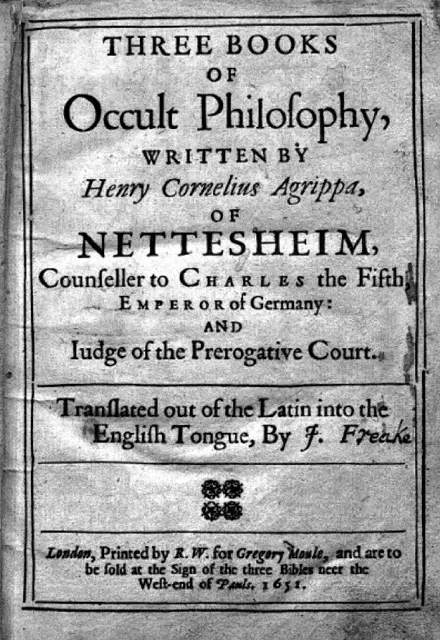
Ceremonial magic uses formally organized ritual actions. Its historical systems combine preparation, symbols, instruments, and accounts of spiritual authority in different ways.

A Goetic prince associated with finding lost things and knowledge of past and future events.