Demonology & Spirits
Gaap
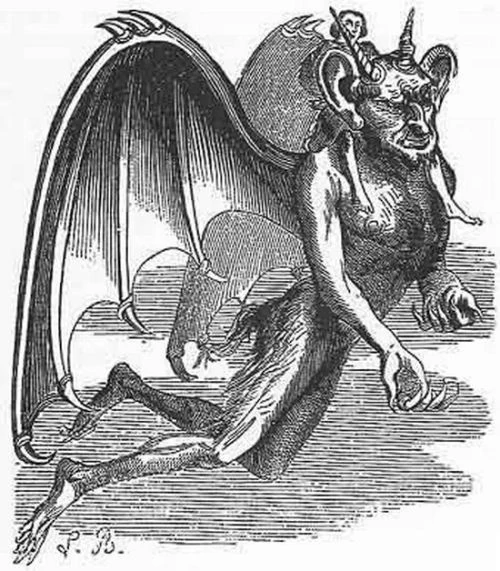
A Goetic spirit associated with learning, altered perception, familiars, and rapid travel.
A Goetic spirit associated with learning, altered perception, familiars, and rapid travel.
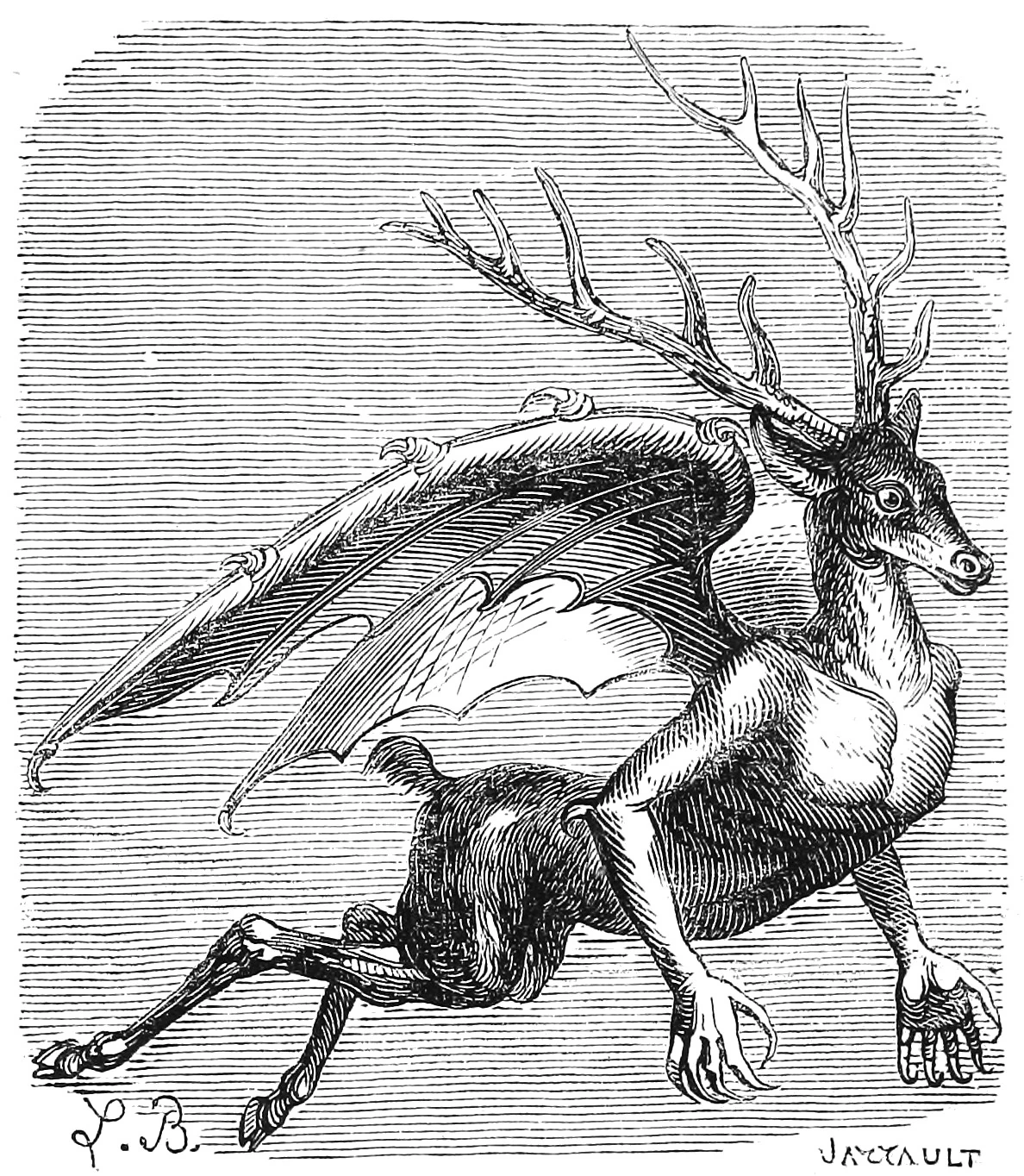
A Goetic earl depicted as a hart with a fiery tail, associated with storms and constrained answers.
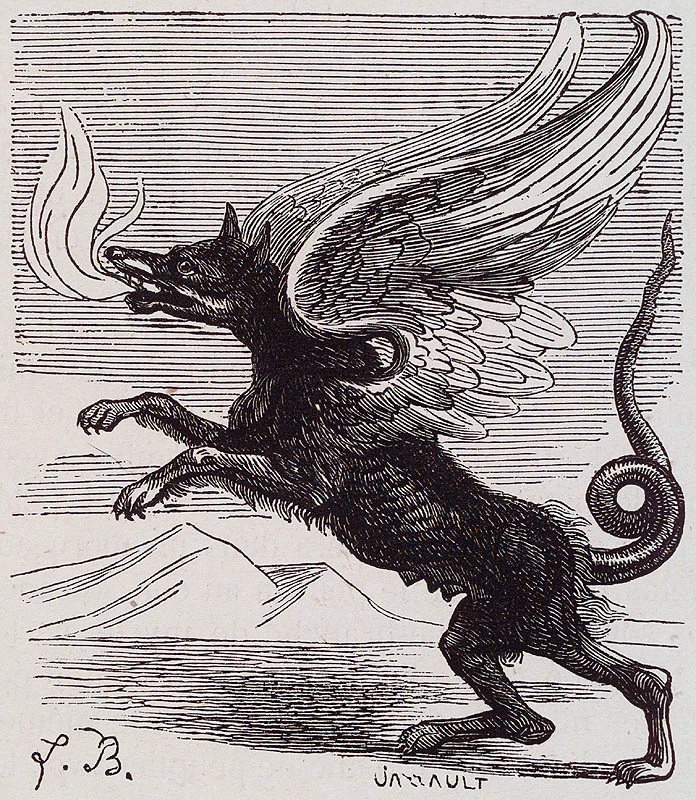
A Goetic marquis with a winged wolf form, described as a fighter who hopes to return to a heavenly throne.
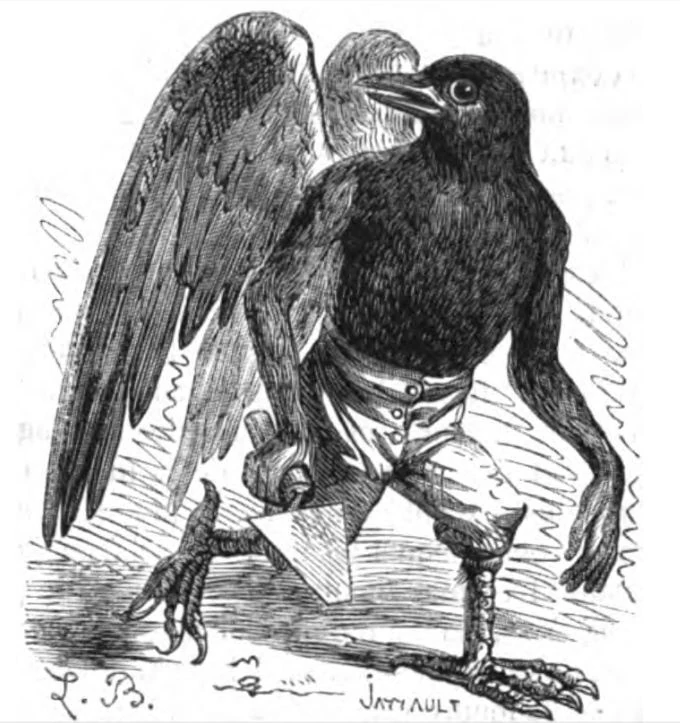
A Goetic president in a dark bird form, associated with building and a warning about offerings.
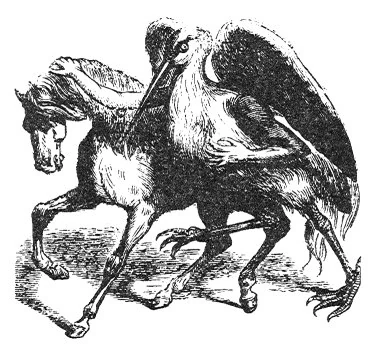
A Goetic marquis in bird form, associated with concealment, royal money, and unreliable answers.
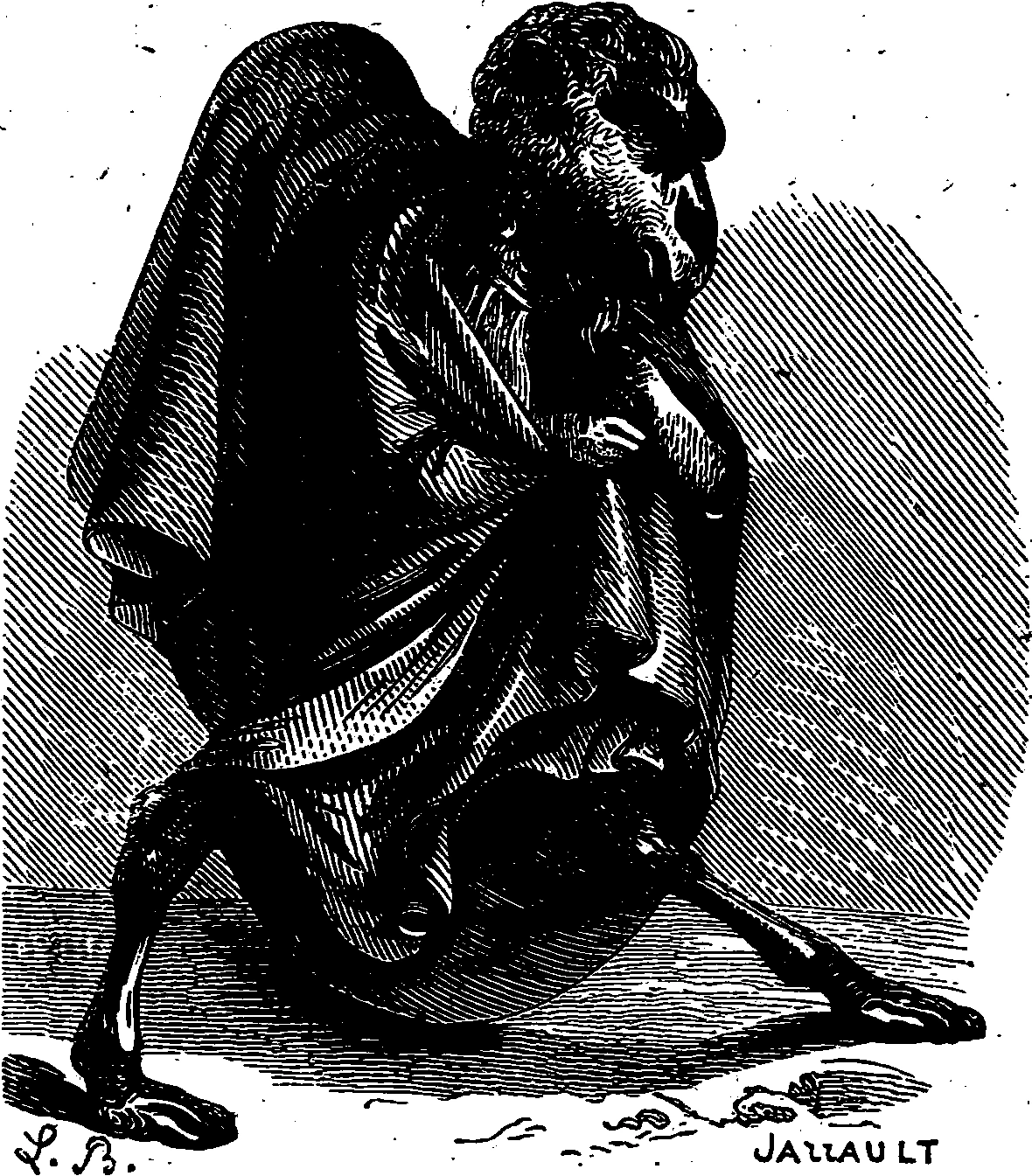
A Goetic duke first appearing as a dromedary, associated with affection, friendship, and knowledge.
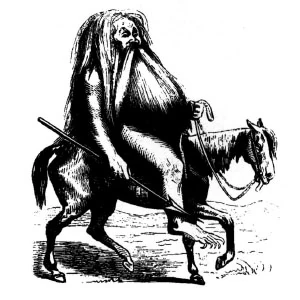
The Goetic knight, associated with philosophy, learned arts, and forms of divination.
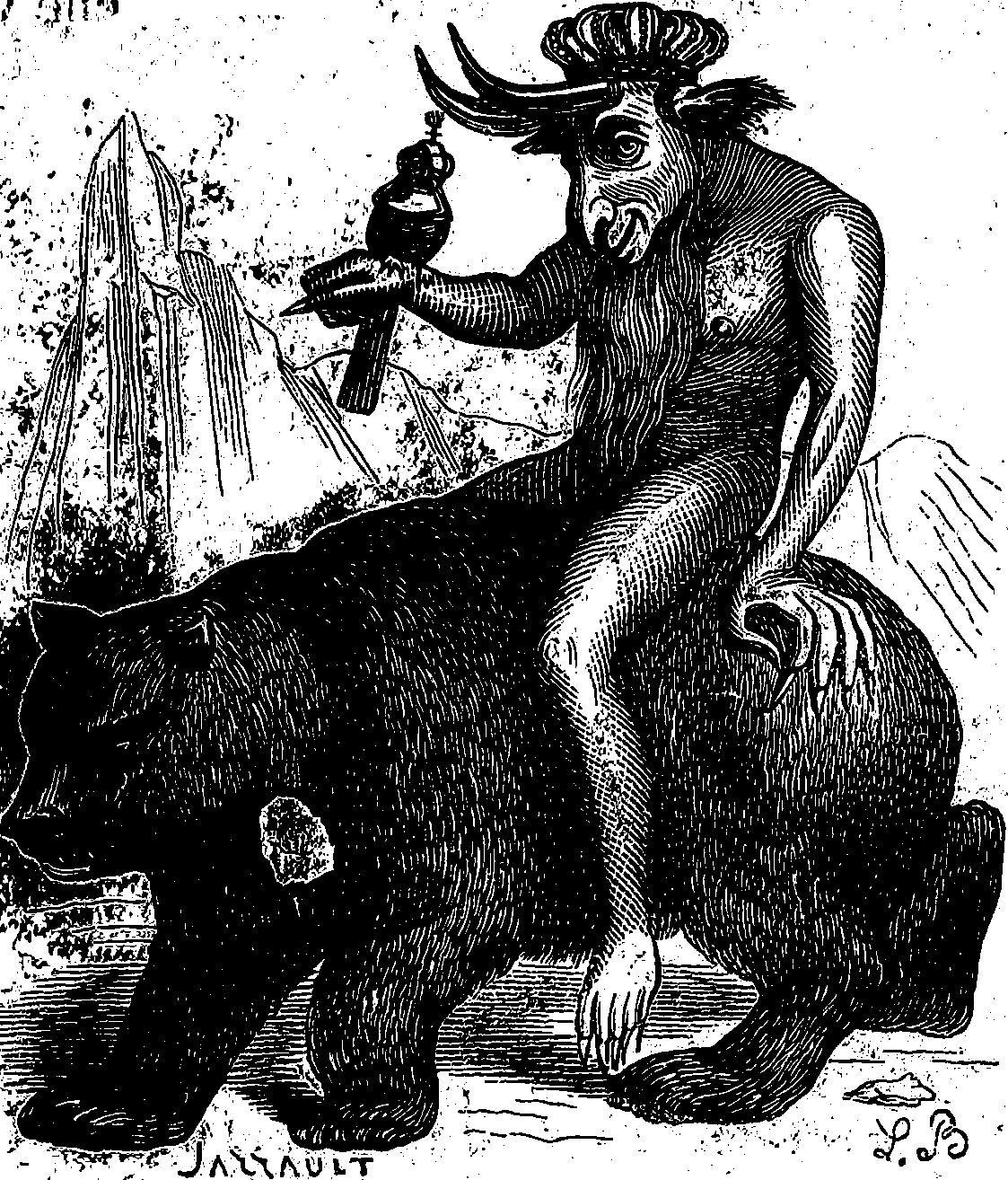
A three-headed Goetic king riding a bear, associated with answers, wit, and invisibility.

A Goetic president associated with animal voices, disputation, and answers given through burning ashes.
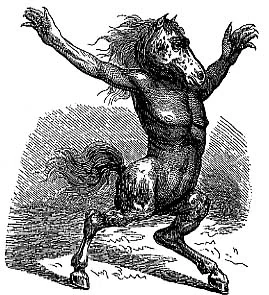
A Goetic prince portrayed as a horse and then a human, noted for the fidelity attributed to him.
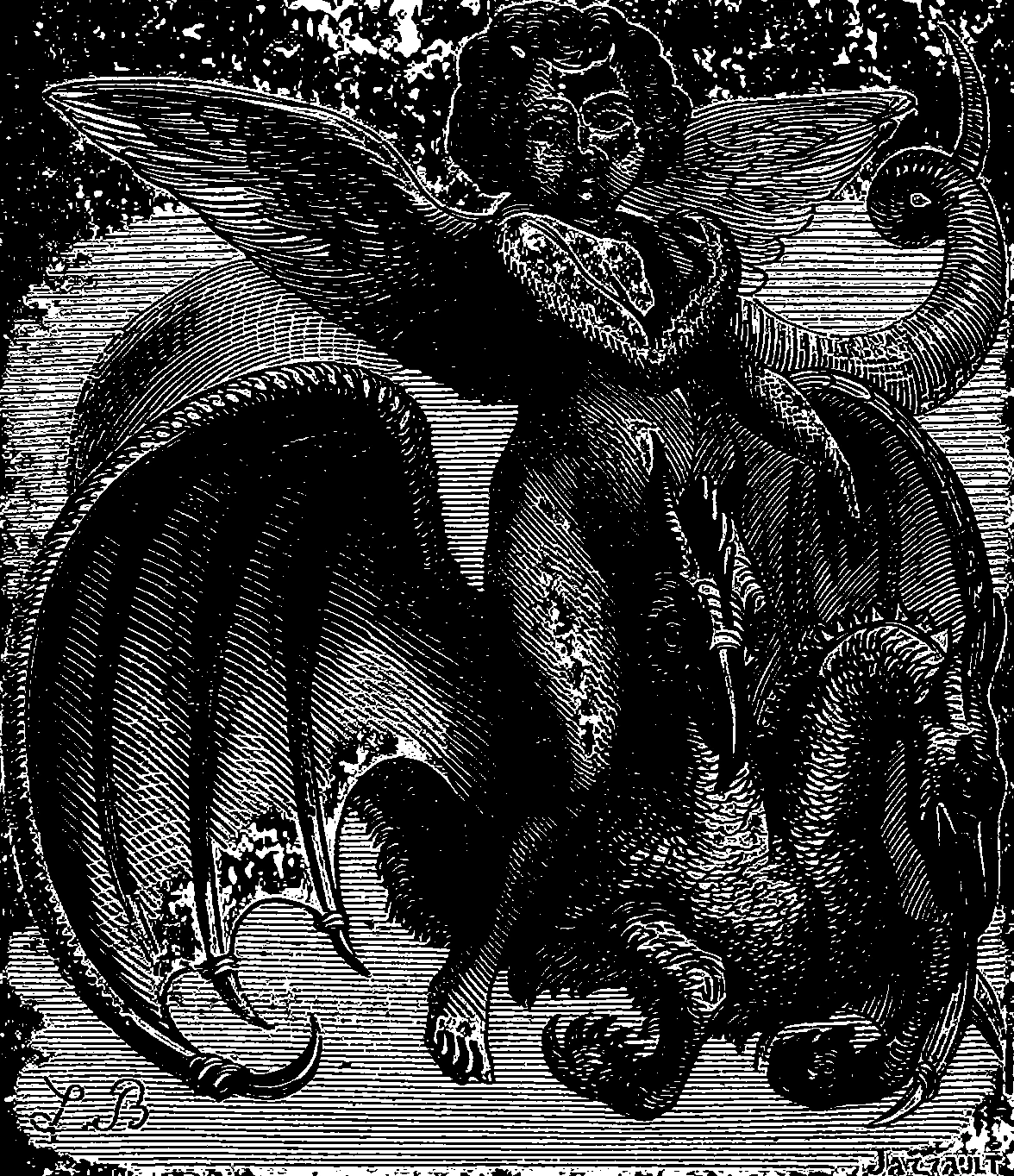
A Goetic president described as a winged boy on a two-headed dragon, associated with treasure and serpents.
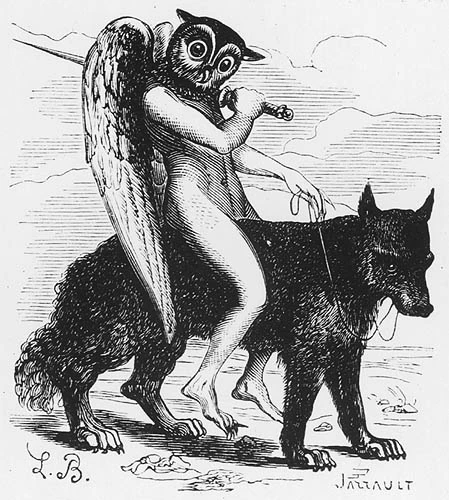
A Goetic marquis portrayed with a bird's head on a wolf, associated with discord and a warning of danger.
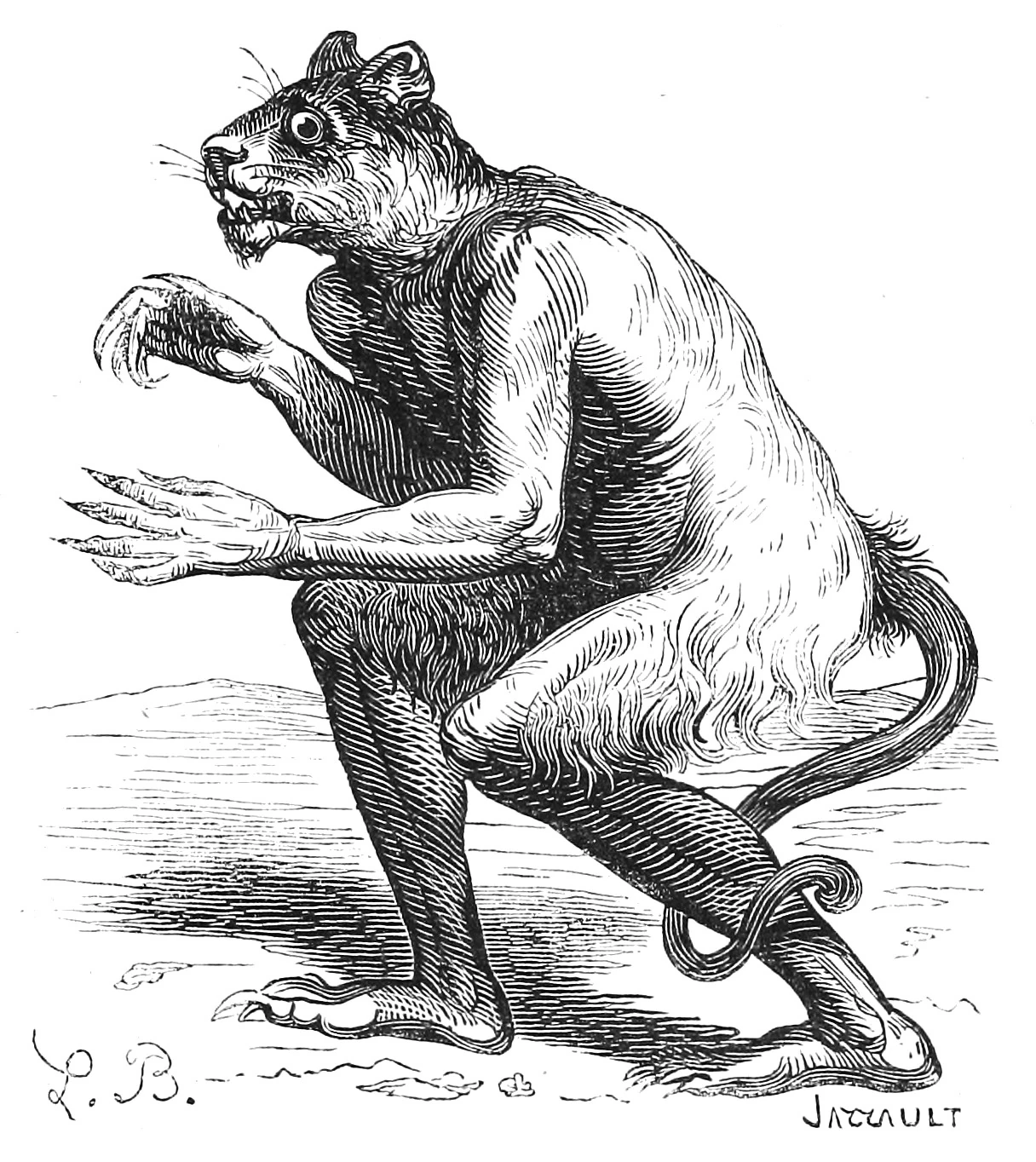
A Goetic duke, also called Flauros, associated with fiery destruction and answers about divine matters.
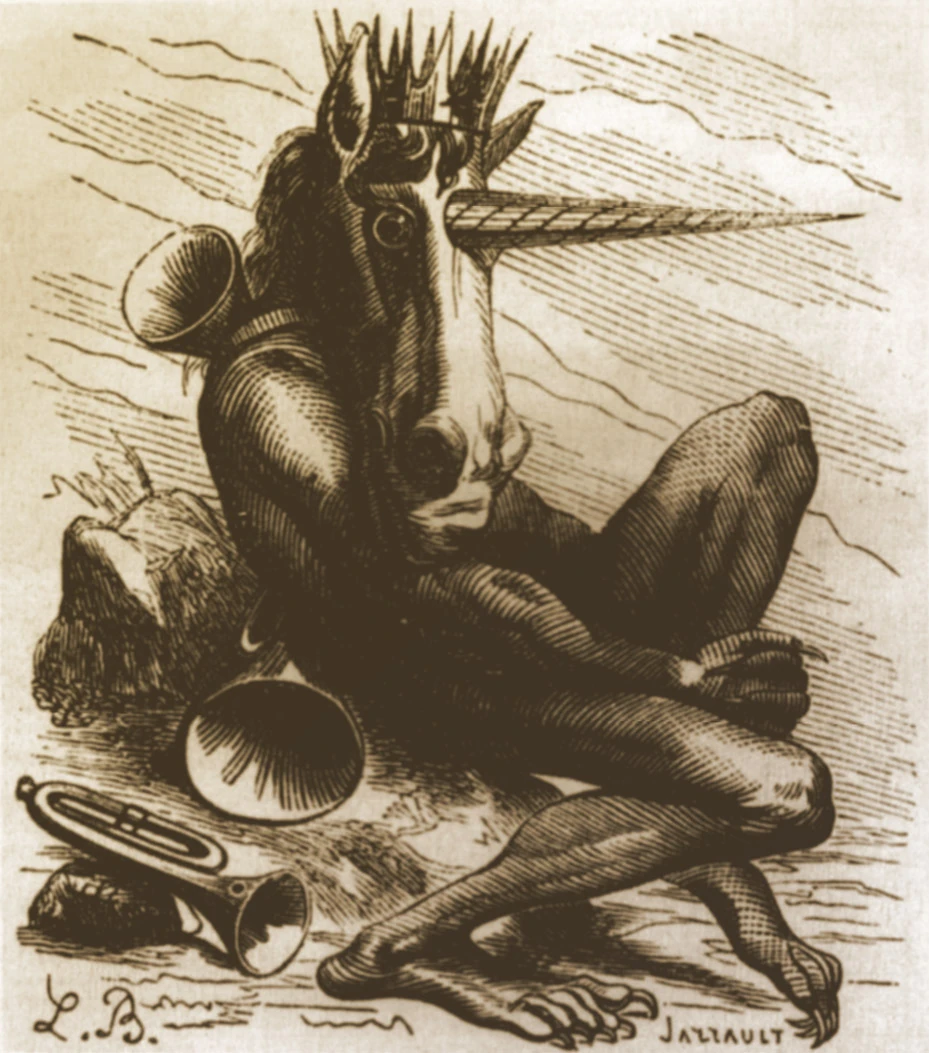
A unicorn-shaped Goetic duke associated with unseen music, bending trees, and familiars.

A German magical fraternity whose teaching gives Saturn a central symbolic and initiatory role.
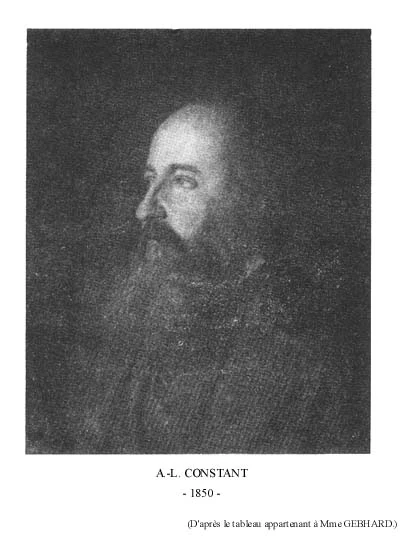
A nineteenth-century French occult author associated with ceremonial symbolism and the influential image of Baphomet.
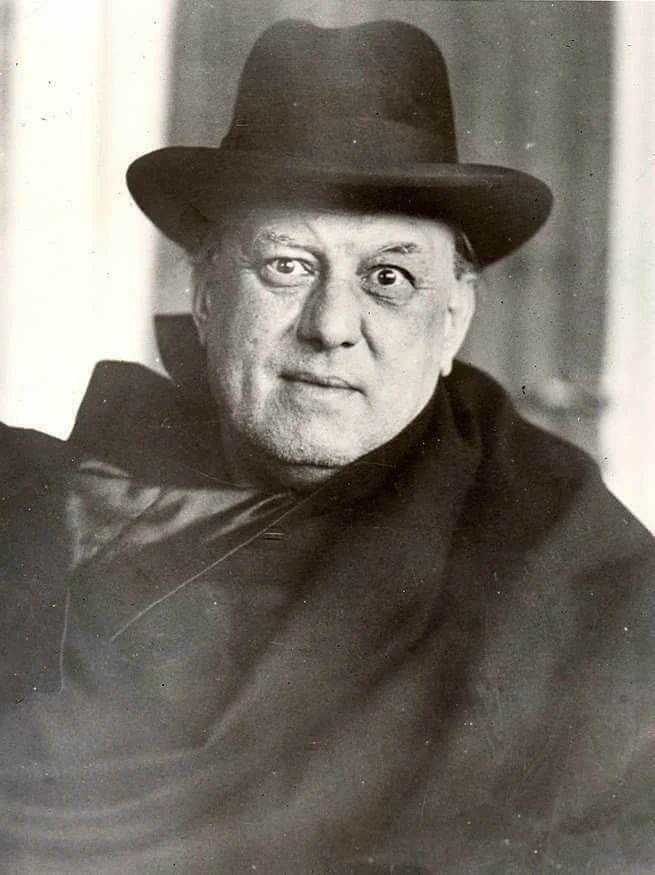
The author and religious figure associated with Thelema, The Book of the Law, and a large body of magical instruction.
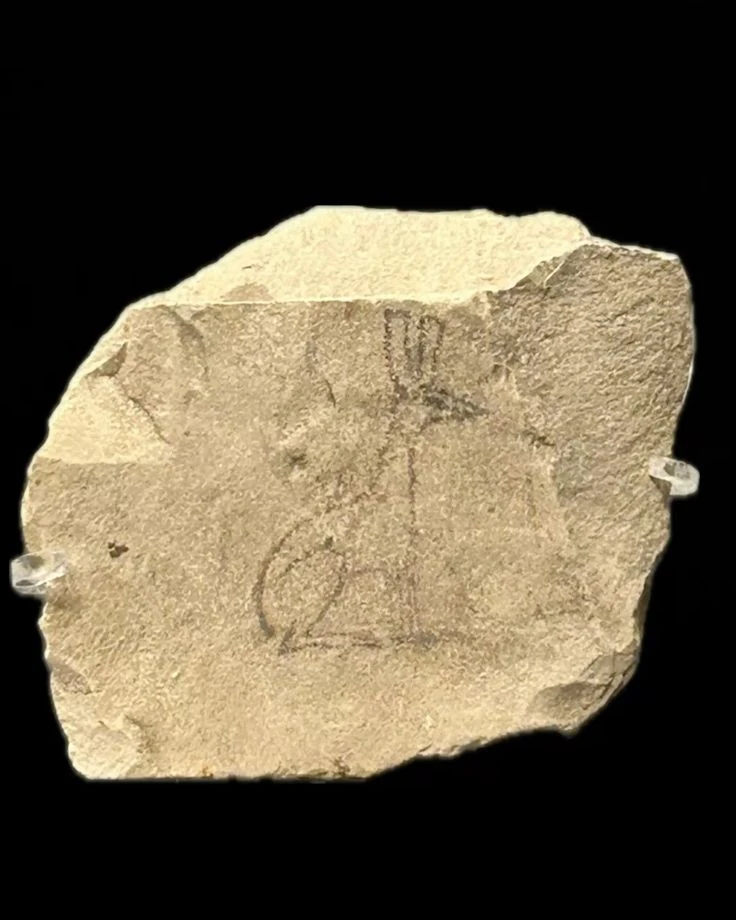
An ancient Egyptian deity associated with conflict and disorder, also reinterpreted in modern Setian religion.
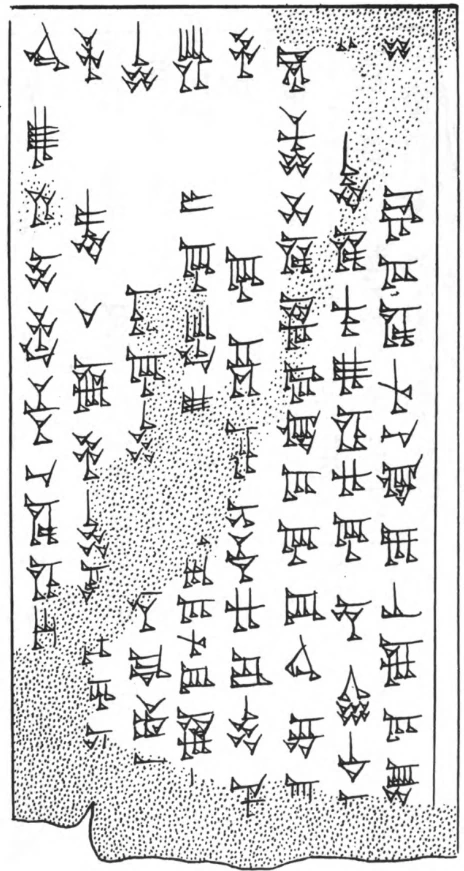
The primordial sea figure in the Babylonian creation epic Enuma Elish, defeated by Marduk in its account of cosmic ordering.
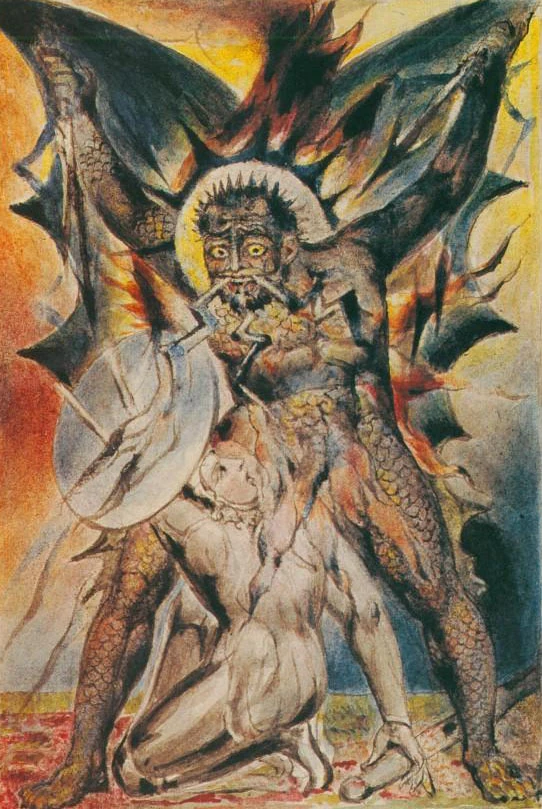
A biblical name associated with destruction, used in Revelation for the angel of the abyss.