Demonology & Spirits
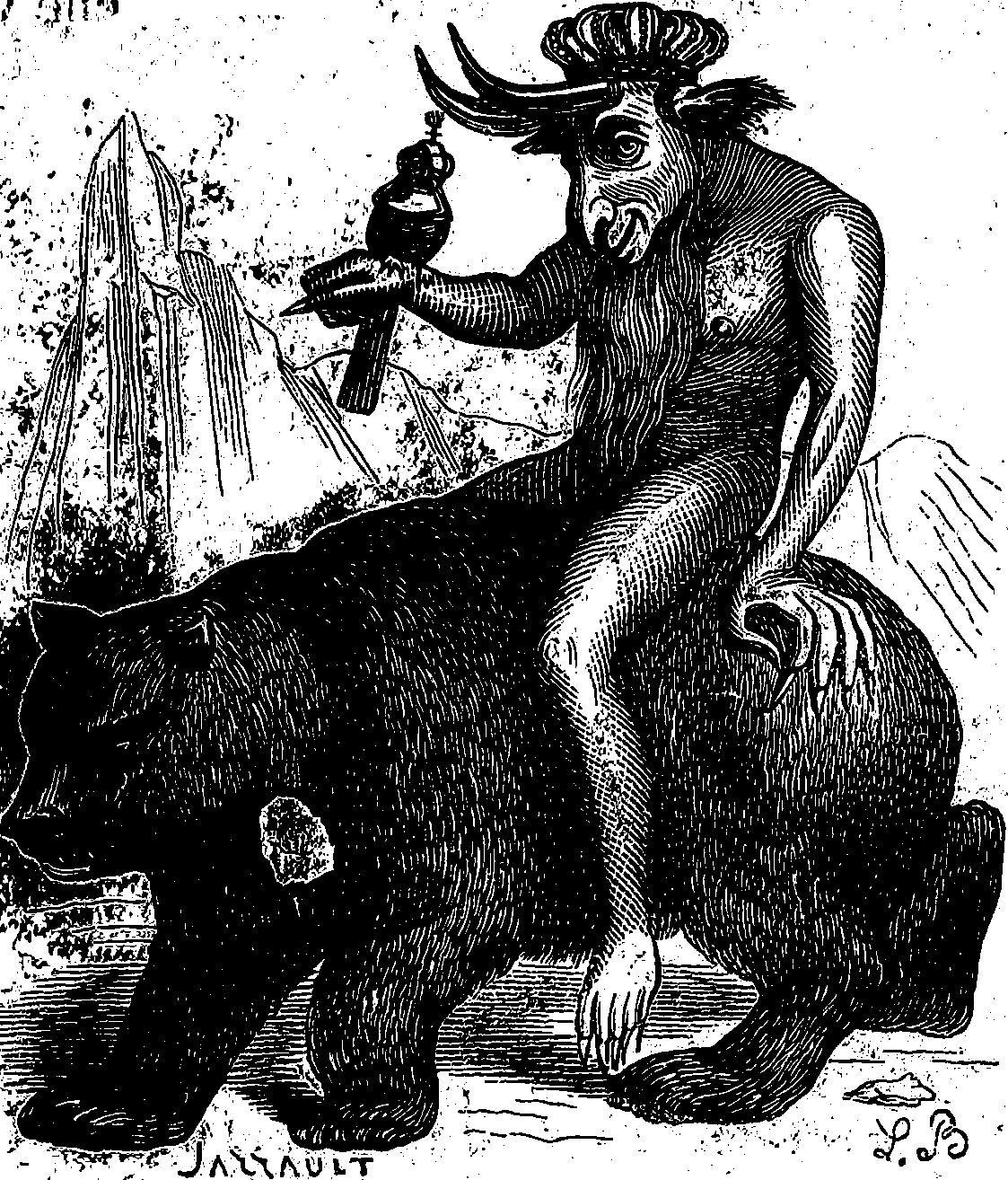
Balam
A three-headed Goetic king riding a bear, associated with answers, wit, and invisibility.
A three-headed Goetic king riding a bear, associated with answers, wit, and invisibility.
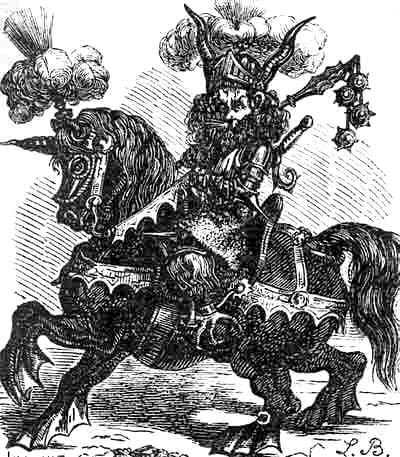
A lion-faced Goetic duke who teaches astronomy and the liberal sciences.

A Goetic president associated with animal voices, disputation, and answers given through burning ashes.
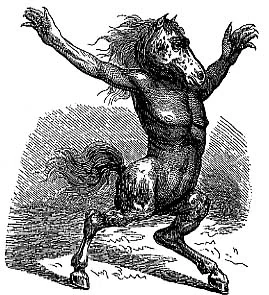
A Goetic prince portrayed as a horse and then a human, noted for the fidelity attributed to him.
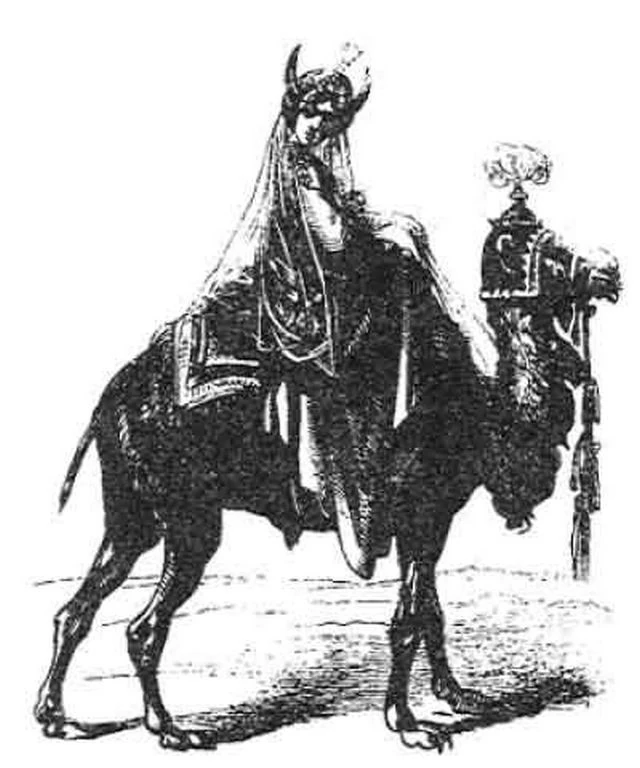
A Goetic duke depicted as a woman on a camel, associated with hidden knowledge, treasure, and attraction.
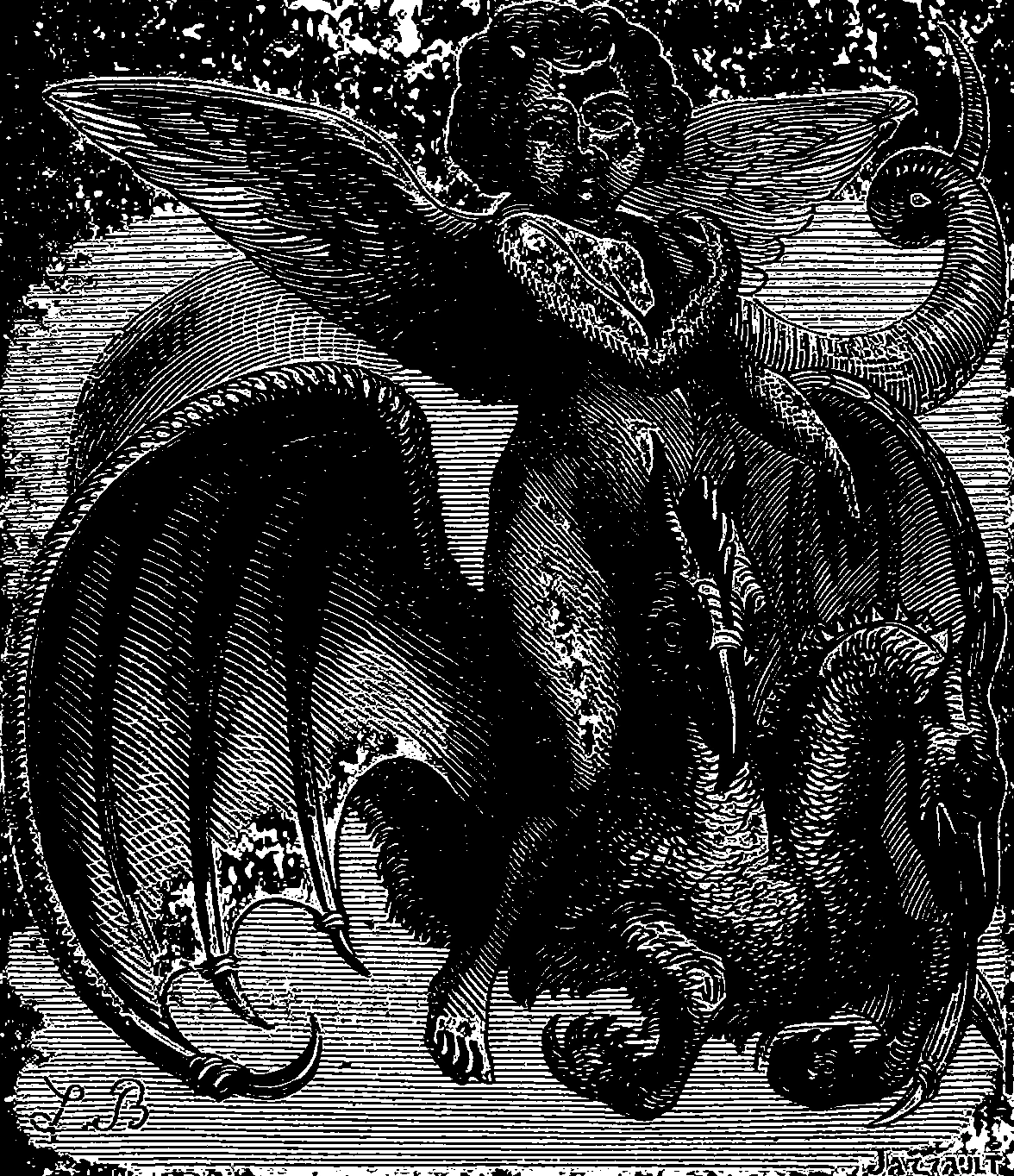
A Goetic president described as a winged boy on a two-headed dragon, associated with treasure and serpents.
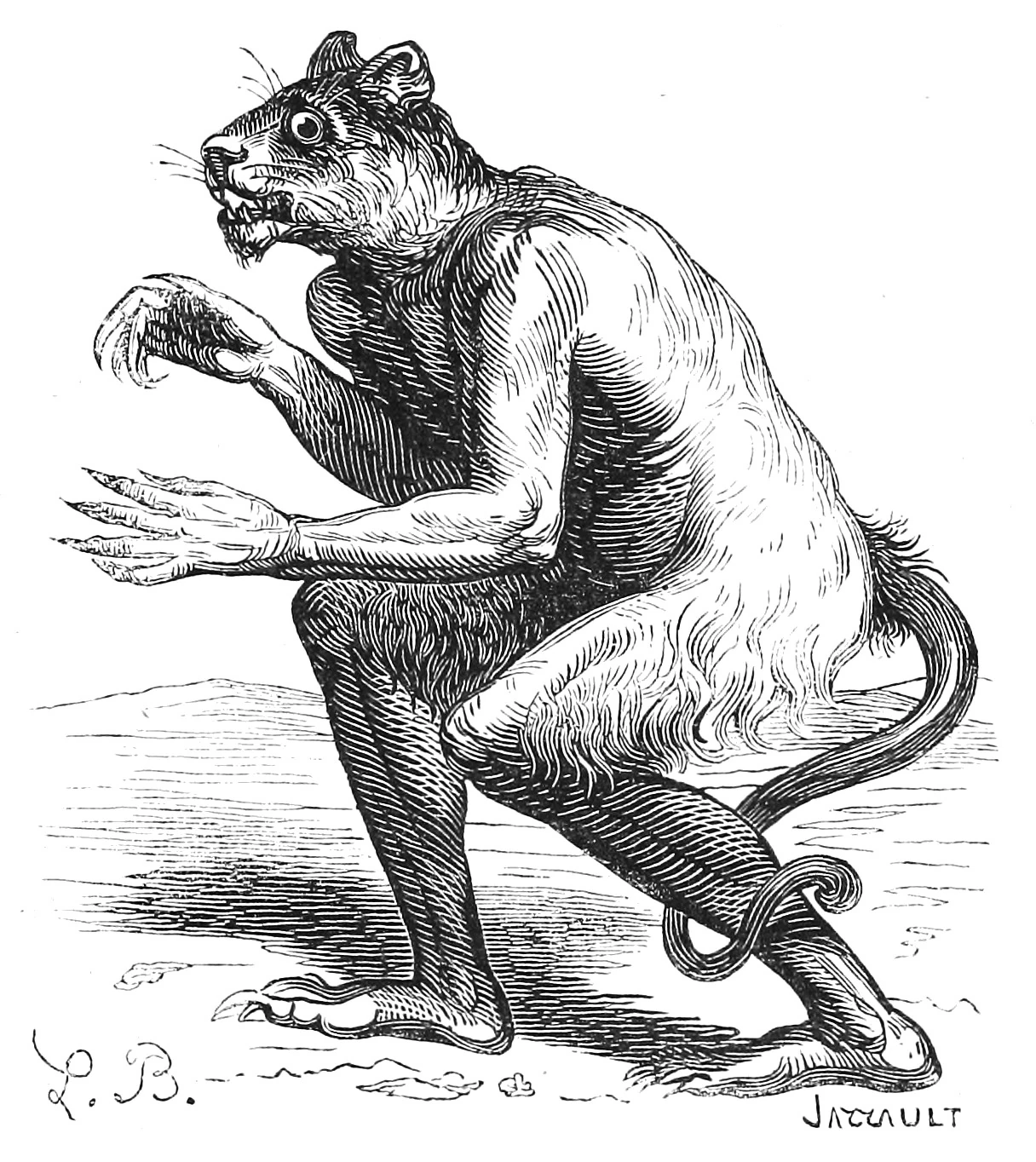
A Goetic duke, also called Flauros, associated with fiery destruction and answers about divine matters.

A German magical fraternity whose teaching gives Saturn a central symbolic and initiatory role.
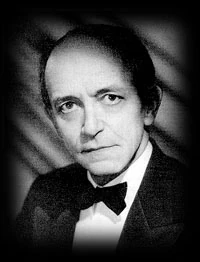
A school of the Western mysteries associated with Paul Foster Case, Ann Davies, Tarot, and Qabalistic study.
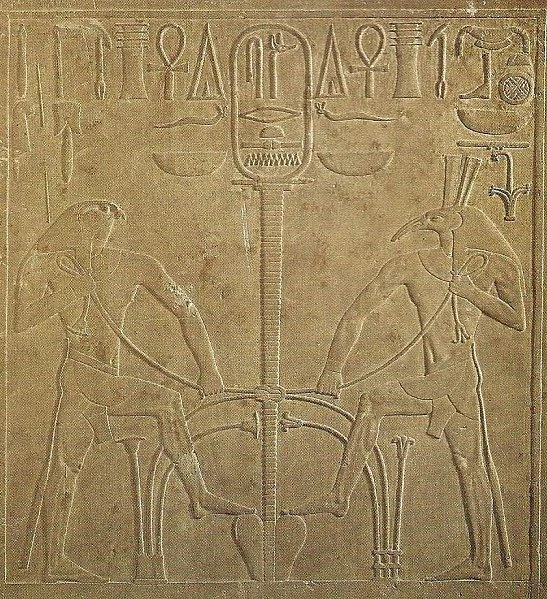
The religious philosophy associated with the Temple of Set, the Egyptian name Set, and the idea of Xeper.

A modern approach to magic that treats techniques and belief systems as tools for practical experimentation.
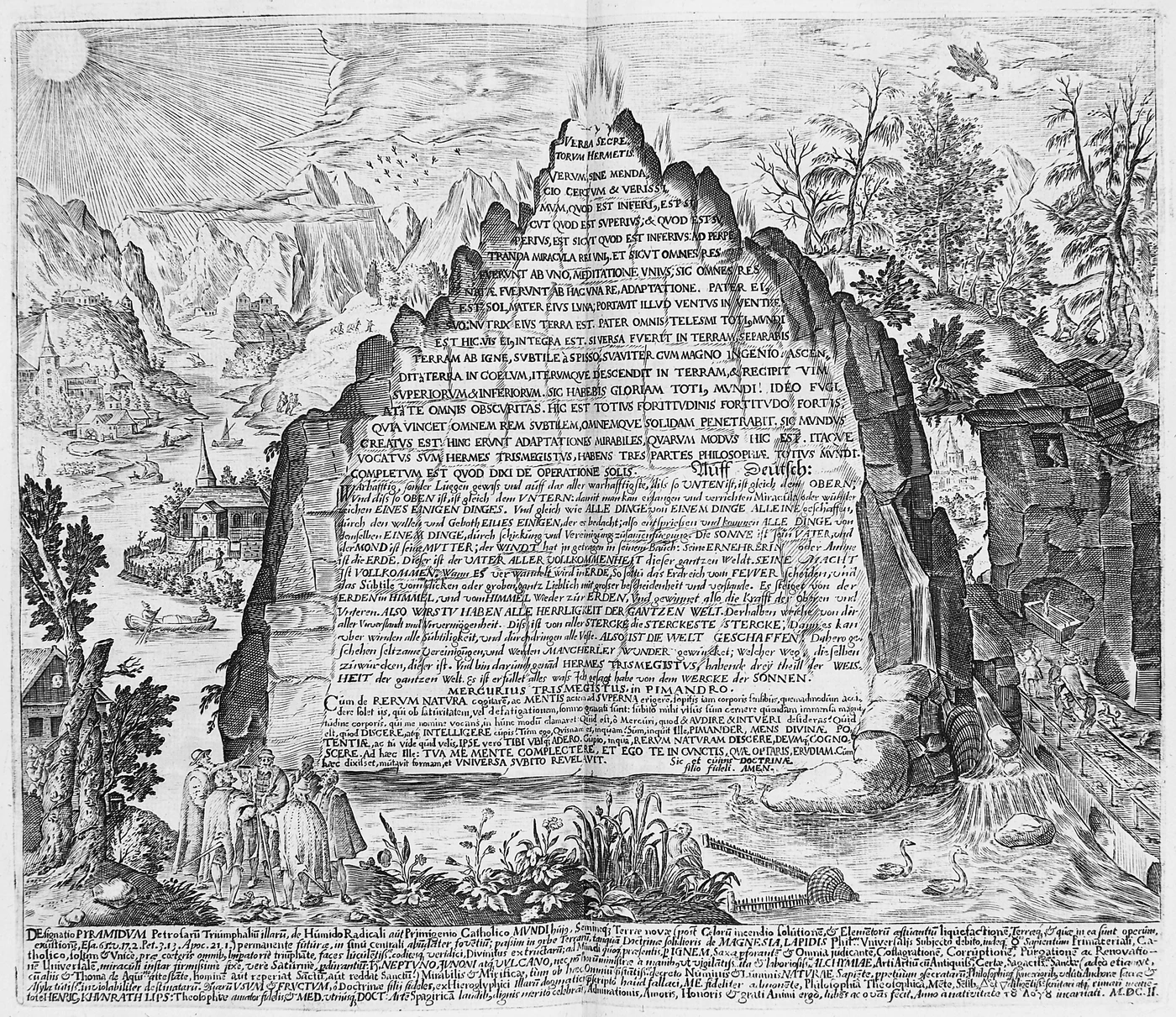
A brief Hermetic text whose images of above and below, sun and moon, and transformation influenced alchemical writing.

The physician and author whose Pseudomonarchia daemonum supplied an important source for later spirit catalogues.
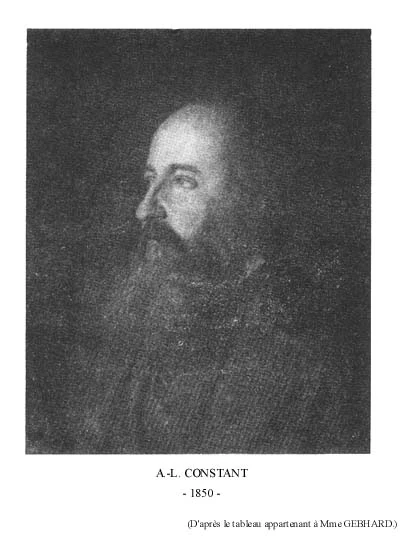
A nineteenth-century French occult author associated with ceremonial symbolism and the influential image of Baphomet.
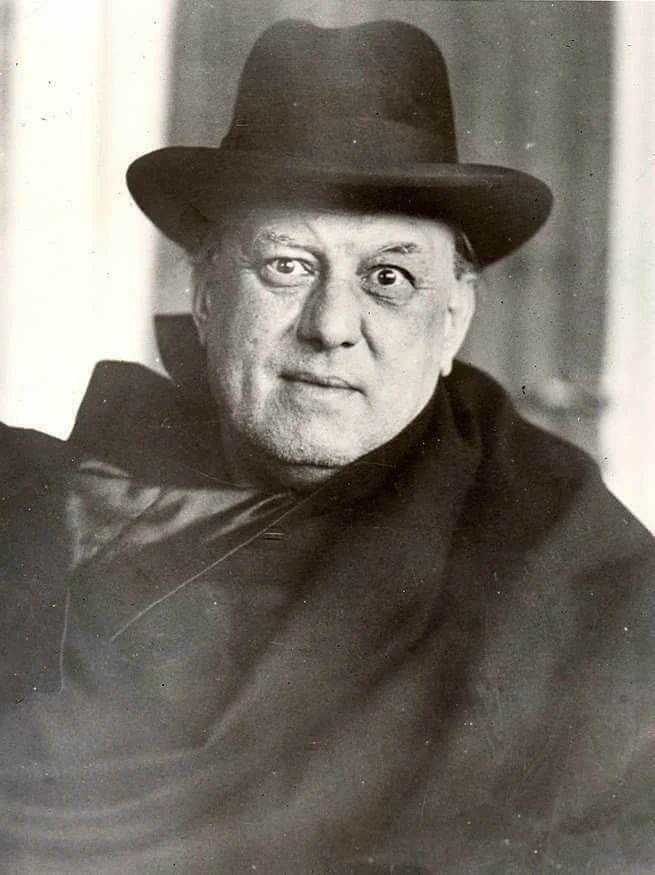
The author and religious figure associated with Thelema, The Book of the Law, and a large body of magical instruction.

The founder of the Church of Satan and author of The Satanic Bible and The Satanic Rituals.
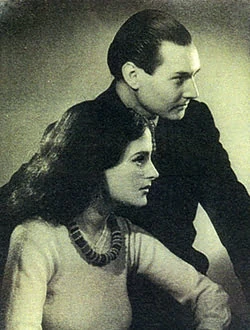
A British occult writer associated with the Typhonian current, Thelema, and the work of Austin Osman Spare.
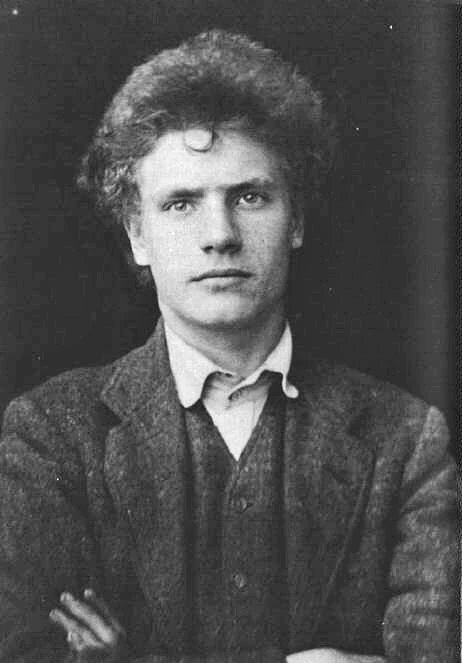
An English artist and occult author whose treatment of desire and sigils influenced later magical practice.
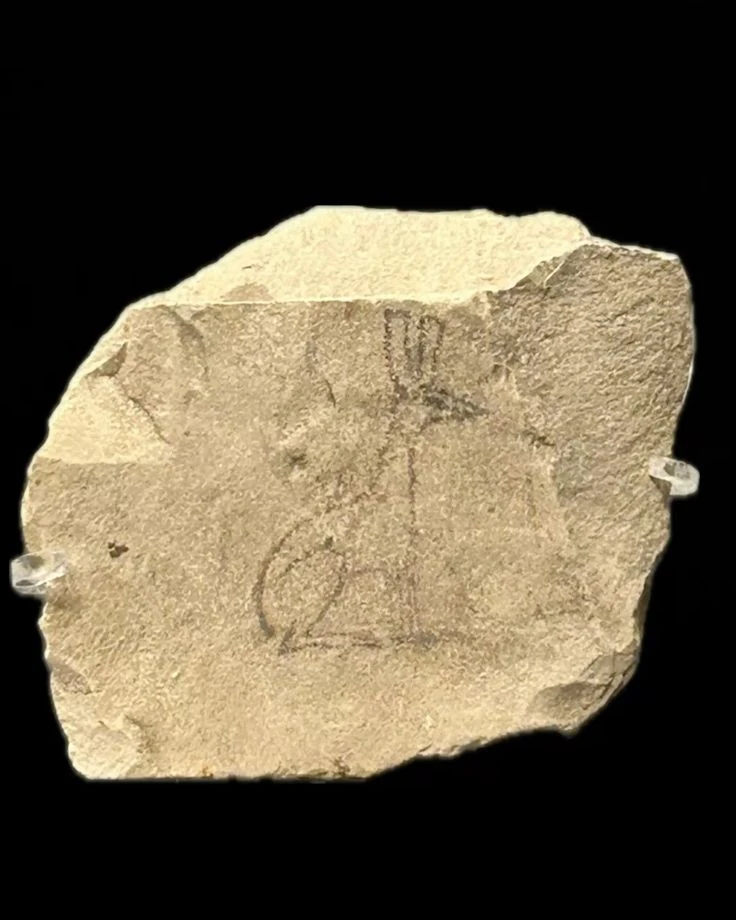
An ancient Egyptian deity associated with conflict and disorder, also reinterpreted in modern Setian religion.
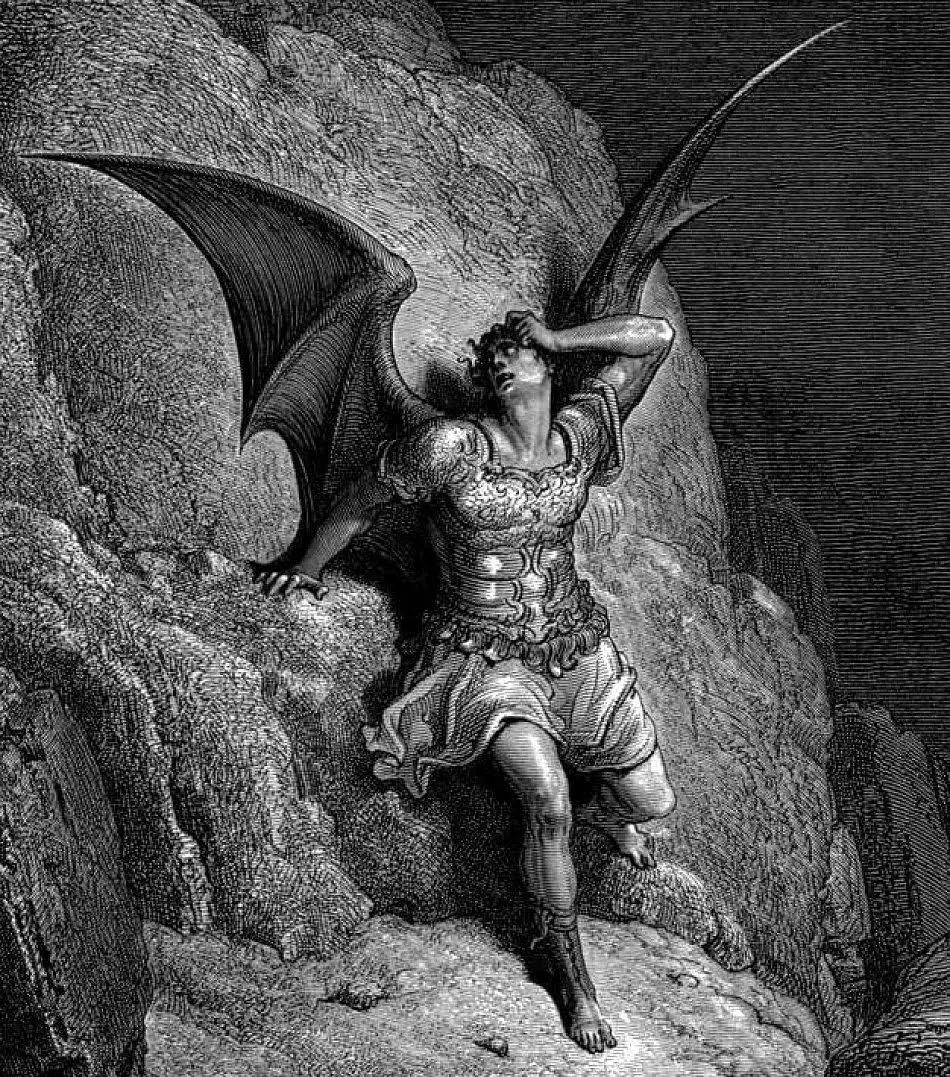
Satan is a figure whose meaning has changed substantially across Jewish, Christian, Islamic, literary, esoteric, and modern Satanic contexts. In contemporary theistic Satanism, Satan may be understood as a real deity, spirit, adversary, initiator, or metaphysical intelligence. Those modern interpretations draw on, but are not identical with, the much older history of the word and character.