Demonology & Spirits
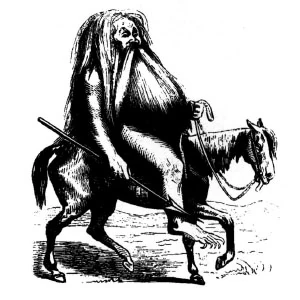
Furcas
The Goetic knight, associated with philosophy, learned arts, and forms of divination.
The Goetic knight, associated with philosophy, learned arts, and forms of divination.
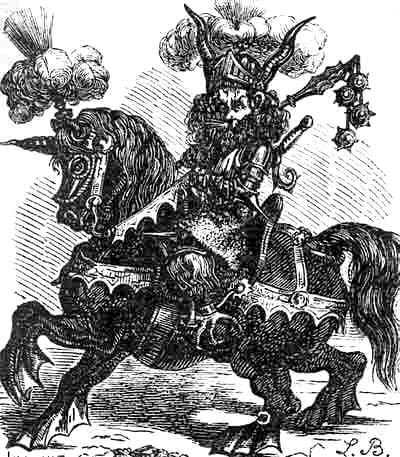
A lion-faced Goetic duke who teaches astronomy and the liberal sciences.
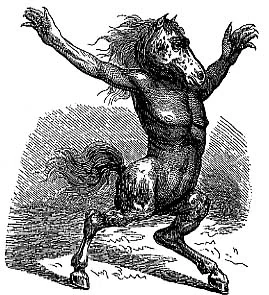
A Goetic prince portrayed as a horse and then a human, noted for the fidelity attributed to him.
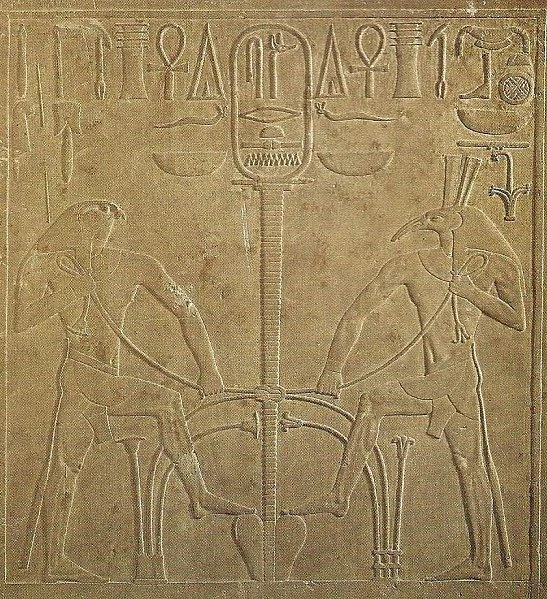
The religious philosophy associated with the Temple of Set, the Egyptian name Set, and the idea of Xeper.
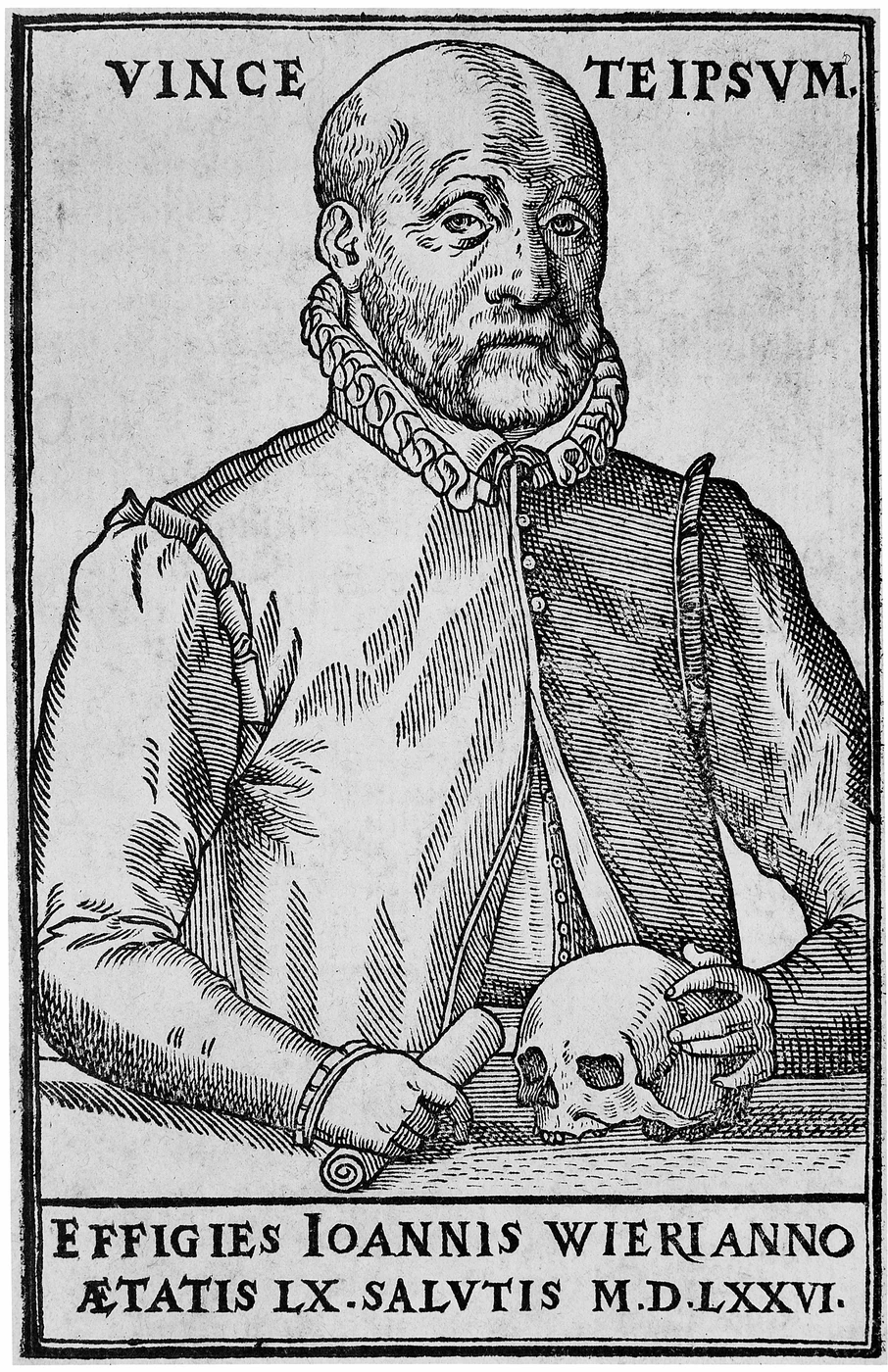
The physician and author whose Pseudomonarchia daemonum supplied an important source for later spirit catalogues.
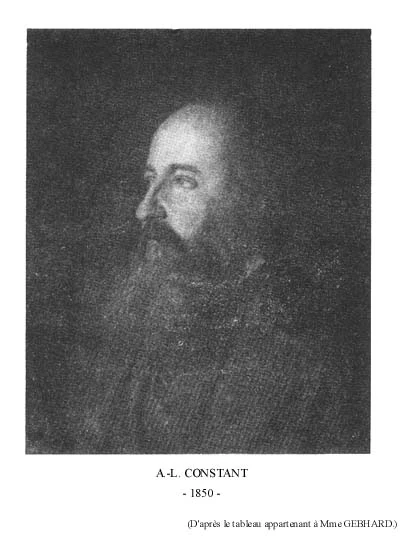
A nineteenth-century French occult author associated with ceremonial symbolism and the influential image of Baphomet.
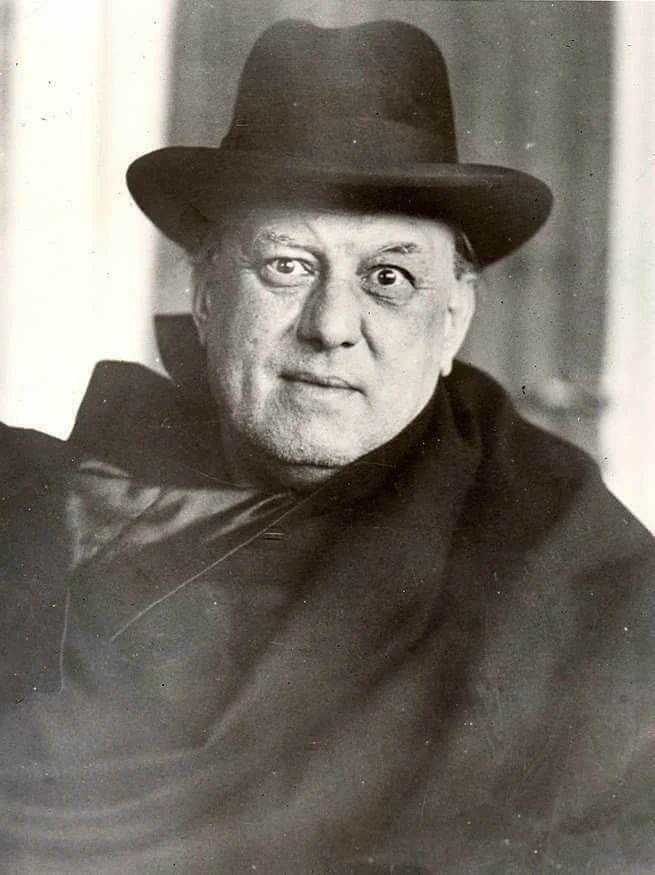
The author and religious figure associated with Thelema, The Book of the Law, and a large body of magical instruction.
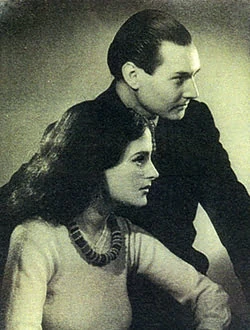
A British occult writer associated with the Typhonian current, Thelema, and the work of Austin Osman Spare.
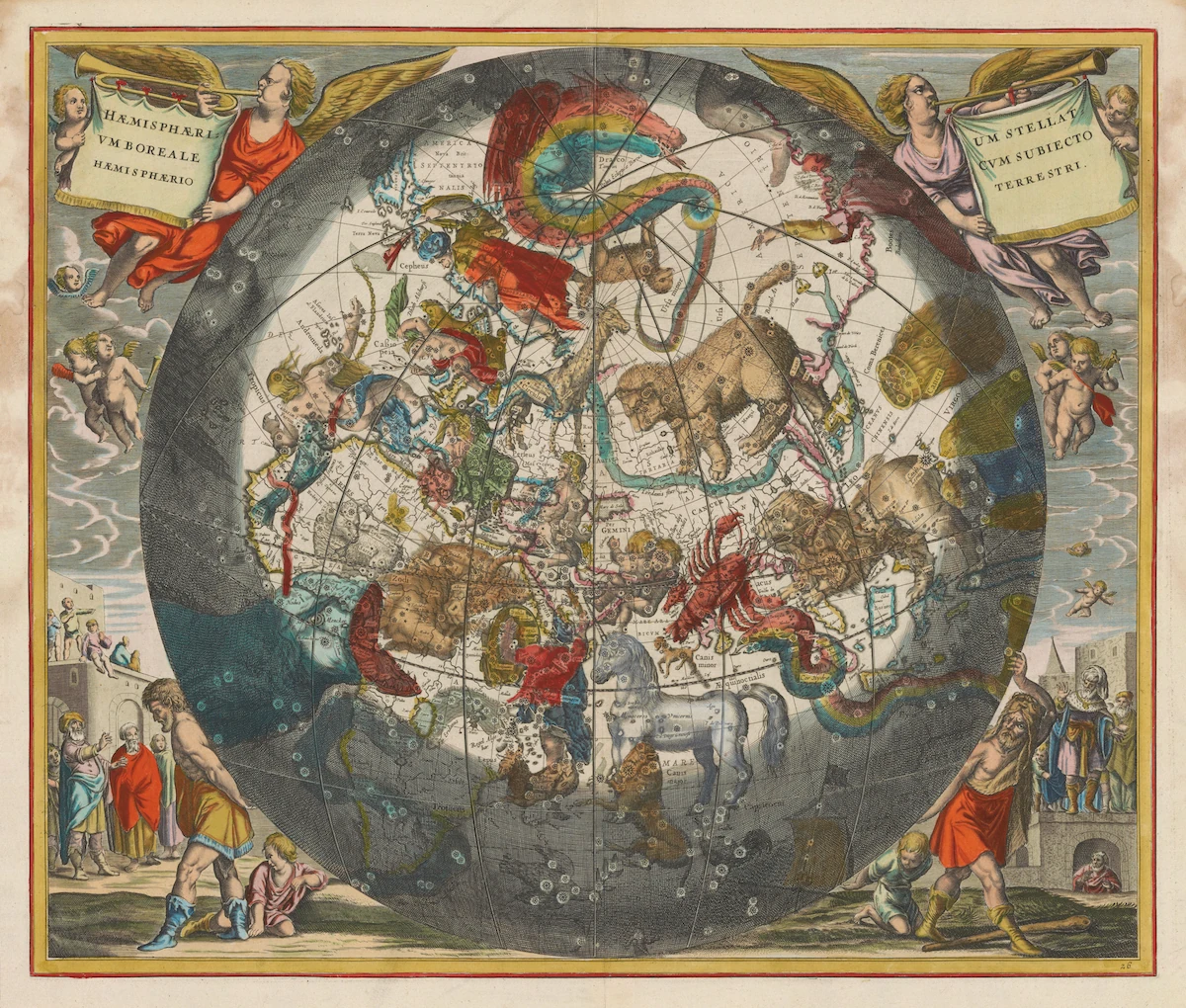
Magical systems using the seven traditional planets through timing, correspondences, images, and invocations.
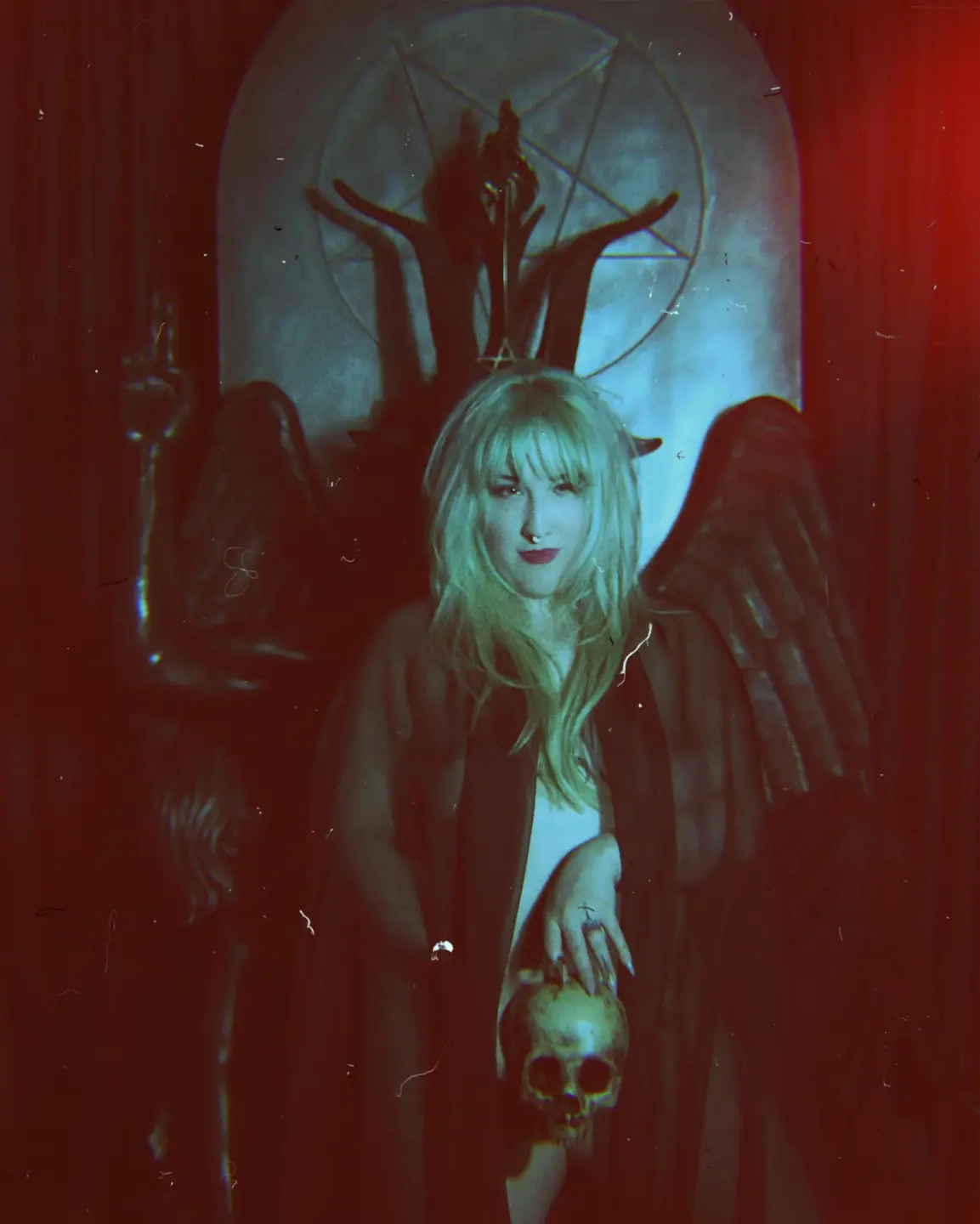
Baphomet is an occult figure whose history connects the medieval trial of the Knights Templar, nineteenth-century ceremonial symbolism, twentieth-century Satanic iconography, and the modern public imagery of The Satanic Temple. The familiar goat-headed, winged, androgynous figure is not a medieval portrait of a secret Templar god. It was created in the nineteenth century by the French occultist Éliphas…
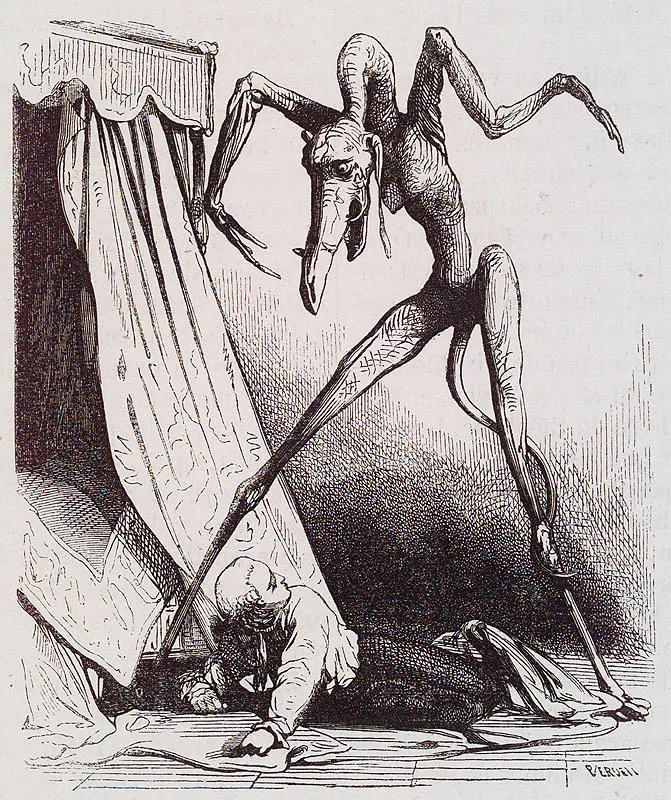
Demonology is the study, classification, and interpretation of demons and related spirits. In Western religious history it has included theological arguments about the nature and powers of demons, lists of named spirits, explanations of possession and temptation, magical techniques for summoning or constraining spirits, and folklore about dangerous supernatural beings. Modern theistic Satanists and…
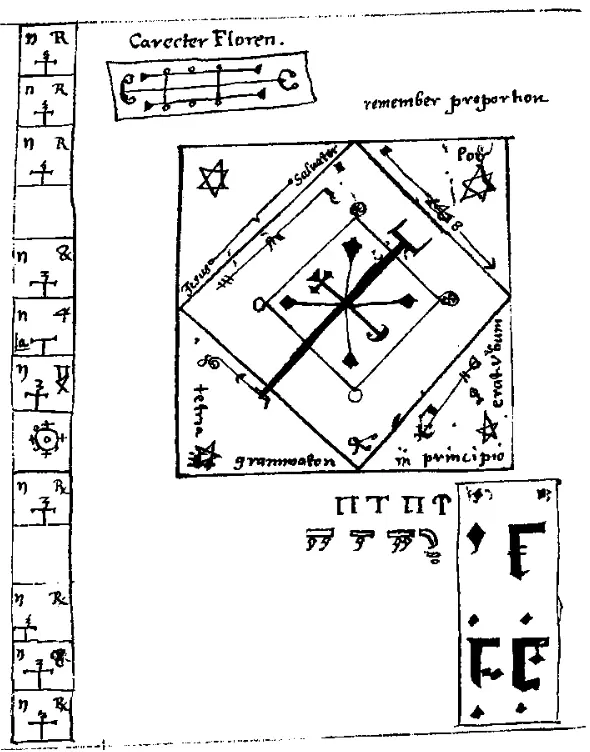
A grimoire is a book or manuscript containing magical knowledge, ritual procedures, charms, conjurations, talismans, spirit catalogues, astrological instructions, prayers, or other techniques intended to produce supernatural or occult effects. The term is most strongly associated with European magic, but scholars use it within a much wider history of magical books and written ritual technologies.
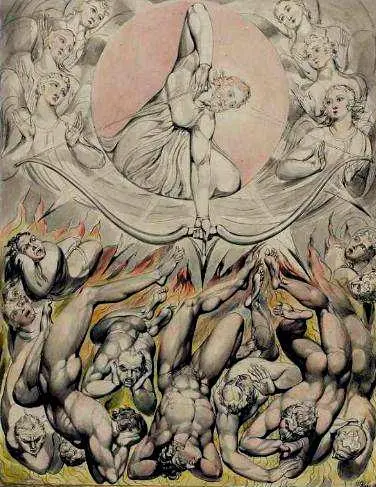
The Watchers are heavenly beings whose descent, teachings, and punishment are narrated in 1 Enoch. Their literary identity must be distinguished from later religious interpretations.
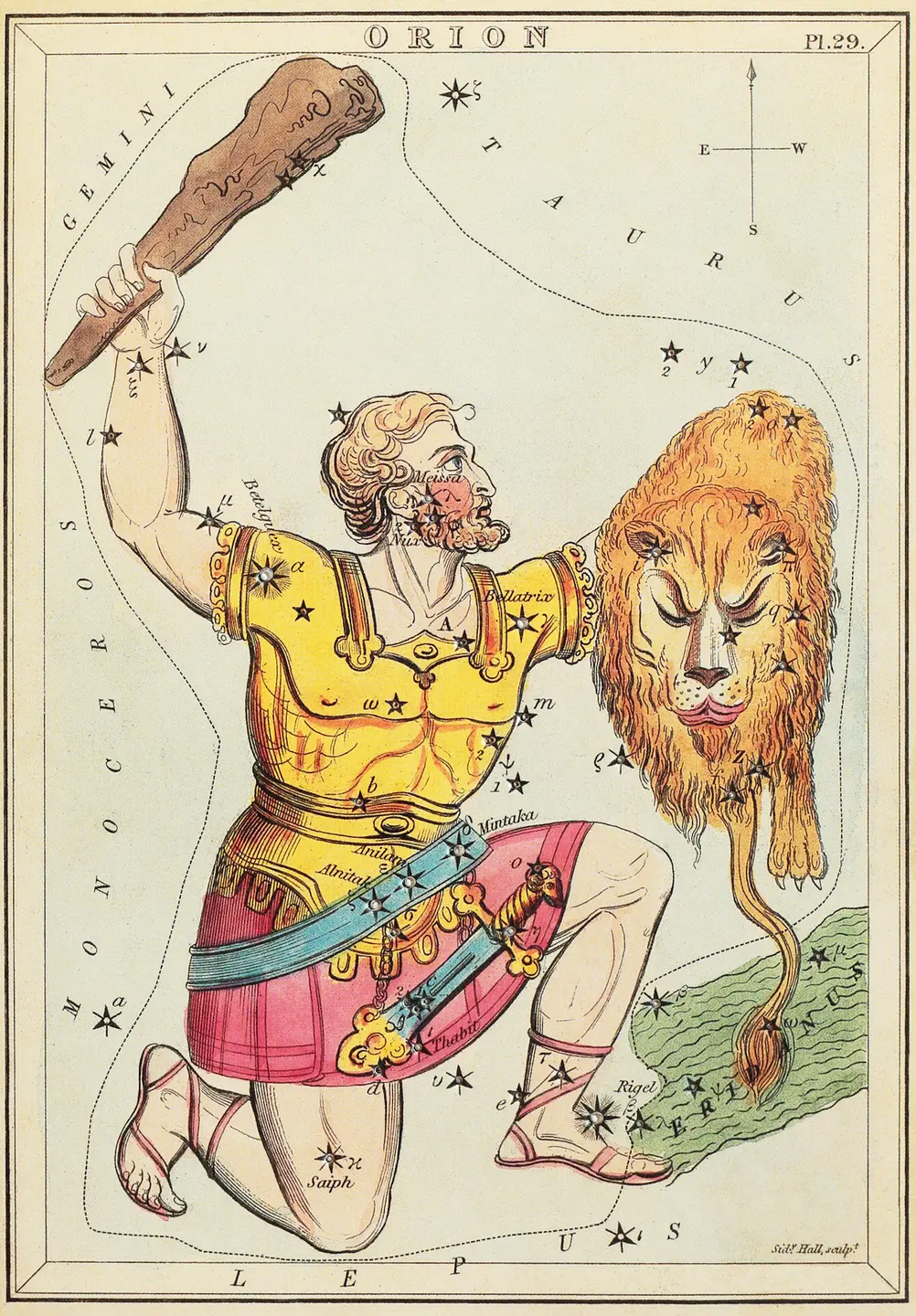
Semjaza is a leading figure in the Enochic account of the Watchers’ oath and descent. His role differs from the teaching and punishment associated with Azazel.
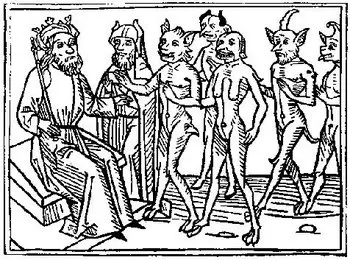
Belial appears in biblical religious language and later spirit catalogues. These uses should be distinguished rather than treated as one unchanged biography.
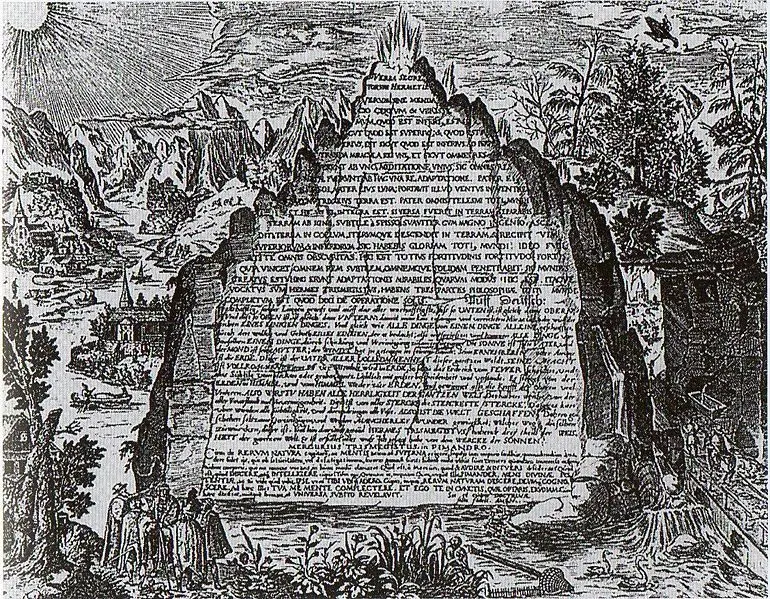
Alchemy concerns historical approaches to material transformation and the interpretation of nature. Spiritual readings form part of its reception but should not replace the material history.
Demonolatry refers to devotion to demons or daemonic beings. Modern accounts vary in theology, authority, and their relationship with historical grimoires.
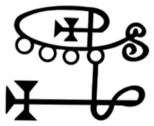
A Goetic duke whose description combines a lion-like form with a warning about theft and familiar spirits.
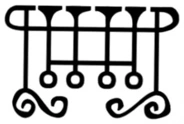
A Goetic duke associated with answers, reconciliation, and the obscure term Xenopilus.
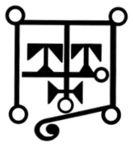
A Goetic spirit with the titles president and earl, associated with knowledge and reconciliation.