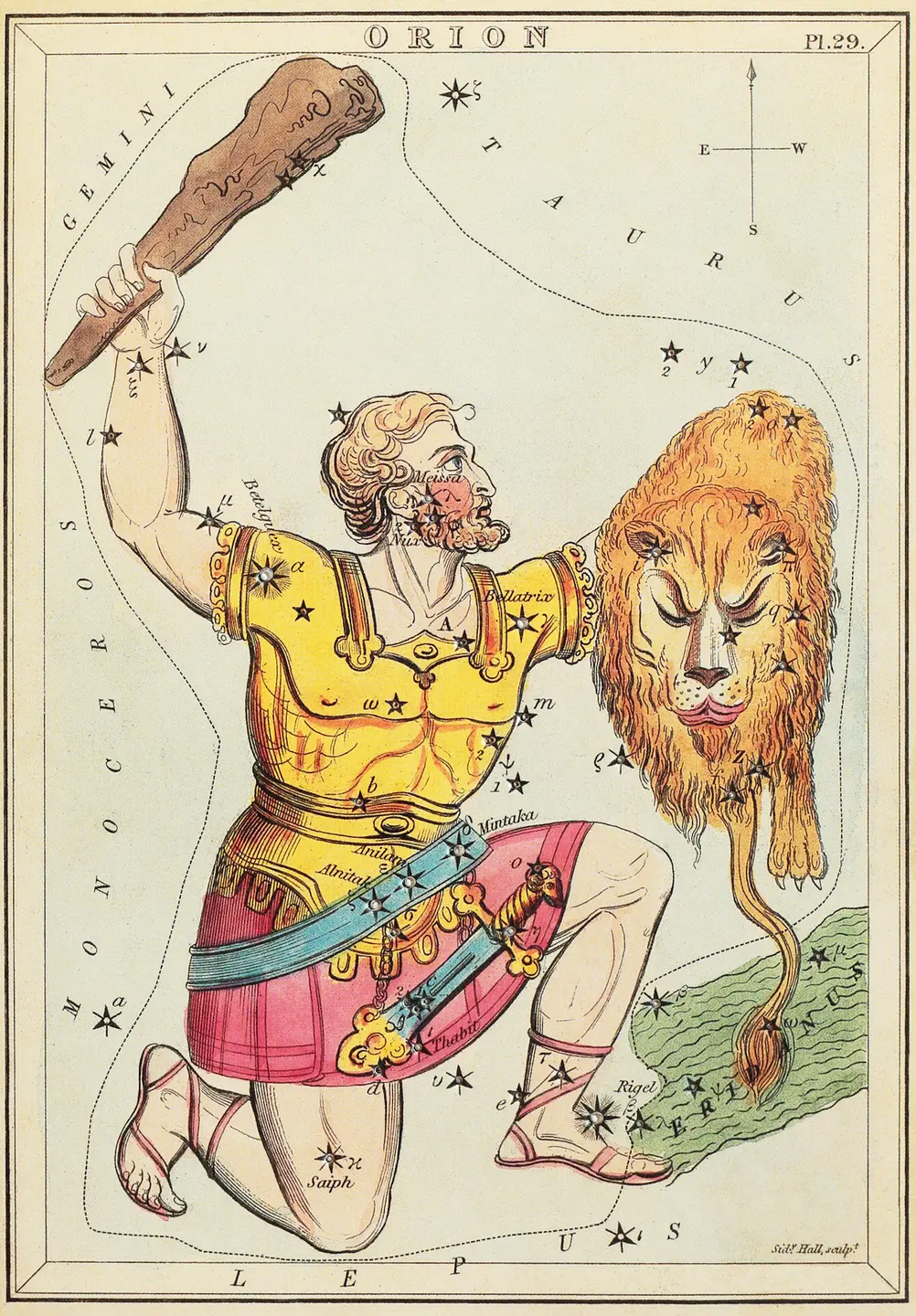
Demonology & Spirits
Semjaza
Semjaza is a leading figure in the Enochic account of the Watchers’ oath and descent. His role differs from the teaching and punishment associated with Azazel.
Semjaza is a leading figure in the Enochic account of the Watchers’ oath and descent. His role differs from the teaching and punishment associated with Azazel.
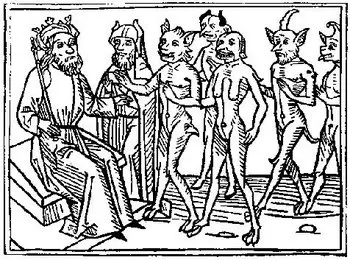
Belial appears in biblical religious language and later spirit catalogues. These uses should be distinguished rather than treated as one unchanged biography.
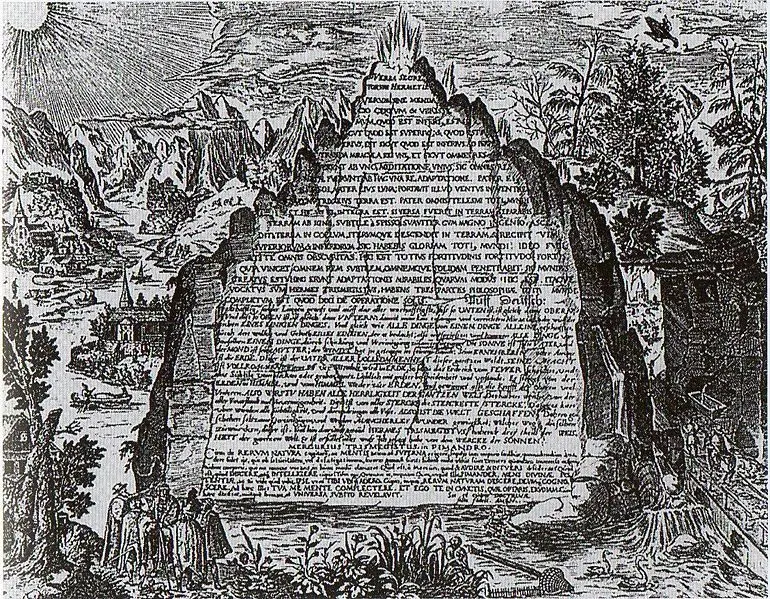
Alchemy concerns historical approaches to material transformation and the interpretation of nature. Spiritual readings form part of its reception but should not replace the material history.
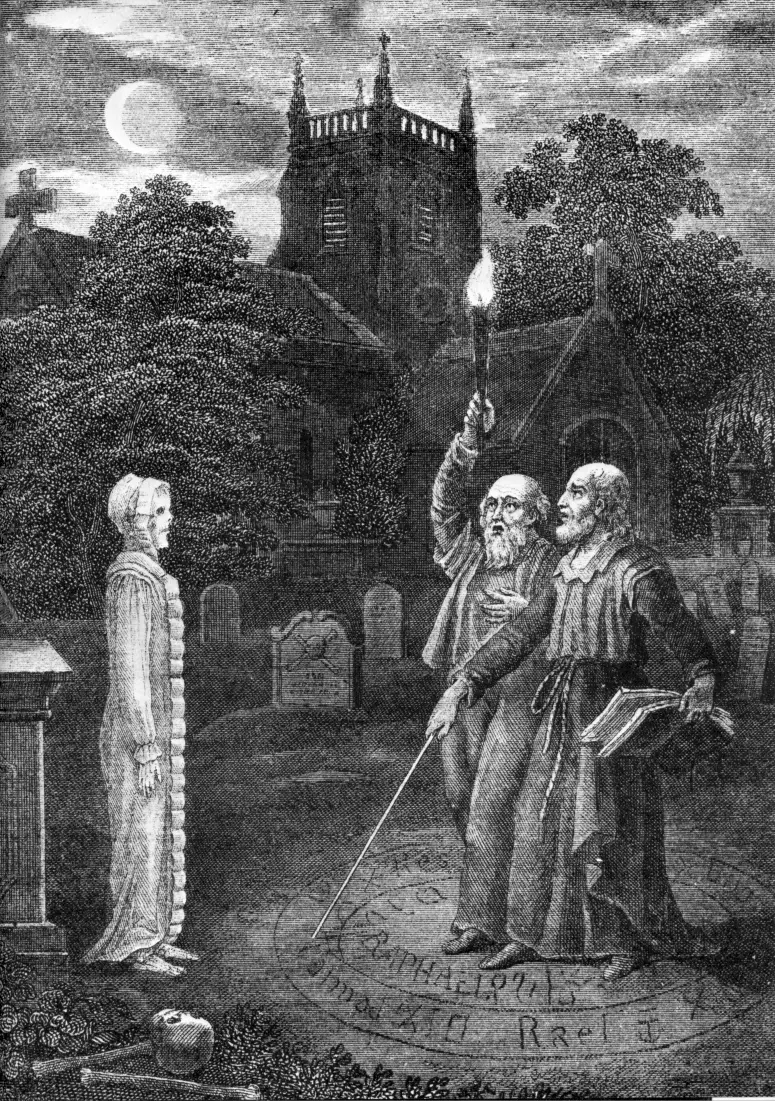
Invocation and evocation are terms used for related but differently framed religious or magical actions. Their definitions vary between authors and practice systems.
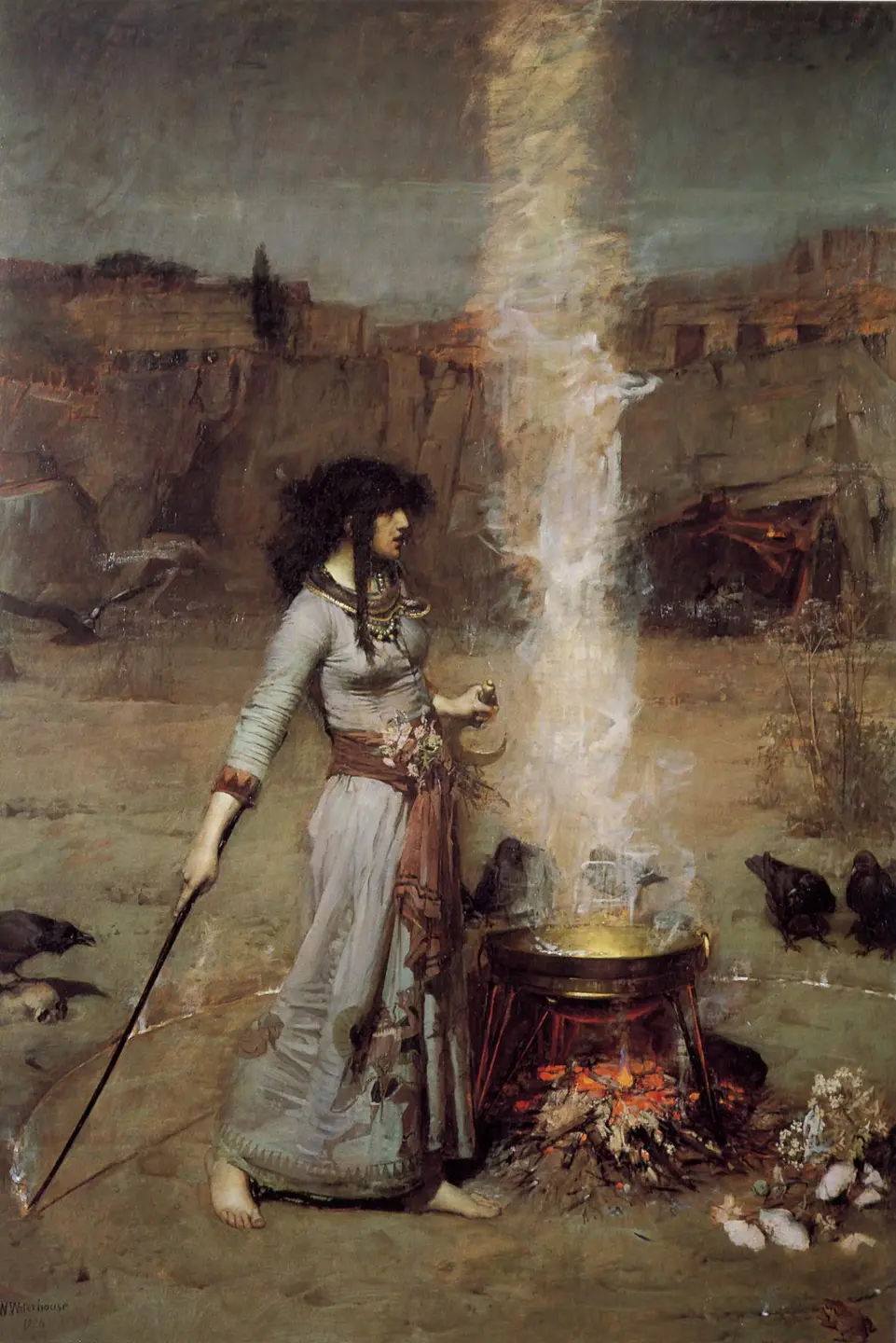
Demonolatry refers to devotion to demons or daemonic beings. Modern accounts vary in theology, authority, and their relationship with historical grimoires.
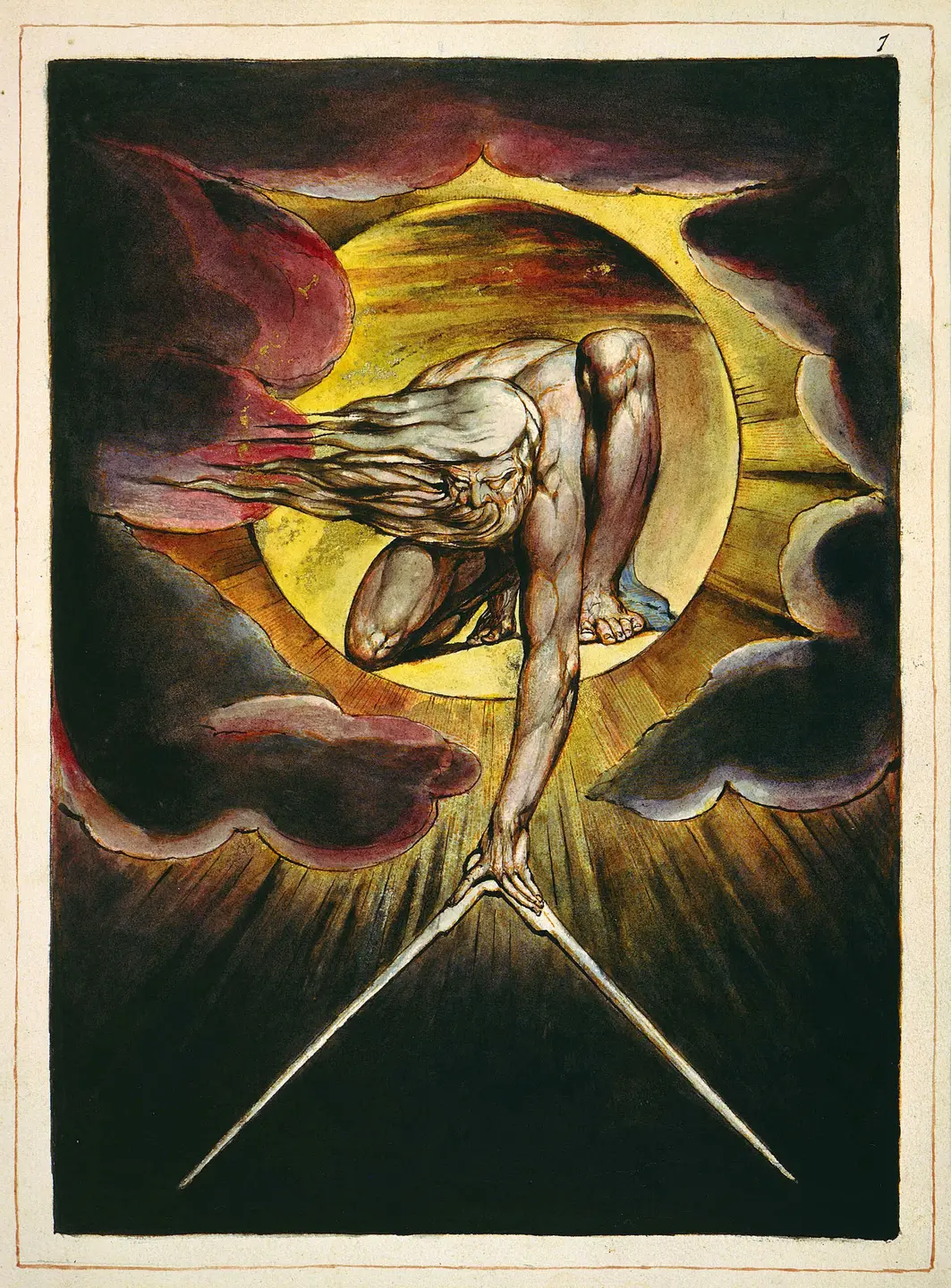
Religious discernment concerns how experiences are interpreted and assessed. An immediate event, a theological explanation, and a claim about another person require different kinds of evidence.
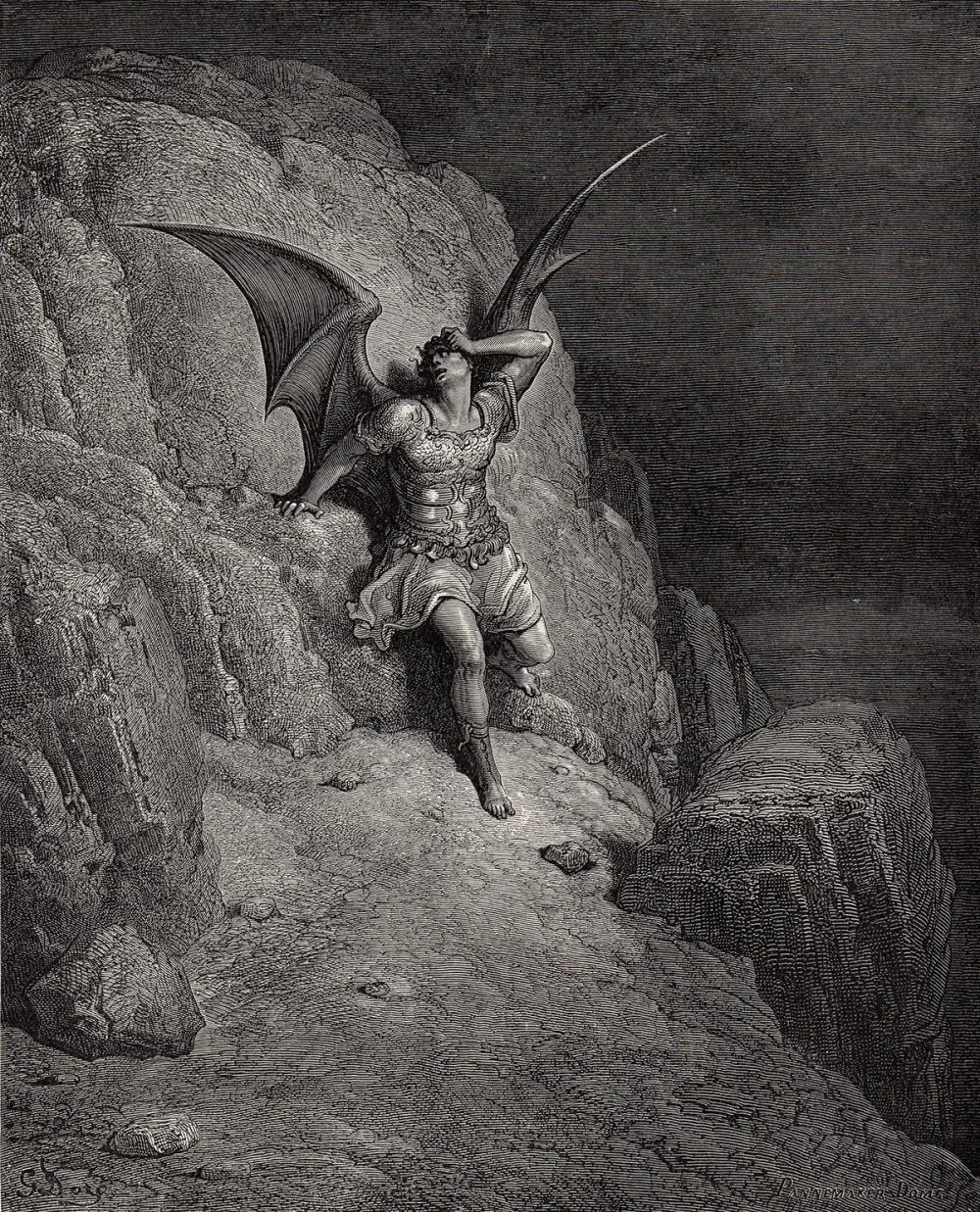
Milton’s Paradise Lost gives Satan an influential literary characterization. His persuasive speeches must be read alongside the narrator’s account and the consequences of his actions.
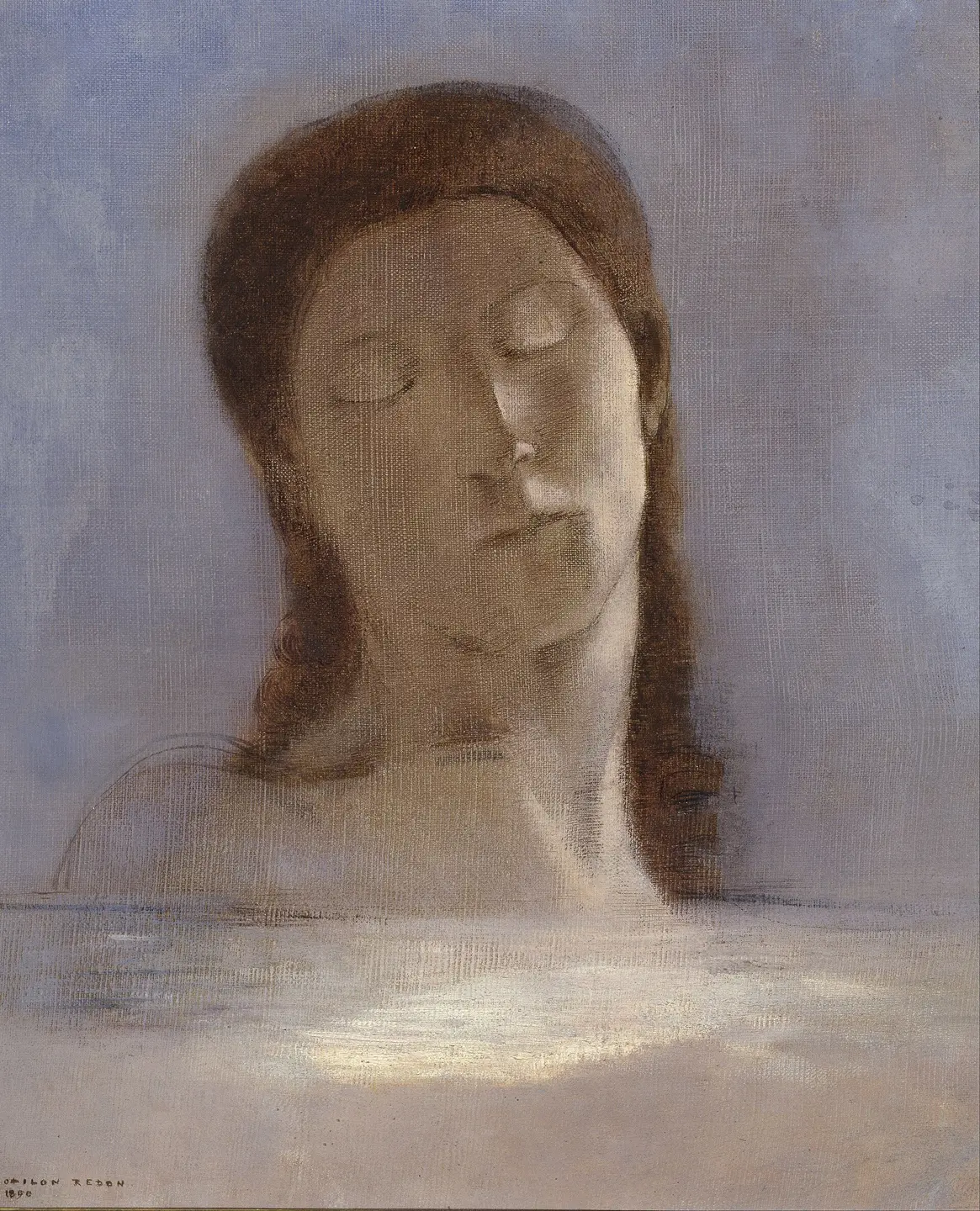
Unverified personal gnosis identifies a spiritual claim or interpretation whose source is personal experience rather than established textual or communal authority.
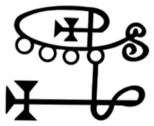
A Goetic duke whose description combines a lion-like form with a warning about theft and familiar spirits.
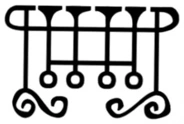
A Goetic duke associated with answers, reconciliation, and the obscure term Xenopilus.
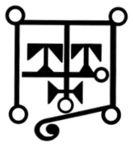
A Goetic spirit with the titles president and earl, associated with knowledge and reconciliation.
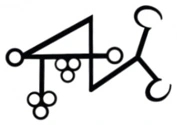
A Goetic spirit called Morax or Marax, associated with astronomy and the properties of plants and stones.
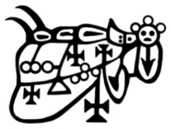
A Goetic duke associated with wealth, eloquence, and the places of the dead.
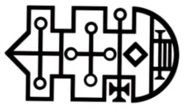
A Goetic earl associated with royal treasure, the destruction of cities, and altered relationships.
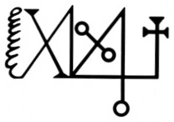
A Goetic duke with griffin wings, associated with winds, the sea, and shipwreck.
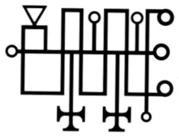
A Goetic president with a winged bull form, associated with wisdom and the transformation of substances.
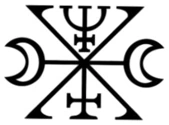
A Goetic spirit associated with philosophy and the compelled appearance of deceased souls.
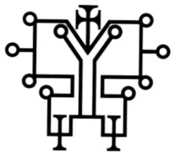
A mounted Goetic marquis whose office includes the stars, planetary mansions, and social dignities.

A Goetic prince riding a winged horse, associated with rapid movement and the recovery of hidden things.
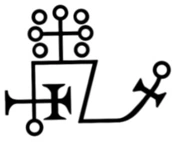
A many-faced Goetic duke carrying a book, associated with thoughts, knowledge, and visions of other people.