Theology & Cosmology
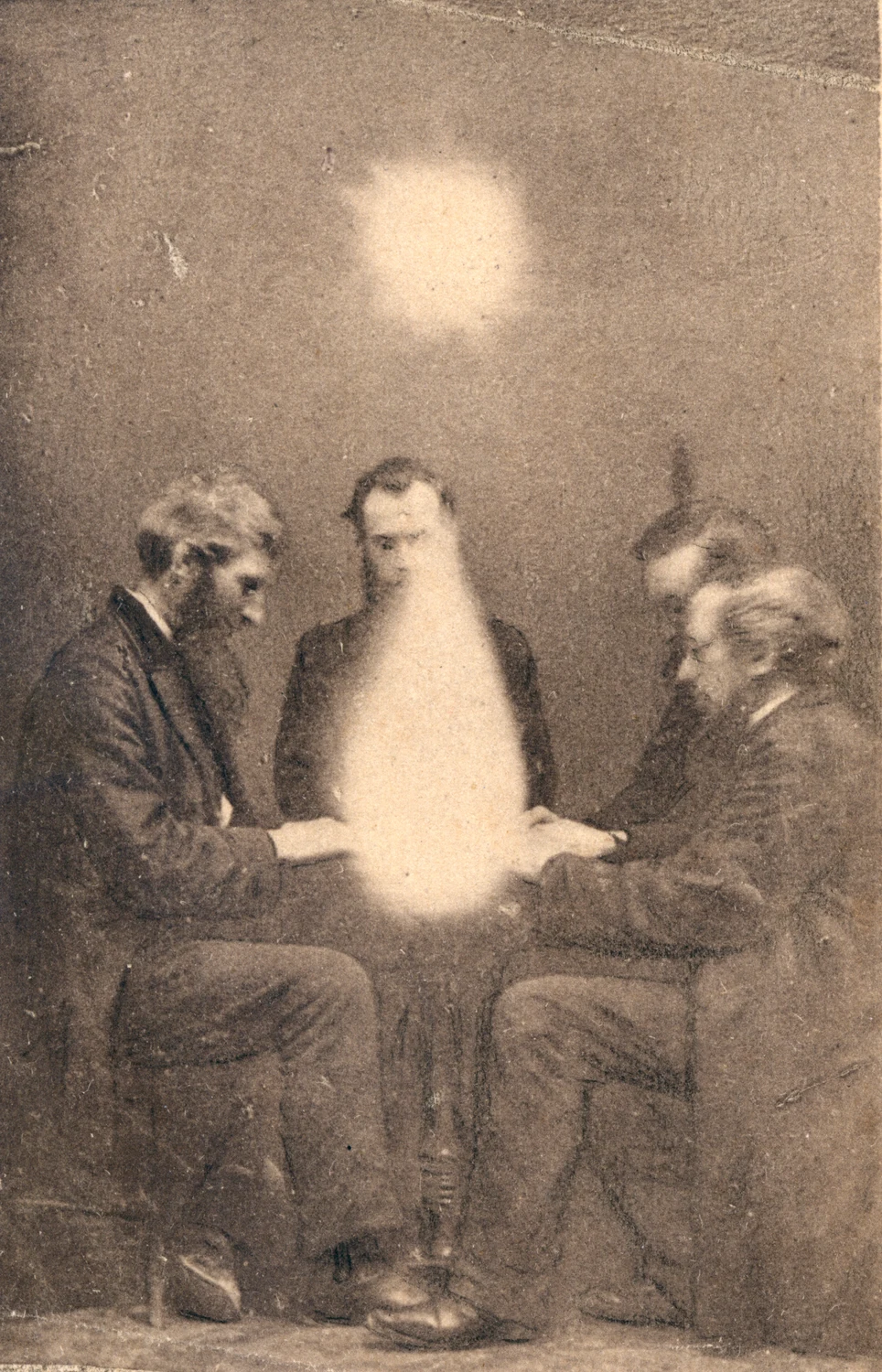
Spiritualism
A religious movement centered on mediumship and continued personal identity after death, with church teachings and spirit photography.
A religious movement centered on mediumship and continued personal identity after death, with church teachings and spirit photography.

The public holiday of 31 October, including lanterns, visiting customs, disguise, and its Celtic and Christian histories.
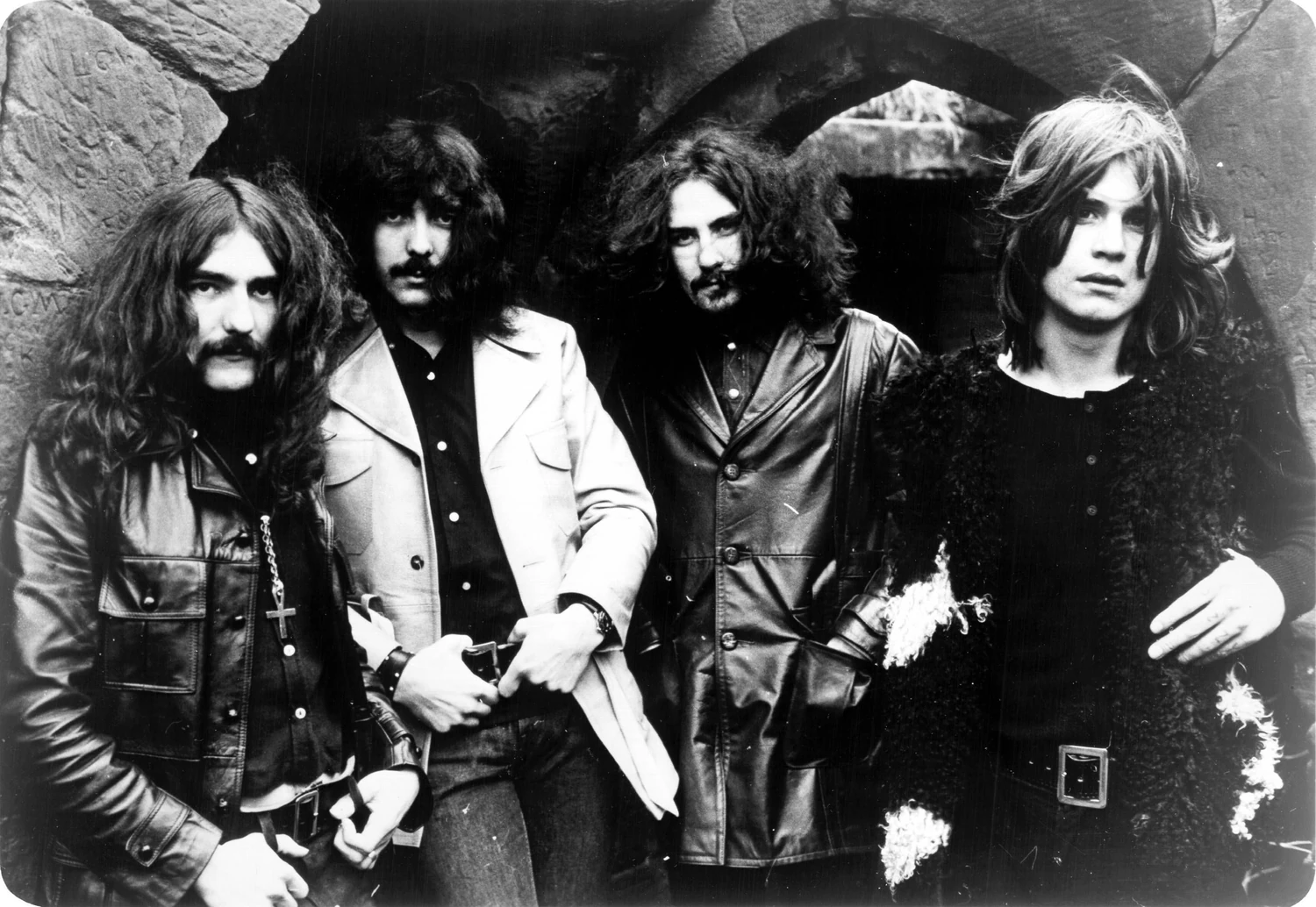
How Black Sabbath and Venom used dark or Satanic imagery, and why a song, stage character, and religious affiliation are different evidence.
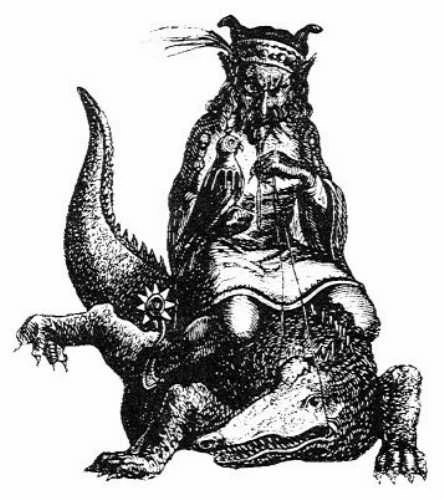
The second Goetic spirit, described as an elderly rider with a crocodile and a goshawk.
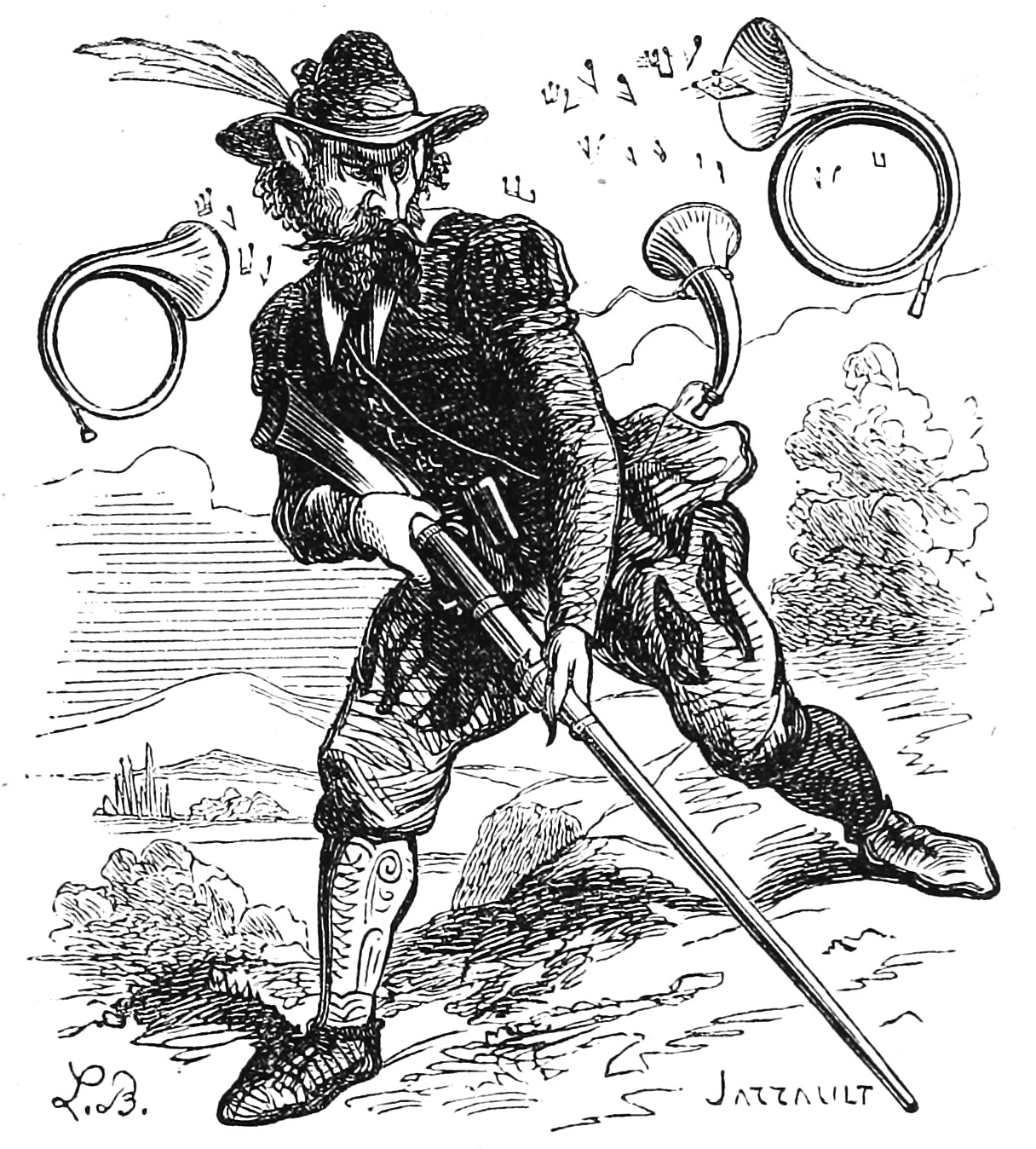
A Goetic duke connected with the speech of animals, enchanted treasure, and reconciliation.
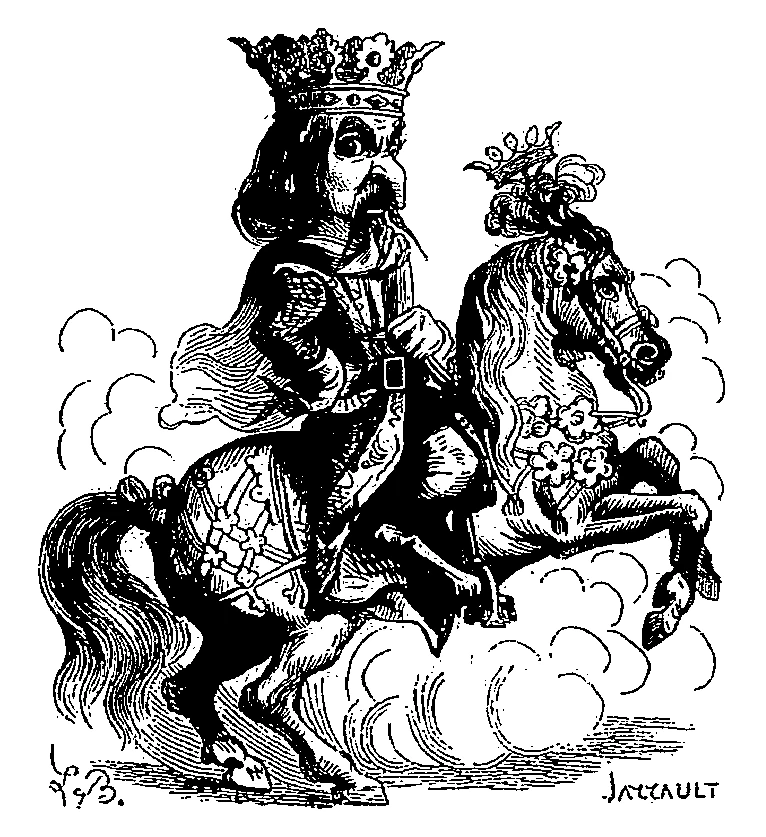
A Goetic duke riding a red horse, credited with knowledge, honors, and the transformation of metals.
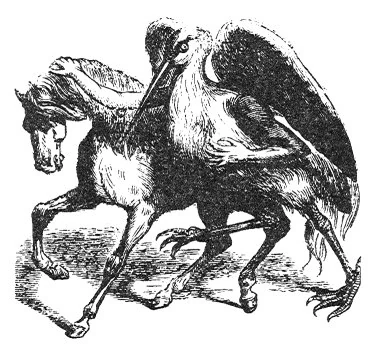
A Goetic marquis in bird form, associated with concealment, royal money, and unreliable answers.

A Goetic earl associated with learned subjects, burial places, and lights at graves.
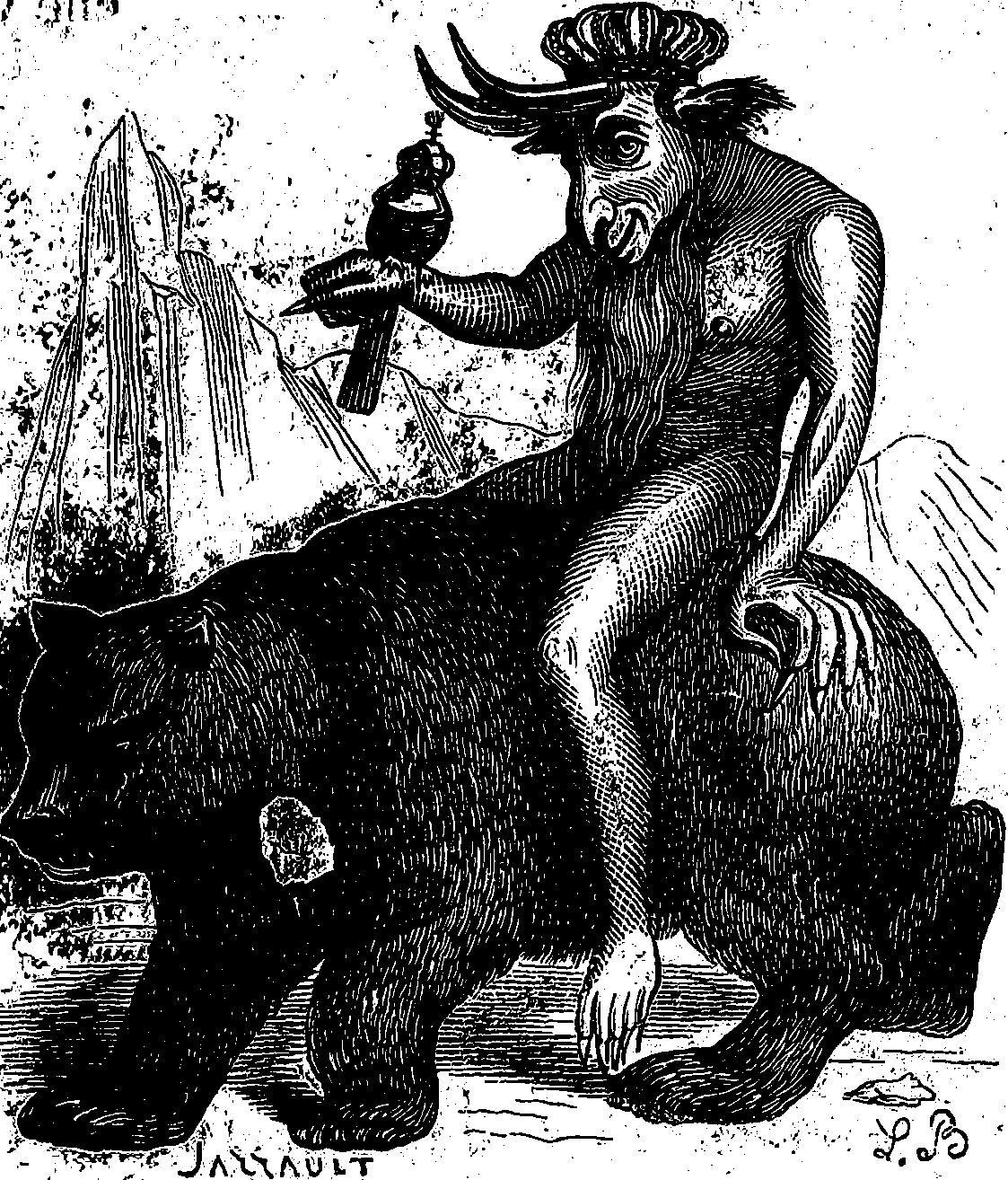
A three-headed Goetic king riding a bear, associated with answers, wit, and invisibility.
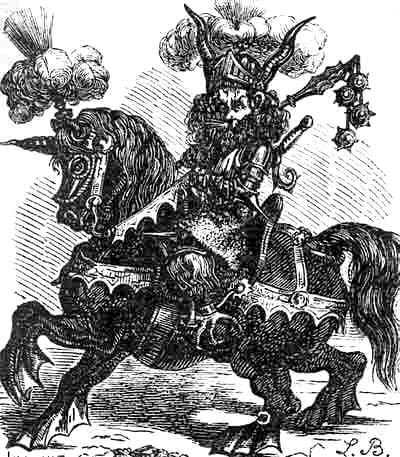
A lion-faced Goetic duke who teaches astronomy and the liberal sciences.

A Goetic president associated with animal voices, disputation, and answers given through burning ashes.
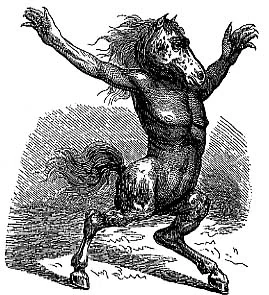
A Goetic prince portrayed as a horse and then a human, noted for the fidelity attributed to him.
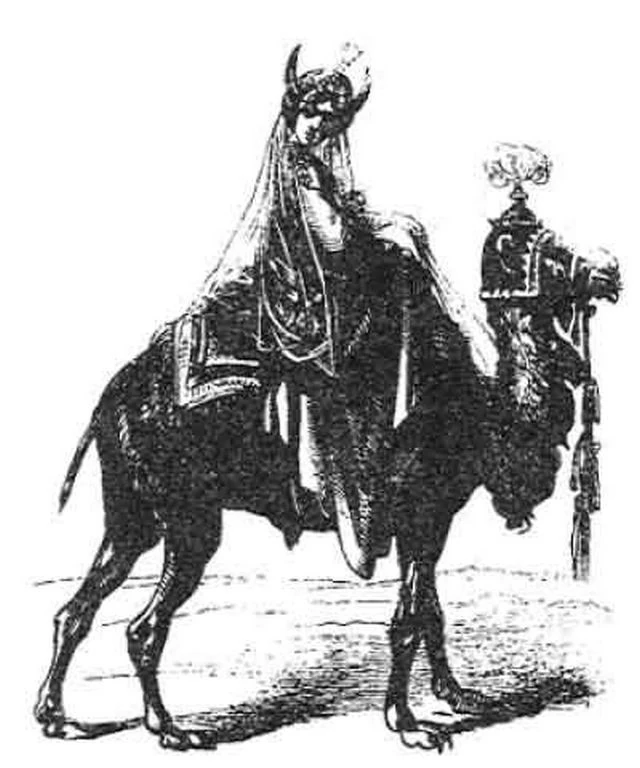
A Goetic duke depicted as a woman on a camel, associated with hidden knowledge, treasure, and attraction.
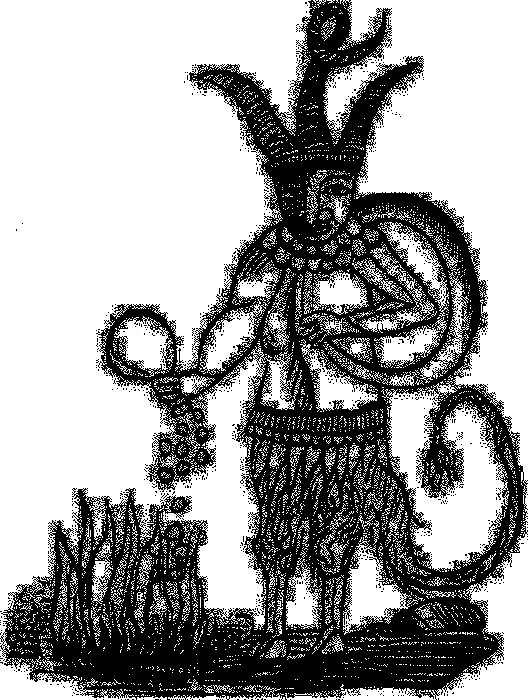
A grimoire best known for its staged encounter and pact with Lucifuge Rofocale.
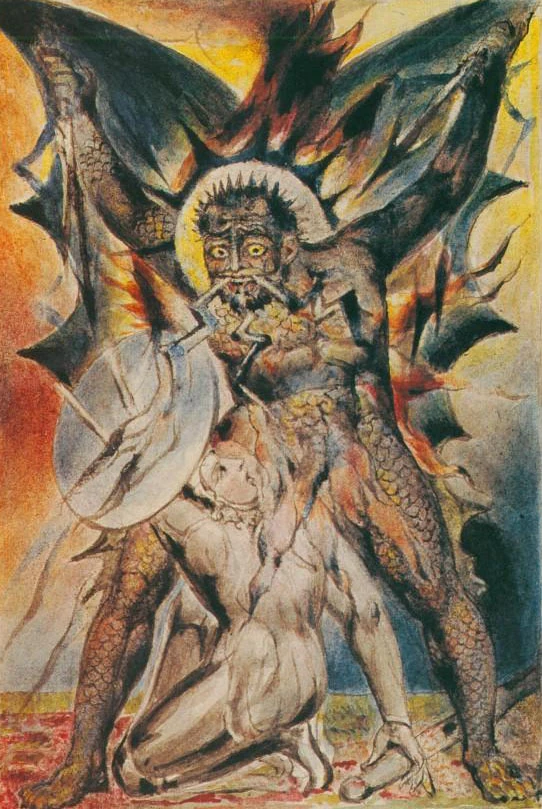
A biblical name associated with destruction, used in Revelation for the angel of the abyss.

Prayer is intentional communication addressed to a deity, spirit, sacred power, or ultimate reality. It can include praise, petition, confession, thanksgiving, lament, dedication, silence, repetition, or simple direct speech. In theistic Satanism, prayer usually means addressing Satan or another spiritually real being rather than speaking only to oneself or performing a purely symbolic exercise.
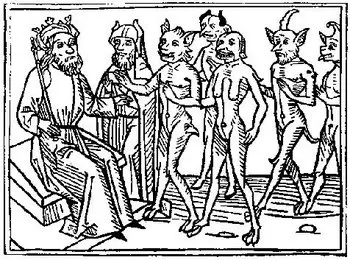
Belial appears in biblical religious language and later spirit catalogues. These uses should be distinguished rather than treated as one unchanged biography.
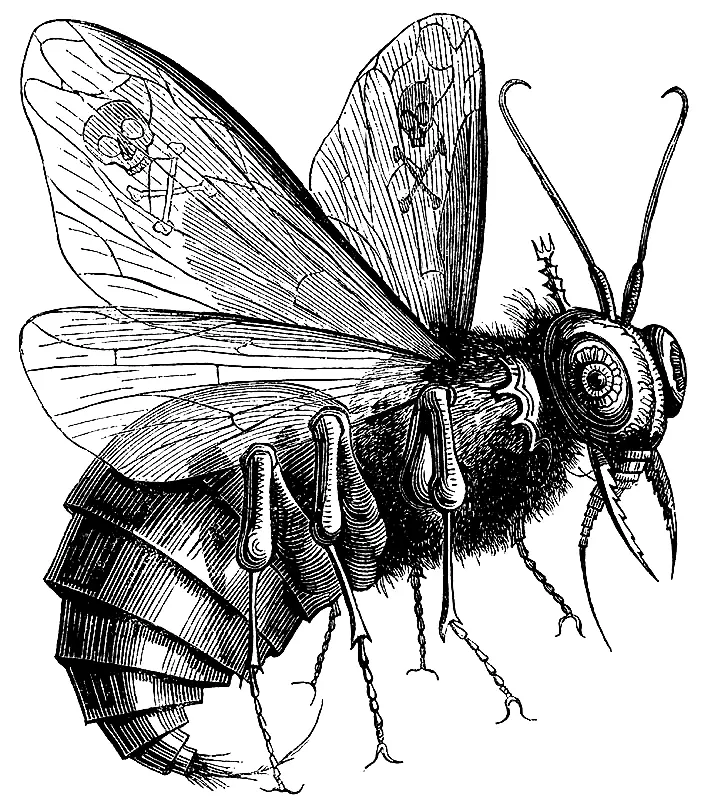
Beelzebub and related spellings appear in distinct biblical contexts. Later demonological interpretations should not be retroactively read into each earlier occurrence.
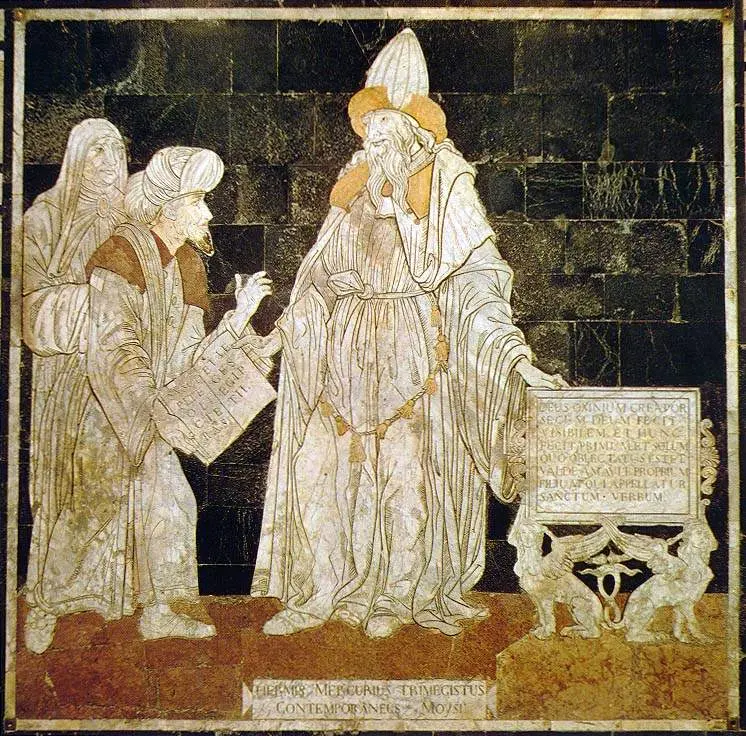
Hermeticism names several related traditions associated with Hermes Trismegistus. Philosophical dialogues, alchemical texts, and later occult systems require separate historical treatment.
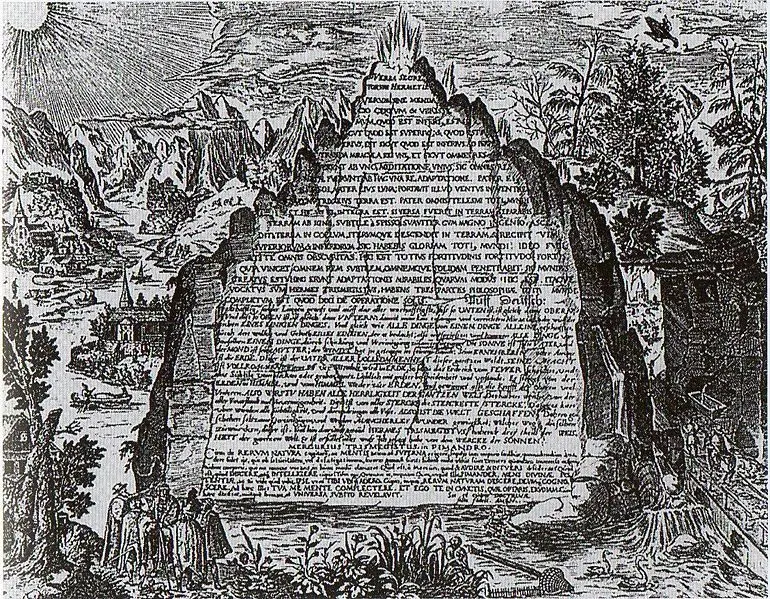
Alchemy concerns historical approaches to material transformation and the interpretation of nature. Spiritual readings form part of its reception but should not replace the material history.