Texts & Sources
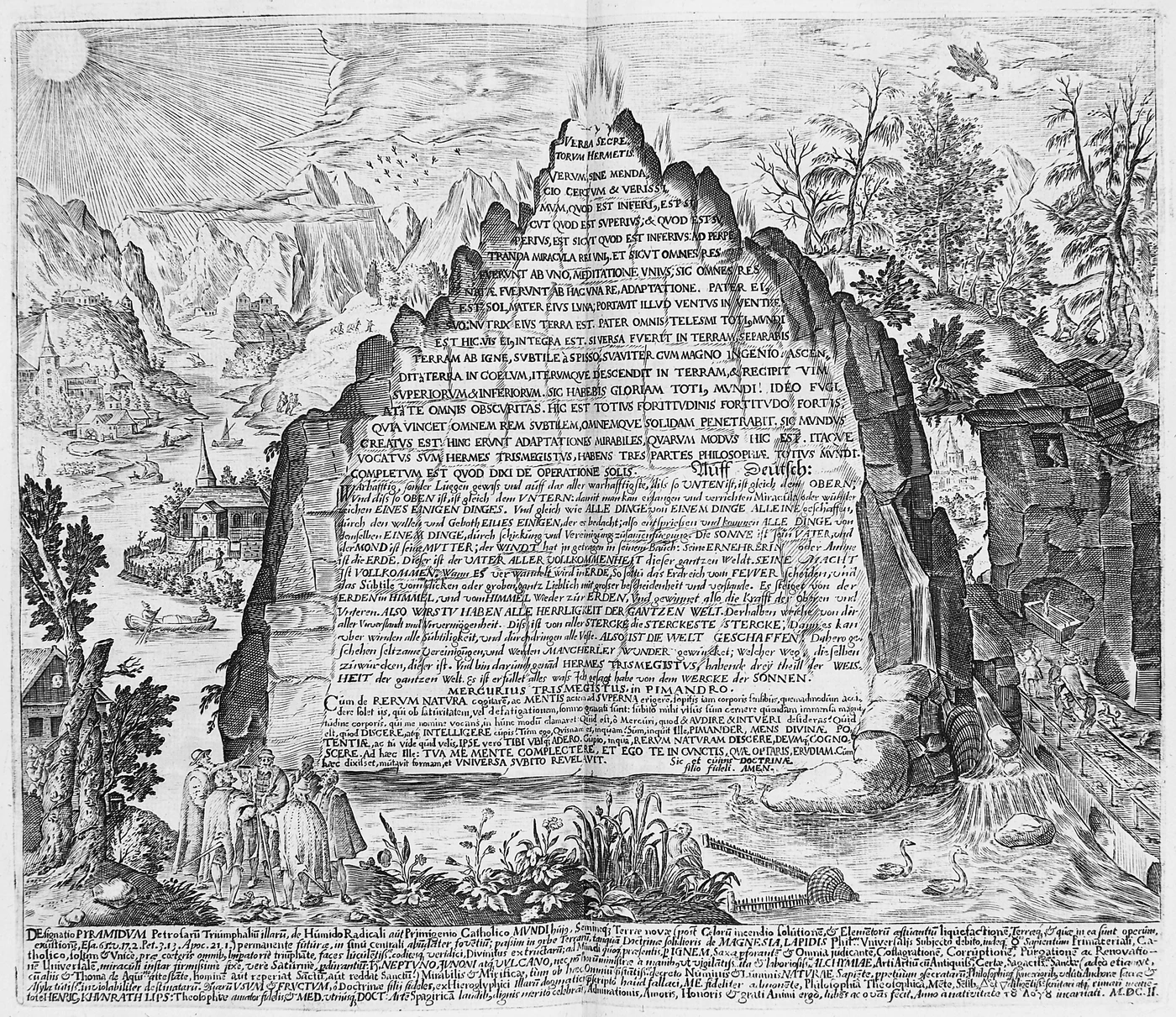
Emerald Tablet
A brief Hermetic text whose images of above and below, sun and moon, and transformation influenced alchemical writing.
A brief Hermetic text whose images of above and below, sun and moon, and transformation influenced alchemical writing.
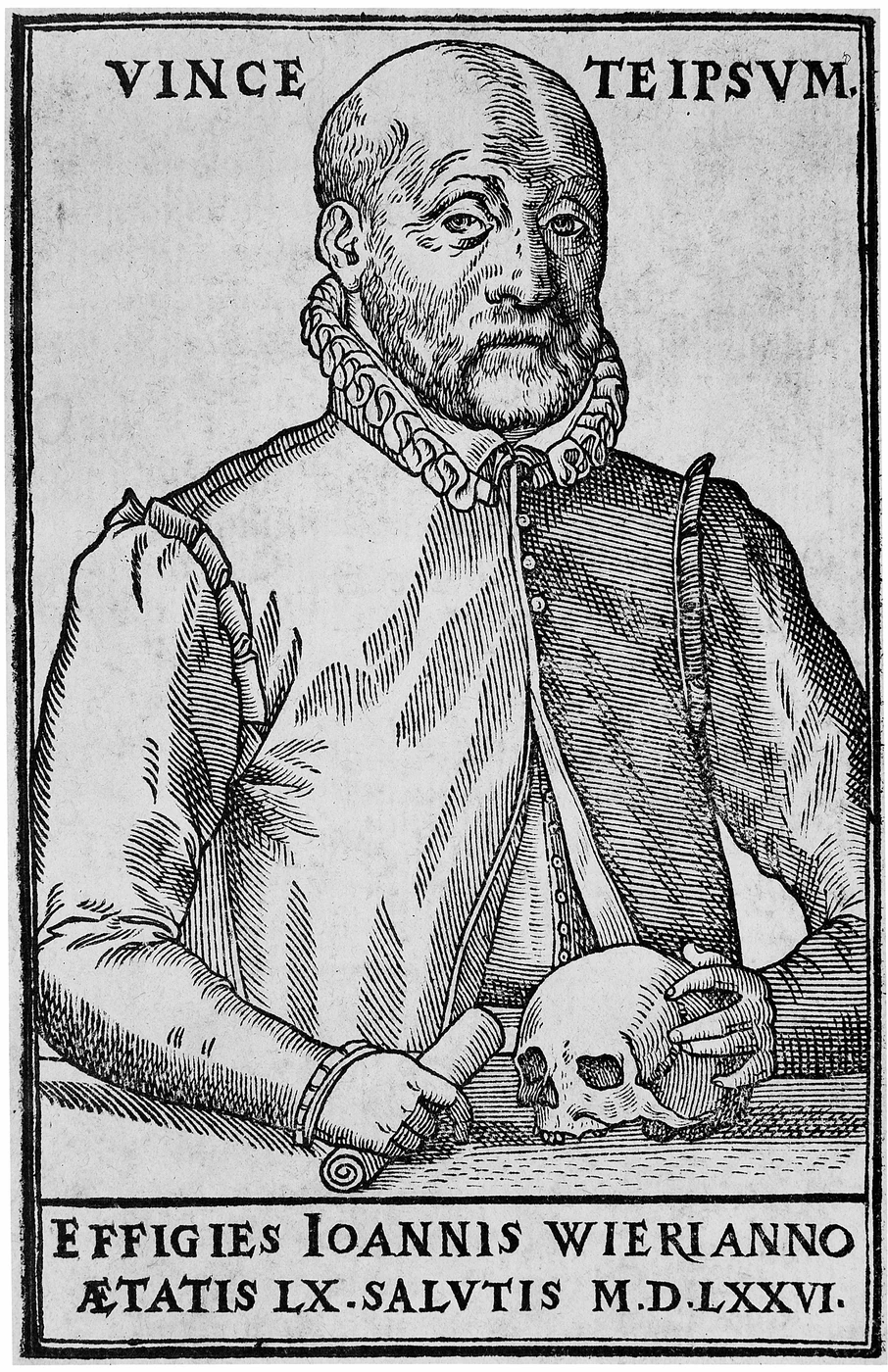
The physician and author whose Pseudomonarchia daemonum supplied an important source for later spirit catalogues.
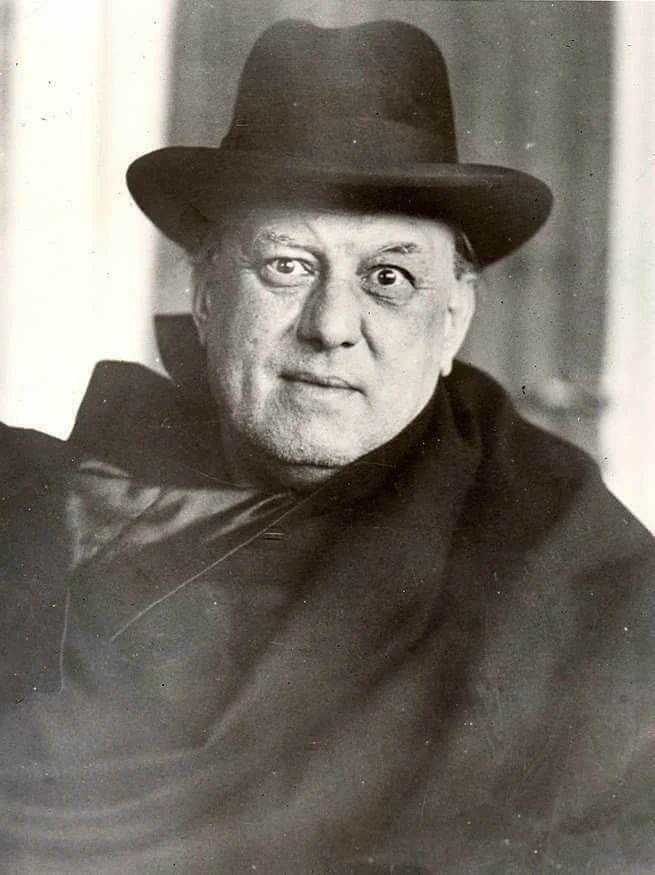
The author and religious figure associated with Thelema, The Book of the Law, and a large body of magical instruction.
A British occult writer associated with the Typhonian current, Thelema, and the work of Austin Osman Spare.
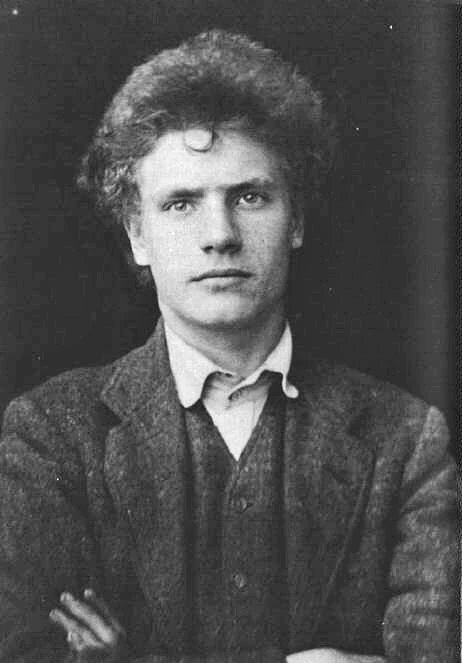
An English artist and occult author whose treatment of desire and sigils influenced later magical practice.
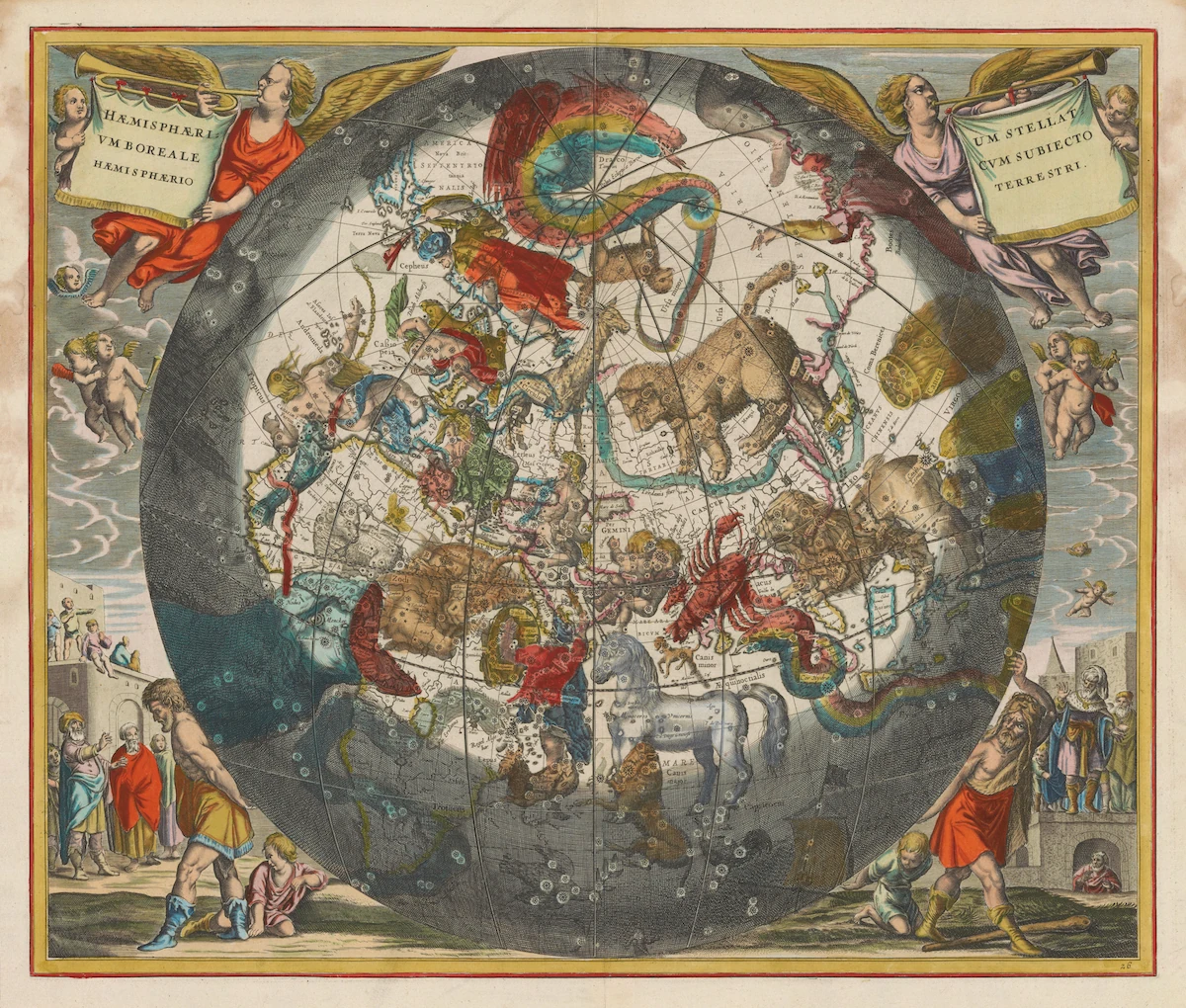
Magical systems using the seven traditional planets through timing, correspondences, images, and invocations.
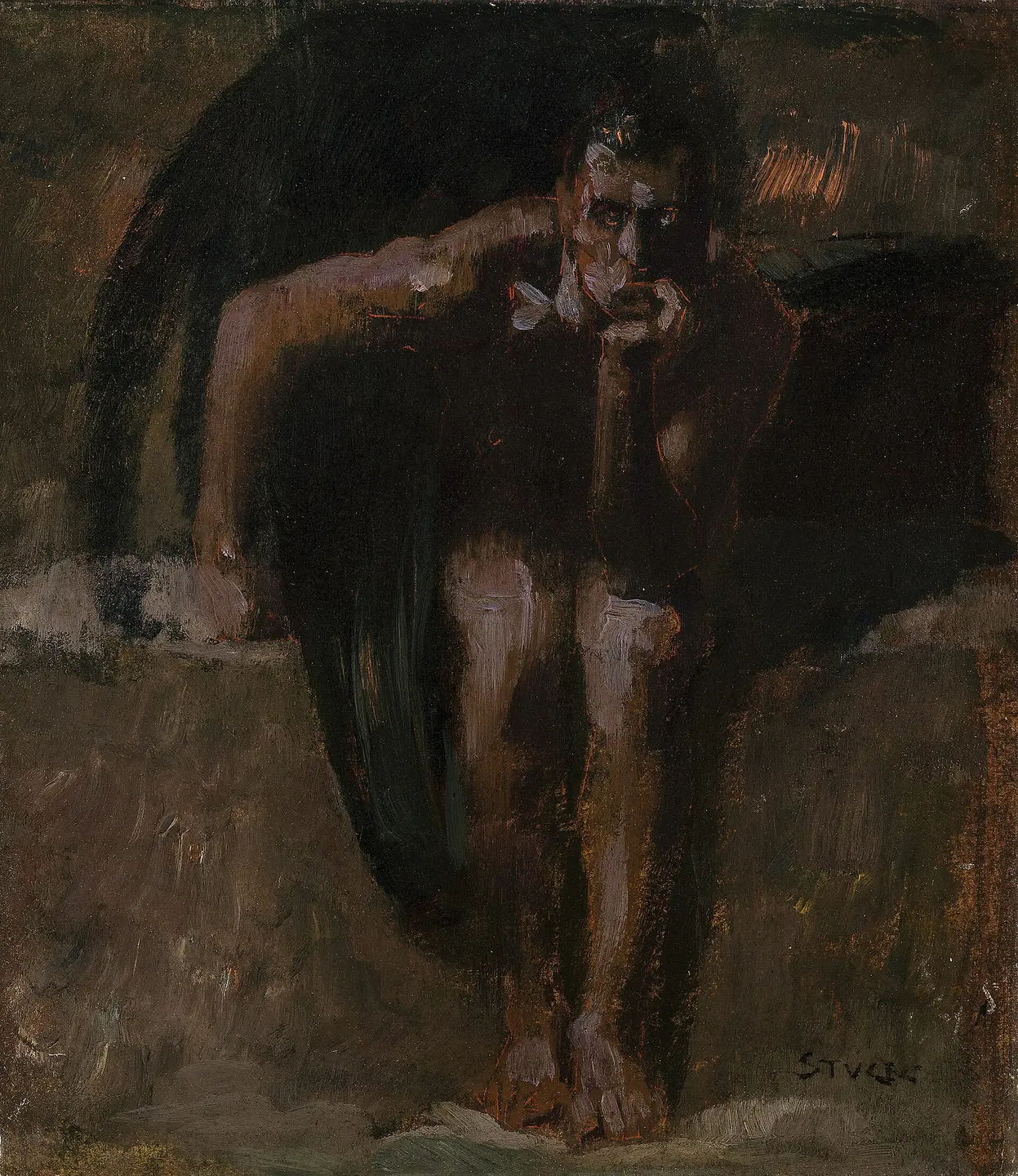
Theistic Satanism is a family of religious positions in which Satan is understood as an actually existing spiritual being, deity, intelligence, or metaphysical presence, rather than only a literary symbol or political metaphor. It is not a single church or creed. The term is best used as an umbrella for practitioners and groups whose beliefs differ on the nature of Satan, the status of other spirits,…
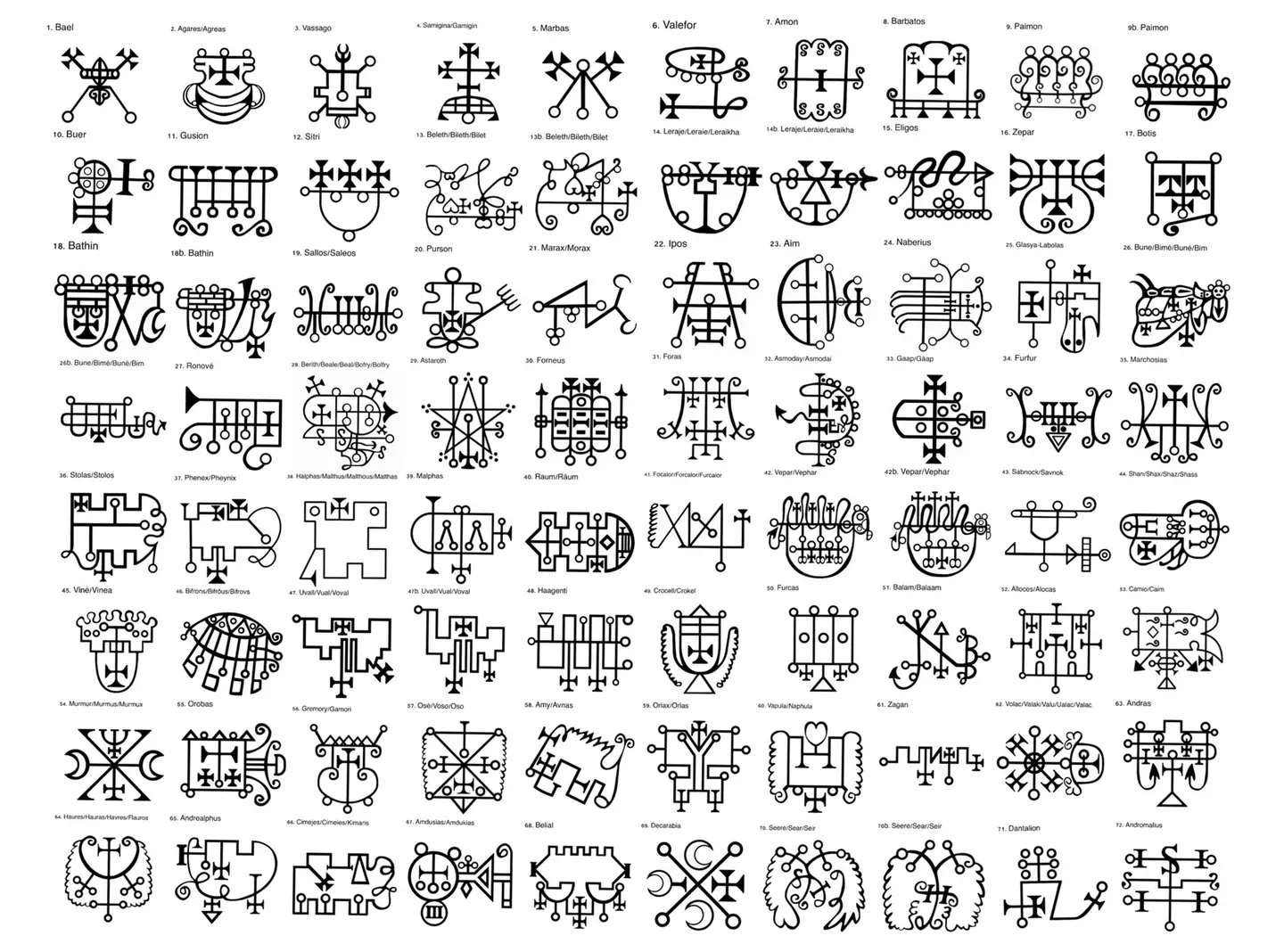
The Ars Goetia is the first section of the Lemegeton or Lesser Key of Solomon, an early modern English compilation of ceremonial magic. It is famous for a catalogue of seventy-two spirits, each described by name, rank, appearance, abilities, and a seal or character. In modern occultism the term “Goetia” is often used loosely for demon-summoning or work with these spirits, but historically the Ars Goetia…
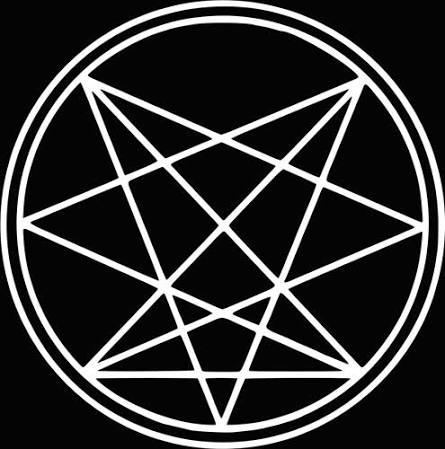
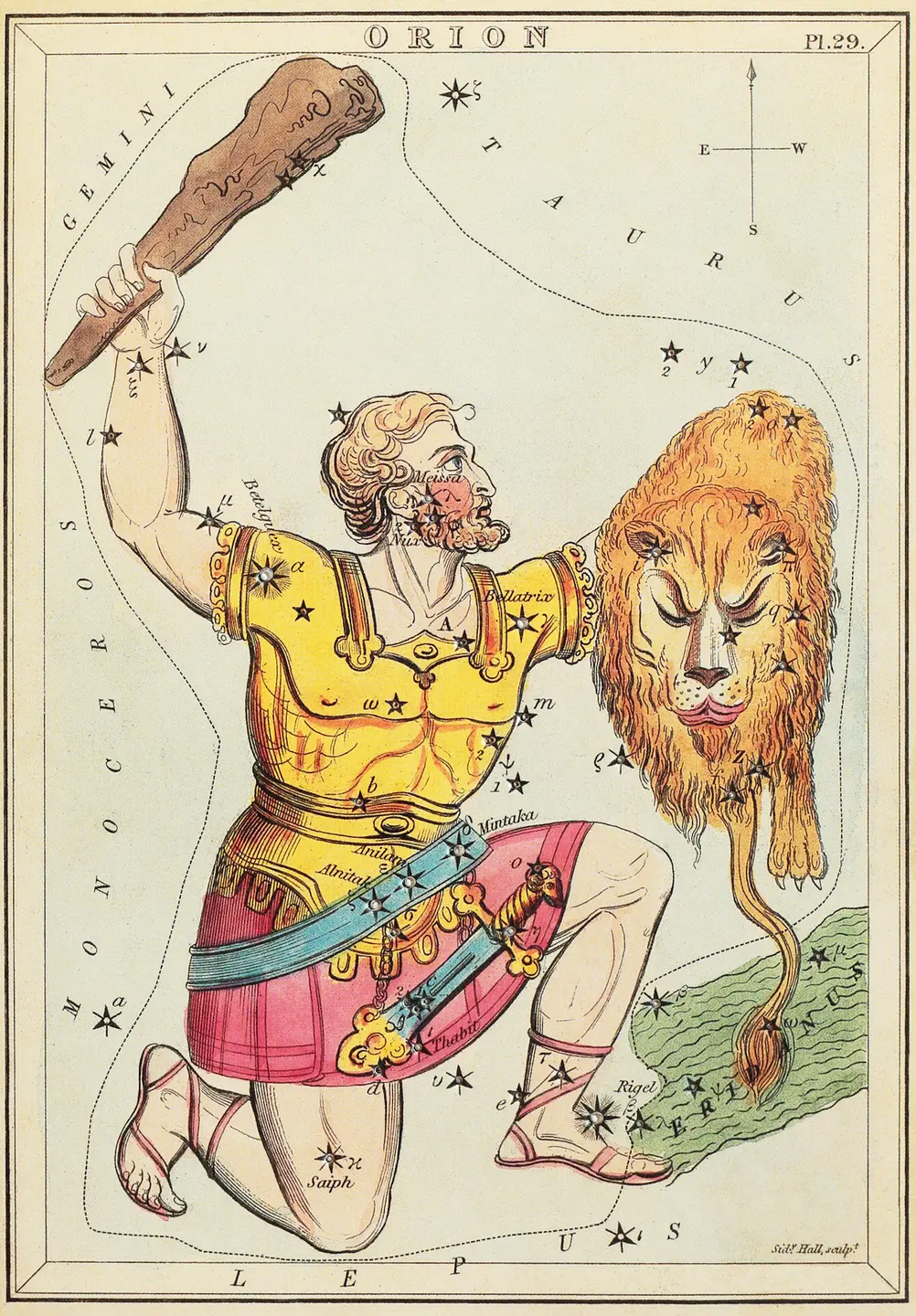
Semjaza is a leading figure in the Enochic account of the Watchers’ oath and descent. His role differs from the teaching and punishment associated with Azazel.
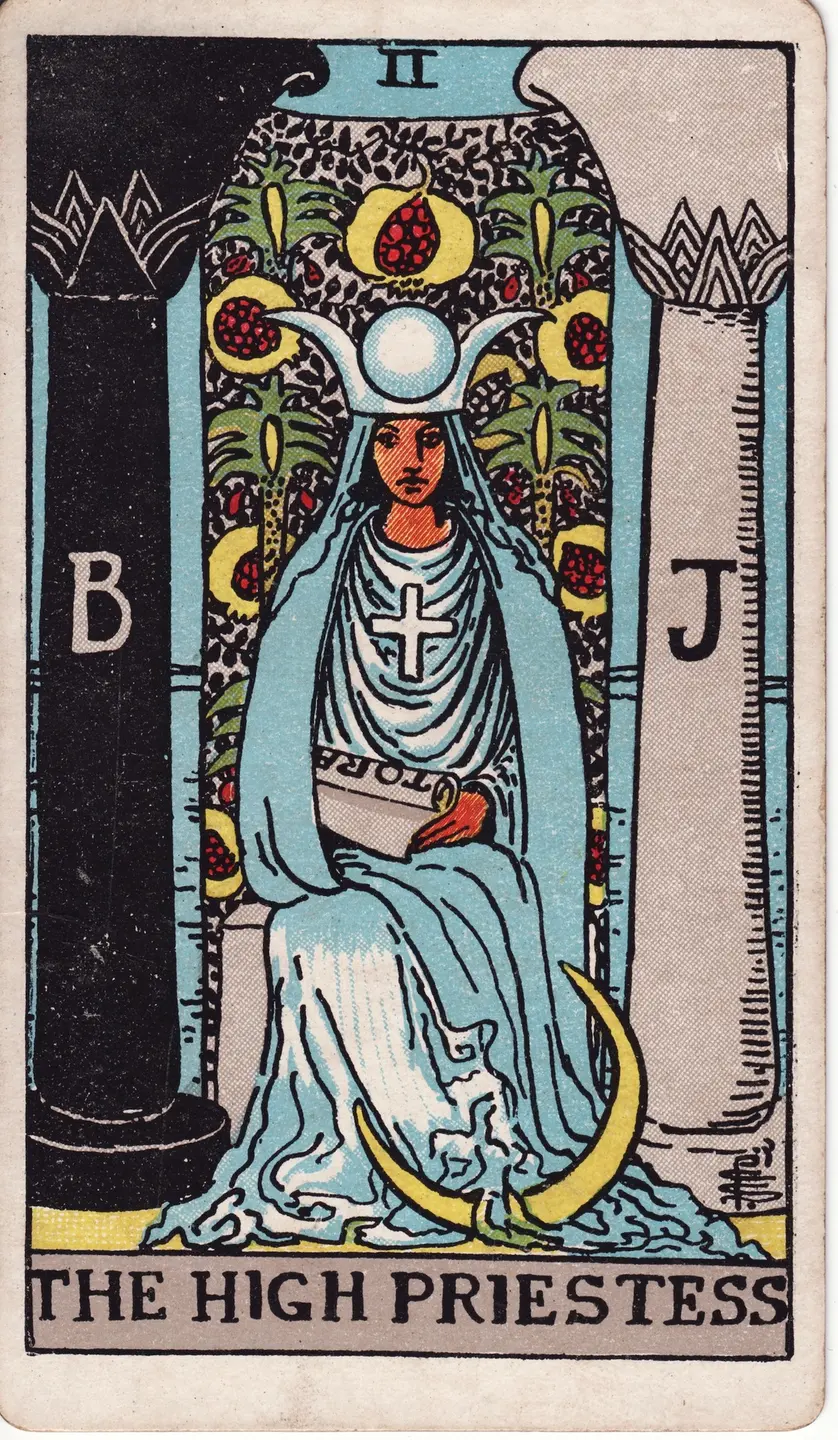
Tarot developed as playing cards before becoming an influential tool of occult interpretation. The history of the cards differs from later claims about their hidden origins.
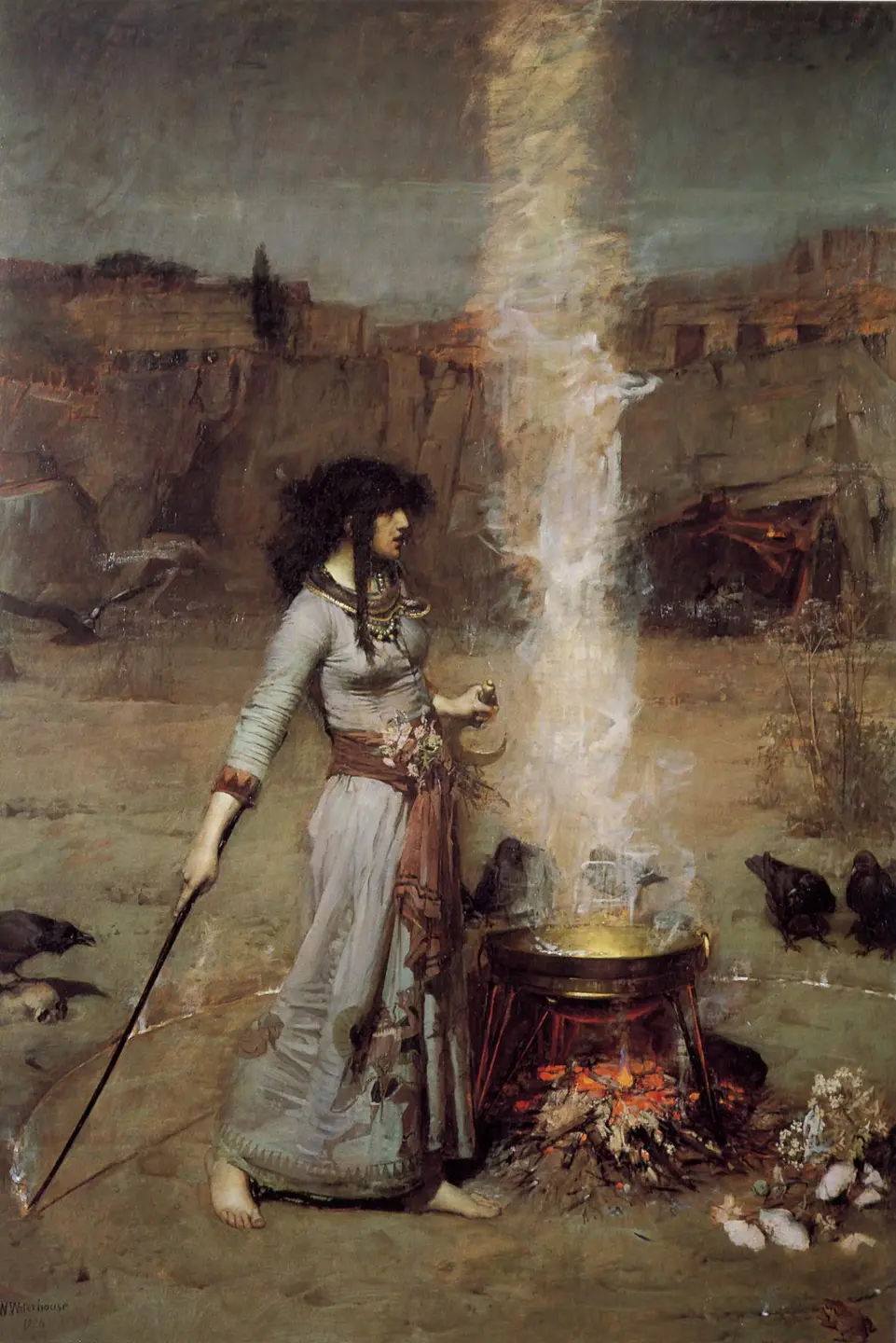
Demonolatry refers to devotion to demons or daemonic beings. Modern accounts vary in theology, authority, and their relationship with historical grimoires.
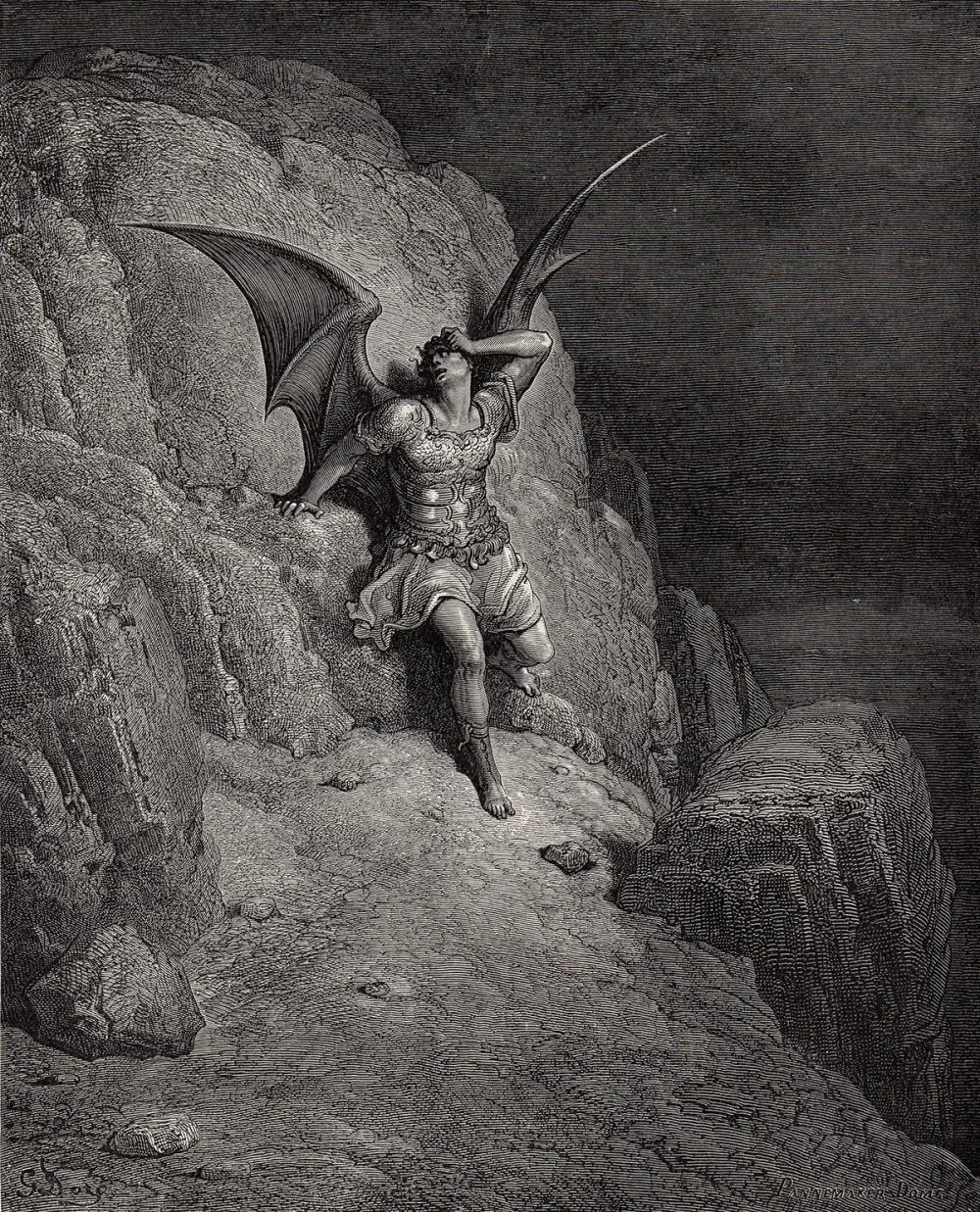
Milton’s Paradise Lost gives Satan an influential literary characterization. His persuasive speeches must be read alongside the narrator’s account and the consequences of his actions.

A Goetic prince associated with finding lost things and knowledge of past and future events.
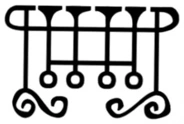
A Goetic duke associated with answers, reconciliation, and the obscure term Xenopilus.
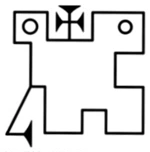
A Goetic earl associated with fortification and military supply, often confused with Malphas.
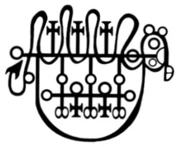
A Goetic duke portrayed as a mermaid, associated with ships, storms, and afflicted wounds.

A Goetic spirit with royal and comital rank, associated with hidden things, walls, and stormy waters.
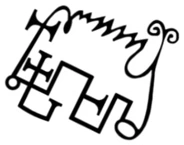
A Goetic president initially appearing as flame, associated with astrology, learning, familiars, and protected treasure.