Demonology & Spirits
Barbatos
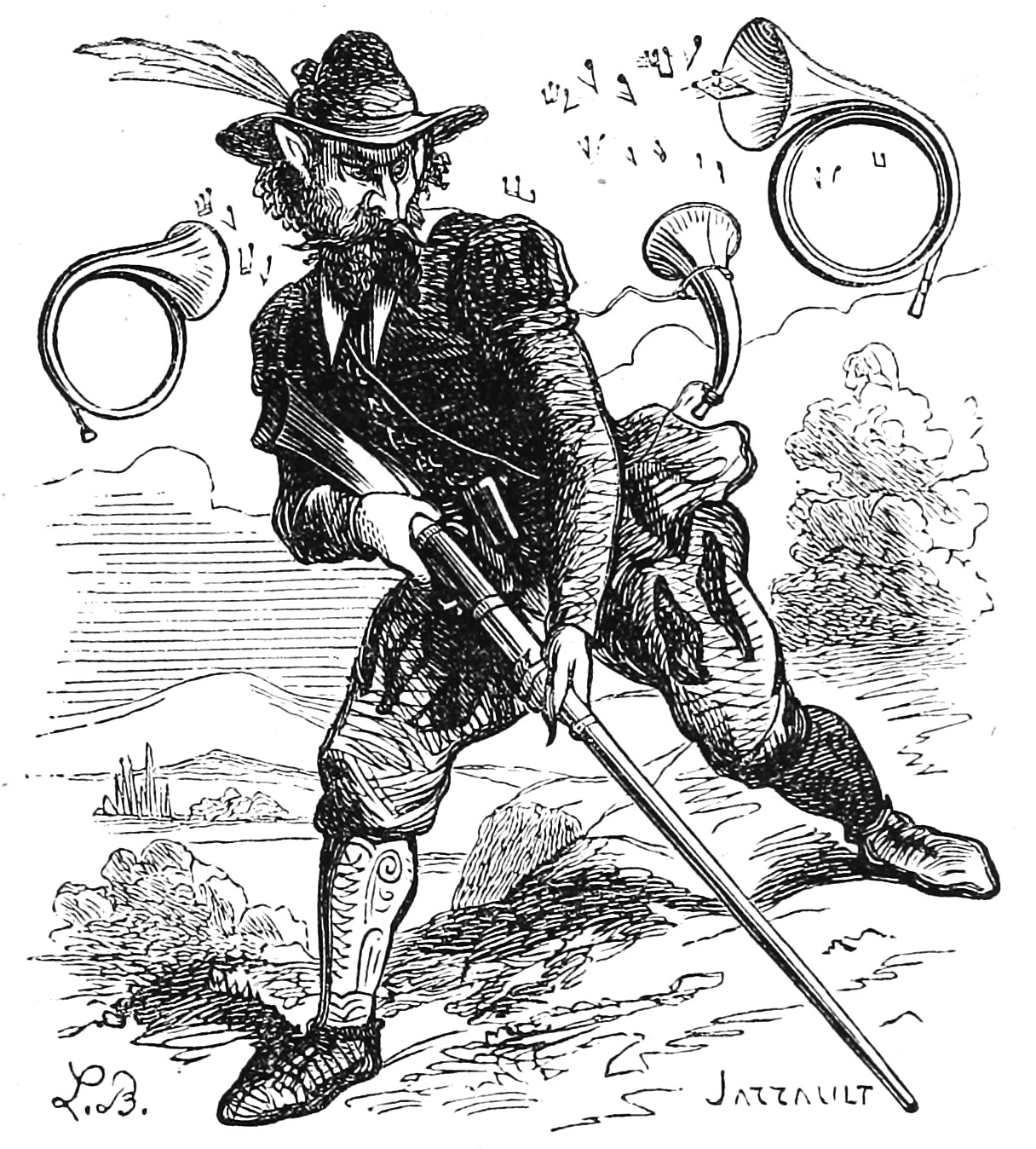
A Goetic duke connected with the speech of animals, enchanted treasure, and reconciliation.
A Goetic duke connected with the speech of animals, enchanted treasure, and reconciliation.
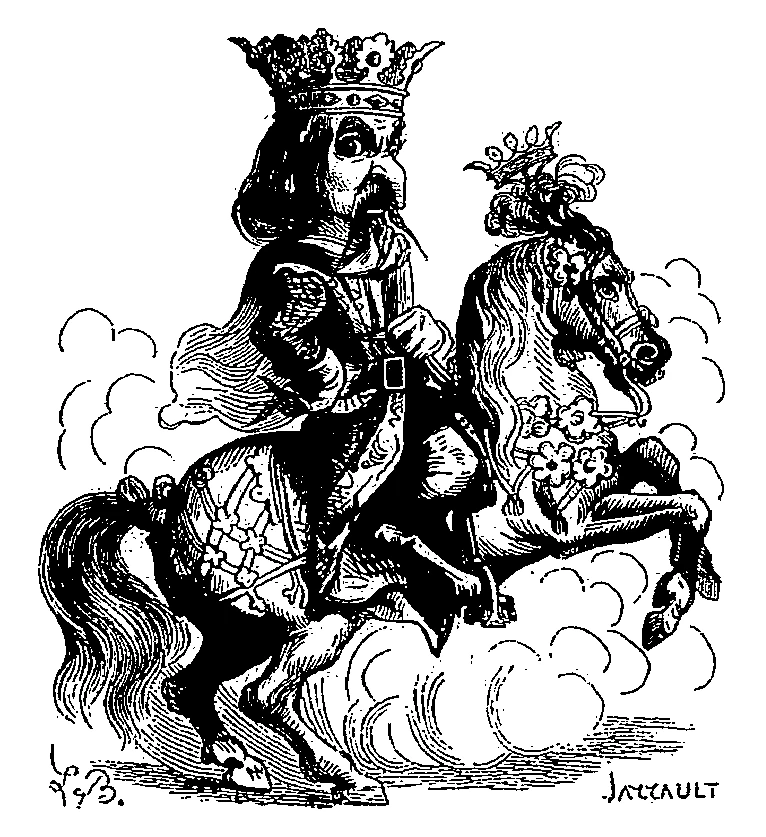
A Goetic duke riding a red horse, credited with knowledge, honors, and the transformation of metals.
The Goetic knight, associated with philosophy, learned arts, and forms of divination.
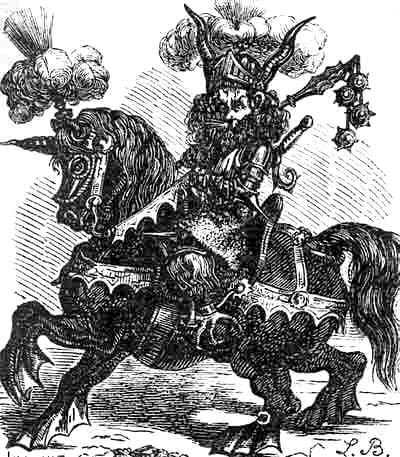
A lion-faced Goetic duke who teaches astronomy and the liberal sciences.
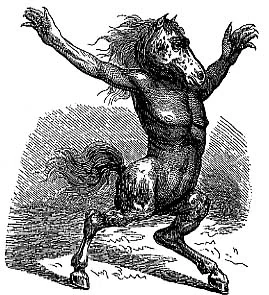
A Goetic prince portrayed as a horse and then a human, noted for the fidelity attributed to him.

The central public liturgy of Ecclesia Gnostica Catholica, written by Aleister Crowley as Liber XV.

The physician and author whose Pseudomonarchia daemonum supplied an important source for later spirit catalogues.

A British occult writer associated with the Typhonian current, Thelema, and the work of Austin Osman Spare.
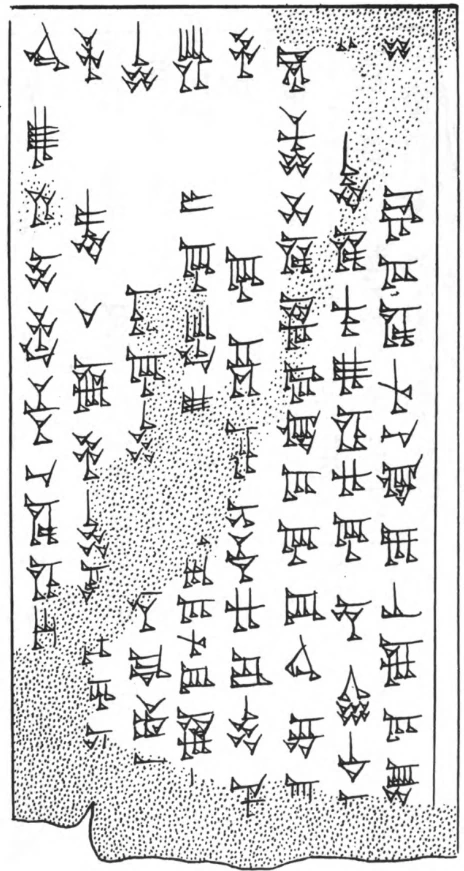
The primordial sea figure in the Babylonian creation epic Enuma Elish, defeated by Marduk in its account of cosmic ordering.
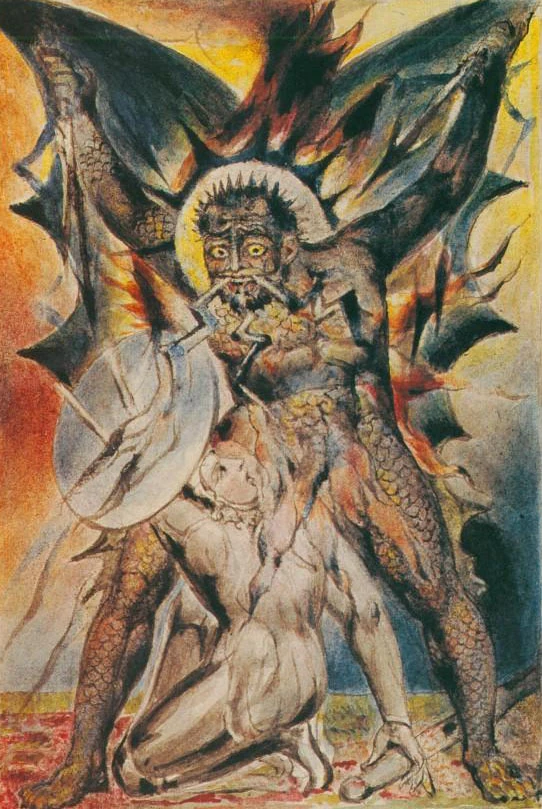
A biblical name associated with destruction, used in Revelation for the angel of the abyss.
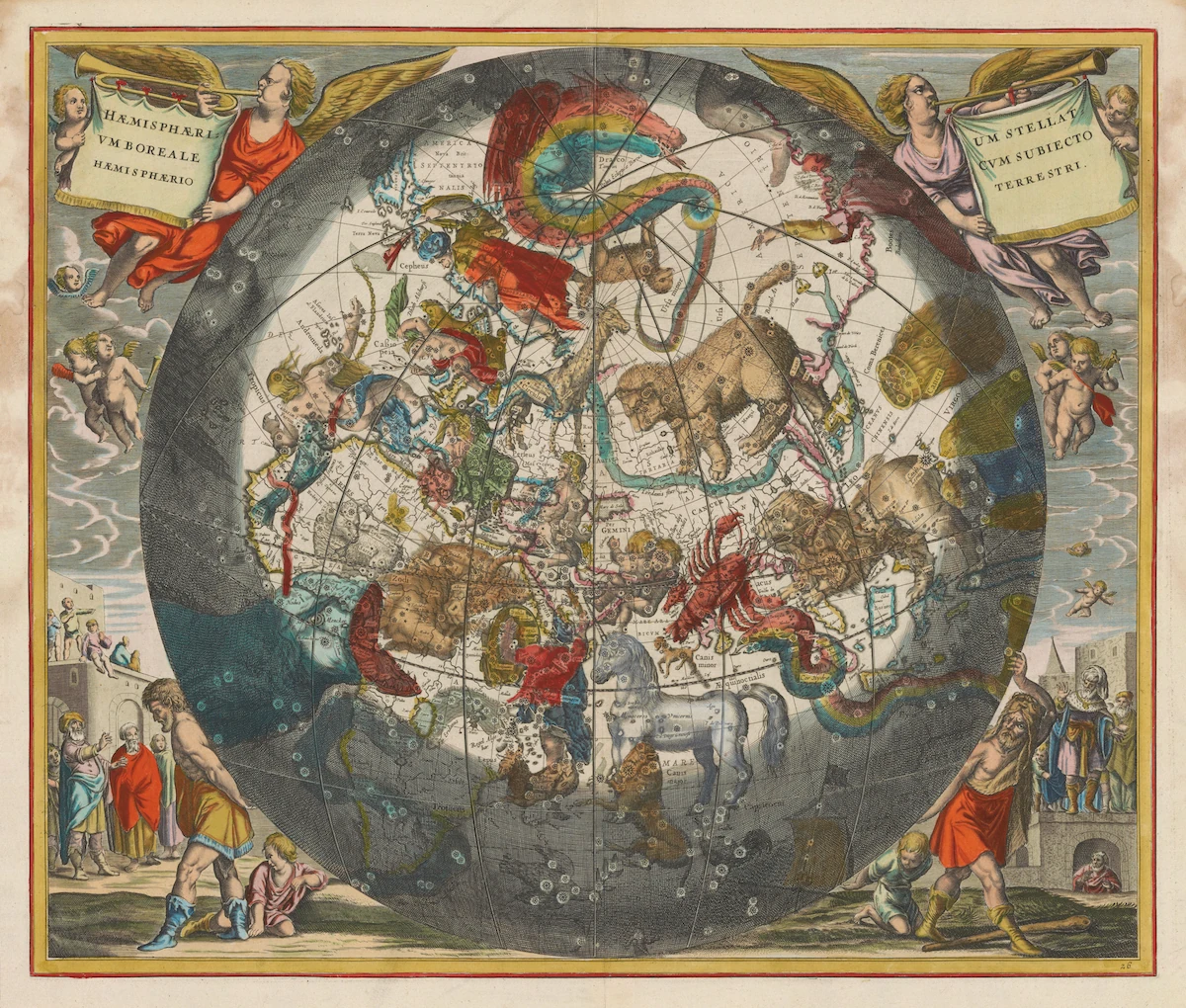
Magical systems using the seven traditional planets through timing, correspondences, images, and invocations.
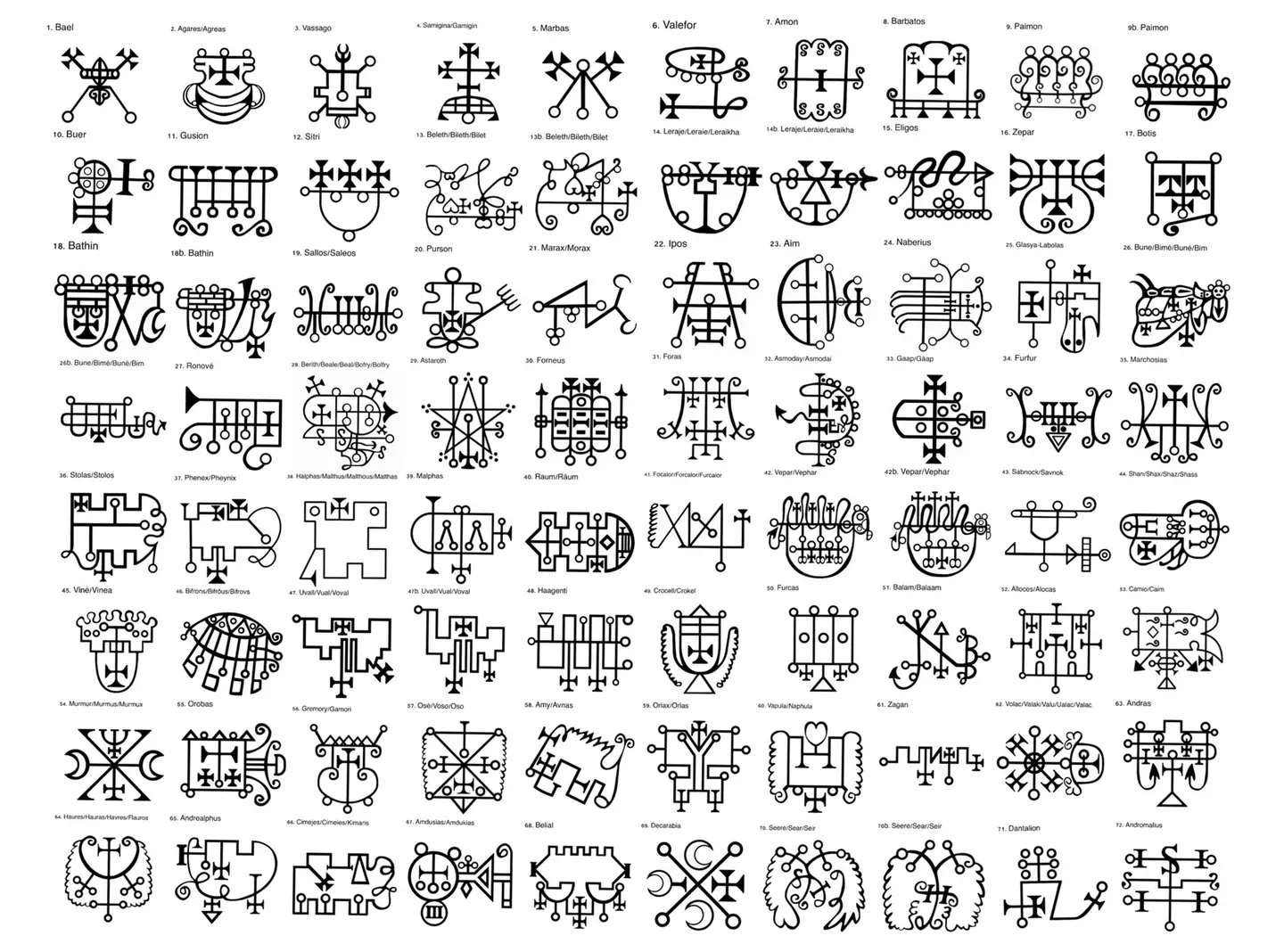
The Ars Goetia is the first section of the Lemegeton or Lesser Key of Solomon, an early modern English compilation of ceremonial magic. It is famous for a catalogue of seventy-two spirits, each described by name, rank, appearance, abilities, and a seal or character. In modern occultism the term “Goetia” is often used loosely for demon-summoning or work with these spirits, but historically the Ars Goetia…
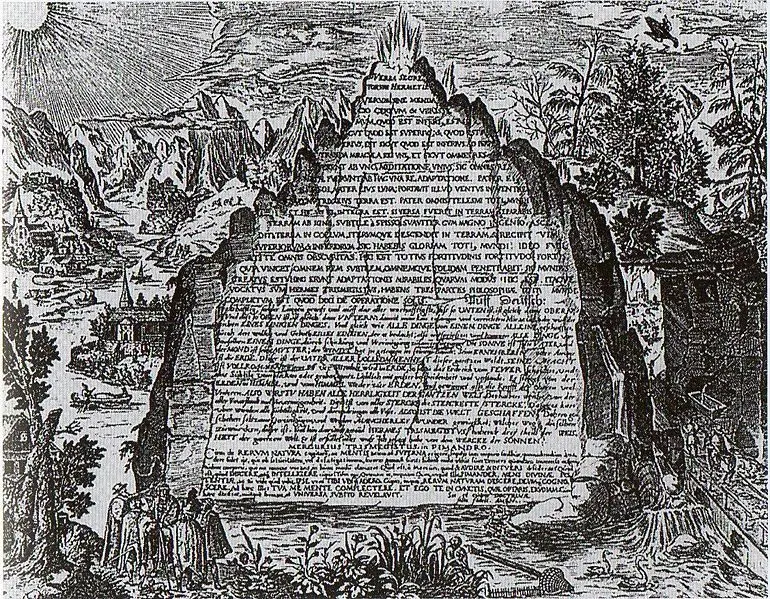
Alchemy concerns historical approaches to material transformation and the interpretation of nature. Spiritual readings form part of its reception but should not replace the material history.
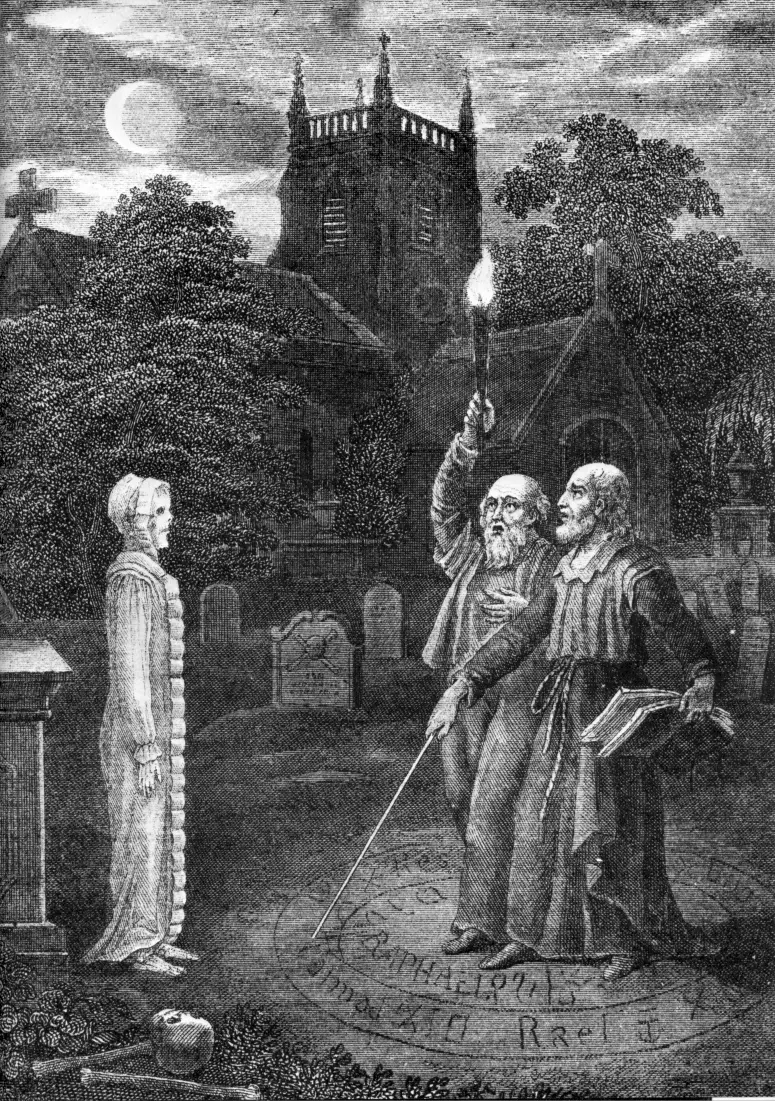
Invocation and evocation are terms used for related but differently framed religious or magical actions. Their definitions vary between authors and practice systems.
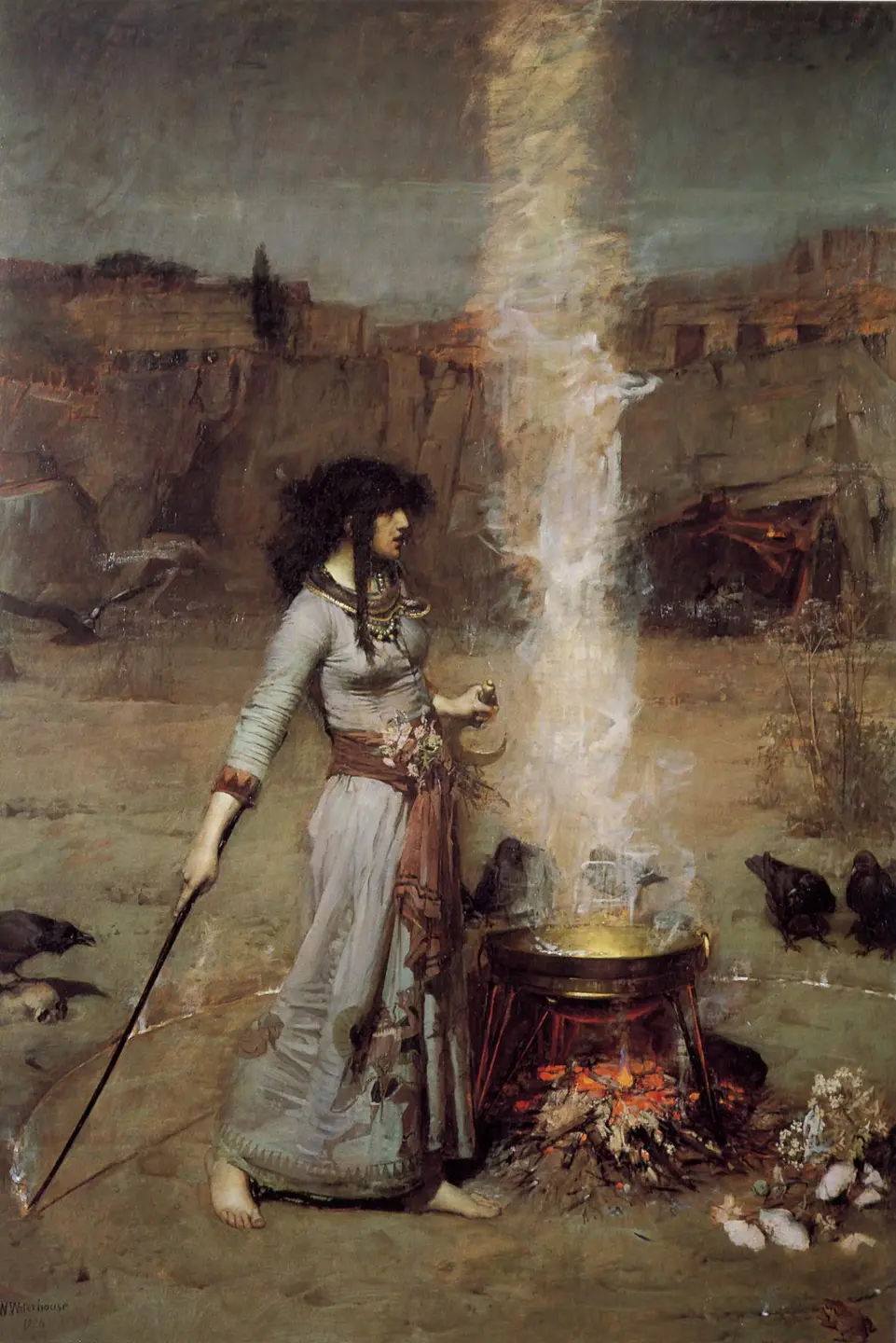
Demonolatry refers to devotion to demons or daemonic beings. Modern accounts vary in theology, authority, and their relationship with historical grimoires.
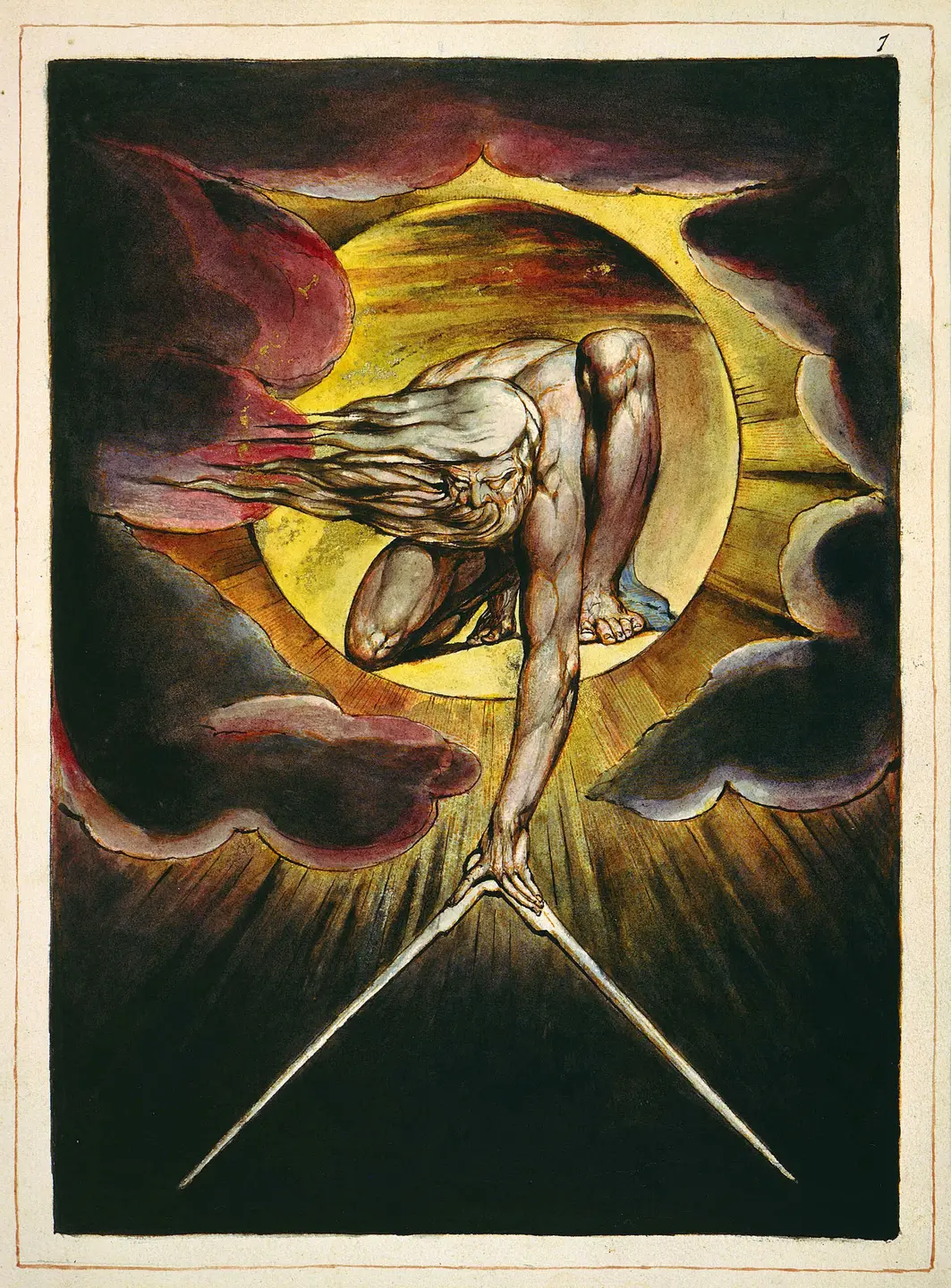
Religious discernment concerns how experiences are interpreted and assessed. An immediate event, a theological explanation, and a claim about another person require different kinds of evidence.
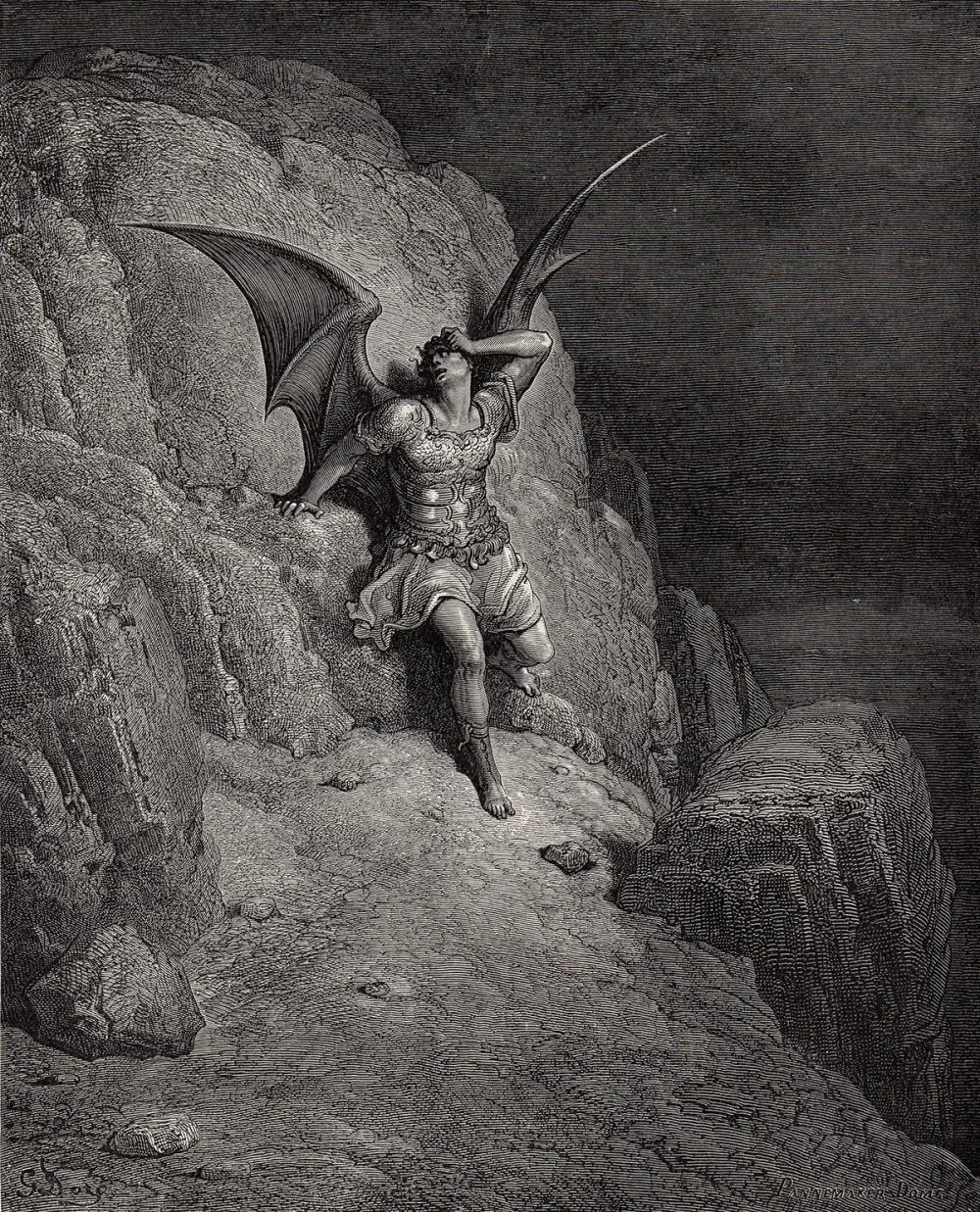
Milton’s Paradise Lost gives Satan an influential literary characterization. His persuasive speeches must be read alongside the narrator’s account and the consequences of his actions.
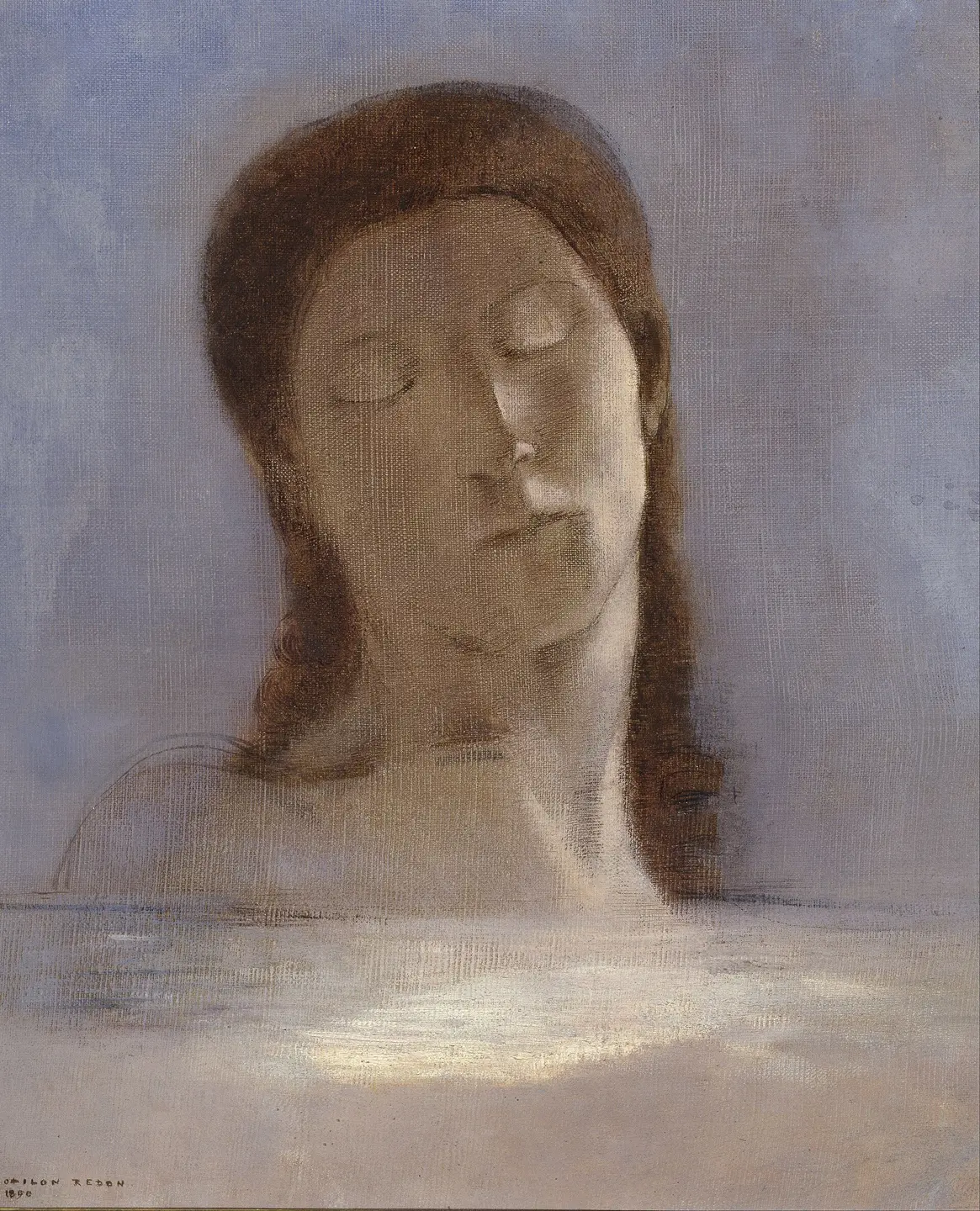
Unverified personal gnosis identifies a spiritual claim or interpretation whose source is personal experience rather than established textual or communal authority.
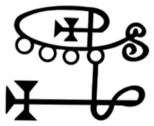
A Goetic duke whose description combines a lion-like form with a warning about theft and familiar spirits.
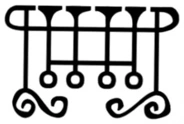
A Goetic duke associated with answers, reconciliation, and the obscure term Xenopilus.