Devotional Practice
Ceremonial magic
Ceremonial magic uses formally organized ritual actions. Its historical systems combine preparation, symbols, instruments, and accounts of spiritual authority in different ways.
Ceremonial magic uses formally organized ritual actions. Its historical systems combine preparation, symbols, instruments, and accounts of spiritual authority in different ways.

A Goetic marquis, also called Gamigin, associated with liberal studies and accounts of deceased souls.
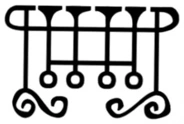
A Goetic duke associated with answers, reconciliation, and the obscure term Xenopilus.

A Goetic duke associated with wealth, eloquence, and the places of the dead.
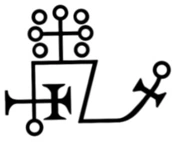
A many-faced Goetic duke carrying a book, associated with thoughts, knowledge, and visions of other people.
The second part of the Lemegeton, arranging aerial spirits through princes, directions, and wandering hierarchies.
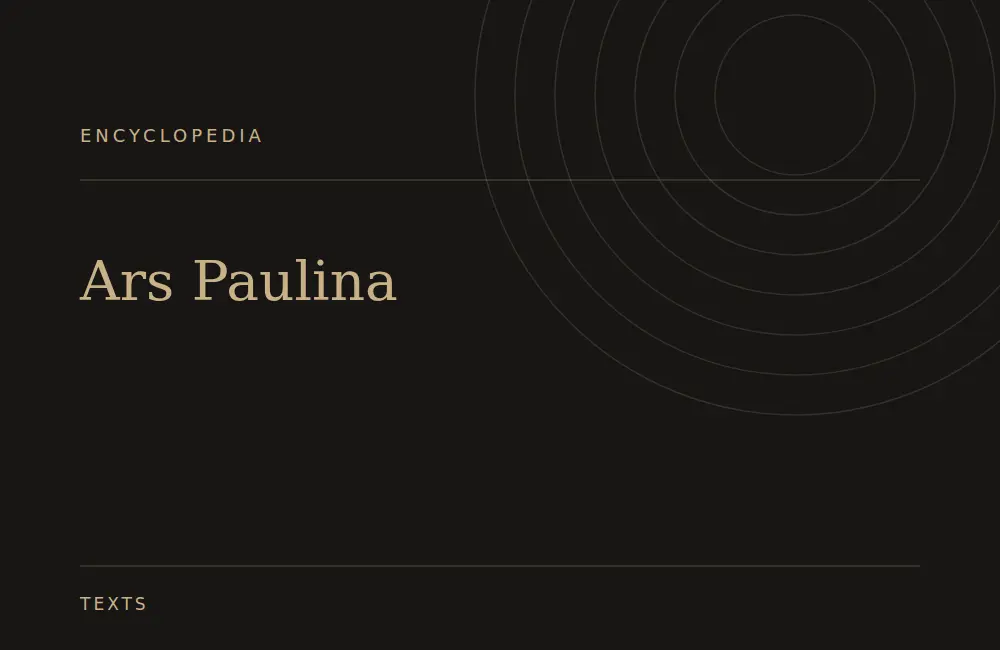
The Pauline Art in the Lemegeton, concerning angels of the hours and the degrees of the zodiac.
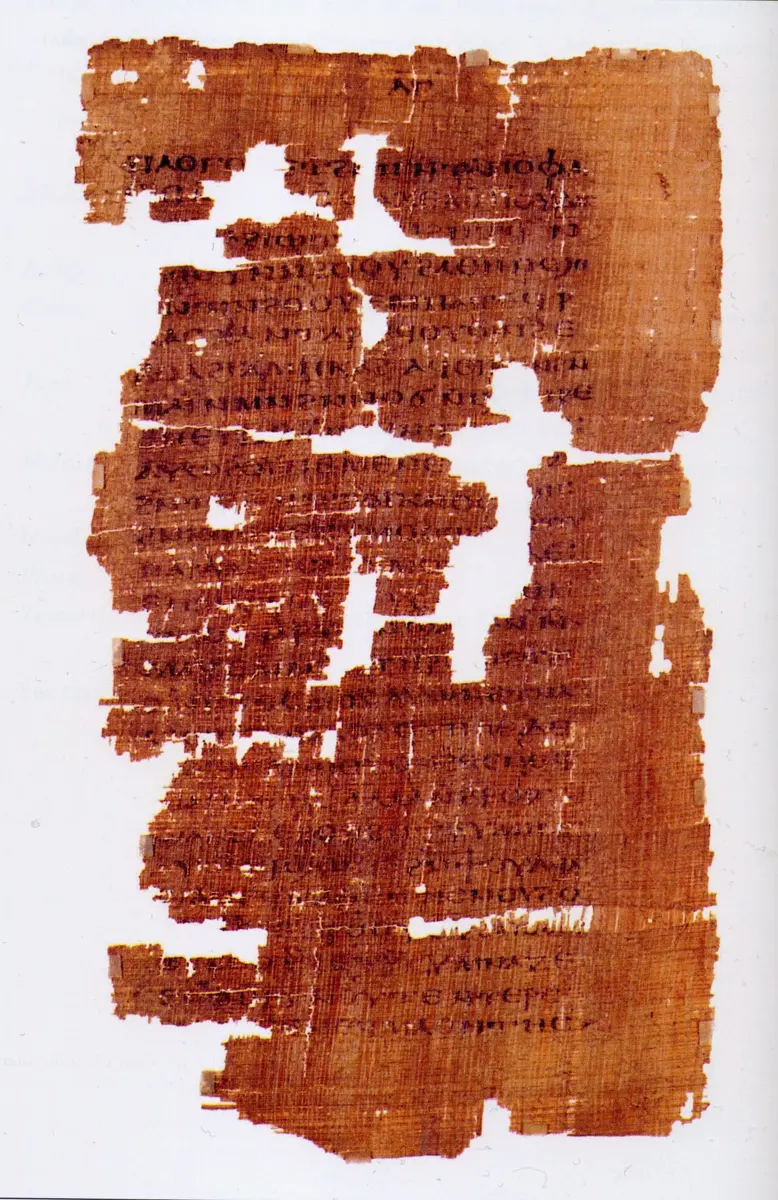
An early Christian revelation dialogue preserved in Coptic, known from the manuscript called Codex Tchacos.
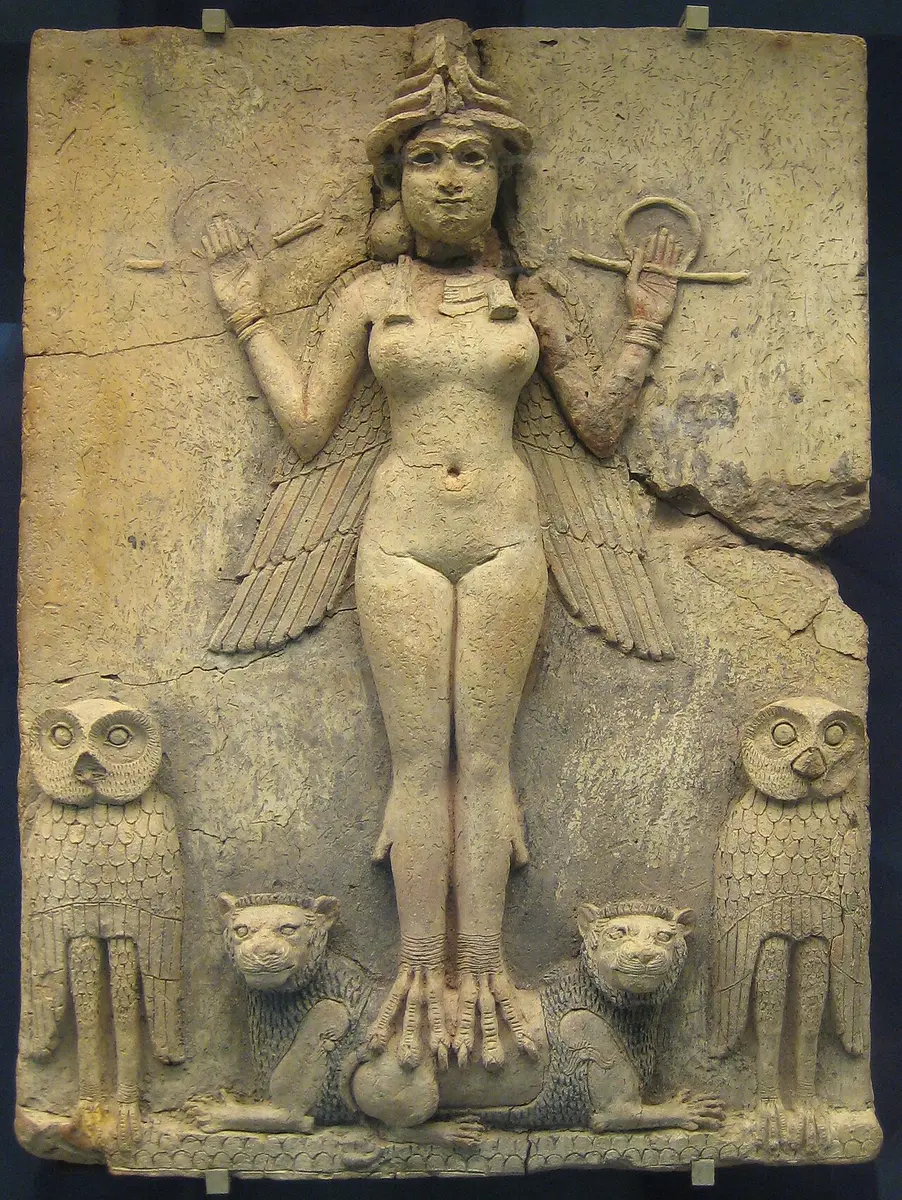
A Mesopotamian queen of the underworld, known through myths of descent and traditions concerning Nergal.
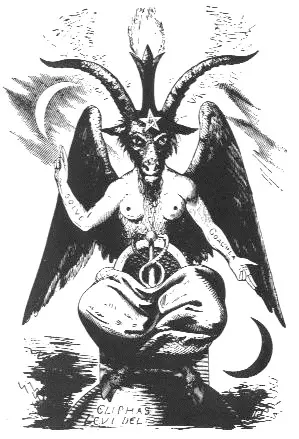
The images, names, and gestures used by Satanic traditions, whose meanings depend on their religious and historical setting.
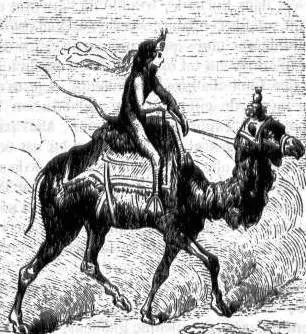
Paimon is a royal spirit described in the Ars Goetia and related literature. Musical procession and the teaching of knowledge are important elements of his received image.
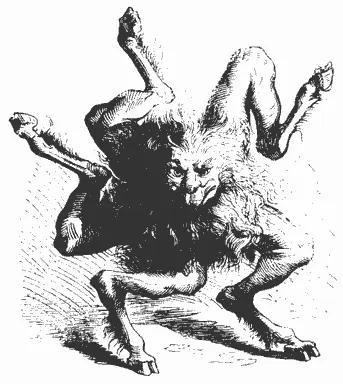
Buer is a spirit associated in magical catalogues with learning and healing. The well-known radial illustration belongs to later printed demonology.
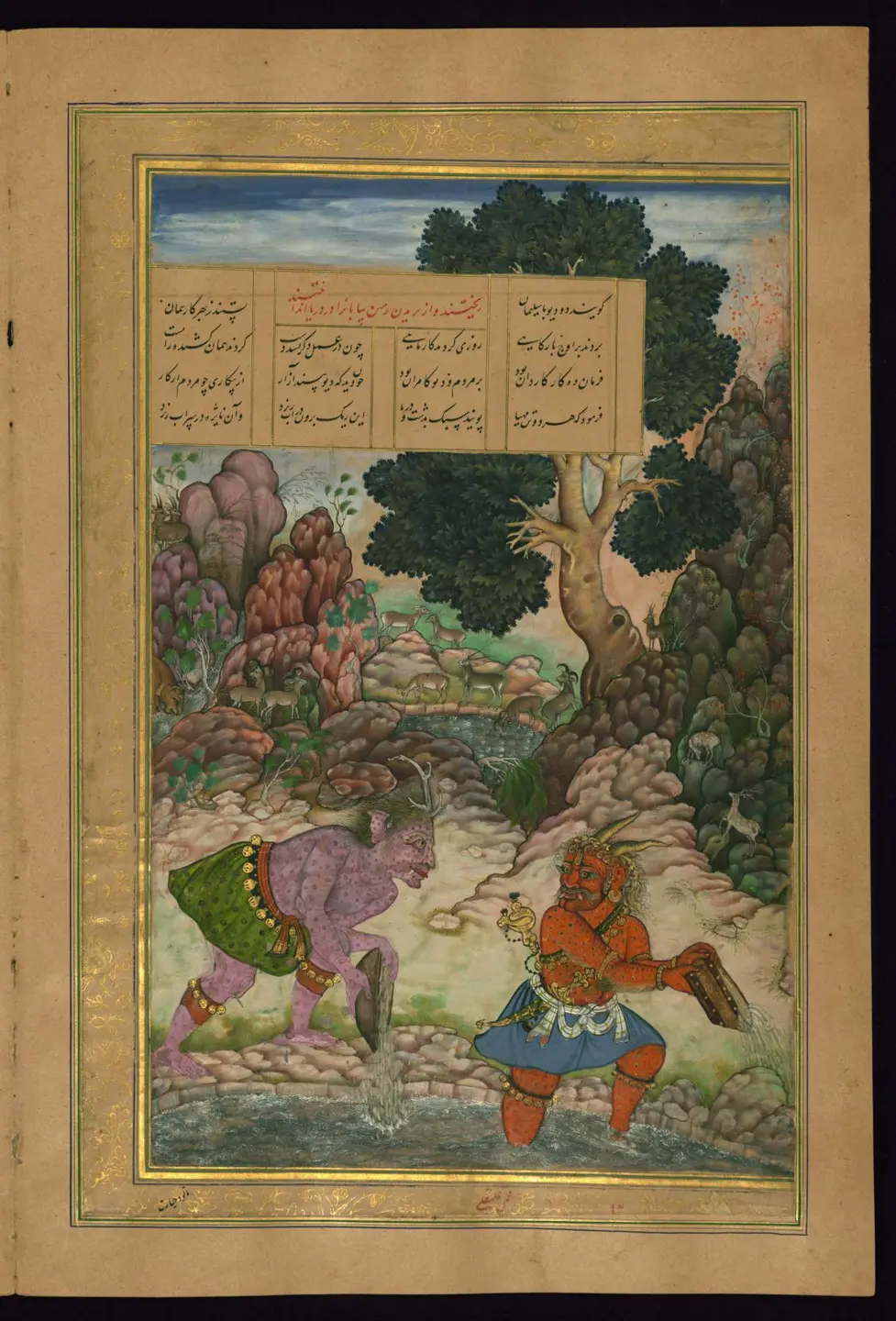
The Testament of Solomon is a pseudepigraphal religious narrative in which Solomon questions and commands spirits. It differs from later procedural Solomonic grimoires.
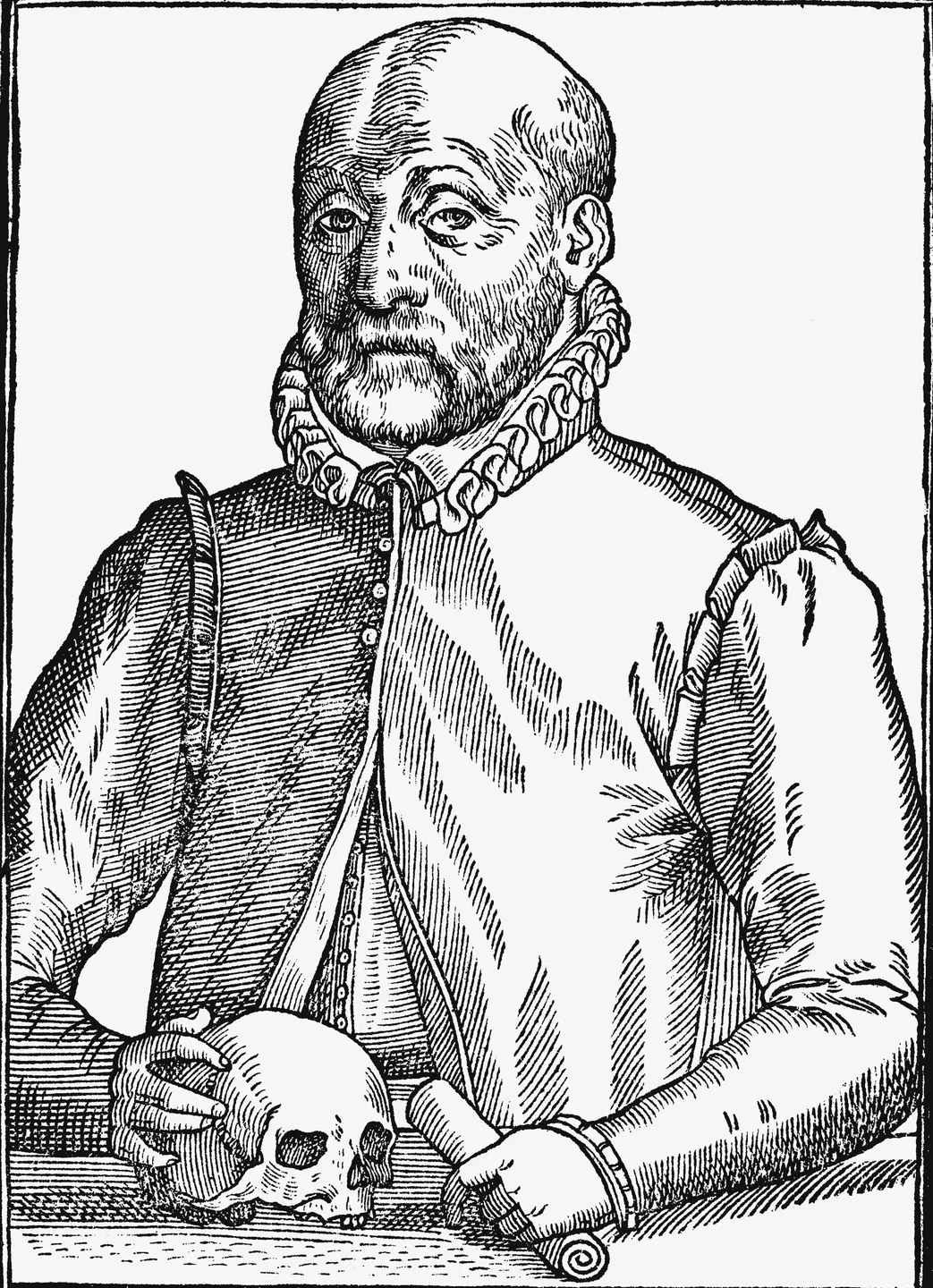
Pseudomonarchia Daemonum is a spirit catalogue associated with Johann Weyer. Its transmission helps explain similarities and differences in the later Ars Goetia.

The life and writings of David Myatt, covering his extremist activism, later philosophy, and disputed identification as Anton Long.
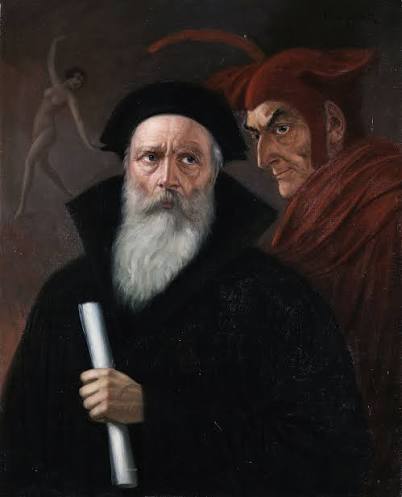
Faust is the scholar or magician at the center of a European legend about bargaining with the Devil. The 1587 Faust book, Marlowe’s Doctor Faustus, and Goethe’s Faust give the story different treatments of knowledge, desire, damnation, and human striving.
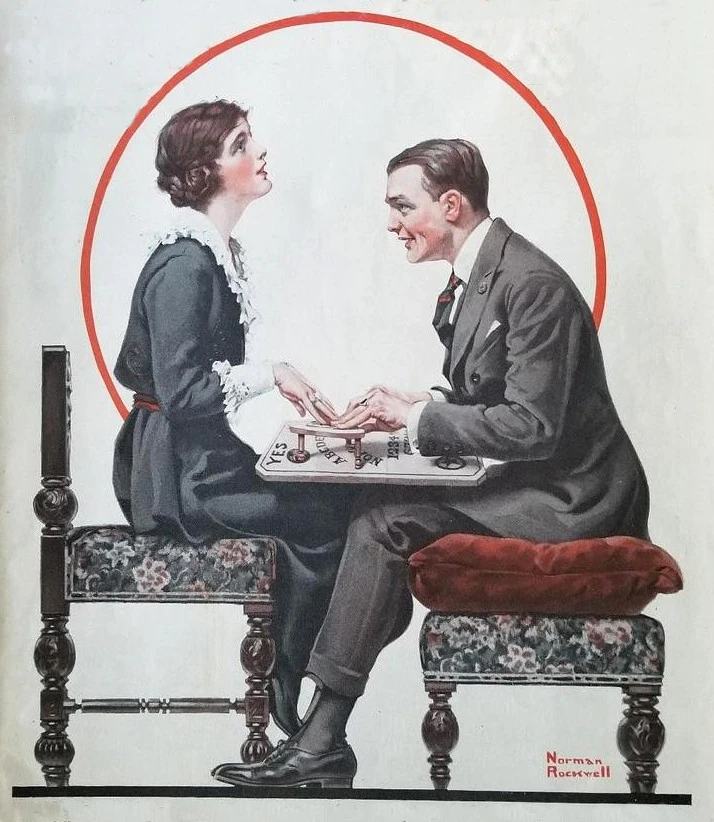
The patented talking-board game, its pointer and commercial history, and research on ideomotor movement and implicit memory.
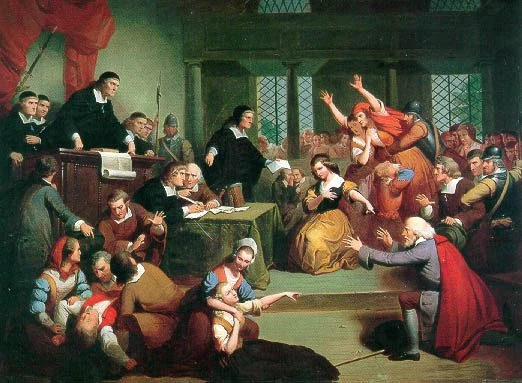
The Massachusetts prosecutions of 1692-1693, the spread of accusations, spectral evidence, and the surviving court archive.

Freedom of religion and belief in international human rights texts, including minority religions, nonbelief, and religious expression.
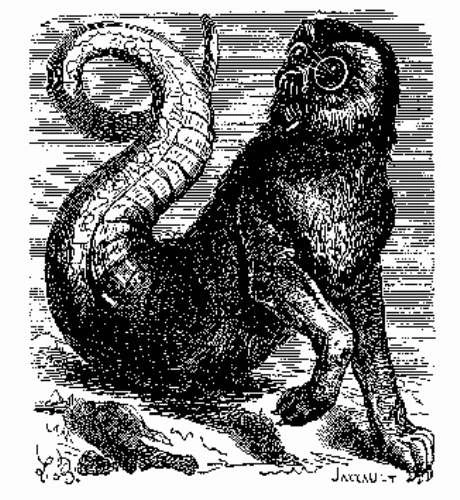
A Goetic marquis with a wolf-like appearance, associated with knowledge and the making or resolution of disputes.