
Demonology & Spirits
Ose
A Goetic president associated with learned subjects and transformations that alter a person's understanding of identity.
A Goetic president associated with learned subjects and transformations that alter a person's understanding of identity.
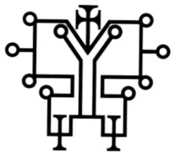
A mounted Goetic marquis whose office includes the stars, planetary mansions, and social dignities.
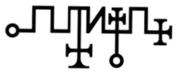
A Goetic spirit with a winged bull form, associated with wit and transformations of liquids and metals.

A Goetic prince riding a winged horse, associated with rapid movement and the recovery of hidden things.

An initiatory organization associated with Thelema and the public celebration of the Gnostic Mass.
A modern esoteric society with stated aims of fraternity, comparative study, and investigation of nature and human capacities.
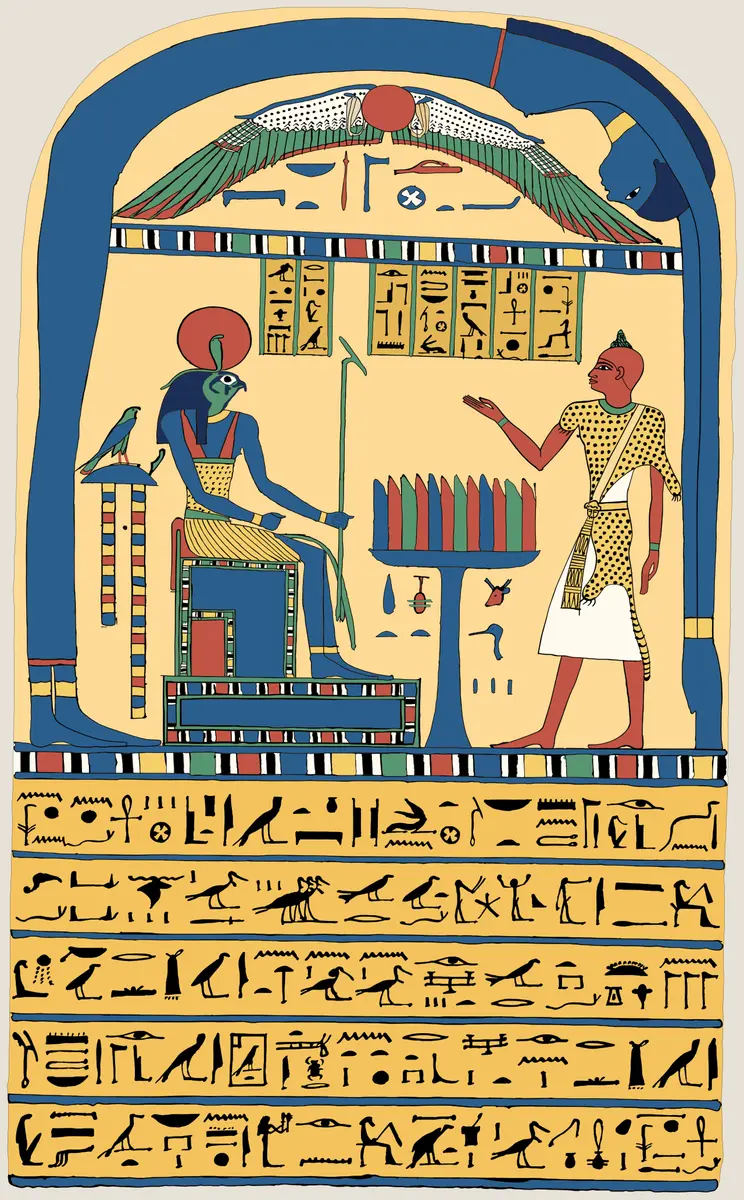
The religious and philosophical tradition associated with Aleister Crowley and The Book of the Law.
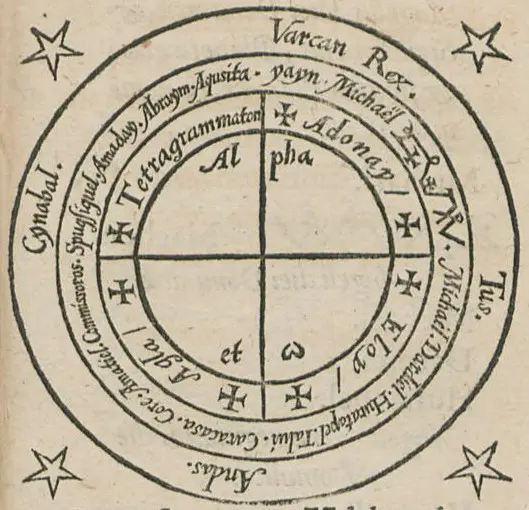
A grimoire of angelic conjuration organized around the seven days of the week.
The Slavonic Enochic work also known as the Book of the Secrets of Enoch, describing ascent, creation, and instruction.
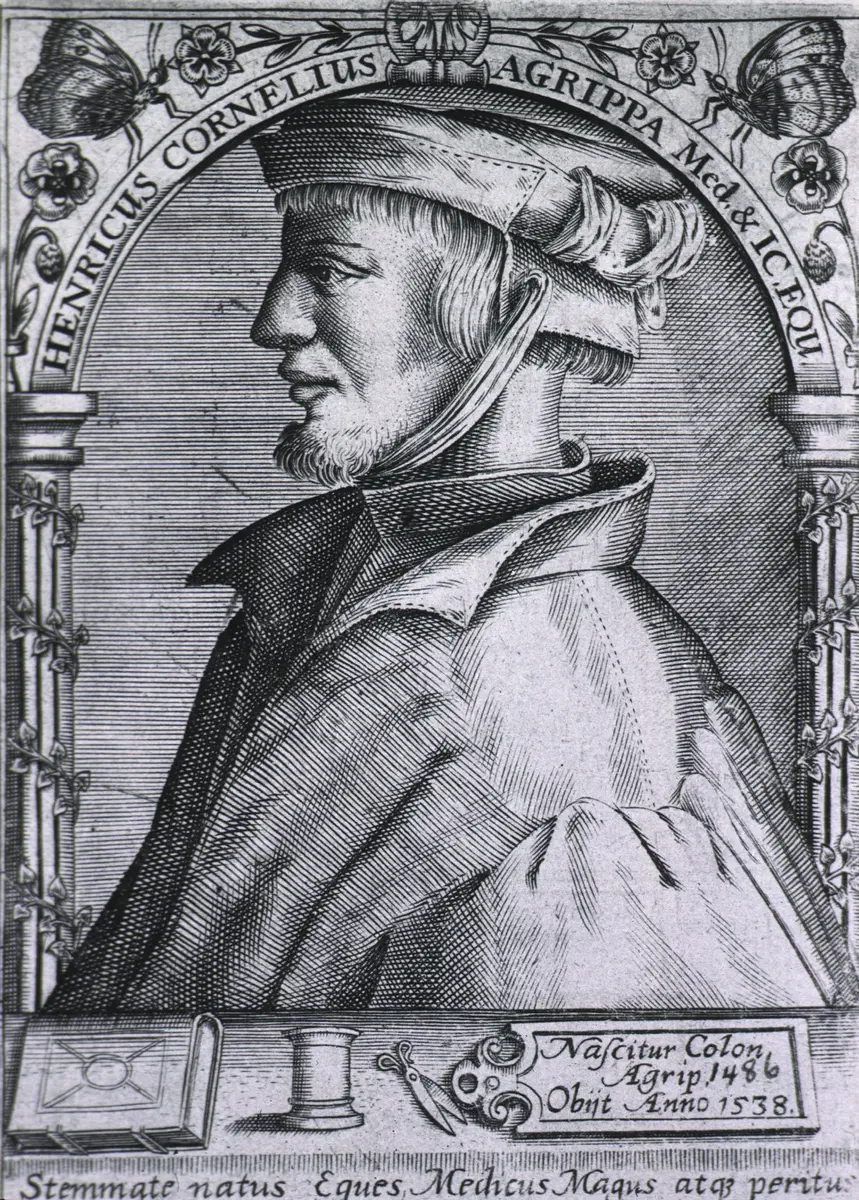
A Renaissance author whose Three Books of Occult Philosophy became a major source for Western magical systems.
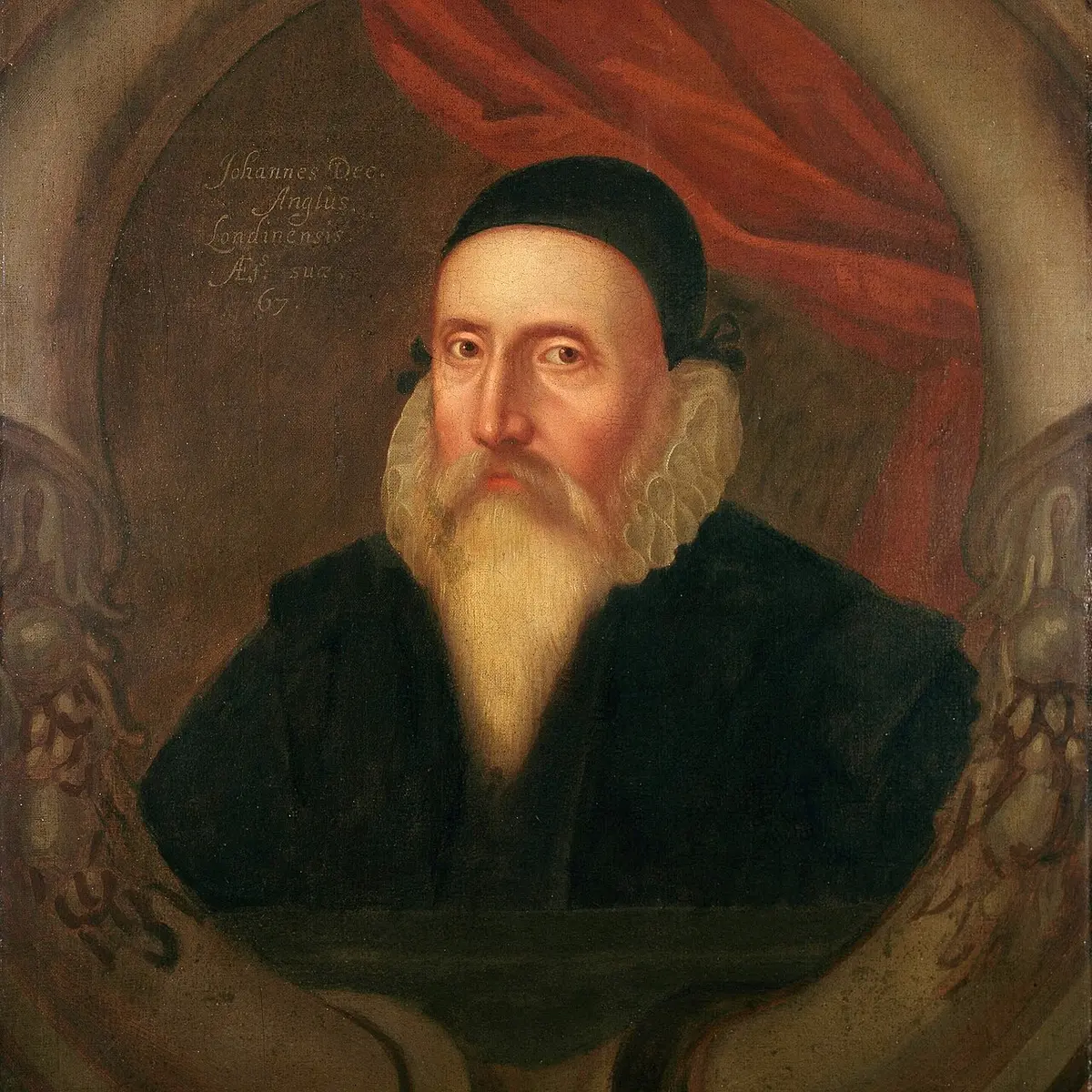
An English scholar whose records of spirit conversations became a major source for later angelic magic.

A founder and major author of the Temple of Set, associated with the modern Setian interpretation of Xeper.
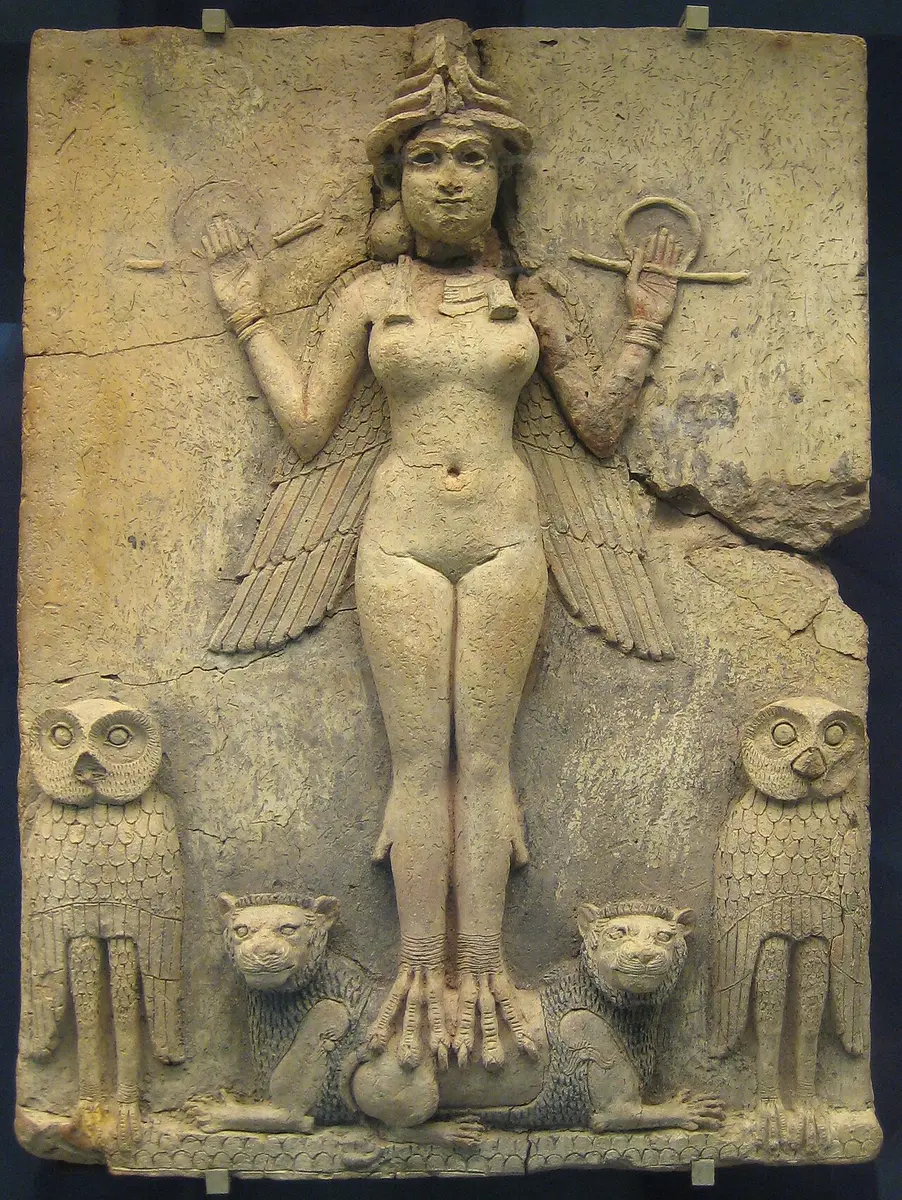
A Mesopotamian queen of the underworld, known through myths of descent and traditions concerning Nergal.
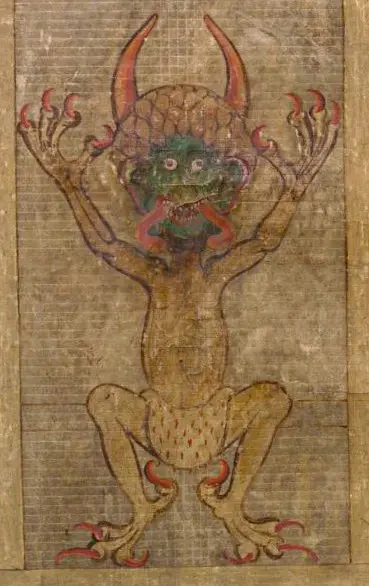
The Devil is the principal personification of evil in much of Christian tradition and a major source for later Western images of Satan. The term is not identical with every historical use of Satan, nor does it describe one unchanging character across the Bible, theology, folklore, literature, art, and modern religion. In contemporary speech “the Devil” often functions as a proper name for Satan, but…
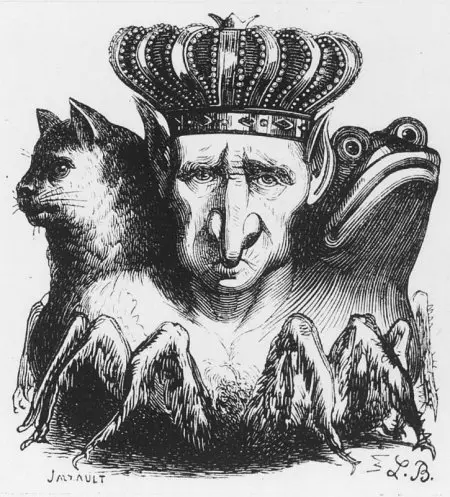
Bael is a ranked spirit in early modern magical catalogues. The Goetic figure should be distinguished from the wider use of the ancient title Baal.
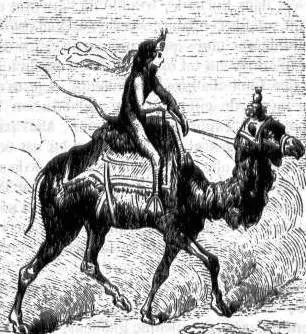
Paimon is a royal spirit described in the Ars Goetia and related literature. Musical procession and the teaching of knowledge are important elements of his received image.
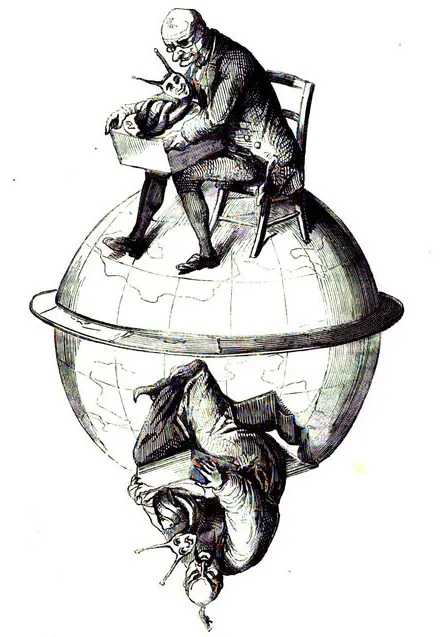
Collin de Plancy’s Dictionnaire infernal gathered supernatural traditions in a dictionary format. Its 1863 entries and illustrations remain influential in modern depictions of spirits.
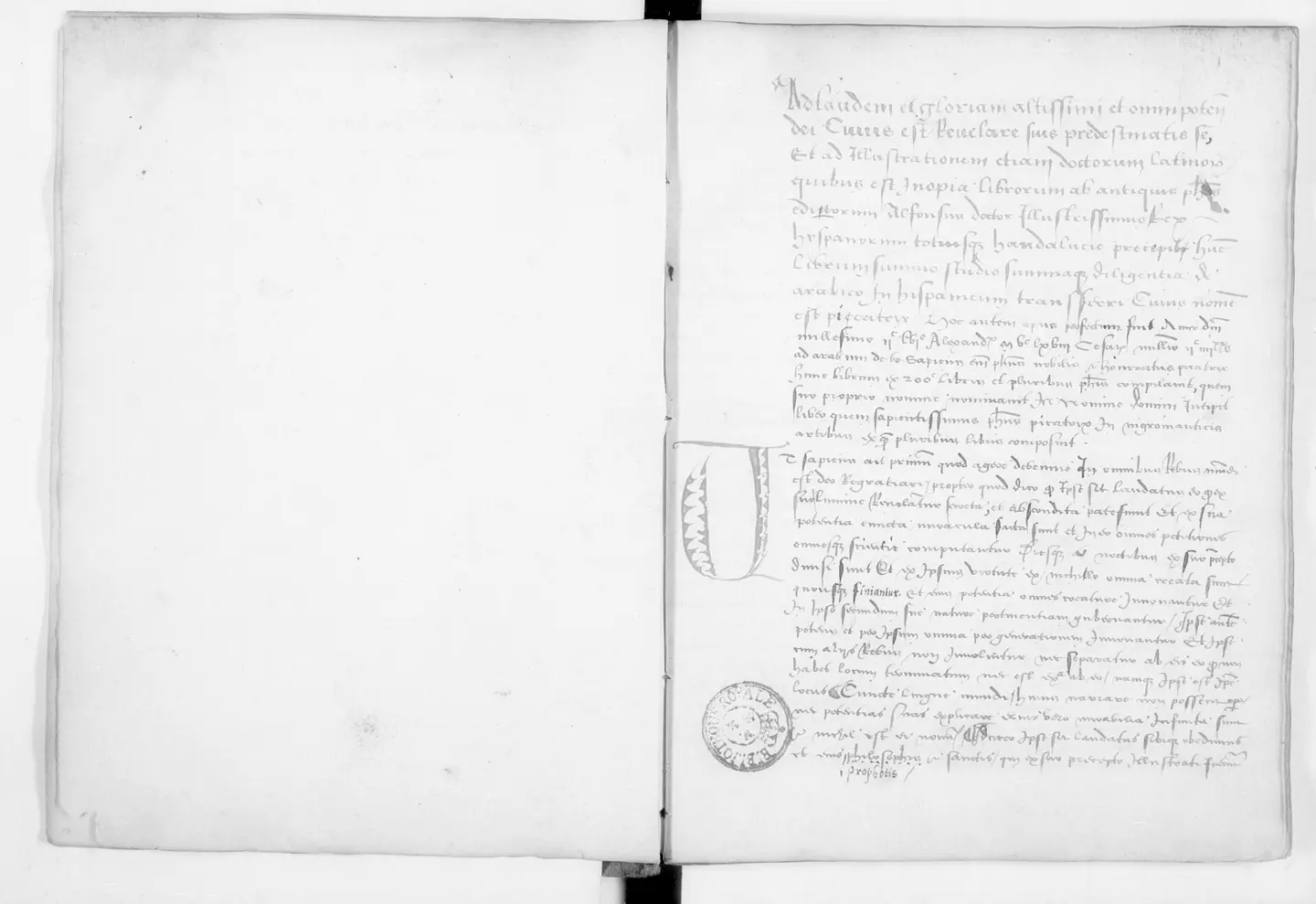
Picatrix is the Latin title associated with an influential Arabic work of astral magic. Its cosmological and ritual framework differs from a catalogue of Goetic spirits.
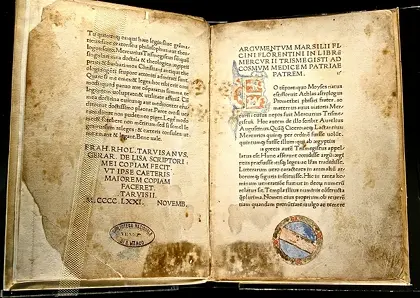
The Corpus Hermeticum is a collection of philosophical religious dialogues concerning mind, the divine, the cosmos, and human knowledge. It should be distinguished from later works marketed as Hermetic teaching.
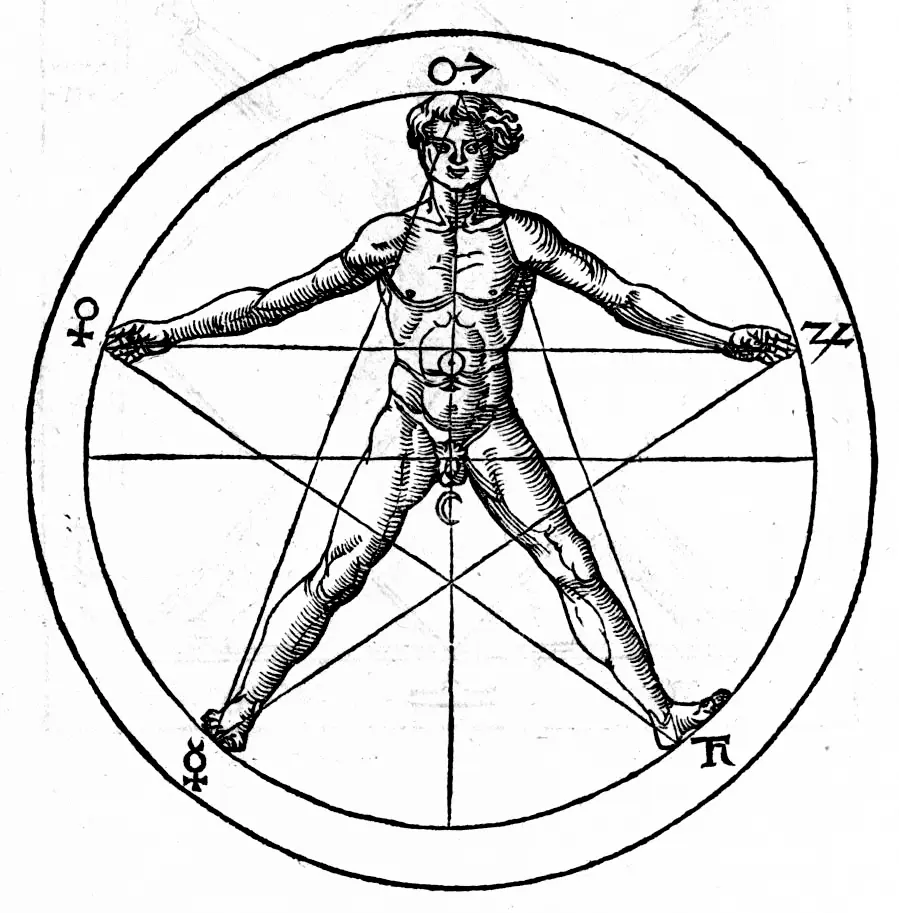
A pentagram is a five-pointed star figure used in different religious and esoteric settings. Orientation and surrounding imagery matter, but do not establish one universal meaning.