Devotional Practice
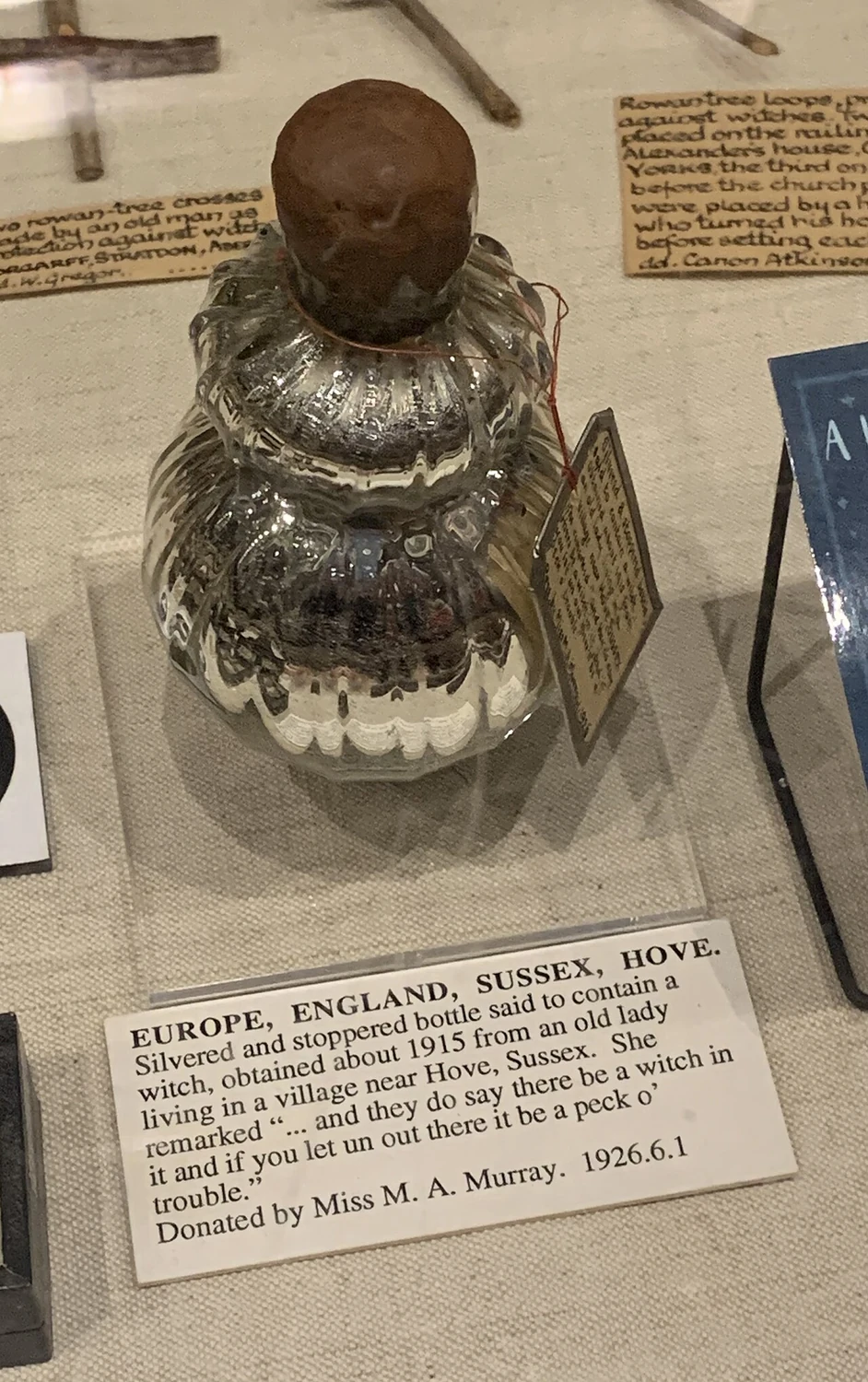
Folk magic
Protective charms, witch bottles, and everyday materials in local magical traditions, with documented British museum examples.
Protective charms, witch bottles, and everyday materials in local magical traditions, with documented British museum examples.
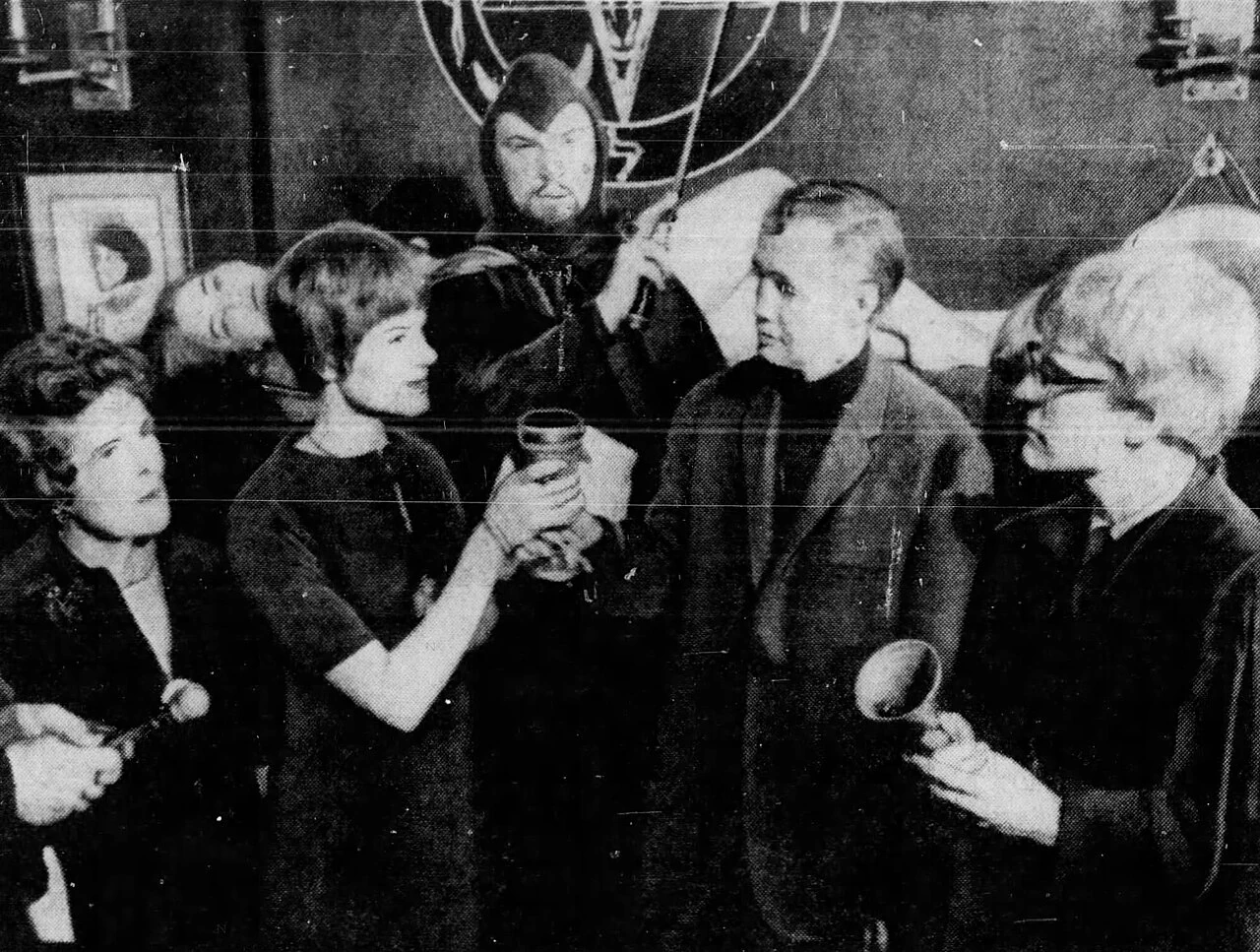
The Church of Satan is the organization founded by Anton LaVey in 1966. Its official account describes Satanism as atheistic and gives Satan a symbolic role.
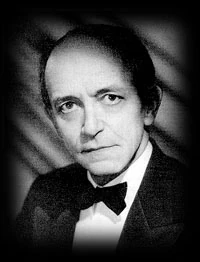
A school of the Western mysteries associated with Paul Foster Case, Ann Davies, Tarot, and Qabalistic study.
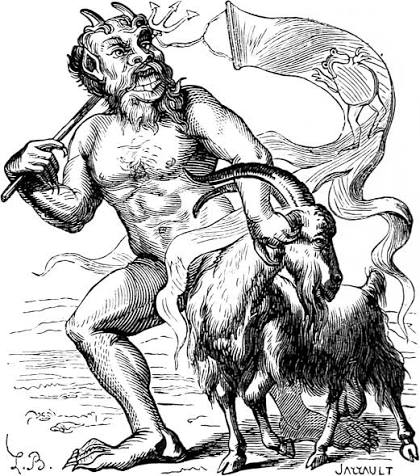
Azazel is a figure associated with the Day of Atonement in Leviticus, a rebellious Watcher in 1 Enoch, and a demonological and occult figure in later traditions. This article traces the development of Azazel from ancient Jewish texts through later demonology and modern Satanic interpretations.
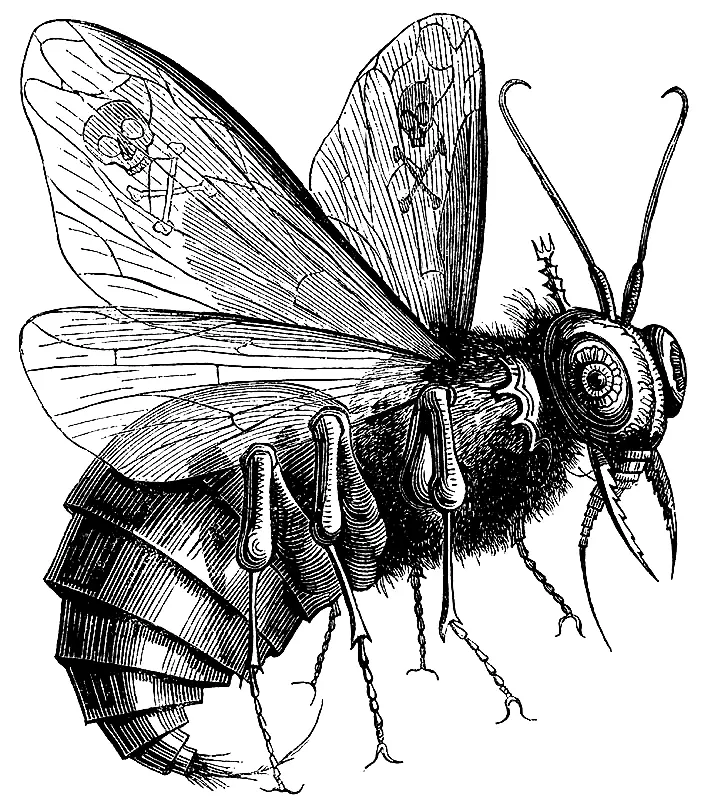
Beelzebub and related spellings appear in distinct biblical contexts. Later demonological interpretations should not be retroactively read into each earlier occurrence.
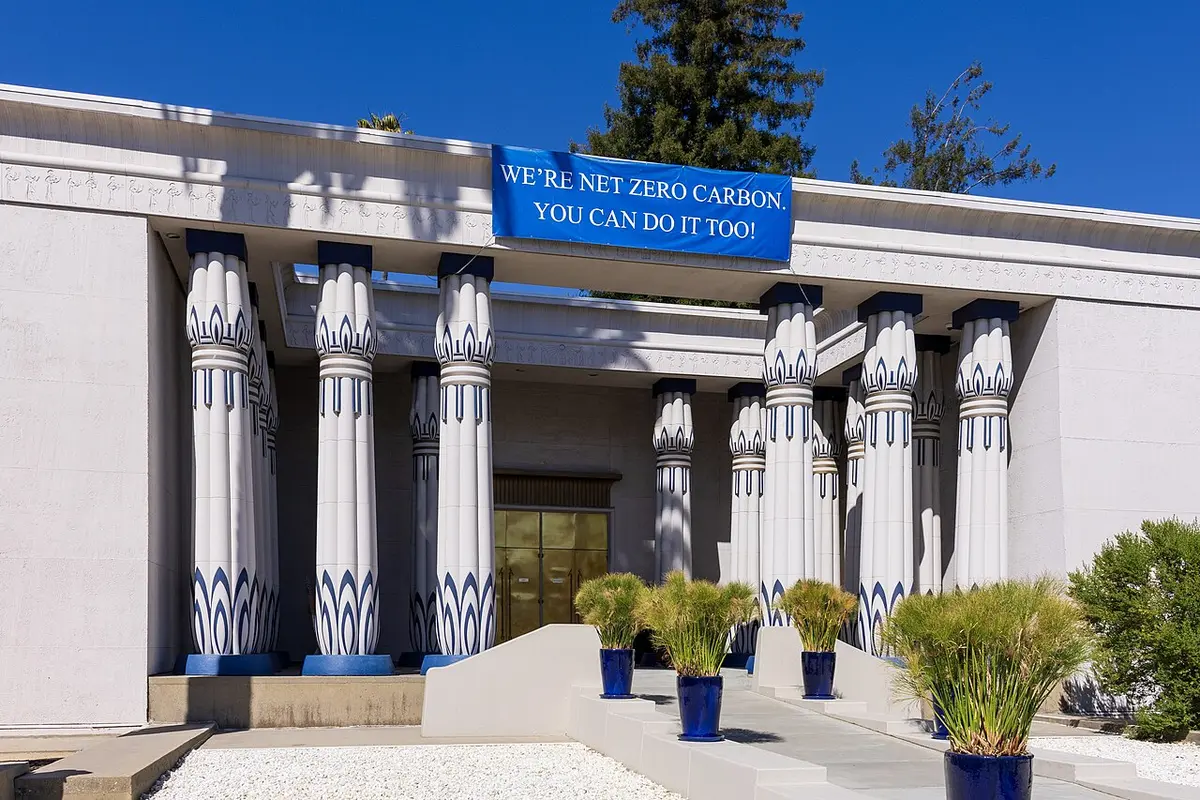
A modern Rosicrucian organization, usually called AMORC, that teaches through lessons and local study groups.
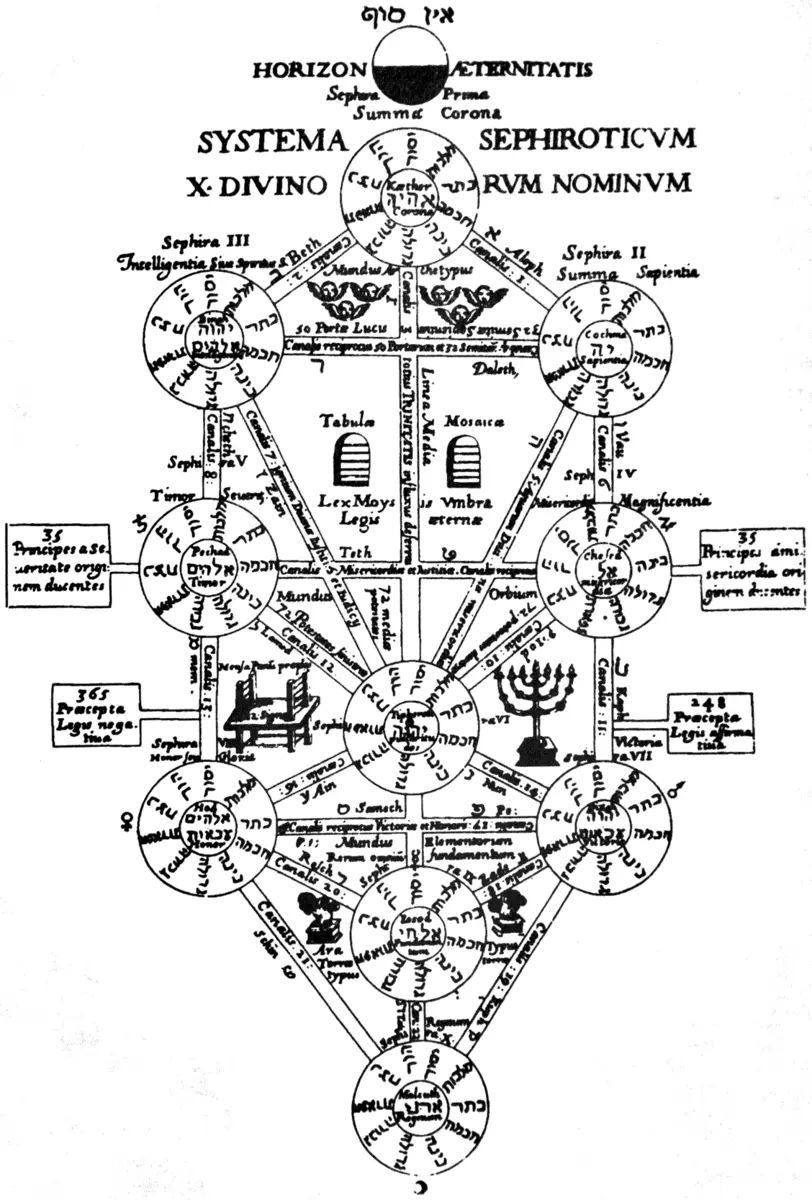
Western esoteric systems that adapt Kabbalistic ideas through ritual, correspondence tables, and symbolic interpretation.
An angelic art in the Lemegeton, using a wax tablet, candles, and a hierarchy of heavenly altitudes.
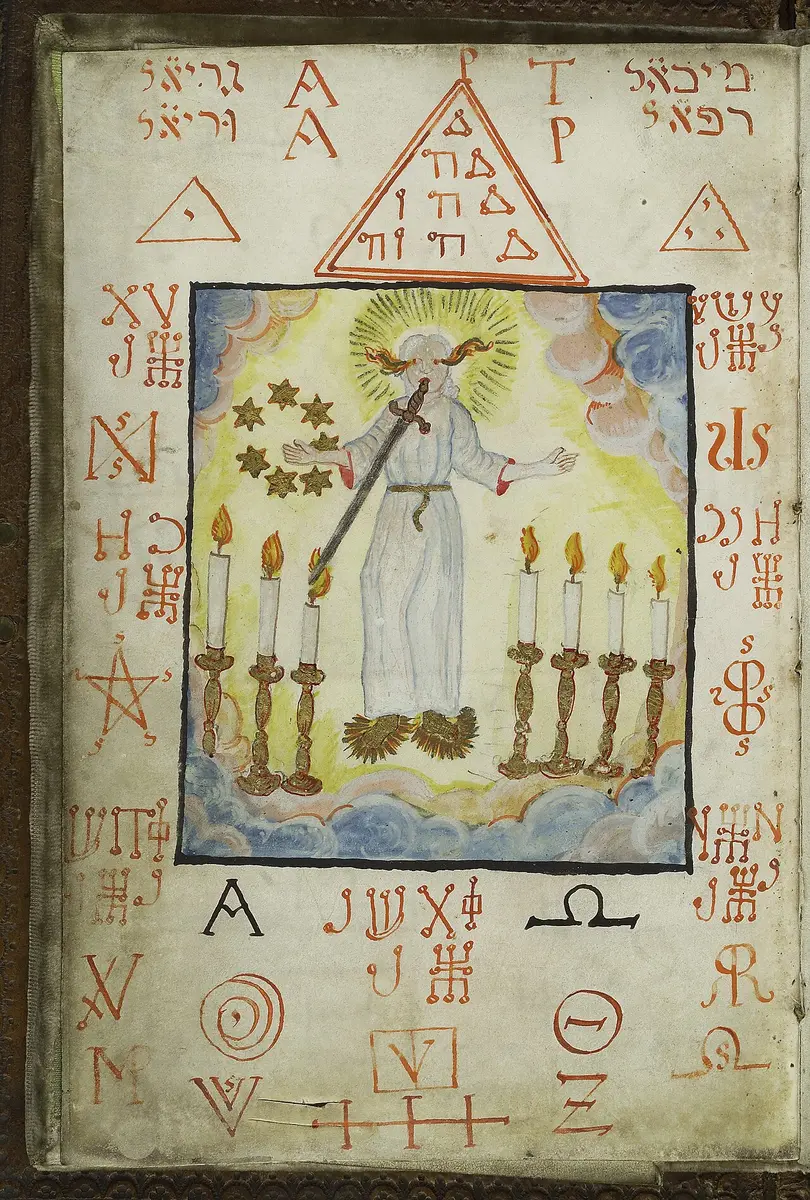
The Hebrew Enochic work associated with heavenly palaces and Enoch’s transformation into Metatron.
A retelling of Genesis and early Exodus arranged through jubilees, with angelic revelation, calendar teaching, and expanded narratives.
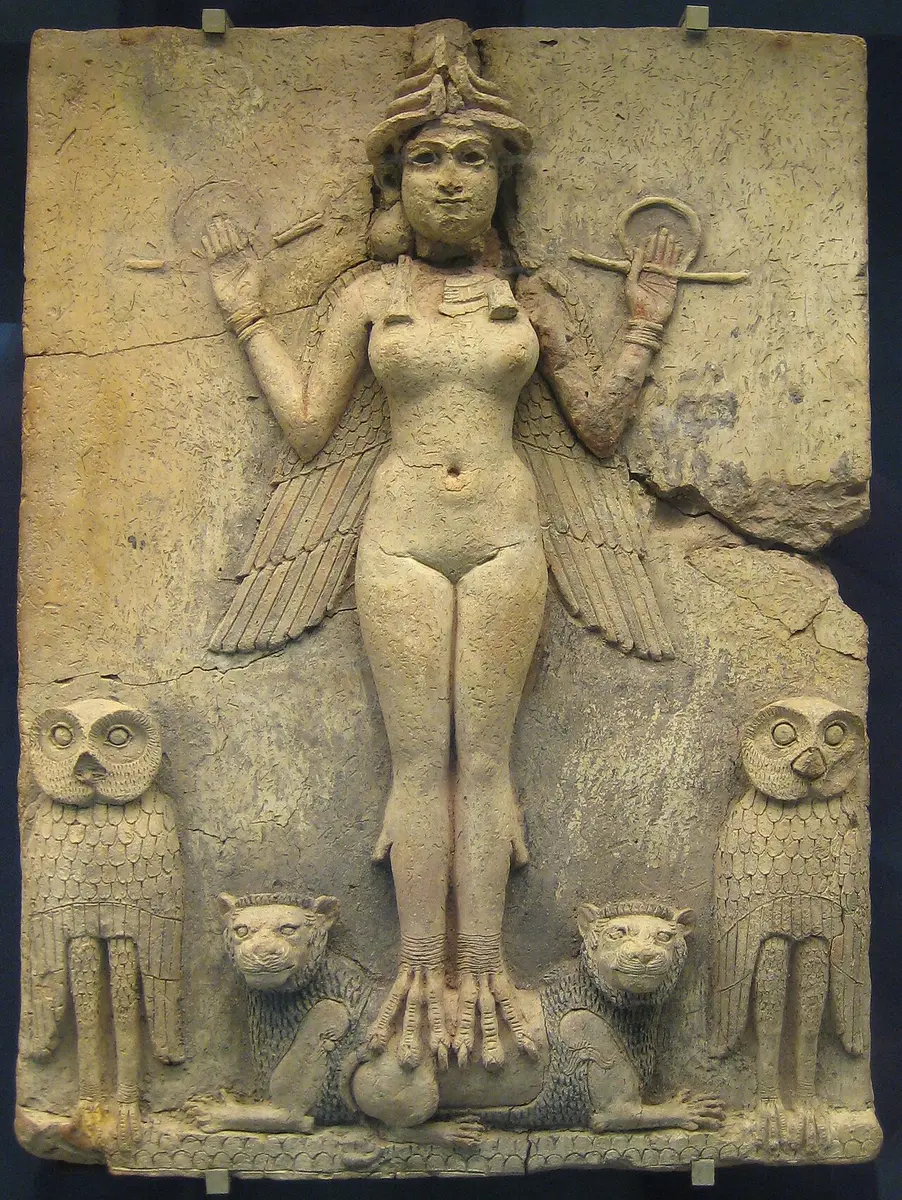
A Mesopotamian queen of the underworld, known through myths of descent and traditions concerning Nergal.
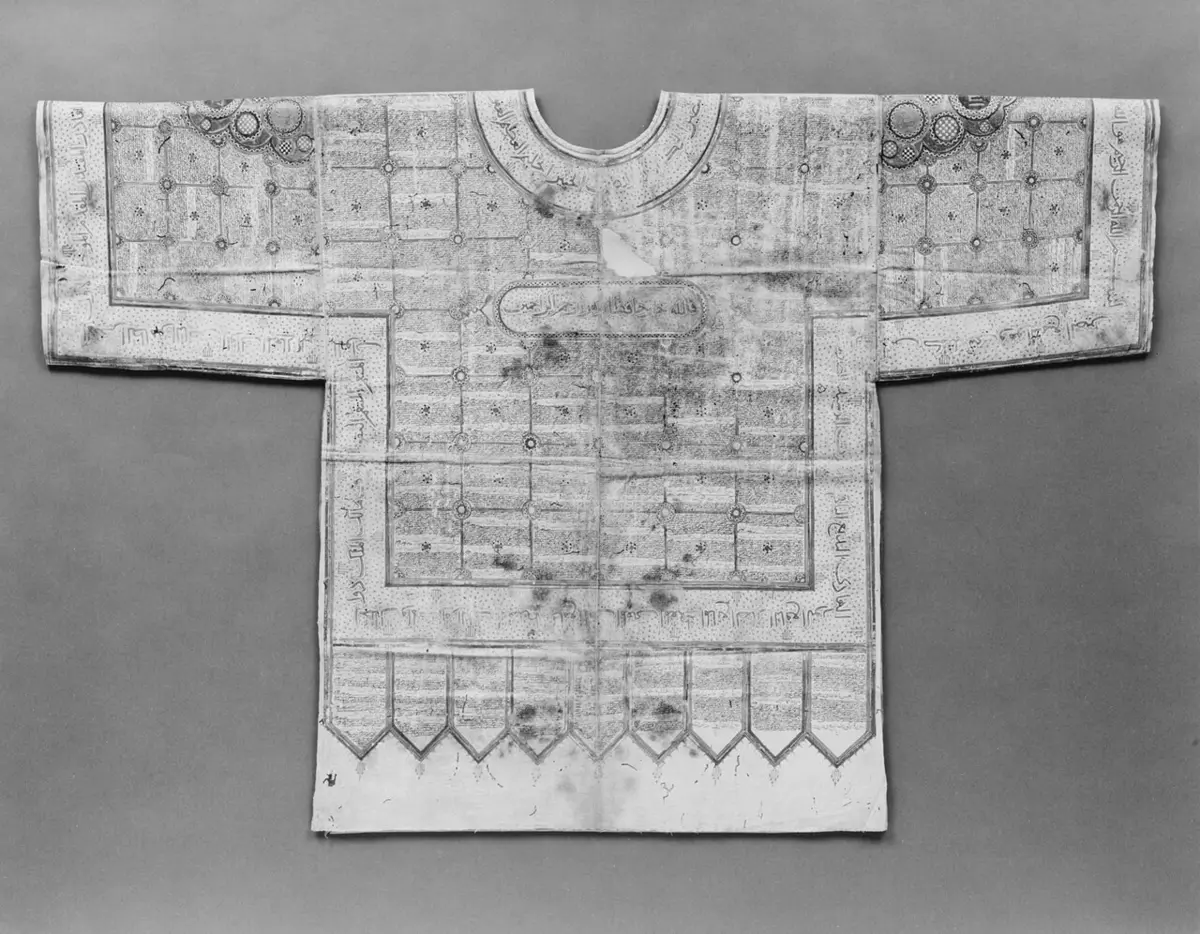
Objects prepared or used for a particular effect through inscriptions, images, materials, and ritual meaning.

A divinatory or visionary practice involving a reflective surface, crystal, or other focus for reported images and messages.
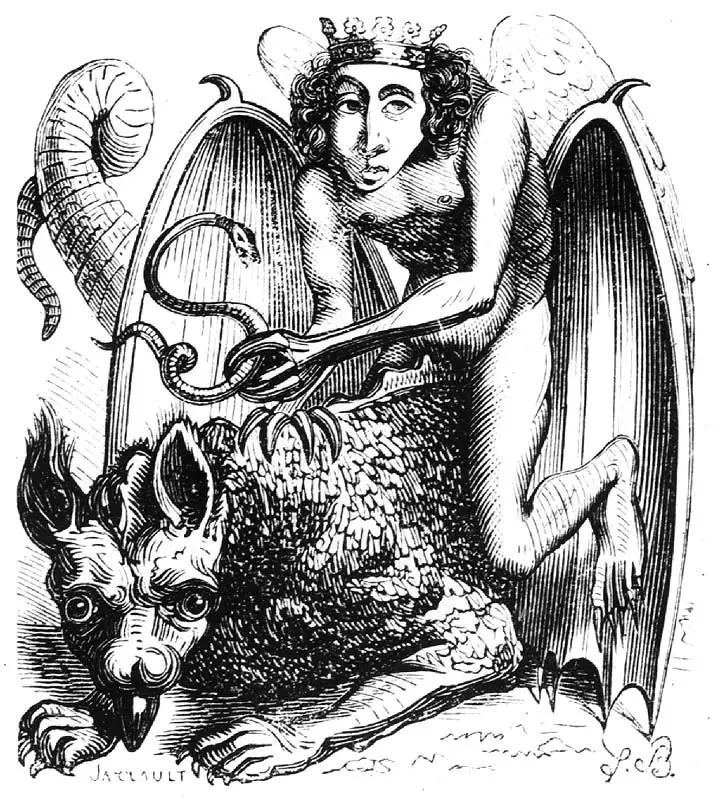
Astaroth appears in early modern spirit catalogues and later illustrated demonology. Source editions matter when comparing the figure’s rank, appearance, and supposed knowledge.
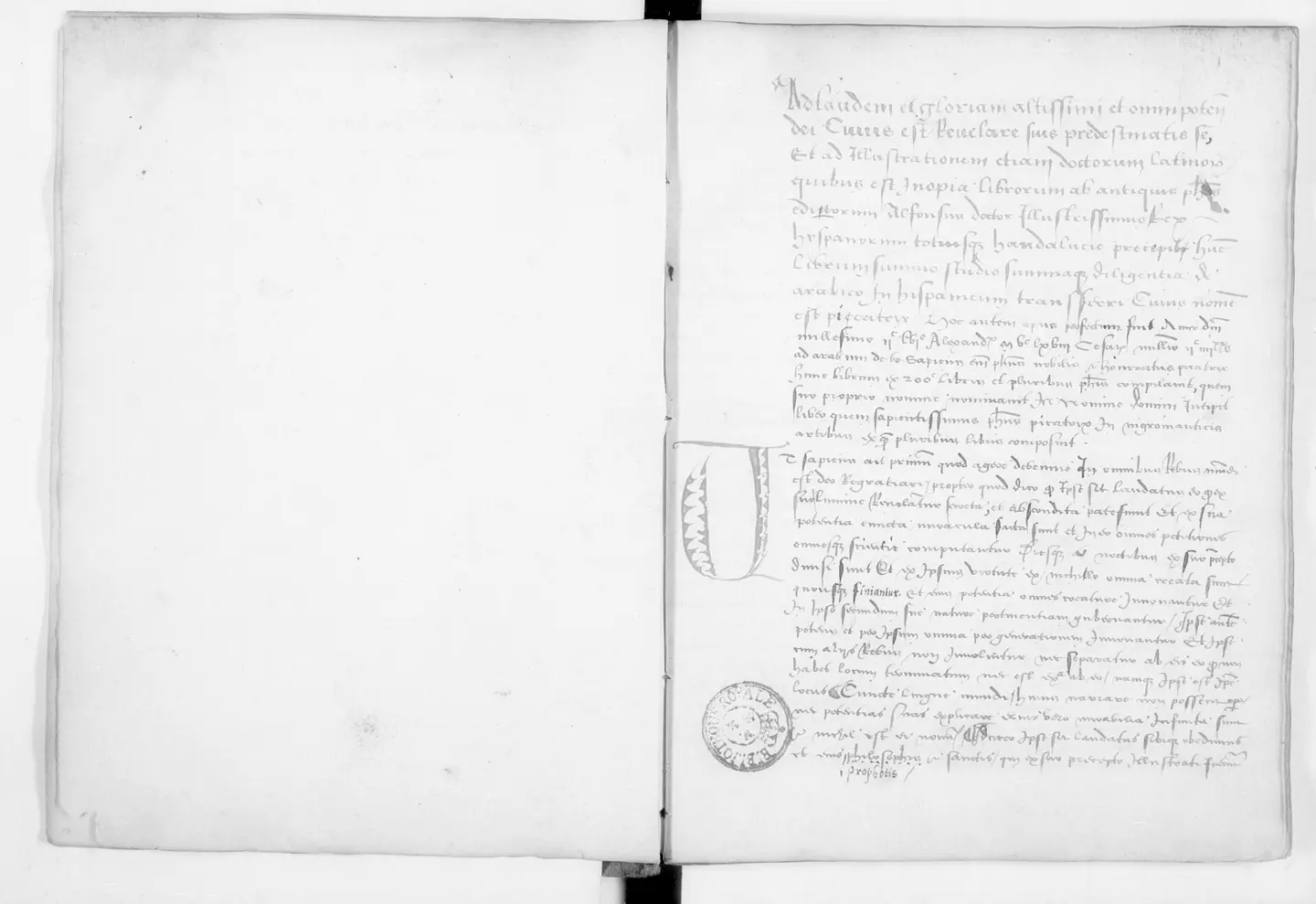
Picatrix is the Latin title associated with an influential Arabic work of astral magic. Its cosmological and ritual framework differs from a catalogue of Goetic spirits.
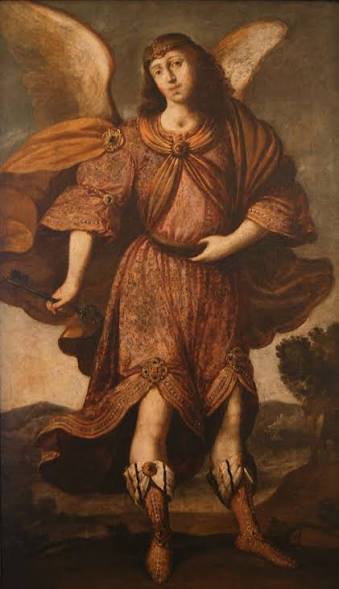
Raziel is an angel associated with the revelation of divine secrets, especially the legendary book given to Adam. His name appears in Jewish interpretive and magical literature and later Western esotericism, where Agrippa connects him with Chokmah, or Wisdom.
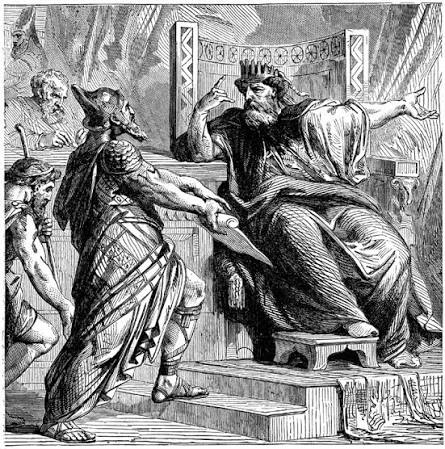
In 1 Chronicles 21, Satan or an adversary incites David to count Israel. Comparison with 2 Samuel 24 raises questions about divine agency, translation, and the development of the adversary figure.
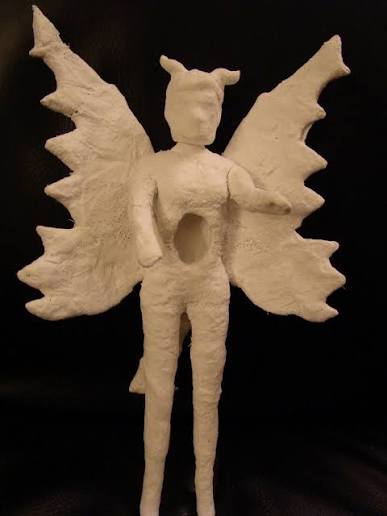
Mastema is a leader of harmful spirits in the Book of Jubilees. His appearances in the stories of Noah, Abraham, and Moses connect temptation, accusation, and hostility with a power that remains subject to divine limits.
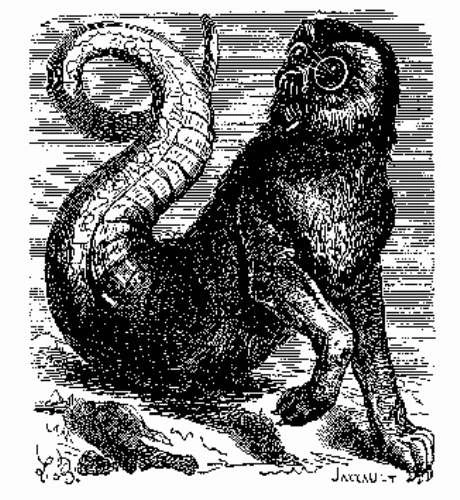
A Goetic marquis with a wolf-like appearance, associated with knowledge and the making or resolution of disputes.
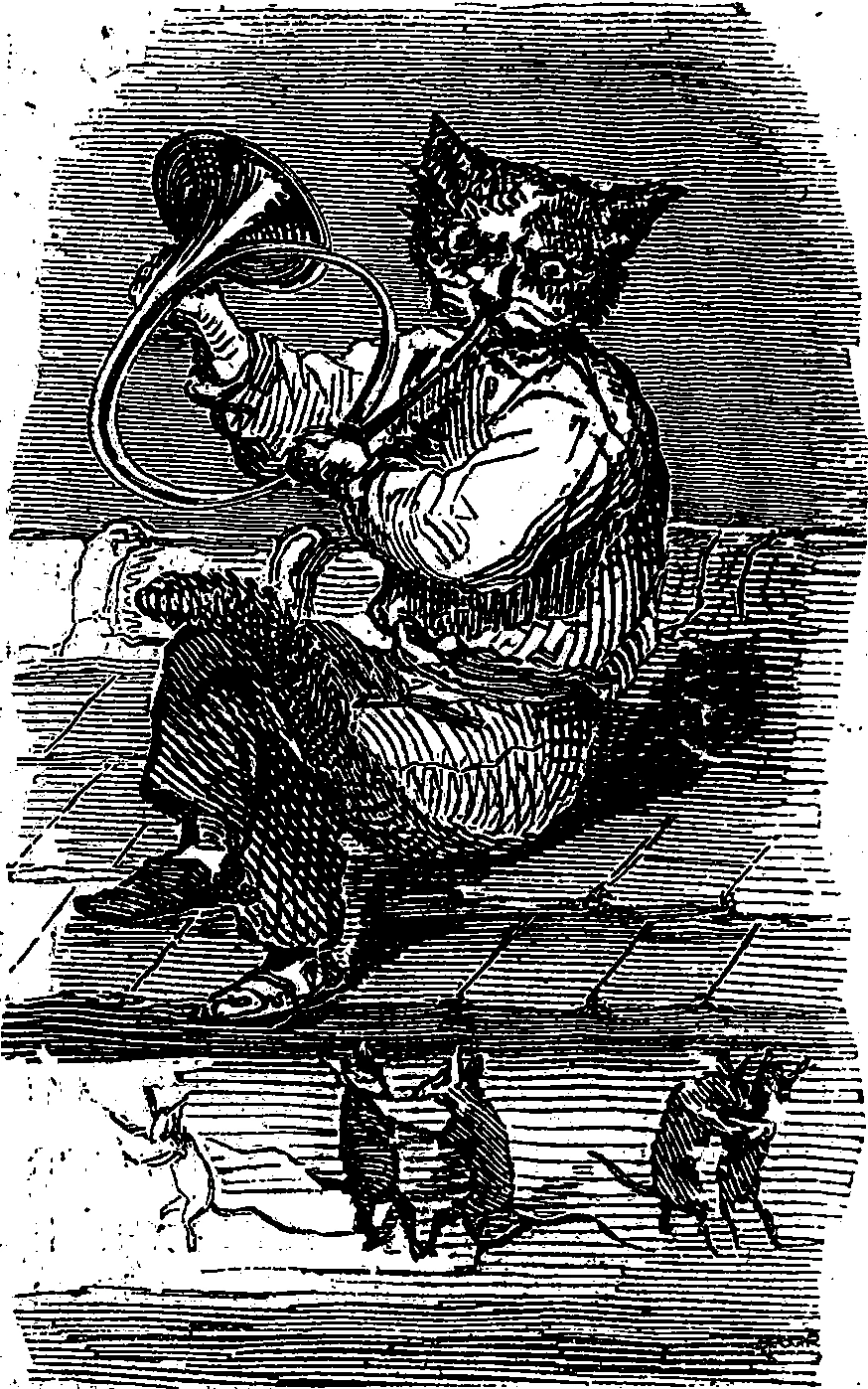
A Goetic king riding a pale horse, associated with desire and an elaborate ceremonial reception.