Demonology & Spirits
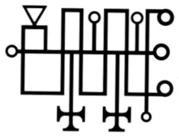
Haagenti
A Goetic president with a winged bull form, associated with wisdom and the transformation of substances.
A Goetic president with a winged bull form, associated with wisdom and the transformation of substances.
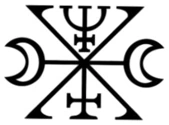
A Goetic spirit associated with philosophy and the compelled appearance of deceased souls.
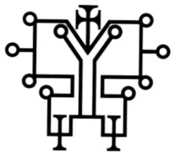
A mounted Goetic marquis whose office includes the stars, planetary mansions, and social dignities.

A Goetic prince riding a winged horse, associated with rapid movement and the recovery of hidden things.
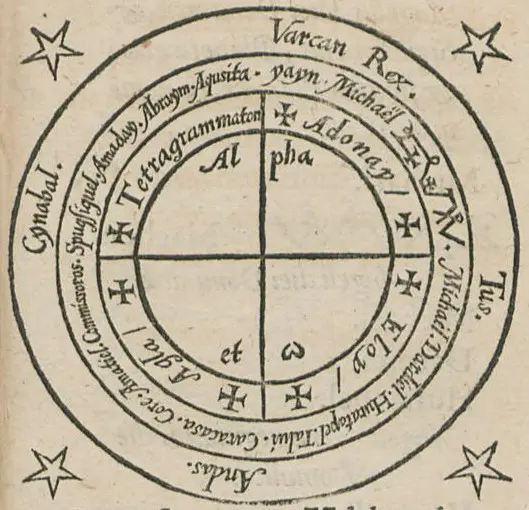
A grimoire of angelic conjuration organized around the seven days of the week.

A founder and major author of the Temple of Set, associated with the modern Setian interpretation of Xeper.
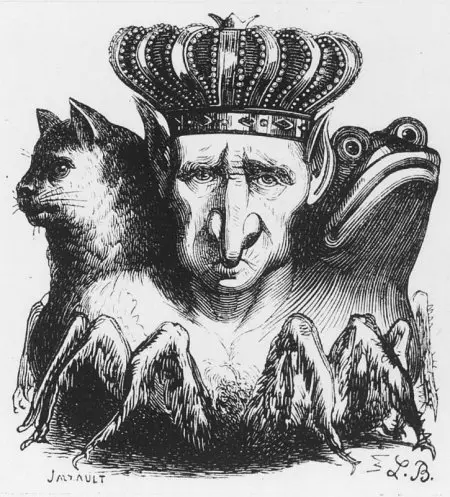
Bael is a ranked spirit in early modern magical catalogues. The Goetic figure should be distinguished from the wider use of the ancient title Baal.
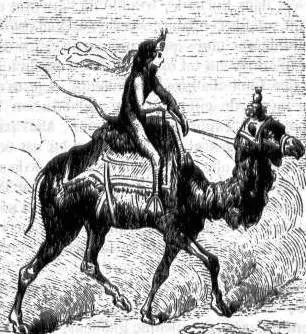
Paimon is a royal spirit described in the Ars Goetia and related literature. Musical procession and the teaching of knowledge are important elements of his received image.
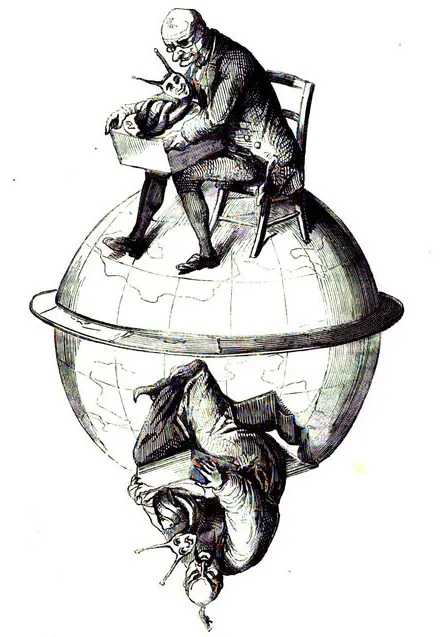
Collin de Plancy’s Dictionnaire infernal gathered supernatural traditions in a dictionary format. Its 1863 entries and illustrations remain influential in modern depictions of spirits.
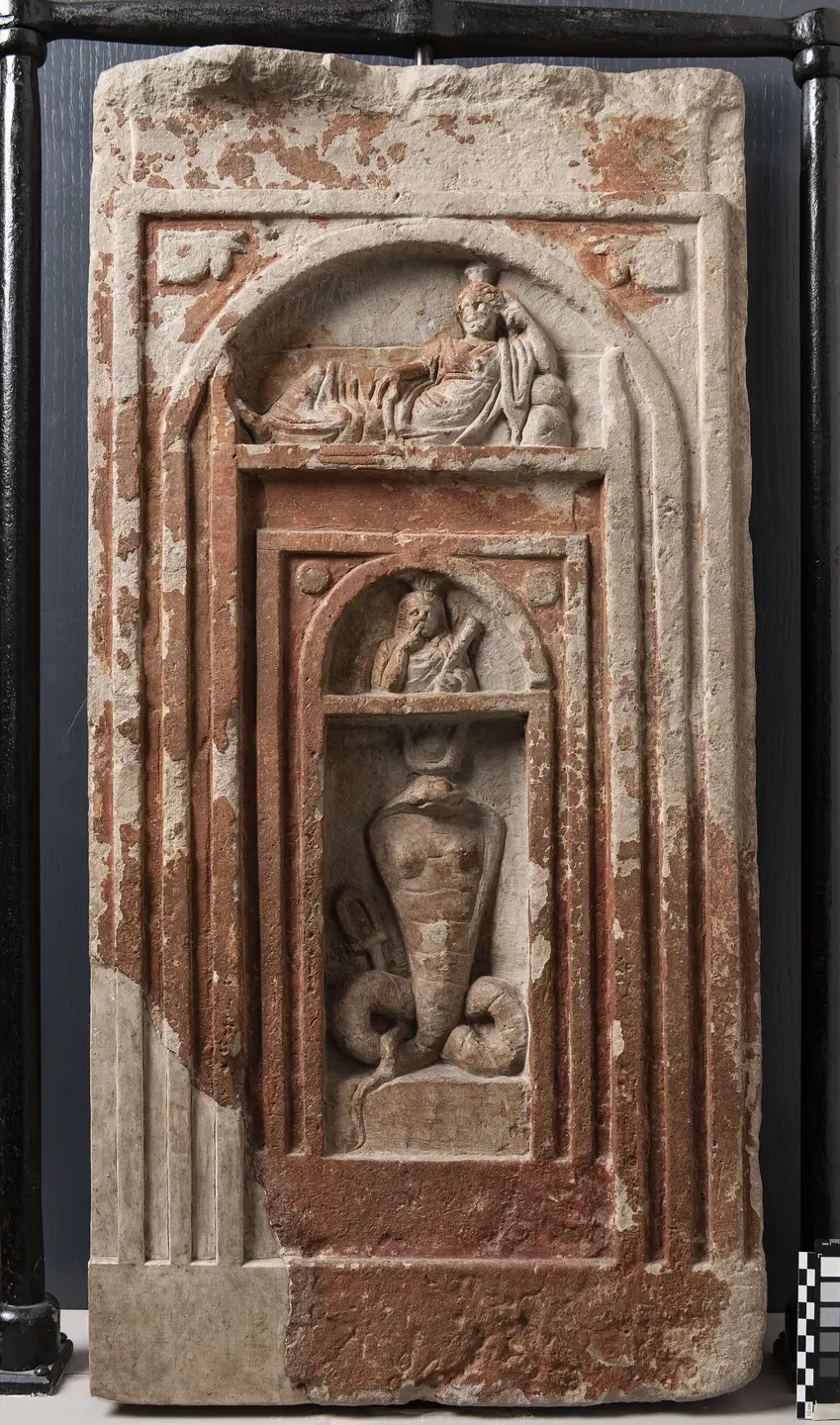
Religious syncretism concerns the combination of ideas, figures, and practices from different traditions. Similarity of names or imagery alone does not establish identity or historical continuity.
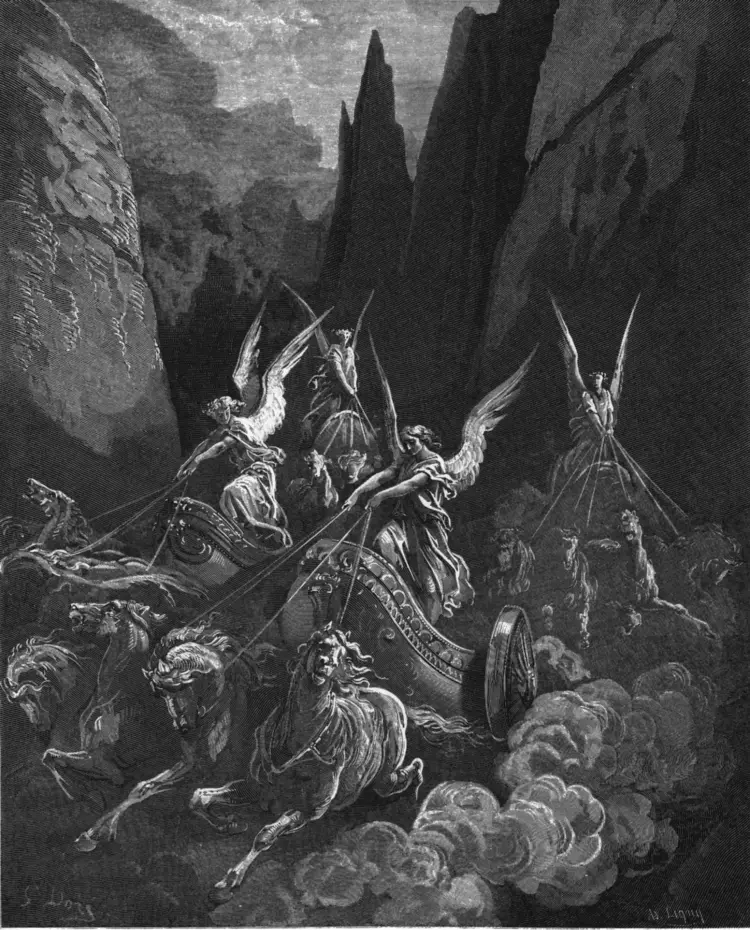
Zechariah 3 presents Satan accusing Joshua the high priest within a vision of judgment and restoration. The scene has a specific religious and literary purpose.

The Satanic Panic refers to a wave of allegations concerning organized Satanic abuse, especially in the late twentieth century. Actual evidence of harm must be distinguished from expansive conspiracy claims.
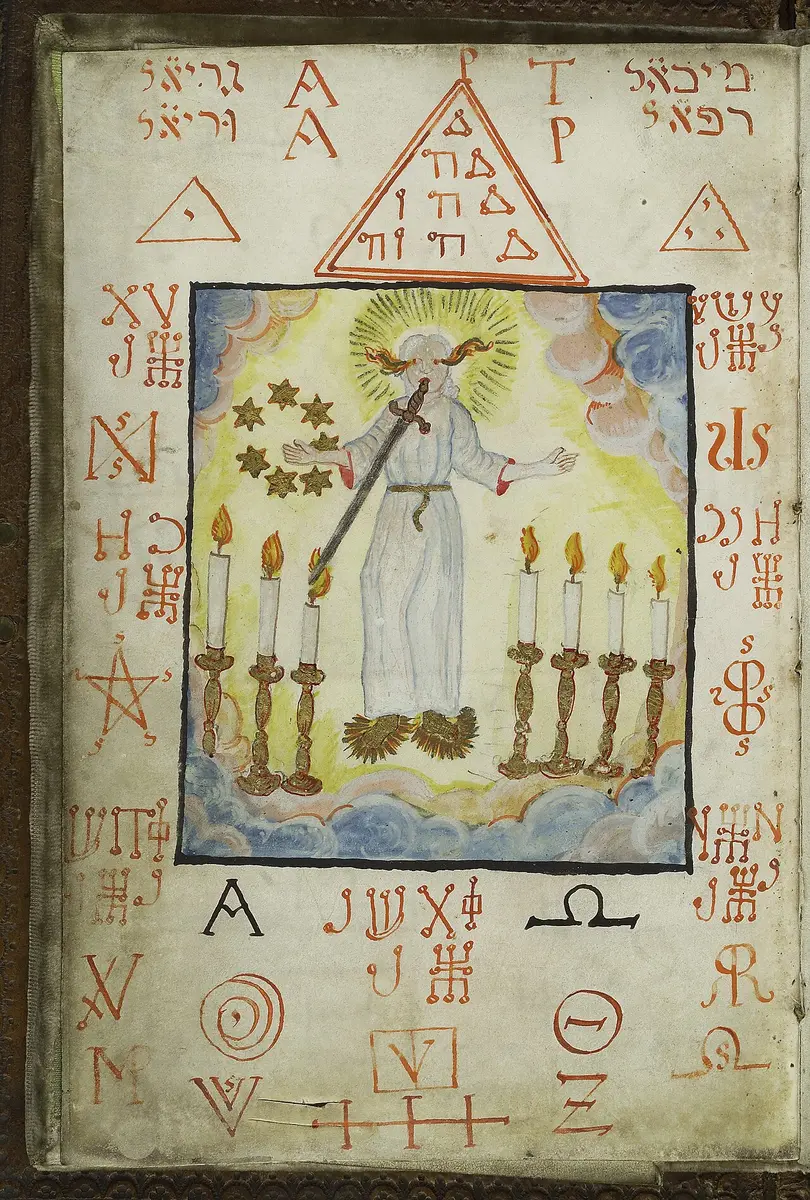
The Hebrew Enochic work associated with heavenly palaces and Enoch’s transformation into Metatron.
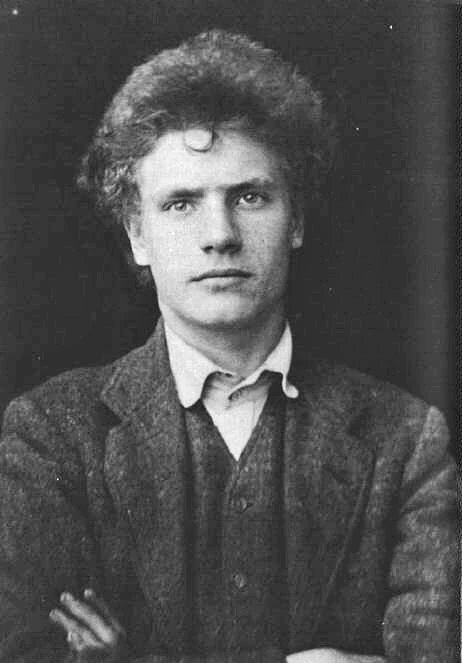
An English artist and occult author whose treatment of desire and sigils influenced later magical practice.
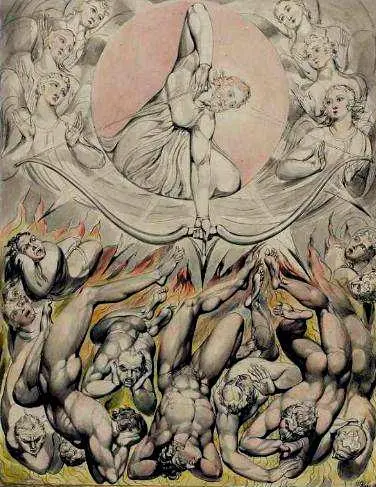
The Watchers are heavenly beings whose descent, teachings, and punishment are narrated in 1 Enoch. Their literary identity must be distinguished from later religious interpretations.
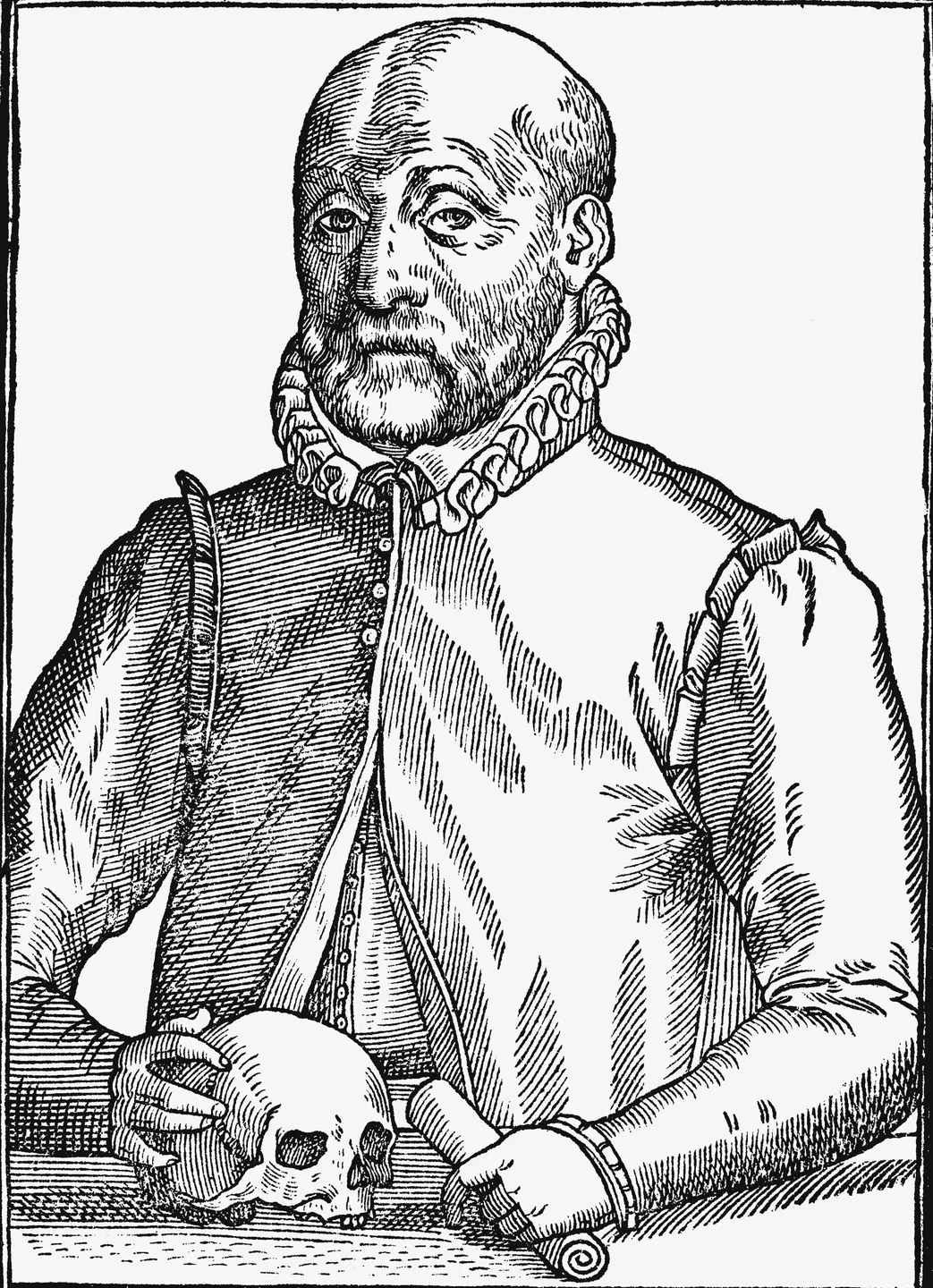
Pseudomonarchia Daemonum is a spirit catalogue associated with Johann Weyer. Its transmission helps explain similarities and differences in the later Ars Goetia.
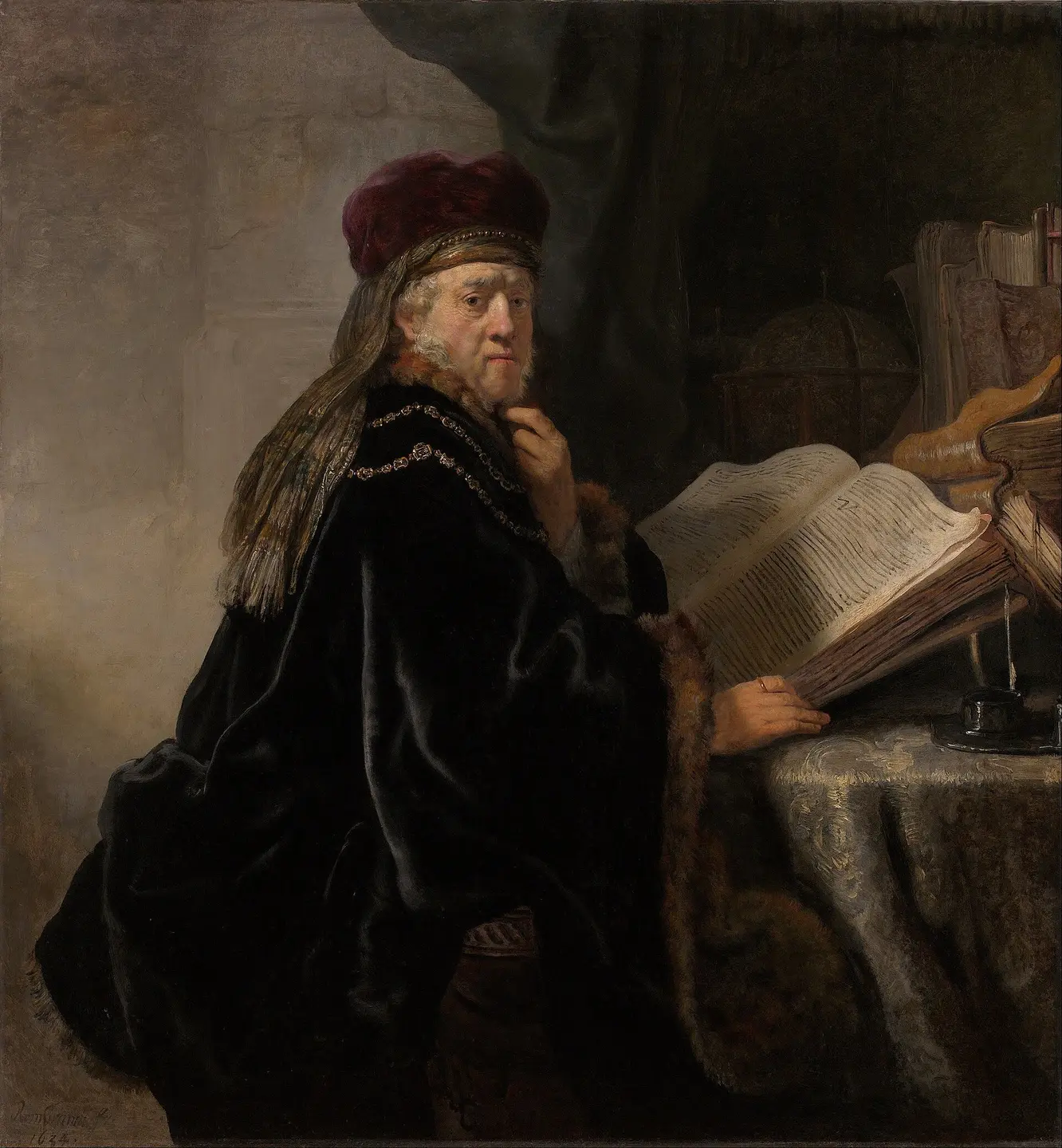
Primary sources provide direct evidence for a text, community, or historical setting. Reading them well requires context, precise citations, and comparison with other evidence.
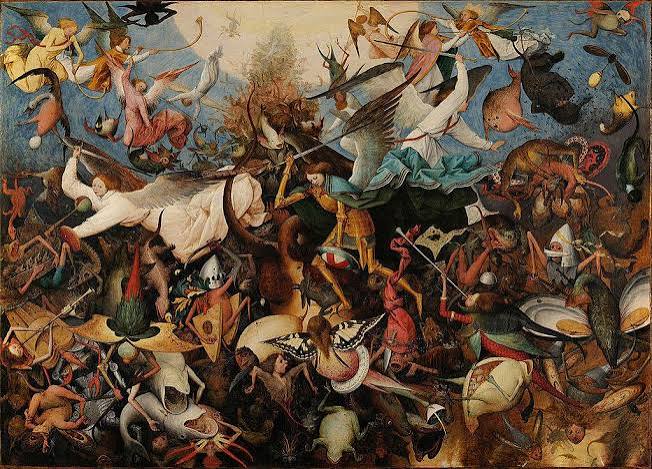
Fallen angels are heavenly beings portrayed as losing their place or proper condition through transgression. Enochic descent, Satan’s refusal to honor Adam, and the war in Revelation are distinct accounts that later interpretation can bring together.

Freedom of religion and belief in international human rights texts, including minority religions, nonbelief, and religious expression.
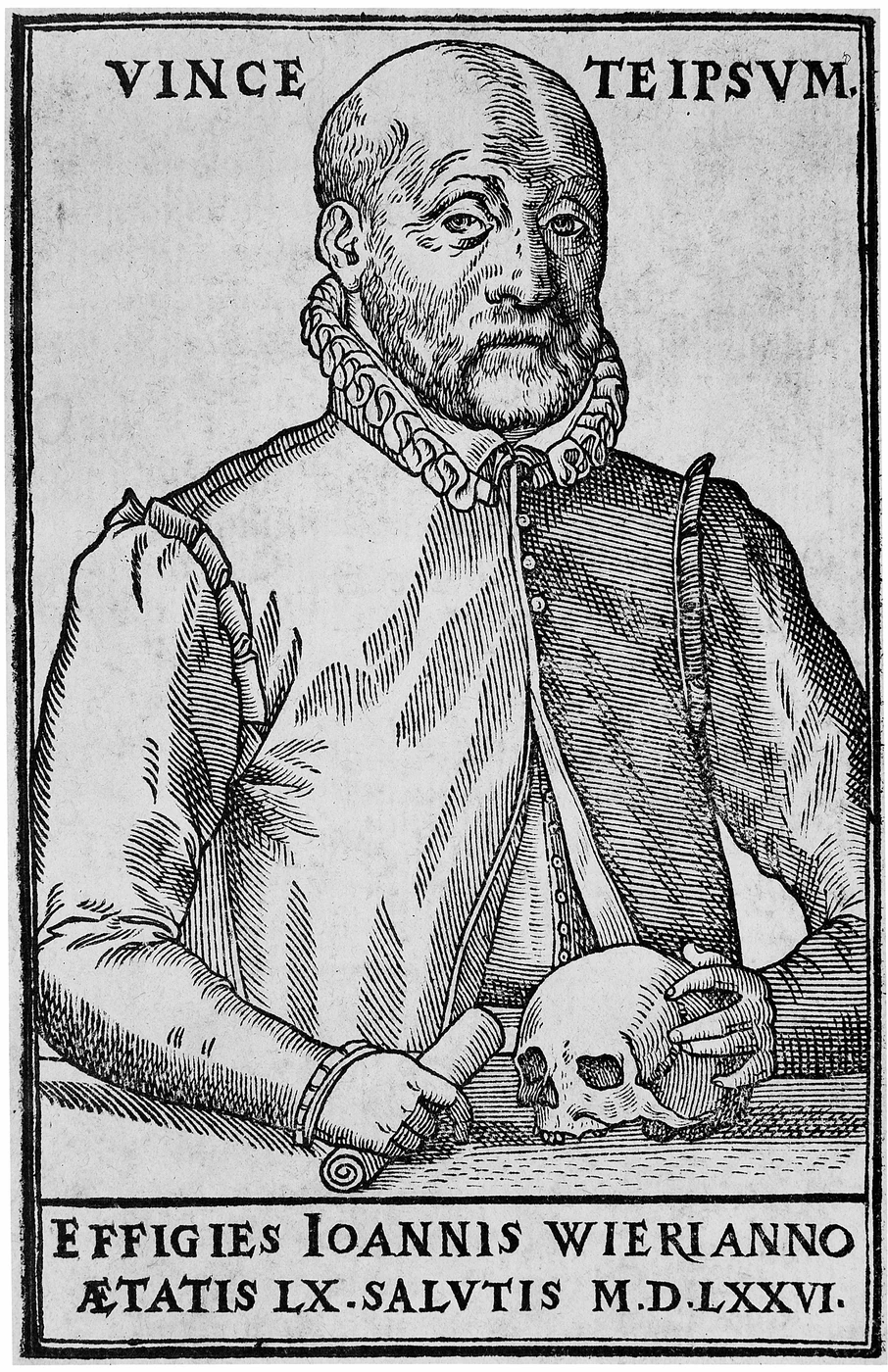
The physician and author whose Pseudomonarchia daemonum supplied an important source for later spirit catalogues.