Demonology & Spirits
Vine
A Goetic spirit with royal and comital rank, associated with hidden things, walls, and stormy waters.
A Goetic spirit with royal and comital rank, associated with hidden things, walls, and stormy waters.
A Goetic president with a winged bull form, associated with wisdom and the transformation of substances.

A Goetic president associated with learned subjects and transformations that alter a person's understanding of identity.
A mounted Goetic marquis whose office includes the stars, planetary mansions, and social dignities.
A winged lion-shaped Goetic duke associated with crafts, philosophy, and learned subjects.
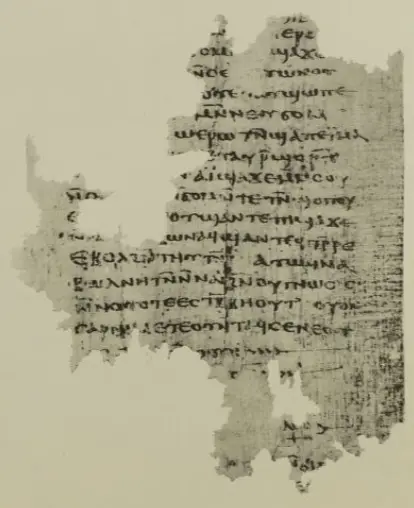
A modern umbrella term for several ancient religious movements and texts concerned with saving knowledge and divine origins.
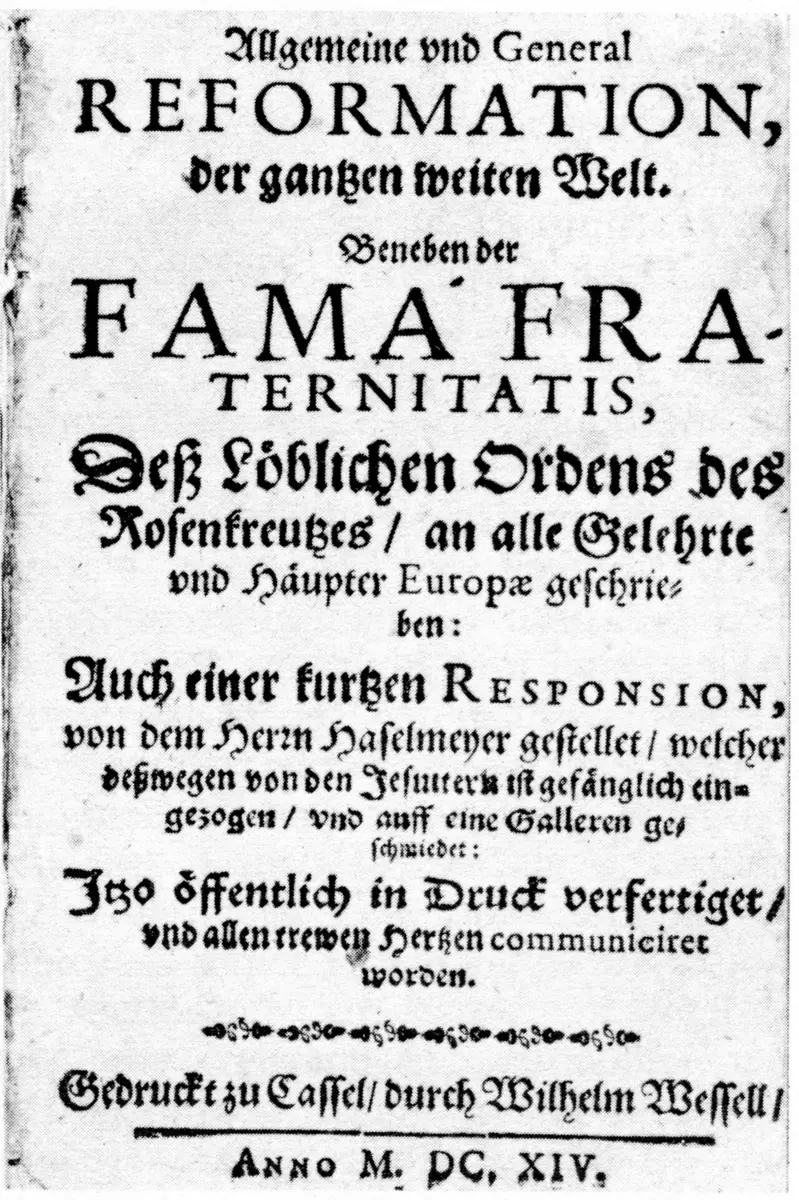
Traditions associated with the rose and cross, the early modern Rosicrucian manifestos, and later initiatory societies.
The second part of the Lemegeton, arranging aerial spirits through princes, directions, and wandering hierarchies.
An angelic art in the Lemegeton, using a wax tablet, candles, and a hierarchy of heavenly altitudes.
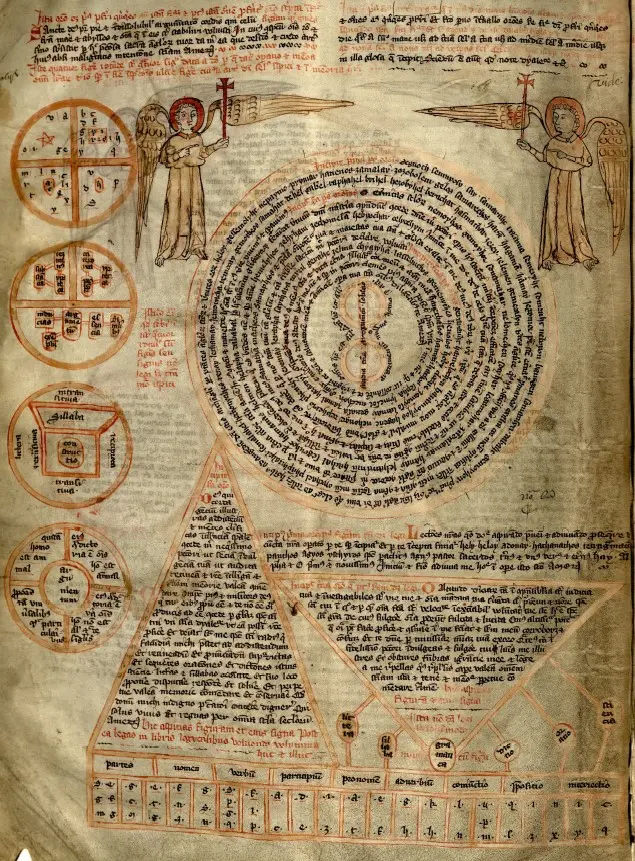
A medieval art of prayer and contemplation intended to confer learning, memory, and eloquence.
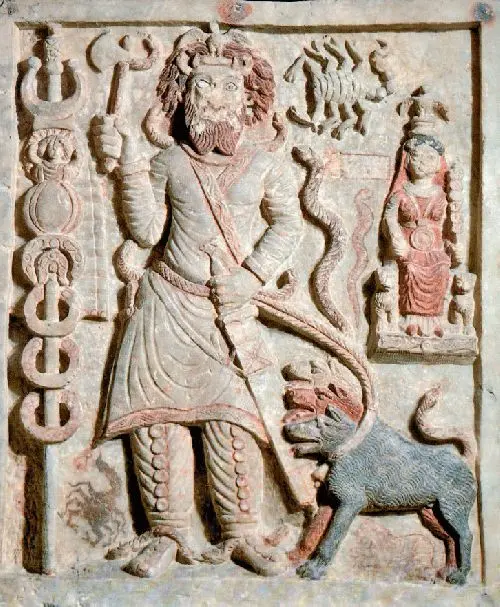
A Mesopotamian deity associated with death, war, disease, and the underworld.
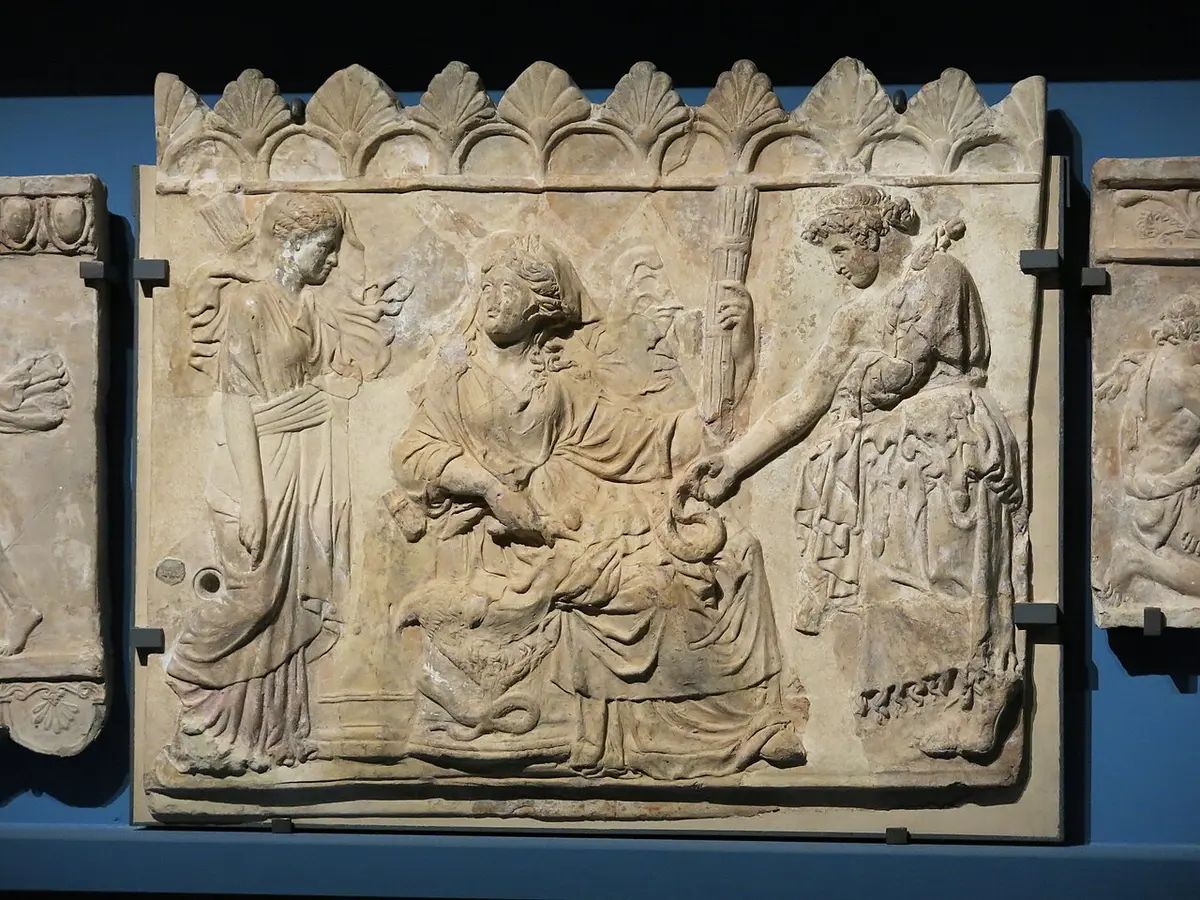
Entry into a religious or esoteric path through ceremony, instruction, recognition, and lived development.
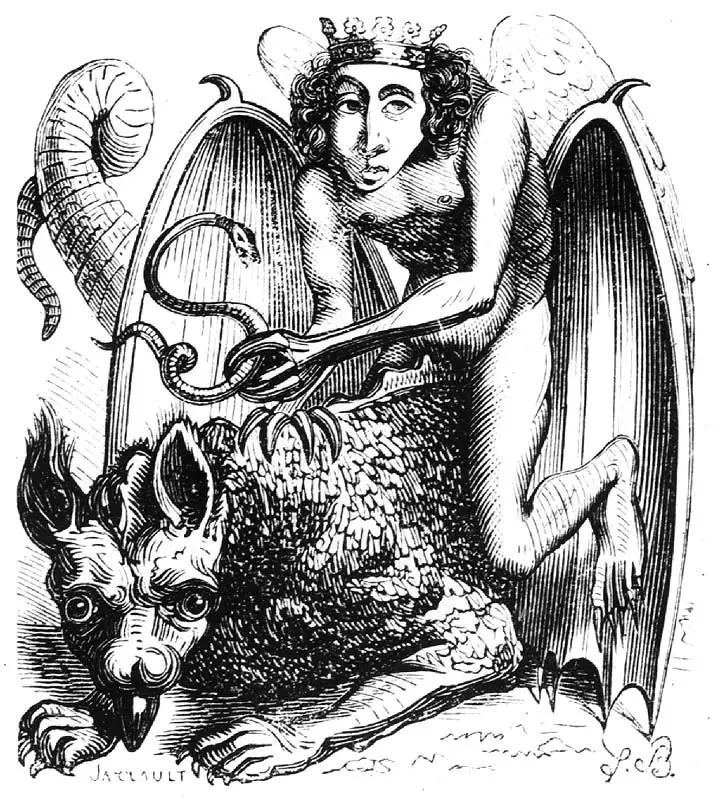
Astaroth appears in early modern spirit catalogues and later illustrated demonology. Source editions matter when comparing the figure’s rank, appearance, and supposed knowledge.
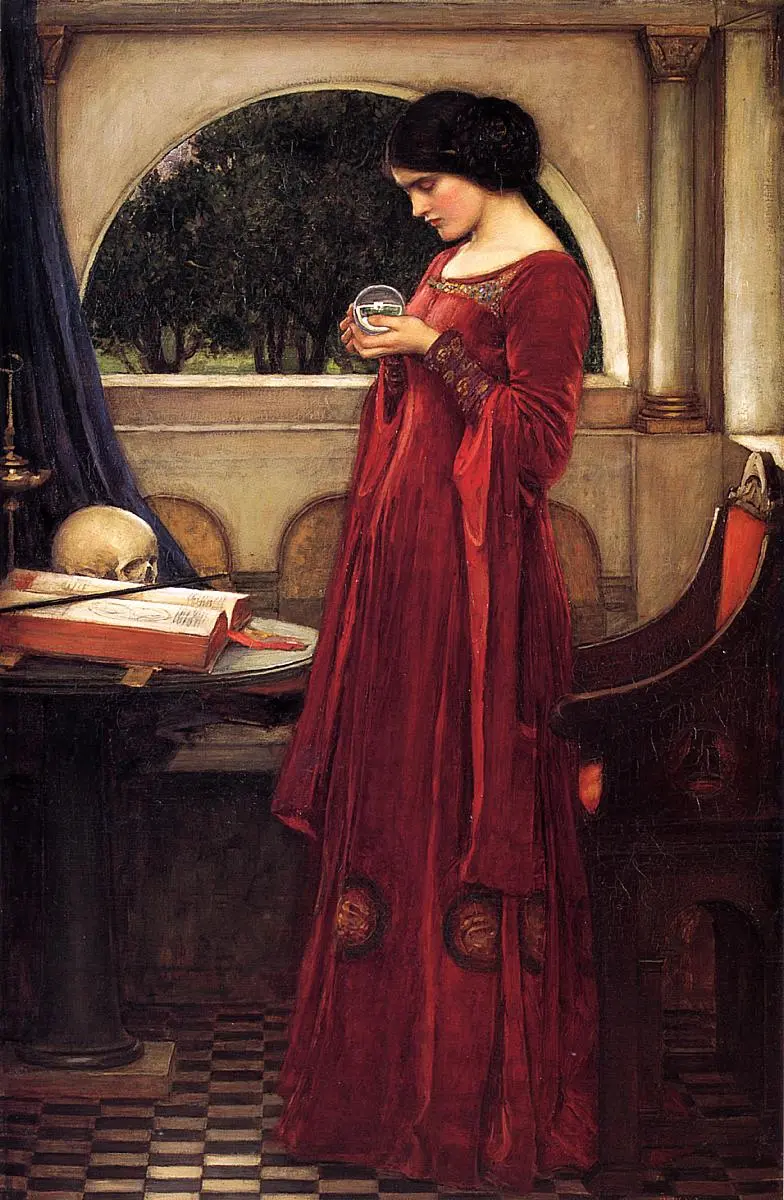
Divination consists of practices that interpret signs as answers, indications, or guidance. Methods differ in their religious assumptions and in the kinds of claims they make.
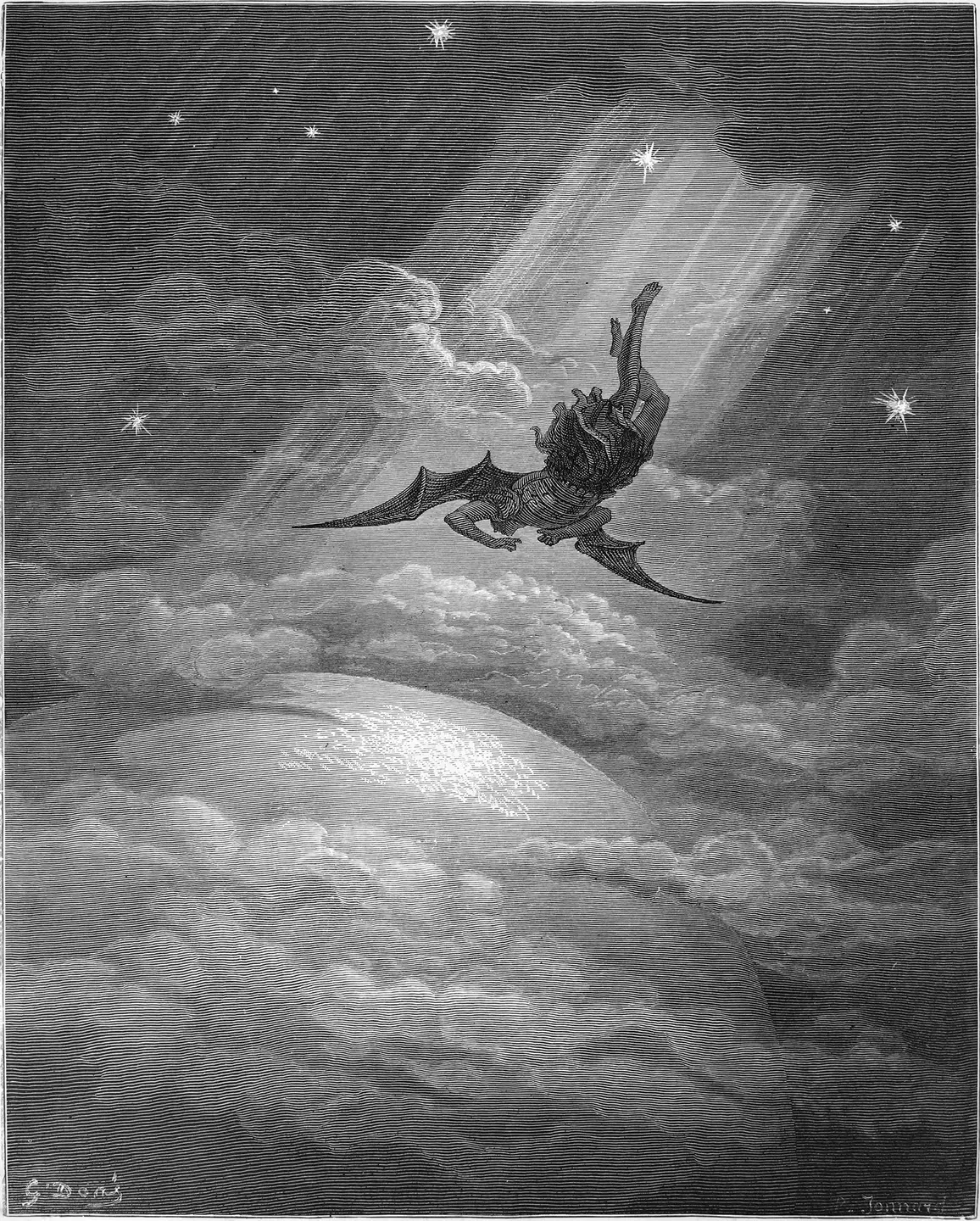
Luciferianism describes different religious and philosophical approaches that give Lucifer a positive role. Belief, practice, and identity vary among writers and communities.