Demonology & Spirits
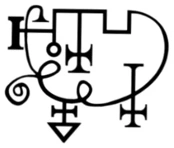
Andrealphus
A peacock-shaped Goetic marquis associated with geometry, measurement, astronomy, and bird transformation.
A peacock-shaped Goetic marquis associated with geometry, measurement, astronomy, and bird transformation.
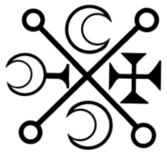
A Goetic marquis appearing as a star, associated with plants, stones, and bird-like apparitions.
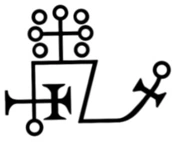
A many-faced Goetic duke carrying a book, associated with thoughts, knowledge, and visions of other people.
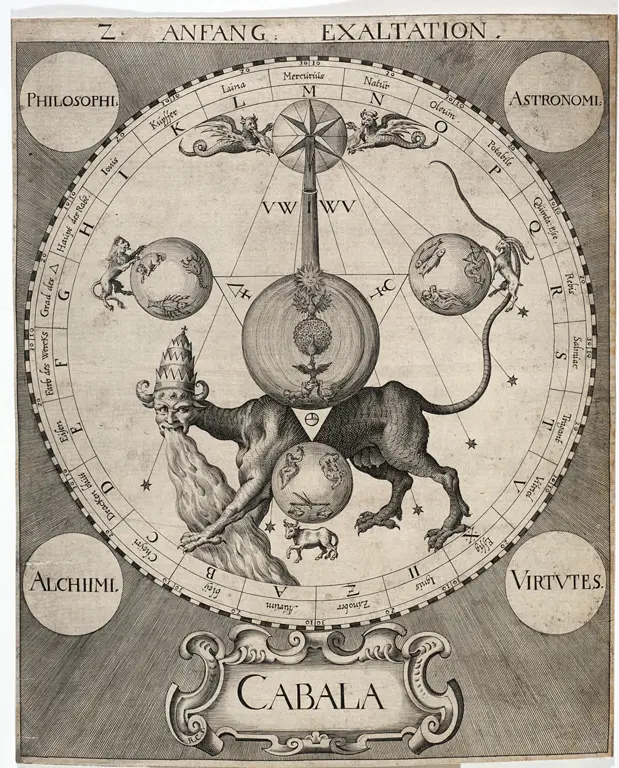
An initiatory order whose Draconian system brings together Qliphoth, Goetic magic, alchemy, and other esoteric traditions.
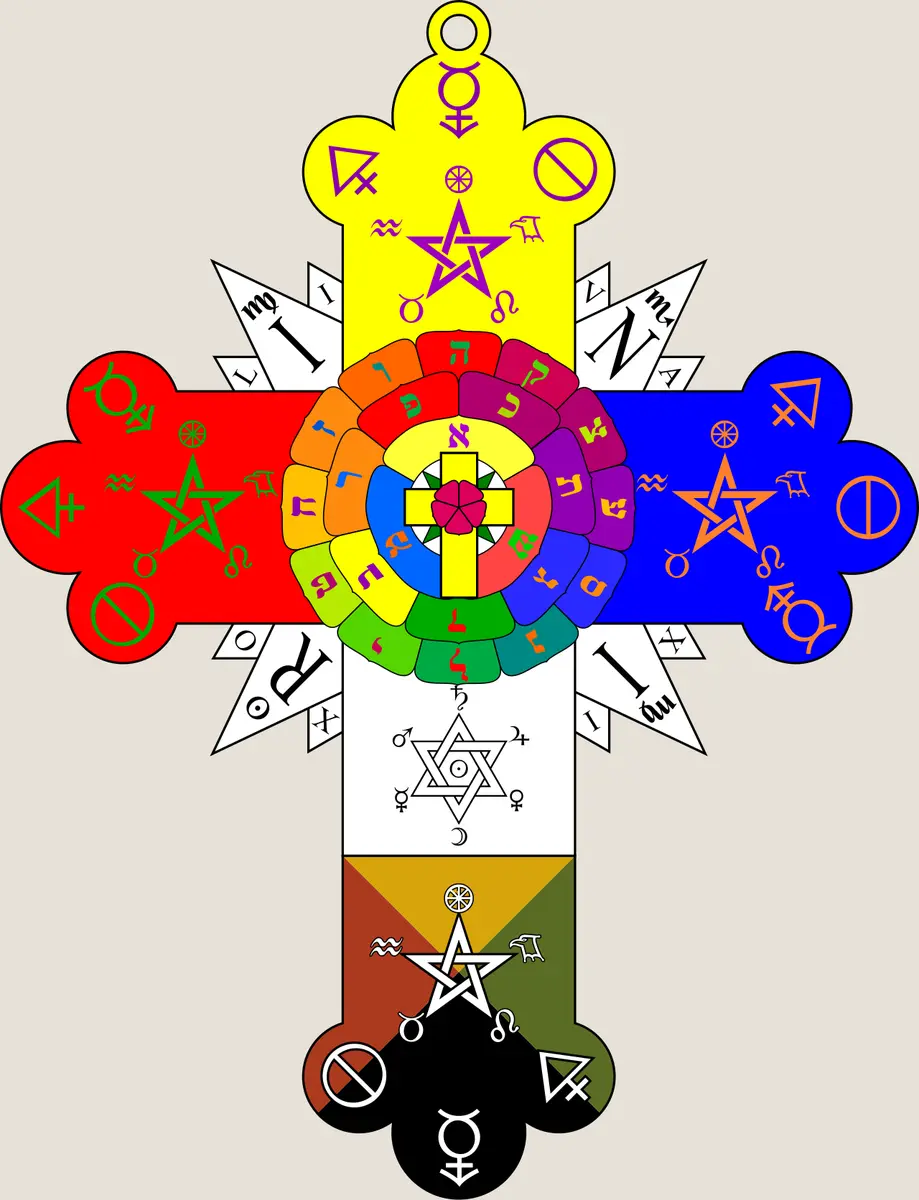
A late nineteenth-century British initiatory order that shaped modern ceremonial magic, Tarot, and Hermetic Qabalah.
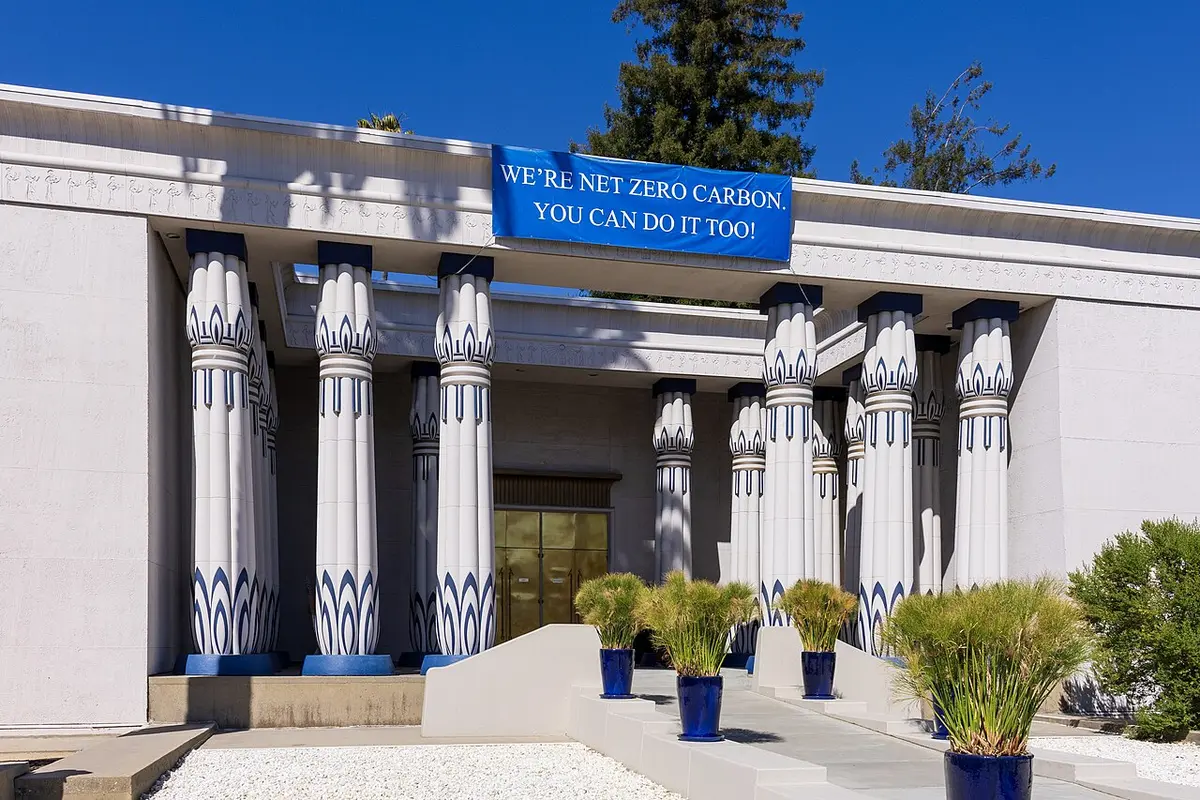
A modern Rosicrucian organization, usually called AMORC, that teaches through lessons and local study groups.
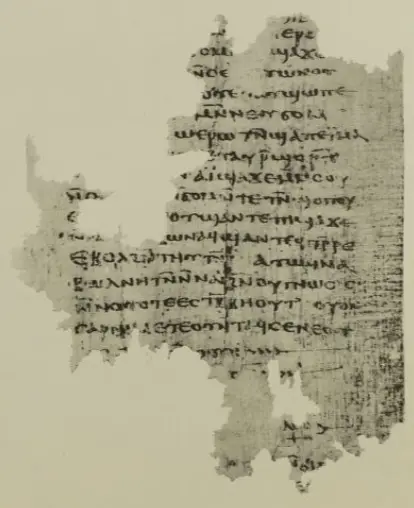
A modern umbrella term for several ancient religious movements and texts concerned with saving knowledge and divine origins.
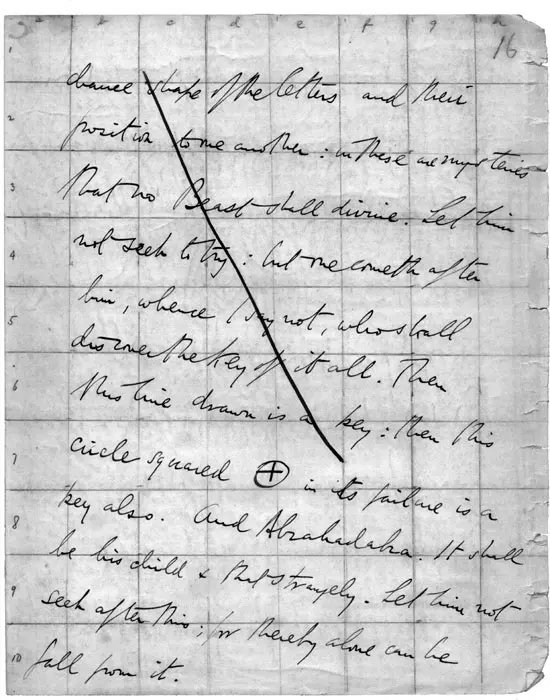
The three-chapter revelatory text at the center of Thelema, also titled Liber AL vel Legis.
The Pauline Art in the Lemegeton, concerning angels of the hours and the degrees of the zodiac.
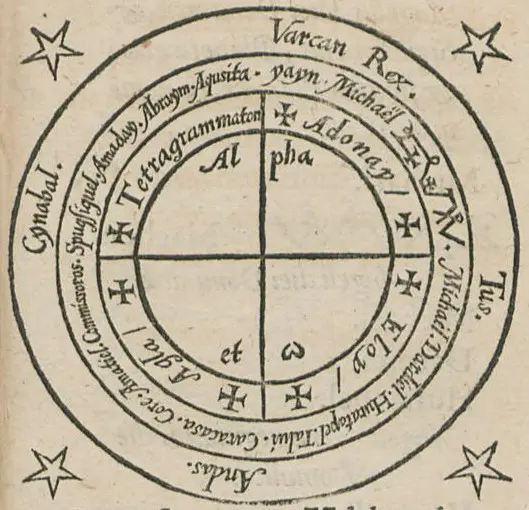
A grimoire of angelic conjuration organized around the seven days of the week.
A grimoire with a hierarchy centered on Lucifer, Beelzebub, and Astaroth, followed by spirit operations and practical recipes.
The medieval Liber Juratus, a work of sacred magic concerned with divine vision, angels, and ritual authority.
The Slavonic Enochic work also known as the Book of the Secrets of Enoch, describing ascent, creation, and instruction.
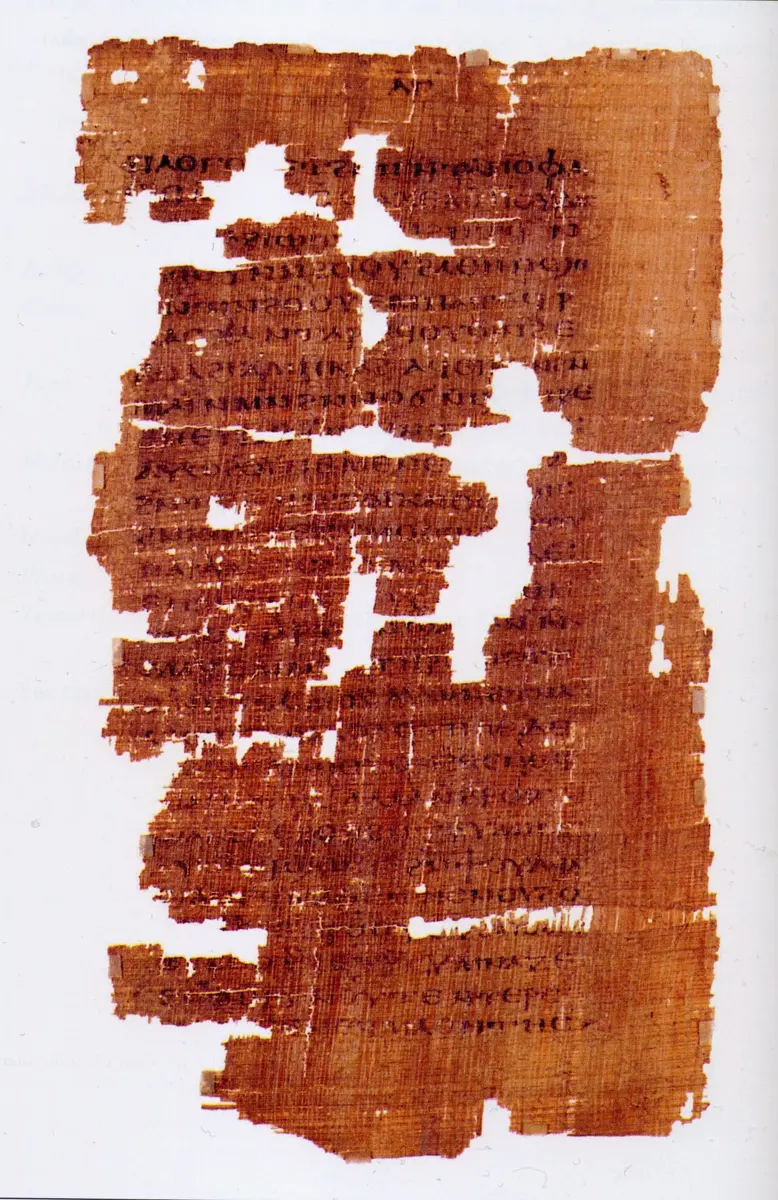
An early Christian revelation dialogue preserved in Coptic, known from the manuscript called Codex Tchacos.
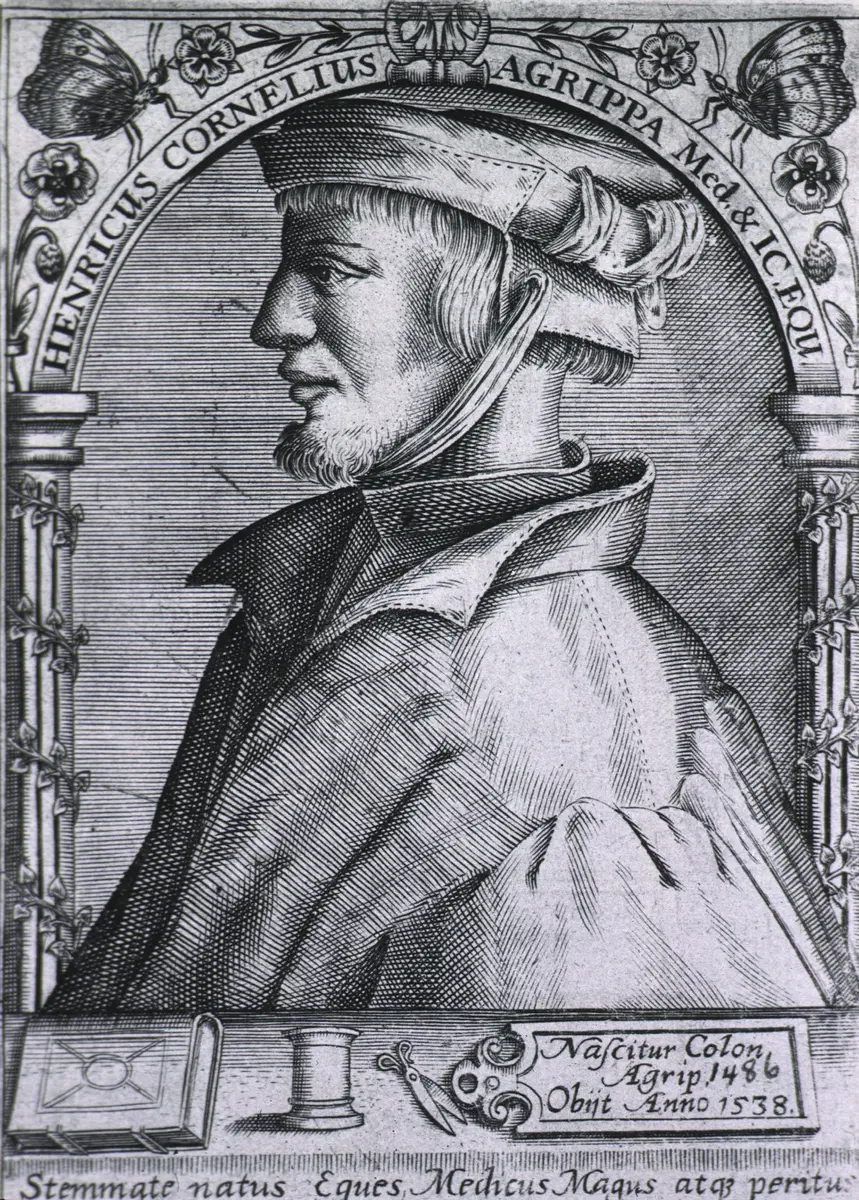
A Renaissance author whose Three Books of Occult Philosophy became a major source for Western magical systems.
A founder and major author of the Temple of Set, associated with the modern Setian interpretation of Xeper.
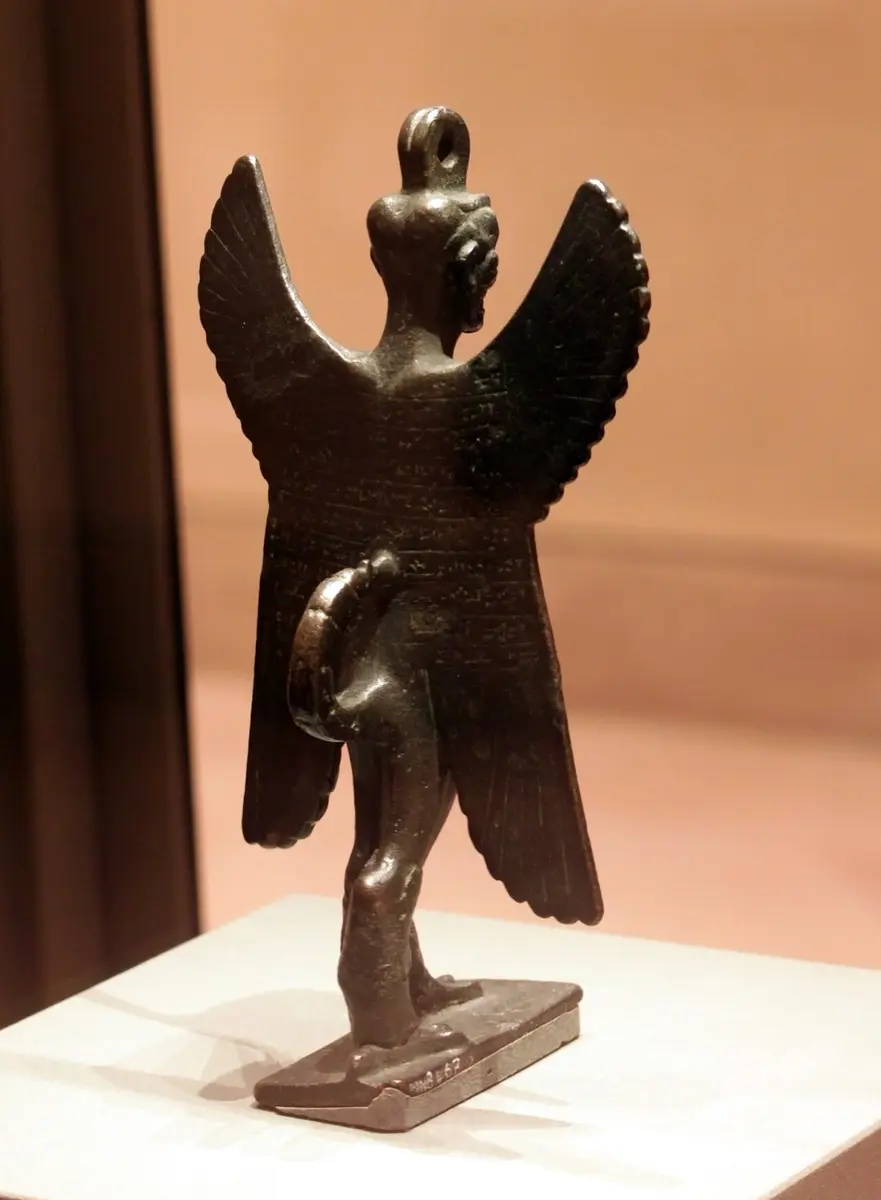
A Mesopotamian wind demon whose image was also used protectively, especially against Lamashtu.
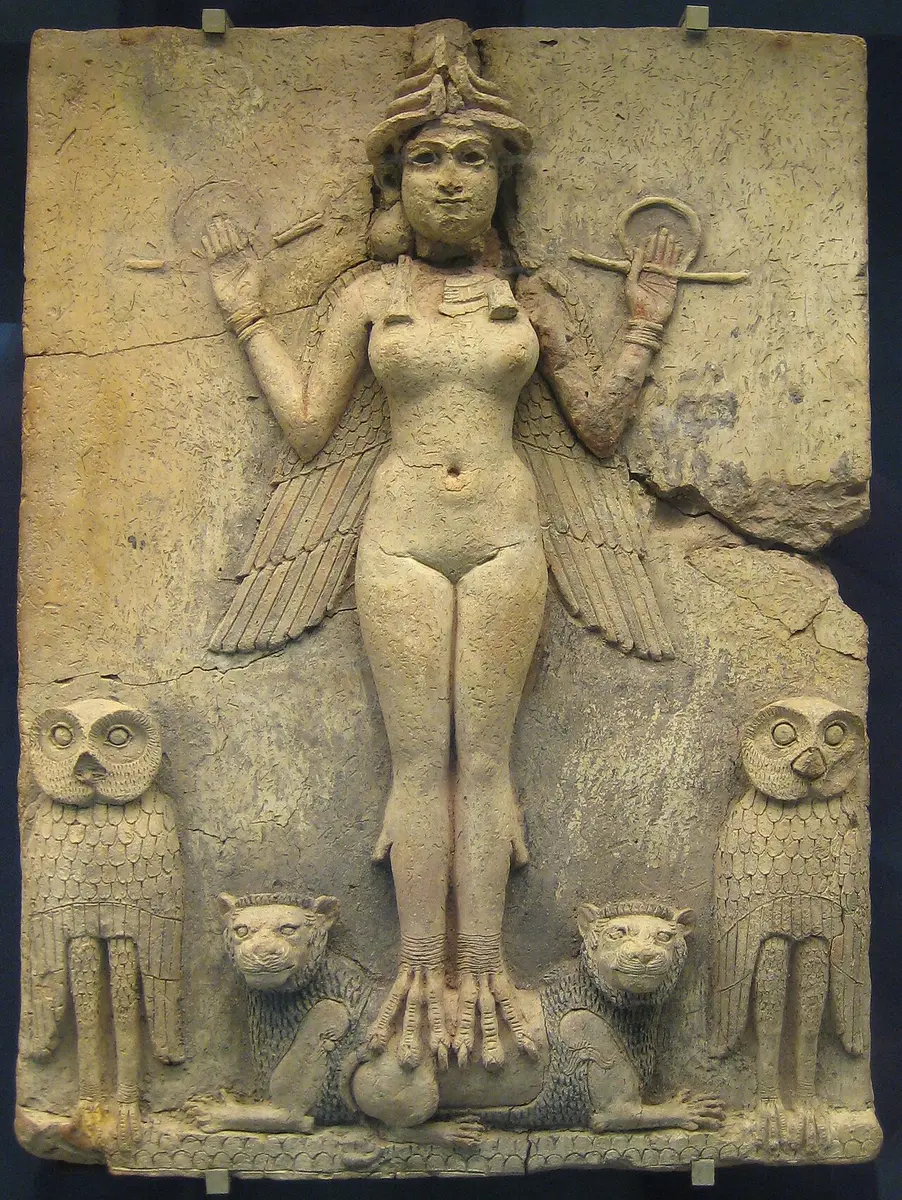
A Mesopotamian queen of the underworld, known through myths of descent and traditions concerning Nergal.
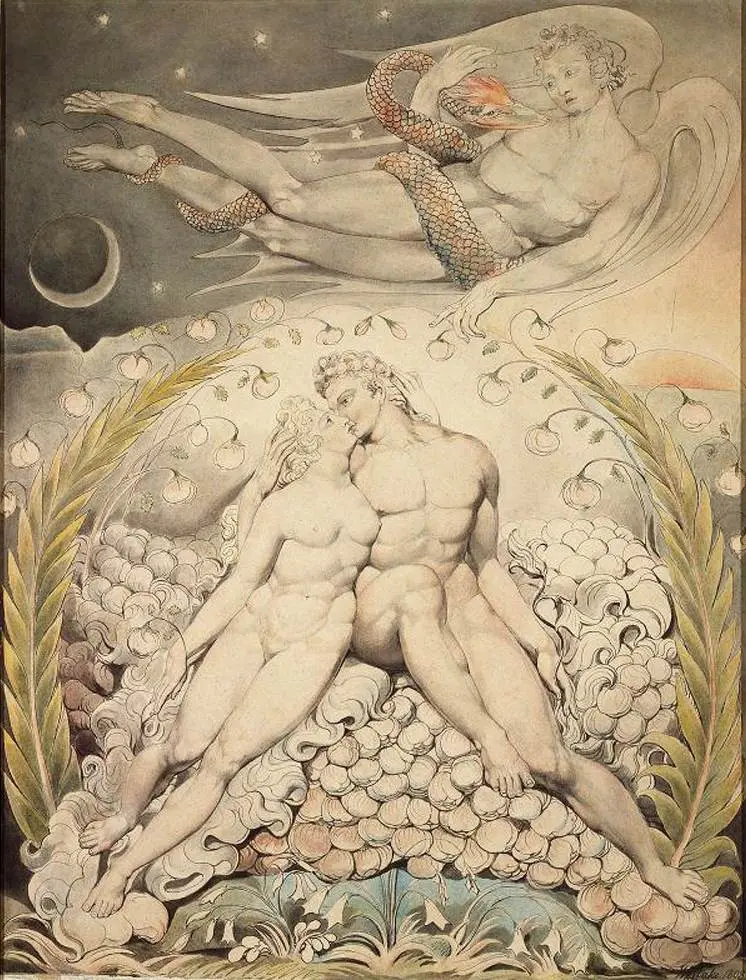
Religions that give Satan a central symbolic or divine role, with substantial differences in belief and practice.
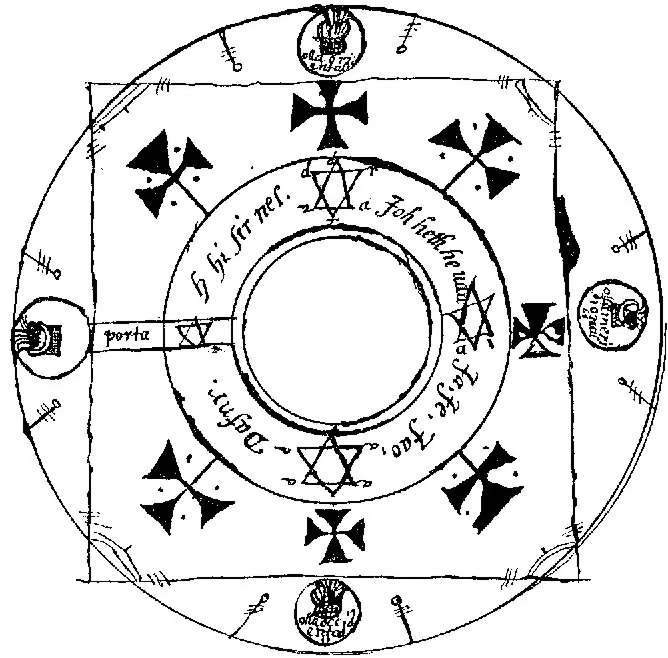
A marked ritual space whose names, divisions, and purpose differ among magical texts and modern traditions.