History
Witchcraft
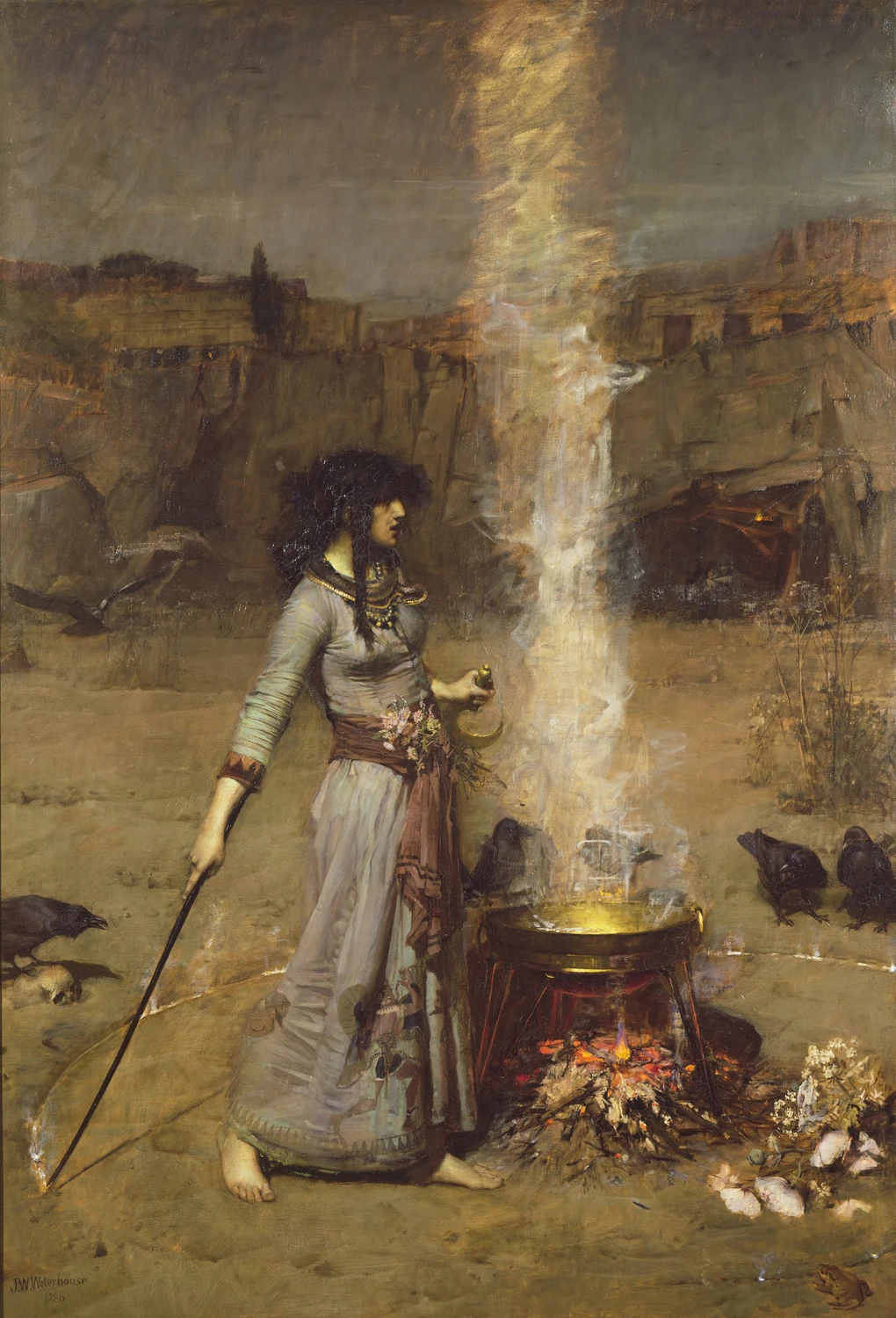
How witchcraft has meant an accusation, a magical practice, and a modern identity, with examples from museums and trial records.
How witchcraft has meant an accusation, a magical practice, and a modern identity, with examples from museums and trial records.
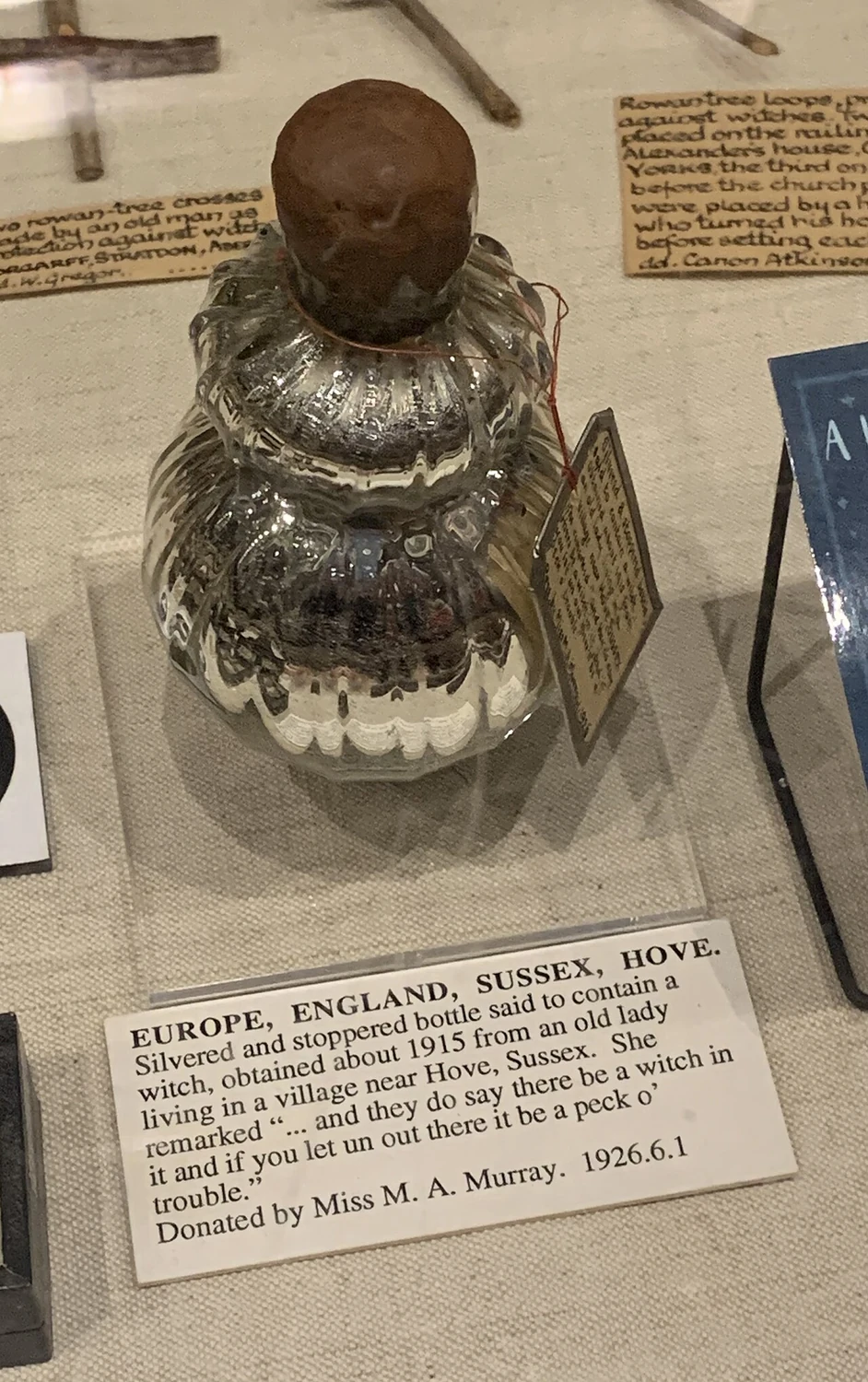
Protective charms, witch bottles, and everyday materials in local magical traditions, with documented British museum examples.
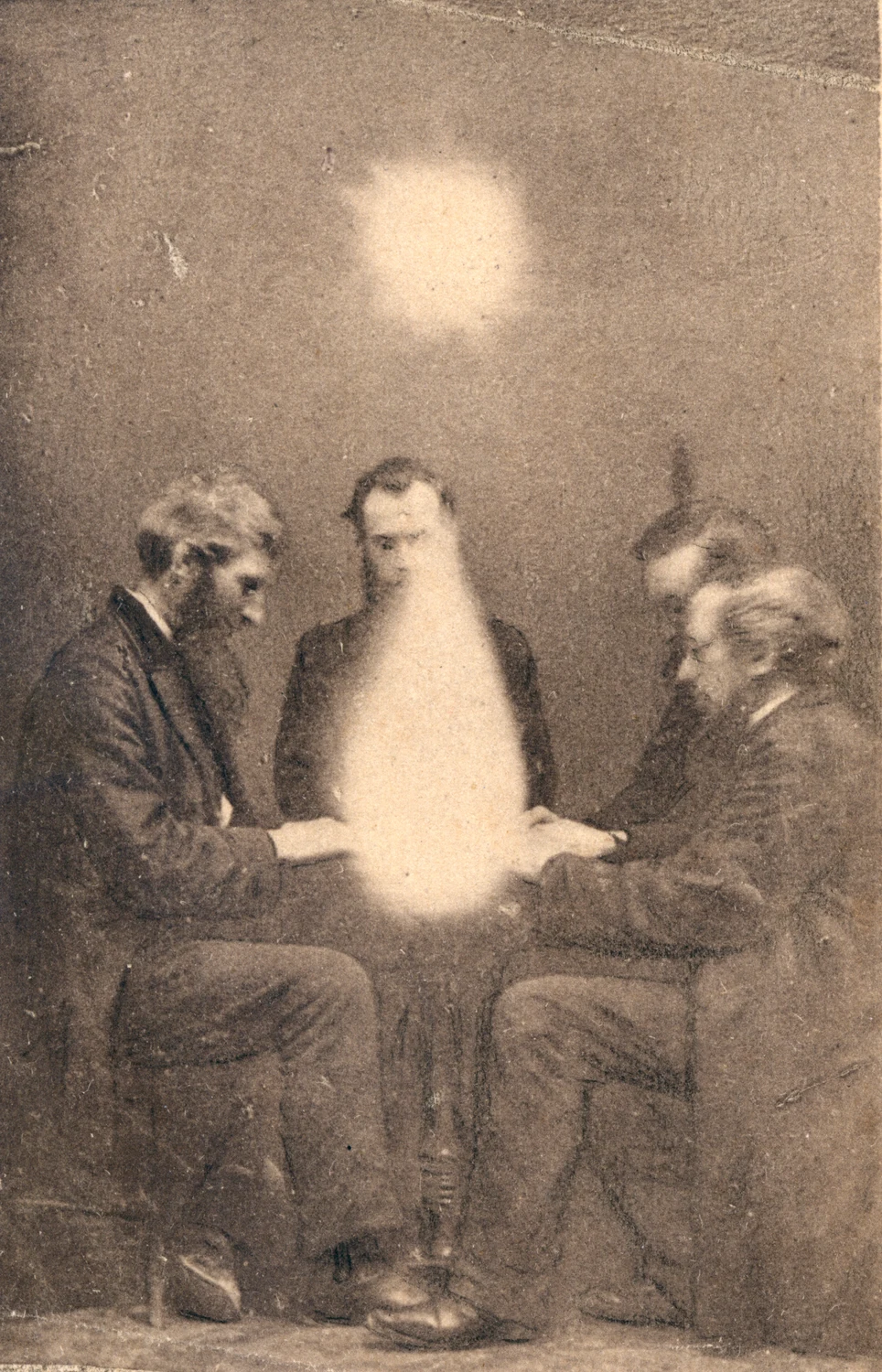
A religious movement centered on mediumship and continued personal identity after death, with church teachings and spirit photography.
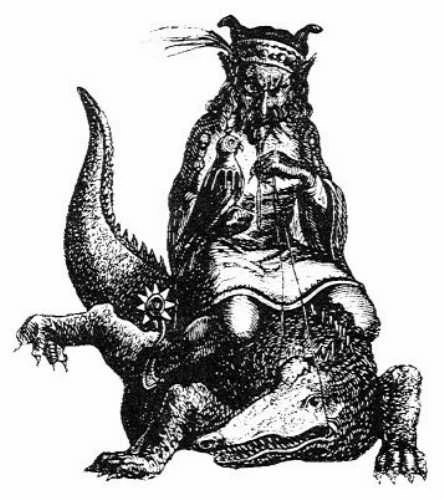
The second Goetic spirit, described as an elderly rider with a crocodile and a goshawk.
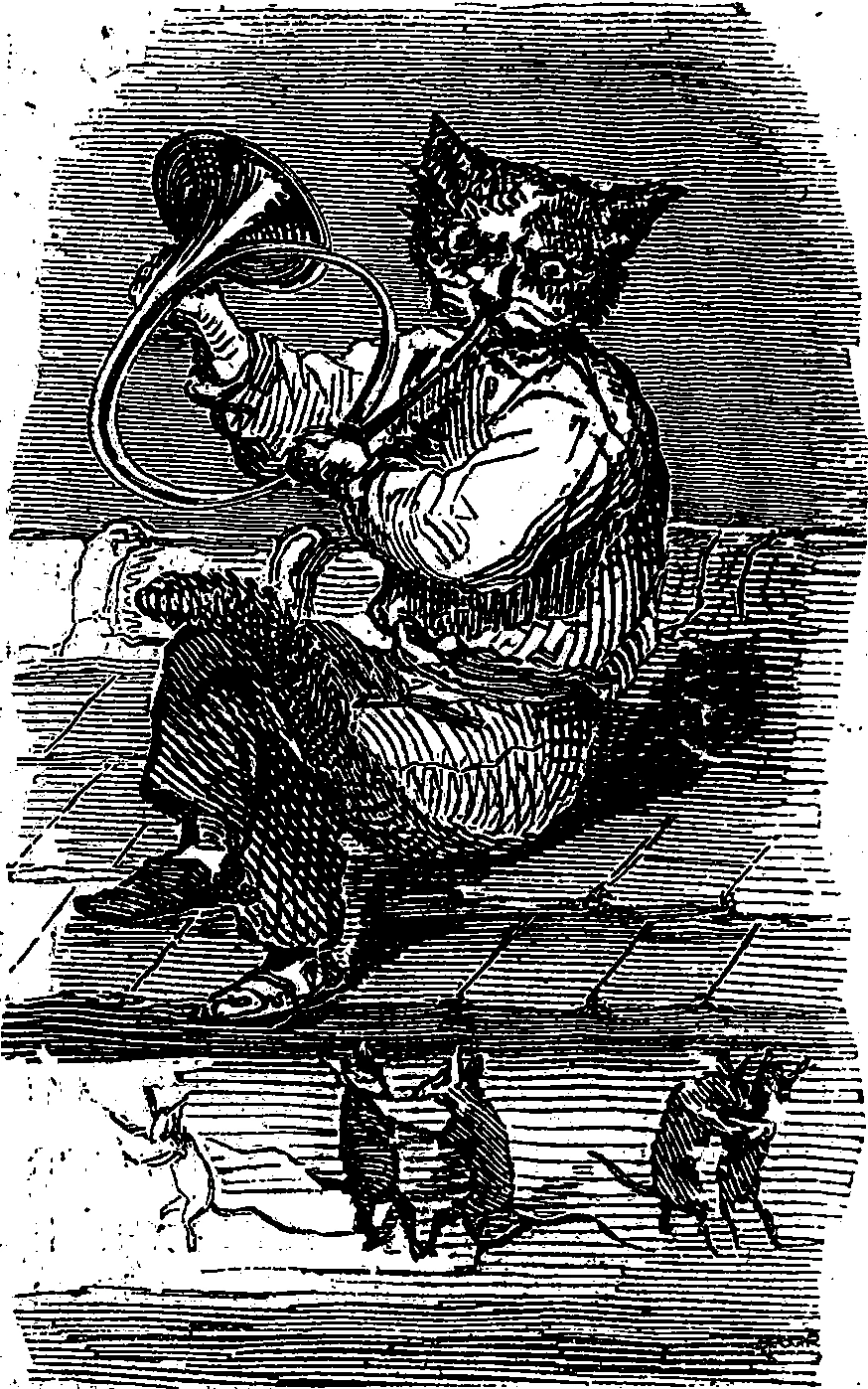
A Goetic king riding a pale horse, associated with desire and an elaborate ceremonial reception.
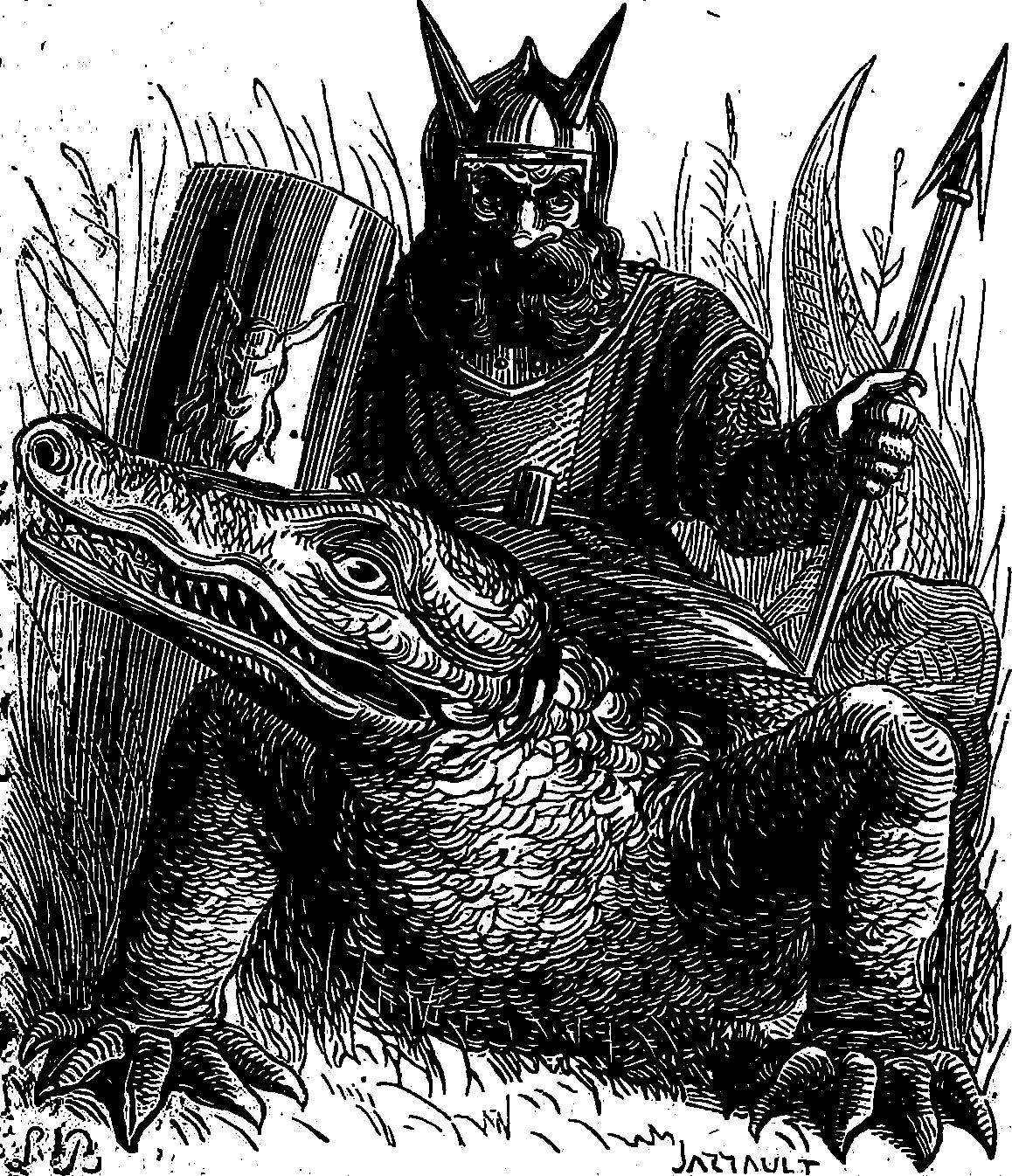
A Goetic duke, also called Saleos, described as a peaceful soldier riding a crocodile.
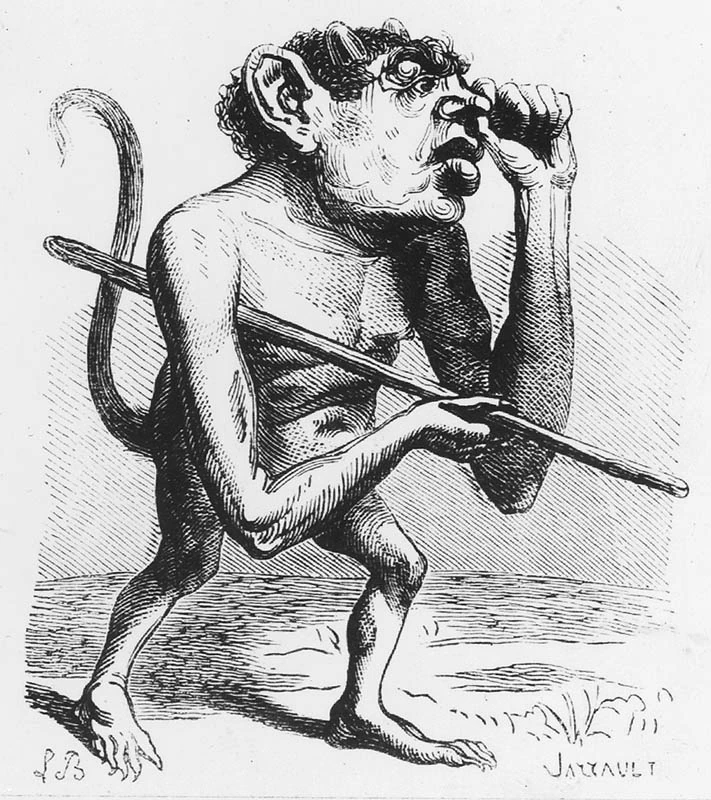
A Goetic spirit associated with rhetoric, languages, servants, and social favor.
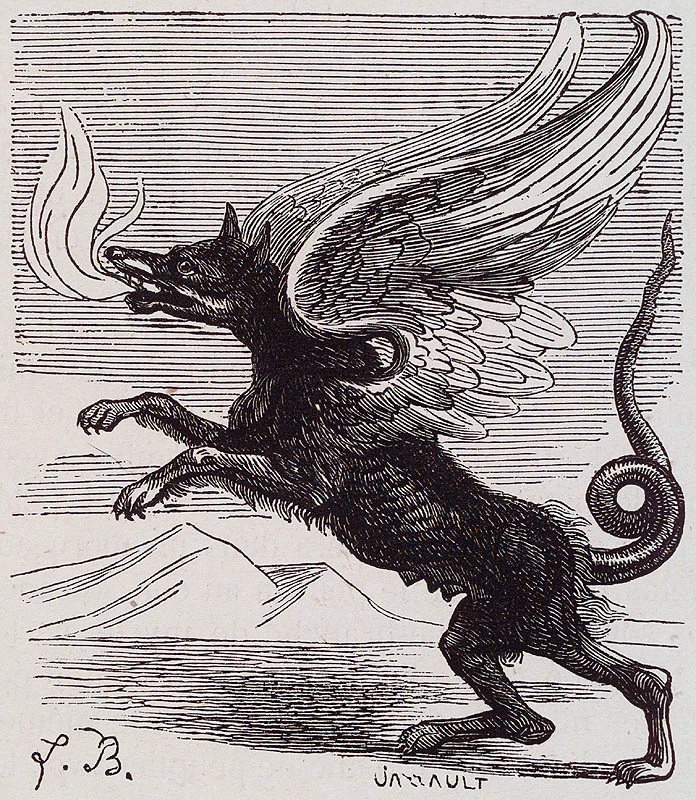
A Goetic marquis with a winged wolf form, described as a fighter who hopes to return to a heavenly throne.
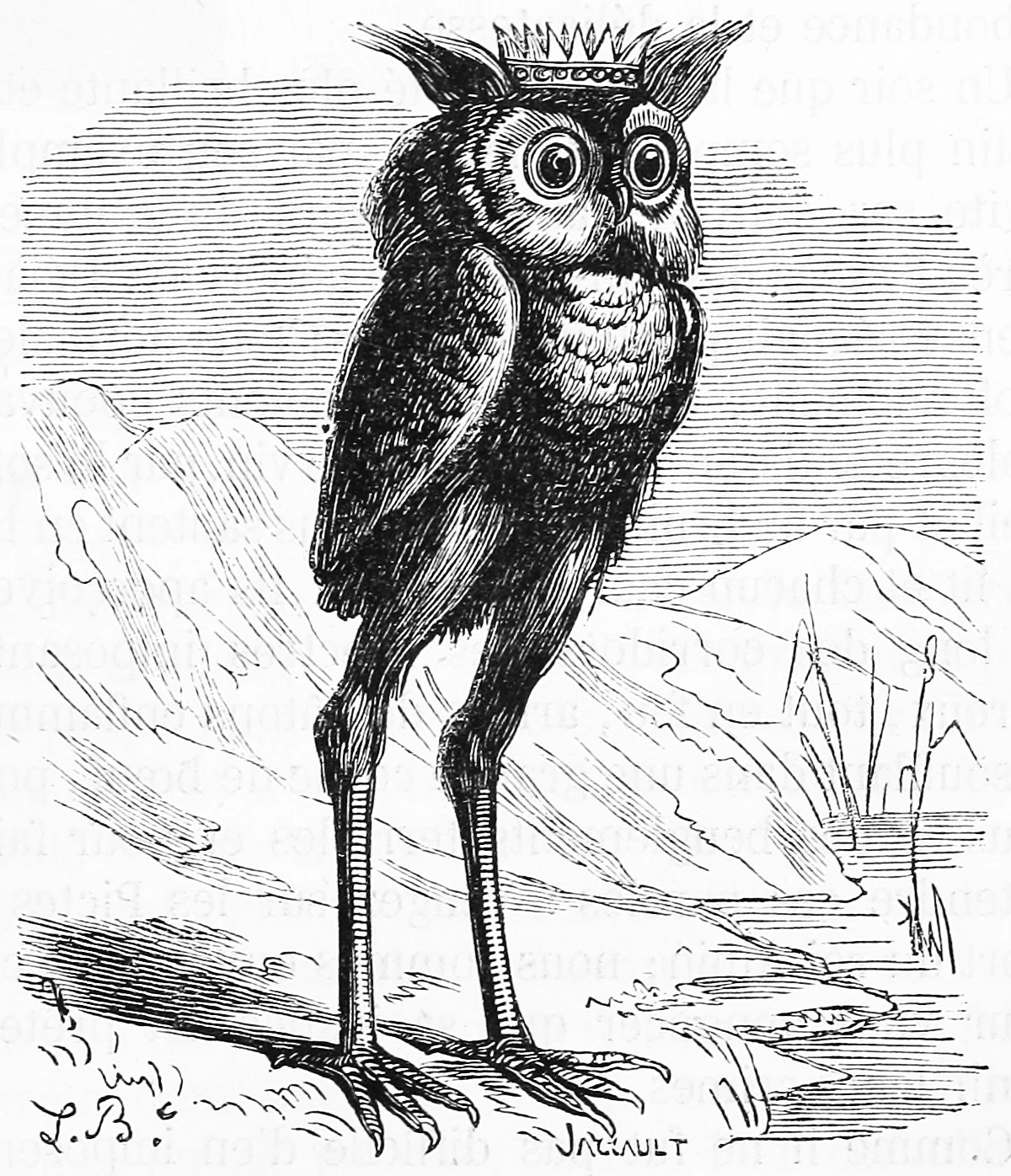
A Goetic prince associated with astronomy, herbs, and precious stones, with changing bird imagery in later reception.
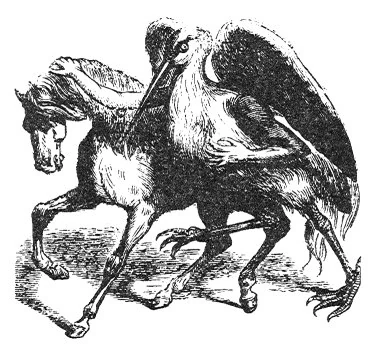
A Goetic marquis in bird form, associated with concealment, royal money, and unreliable answers.
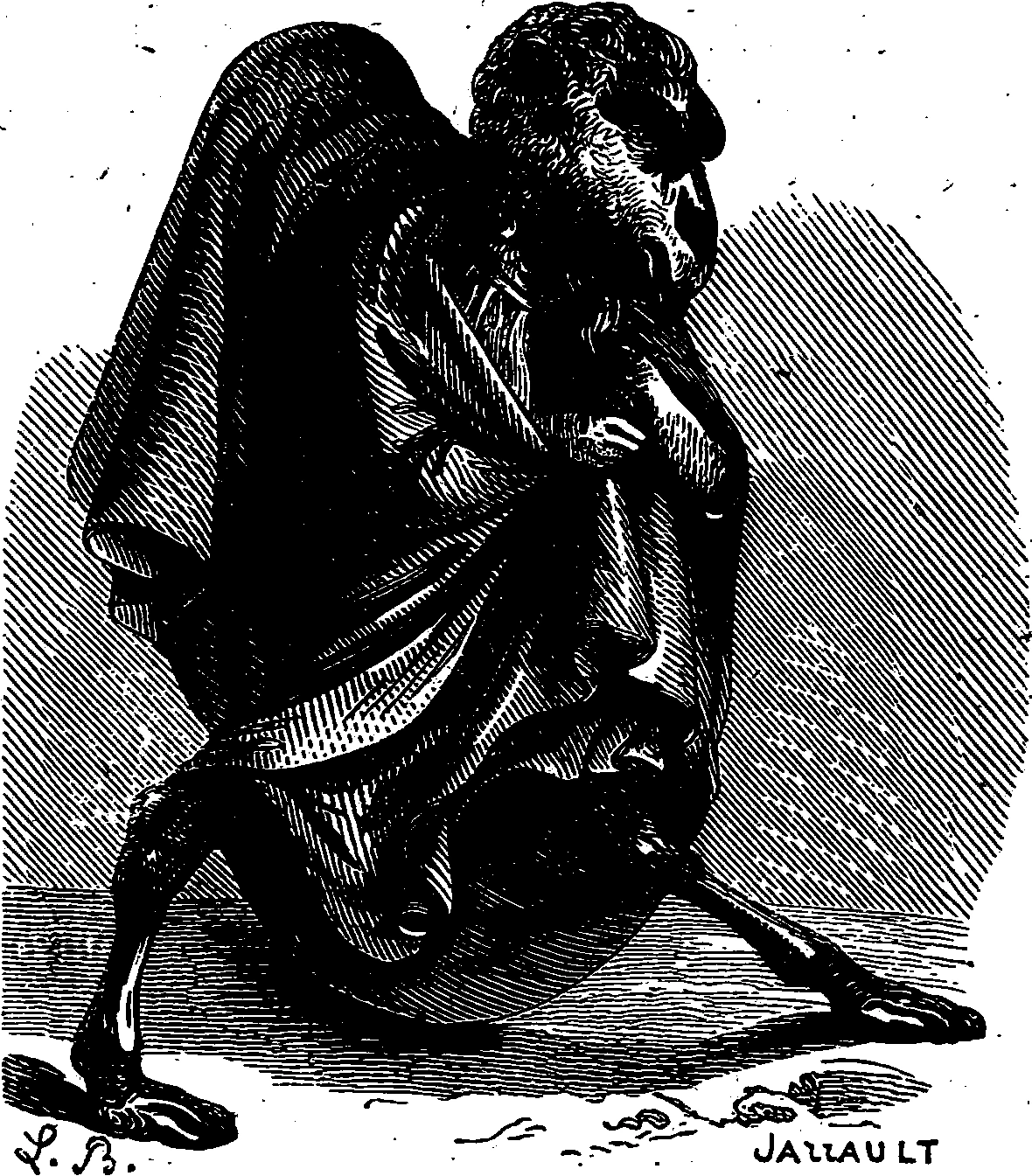
A Goetic duke first appearing as a dromedary, associated with affection, friendship, and knowledge.

A Goetic president associated with animal voices, disputation, and answers given through burning ashes.
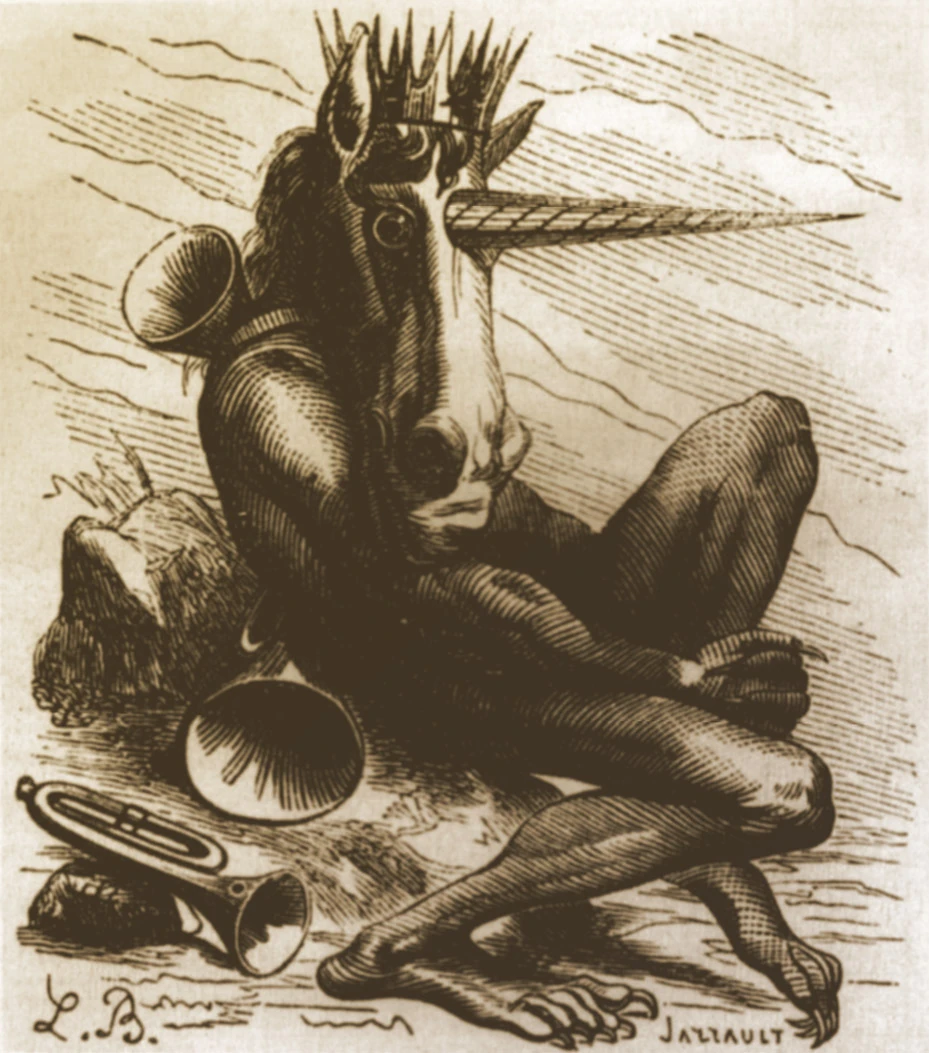
A unicorn-shaped Goetic duke associated with unseen music, bending trees, and familiars.
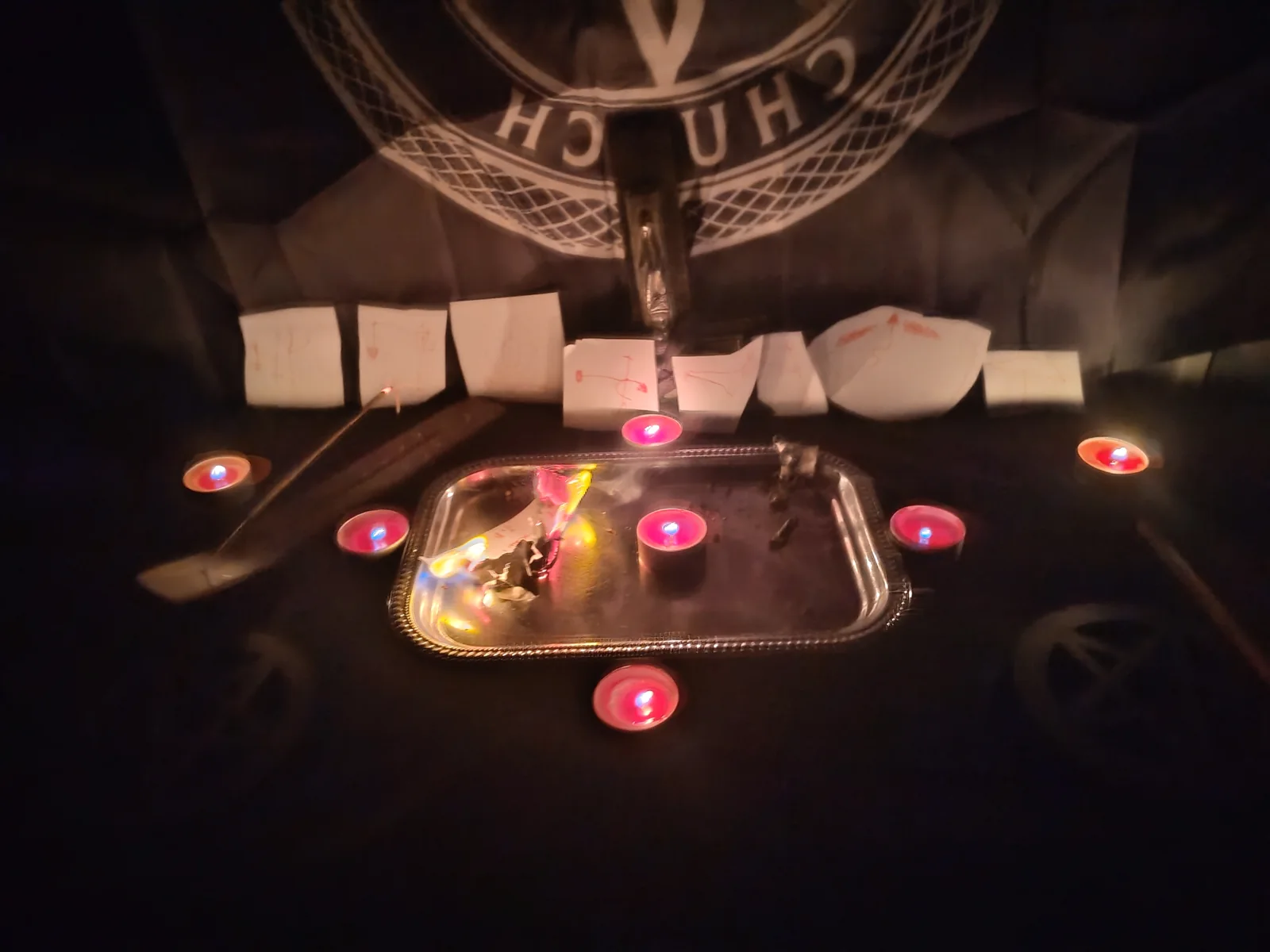
Prayer is intentional communication addressed to a deity, spirit, sacred power, or ultimate reality. It can include praise, petition, confession, thanksgiving, lament, dedication, silence, repetition, or simple direct speech. In theistic Satanism, prayer usually means addressing Satan or another spiritually real being rather than speaking only to oneself or performing a purely symbolic exercise.
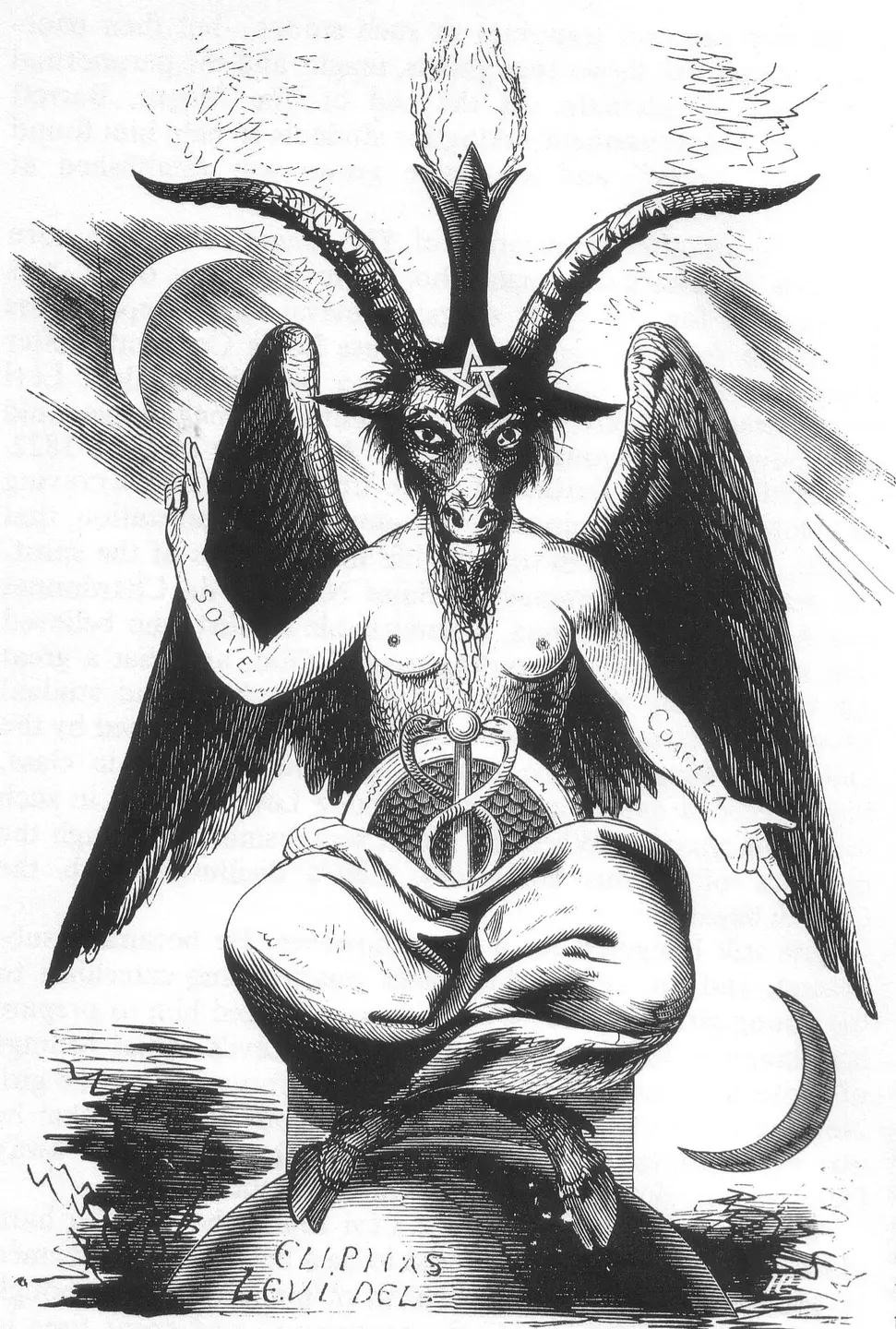
Symbolic and theistic Satanism are broad labels used to distinguish Satanist traditions according to how they understand Satan’s reality. In theistic Satanism, Satan is ordinarily regarded as a real deity, spirit, intelligence, or independently existing being. In symbolic or non-theistic Satanism, Satan is understood primarily as a symbol, literary figure, archetype, cultural adversary, or name for a…
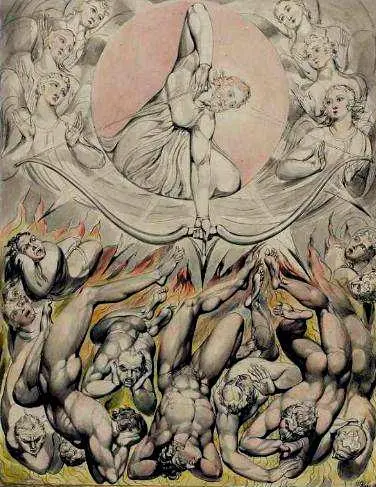
The Watchers are heavenly beings whose descent, teachings, and punishment are narrated in 1 Enoch. Their literary identity must be distinguished from later religious interpretations.
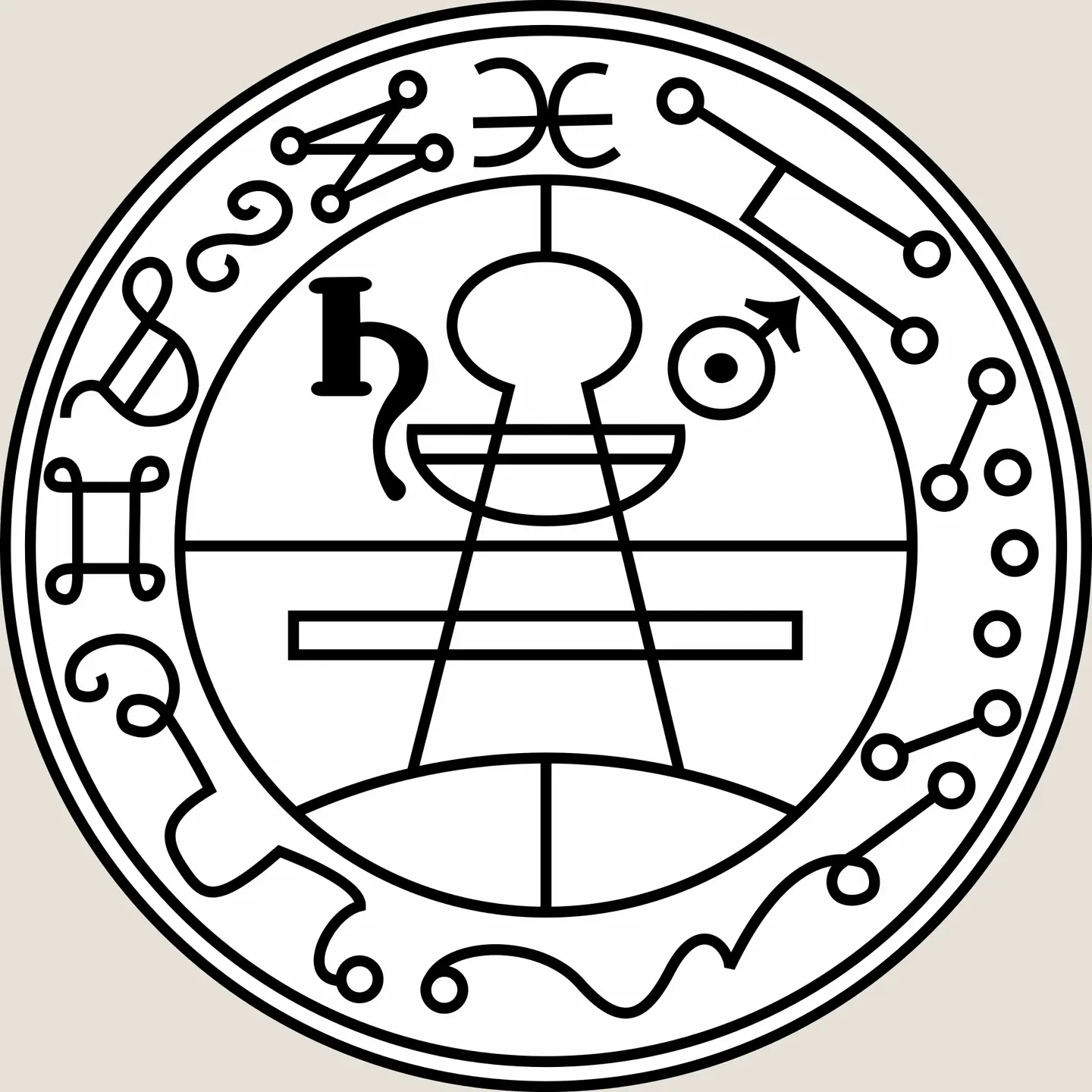
Sigils are graphic signs used in particular magical systems. Historical spirit seals, ceremonial figures, and modern personal signs should be distinguished.
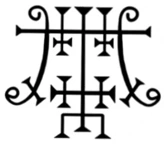
A Goetic president associated with logic, ethics, plants, stones, longevity, and lost things.
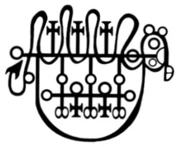
A Goetic duke portrayed as a mermaid, associated with ships, storms, and afflicted wounds.
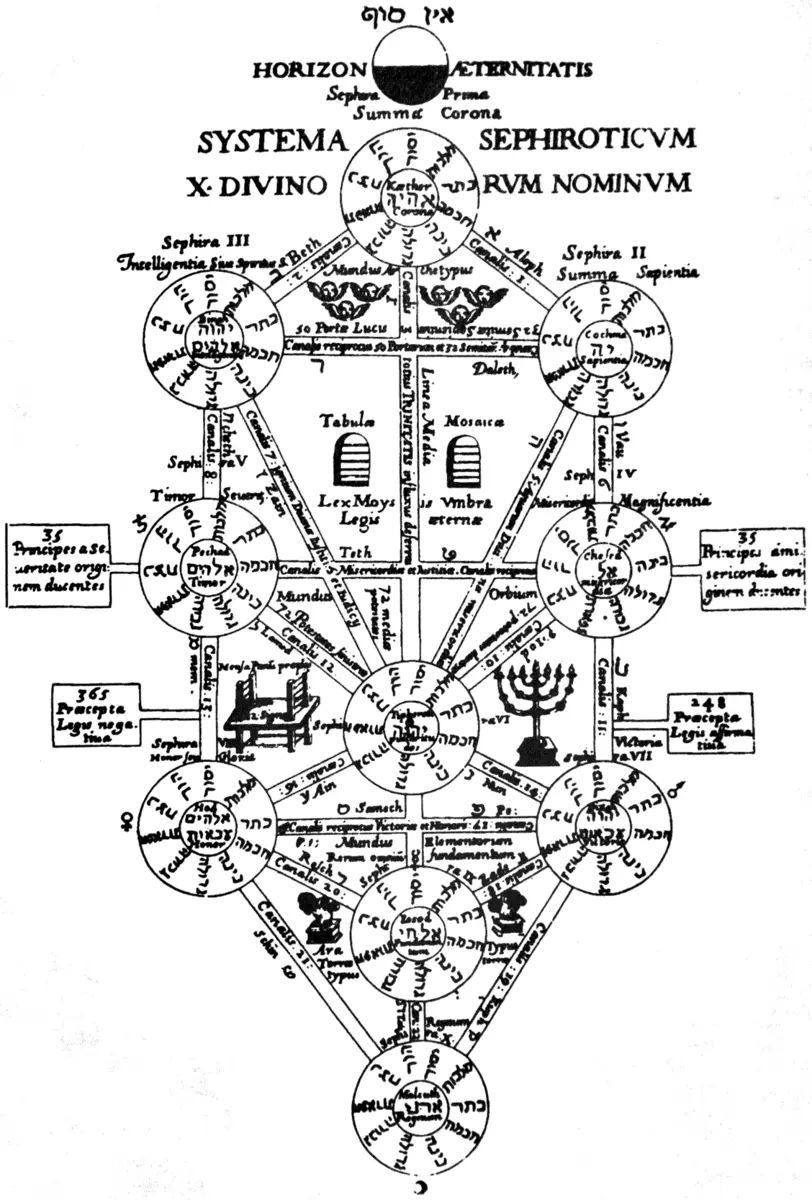
Western esoteric systems that adapt Kabbalistic ideas through ritual, correspondence tables, and symbolic interpretation.