Devotional Practice
Banishing rituals
Ceremonies intended to clear, delimit, or reorder a ritual setting, with methods that vary by tradition.
Ceremonies intended to clear, delimit, or reorder a ritual setting, with methods that vary by tradition.

Prayer is intentional communication addressed to a deity, spirit, sacred power, or ultimate reality. It can include praise, petition, confession, thanksgiving, lament, dedication, silence, repetition, or simple direct speech. In theistic Satanism, prayer usually means addressing Satan or another spiritually real being rather than speaking only to oneself or performing a purely symbolic exercise.
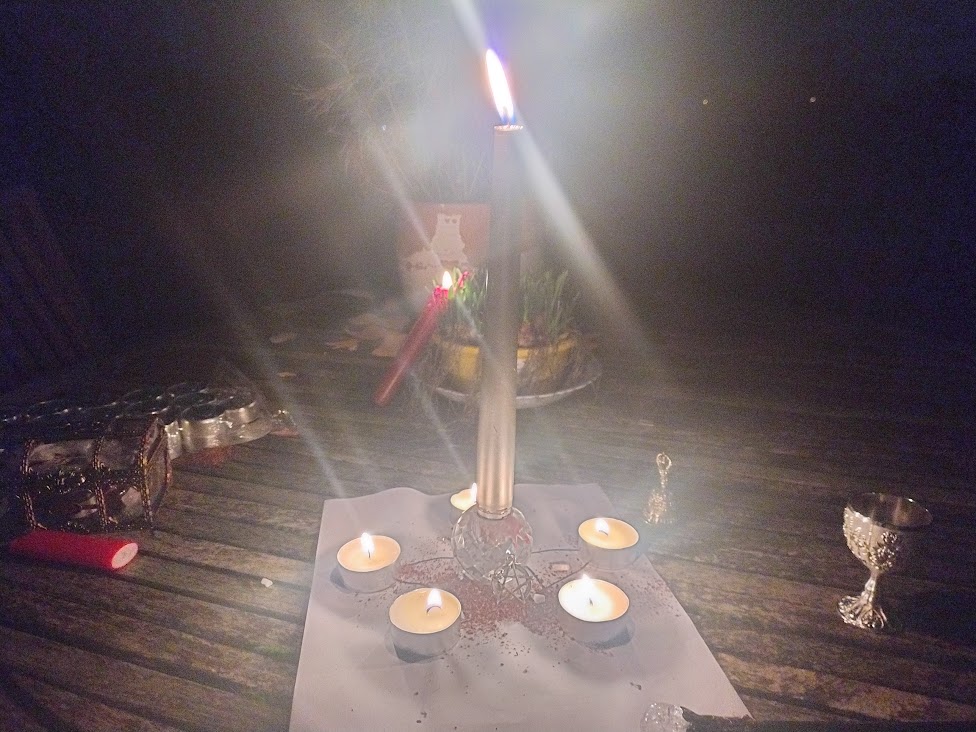
Ritual is patterned action given special religious, symbolic, social, or transformative significance. Ritual can mark time, establish sacred space, communicate with a deity, express commitment, create community, memorialize the dead, enact a transition, or focus attention on a chosen purpose. In theistic Satanism, ritual commonly includes devotional action directed toward Satan or other spirits…

Meditation in theistic Satanism refers to contemplative practices used to focus attention, examine experience, cultivate devotional awareness, or create a deliberate setting for approaching Satan and other spirits. There is no single Satanic meditation method. Practices range from silent sitting and breath awareness to visualization, repetitive prayer, sigil contemplation, journaling, and extended…
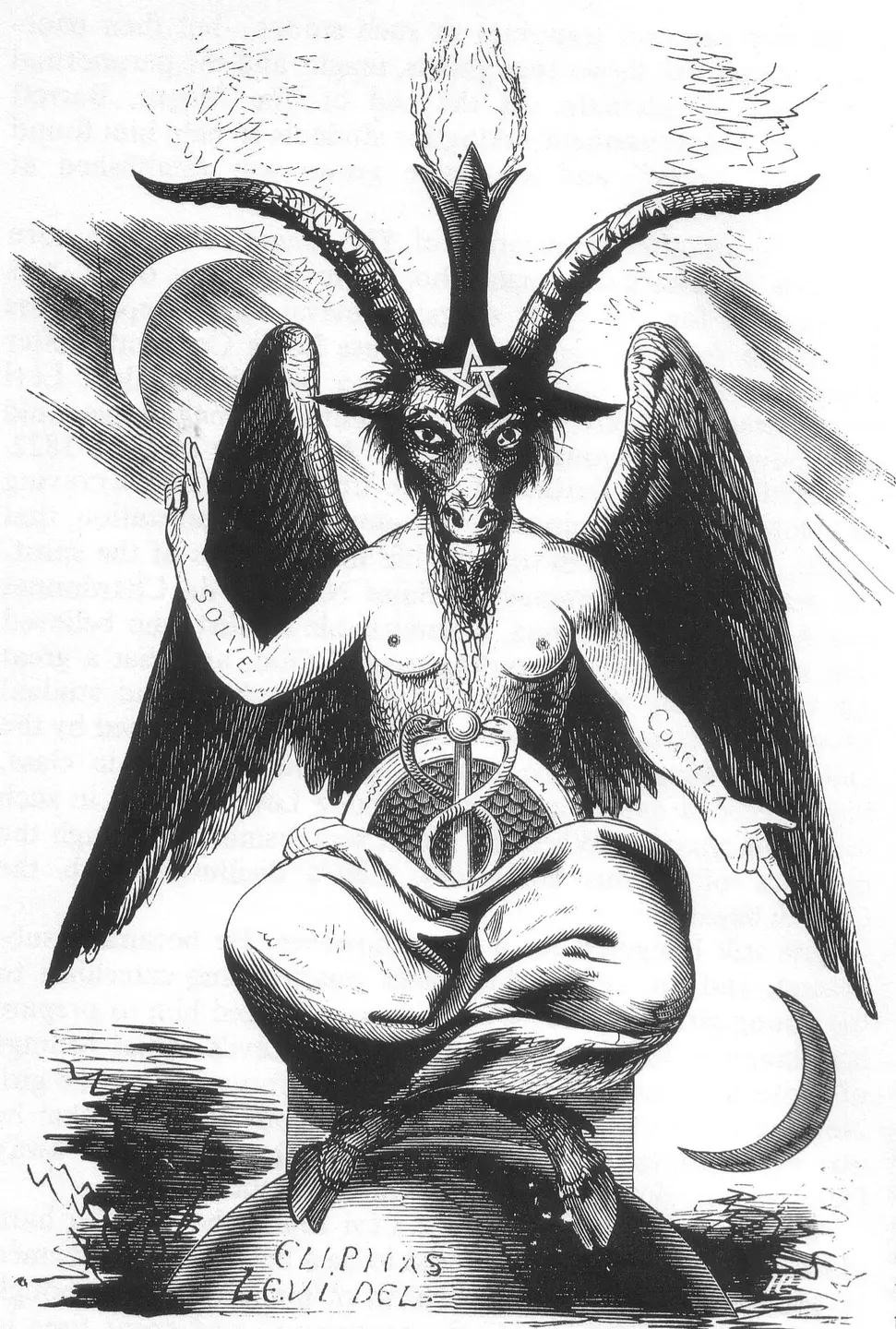
Symbolic and theistic Satanism are broad labels used to distinguish Satanist traditions according to how they understand Satan’s reality. In theistic Satanism, Satan is ordinarily regarded as a real deity, spirit, intelligence, or independently existing being. In symbolic or non-theistic Satanism, Satan is understood primarily as a symbol, literary figure, archetype, cultural adversary, or name for a…
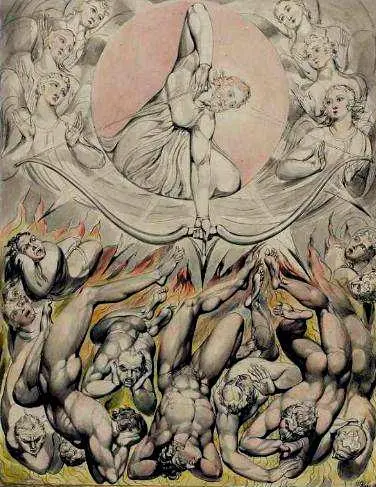
The Watchers are heavenly beings whose descent, teachings, and punishment are narrated in 1 Enoch. Their literary identity must be distinguished from later religious interpretations.
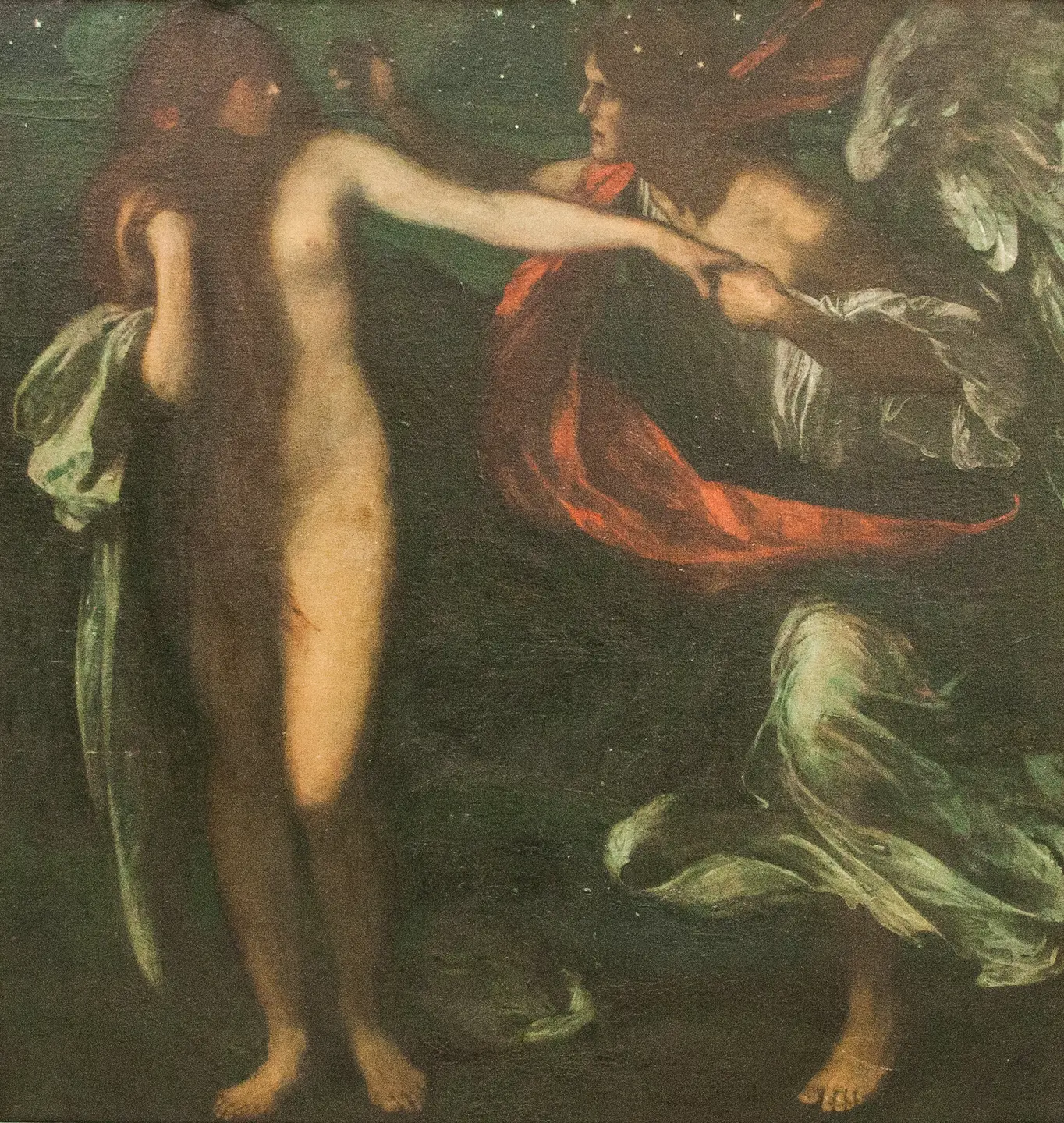
The Nephilim appear in brief biblical passages and in later traditions about giants. Different texts should be distinguished before their accounts are combined.
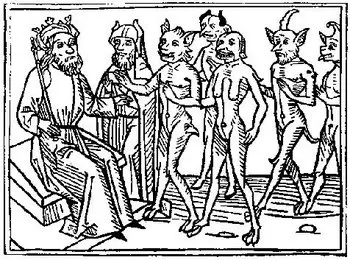
Belial appears in biblical religious language and later spirit catalogues. These uses should be distinguished rather than treated as one unchanged biography.
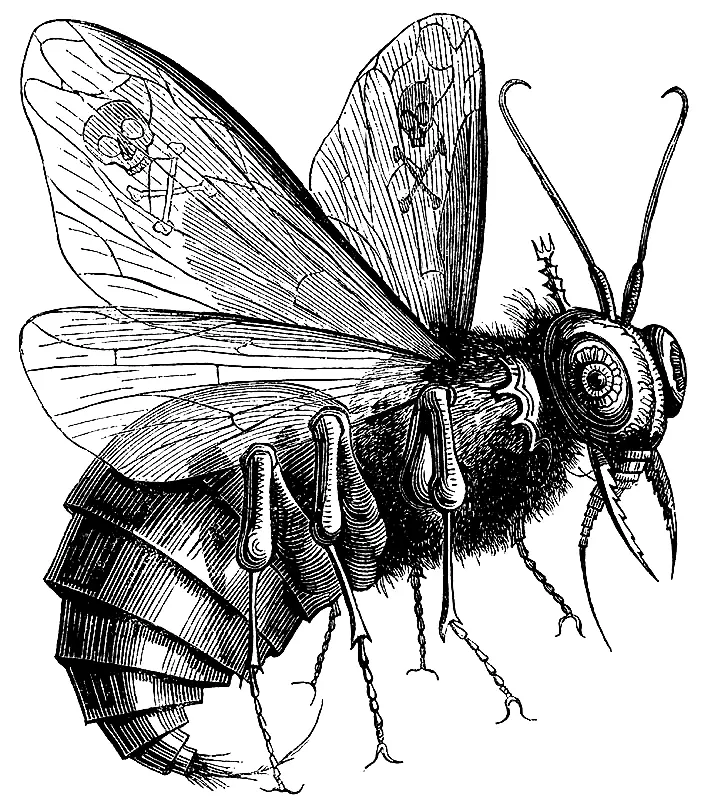
Beelzebub and related spellings appear in distinct biblical contexts. Later demonological interpretations should not be retroactively read into each earlier occurrence.
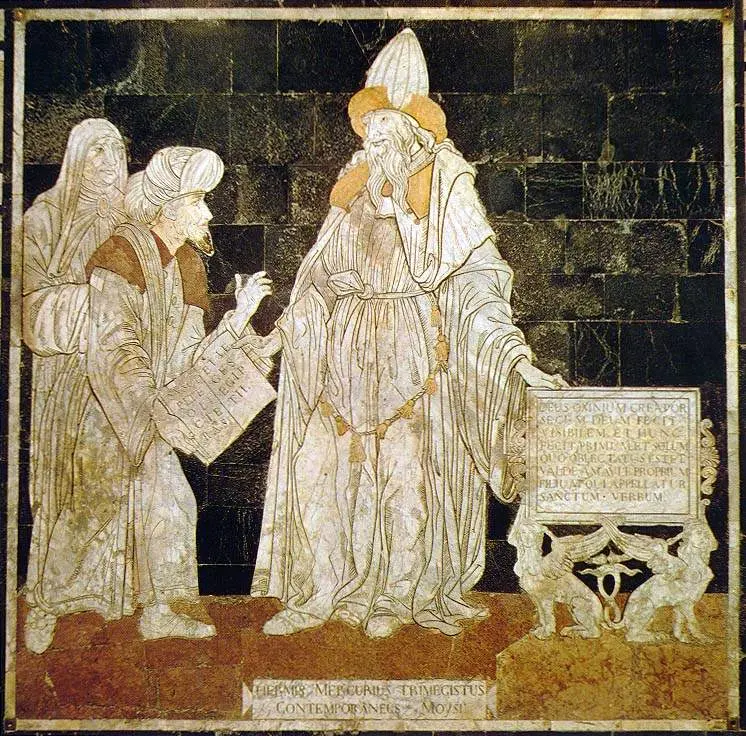
Hermeticism names several related traditions associated with Hermes Trismegistus. Philosophical dialogues, alchemical texts, and later occult systems require separate historical treatment.
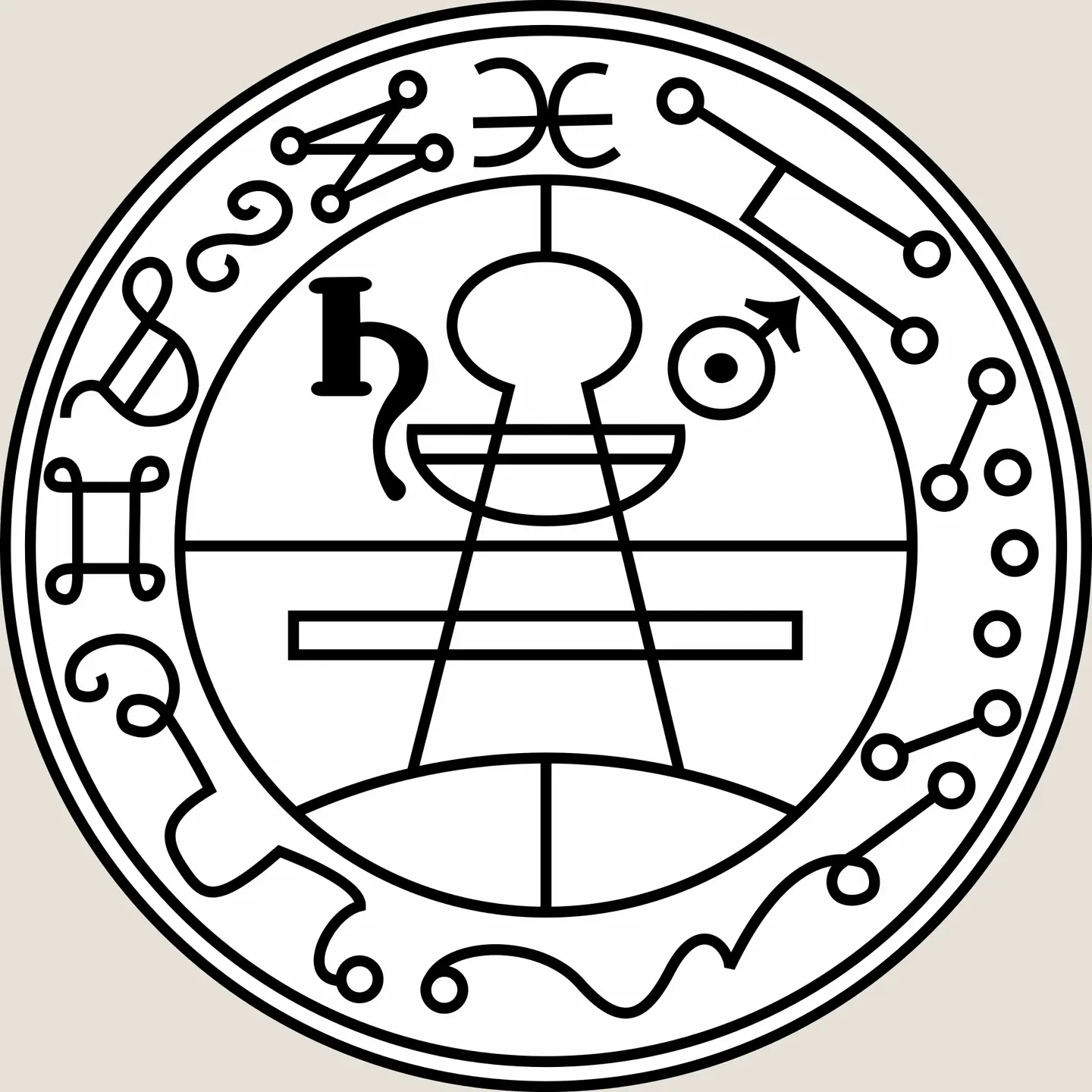
Sigils are graphic signs used in particular magical systems. Historical spirit seals, ceremonial figures, and modern personal signs should be distinguished.
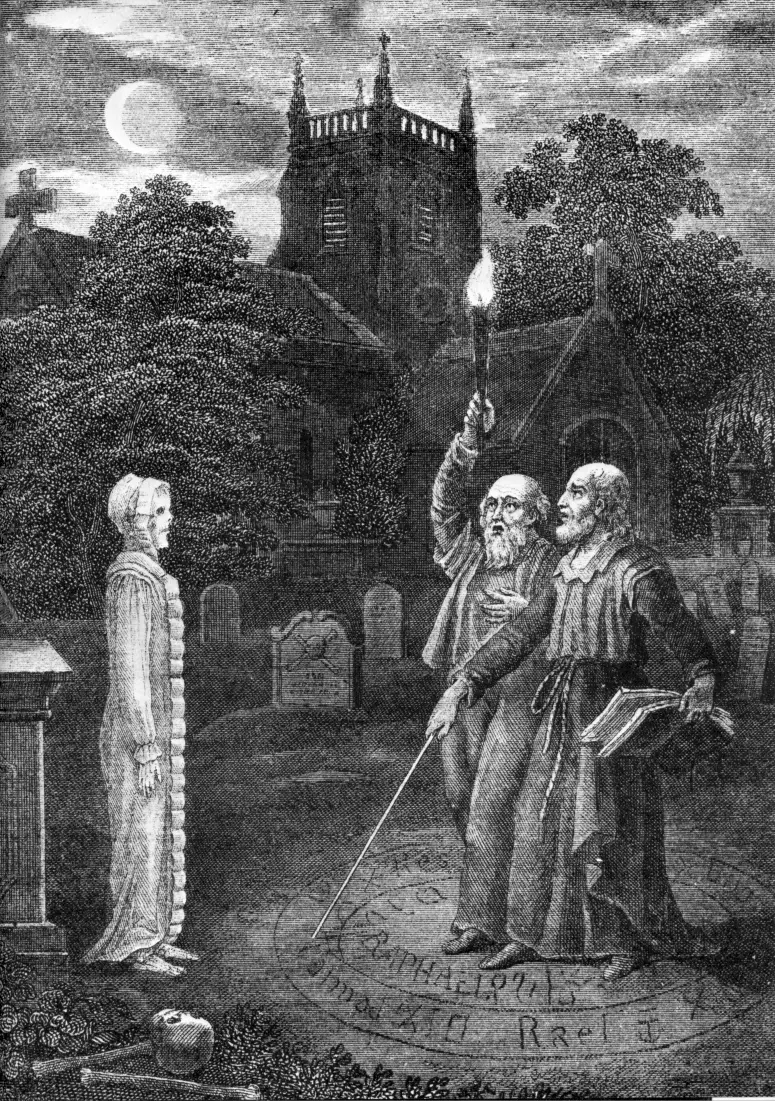
Invocation and evocation are terms used for related but differently framed religious or magical actions. Their definitions vary between authors and practice systems.
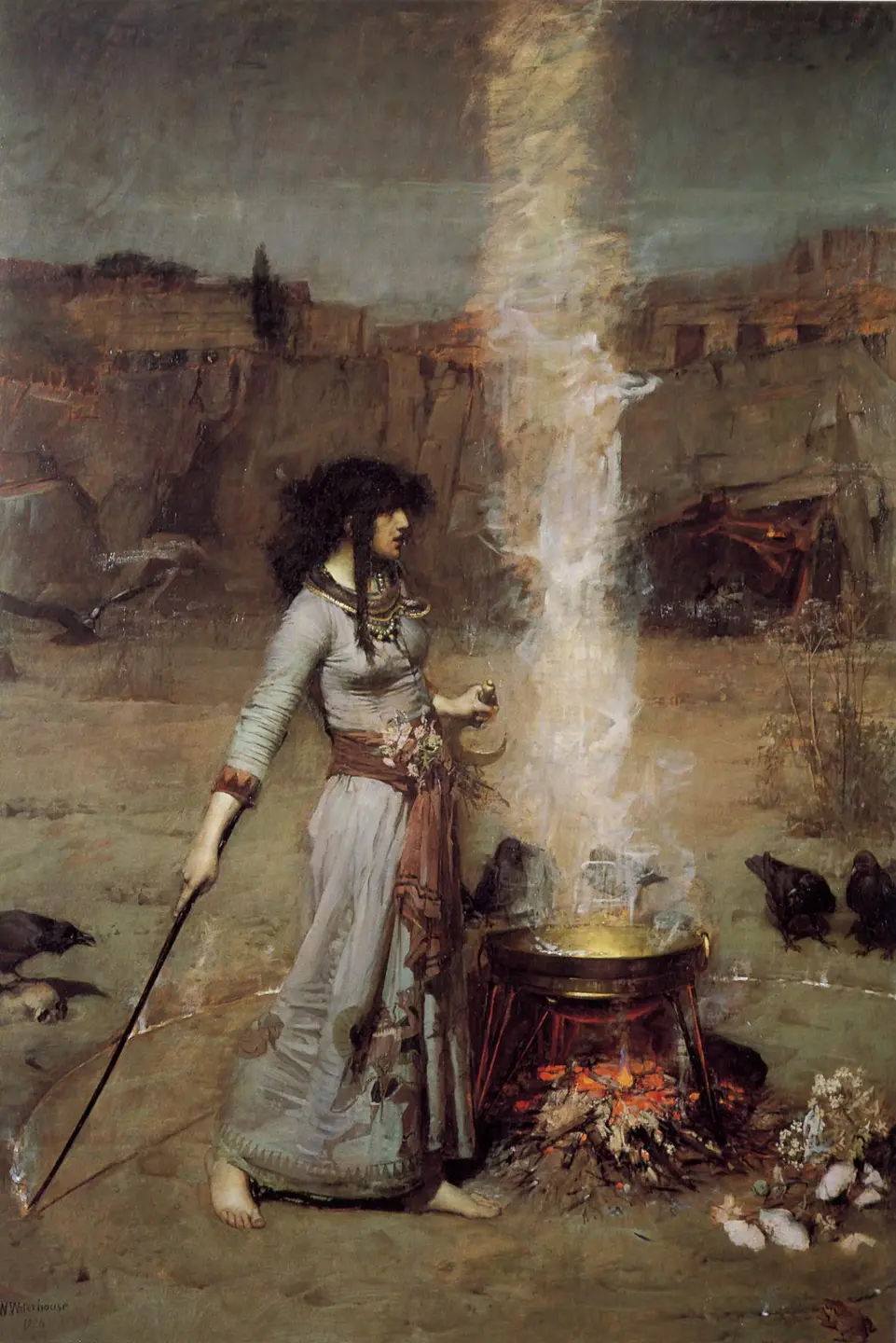
Demonolatry refers to devotion to demons or daemonic beings. Modern accounts vary in theology, authority, and their relationship with historical grimoires.
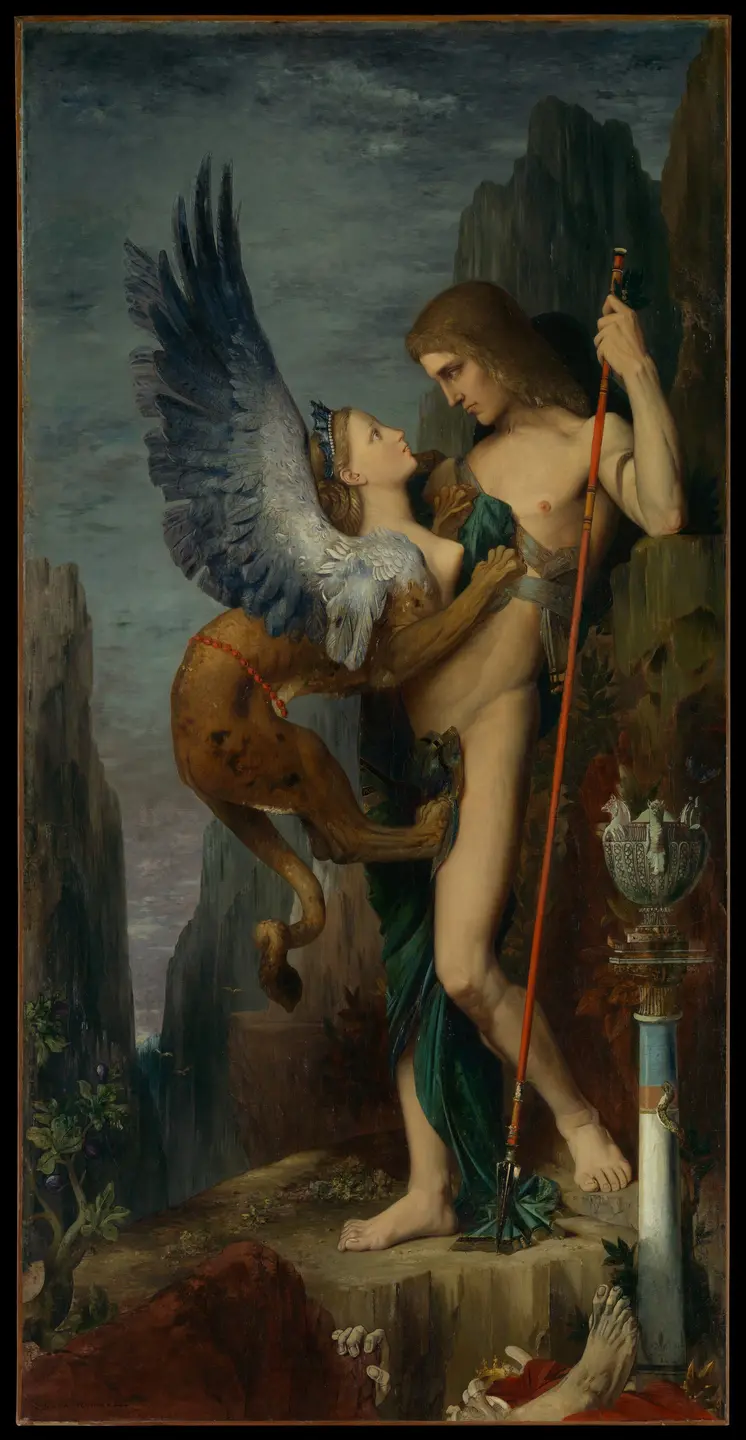
A religious myth can organize meaning while also receiving literal belief. Literary form, personal interpretation, and historical evidence should be discussed as related but distinct questions.
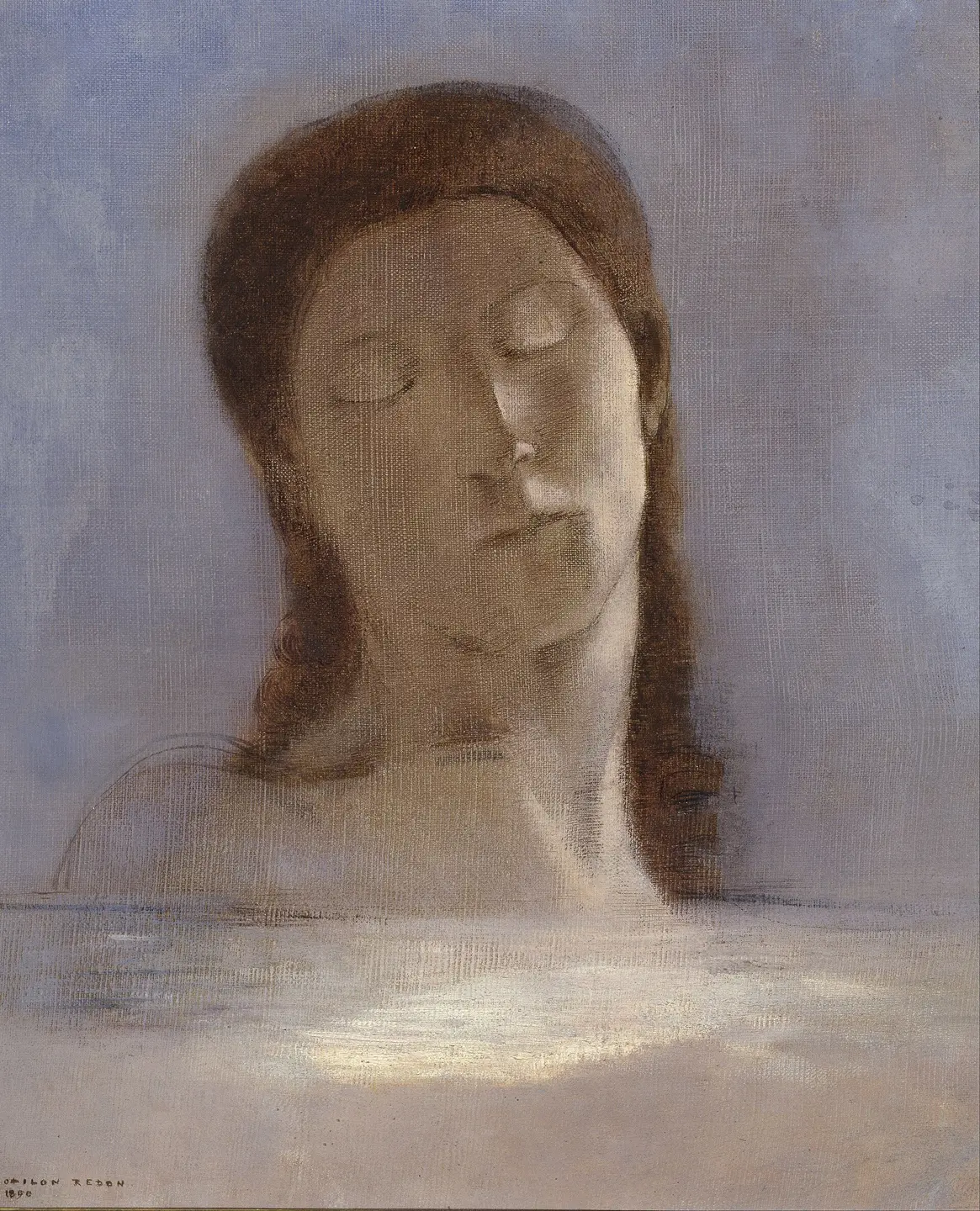
Unverified personal gnosis identifies a spiritual claim or interpretation whose source is personal experience rather than established textual or communal authority.
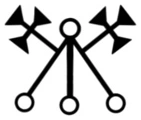
A Goetic president depicted as a lion, associated with hidden knowledge, mechanical arts, and transformation.
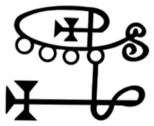
A Goetic duke whose description combines a lion-like form with a warning about theft and familiar spirits.
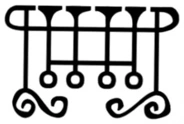
A Goetic duke associated with answers, reconciliation, and the obscure term Xenopilus.
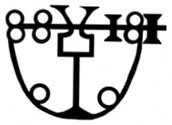
A Goetic marquis described as a green-clad archer associated with conflict and arrow wounds.