History
Witch trials and Devil worship accusations
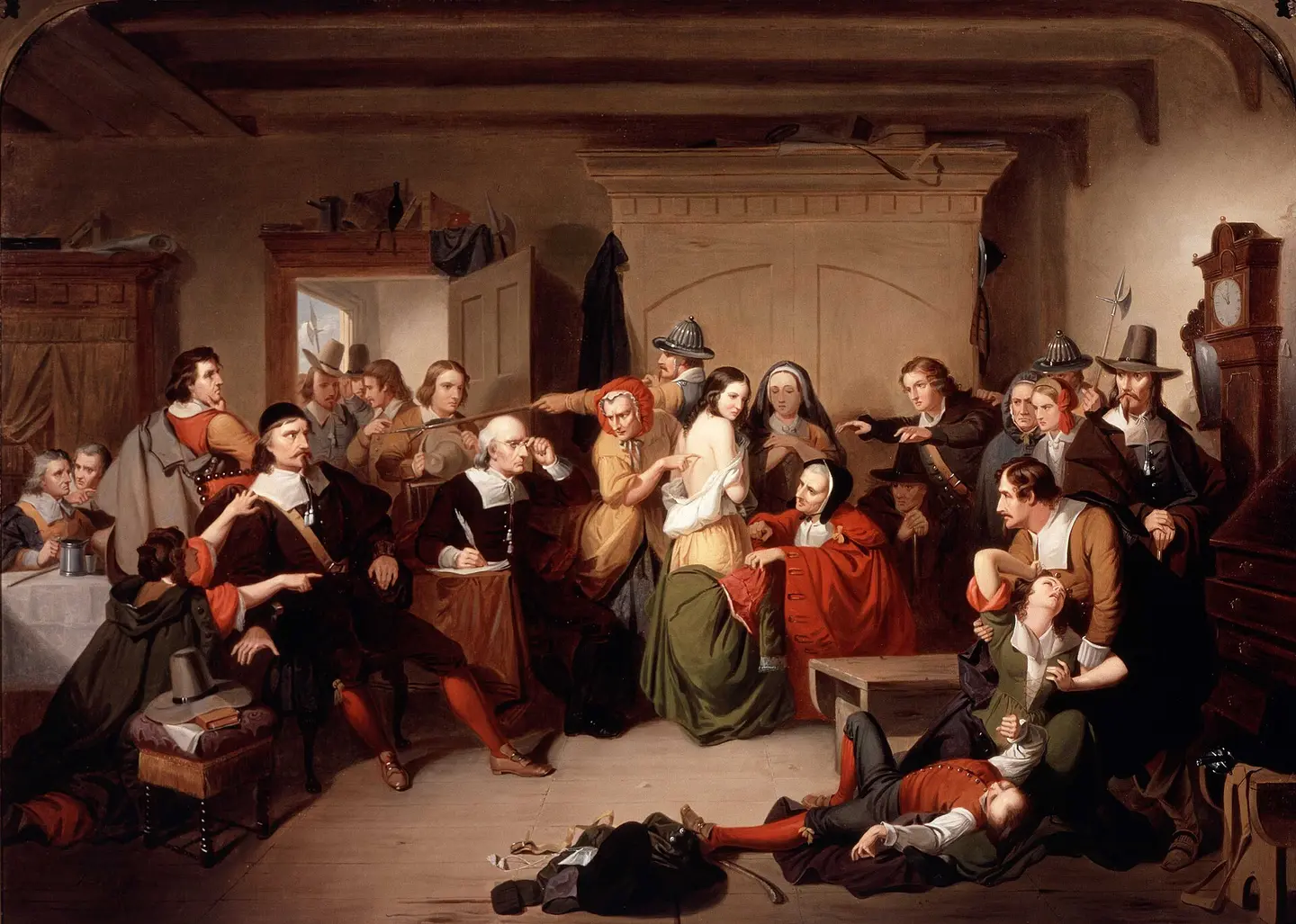
Witch trials produced records of accusations about harmful magic and the Devil. Those records require attention to how testimony was obtained and to the purposes of judges and writers.
Witch trials produced records of accusations about harmful magic and the Devil. Those records require attention to how testimony was obtained and to the purposes of judges and writers.
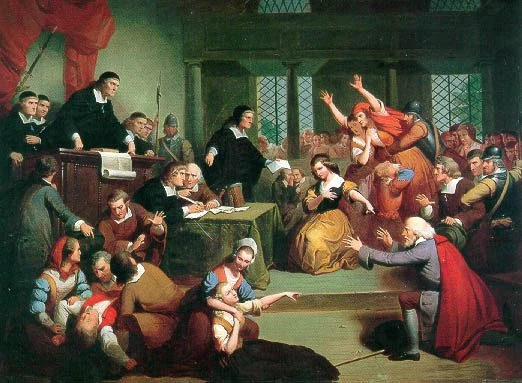
The Massachusetts prosecutions of 1692-1693, the spread of accusations, spectral evidence, and the surviving court archive.
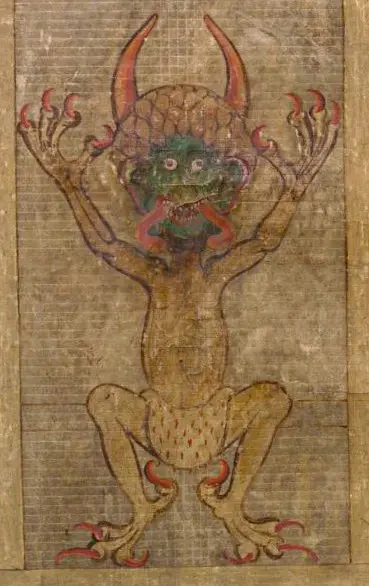
The Devil is the principal personification of evil in much of Christian tradition and a major source for later Western images of Satan. The term is not identical with every historical use of Satan, nor does it describe one unchanging character across the Bible, theology, folklore, literature, art, and modern religion. In contemporary speech “the Devil” often functions as a proper name for Satan, but…
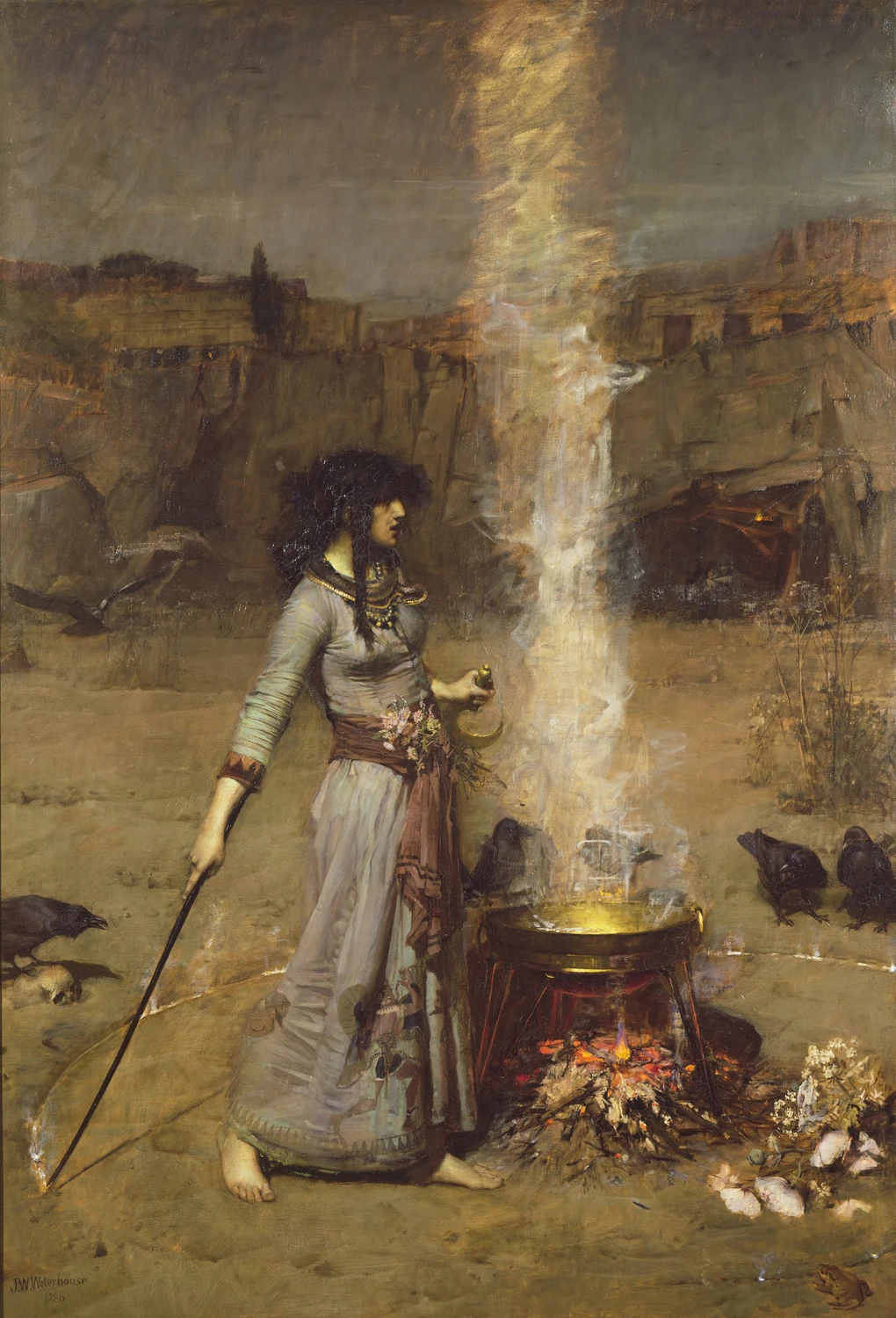
How witchcraft has meant an accusation, a magical practice, and a modern identity, with examples from museums and trial records.
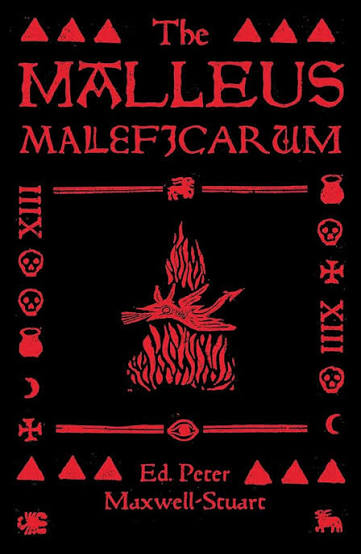
The Malleus Maleficarum is a Latin treatise associated with the inquisitor Heinrich Kramer. It combined demonological argument with proposals for prosecuting alleged witches. Its allegations, treatment of women, and influence require critical historical reading.
Symbolic and theistic Satanism are broad labels used to distinguish Satanist traditions according to how they understand Satan’s reality. In theistic Satanism, Satan is ordinarily regarded as a real deity, spirit, intelligence, or independently existing being. In symbolic or non-theistic Satanism, Satan is understood primarily as a symbol, literary figure, archetype, cultural adversary, or name for a…
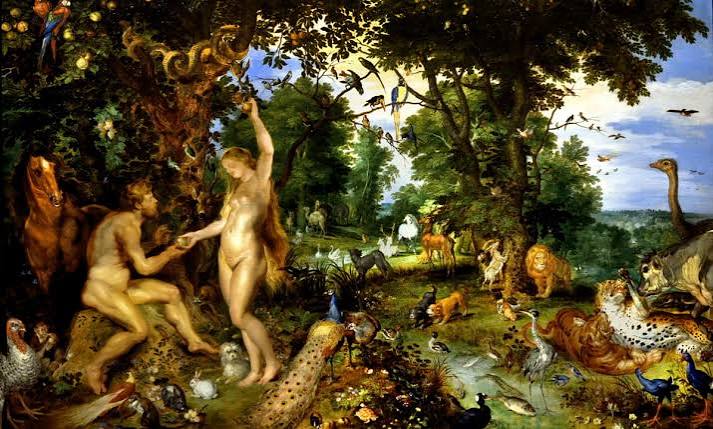
The Life of Adam and Eve is a group of related apocryphal narratives about the first humans. Its versions expand the Eden story through accounts of repentance, the Devil’s hostility, illness, burial, and hoped-for restoration.
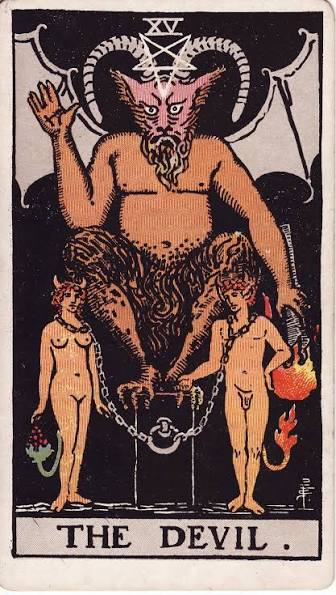
The Devil is a tarot trump commonly numbered XV. Its imagery and interpretation vary between decks and writers. Waite and Papus connect it with material constraint, fatality, and occult forces, while tarot’s history begins in the world of playing cards.
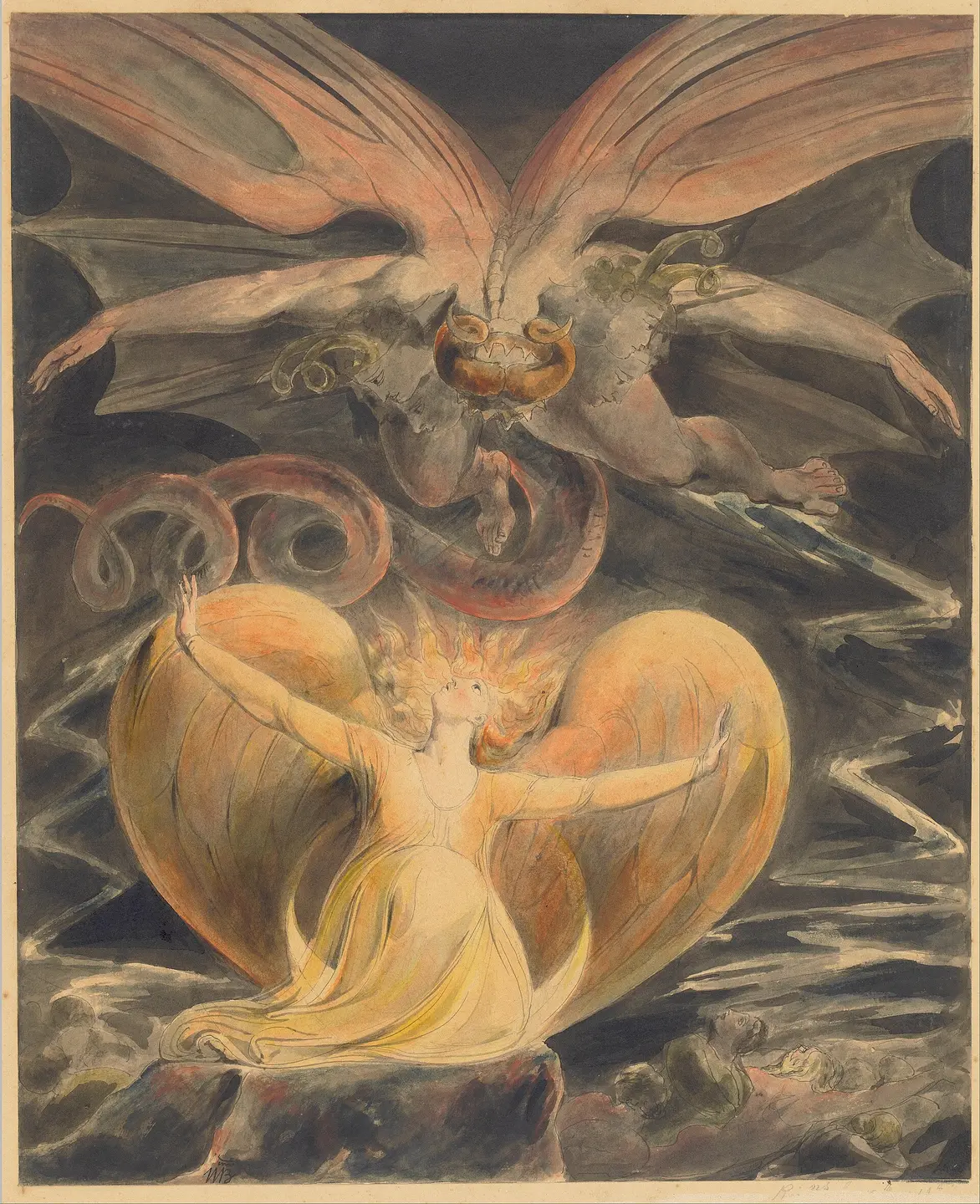
Revelation 12 identifies its dragon with the Devil and Satan. The chapter’s imagery should be read in its apocalyptic narrative before being used to interpret other passages.
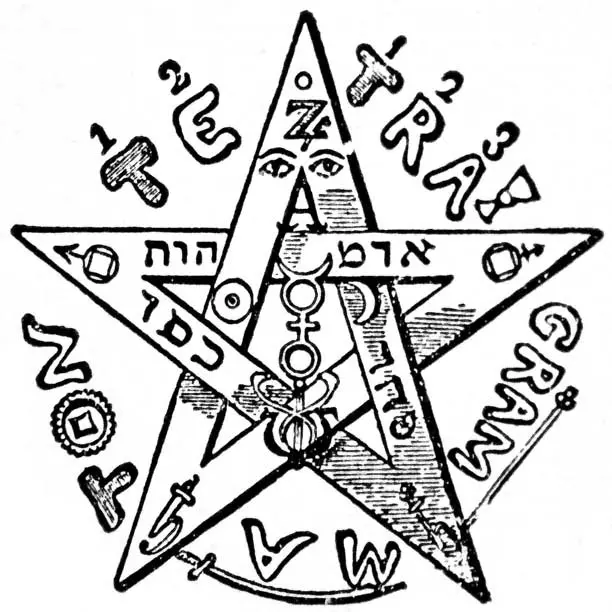
Occultism and Western esotericism provide an important historical and intellectual background for many forms of modern Satanism, but neither term is a synonym for Satanism. Western esotericism is an academic field encompassing currents such as Renaissance Hermetism, alchemy, astrology, Christian theosophy, Kabbalistic reception, Rosicrucianism, ceremonial magic, spiritualism, occultism, and later…
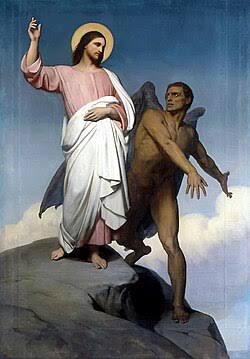
The temptation of Jesus is an encounter with Satan in the wilderness narrated by Matthew, Mark, and Luke. Its differing forms connect hunger, divine sonship, scriptural argument, worldly rule, and worship.
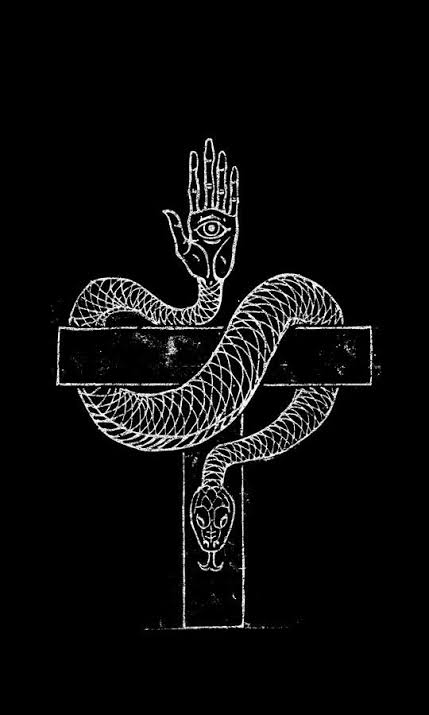
The left-hand path is a modern esoteric category used for religious and magical currents that emphasize themes such as individual self-direction, antinomianism, self-deification, initiatory transformation, or deliberate engagement with symbols rejected by dominant religious culture. It overlaps with some forms of Satanism, Luciferianism, Setianism, and modern occultism, but the terms are not synonymous.
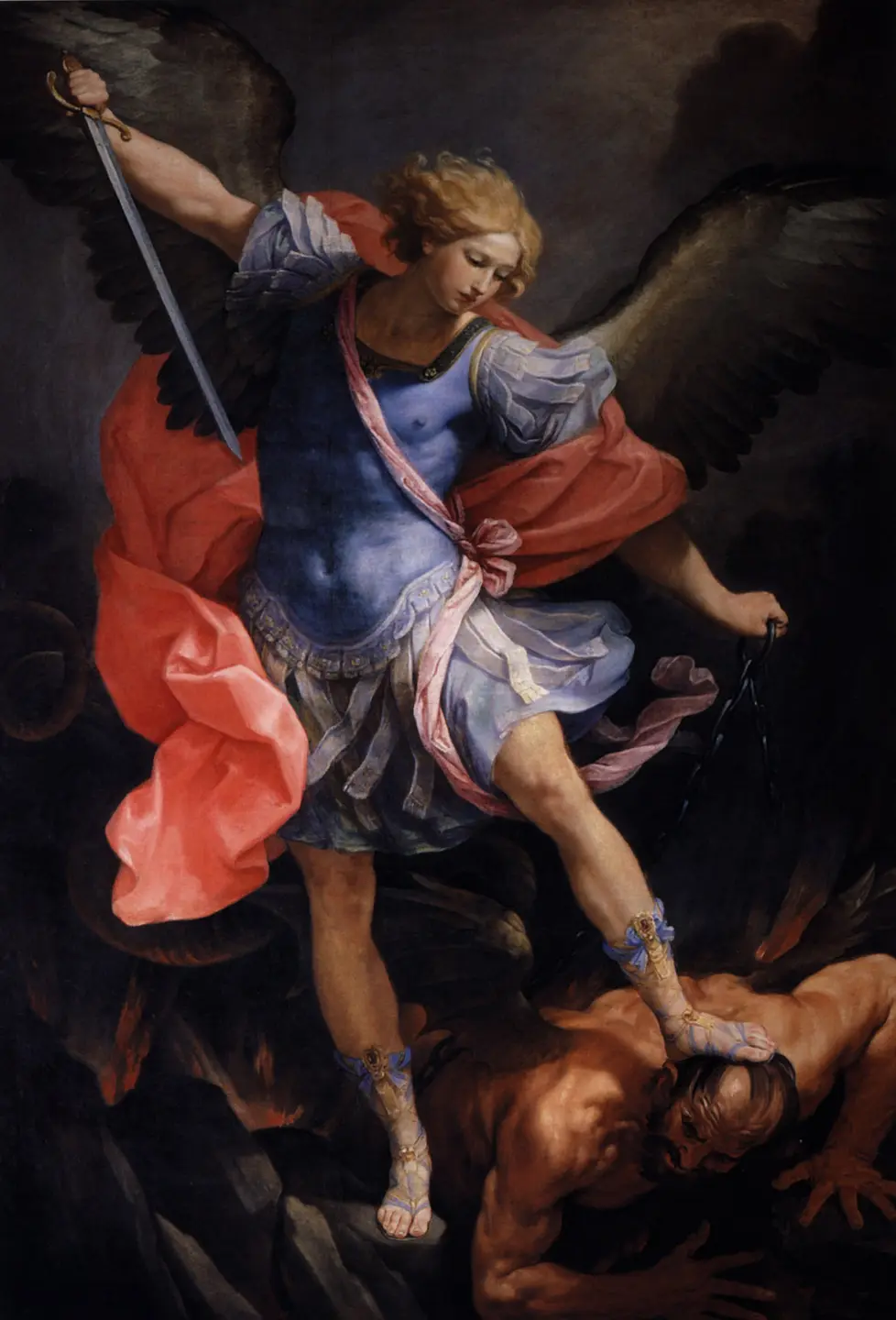
Monotheism and religious dualism concern different questions about ultimate reality. The presence of an adversary does not automatically establish two equal divine principles.
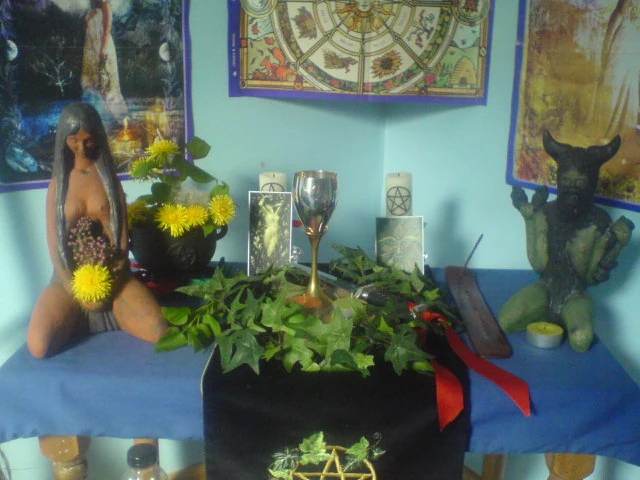
Modern Pagan religious witchcraft, its Gardnerian and Alexandrian traditions, ritual practice, and relationship to Satanism.
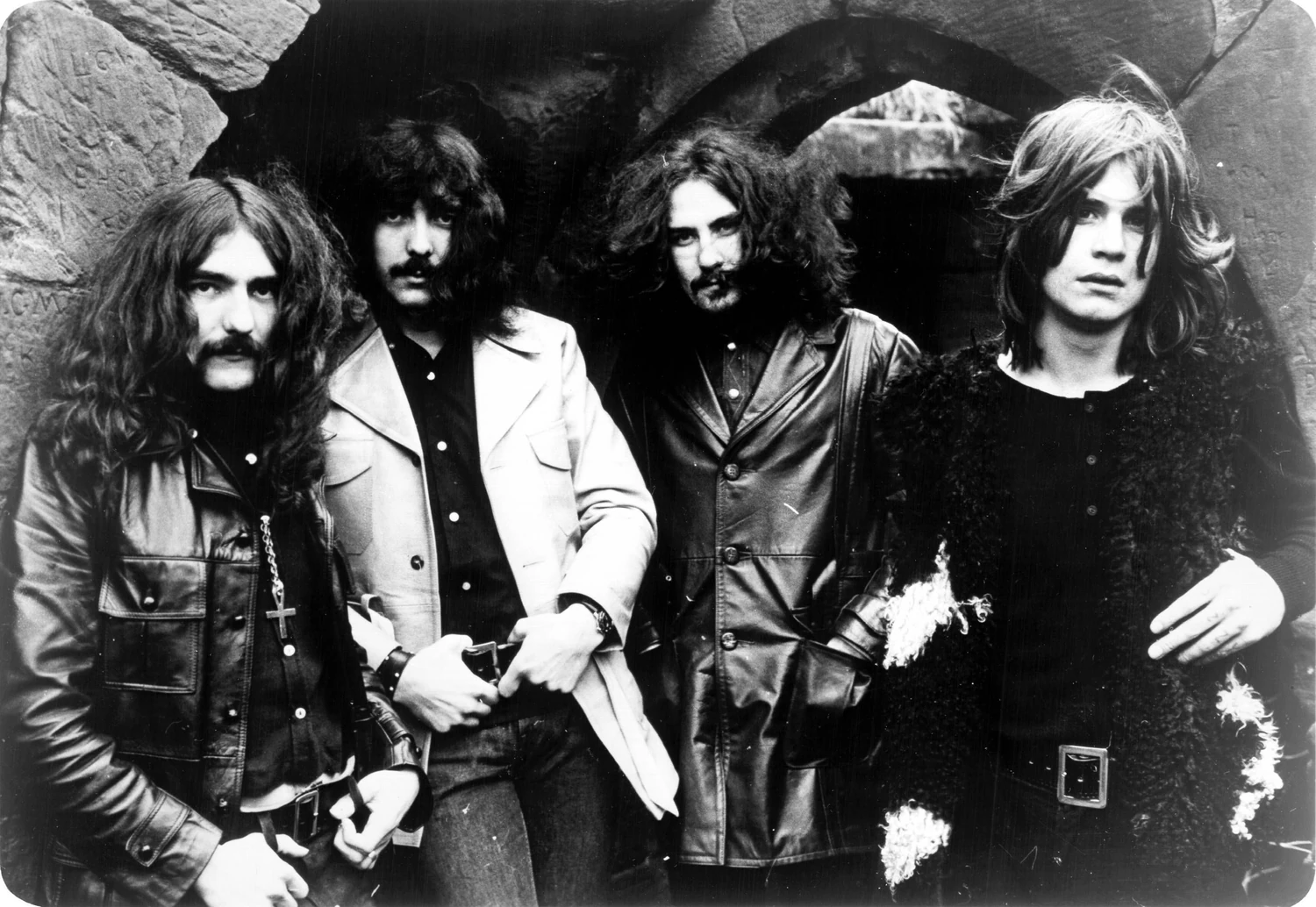
How Black Sabbath and Venom used dark or Satanic imagery, and why a song, stage character, and religious affiliation are different evidence.

Satan is a figure whose meaning has changed substantially across Jewish, Christian, Islamic, literary, esoteric, and modern Satanic contexts. In contemporary theistic Satanism, Satan may be understood as a real deity, spirit, adversary, initiator, or metaphysical intelligence. Those modern interpretations draw on, but are not identical with, the much older history of the word and character.
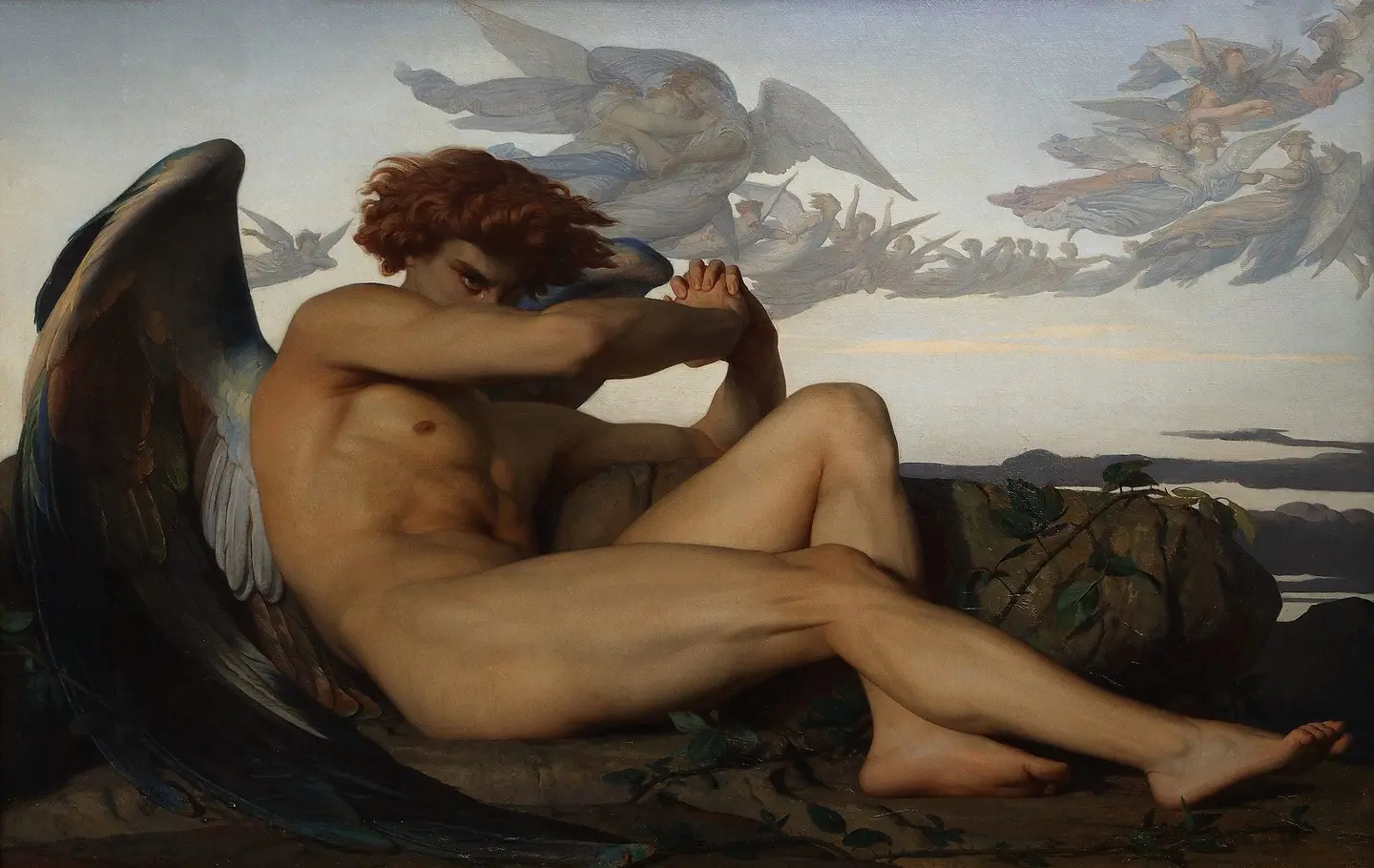
Lucifer is a name whose religious meaning developed from an ancient expression for the morning star into one of the best-known names associated with the Devil, fallen angels, occult illumination, and modern Luciferian religion. The word itself is Latin: lūcifer means “light-bringer” or “light-bearer” and was used for the planet Venus when it appeared before sunrise. The later equation “Lucifer = Satan”…
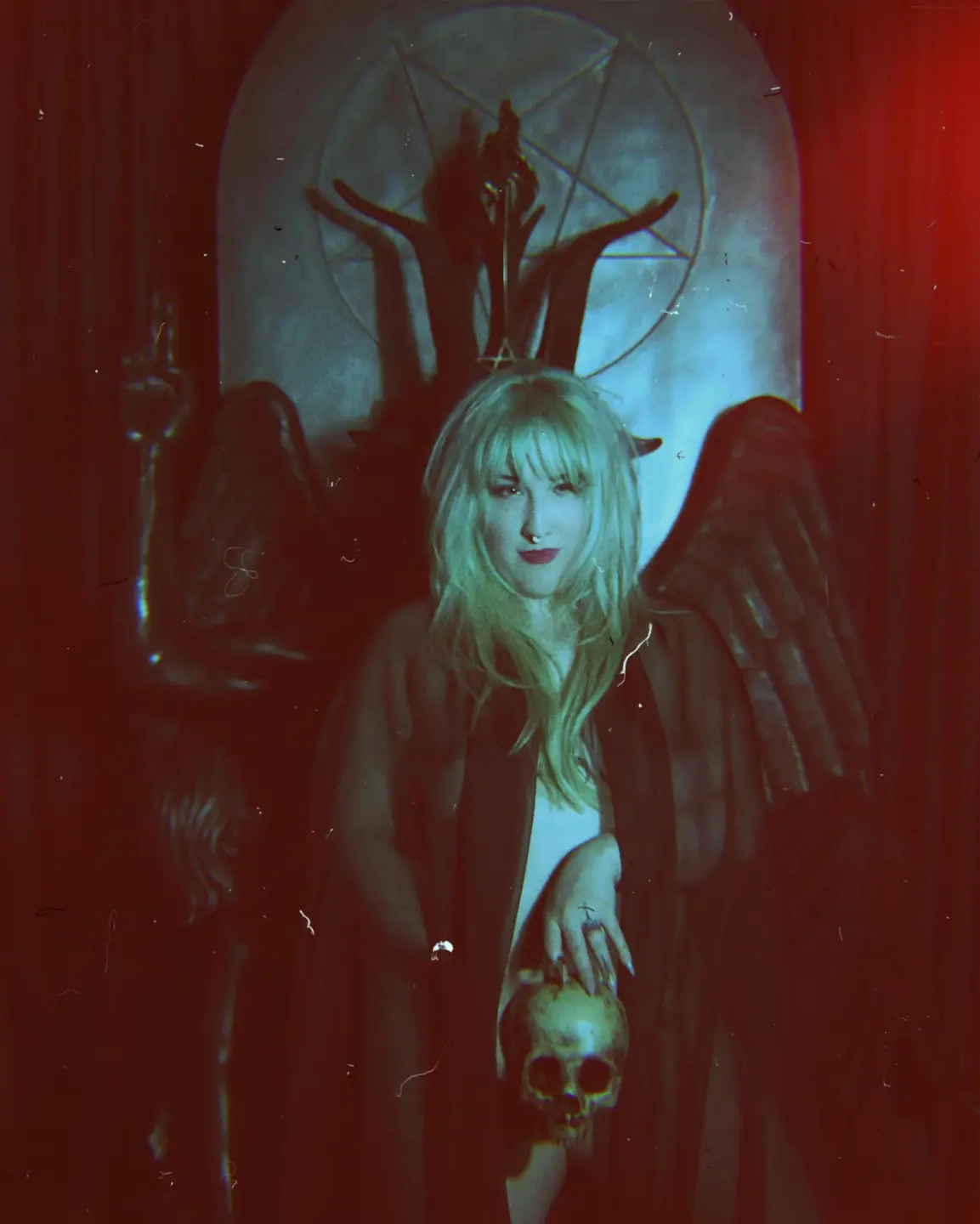
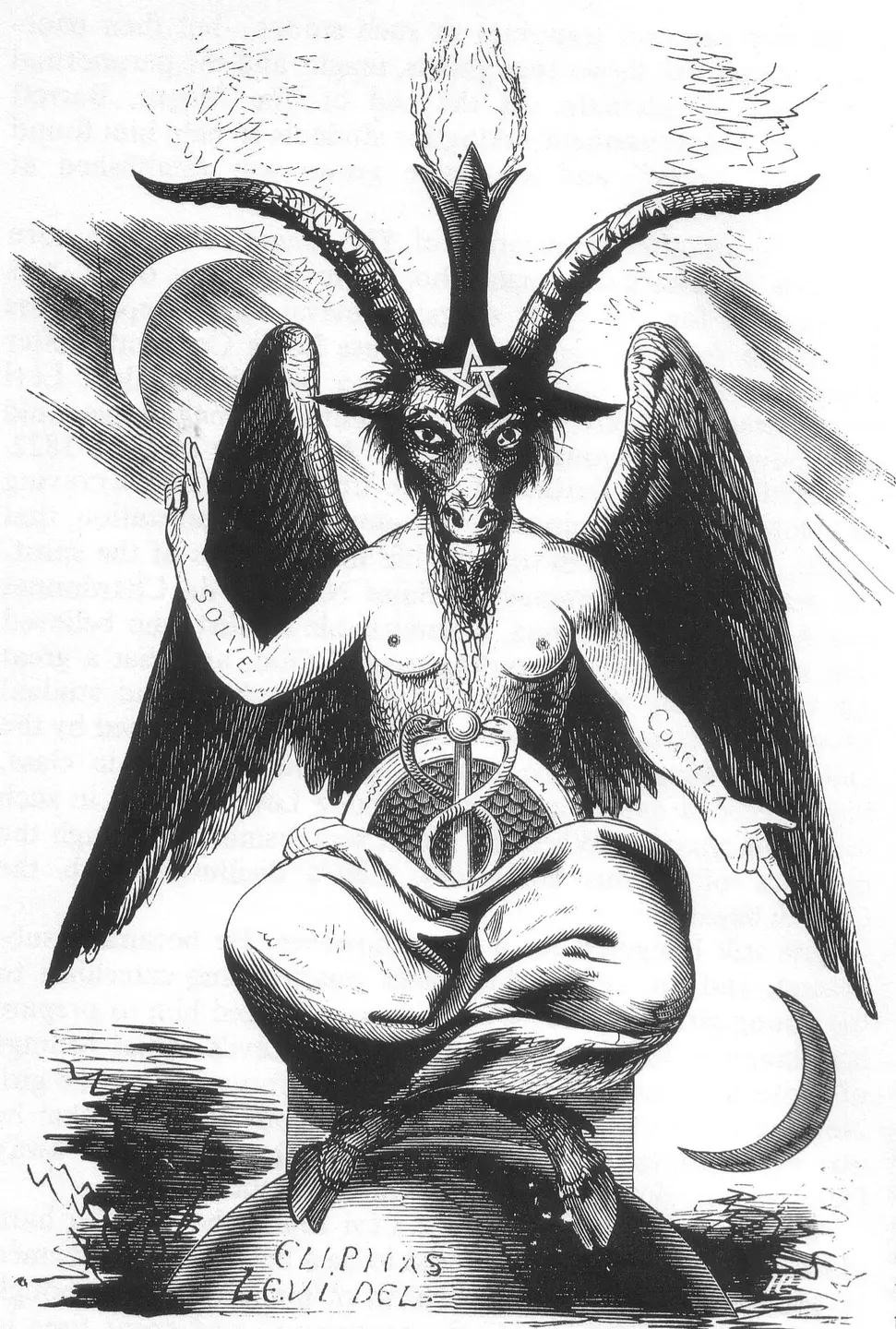
Baphomet is an occult figure whose history connects the medieval trial of the Knights Templar, nineteenth-century ceremonial symbolism, twentieth-century Satanic iconography, and the modern public imagery of The Satanic Temple. The familiar goat-headed, winged, androgynous figure is not a medieval portrait of a secret Templar god. It was created in the nineteenth century by the French occultist Éliphas…
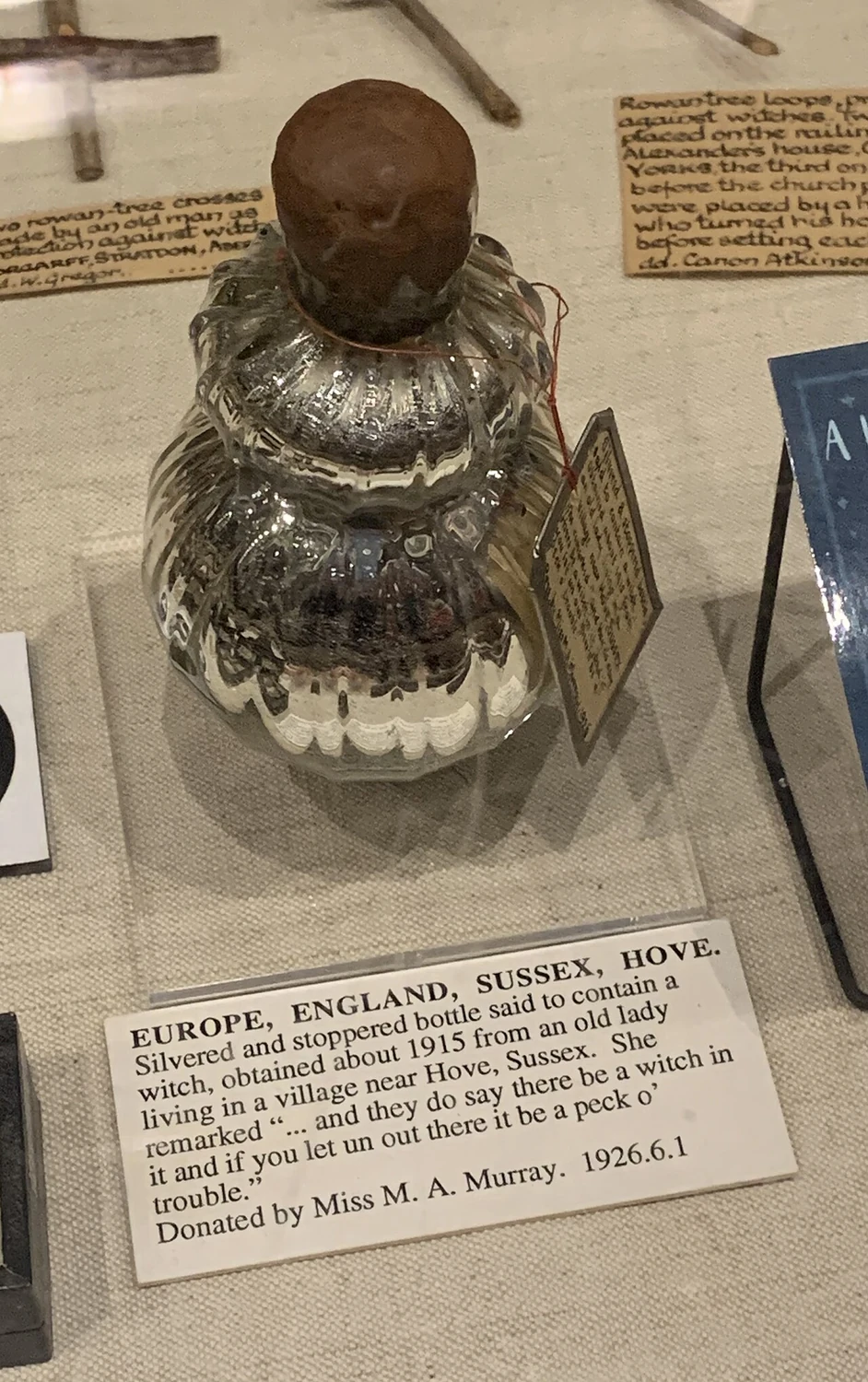
Protective charms, witch bottles, and everyday materials in local magical traditions, with documented British museum examples.
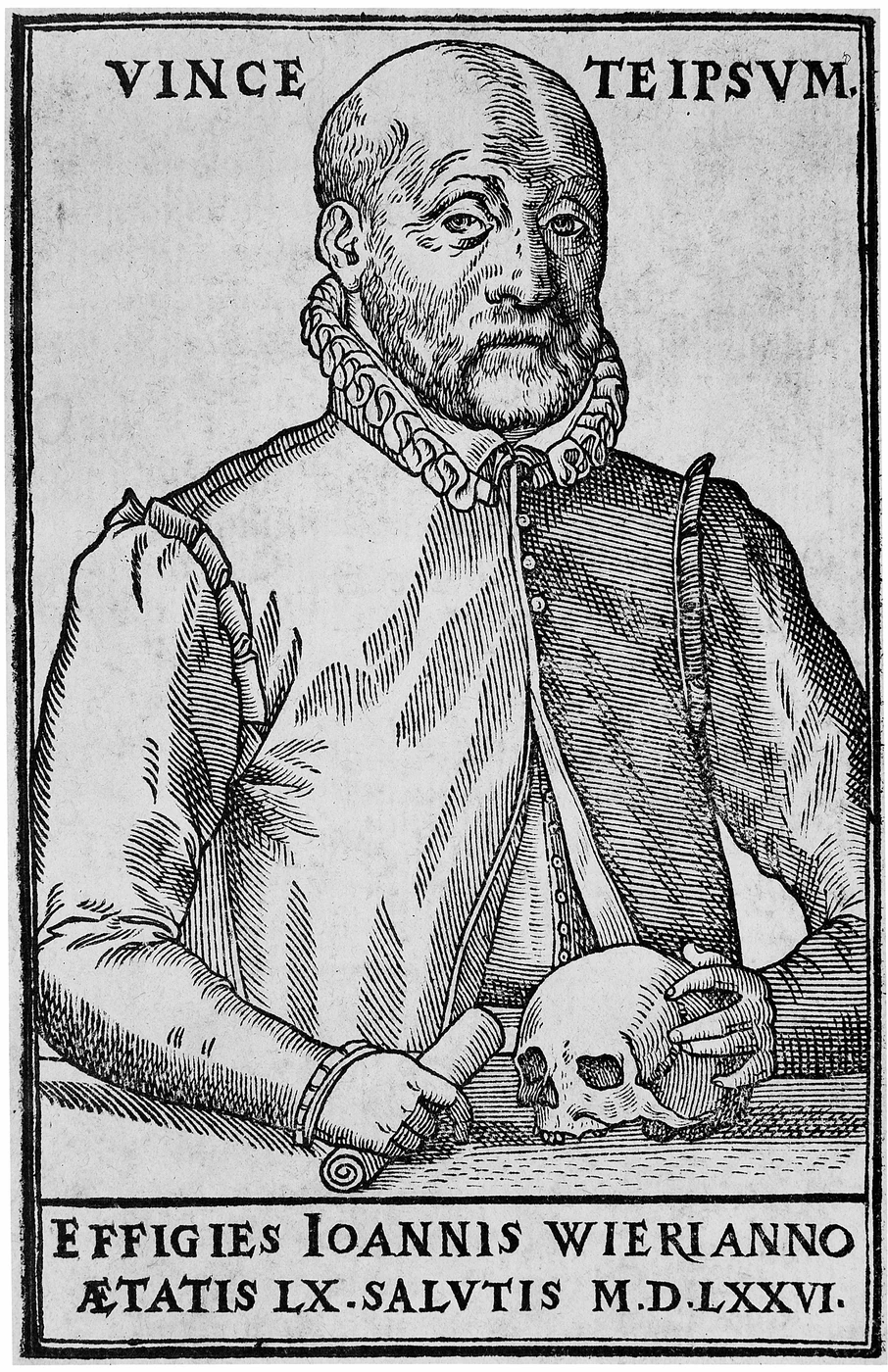
The physician and author whose Pseudomonarchia daemonum supplied an important source for later spirit catalogues.