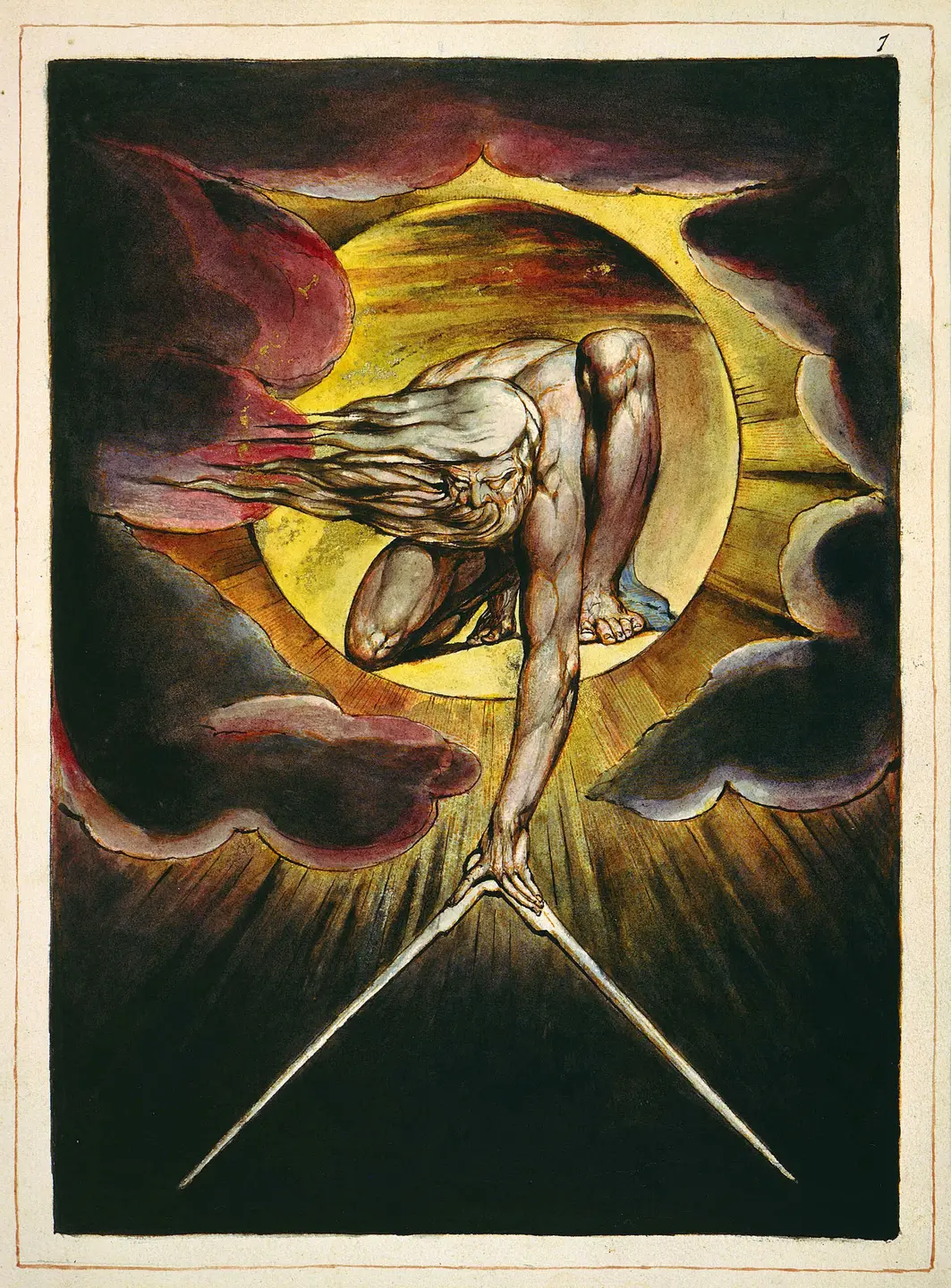
Religious experience and discernment
Religious discernment concerns how experiences are interpreted and assessed. An immediate event, a theological explanation, and a claim about another person require different kinds of evidence.
Religious discernment concerns how experiences are interpreted and assessed. An immediate event, a theological explanation, and a claim about another person require different kinds of evidence.
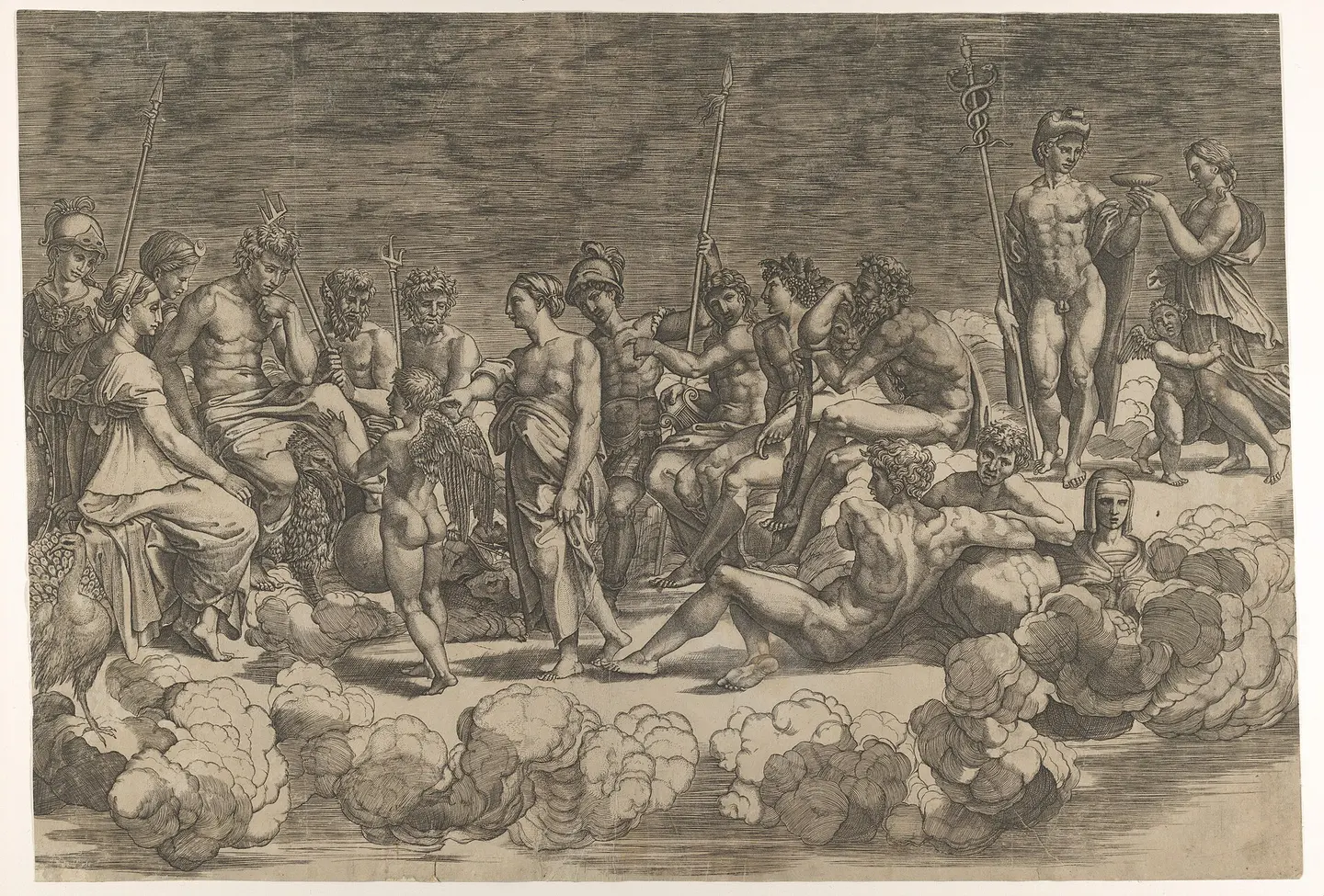
Polytheism involves belief in multiple deities. The existence of several gods does not by itself settle their relationships, moral authority, or the forms of devotion directed toward them.
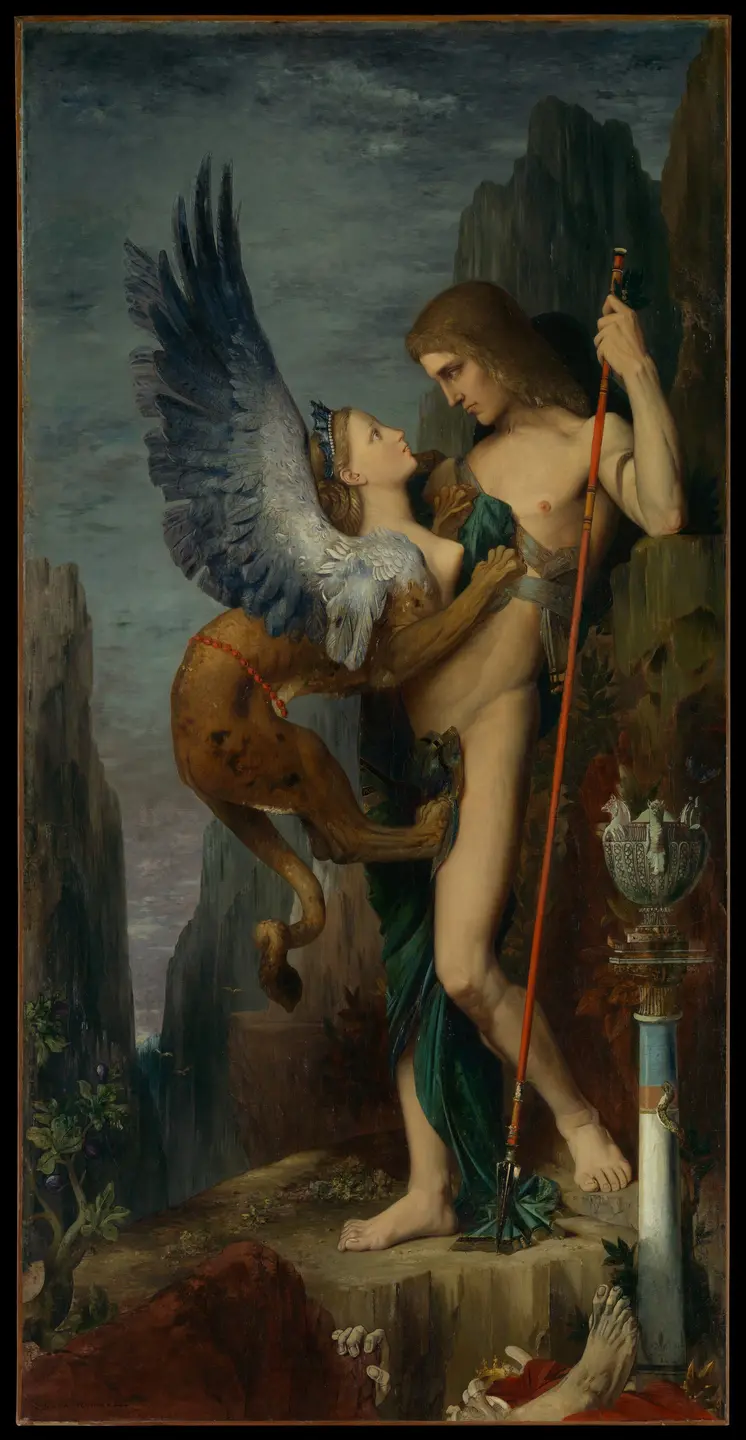
A religious myth can organize meaning while also receiving literal belief. Literary form, personal interpretation, and historical evidence should be discussed as related but distinct questions.
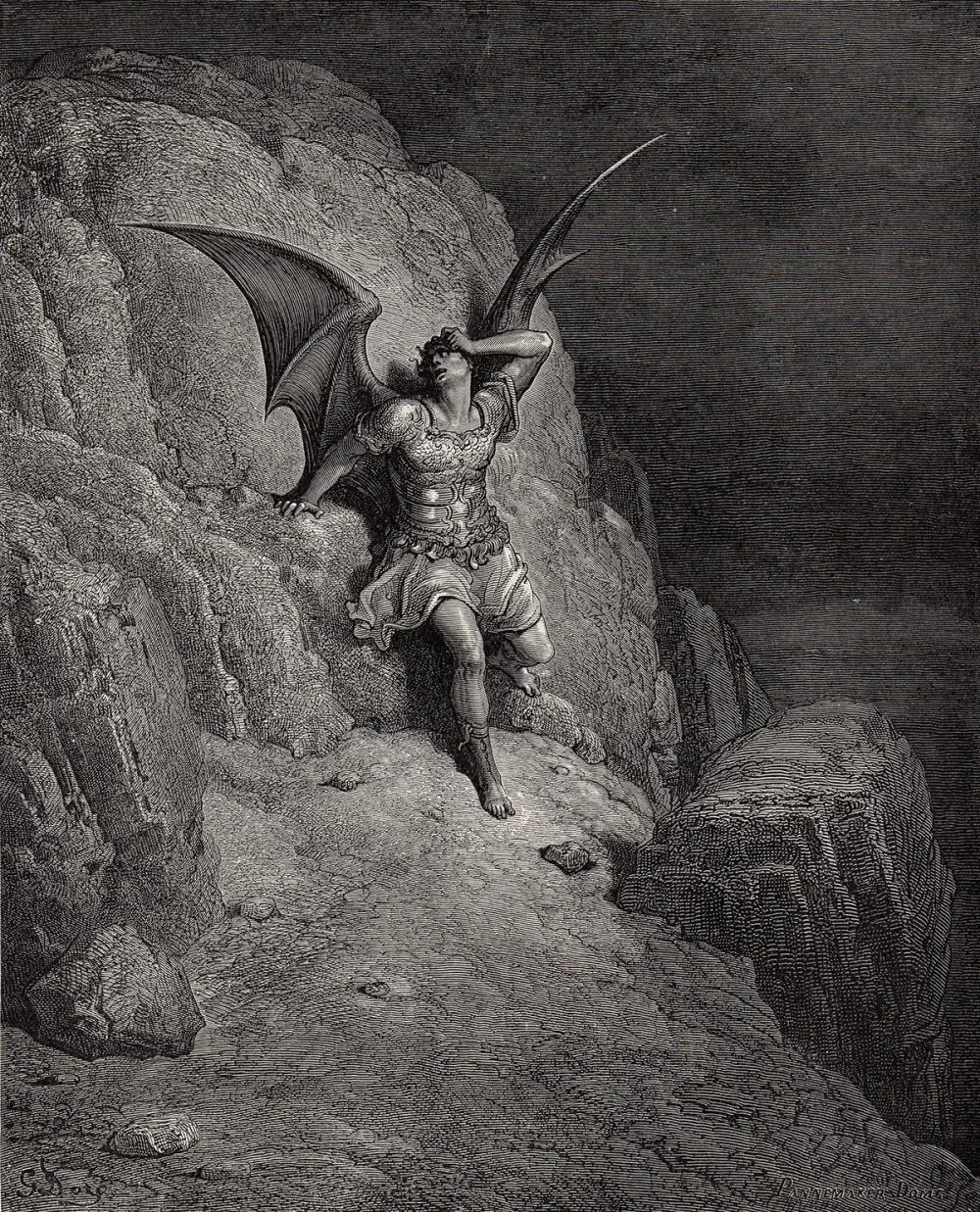
Milton’s Paradise Lost gives Satan an influential literary characterization. His persuasive speeches must be read alongside the narrator’s account and the consequences of his actions.
Unverified personal gnosis identifies a spiritual claim or interpretation whose source is personal experience rather than established textual or communal authority.

A Goetic prince associated with finding lost things and knowledge of past and future events.

A Goetic marquis, also called Gamigin, associated with liberal studies and accounts of deceased souls.

A Goetic president depicted as a lion, associated with hidden knowledge, mechanical arts, and transformation.
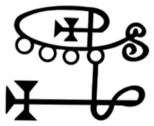
A Goetic duke whose description combines a lion-like form with a warning about theft and familiar spirits.

A Goetic duke associated with answers, reconciliation, and the obscure term Xenopilus.

A Goetic prince portrayed with a leopard head and griffin wings, whose stated office concerns desire.

A Goetic marquis described as a green-clad archer associated with conflict and arrow wounds.

A Goetic duke depicted as a red-clad soldier whose entry concerns attraction and fertility.

A Goetic spirit with the titles president and earl, associated with knowledge and reconciliation.

A Goetic duke associated with herbs, precious stones, and sudden travel between countries.

A Goetic king riding a bear, with offices concerning hidden knowledge, treasure, and cosmology.