Texts & Sources
Ars Theurgia-Goetia
The second part of the Lemegeton, arranging aerial spirits through princes, directions, and wandering hierarchies.
The second part of the Lemegeton, arranging aerial spirits through princes, directions, and wandering hierarchies.
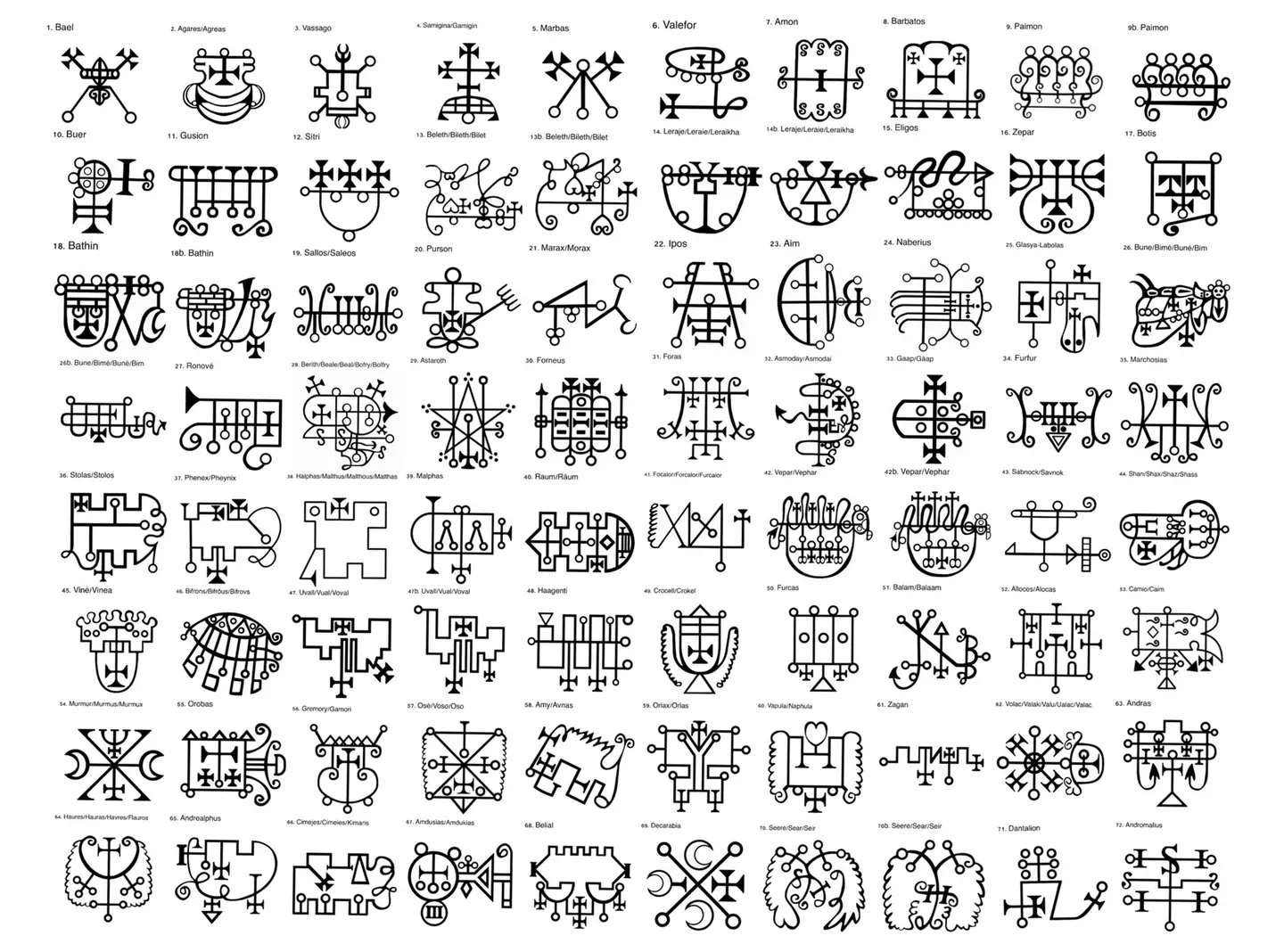
The Ars Goetia is the first section of the Lemegeton or Lesser Key of Solomon, an early modern English compilation of ceremonial magic. It is famous for a catalogue of seventy-two spirits, each described by name, rank, appearance, abilities, and a seal or character. In modern occultism the term “Goetia” is often used loosely for demon-summoning or work with these spirits, but historically the Ars Goetia…
The grimoire compilation known as the Lemegeton, including the Goetia and several angelic arts.
Pseudomonarchia Daemonum is a spirit catalogue associated with Johann Weyer. Its transmission helps explain similarities and differences in the later Ars Goetia.
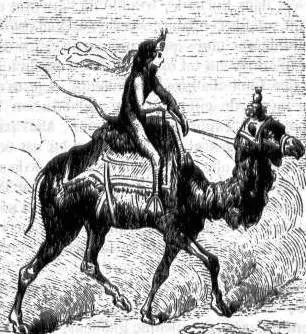
Paimon is a royal spirit described in the Ars Goetia and related literature. Musical procession and the teaching of knowledge are important elements of his received image.
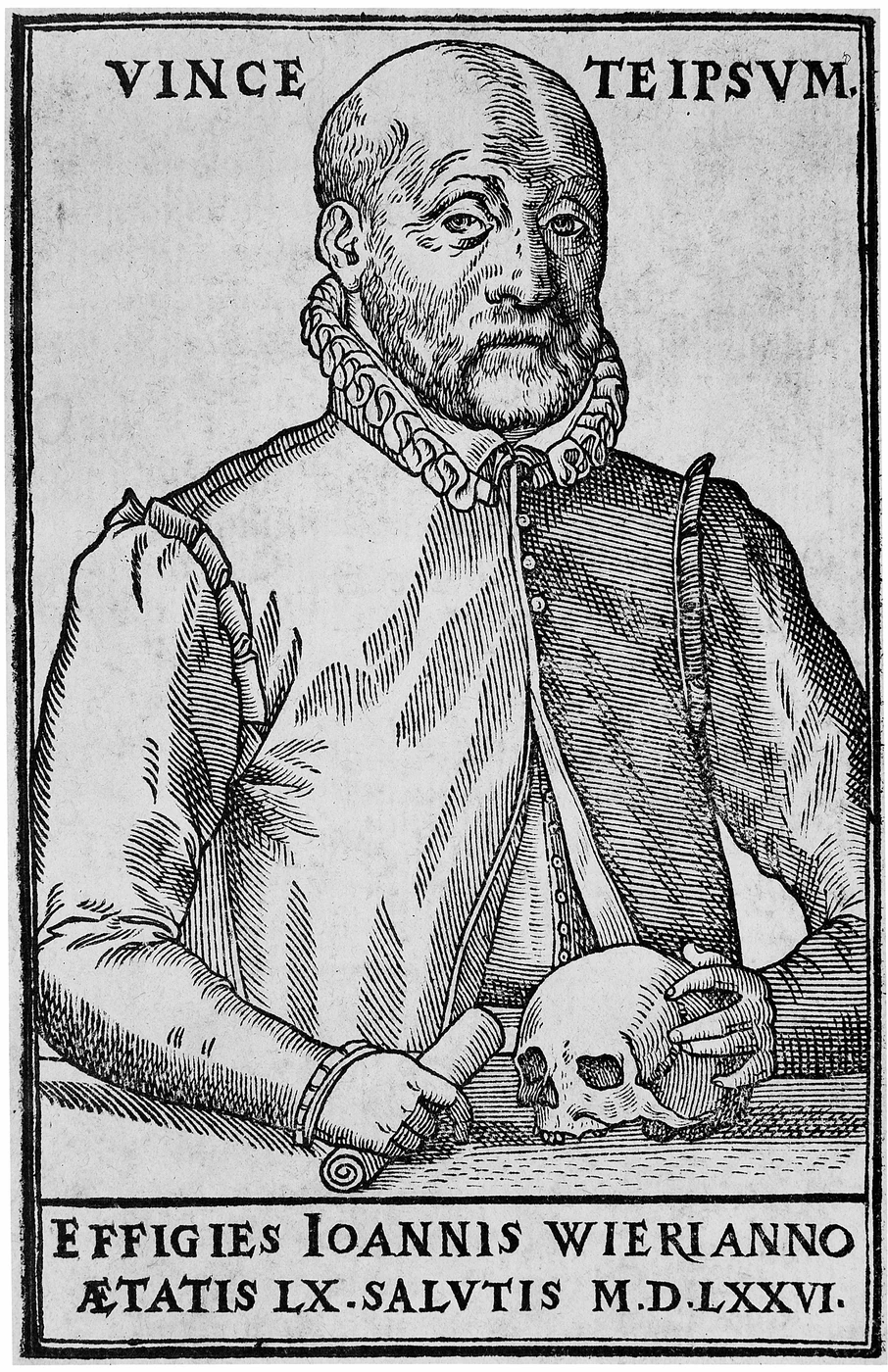
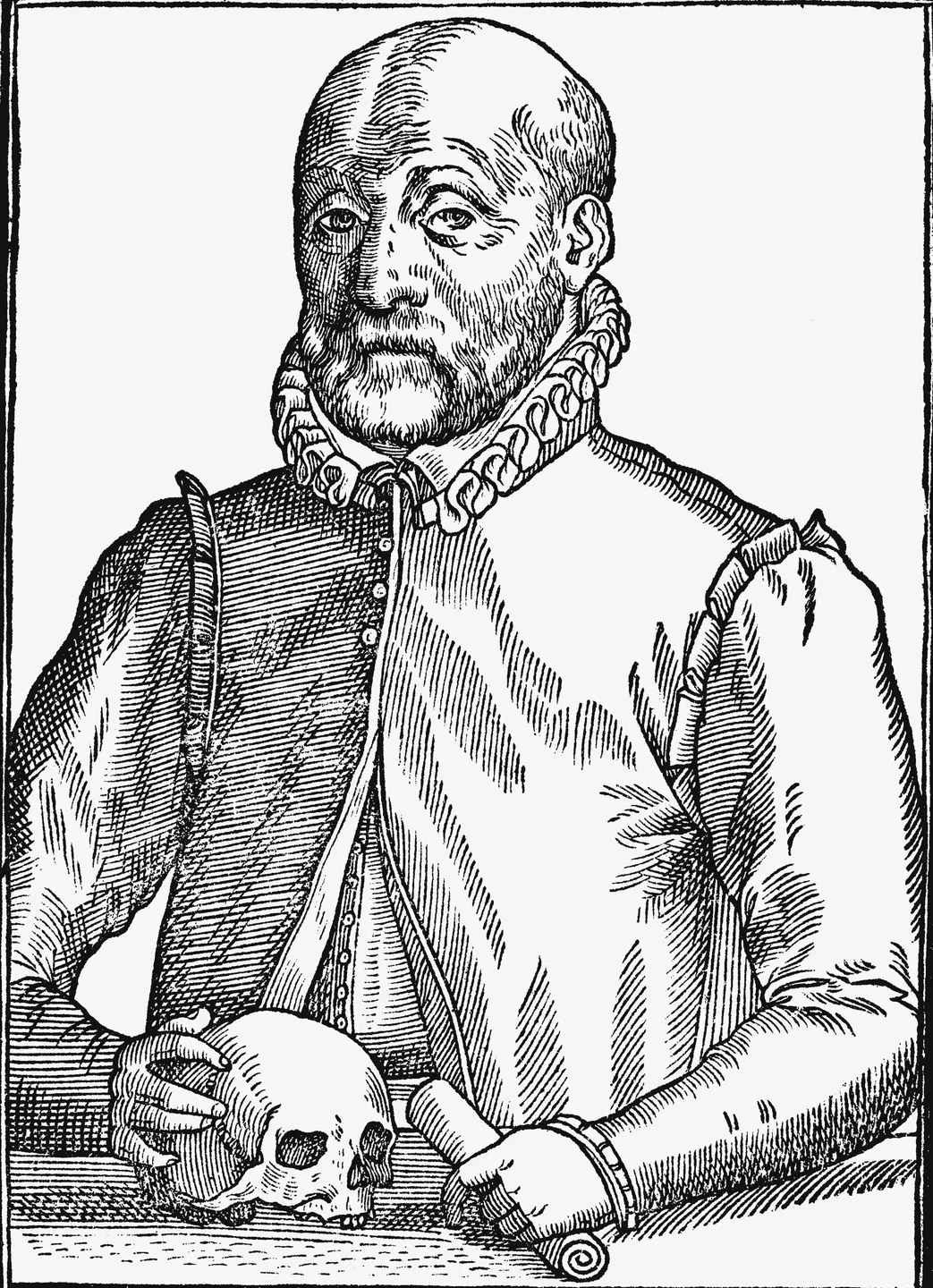
The physician and author whose Pseudomonarchia daemonum supplied an important source for later spirit catalogues.
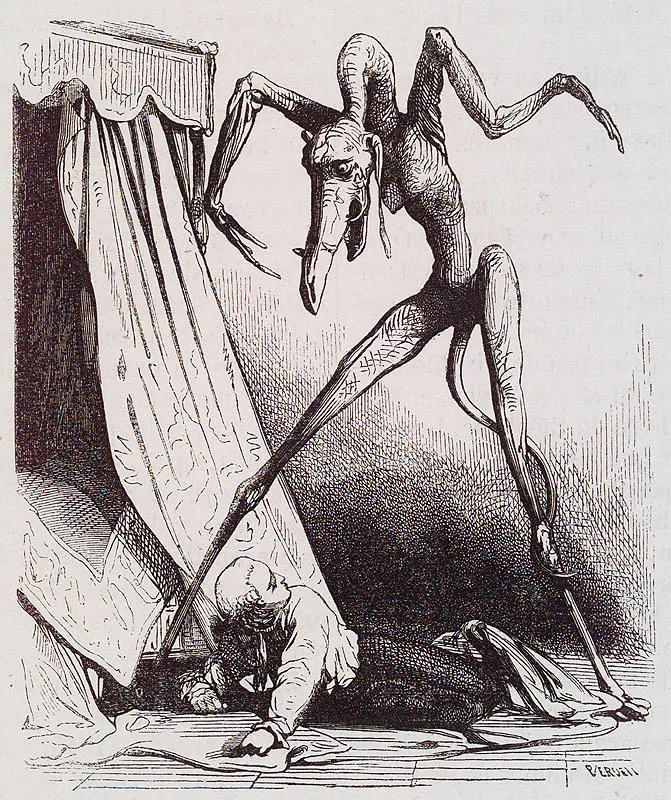
Demonology is the study, classification, and interpretation of demons and related spirits. In Western religious history it has included theological arguments about the nature and powers of demons, lists of named spirits, explanations of possession and temptation, magical techniques for summoning or constraining spirits, and folklore about dangerous supernatural beings. Modern theistic Satanists and…
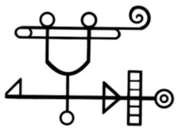
A Goetic marquis depicted as a lion-headed soldier, associated with fortifications and wounds.
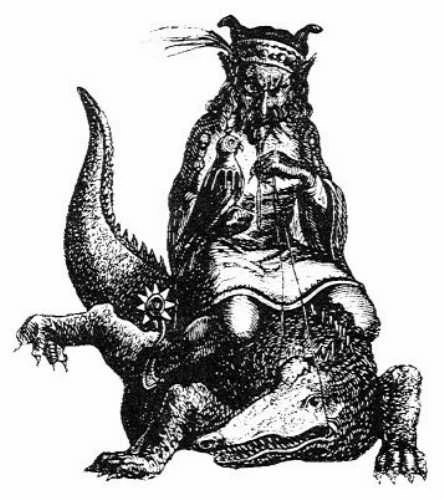
The second Goetic spirit, described as an elderly rider with a crocodile and a goshawk.
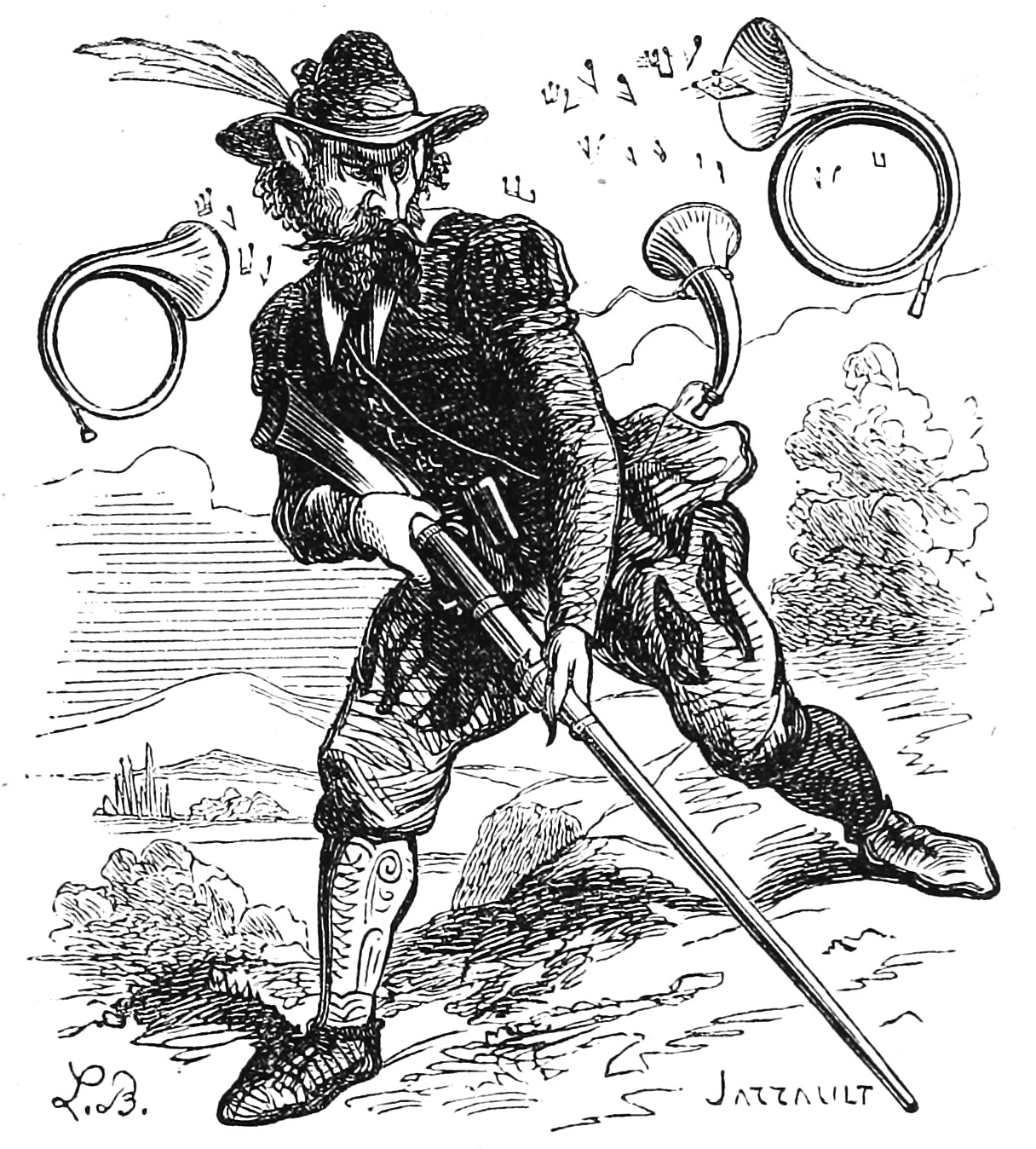
A Goetic duke connected with the speech of animals, enchanted treasure, and reconciliation.
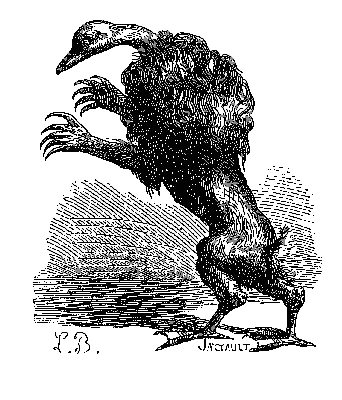
A Goetic spirit with an angelic body, lion head, goose foot, and hare tail, associated with knowledge and boldness.
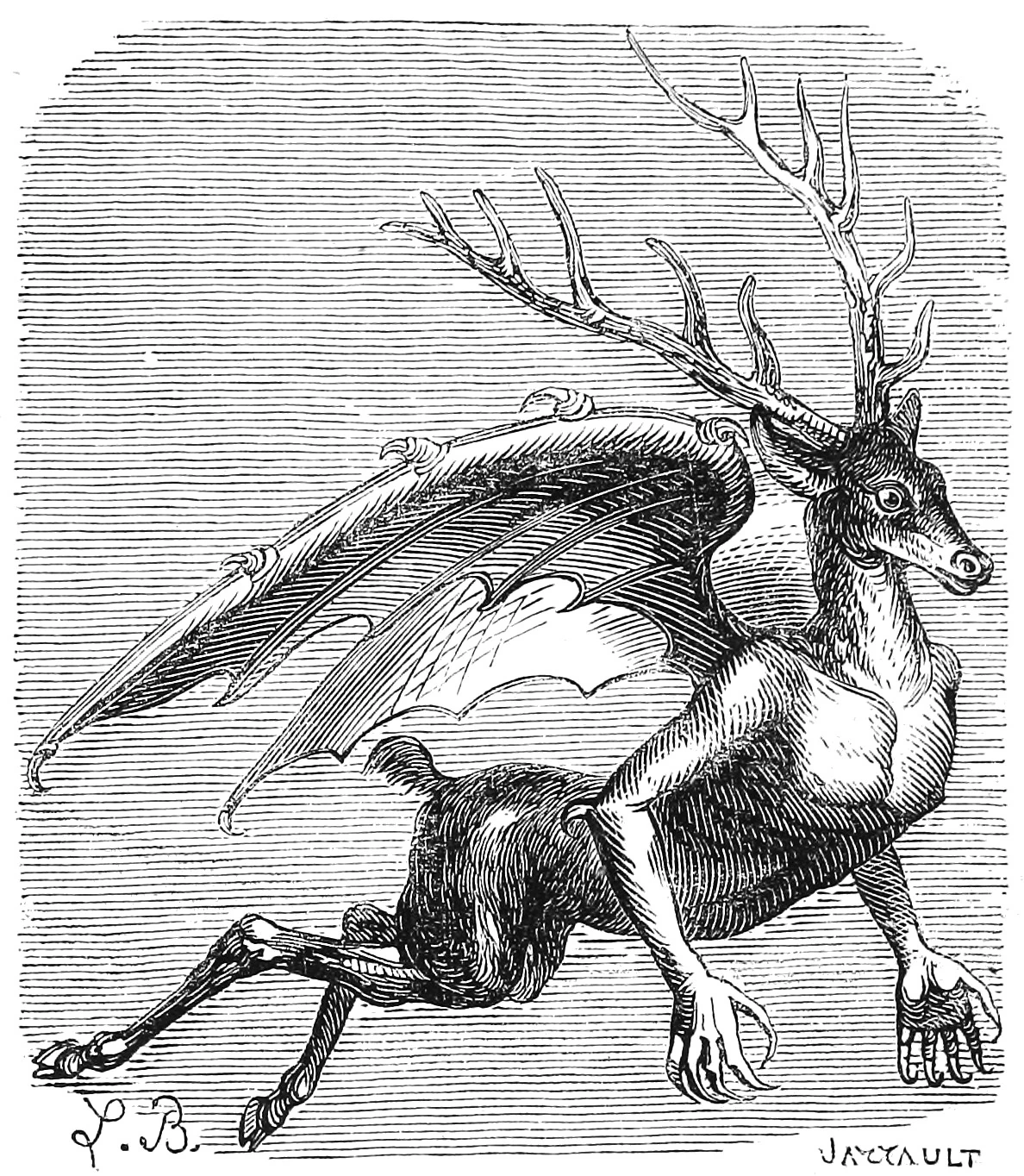
A Goetic earl depicted as a hart with a fiery tail, associated with storms and constrained answers.
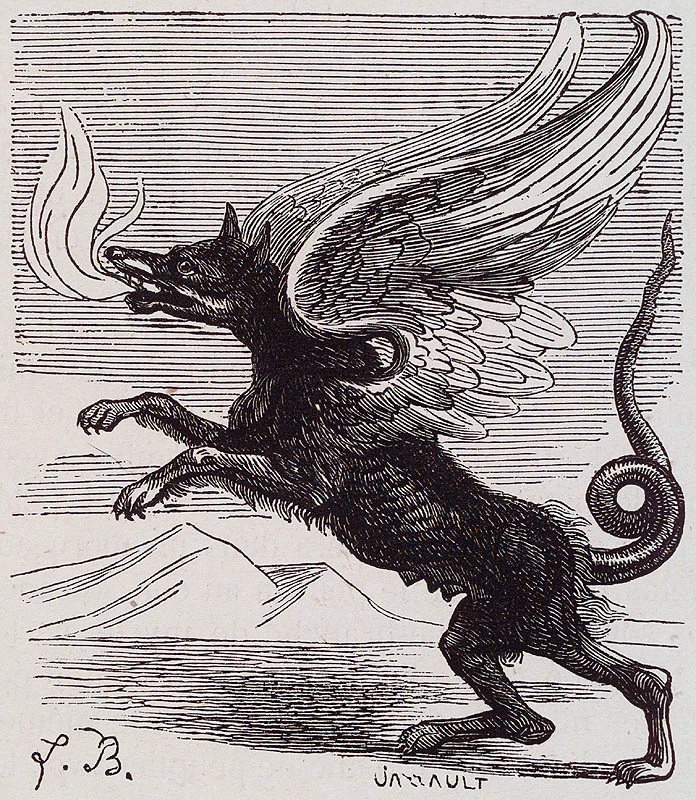
A Goetic marquis with a winged wolf form, described as a fighter who hopes to return to a heavenly throne.
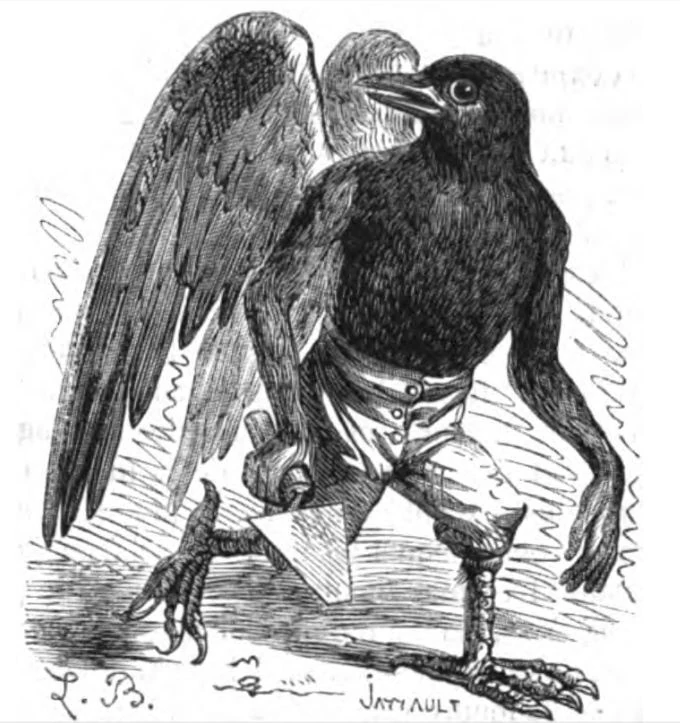
A Goetic president in a dark bird form, associated with building and a warning about offerings.
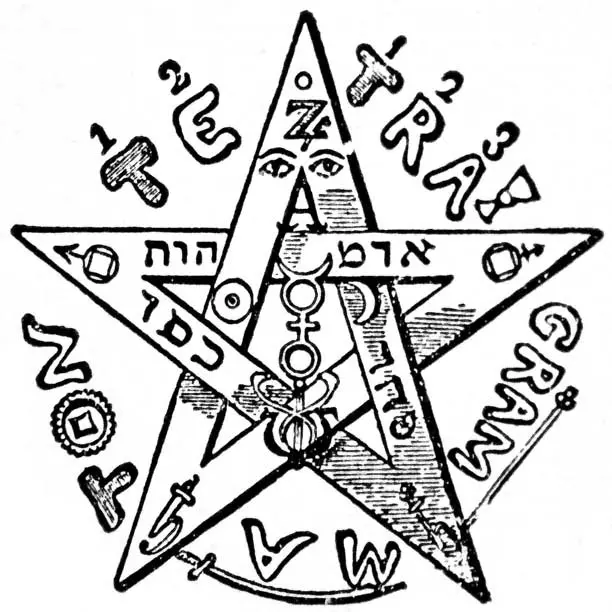
Occultism and Western esotericism provide an important historical and intellectual background for many forms of modern Satanism, but neither term is a synonym for Satanism. Western esotericism is an academic field encompassing currents such as Renaissance Hermetism, alchemy, astrology, Christian theosophy, Kabbalistic reception, Rosicrucianism, ceremonial magic, spiritualism, occultism, and later…

A Goetic prince associated with finding lost things and knowledge of past and future events.
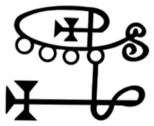
A Goetic duke whose description combines a lion-like form with a warning about theft and familiar spirits.
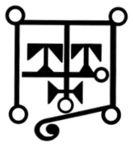
A Goetic spirit with the titles president and earl, associated with knowledge and reconciliation.
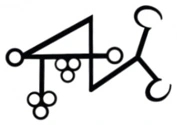
A Goetic spirit called Morax or Marax, associated with astronomy and the properties of plants and stones.
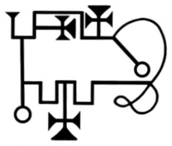
A Goetic marquis in phoenix form, associated with poetry, learning, and a hope of heavenly restoration.