Demonology & Spirits
Orias
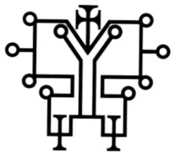
A mounted Goetic marquis whose office includes the stars, planetary mansions, and social dignities.
A mounted Goetic marquis whose office includes the stars, planetary mansions, and social dignities.
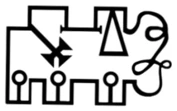
A mounted Goetic marquis associated with grammar, rhetoric, logic, and hidden treasure.
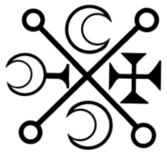
A Goetic marquis appearing as a star, associated with plants, stones, and bird-like apparitions.

A Goetic prince riding a winged horse, associated with rapid movement and the recovery of hidden things.
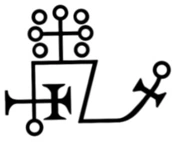
A many-faced Goetic duke carrying a book, associated with thoughts, knowledge, and visions of other people.
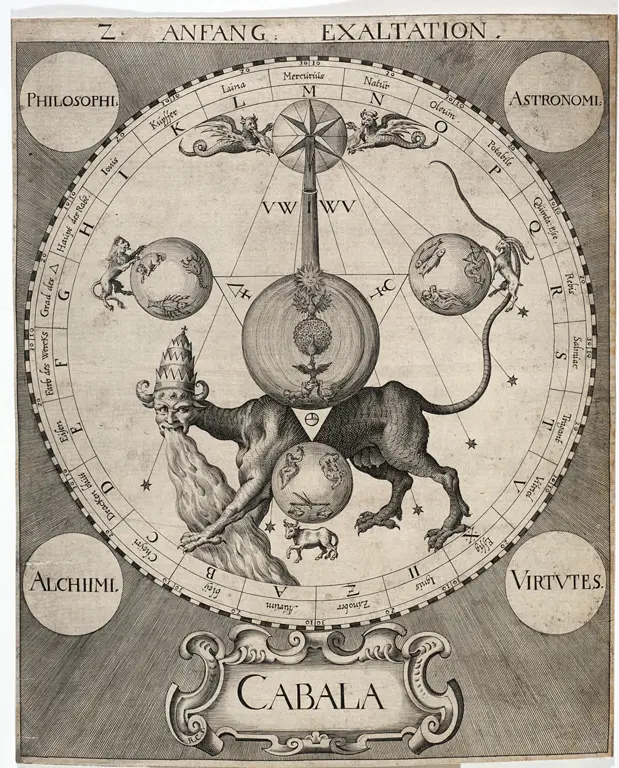
An initiatory order whose Draconian system brings together Qliphoth, Goetic magic, alchemy, and other esoteric traditions.
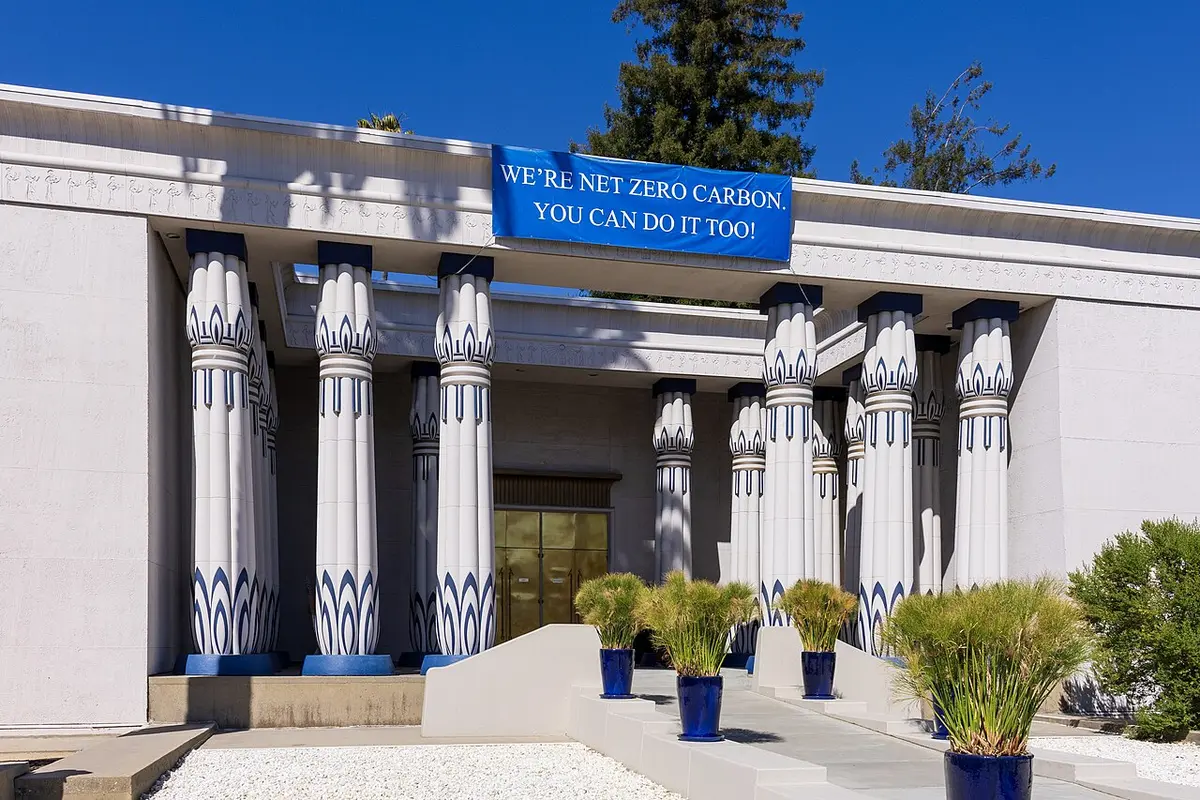
A modern Rosicrucian organization, usually called AMORC, that teaches through lessons and local study groups.
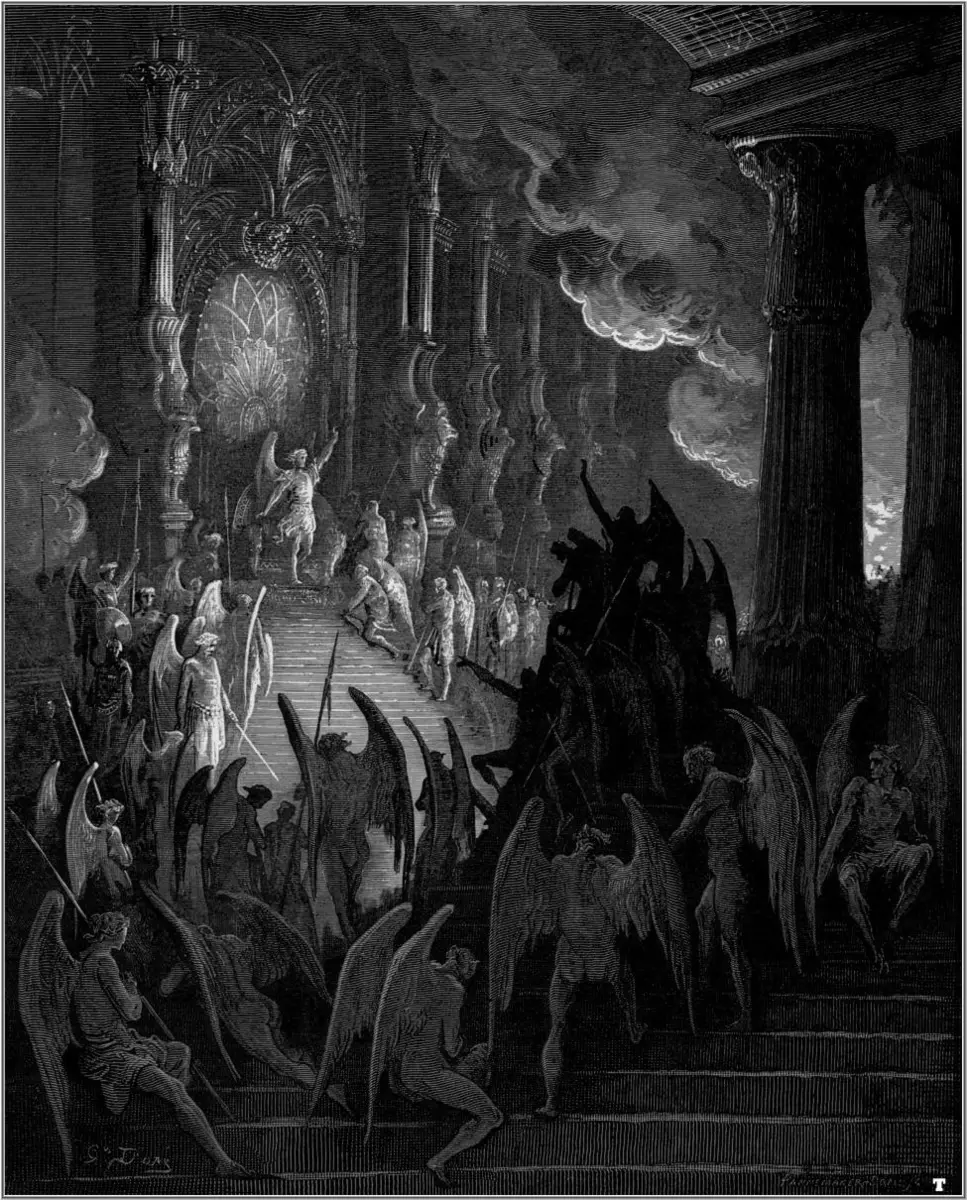
A nontheistic Satanic organization whose public principles emphasize self-determination, compassion, and responsibility.
The grimoire compilation known as the Lemegeton, including the Goetia and several angelic arts.
The second part of the Lemegeton, arranging aerial spirits through princes, directions, and wandering hierarchies.
The Pauline Art in the Lemegeton, concerning angels of the hours and the degrees of the zodiac.
An angelic art in the Lemegeton, using a wax tablet, candles, and a hierarchy of heavenly altitudes.
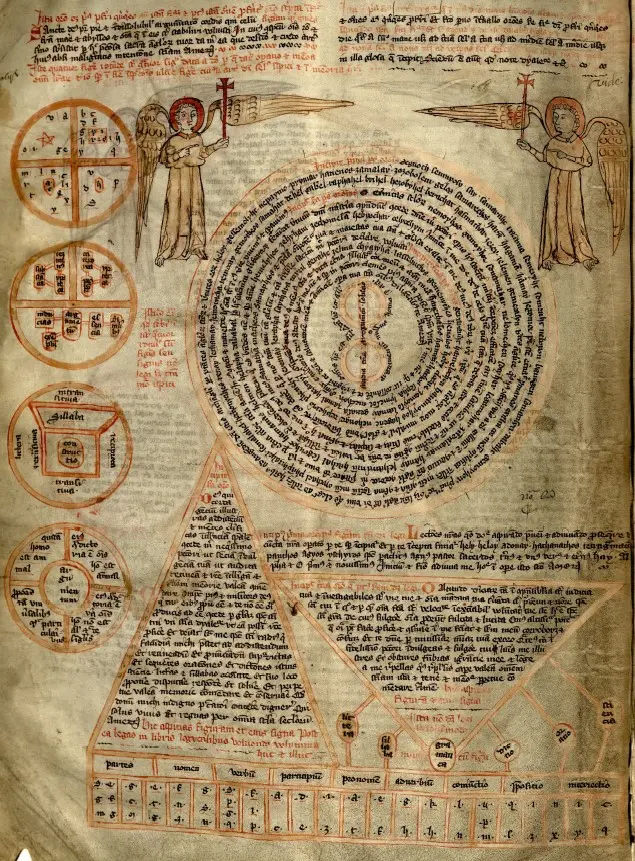
A medieval art of prayer and contemplation intended to confer learning, memory, and eloquence.
A grimoire with a hierarchy centered on Lucifer, Beelzebub, and Astaroth, followed by spirit operations and practical recipes.
The medieval Liber Juratus, a work of sacred magic concerned with divine vision, angels, and ritual authority.
The Slavonic Enochic work also known as the Book of the Secrets of Enoch, describing ascent, creation, and instruction.

A founder and major author of the Temple of Set, associated with the modern Setian interpretation of Xeper.
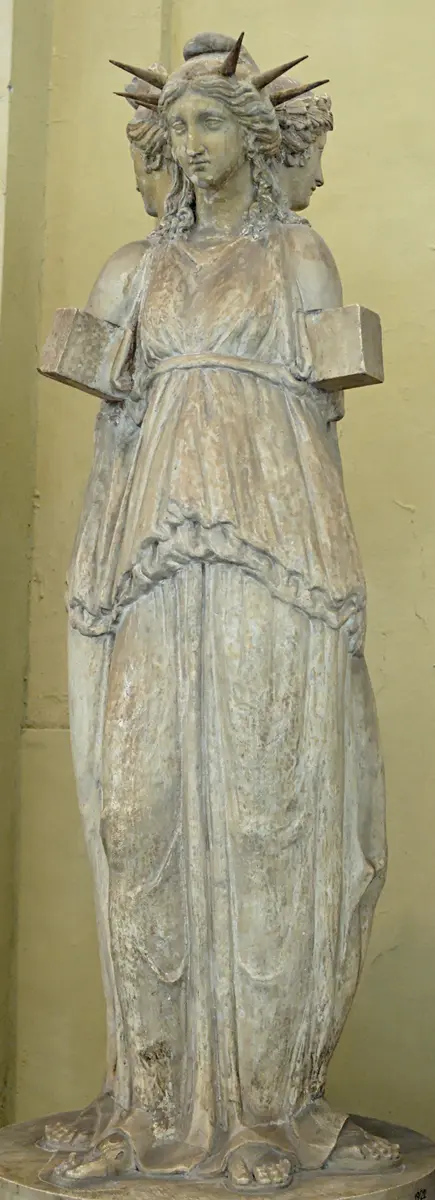
A Greek goddess with broad early powers and later associations with crossroads, spirits, and magic.
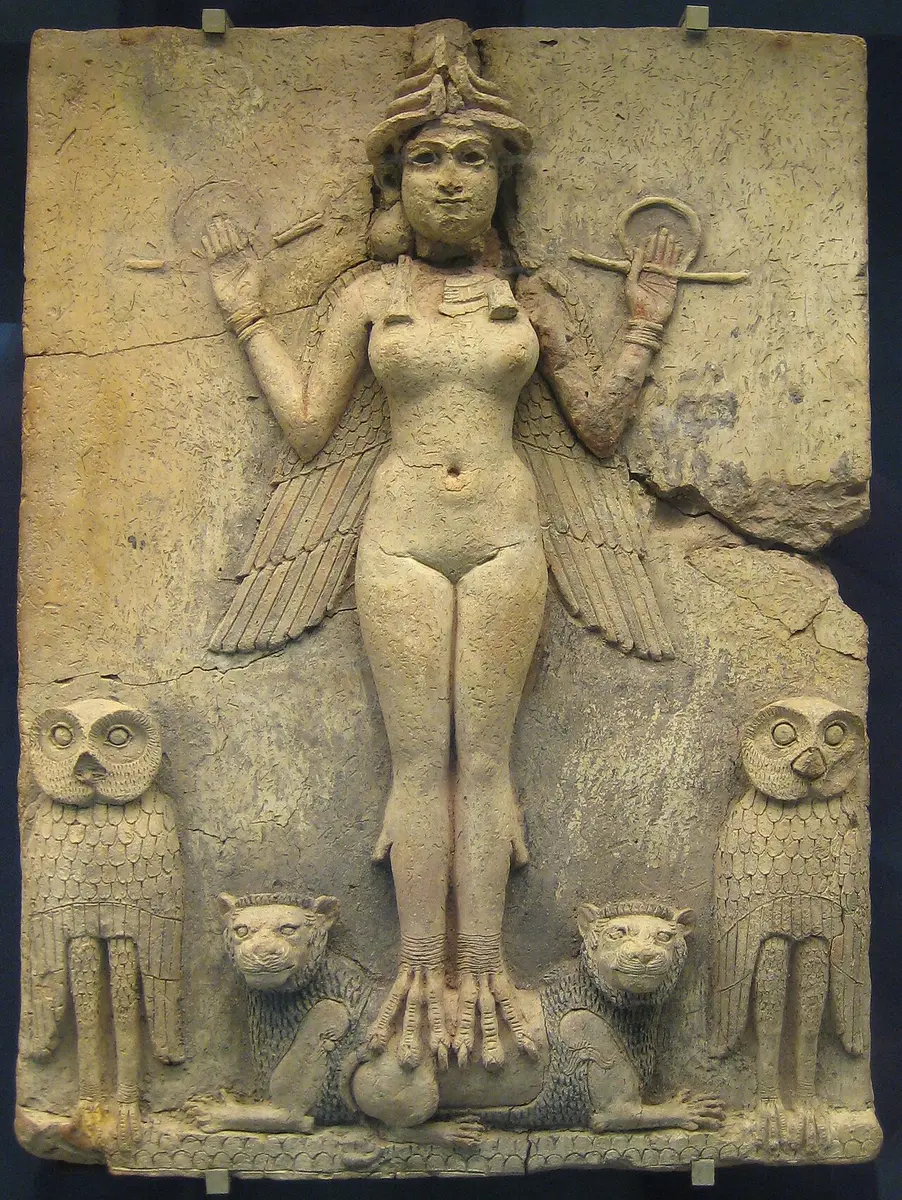
A Mesopotamian queen of the underworld, known through myths of descent and traditions concerning Nergal.
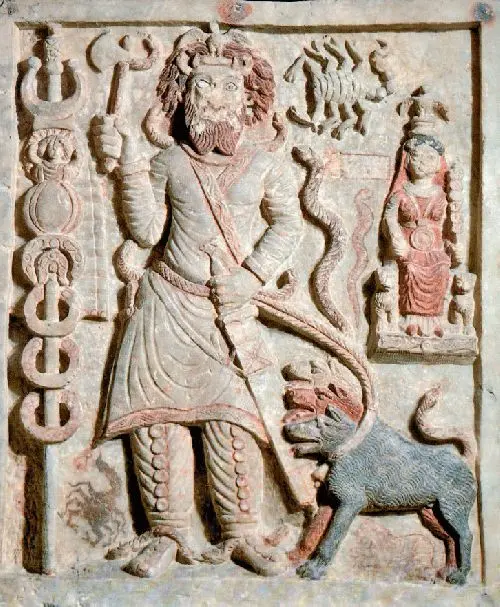
A Mesopotamian deity associated with death, war, disease, and the underworld.