Demonology & Spirits
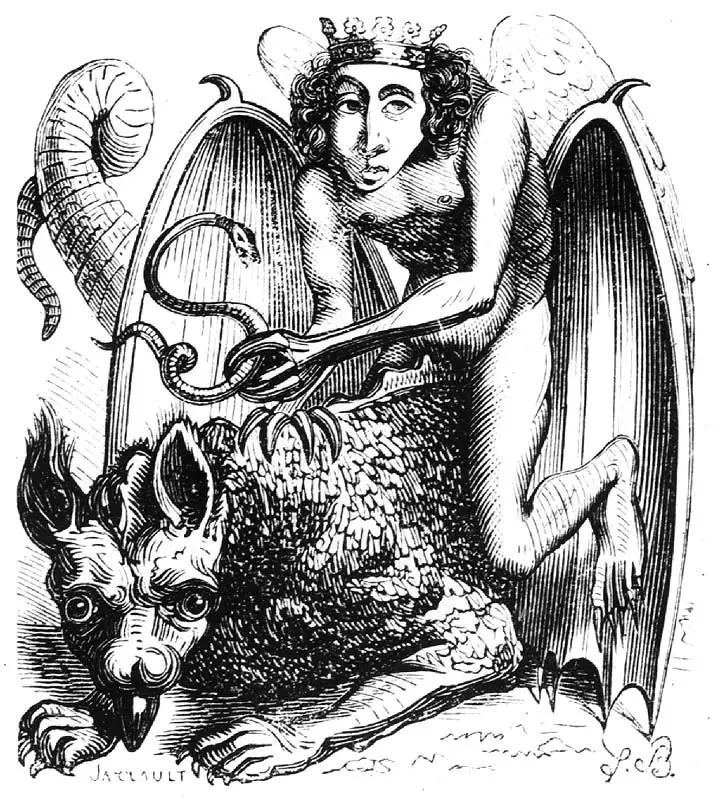
Astaroth
Astaroth appears in early modern spirit catalogues and later illustrated demonology. Source editions matter when comparing the figure’s rank, appearance, and supposed knowledge.
Astaroth appears in early modern spirit catalogues and later illustrated demonology. Source editions matter when comparing the figure’s rank, appearance, and supposed knowledge.
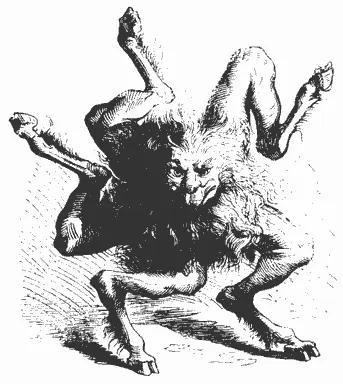
Buer is a spirit associated in magical catalogues with learning and healing. The well-known radial illustration belongs to later printed demonology.
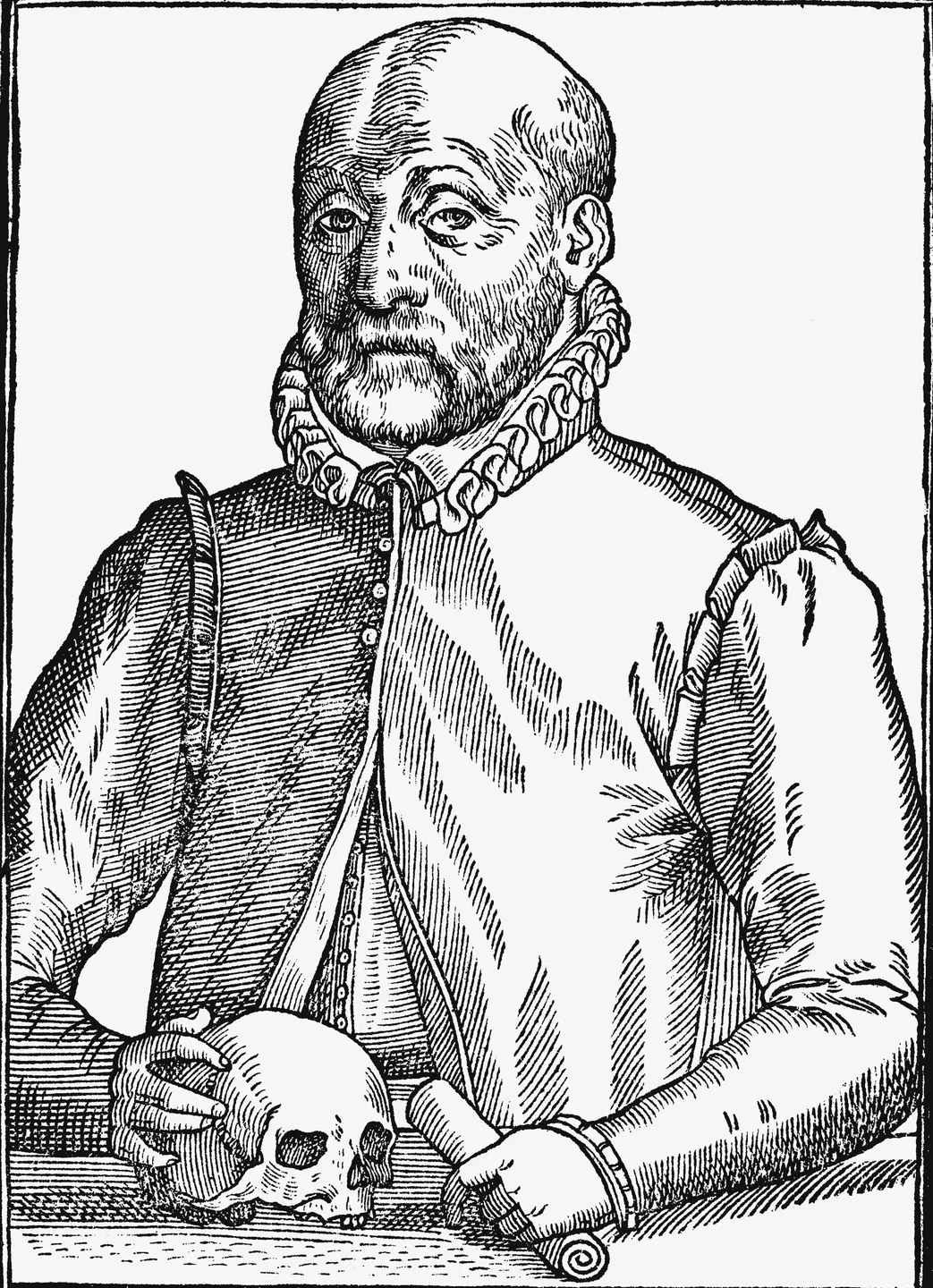
Pseudomonarchia Daemonum is a spirit catalogue associated with Johann Weyer. Its transmission helps explain similarities and differences in the later Ars Goetia.
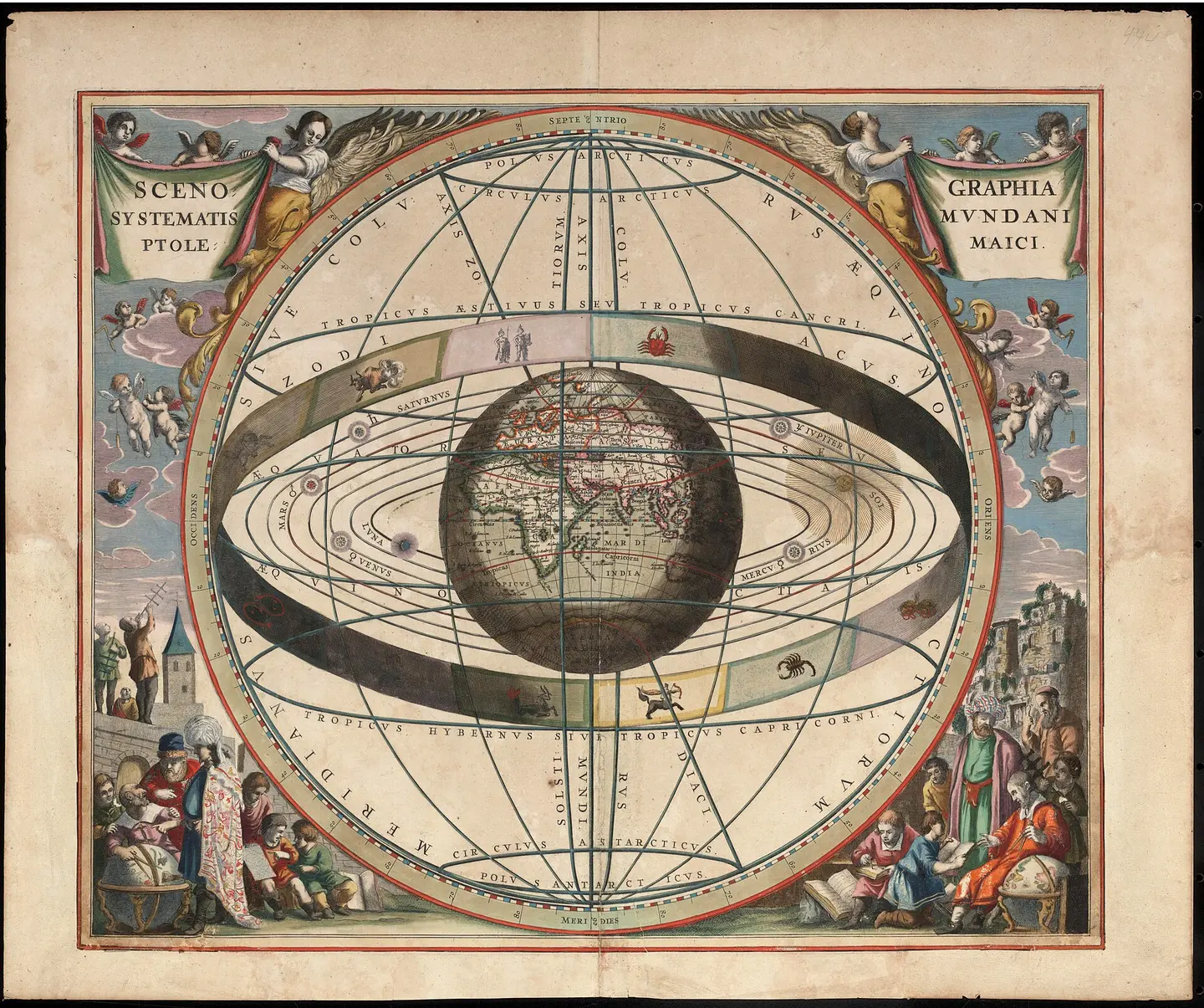
Astrology has supplied language and organizing systems to Western esoteric texts. Its historical role should be distinguished from demonstrated predictive effectiveness.
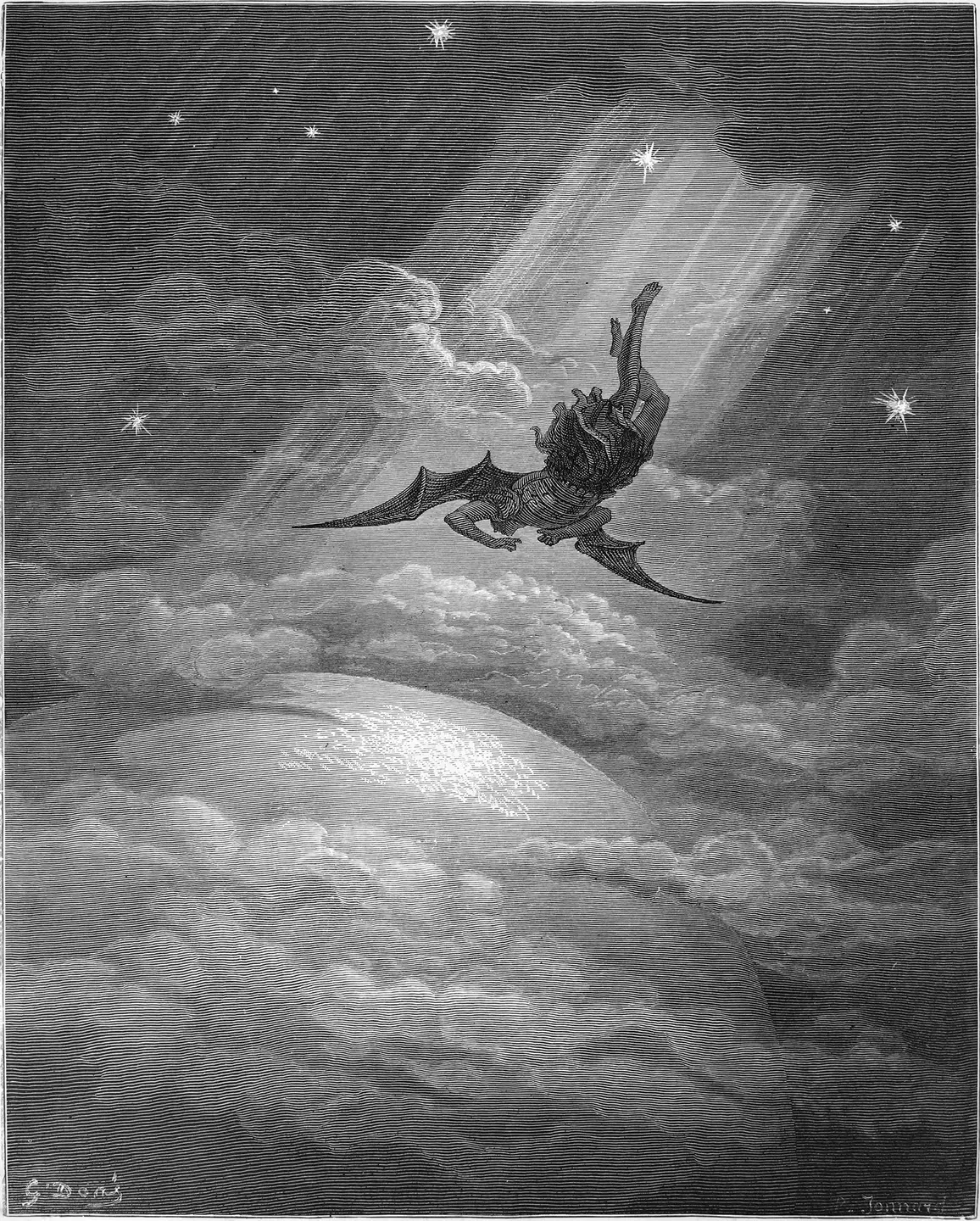
Luciferianism describes different religious and philosophical approaches that give Lucifer a positive role. Belief, practice, and identity vary among writers and communities.
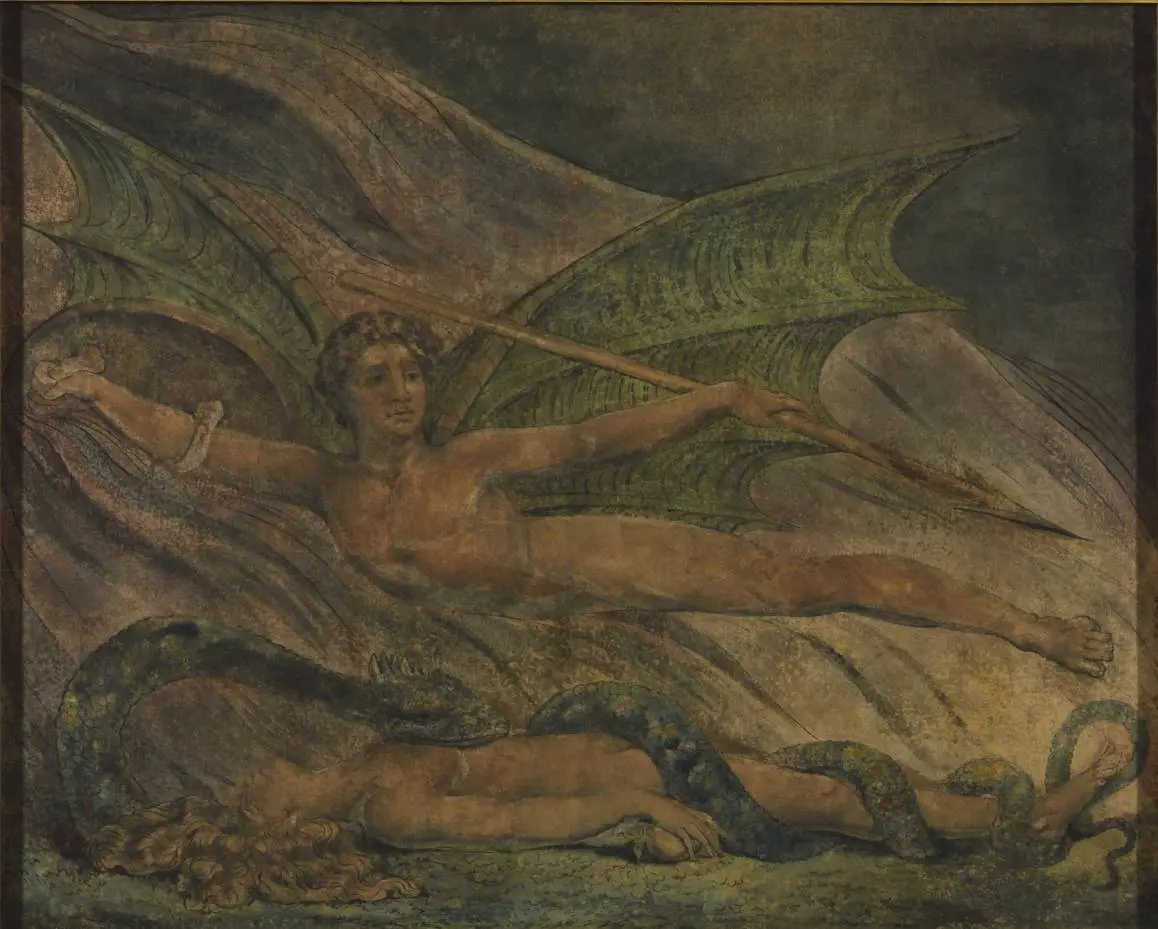
Romantic Satanism concerns literary and political readings that give Satan a positive role in opposition to tyranny or conventional authority. It should be distinguished from membership in a religious organization.
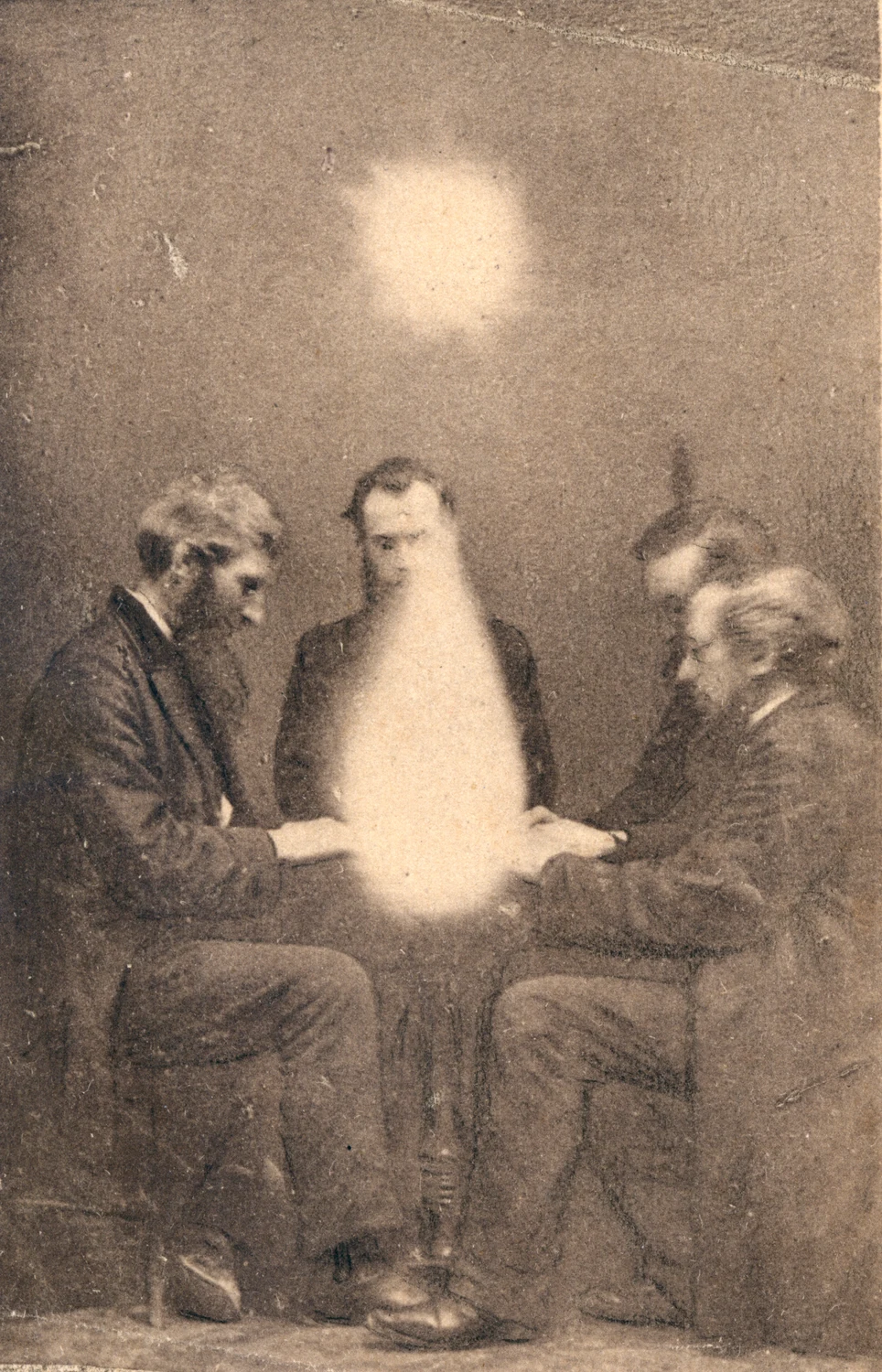
A religious movement centered on mediumship and continued personal identity after death, with church teachings and spirit photography.
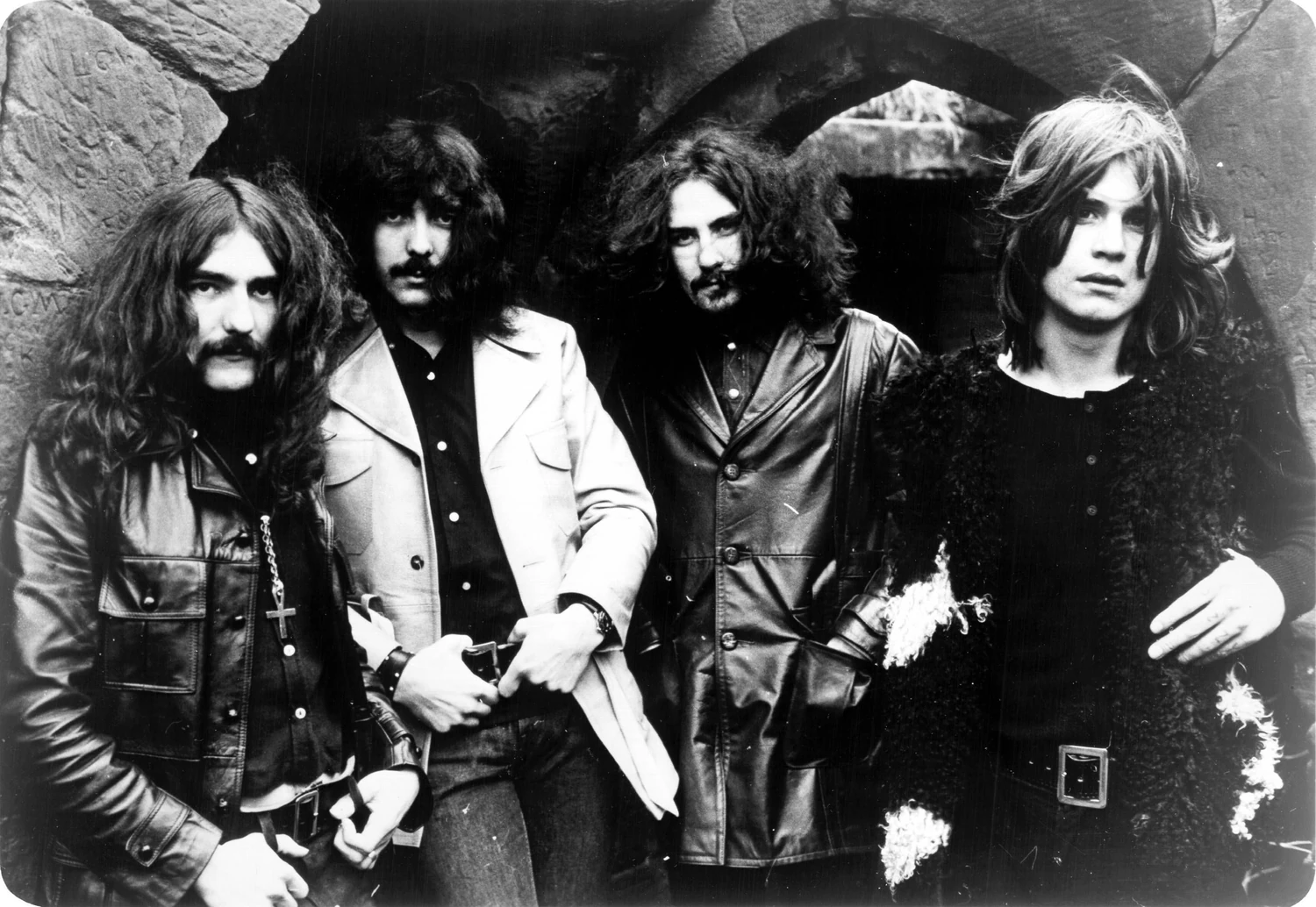
How Black Sabbath and Venom used dark or Satanic imagery, and why a song, stage character, and religious affiliation are different evidence.
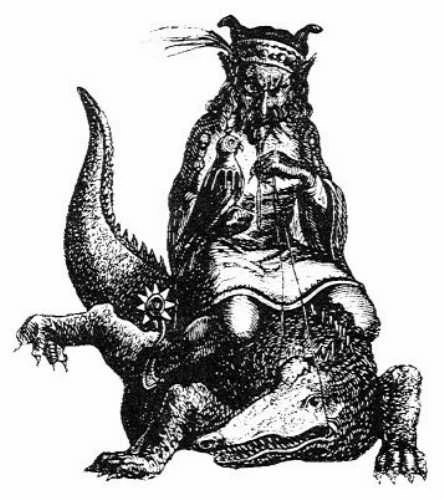
The second Goetic spirit, described as an elderly rider with a crocodile and a goshawk.
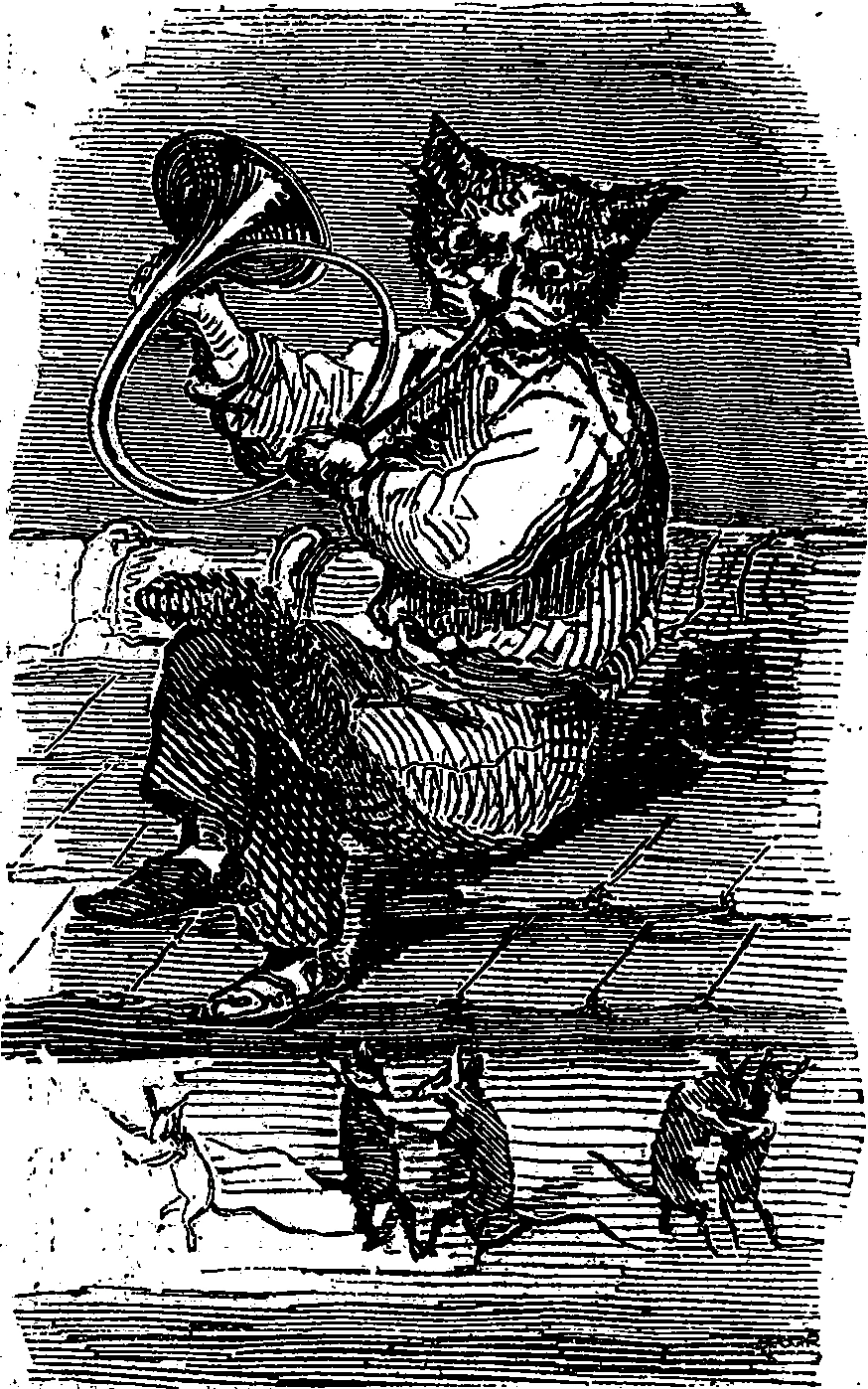
A Goetic king riding a pale horse, associated with desire and an elaborate ceremonial reception.
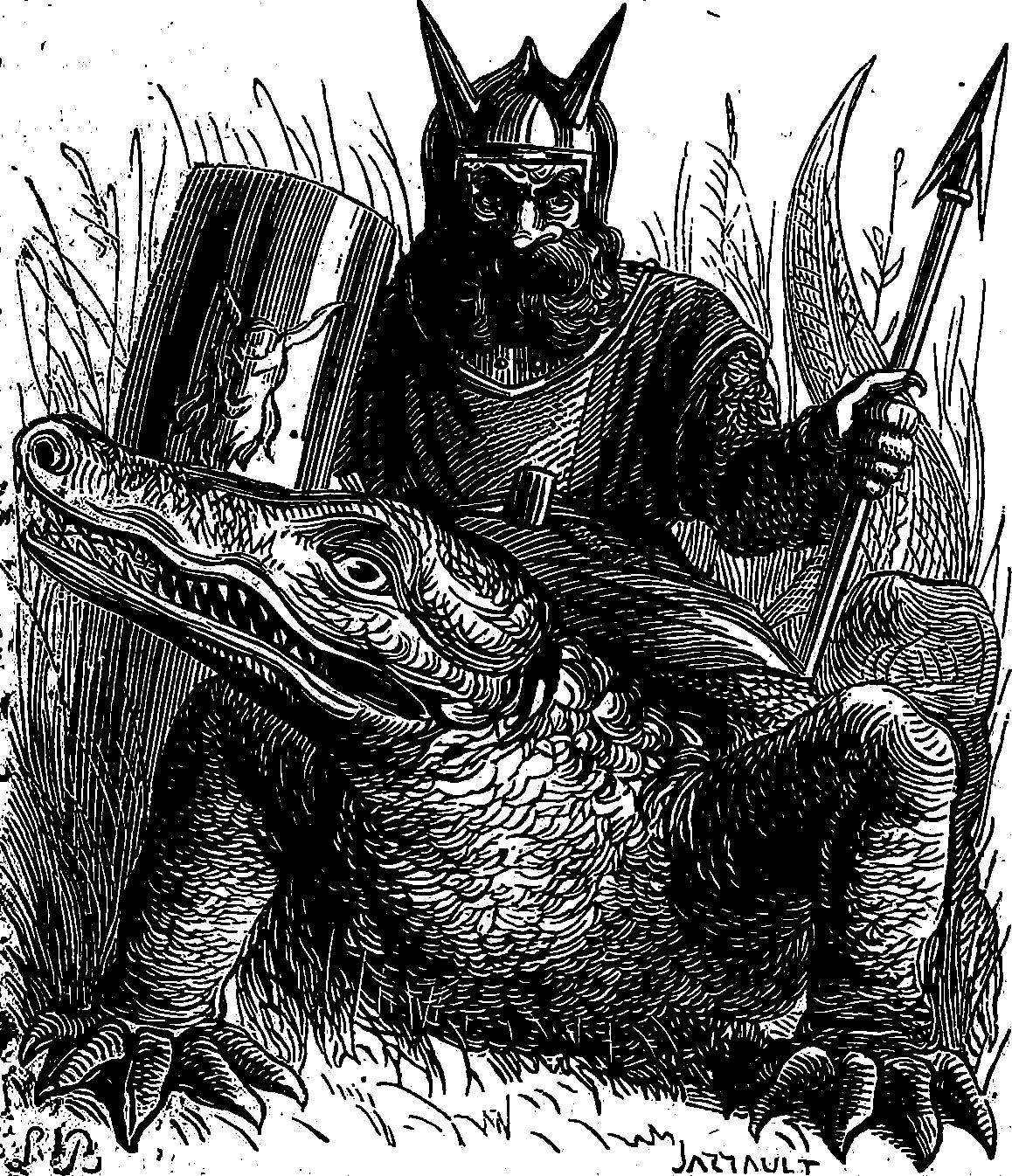
A Goetic duke, also called Saleos, described as a peaceful soldier riding a crocodile.
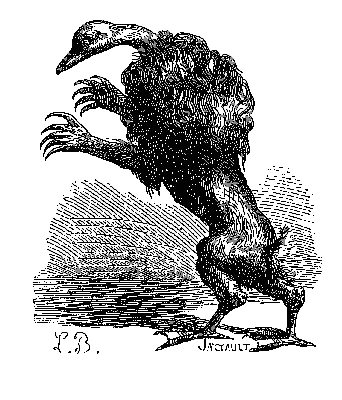
A Goetic spirit with an angelic body, lion head, goose foot, and hare tail, associated with knowledge and boldness.
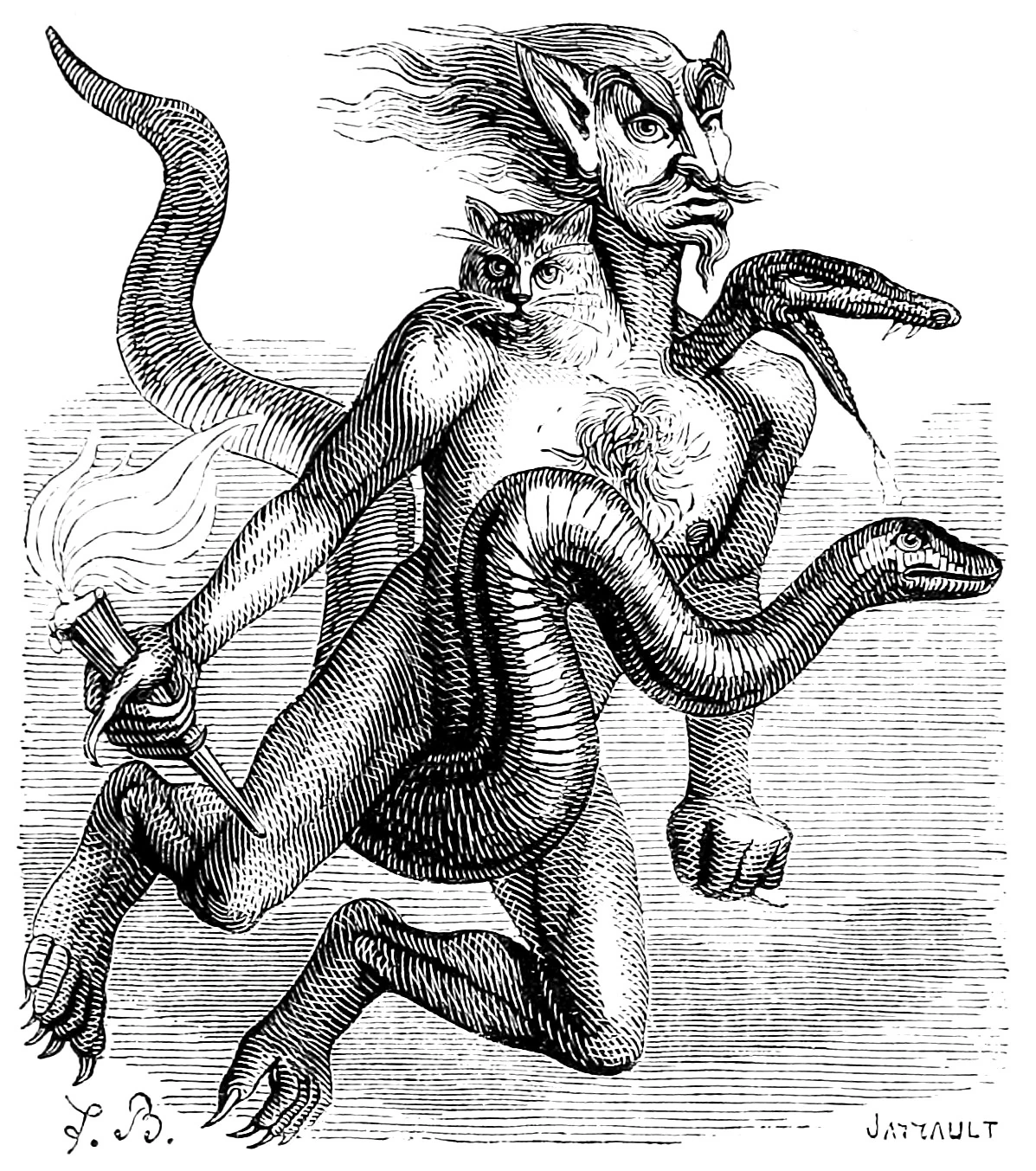
A Goetic duke with three heads, a serpent mount, and a firebrand, associated with fire and private questions.
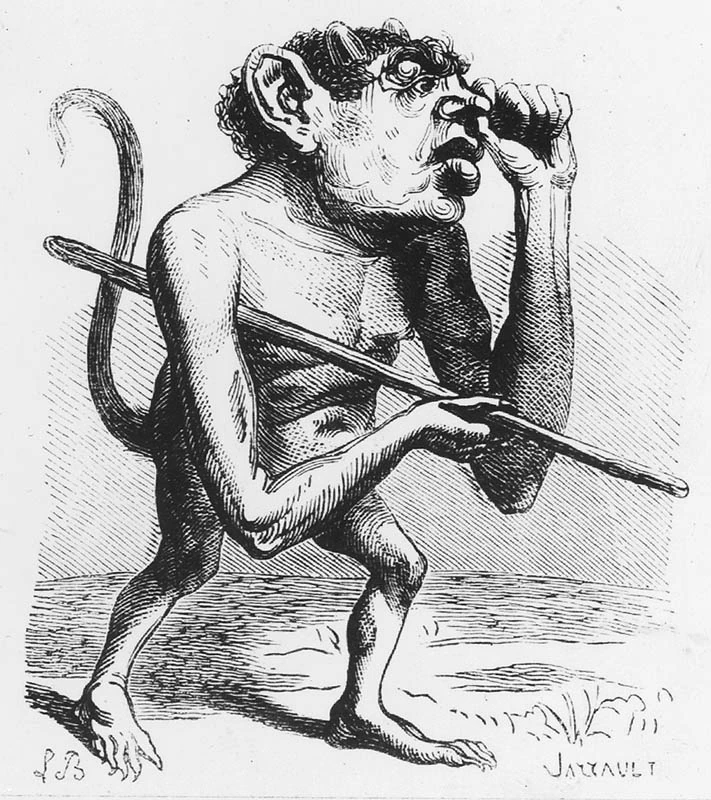
A Goetic spirit associated with rhetoric, languages, servants, and social favor.
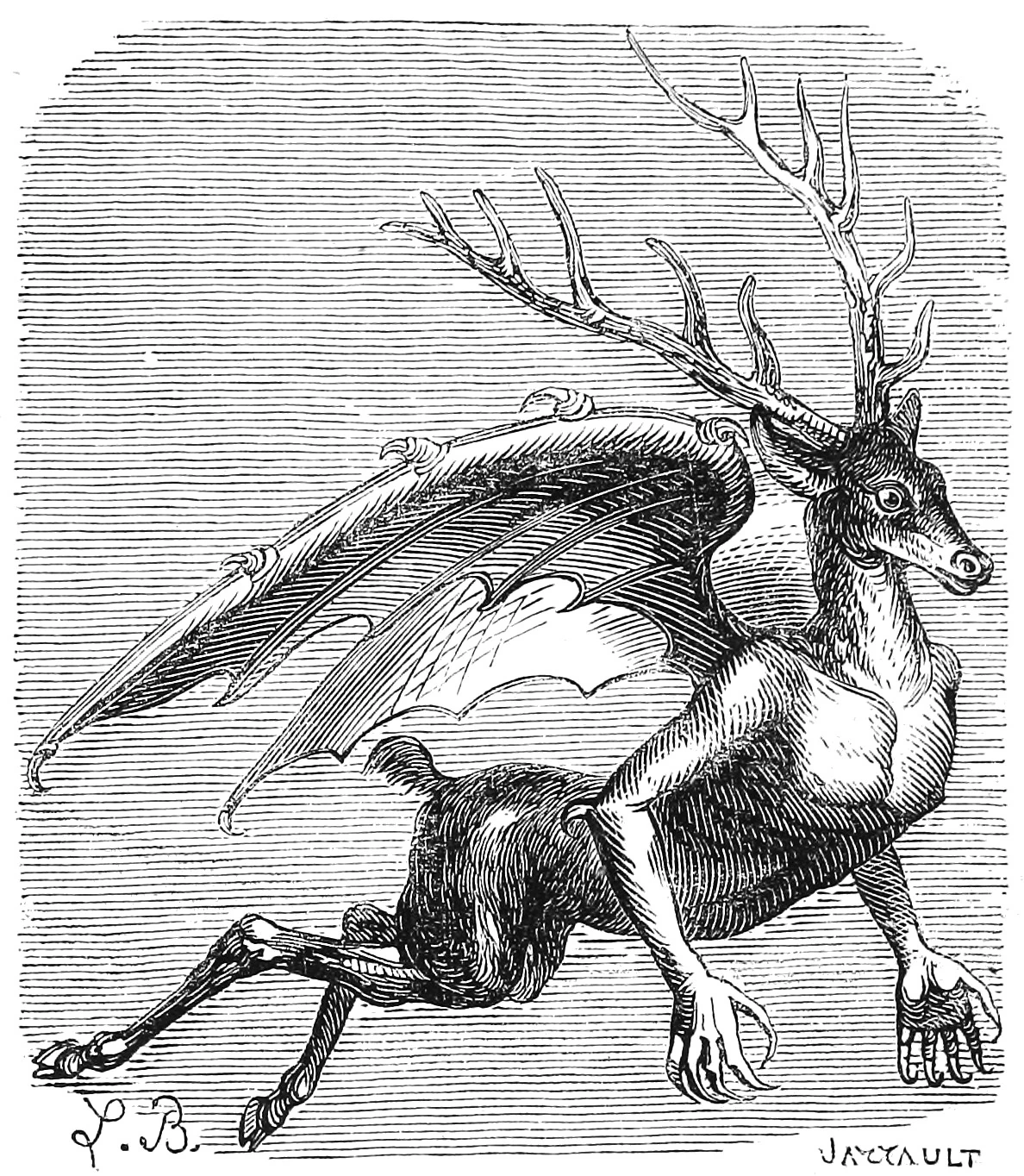
A Goetic earl depicted as a hart with a fiery tail, associated with storms and constrained answers.
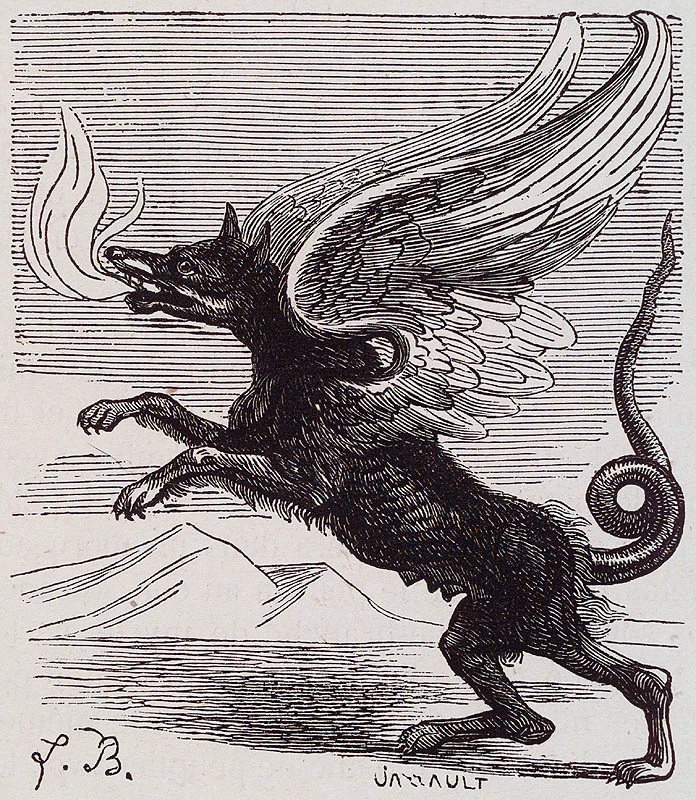
A Goetic marquis with a winged wolf form, described as a fighter who hopes to return to a heavenly throne.
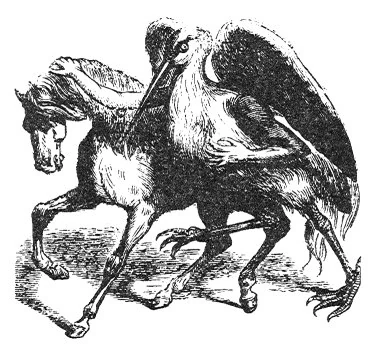
A Goetic marquis in bird form, associated with concealment, royal money, and unreliable answers.
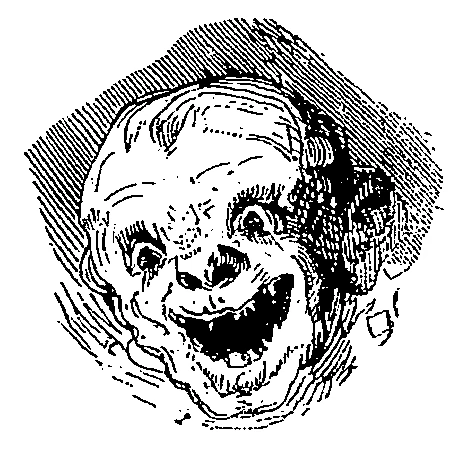
A Goetic earl associated with learned subjects, burial places, and lights at graves.
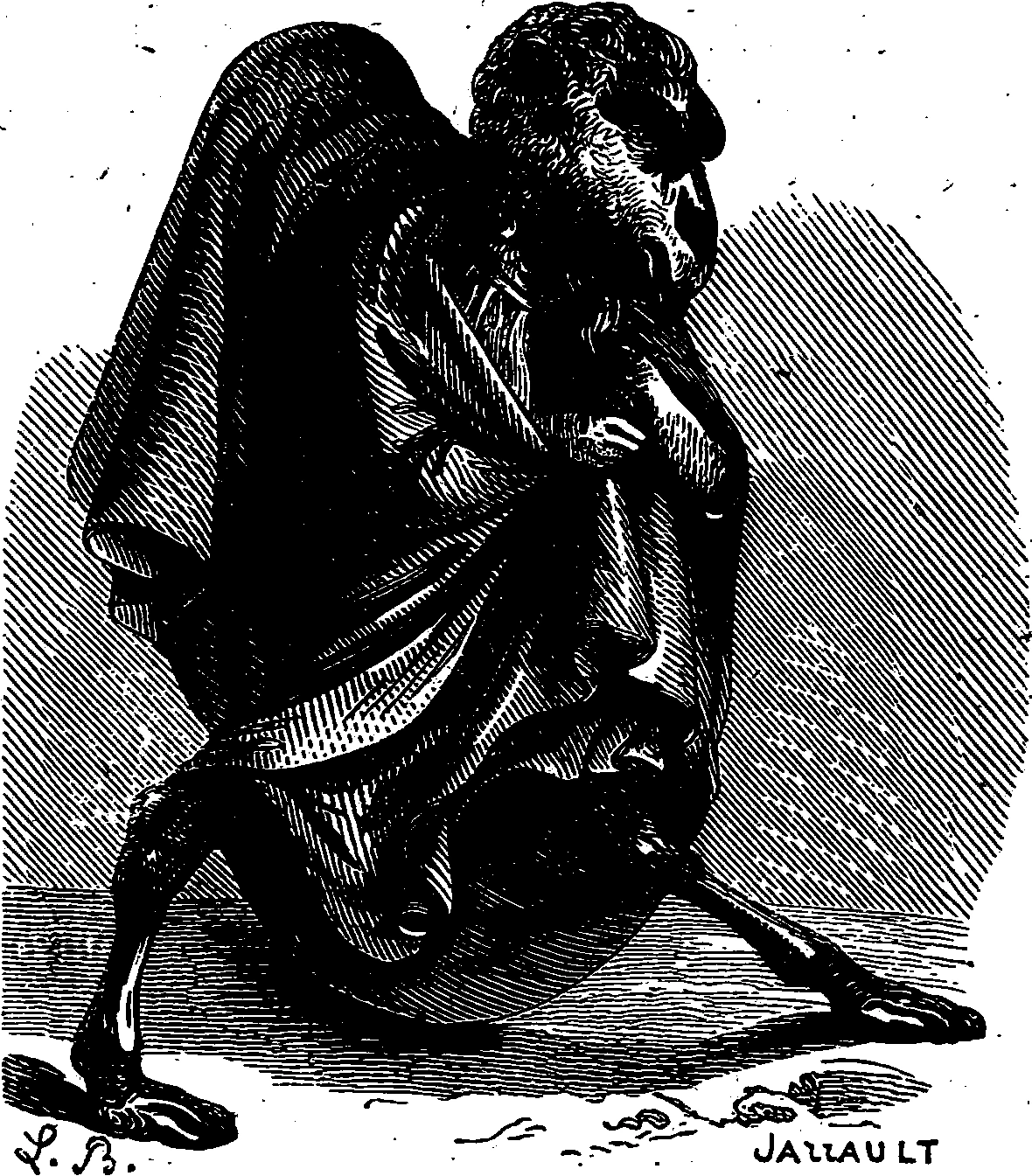
A Goetic duke first appearing as a dromedary, associated with affection, friendship, and knowledge.
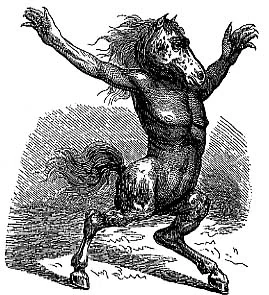
A Goetic prince portrayed as a horse and then a human, noted for the fidelity attributed to him.