Demonology & Spirits
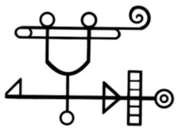
Sabnock
A Goetic marquis depicted as a lion-headed soldier, associated with fortifications and wounds.
A Goetic marquis depicted as a lion-headed soldier, associated with fortifications and wounds.

A Goetic spirit with royal and comital rank, associated with hidden things, walls, and stormy waters.
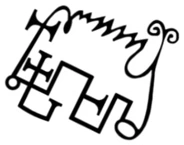
A Goetic president initially appearing as flame, associated with astrology, learning, familiars, and protected treasure.
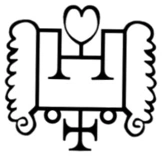
A winged lion-shaped Goetic duke associated with crafts, philosophy, and learned subjects.
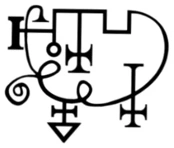
A peacock-shaped Goetic marquis associated with geometry, measurement, astronomy, and bird transformation.
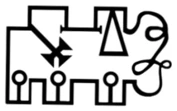
A mounted Goetic marquis associated with grammar, rhetoric, logic, and hidden treasure.
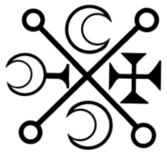
A Goetic marquis appearing as a star, associated with plants, stones, and bird-like apparitions.
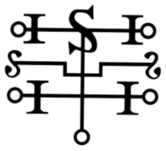
The final Goetic spirit, associated with stolen goods, concealed wrongdoing, and hidden treasure.
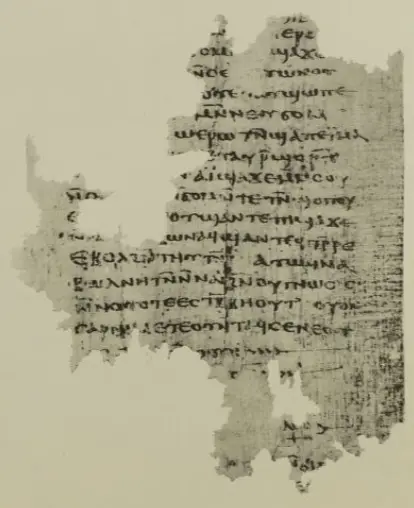
A modern umbrella term for several ancient religious movements and texts concerned with saving knowledge and divine origins.
A grimoire with a hierarchy centered on Lucifer, Beelzebub, and Astaroth, followed by spirit operations and practical recipes.
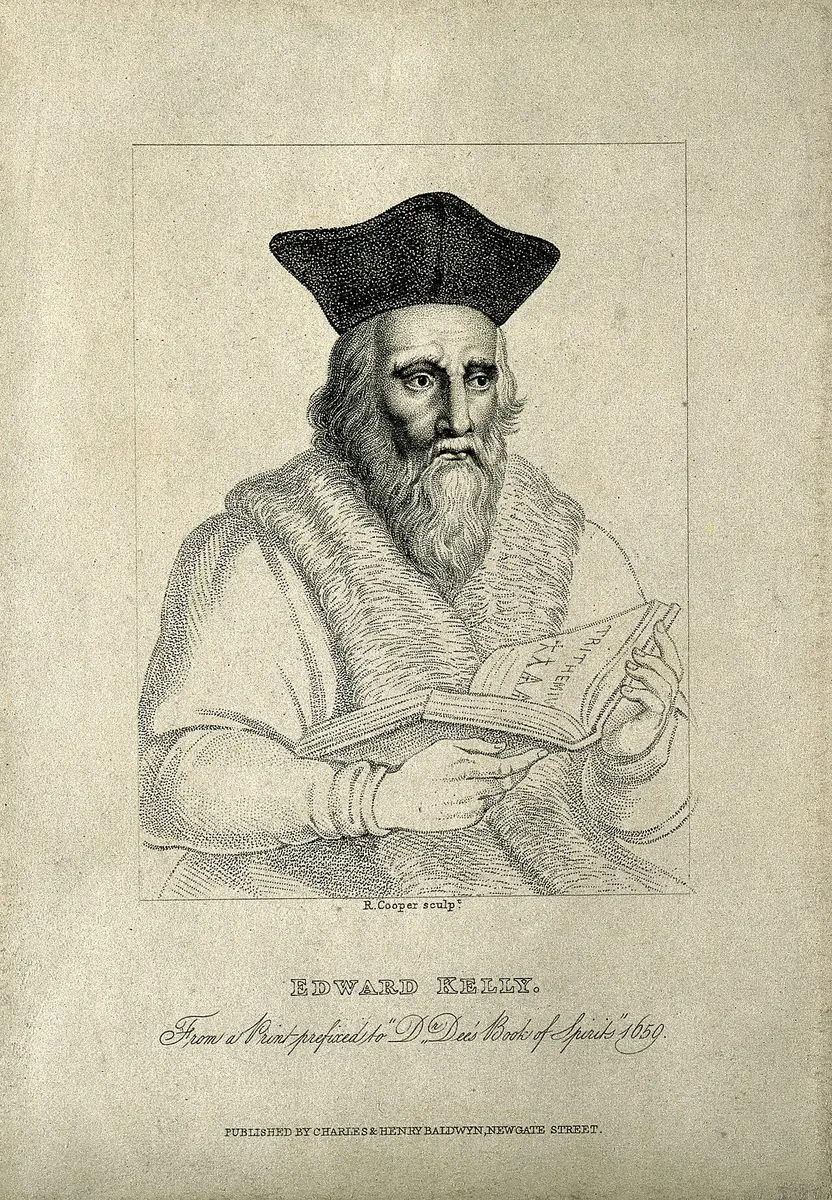
The scryer associated with John Dee’s recorded spirit conversations and later alchemical pursuits.
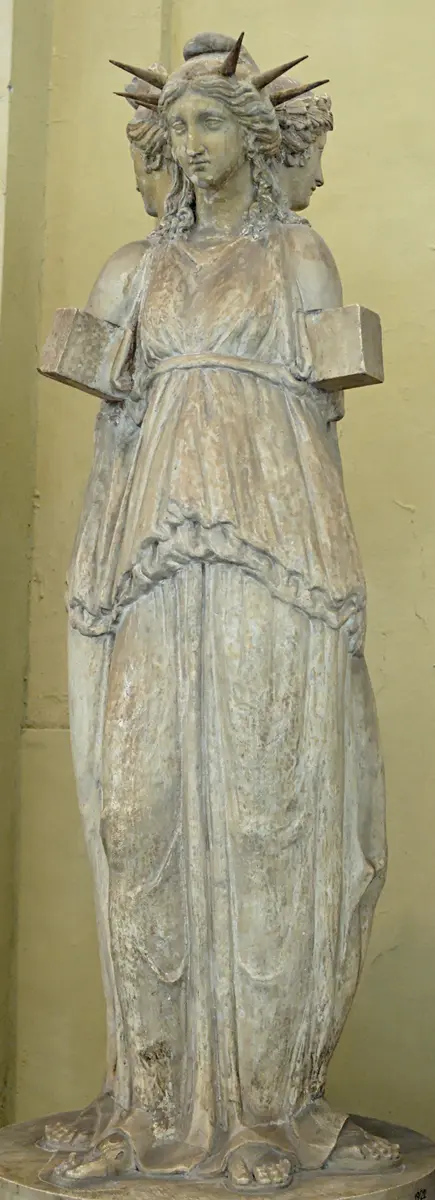
A Greek goddess with broad early powers and later associations with crossroads, spirits, and magic.
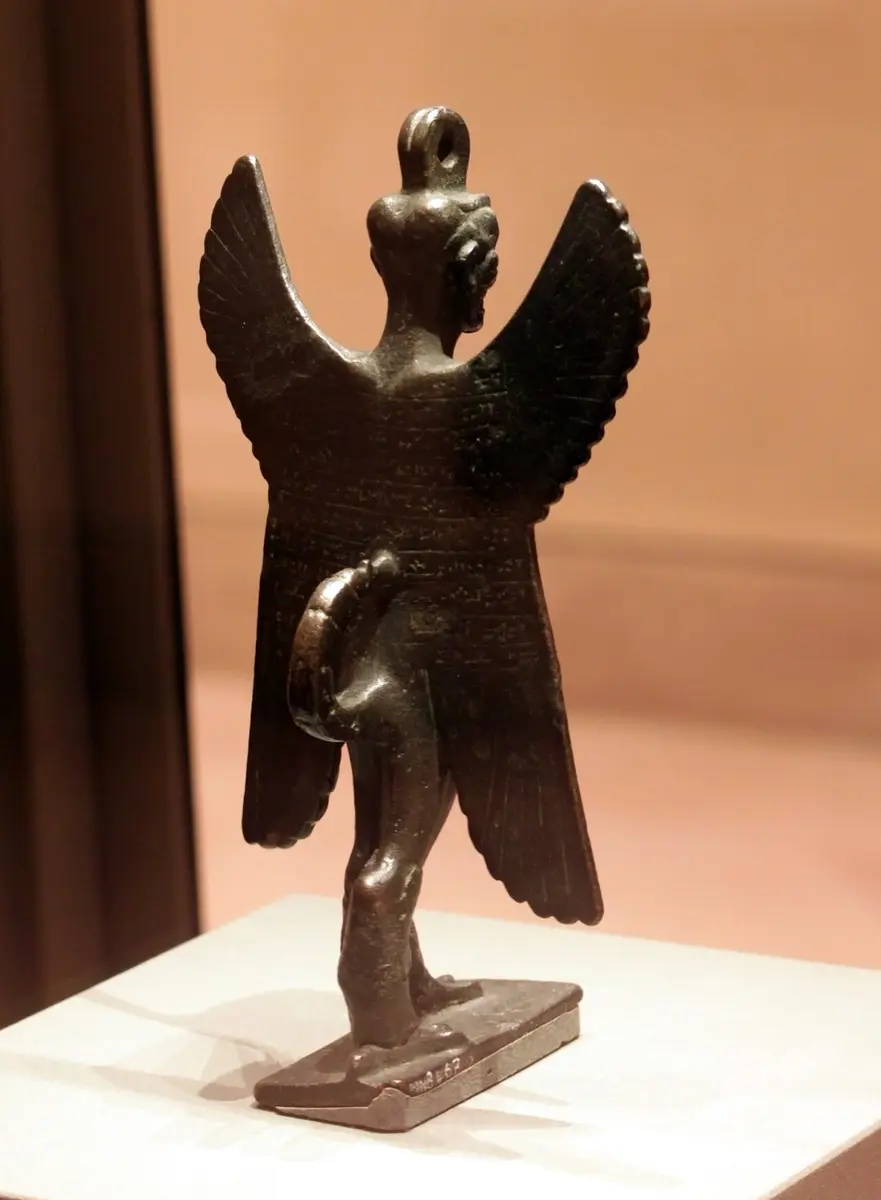
A Mesopotamian wind demon whose image was also used protectively, especially against Lamashtu.
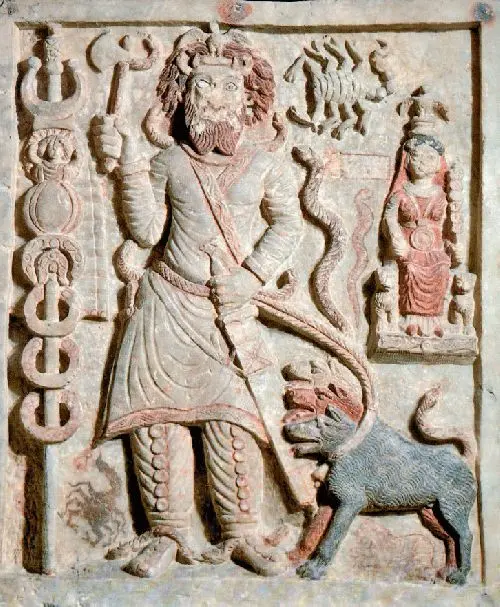
A Mesopotamian deity associated with death, war, disease, and the underworld.
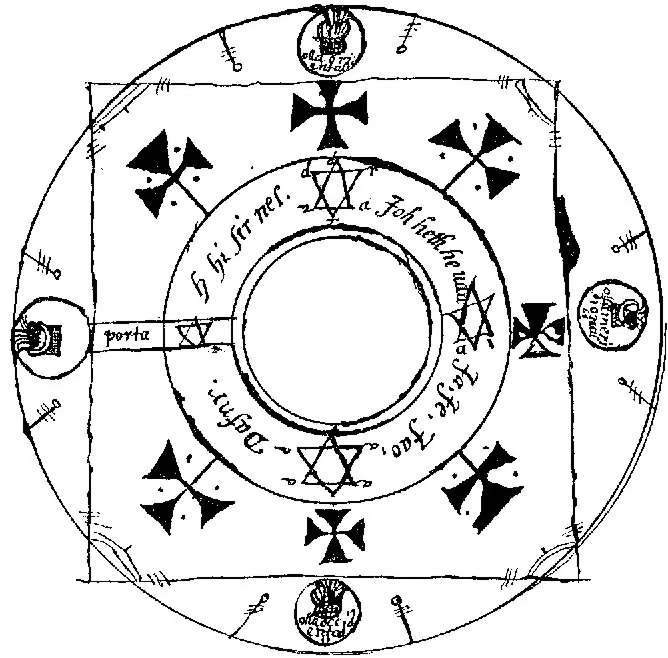
A marked ritual space whose names, divisions, and purpose differ among magical texts and modern traditions.
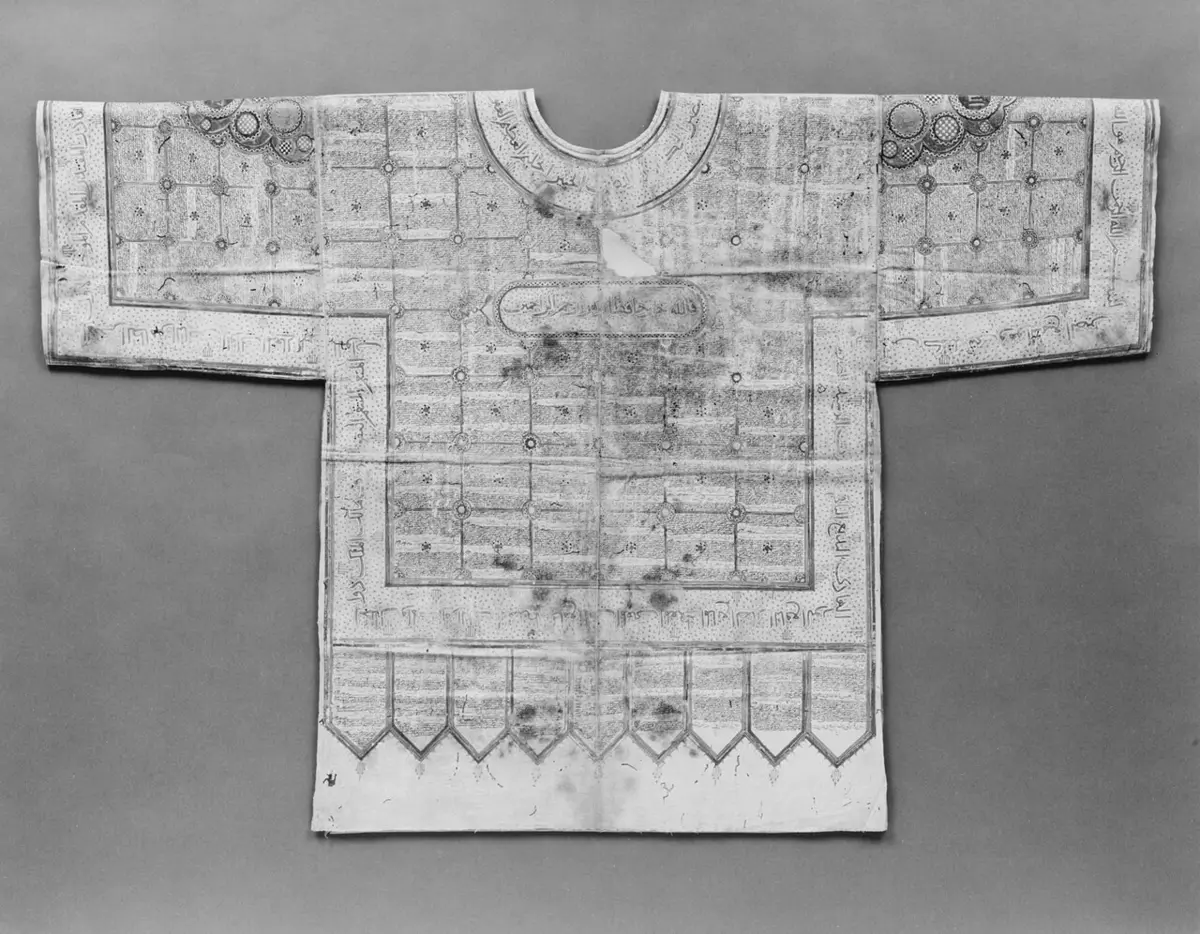
Objects prepared or used for a particular effect through inscriptions, images, materials, and ritual meaning.
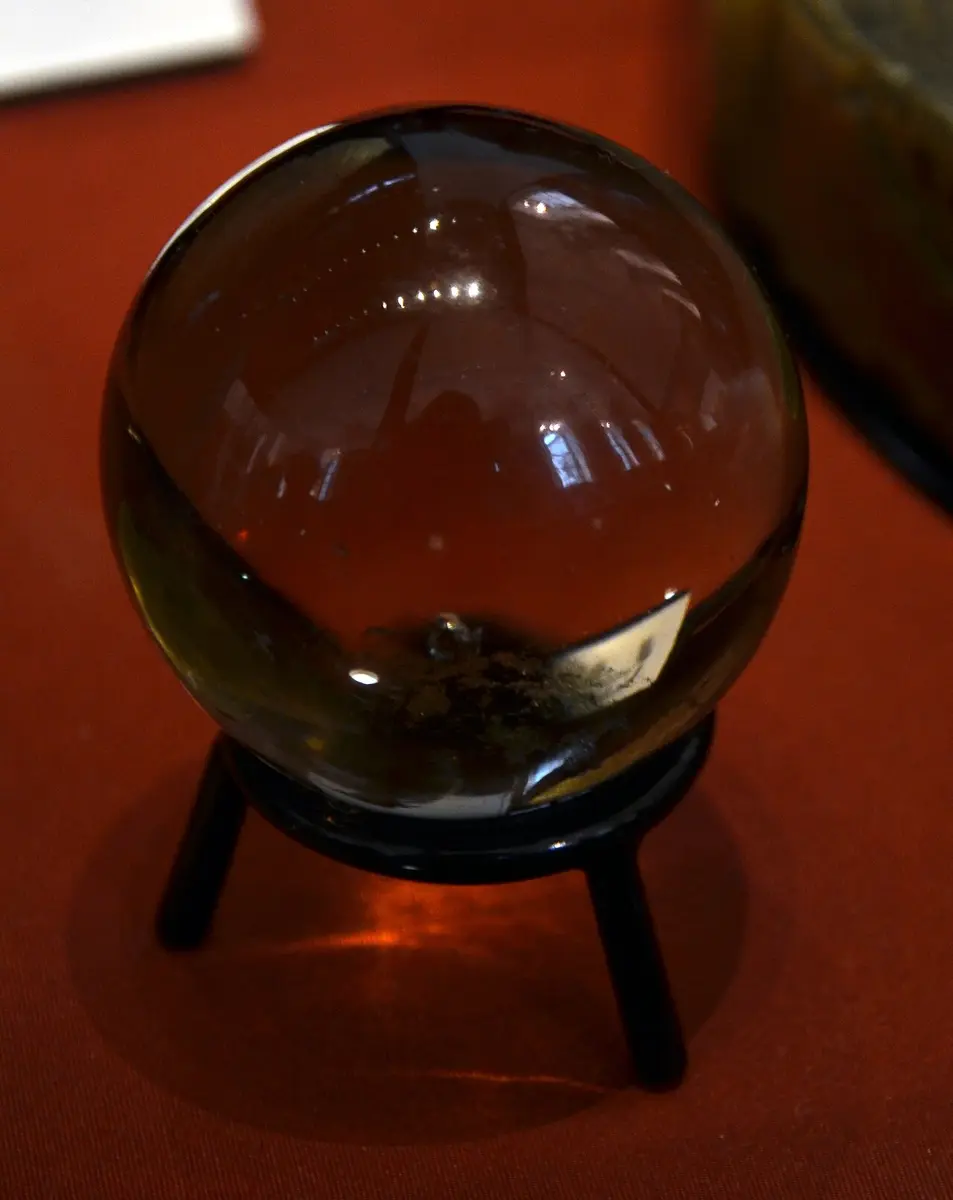
A divinatory or visionary practice involving a reflective surface, crystal, or other focus for reported images and messages.
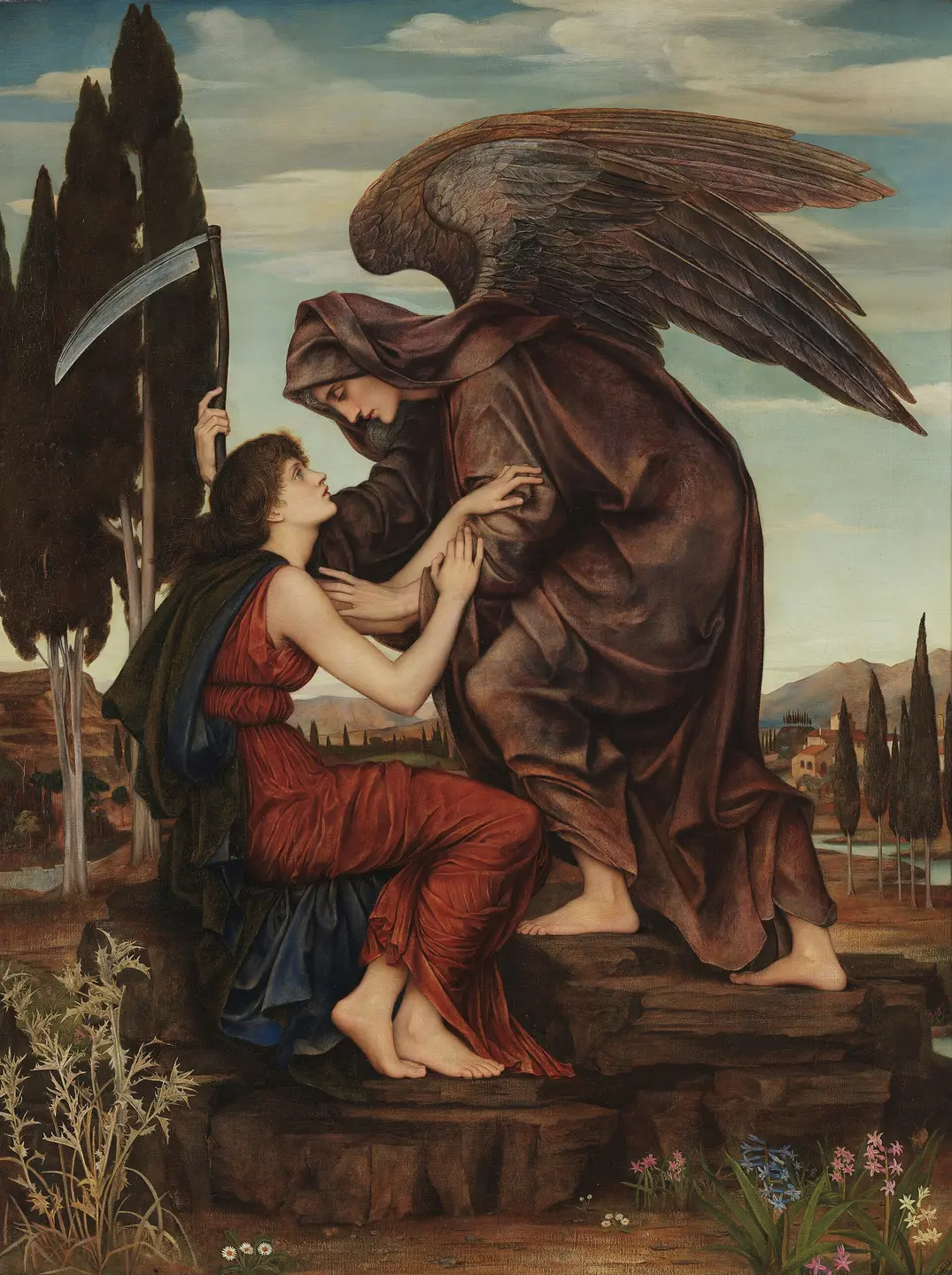
Samael appears in Jewish interpretive literature in roles that vary between texts. His relationship with Satan, the serpent, and other figures should be described source by source.
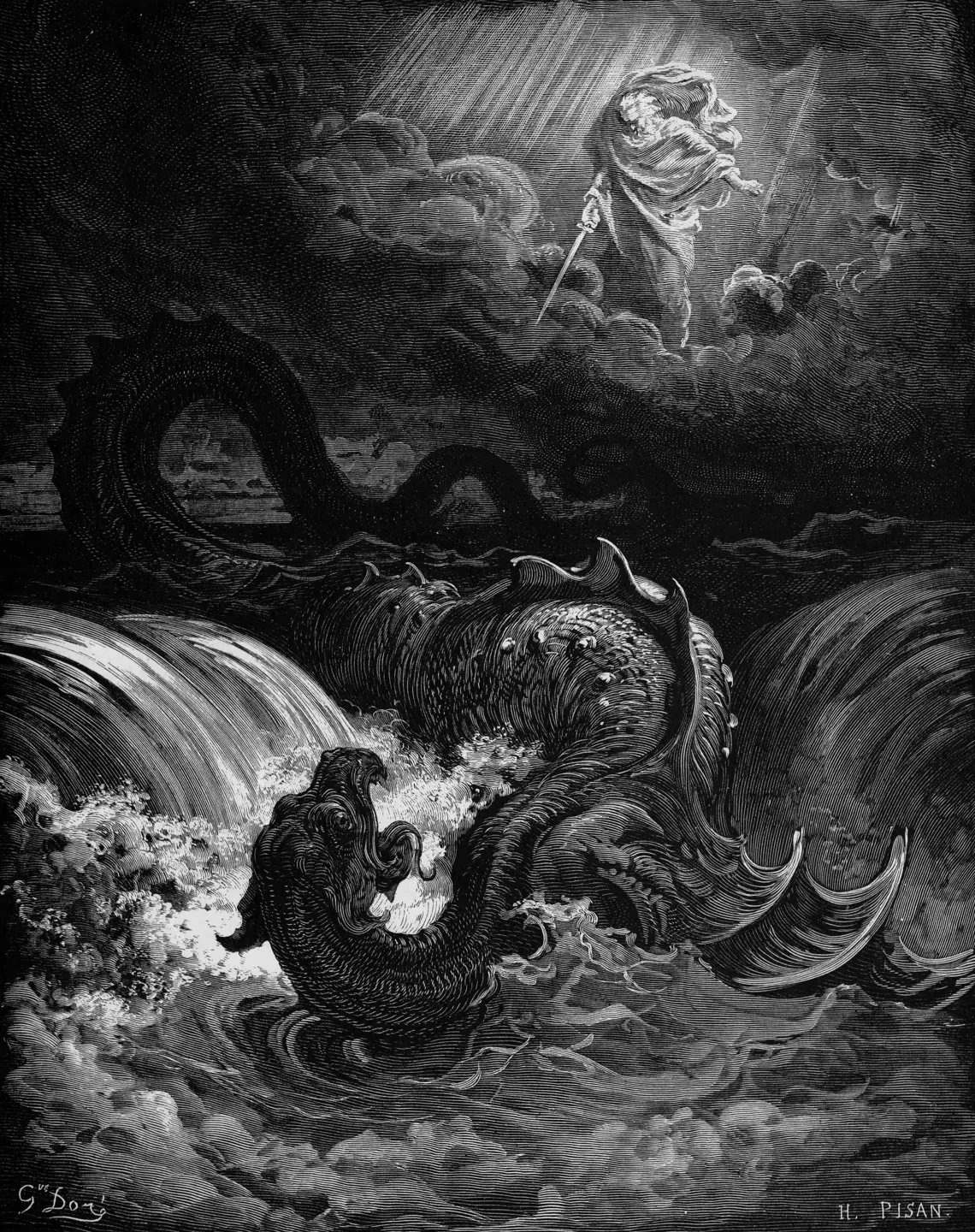
Leviathan appears in biblical poetry and later religious symbolism. The vivid descriptions belong to different literary contexts and should be interpreted accordingly.
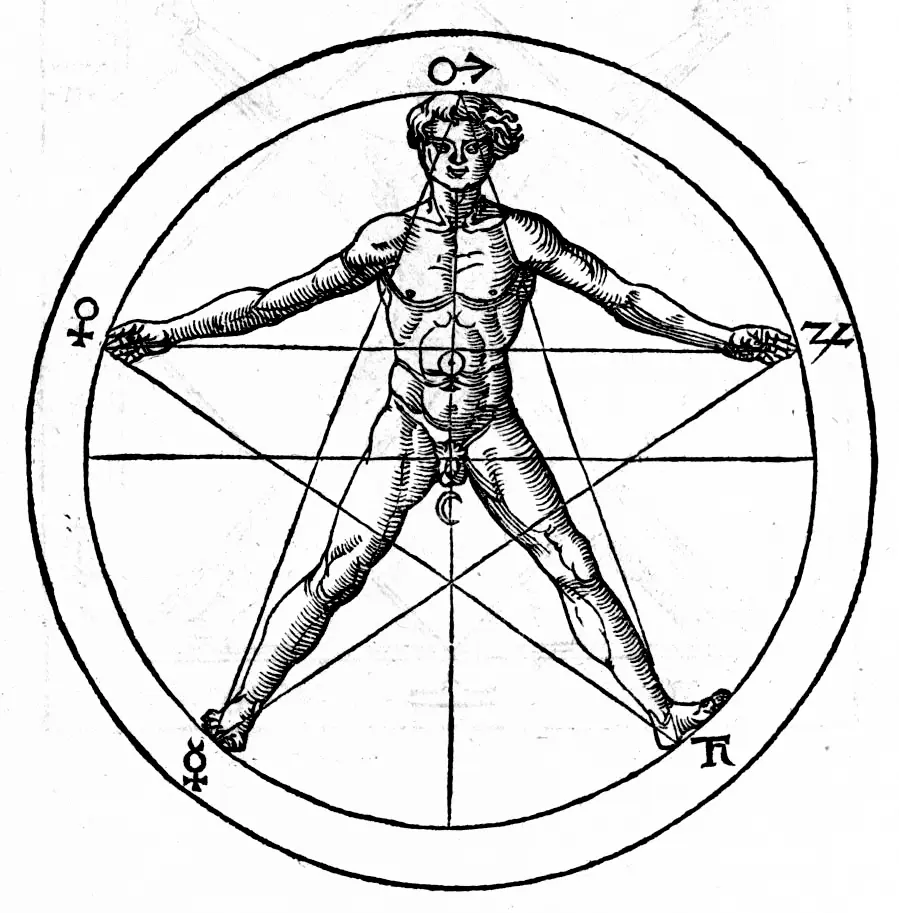
A pentagram is a five-pointed star figure used in different religious and esoteric settings. Orientation and surrounding imagery matter, but do not establish one universal meaning.