History
Witch trials and Devil worship accusations
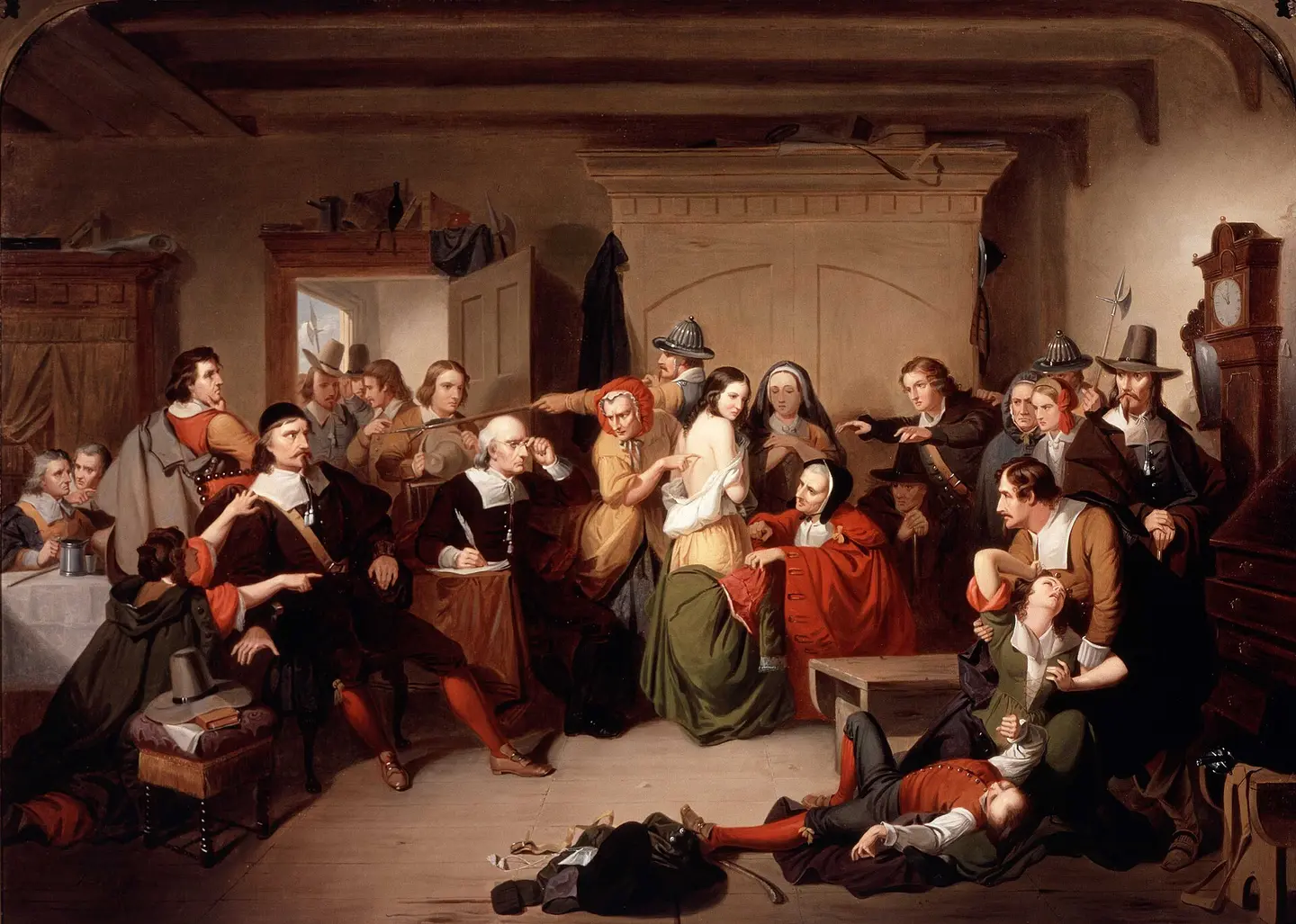
Witch trials produced records of accusations about harmful magic and the Devil. Those records require attention to how testimony was obtained and to the purposes of judges and writers.
Witch trials produced records of accusations about harmful magic and the Devil. Those records require attention to how testimony was obtained and to the purposes of judges and writers.
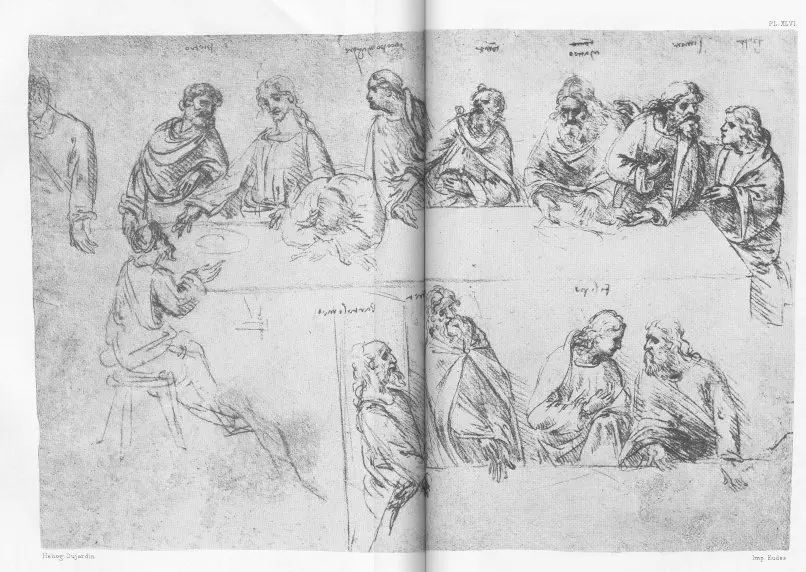
An occult diary records religious or magical work as it occurs. Separating observations from interpretations makes reflection and comparison more reliable.

Grigoripedia is the official online encyclopedia of Satano-Grigorism, maintained by members of the Grigorist Temple of Satanael. Launched in June 2026 according to its About page, it documents the religion’s beliefs, deities, scriptures, history, holidays, and terminology from a Satano-Grigorist perspective.

A modern approach to magic that treats techniques and belief systems as tools for practical experimentation.
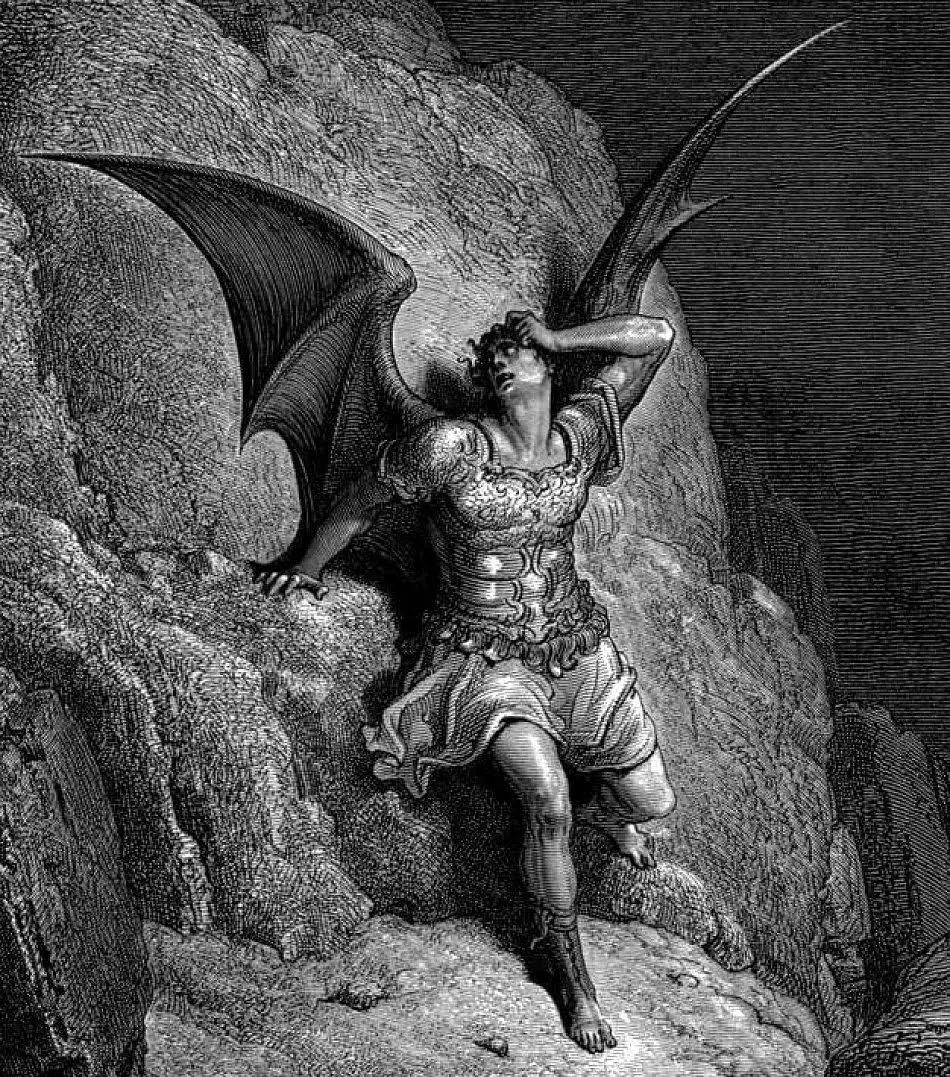
Satan is a figure whose meaning has changed substantially across Jewish, Christian, Islamic, literary, esoteric, and modern Satanic contexts. In contemporary theistic Satanism, Satan may be understood as a real deity, spirit, adversary, initiator, or metaphysical intelligence. Those modern interpretations draw on, but are not identical with, the much older history of the word and character.
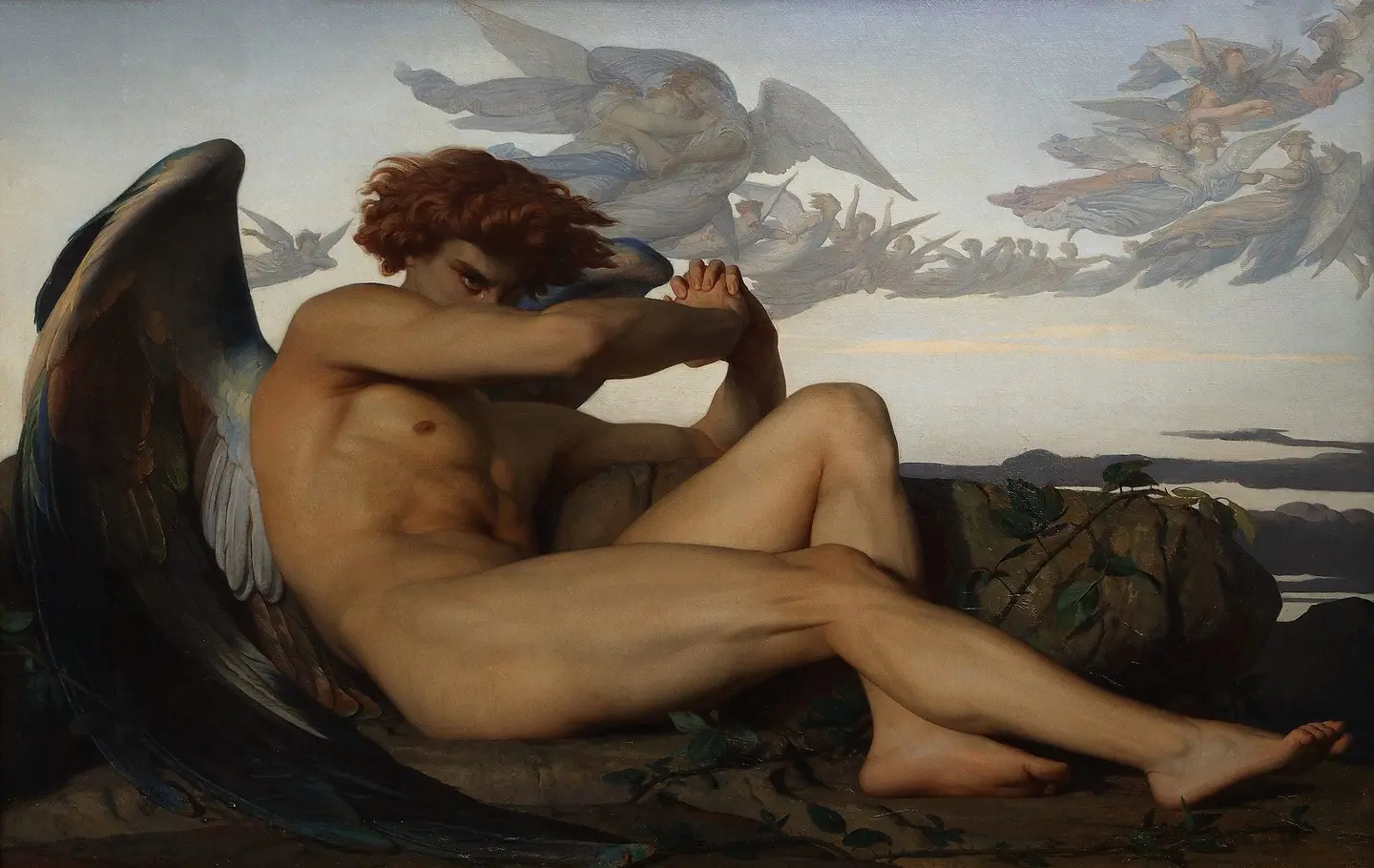
Lucifer is a name whose religious meaning developed from an ancient expression for the morning star into one of the best-known names associated with the Devil, fallen angels, occult illumination, and modern Luciferian religion. The word itself is Latin: lūcifer means “light-bringer” or “light-bearer” and was used for the planet Venus when it appeared before sunrise. The later equation “Lucifer = Satan”…
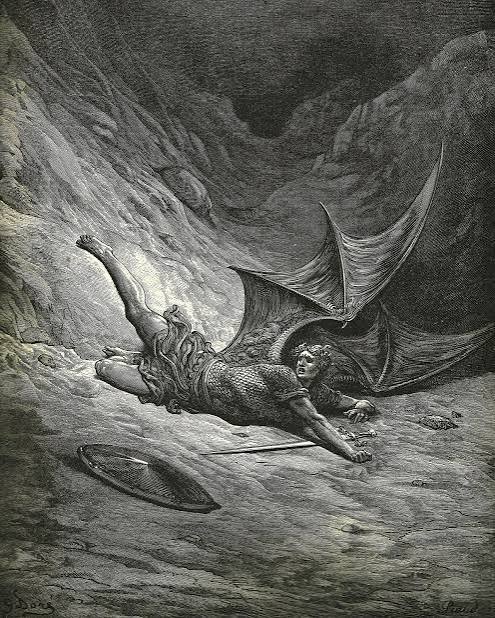
Modern theistic Satanism refers to contemporary religious currents in which Satan is understood as an independently real deity, spirit, intelligence, or metaphysical presence and is approached through devotion, ritual, prayer, magic, contemplation, or other religious practices. It is part of the wider field of modern Satanism but differs from explicitly non-theistic movements that use Satan primarily as…
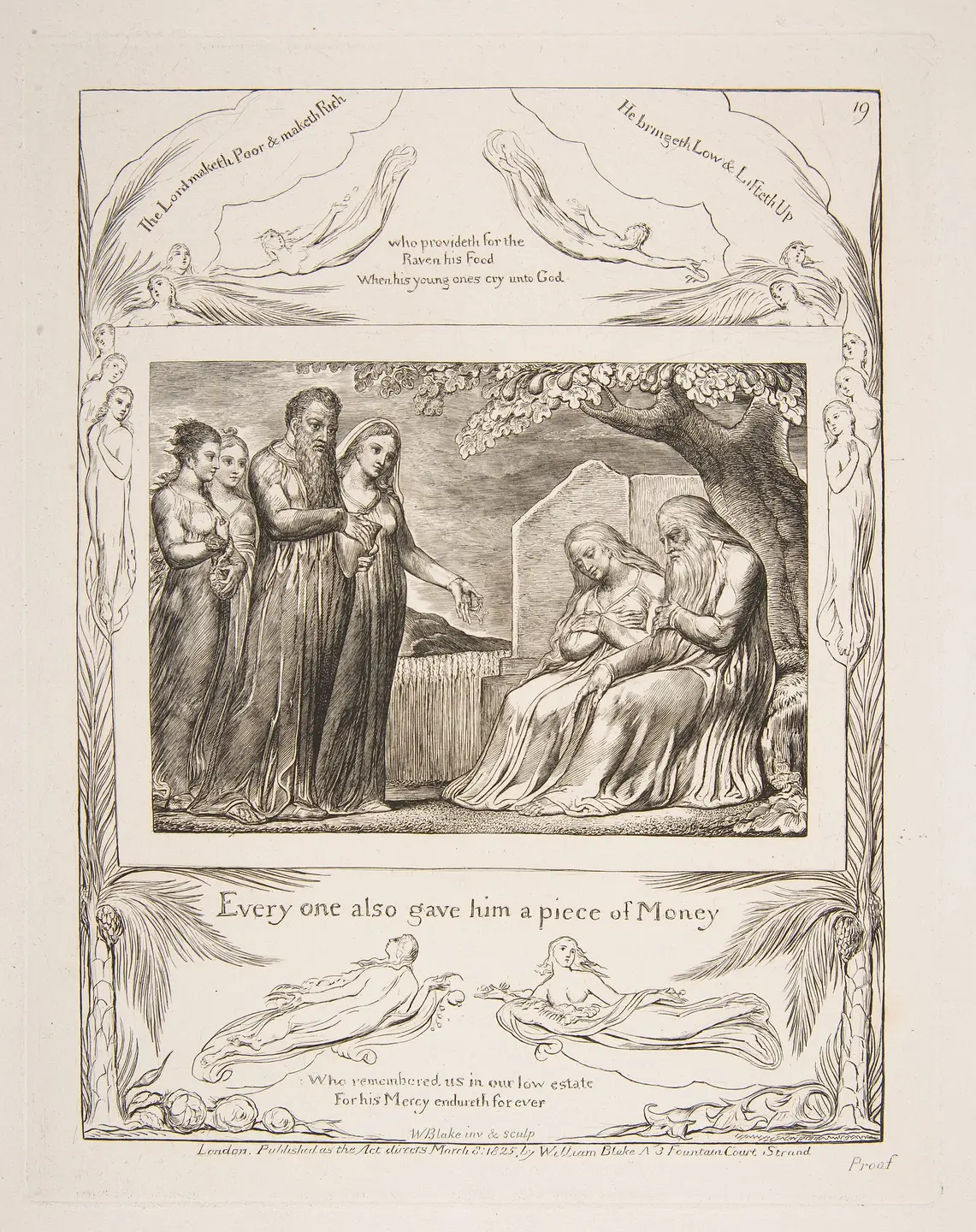
Ethics in theistic Satanism concerns the moral principles, responsibilities, virtues, prohibitions, and methods of judgement developed by Satanists who regard Satan or related beings as real rather than purely symbolic. There is no universal Satanic ethical code. Theistic Satanism is decentralized, and its practitioners may draw on personal conscience, religious devotion, philosophical individualism,…
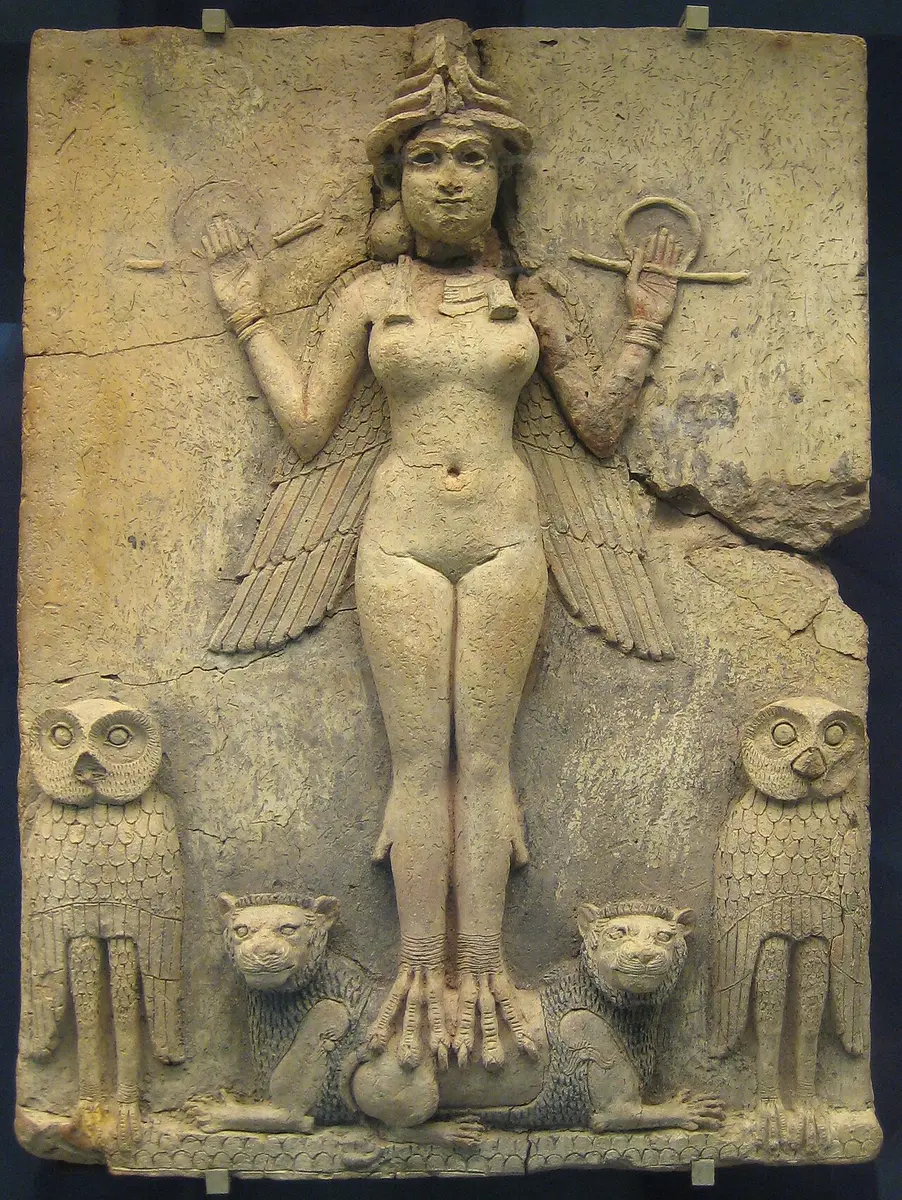
A Mesopotamian queen of the underworld, known through myths of descent and traditions concerning Nergal.
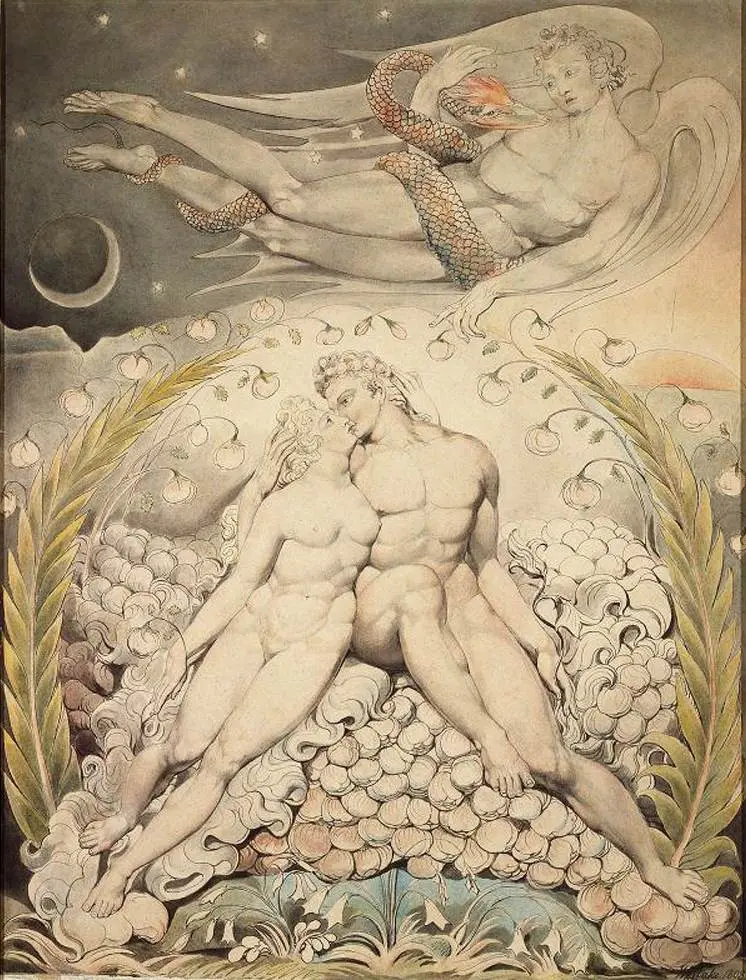
Religions that give Satan a central symbolic or divine role, with substantial differences in belief and practice.
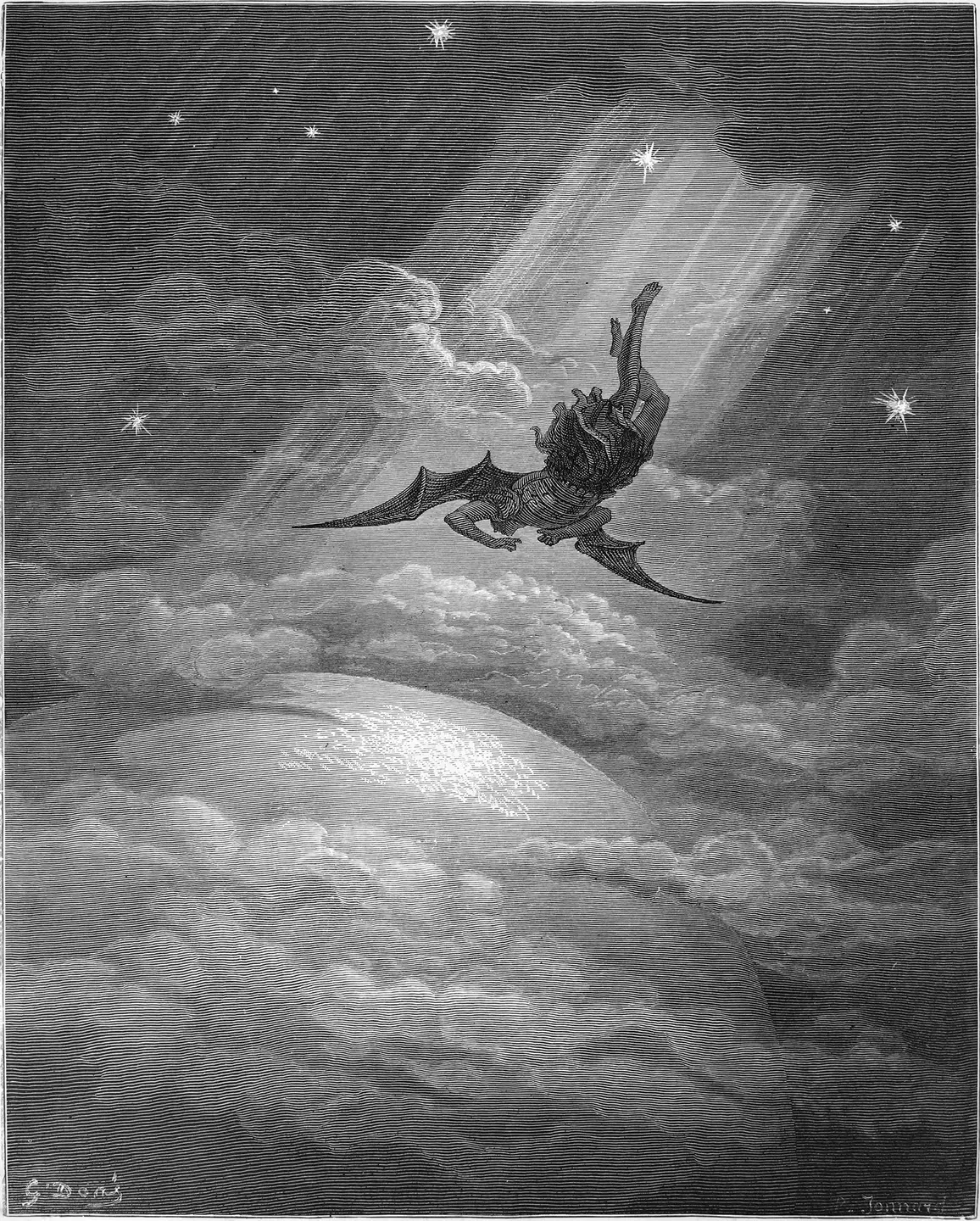
Luciferianism describes different religious and philosophical approaches that give Lucifer a positive role. Belief, practice, and identity vary among writers and communities.
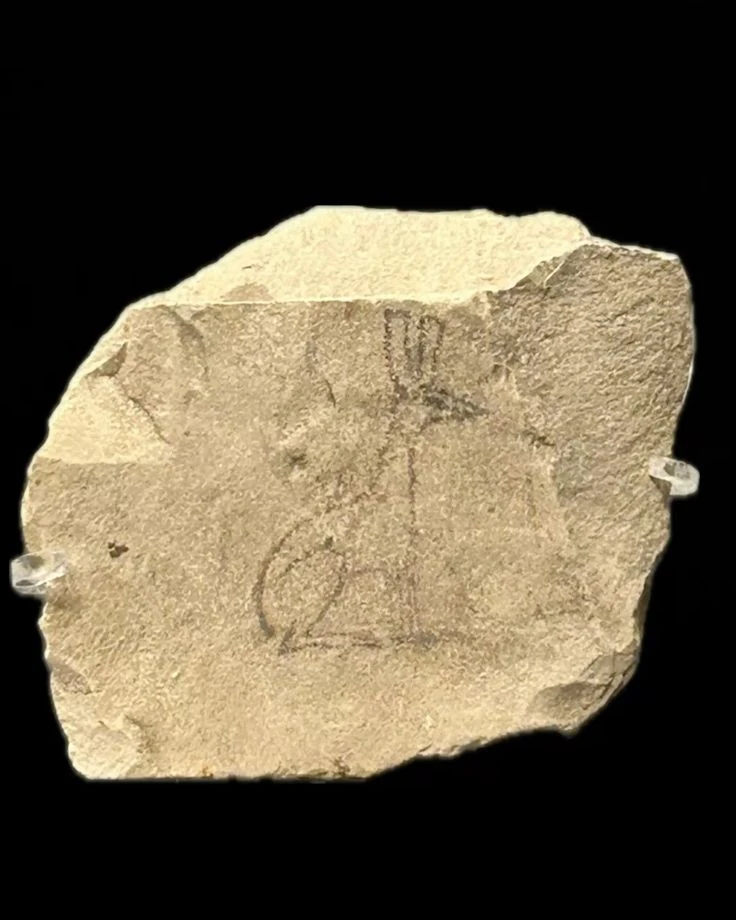
An ancient Egyptian deity associated with conflict and disorder, also reinterpreted in modern Setian religion.

The Devil is the principal personification of evil in much of Christian tradition and a major source for later Western images of Satan. The term is not identical with every historical use of Satan, nor does it describe one unchanging character across the Bible, theology, folklore, literature, art, and modern religion. In contemporary speech “the Devil” often functions as a proper name for Satan, but…

Baphomet is an occult figure whose history connects the medieval trial of the Knights Templar, nineteenth-century ceremonial symbolism, twentieth-century Satanic iconography, and the modern public imagery of The Satanic Temple. The familiar goat-headed, winged, androgynous figure is not a medieval portrait of a secret Templar god. It was created in the nineteenth century by the French occultist Éliphas…
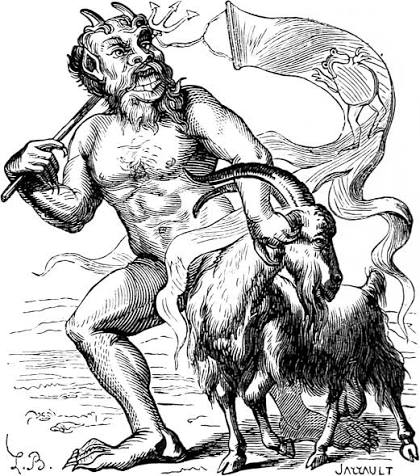
Azazel is a figure associated with the Day of Atonement in Leviticus, a rebellious Watcher in 1 Enoch, and a demonological and occult figure in later traditions. This article traces the development of Azazel from ancient Jewish texts through later demonology and modern Satanic interpretations.
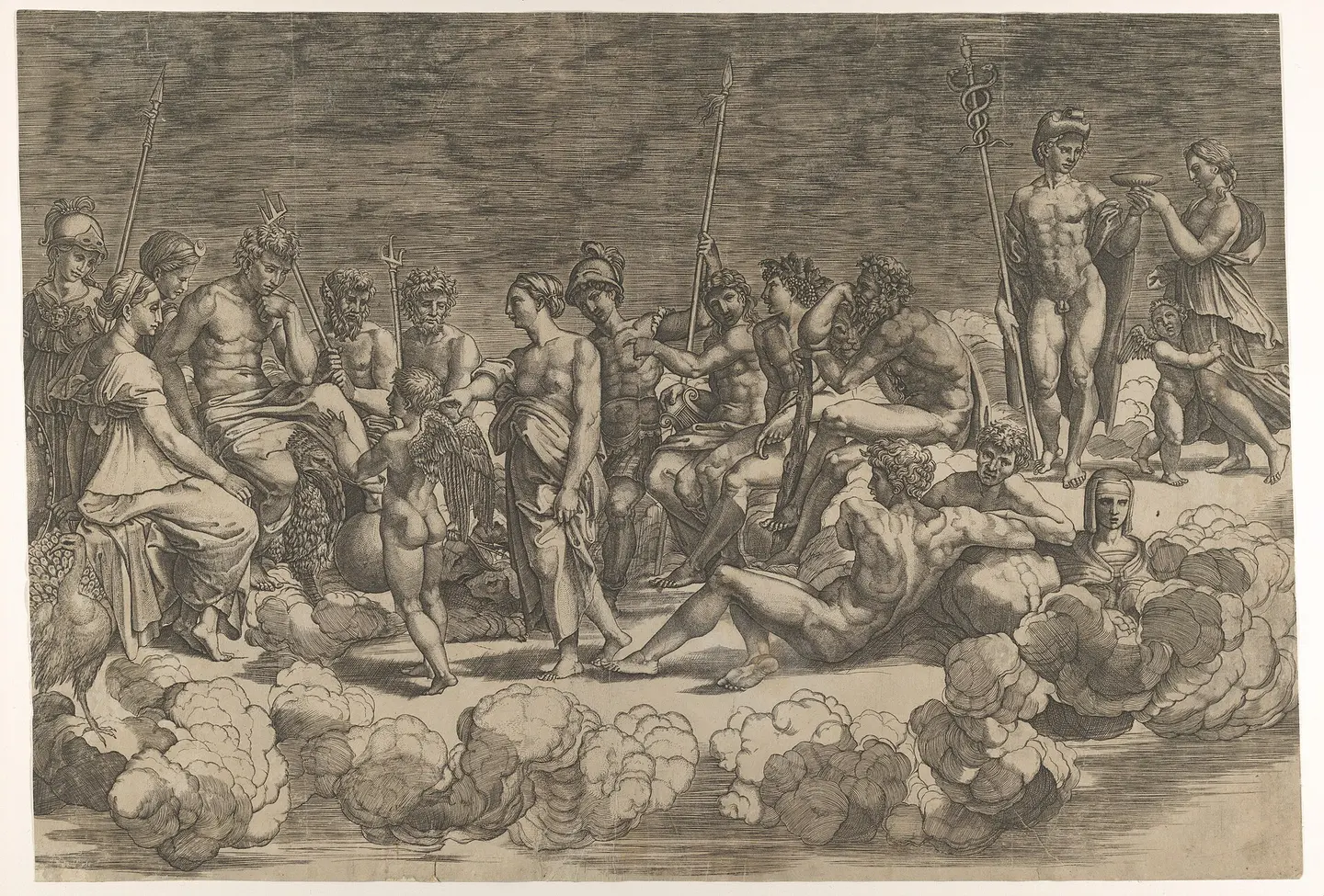
Polytheism involves belief in multiple deities. The existence of several gods does not by itself settle their relationships, moral authority, or the forms of devotion directed toward them.
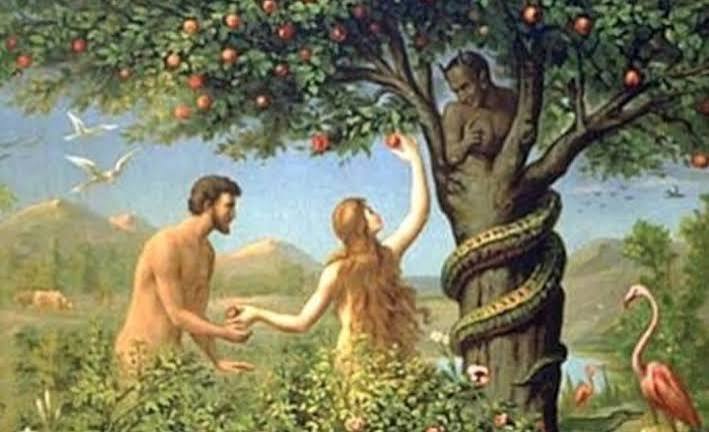
The serpent in Genesis 3 persuades the woman to eat from the tree of knowledge. The chapter does not name Satan. Later texts and interpretations connect the serpent with the Devil, adding to the history of the Eden story.

An introduction to contemporary Pagan traditions, including Wicca, Druidry, and Heathenry, and their different uses of older sources.
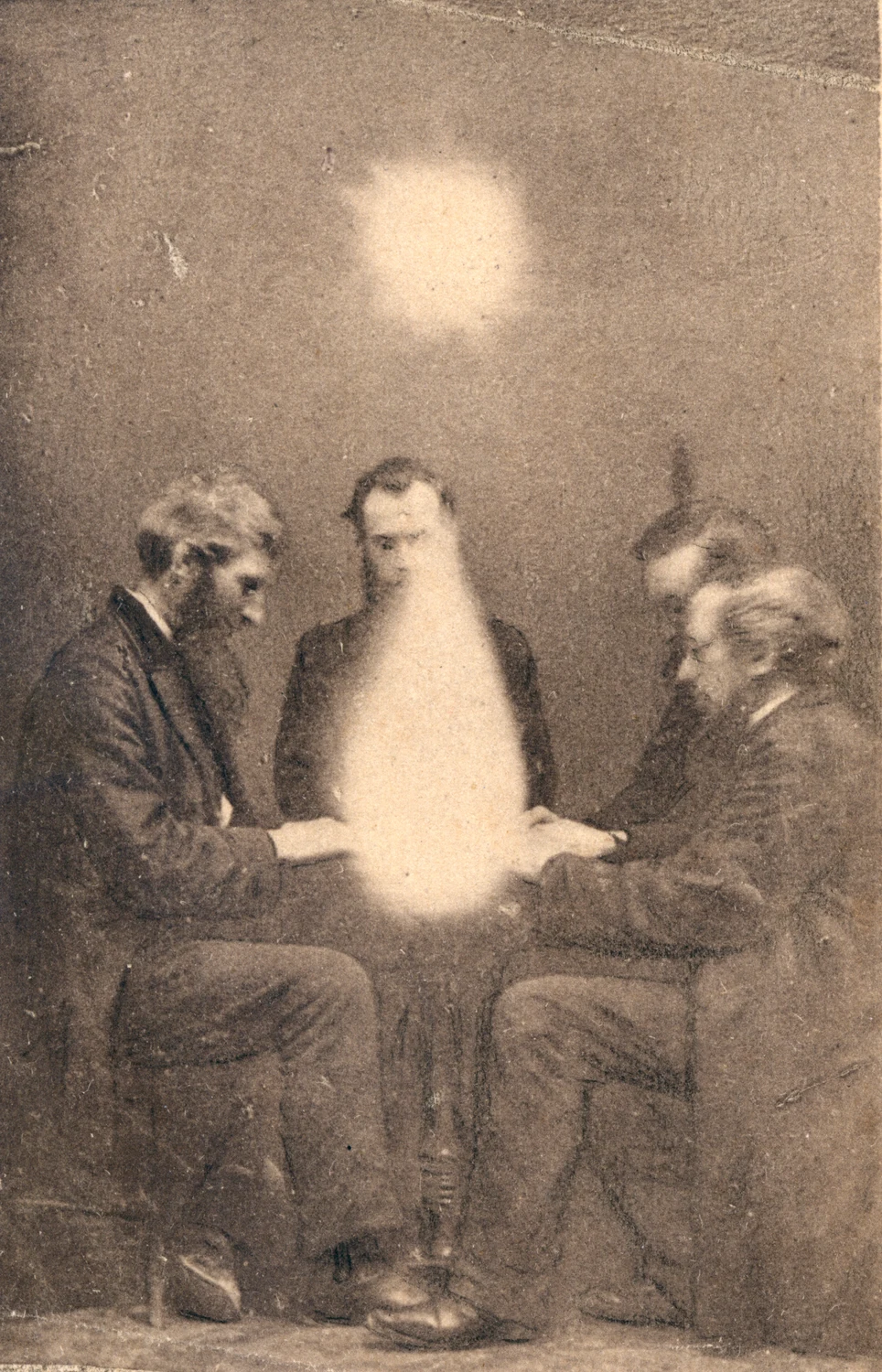
A religious movement centered on mediumship and continued personal identity after death, with church teachings and spirit photography.
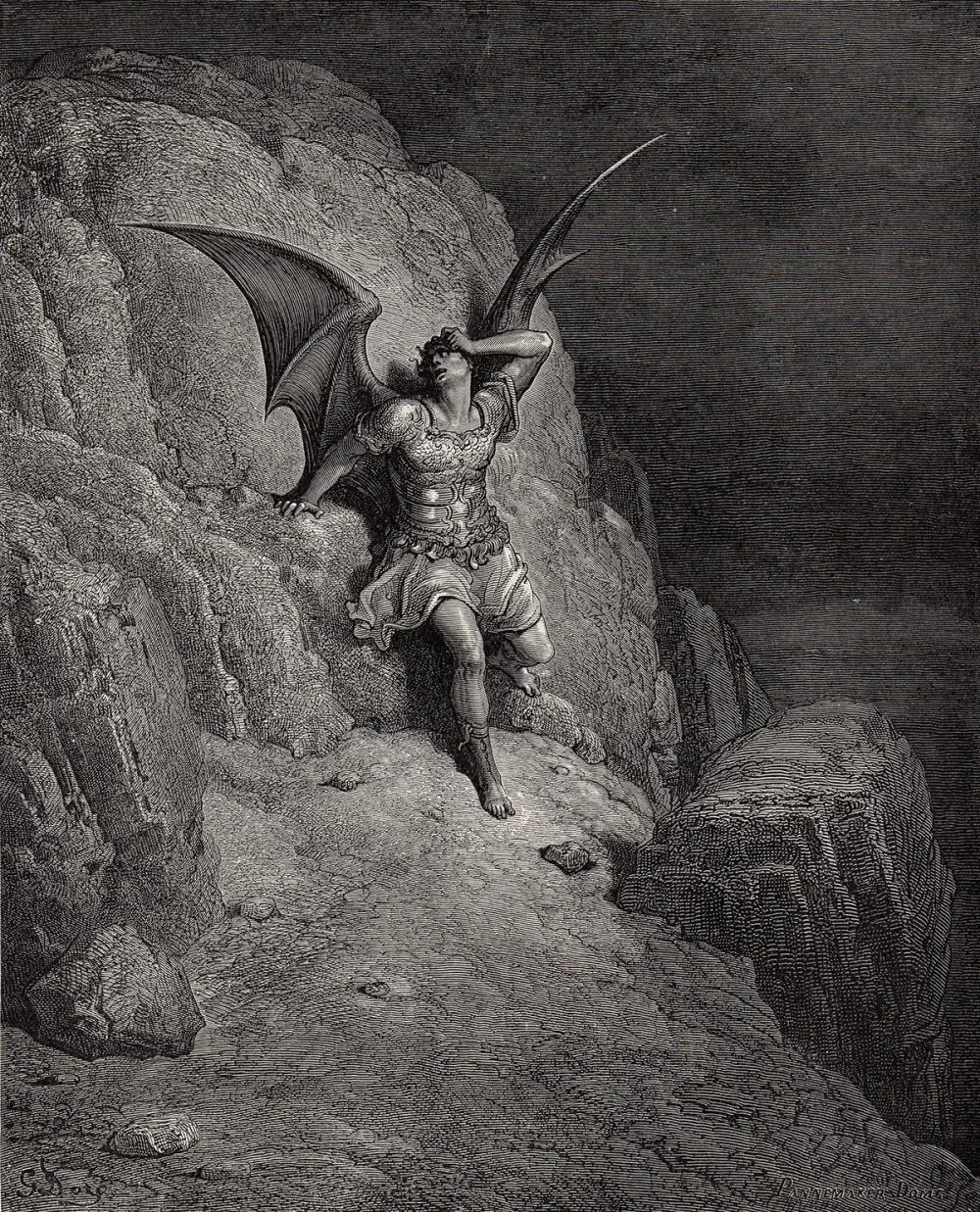
Milton’s Paradise Lost gives Satan an influential literary characterization. His persuasive speeches must be read alongside the narrator’s account and the consequences of his actions.