Search

Results for “Second Temple Judaism”

73 resultsResults prioritize title matches, then summaries and article text.Try topic browsing →
Devotional Practice

Altar

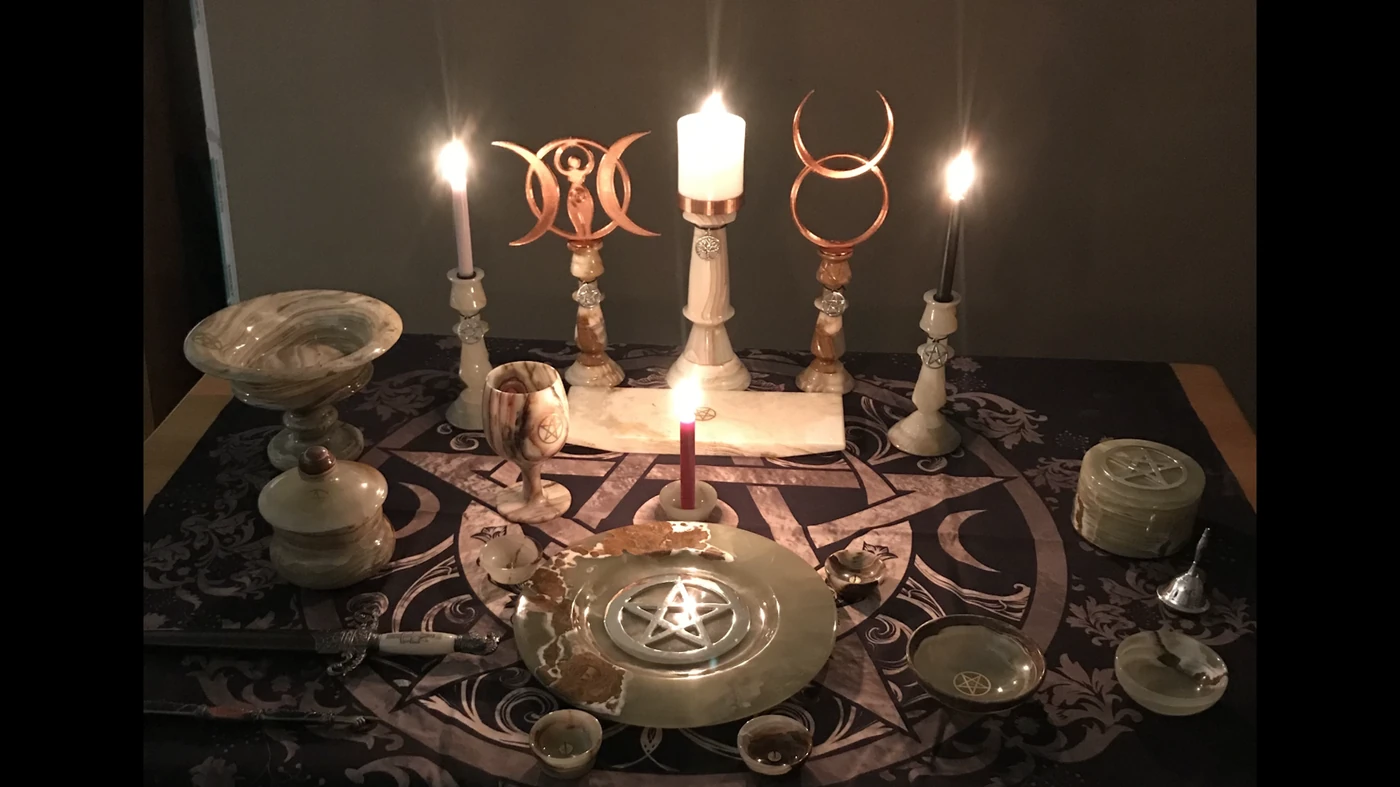
An altar is a designated place or surface used for religious devotion, ritual, offerings, sacred objects, or symbolic focus. Altars occur in many religious traditions, but their forms and meanings vary widely. In modern theistic Satanism an altar may function as a place for Prayer, Ritual, Offerings, meditation, spirit work, or the display of symbols connected with Satan and other beings.

Organizations & Traditions

Church of Satan

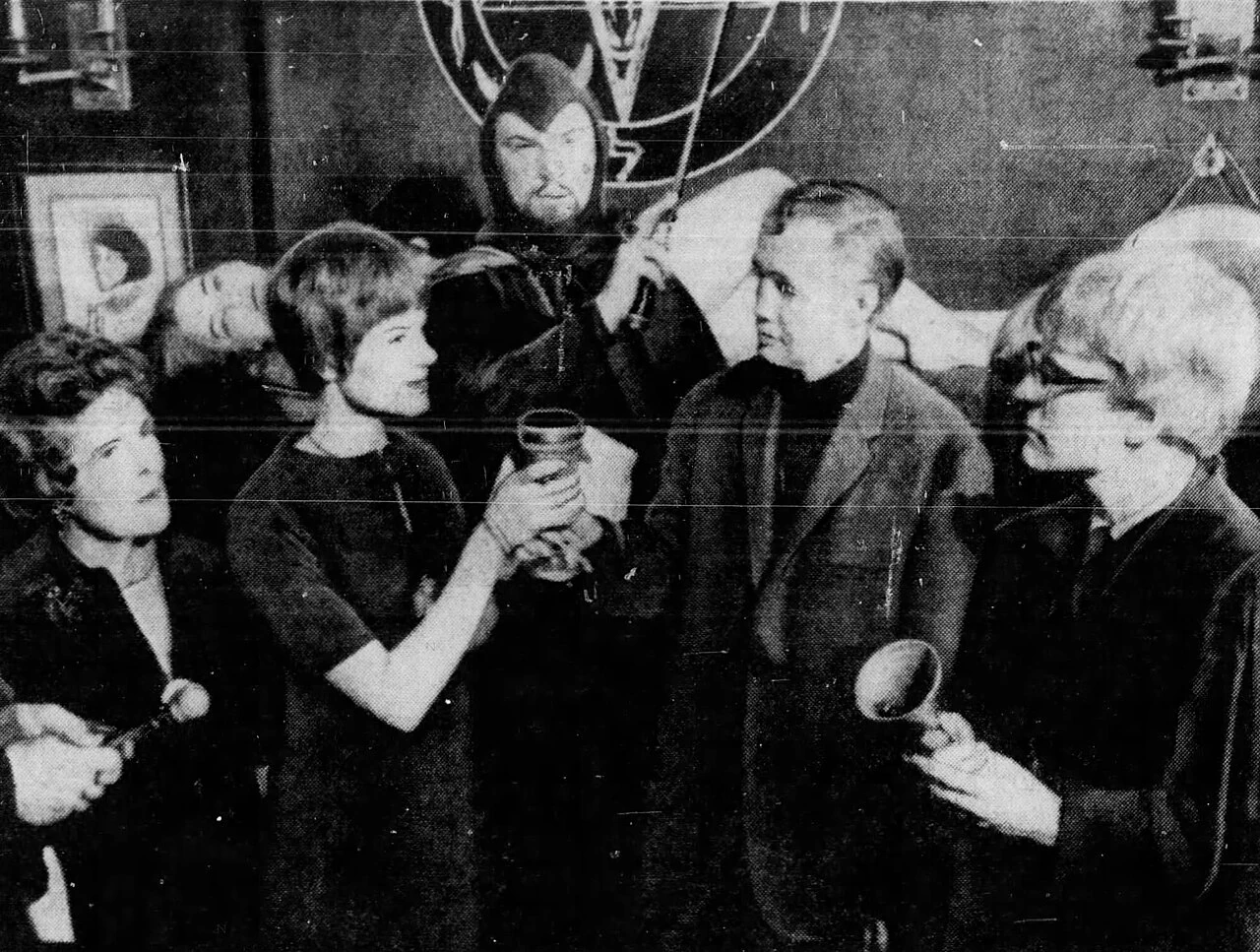
The Church of Satan is the organization founded by Anton LaVey in 1966. Its official account describes Satanism as atheistic and gives Satan a symbolic role.

History

The Devil

The Devil is the principal personification of evil in much of Christian tradition and a major source for later Western images of Satan. The term is not identical with every historical use of Satan, nor does it describe one unchanging character across the Bible, theology, folklore, literature, art, and modern religion. In contemporary speech “the Devil” often functions as a proper name for Satan, but…

Theology & Cosmology

Fallen angels

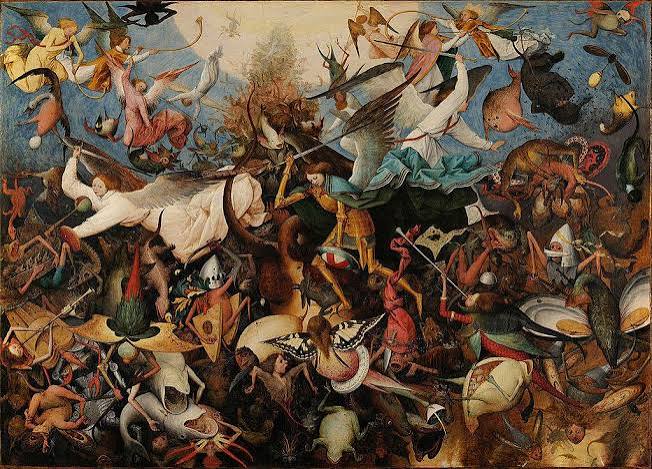
Fallen angels are heavenly beings portrayed as losing their place or proper condition through transgression. Enochic descent, Satan’s refusal to honor Adam, and the war in Revelation are distinct accounts that later interpretation can bring together.

Demonology & Spirits

Set

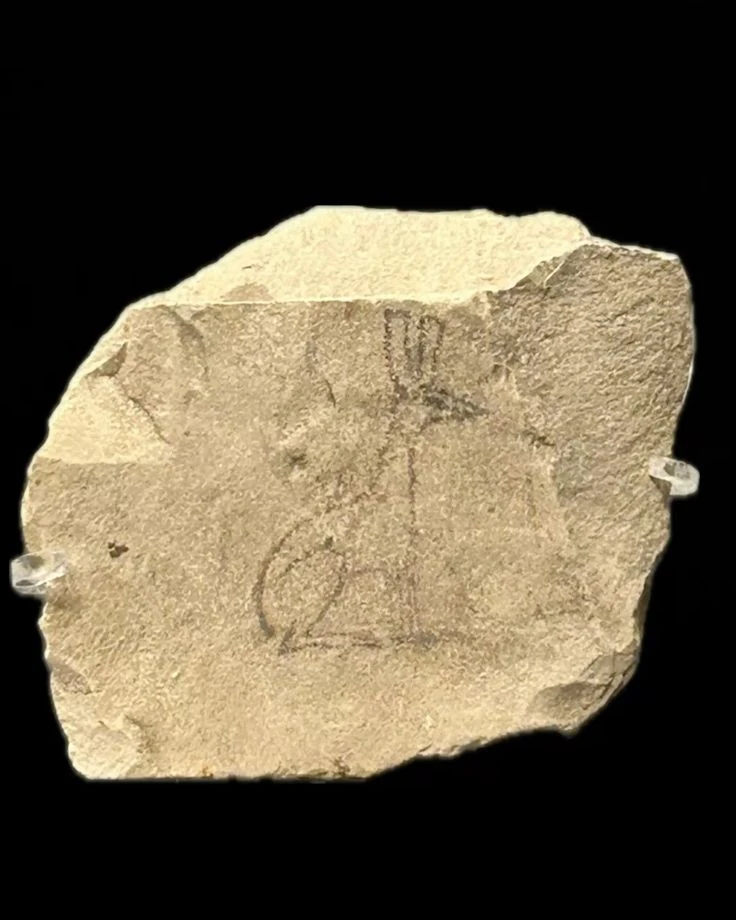
An ancient Egyptian deity associated with conflict and disorder, also reinterpreted in modern Setian religion.

Demonology & Spirits

Lilith

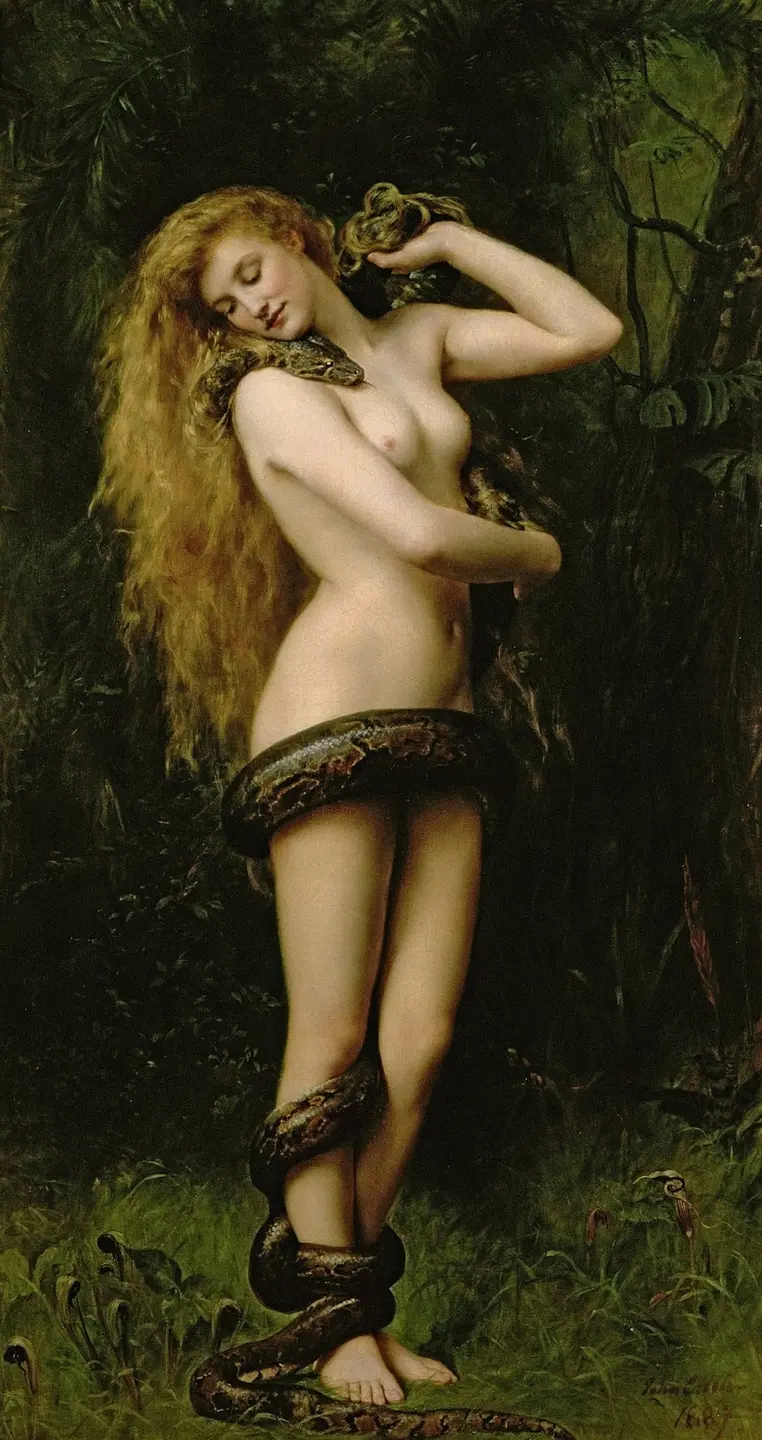
Lilith is a figure whose history spans ancient Near Eastern demonology, Jewish folklore, medieval protective magic, Kabbalah, literature, feminist reinterpretation, modern occultism, and contemporary Satanic or Luciferian religion. She is often introduced today as “Adam’s first wife,” but that familiar story is medieval rather than biblical. Earlier sources describe beings called lilith or lilin in…

History

Occultism and Western esotericism

Occultism and Western esotericism provide an important historical and intellectual background for many forms of modern Satanism, but neither term is a synonym for Satanism. Western esotericism is an academic field encompassing currents such as Renaissance Hermetism, alchemy, astrology, Christian theosophy, Kabbalistic reception, Rosicrucianism, ceremonial magic, spiritualism, occultism, and later…

Texts & Sources

The Book of the Law

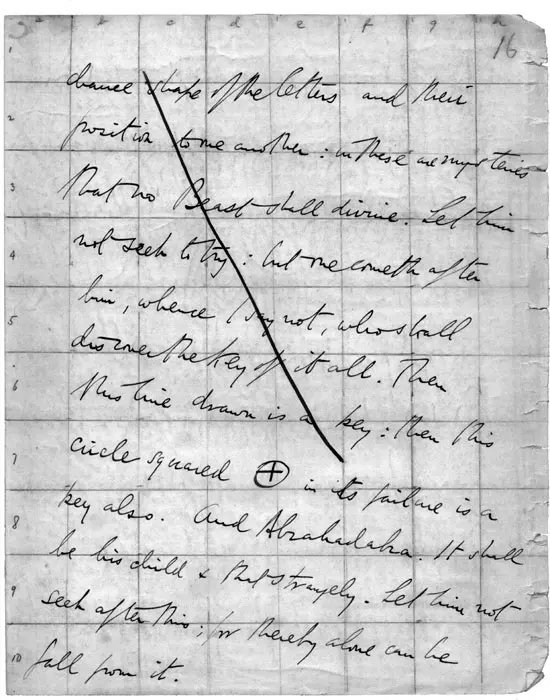
The three-chapter revelatory text at the center of Thelema, also titled Liber AL vel Legis.

Texts & Sources

Life of Adam and Eve

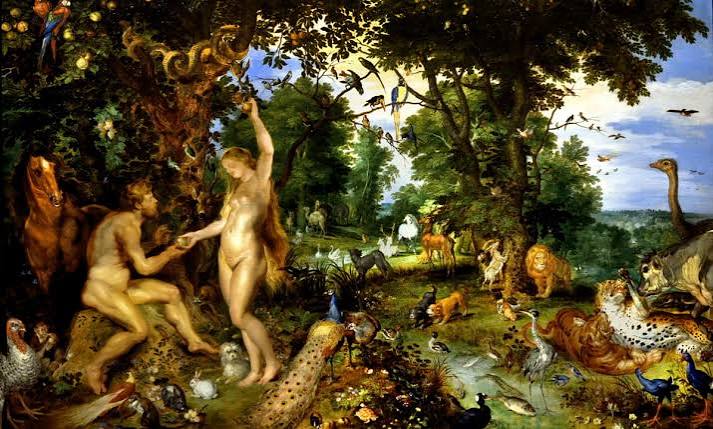
The Life of Adam and Eve is a group of related apocryphal narratives about the first humans. Its versions expand the Eden story through accounts of repentance, the Devil’s hostility, illness, burial, and hoped-for restoration.

Demonology & Spirits

Ipos

A Goetic spirit with an angelic body, lion head, goose foot, and hare tail, associated with knowledge and boldness.

Demonology & Spirits

Alloces

A lion-faced Goetic duke who teaches astronomy and the liberal sciences.

Demonology & Spirits

Valac

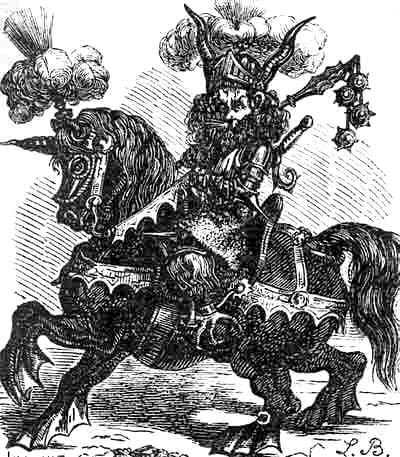
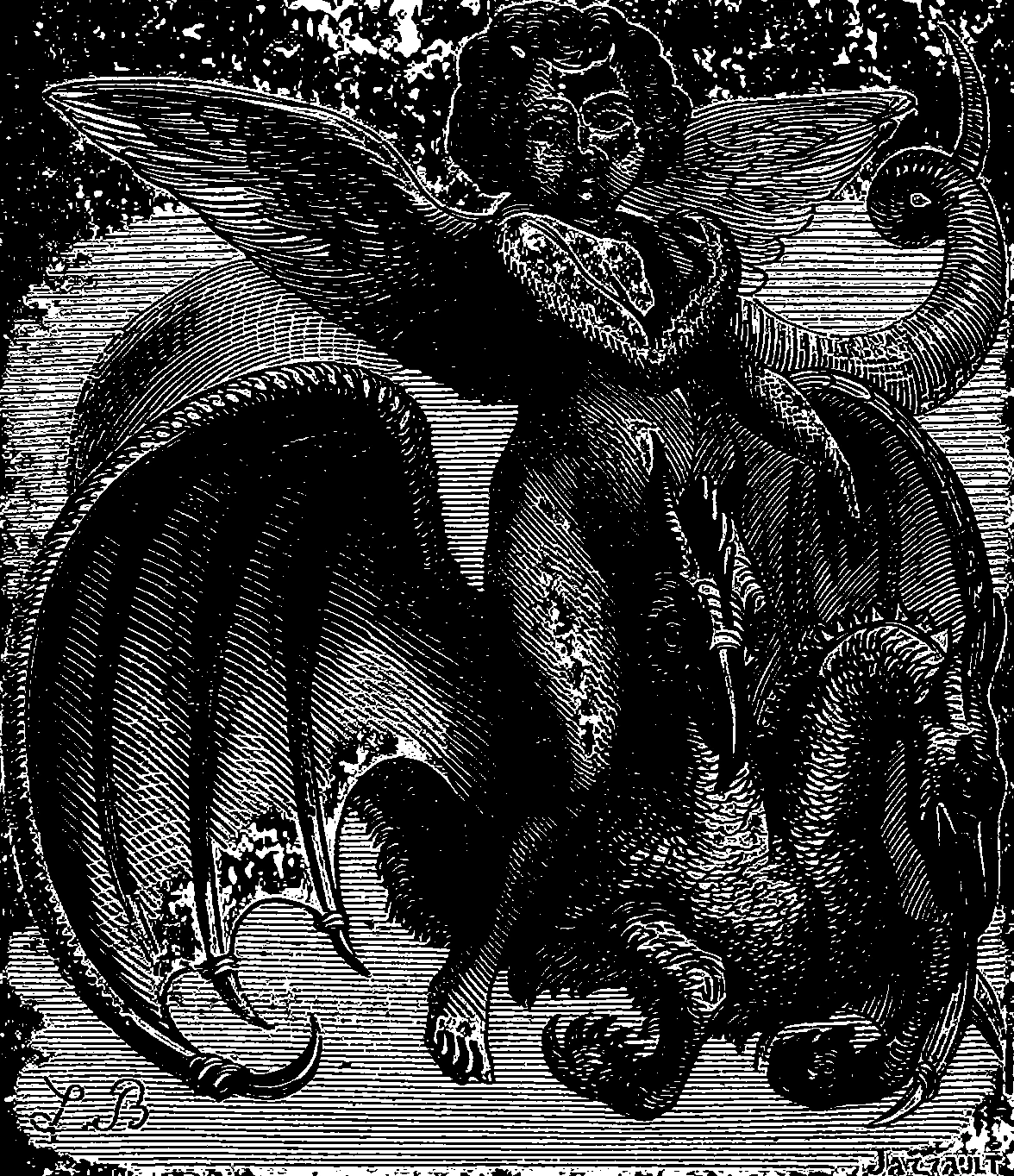
A Goetic president described as a winged boy on a two-headed dragon, associated with treasure and serpents.

Organizations & Traditions

Fraternitas Saturni

A German magical fraternity whose teaching gives Saturn a central symbolic and initiatory role.

Devotional Practice

Chaos magic

A modern approach to magic that treats techniques and belief systems as tools for practical experimentation.

History

Éliphas Lévi

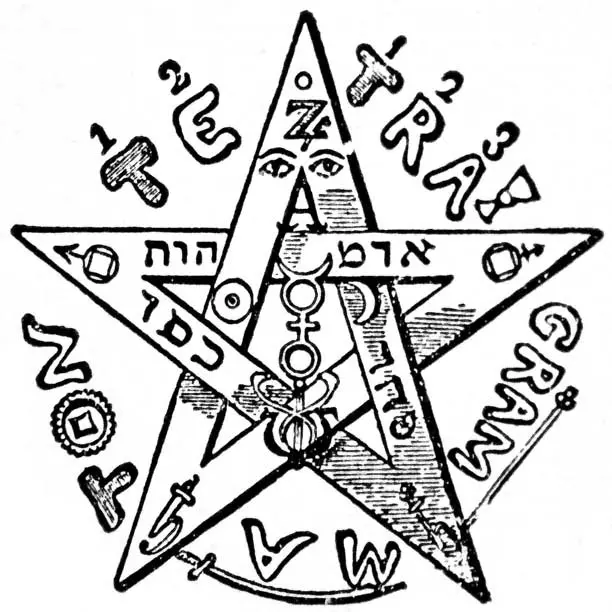
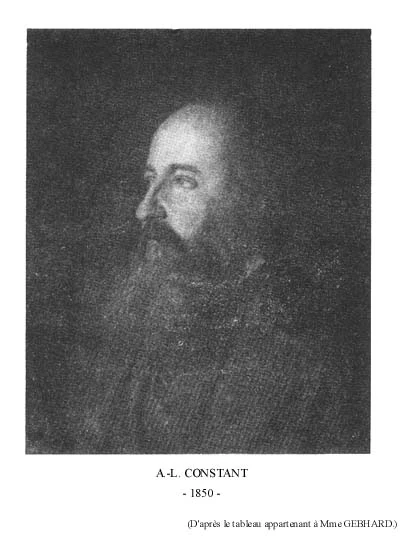
A nineteenth-century French occult author associated with ceremonial symbolism and the influential image of Baphomet.

History

Aleister Crowley

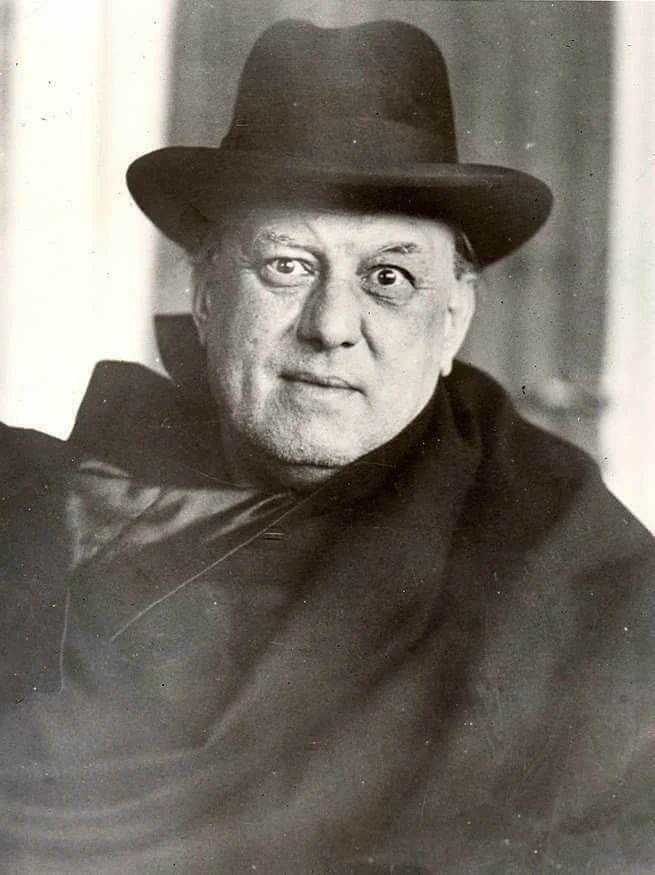
The author and religious figure associated with Thelema, The Book of the Law, and a large body of magical instruction.

History

Anton LaVey

The founder of the Church of Satan and author of The Satanic Bible and The Satanic Rituals.

Devotional Practice

Planetary magic

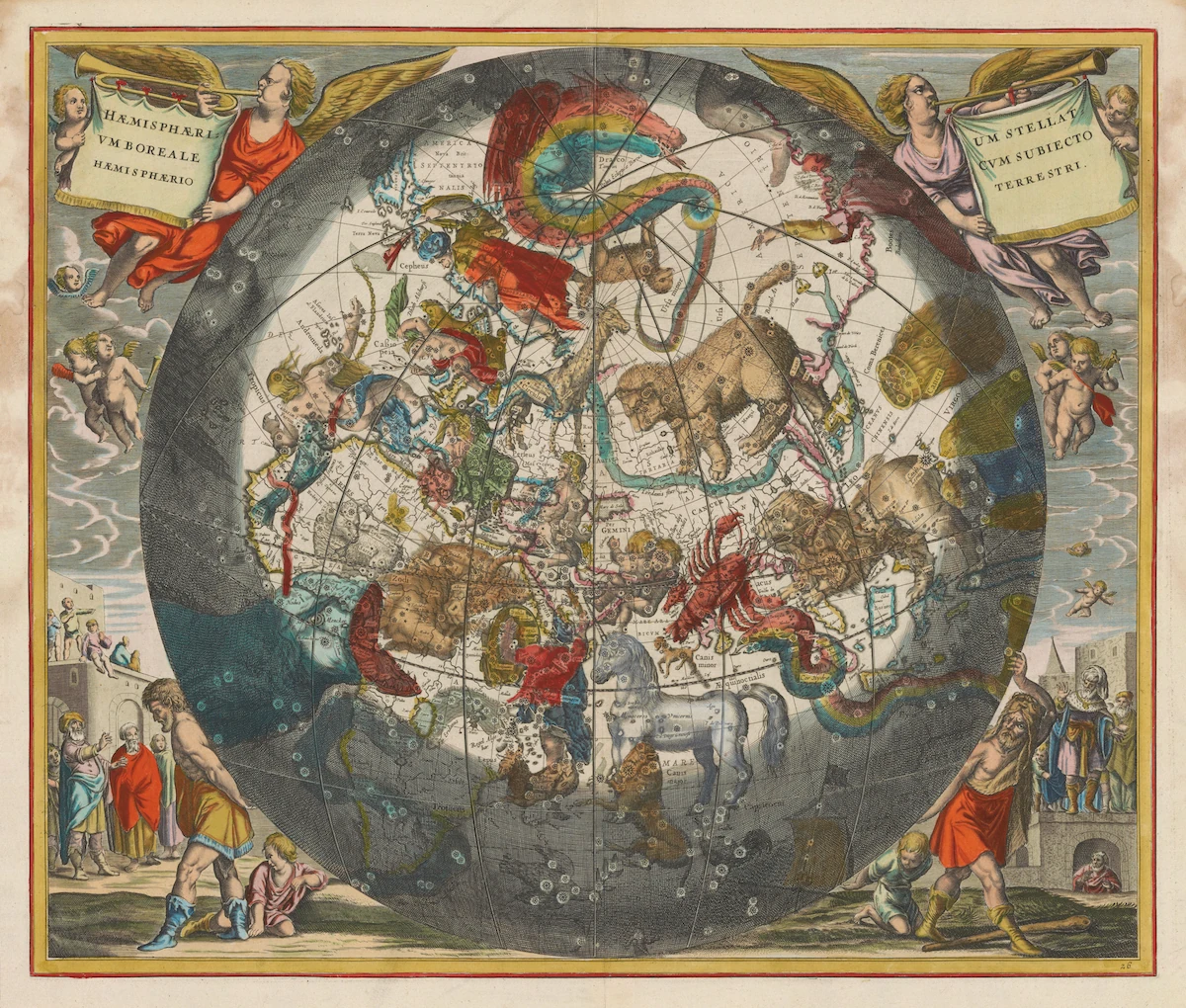
Magical systems using the seven traditional planets through timing, correspondences, images, and invocations.

Devotional Practice

Banishing rituals

Ceremonies intended to clear, delimit, or reorder a ritual setting, with methods that vary by tradition.