
Demonology & Spirits
Crocell
A Goetic duke, also called Procel, associated with geometry, hidden matters, and sounds of water.
A Goetic duke, also called Procel, associated with geometry, hidden matters, and sounds of water.
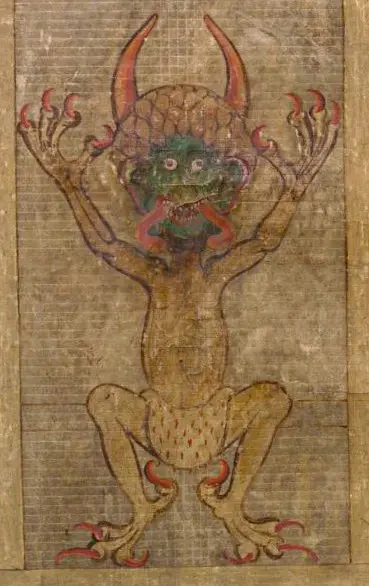
The Devil is the principal personification of evil in much of Christian tradition and a major source for later Western images of Satan. The term is not identical with every historical use of Satan, nor does it describe one unchanging character across the Bible, theology, folklore, literature, art, and modern religion. In contemporary speech “the Devil” often functions as a proper name for Satan, but…

Grigoripedia is the official online encyclopedia of Satano-Grigorism, maintained by members of the Grigorist Temple of Satanael. Launched in June 2026 according to its About page, it documents the religion’s beliefs, deities, scriptures, history, holidays, and terminology from a Satano-Grigorist perspective.
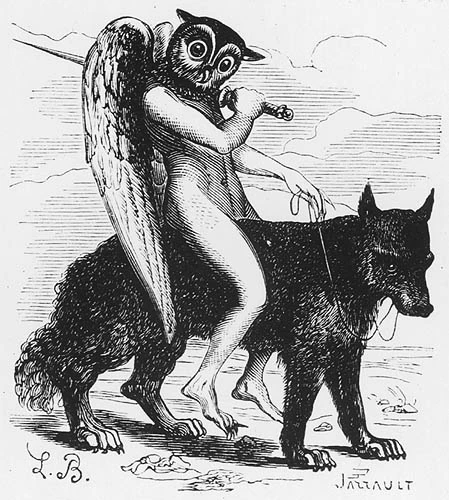
A Goetic marquis portrayed with a bird's head on a wolf, associated with discord and a warning of danger.
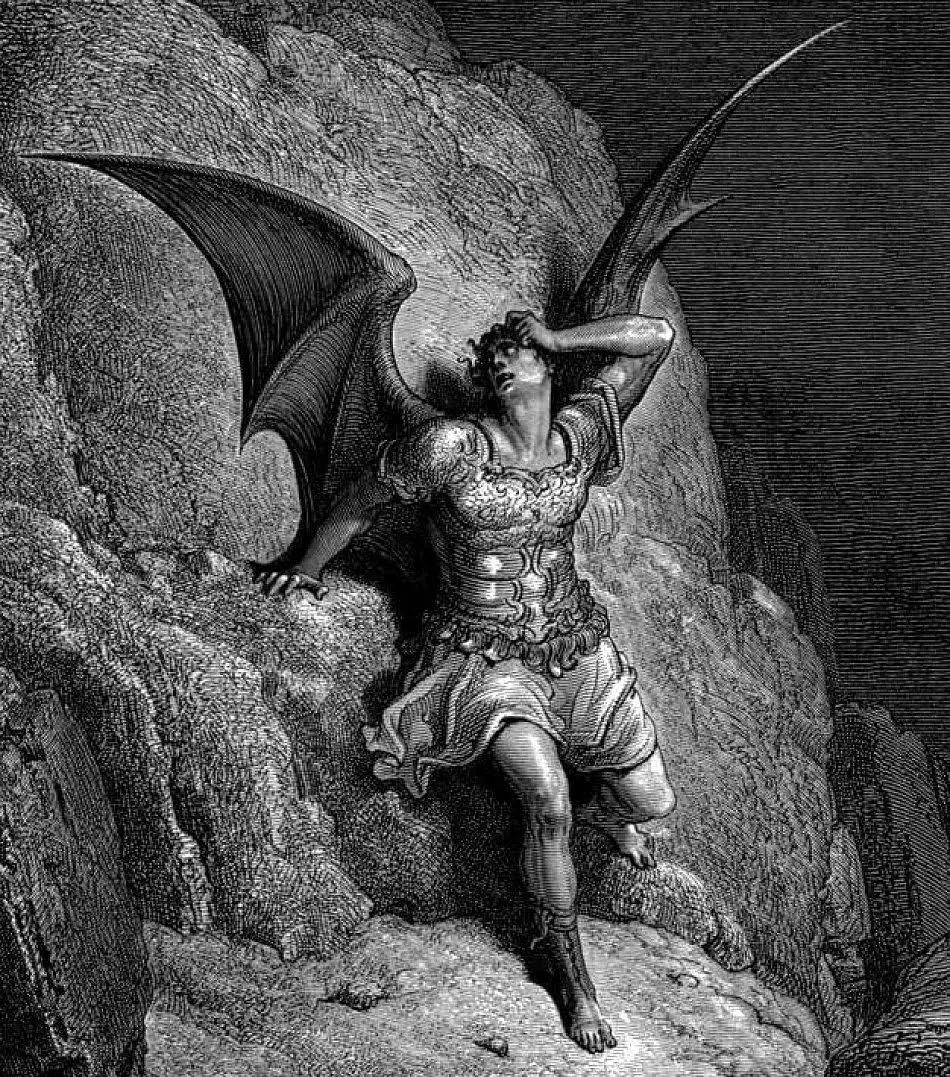
Satan is a figure whose meaning has changed substantially across Jewish, Christian, Islamic, literary, esoteric, and modern Satanic contexts. In contemporary theistic Satanism, Satan may be understood as a real deity, spirit, adversary, initiator, or metaphysical intelligence. Those modern interpretations draw on, but are not identical with, the much older history of the word and character.
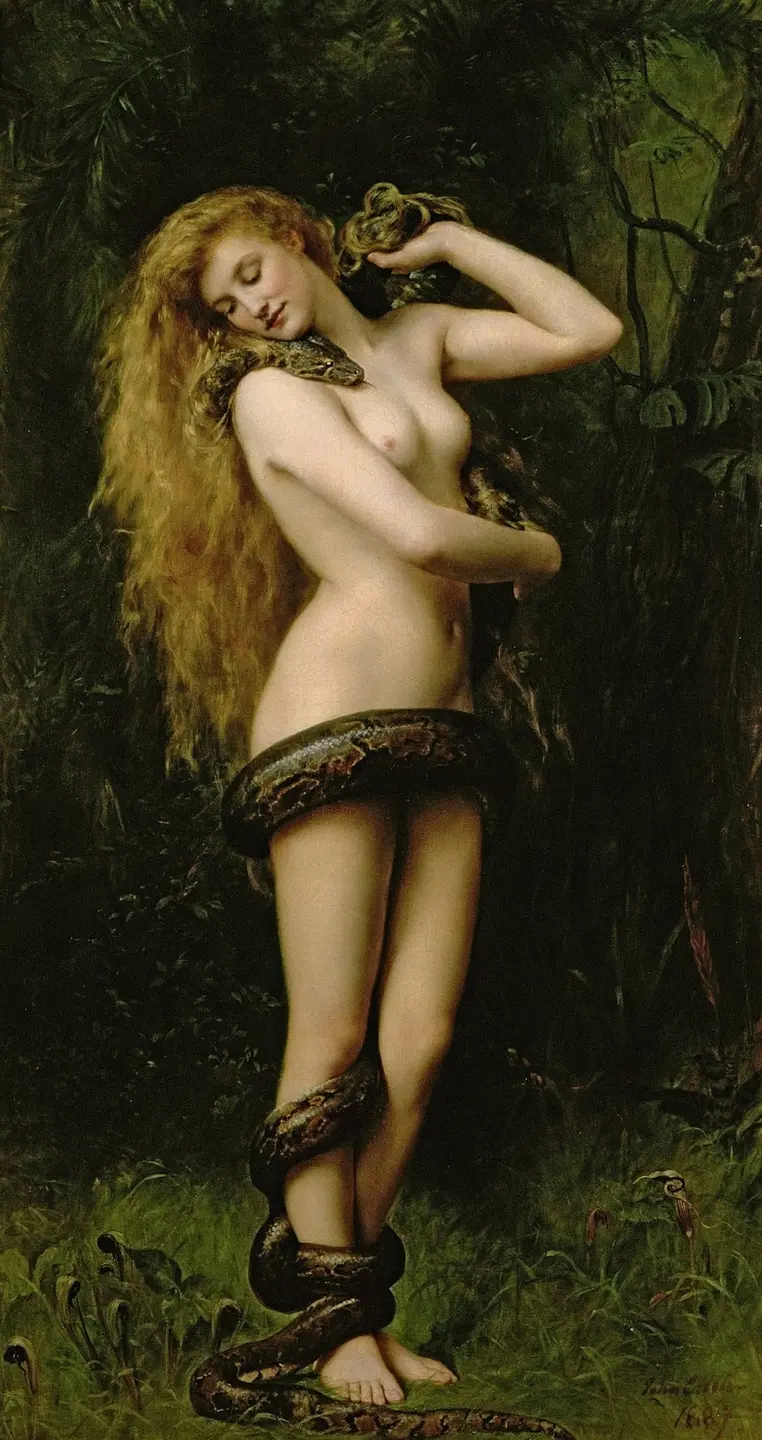
Lilith is a figure whose history spans ancient Near Eastern demonology, Jewish folklore, medieval protective magic, Kabbalah, literature, feminist reinterpretation, modern occultism, and contemporary Satanic or Luciferian religion. She is often introduced today as “Adam’s first wife,” but that familiar story is medieval rather than biblical. Earlier sources describe beings called lilith or lilin in…
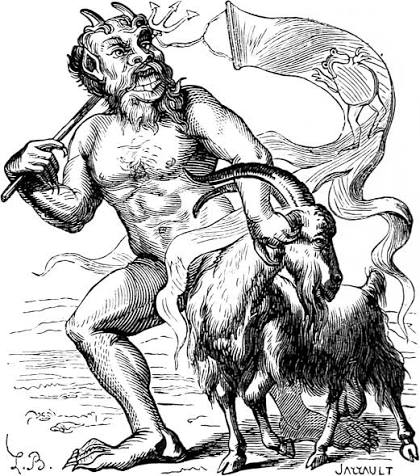
Azazel is a figure associated with the Day of Atonement in Leviticus, a rebellious Watcher in 1 Enoch, and a demonological and occult figure in later traditions. This article traces the development of Azazel from ancient Jewish texts through later demonology and modern Satanic interpretations.
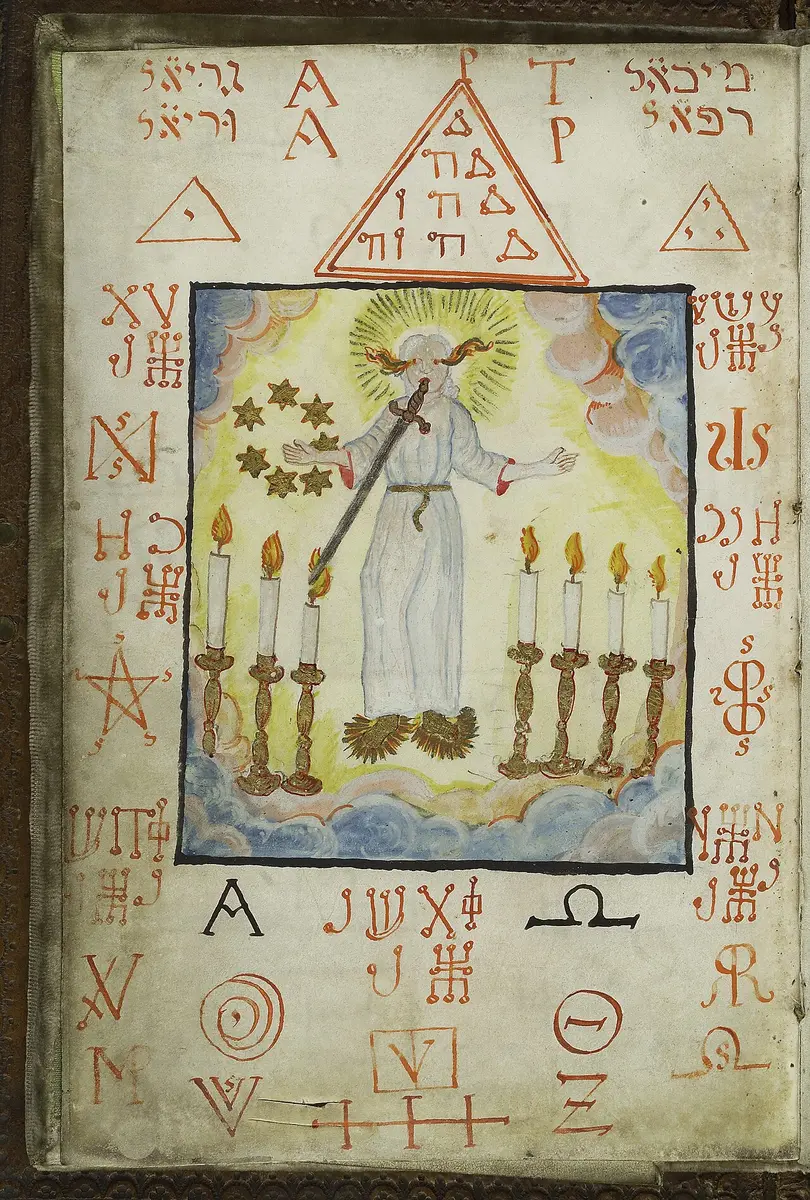
The Hebrew Enochic work associated with heavenly palaces and Enoch’s transformation into Metatron.
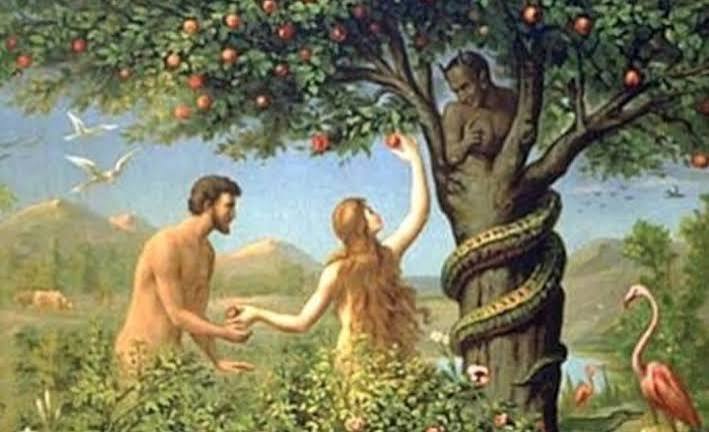
The serpent in Genesis 3 persuades the woman to eat from the tree of knowledge. The chapter does not name Satan. Later texts and interpretations connect the serpent with the Devil, adding to the history of the Eden story.
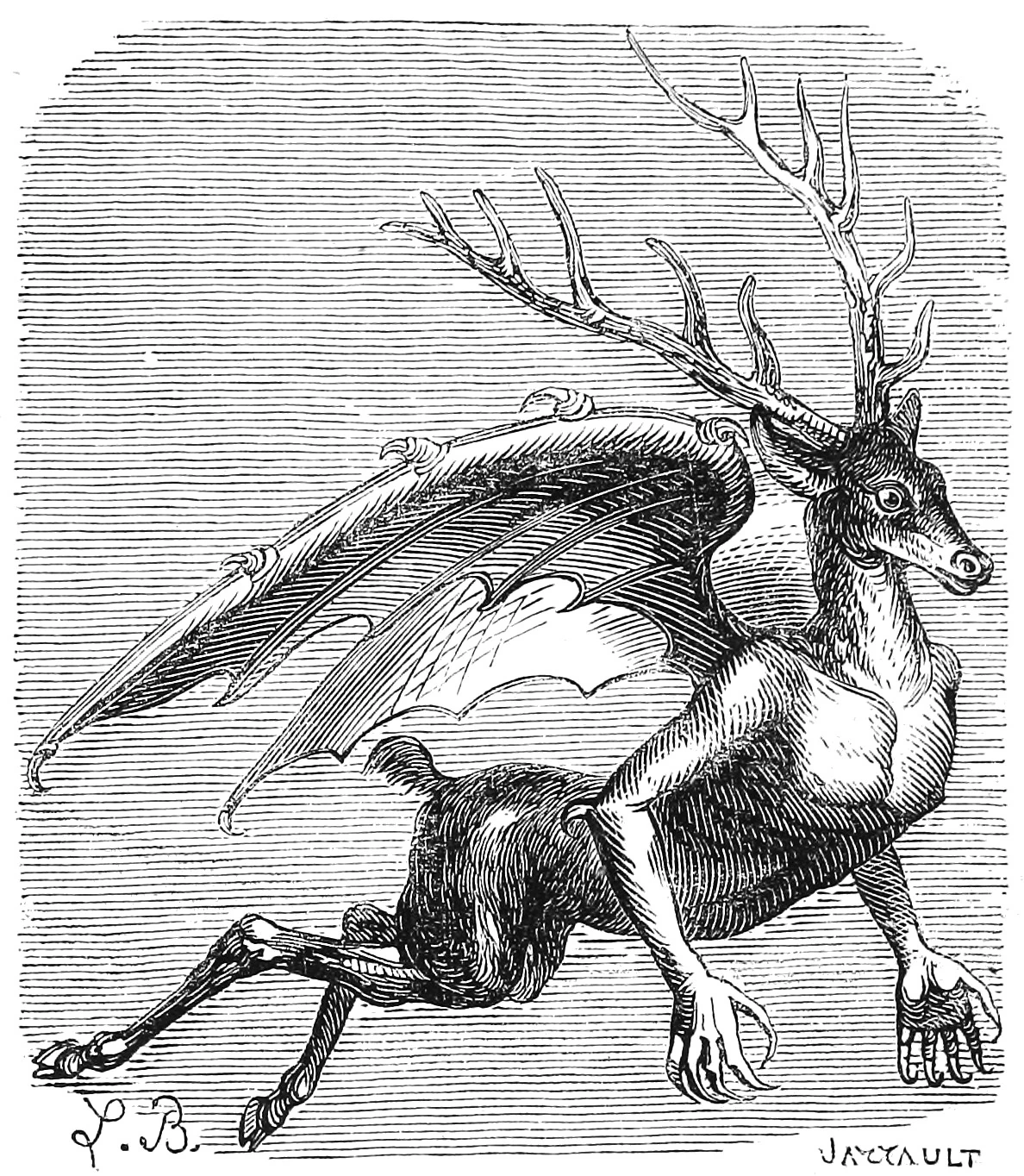
A Goetic earl depicted as a hart with a fiery tail, associated with storms and constrained answers.
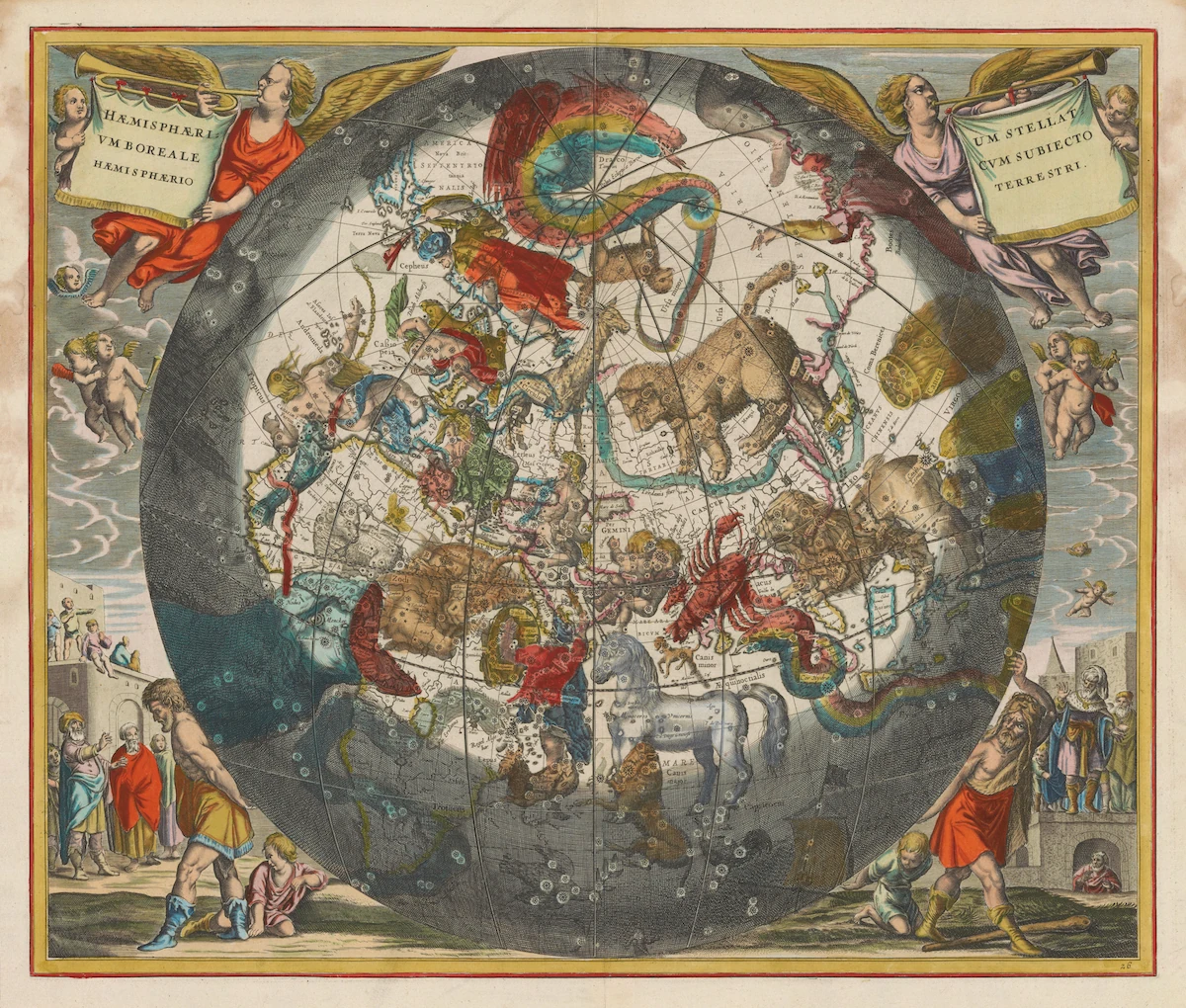
Magical systems using the seven traditional planets through timing, correspondences, images, and invocations.
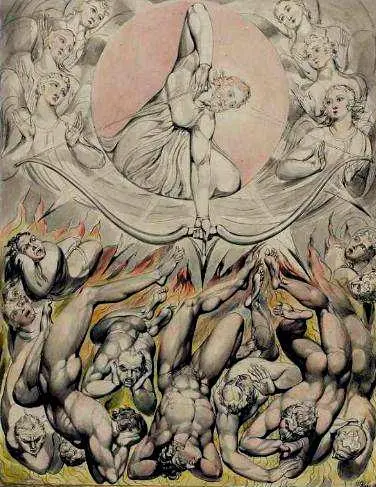
The Watchers are heavenly beings whose descent, teachings, and punishment are narrated in 1 Enoch. Their literary identity must be distinguished from later religious interpretations.

A Goetic marquis described as a sea monster, associated with language, reputation, and rhetoric.
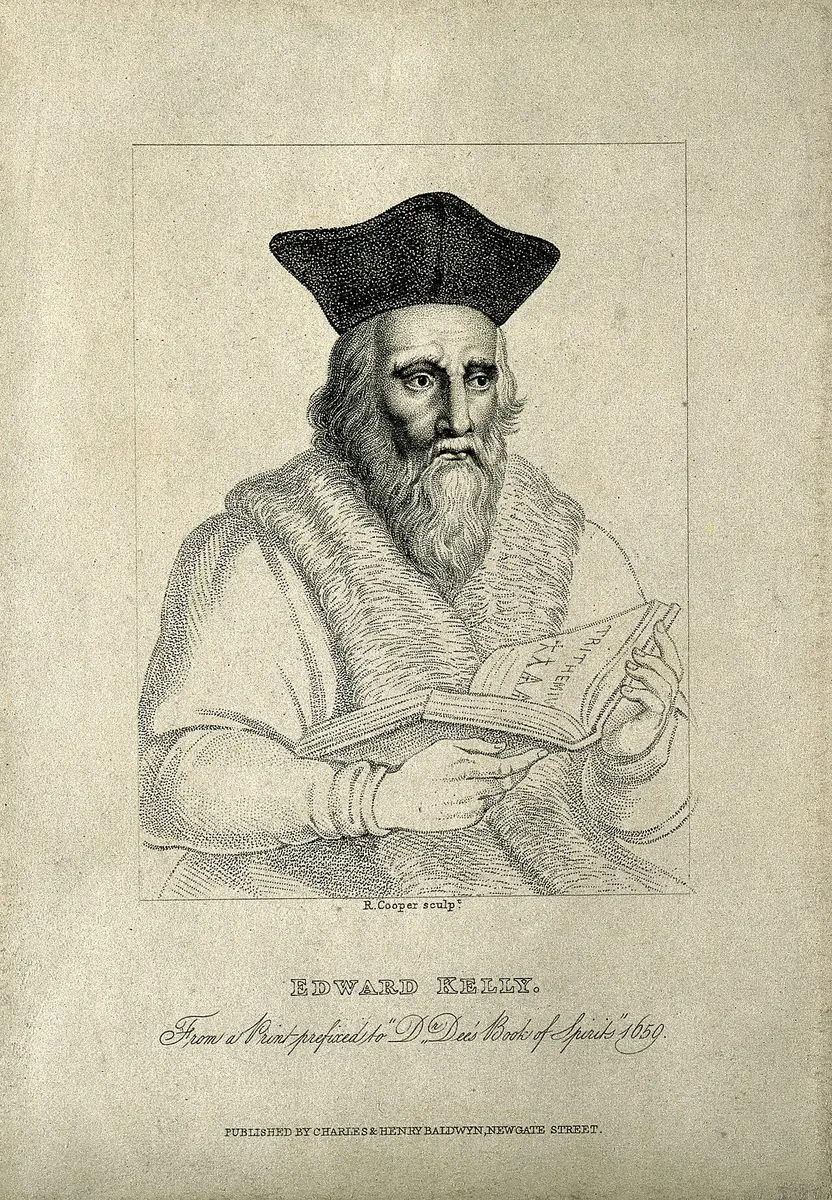
The scryer associated with John Dee’s recorded spirit conversations and later alchemical pursuits.
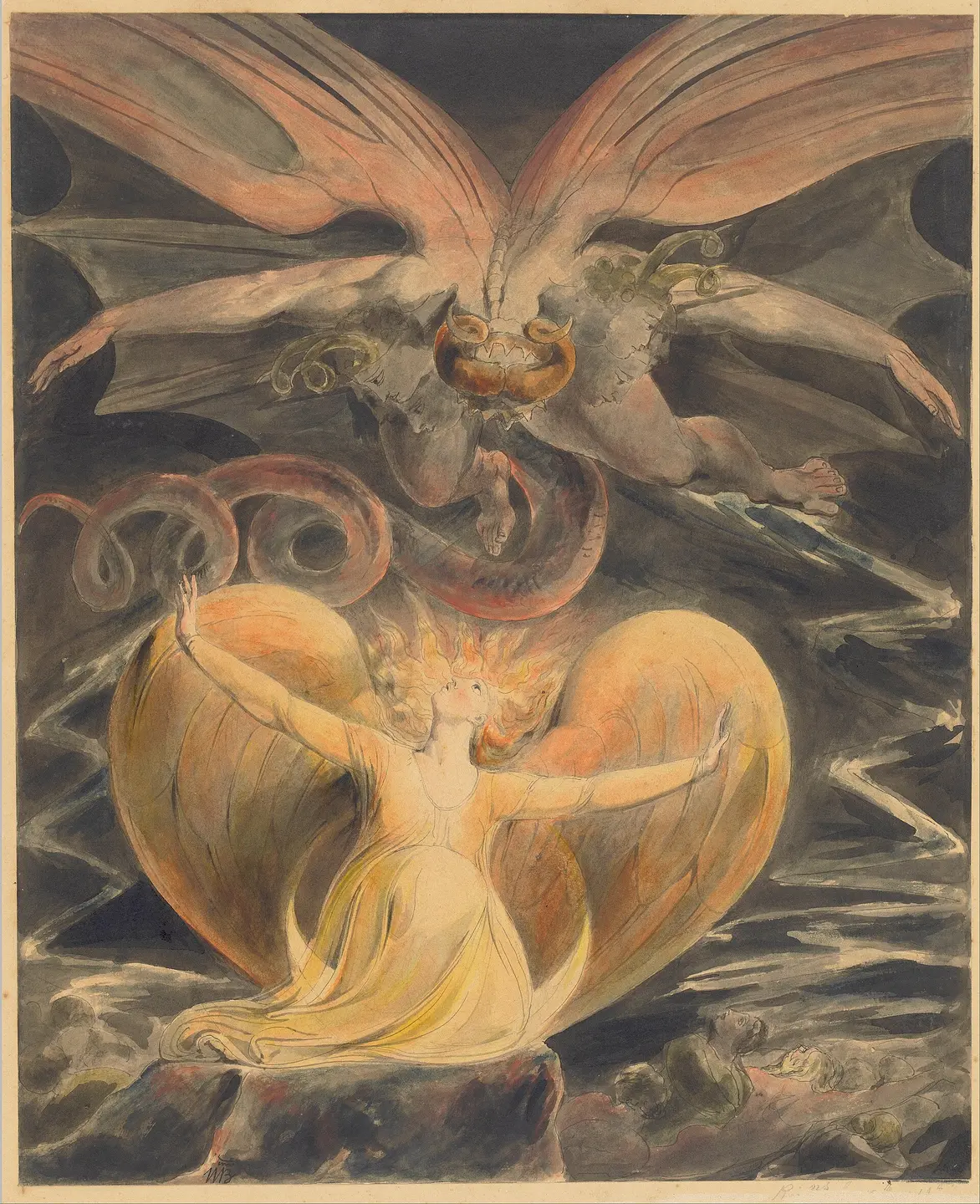
Revelation 12 identifies its dragon with the Devil and Satan. The chapter’s imagery should be read in its apocalyptic narrative before being used to interpret other passages.
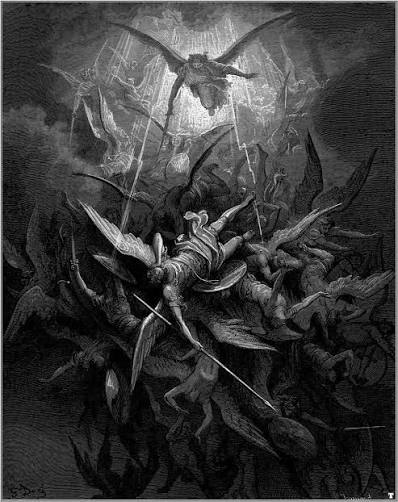
The Book of Giants names a fragmentary Jewish Enochic work represented at Qumran and a related Manichaean adaptation. Its surviving witnesses concern the offspring of the Watchers, ominous dreams, Enoch, and impending judgment.
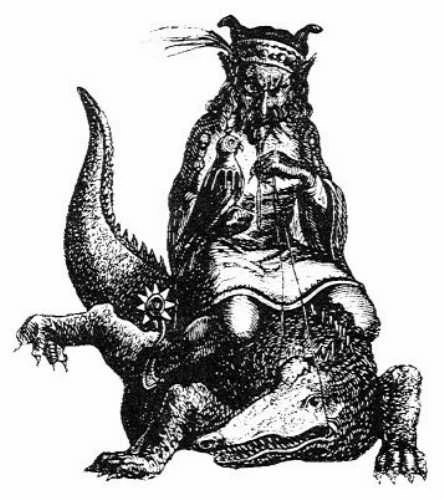
The second Goetic spirit, described as an elderly rider with a crocodile and a goshawk.
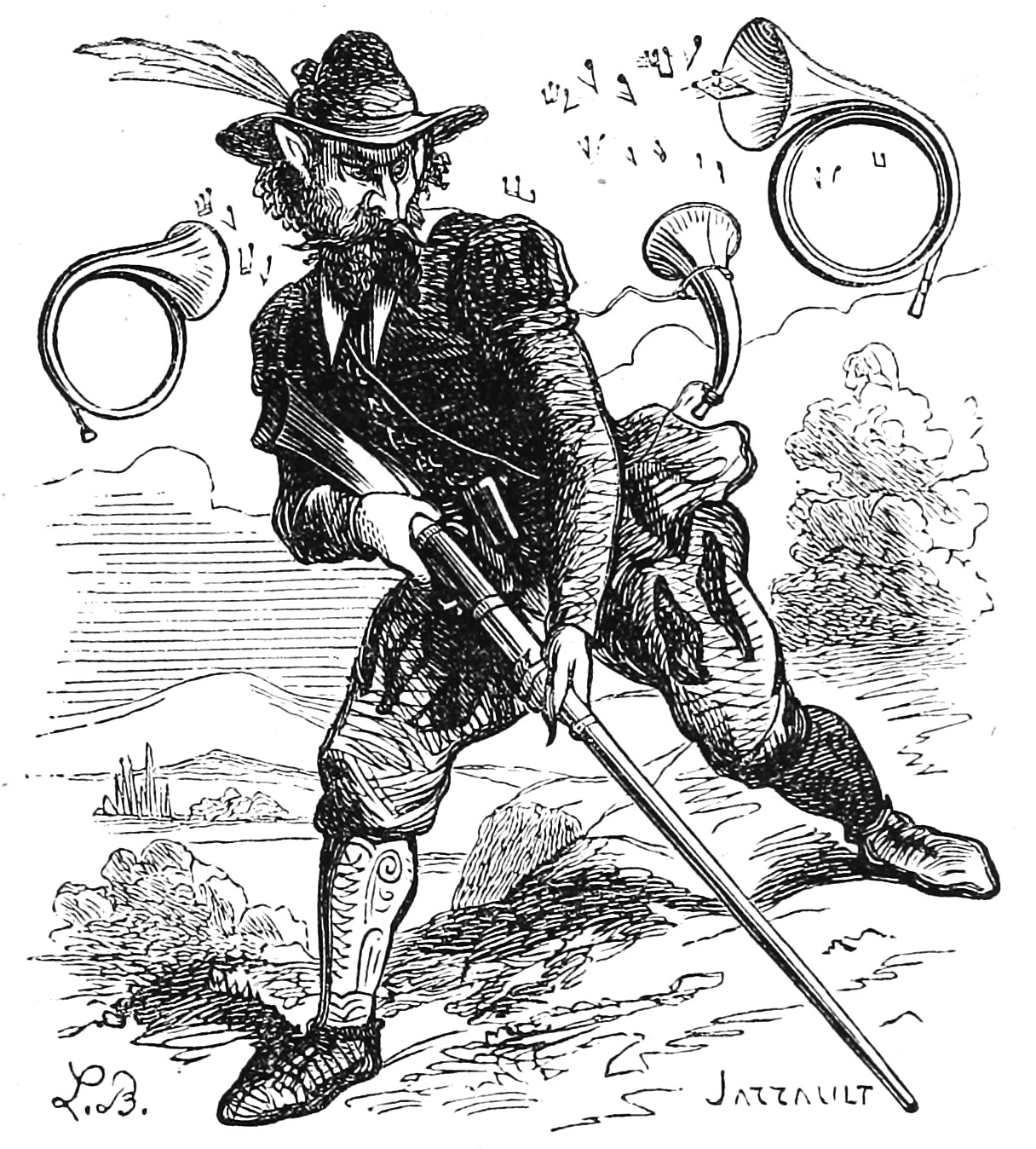
A Goetic duke connected with the speech of animals, enchanted treasure, and reconciliation.
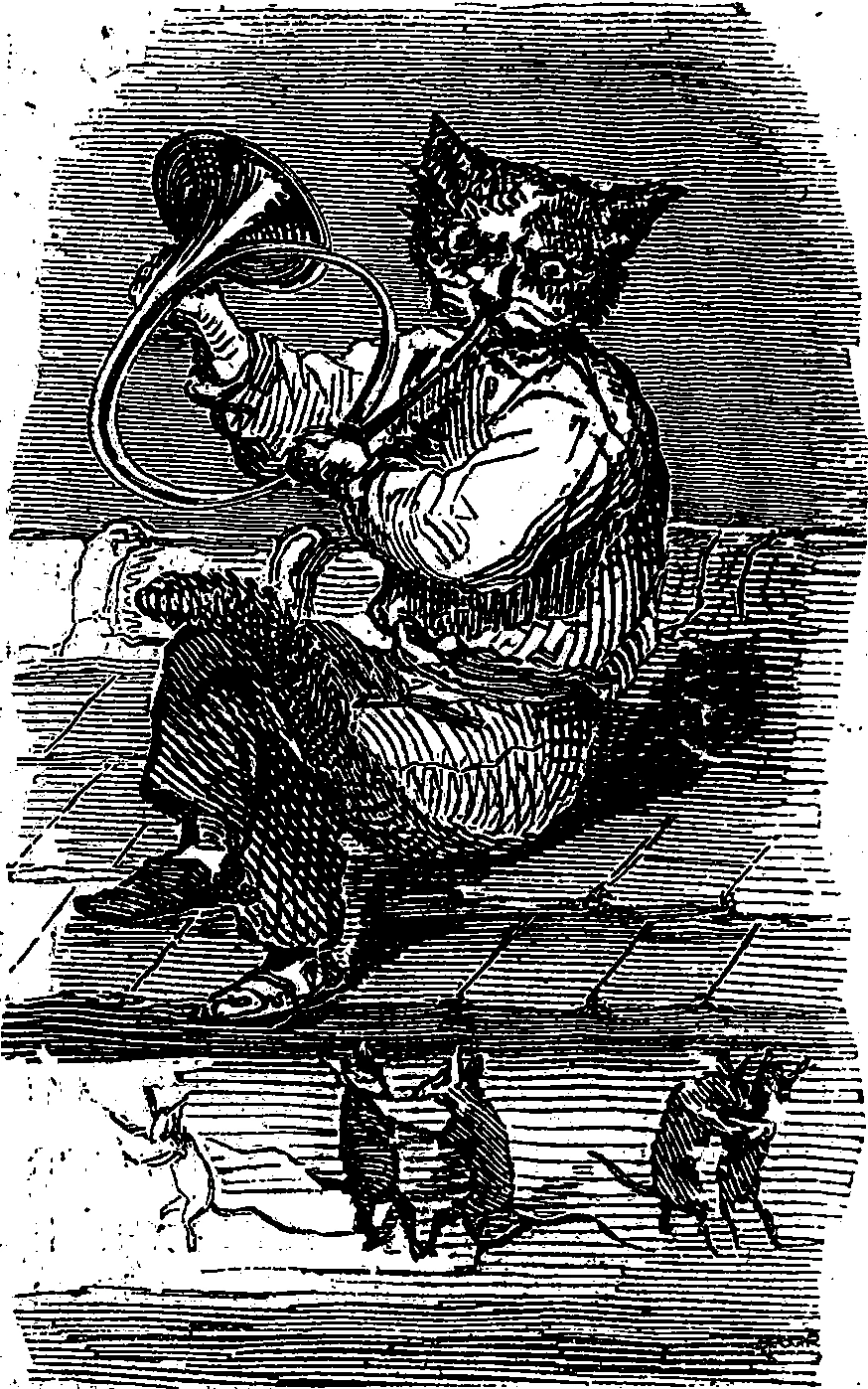
A Goetic king riding a pale horse, associated with desire and an elaborate ceremonial reception.
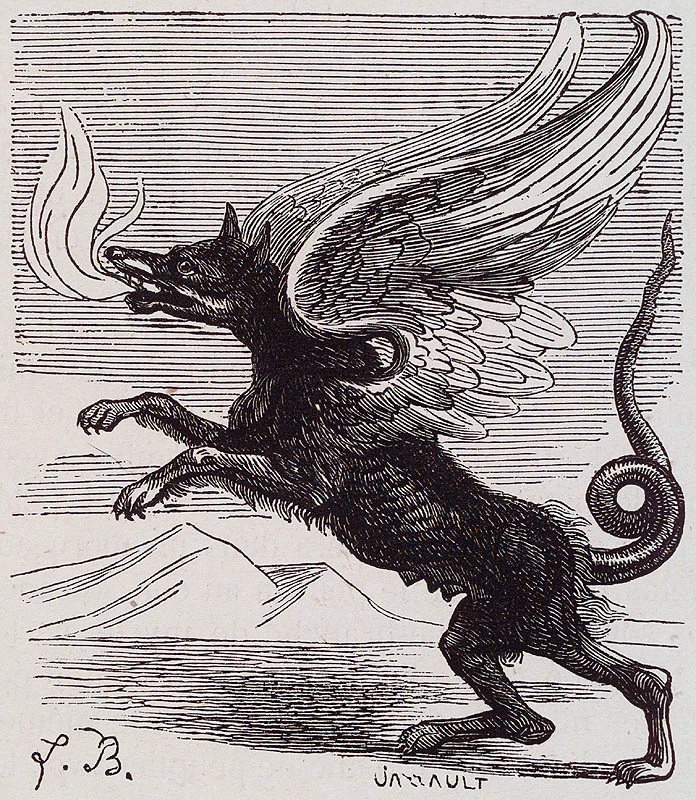
A Goetic marquis with a winged wolf form, described as a fighter who hopes to return to a heavenly throne.