Demonology & Spirits
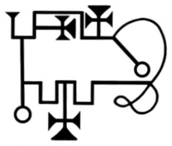
Phenex
A Goetic marquis in phoenix form, associated with poetry, learning, and a hope of heavenly restoration.
A Goetic marquis in phoenix form, associated with poetry, learning, and a hope of heavenly restoration.
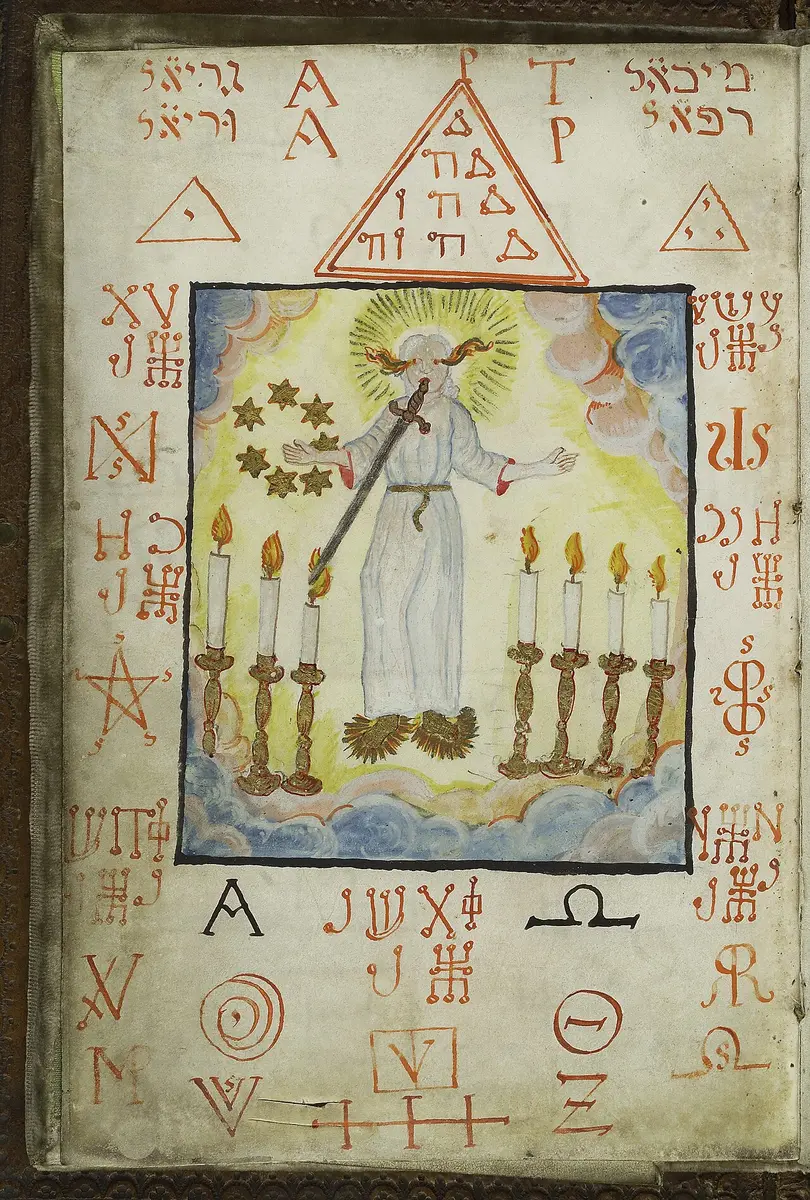
The Hebrew Enochic work associated with heavenly palaces and Enoch’s transformation into Metatron.

The life and writings of David Myatt, covering his extremist activism, later philosophy, and disputed identification as Anton Long.
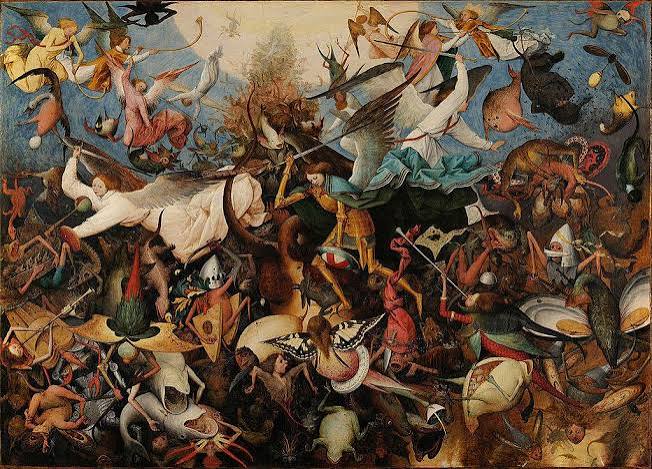
Fallen angels are heavenly beings portrayed as losing their place or proper condition through transgression. Enochic descent, Satan’s refusal to honor Adam, and the war in Revelation are distinct accounts that later interpretation can bring together.
The Malleus Maleficarum is a Latin treatise associated with the inquisitor Heinrich Kramer. It combined demonological argument with proposals for prosecuting alleged witches. Its allegations, treatment of women, and influence require critical historical reading.
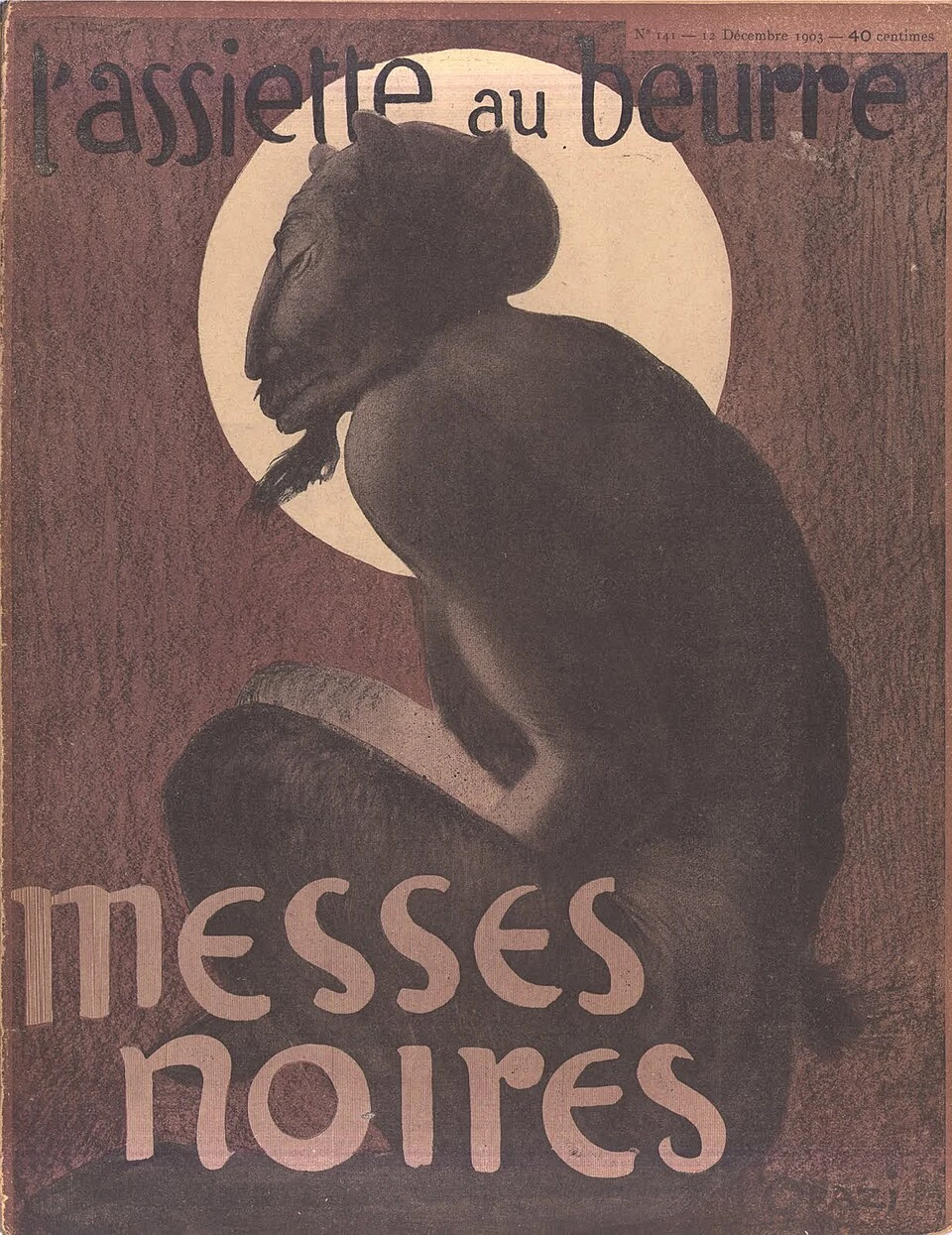
A term for ritual inversion of Christian worship, with Huysmans's literary portrayal and a modern distinction from Satanic Mass.
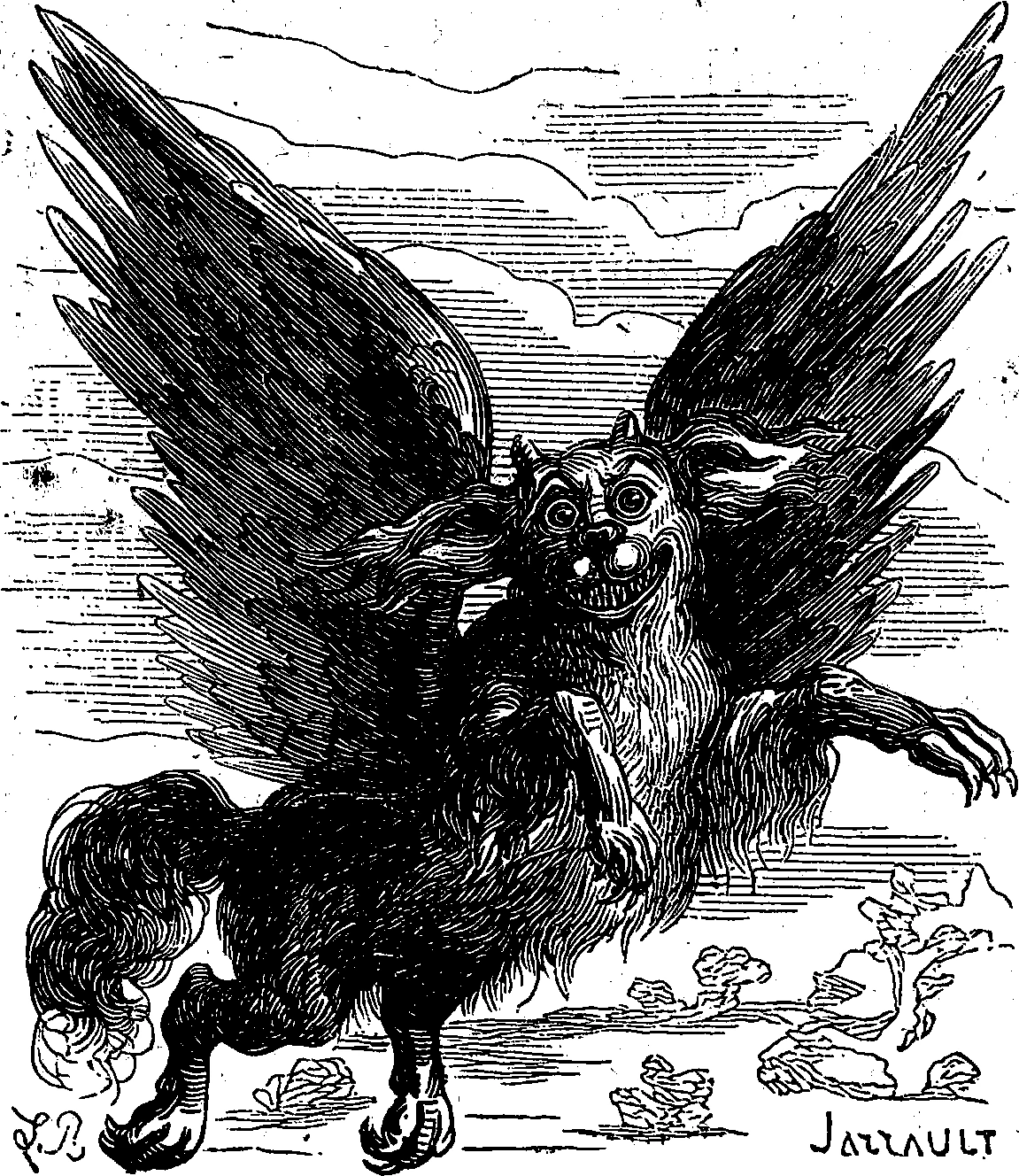
A Goetic spirit combining learned offices with a violent reputation and a winged dog form.
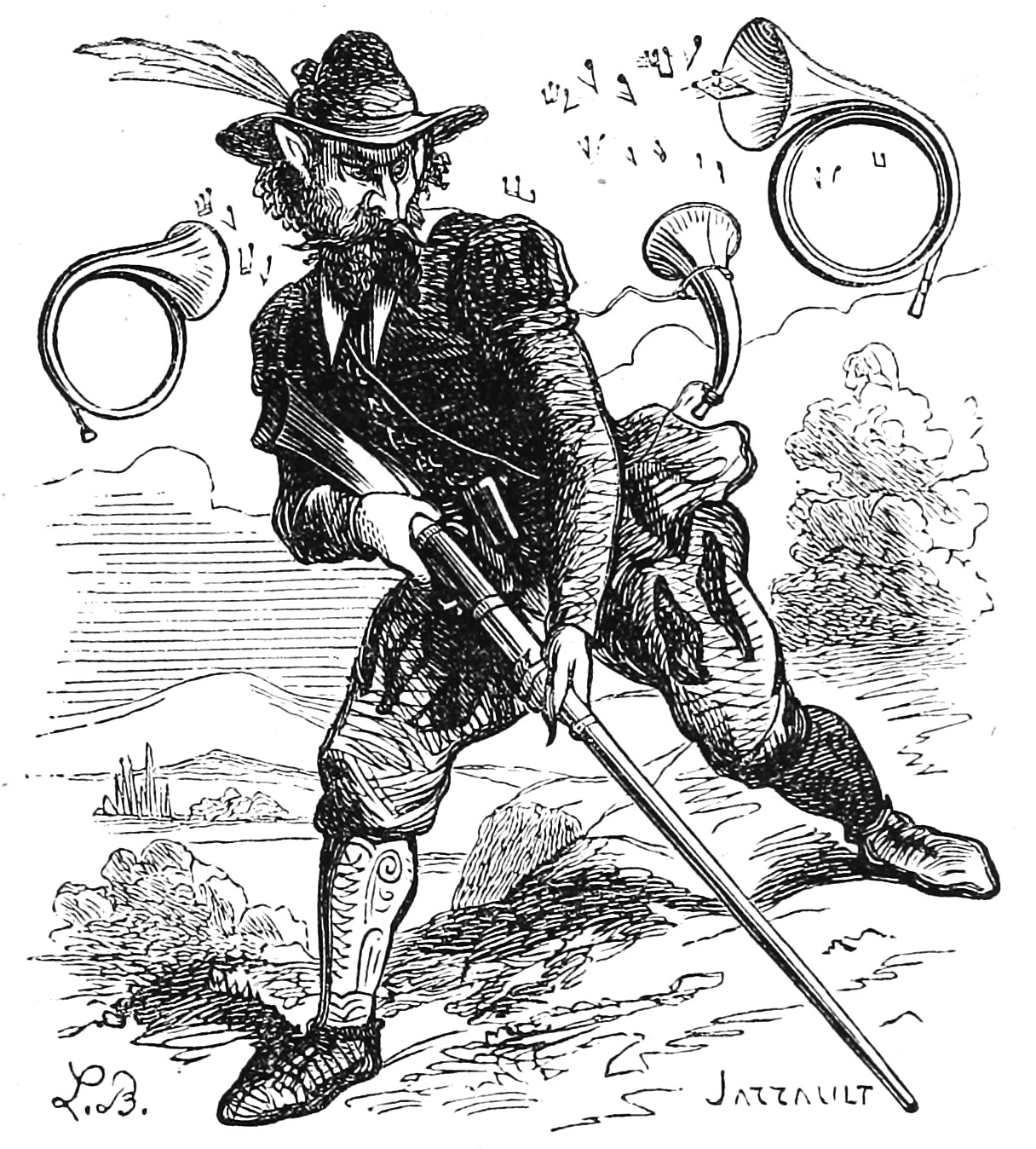
A Goetic duke connected with the speech of animals, enchanted treasure, and reconciliation.
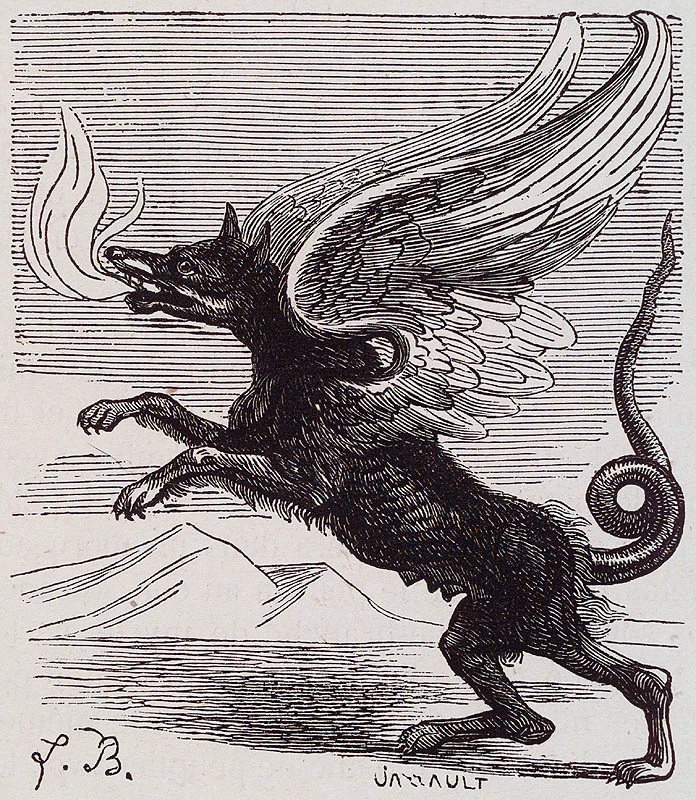
A Goetic marquis with a winged wolf form, described as a fighter who hopes to return to a heavenly throne.
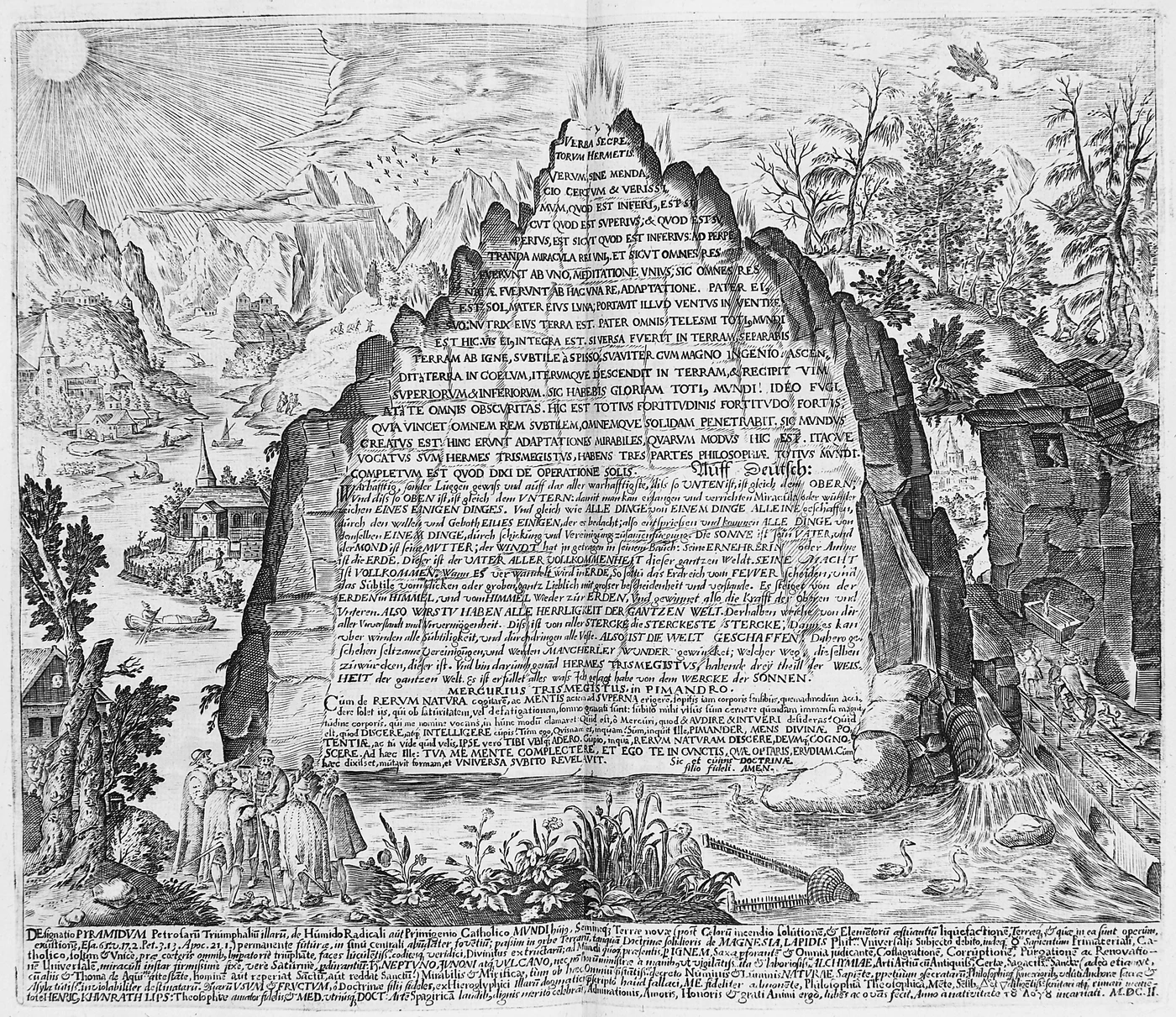
A brief Hermetic text whose images of above and below, sun and moon, and transformation influenced alchemical writing.

A British occult writer associated with the Typhonian current, Thelema, and the work of Austin Osman Spare.
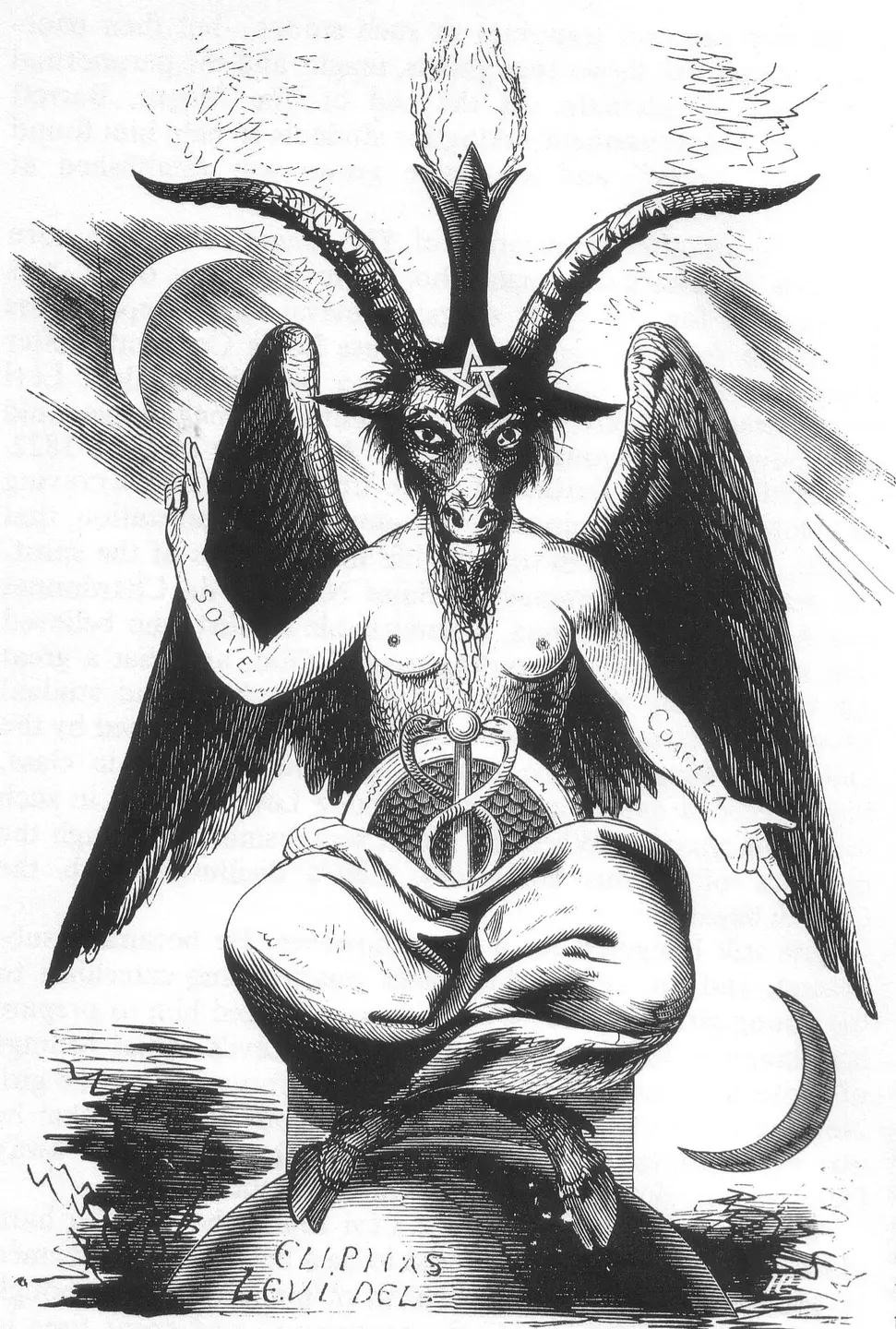
Baphomet is an occult figure whose history connects the medieval trial of the Knights Templar, nineteenth-century ceremonial symbolism, twentieth-century Satanic iconography, and the modern public imagery of The Satanic Temple. The familiar goat-headed, winged, androgynous figure is not a medieval portrait of a secret Templar god. It was created in the nineteenth century by the French occultist Éliphas…
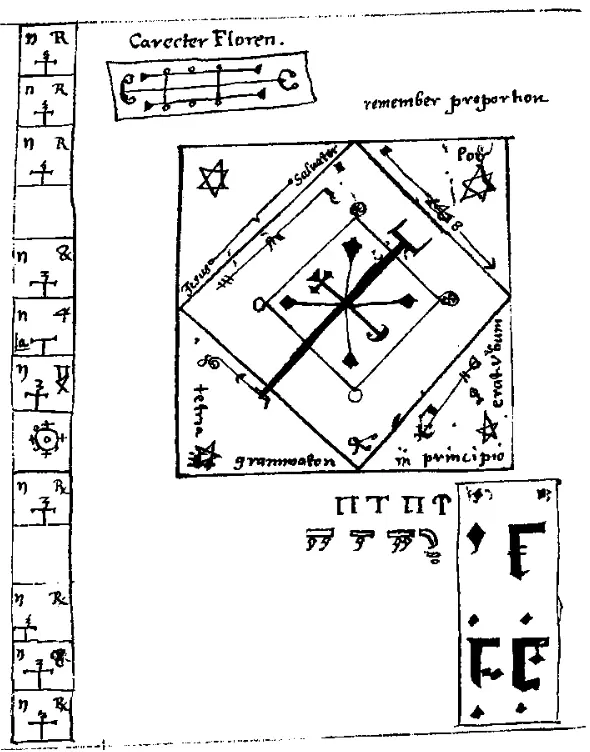
A grimoire is a book or manuscript containing magical knowledge, ritual procedures, charms, conjurations, talismans, spirit catalogues, astrological instructions, prayers, or other techniques intended to produce supernatural or occult effects. The term is most strongly associated with European magic, but scholars use it within a much wider history of magical books and written ritual technologies.

Prayer is intentional communication addressed to a deity, spirit, sacred power, or ultimate reality. It can include praise, petition, confession, thanksgiving, lament, dedication, silence, repetition, or simple direct speech. In theistic Satanism, prayer usually means addressing Satan or another spiritually real being rather than speaking only to oneself or performing a purely symbolic exercise.
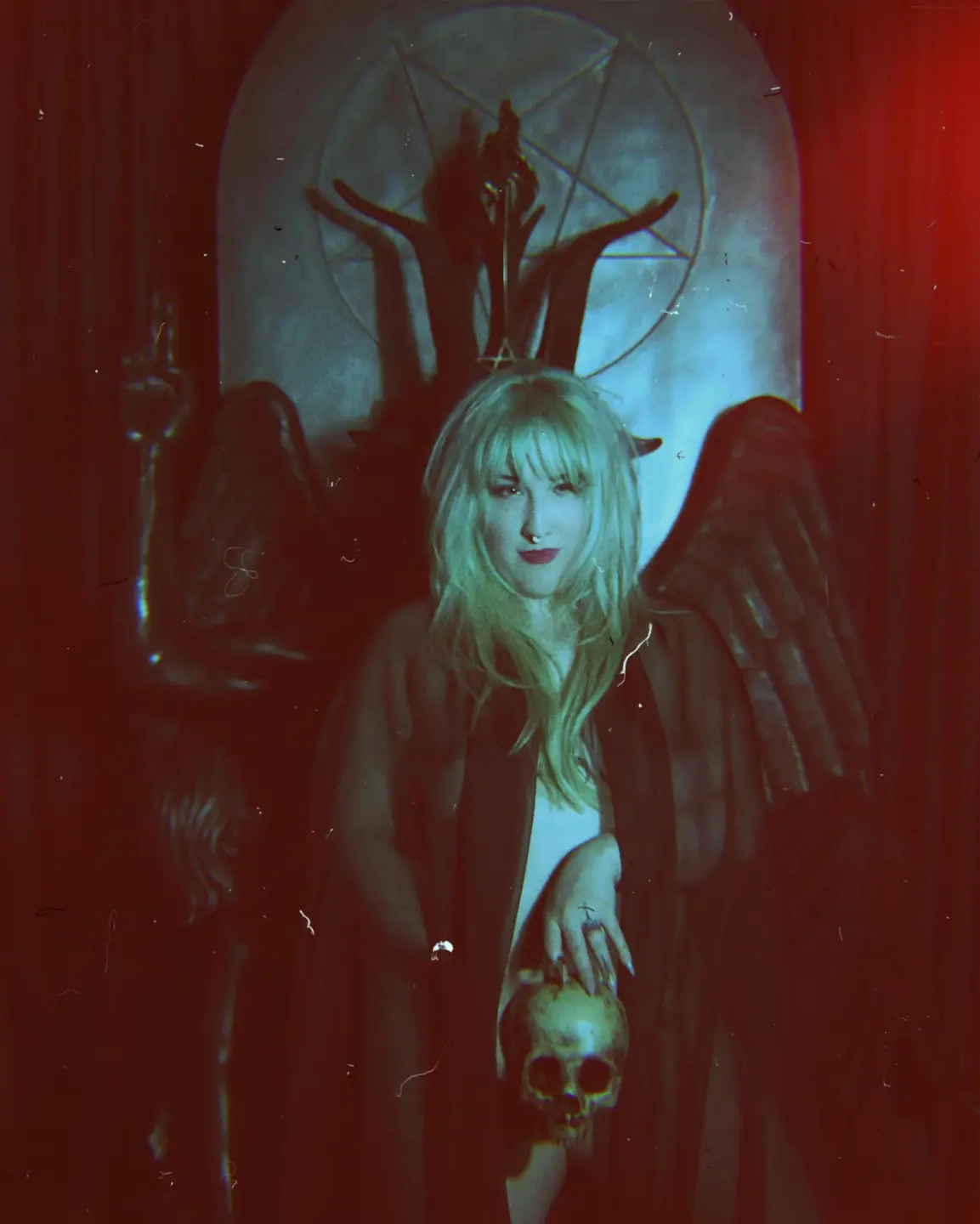
Symbolic and theistic Satanism are broad labels used to distinguish Satanist traditions according to how they understand Satan’s reality. In theistic Satanism, Satan is ordinarily regarded as a real deity, spirit, intelligence, or independently existing being. In symbolic or non-theistic Satanism, Satan is understood primarily as a symbol, literary figure, archetype, cultural adversary, or name for a…
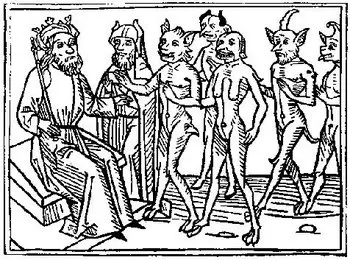
Belial appears in biblical religious language and later spirit catalogues. These uses should be distinguished rather than treated as one unchanged biography.
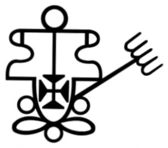
A Goetic king riding a bear, with offices concerning hidden knowledge, treasure, and cosmology.
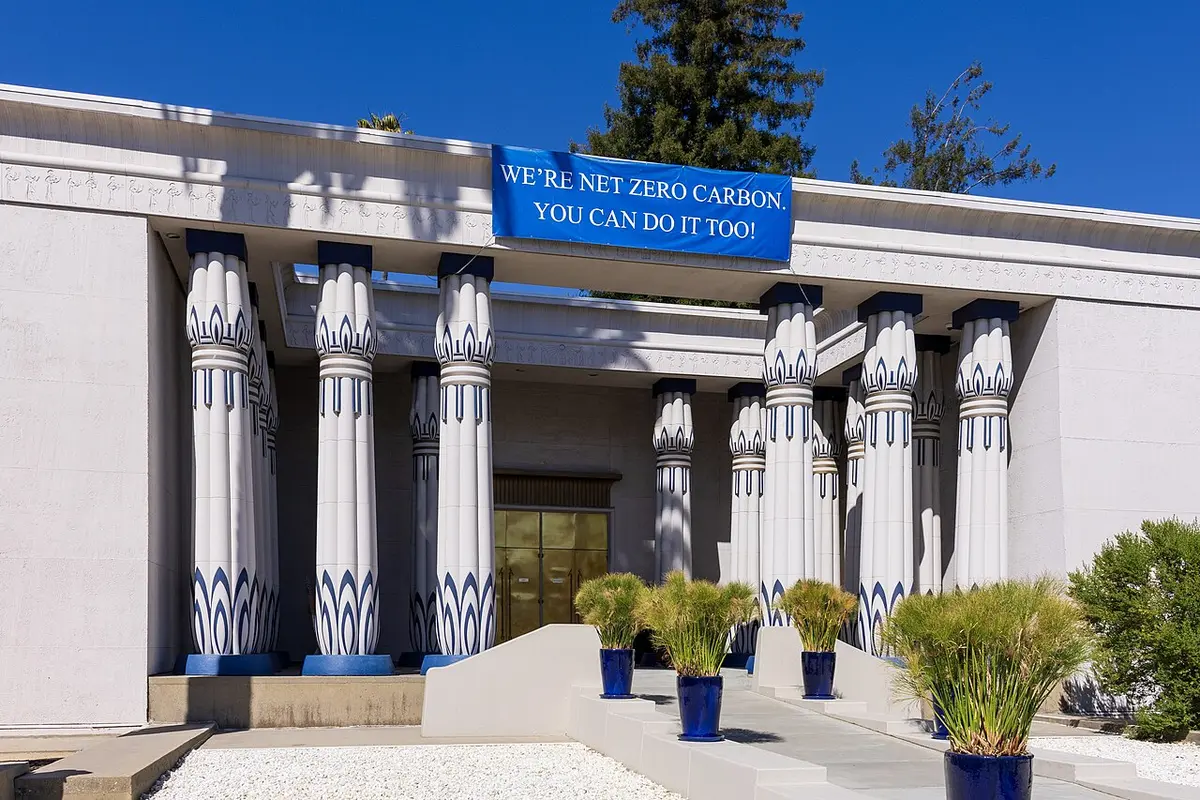
A modern Rosicrucian organization, usually called AMORC, that teaches through lessons and local study groups.
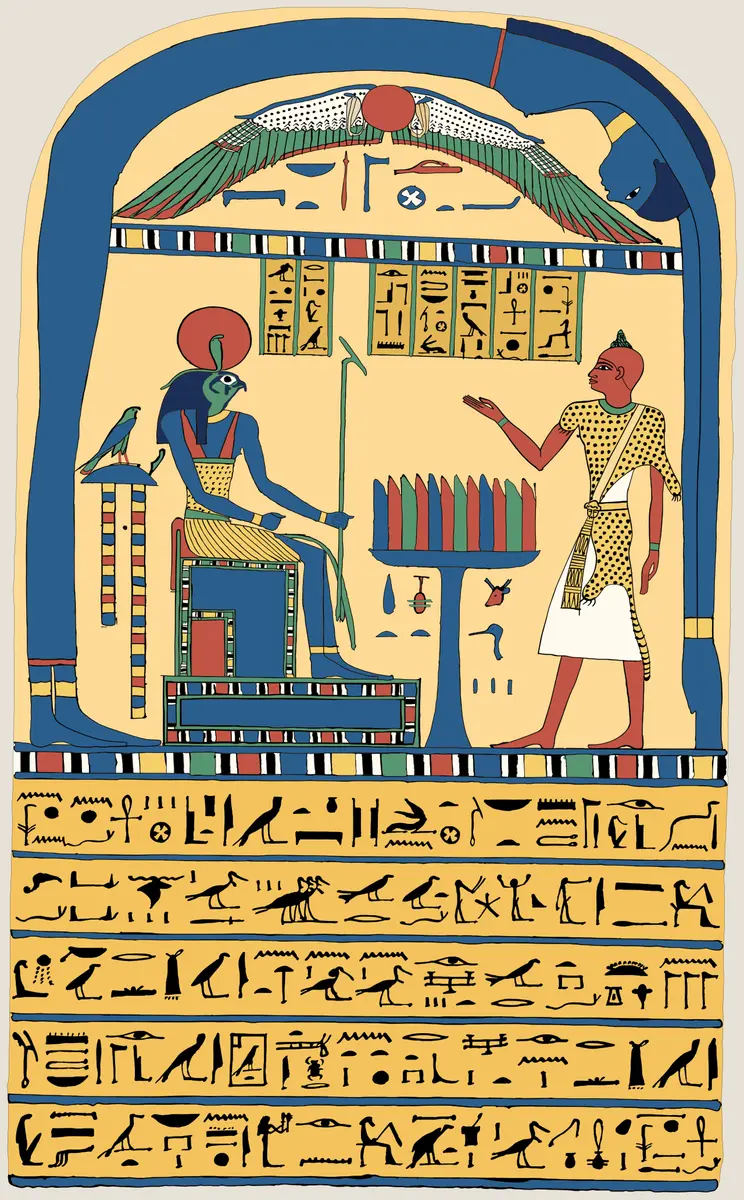
The religious and philosophical tradition associated with Aleister Crowley and The Book of the Law.
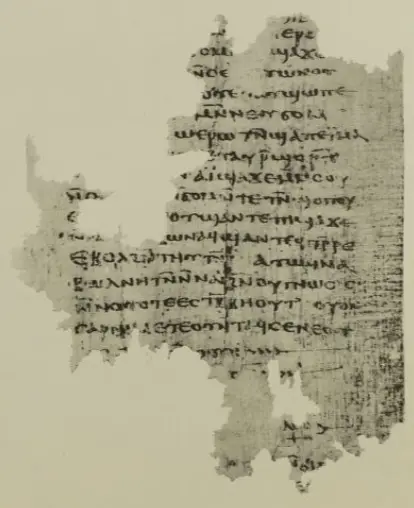
A modern umbrella term for several ancient religious movements and texts concerned with saving knowledge and divine origins.