Demonology & Spirits
Amon
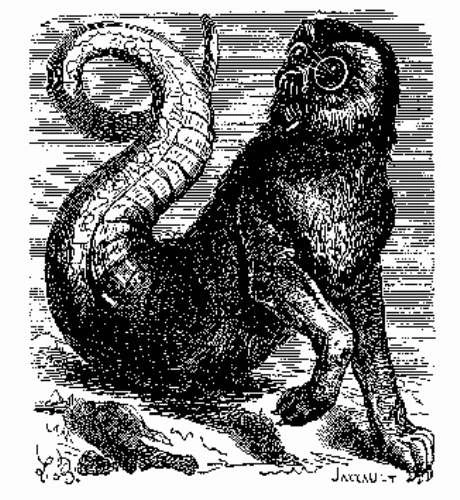
A Goetic marquis with a wolf-like appearance, associated with knowledge and the making or resolution of disputes.
A Goetic marquis with a wolf-like appearance, associated with knowledge and the making or resolution of disputes.
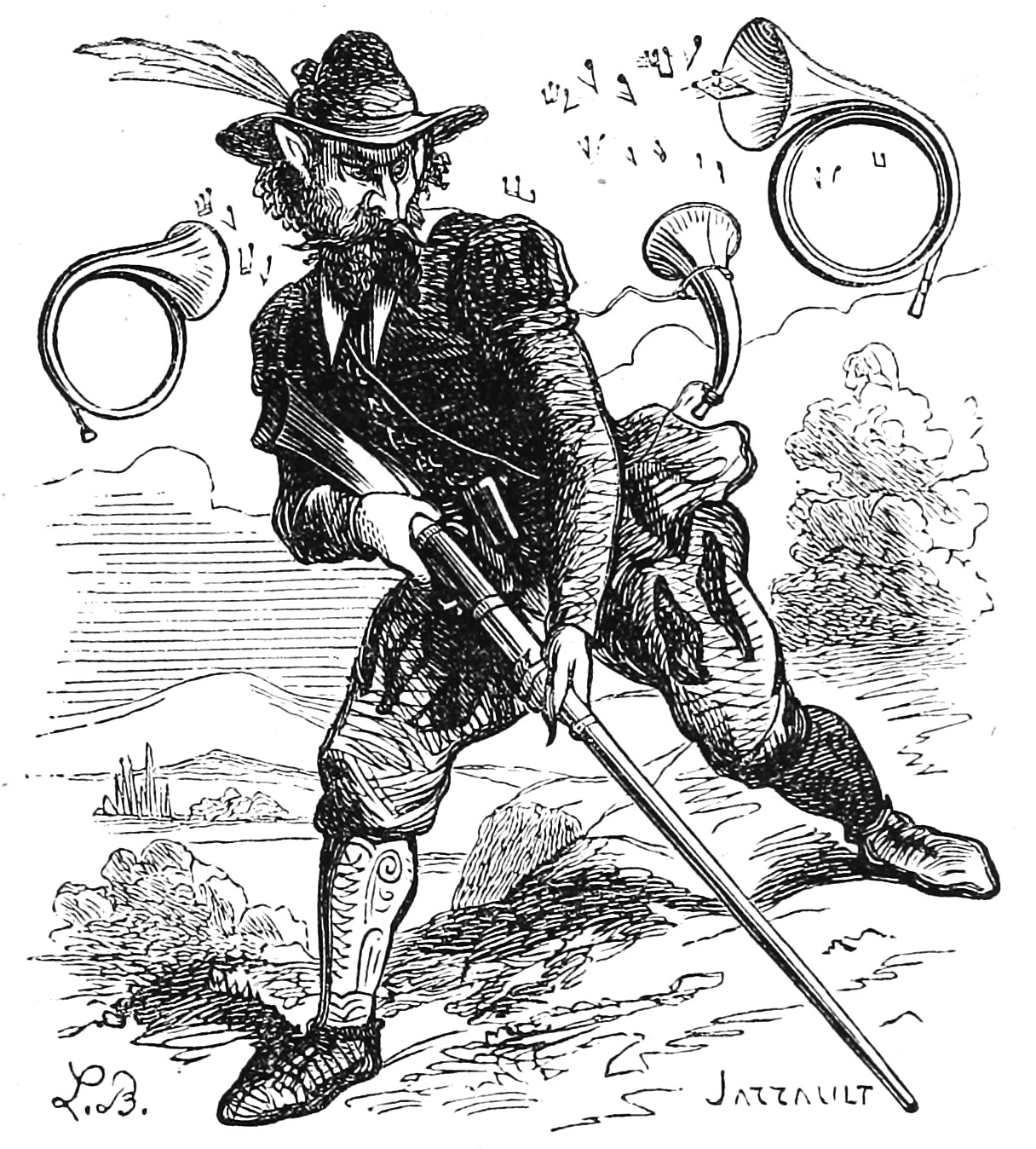
A Goetic duke connected with the speech of animals, enchanted treasure, and reconciliation.
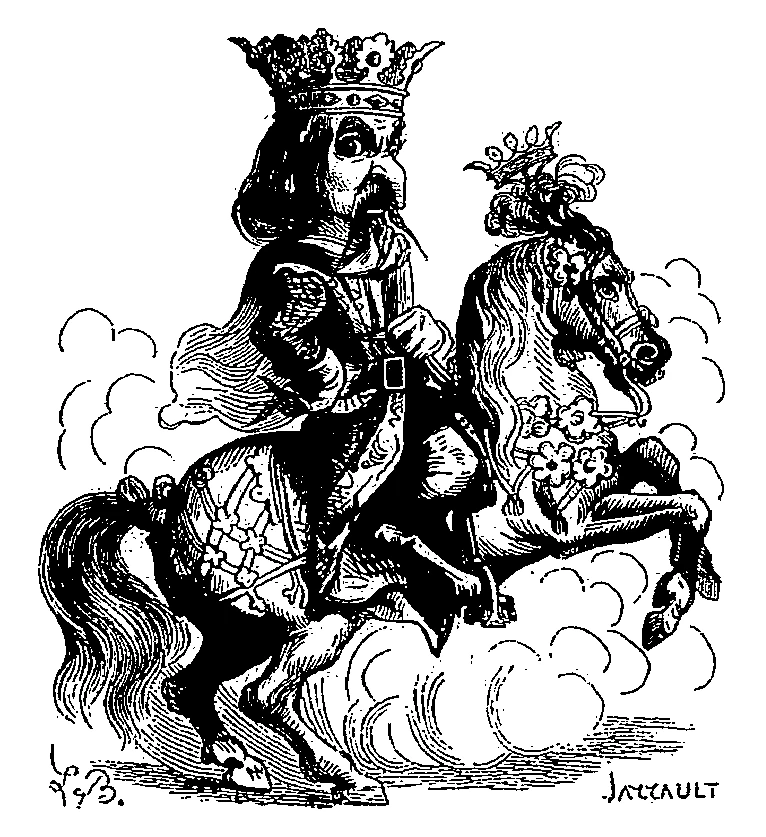
A Goetic duke riding a red horse, credited with knowledge, honors, and the transformation of metals.
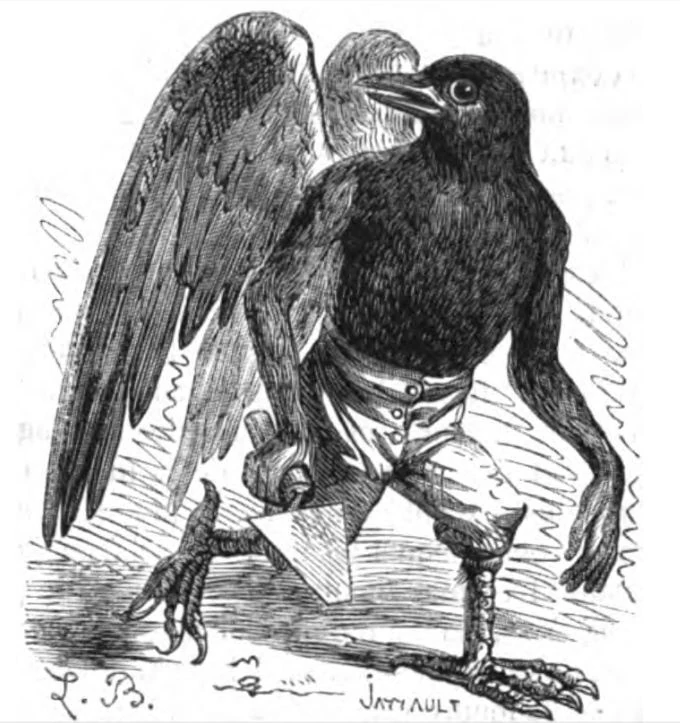
A Goetic president in a dark bird form, associated with building and a warning about offerings.
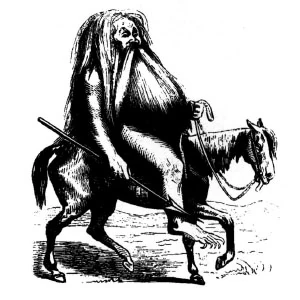
The Goetic knight, associated with philosophy, learned arts, and forms of divination.
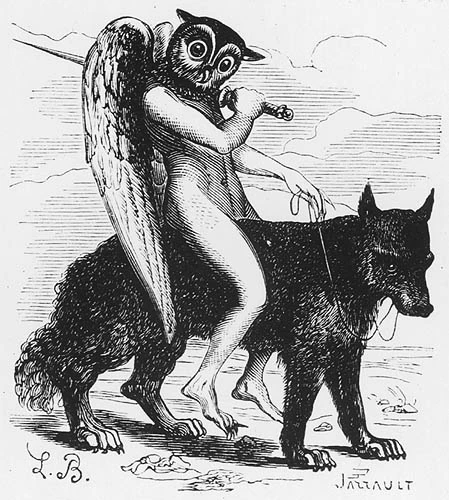
A Goetic marquis portrayed with a bird's head on a wolf, associated with discord and a warning of danger.
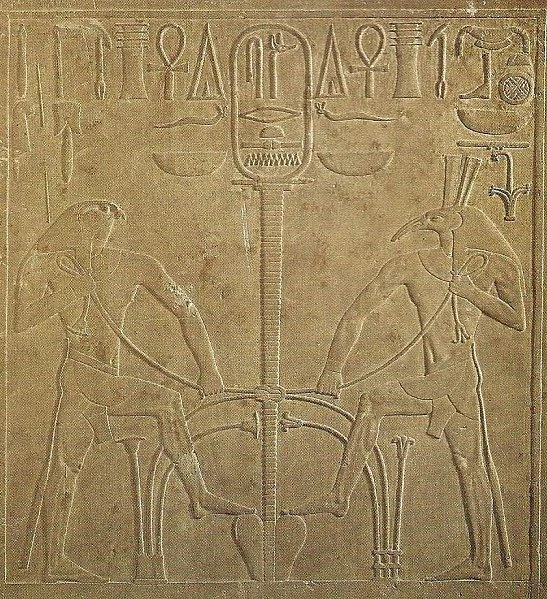
The religious philosophy associated with the Temple of Set, the Egyptian name Set, and the idea of Xeper.

Anton LaVey’s 1969 book of Satanic philosophy and ritual, foundational to the Church of Satan.
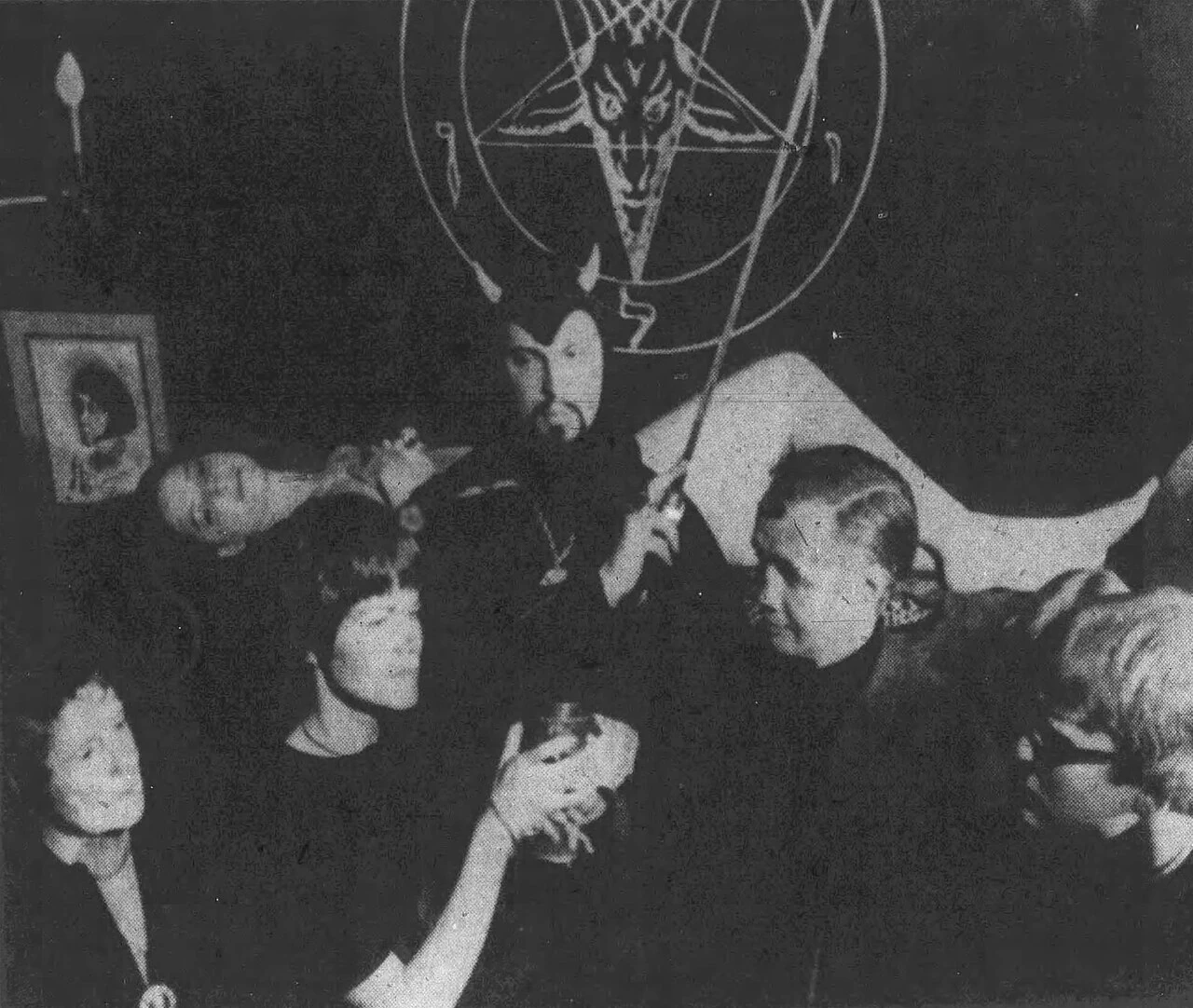
Anton LaVey’s collection of ceremonial material, published as a companion to The Satanic Bible.

The central public liturgy of Ecclesia Gnostica Catholica, written by Aleister Crowley as Liber XV.
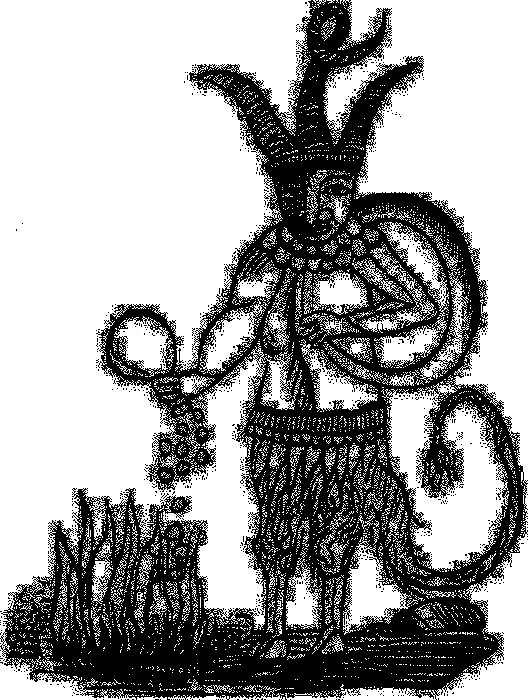
A grimoire best known for its staged encounter and pact with Lucifuge Rofocale.
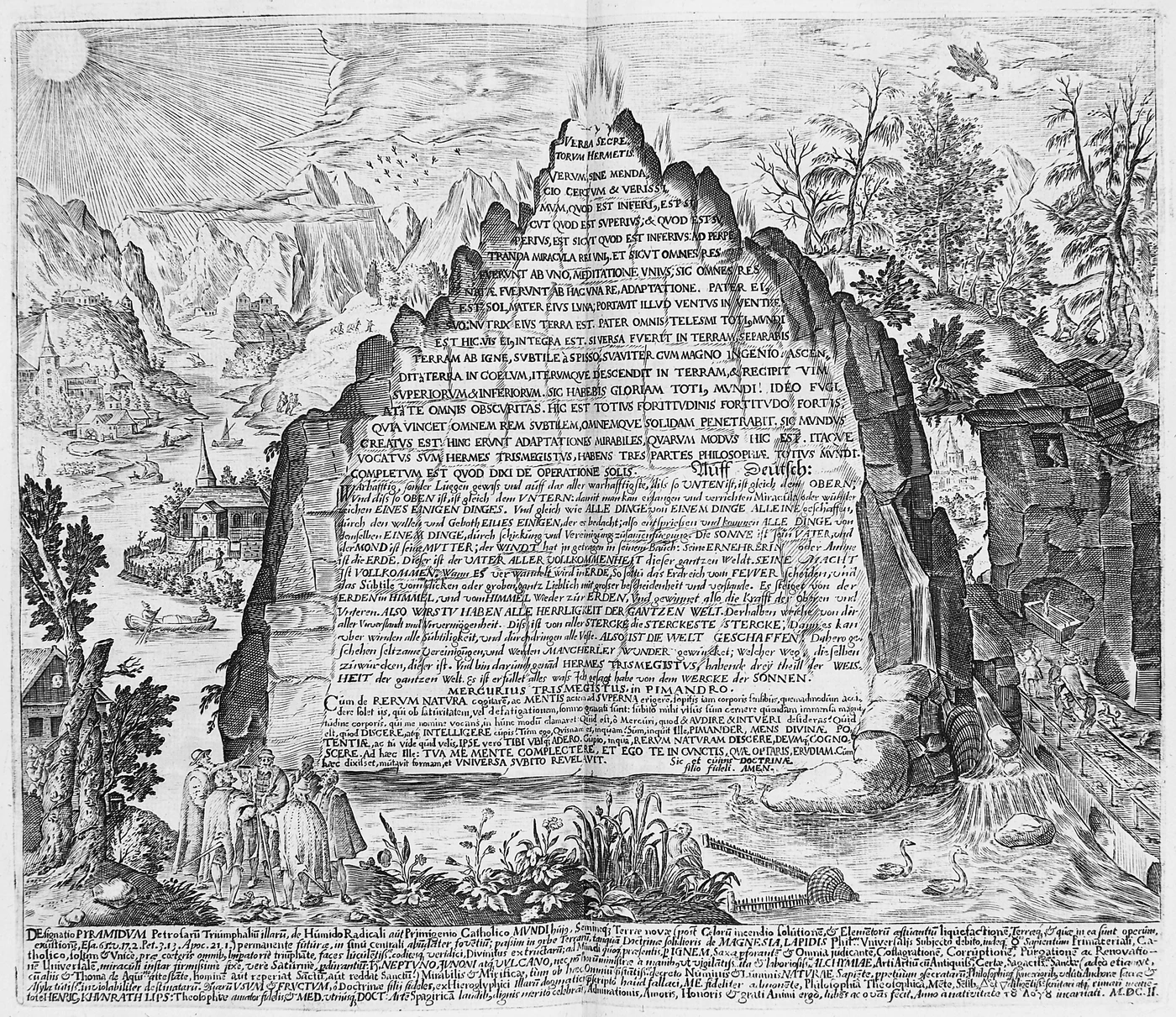
A brief Hermetic text whose images of above and below, sun and moon, and transformation influenced alchemical writing.

A nineteenth-century French occult author associated with ceremonial symbolism and the influential image of Baphomet.

The author and religious figure associated with Thelema, The Book of the Law, and a large body of magical instruction.

The founder of the Church of Satan and author of The Satanic Bible and The Satanic Rituals.

A British occult writer associated with the Typhonian current, Thelema, and the work of Austin Osman Spare.

An English artist and occult author whose treatment of desire and sigils influenced later magical practice.
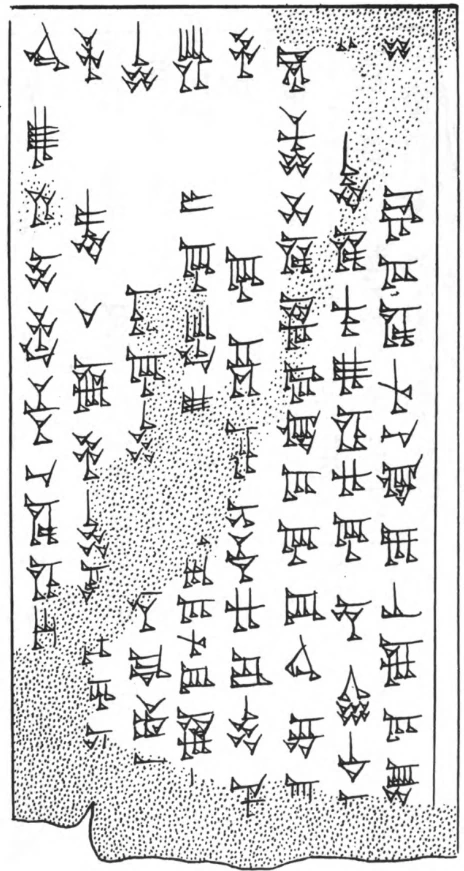
The primordial sea figure in the Babylonian creation epic Enuma Elish, defeated by Marduk in its account of cosmic ordering.
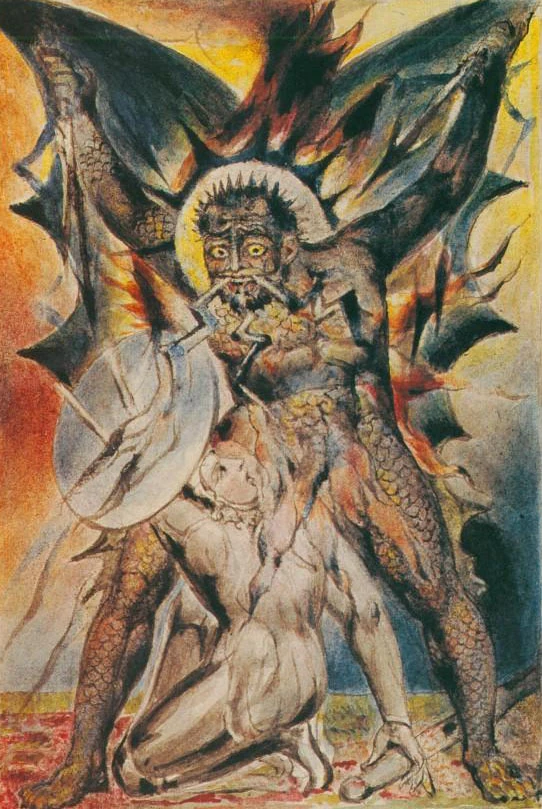
A biblical name associated with destruction, used in Revelation for the angel of the abyss.
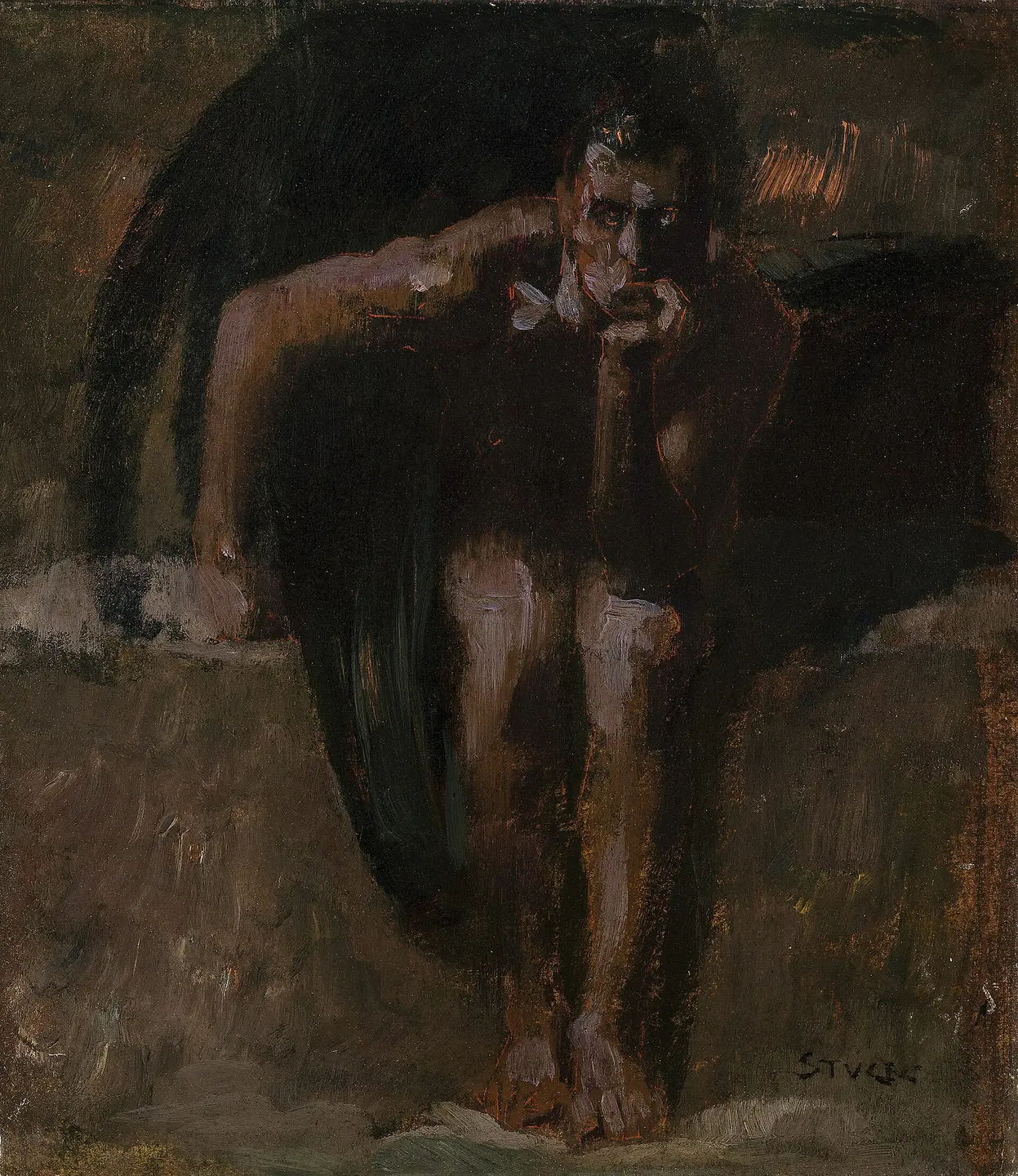
Theistic Satanism is a family of religious positions in which Satan is understood as an actually existing spiritual being, deity, intelligence, or metaphysical presence, rather than only a literary symbol or political metaphor. It is not a single church or creed. The term is best used as an umbrella for practitioners and groups whose beliefs differ on the nature of Satan, the status of other spirits,…