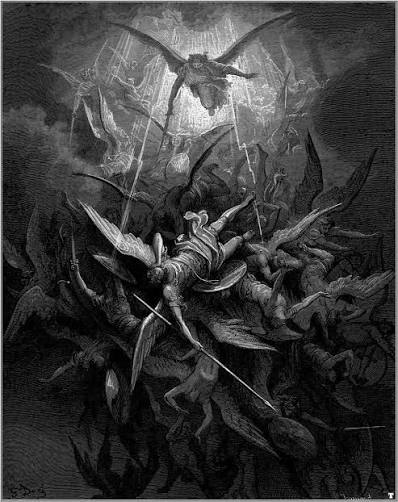
Book of Giants
The Book of Giants names a fragmentary Jewish Enochic work represented at Qumran and a related Manichaean adaptation. Its surviving witnesses concern the offspring of the Watchers, ominous dreams, Enoch, and impending judgment.
The Book of Giants names a fragmentary Jewish Enochic work represented at Qumran and a related Manichaean adaptation. Its surviving witnesses concern the offspring of the Watchers, ominous dreams, Enoch, and impending judgment.
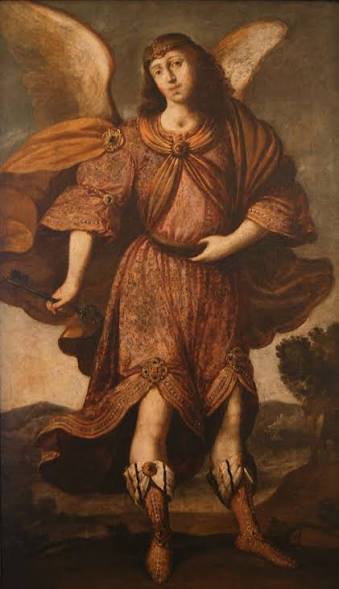
Raziel is an angel associated with the revelation of divine secrets, especially the legendary book given to Adam. His name appears in Jewish interpretive and magical literature and later Western esotericism, where Agrippa connects him with Chokmah, or Wisdom.

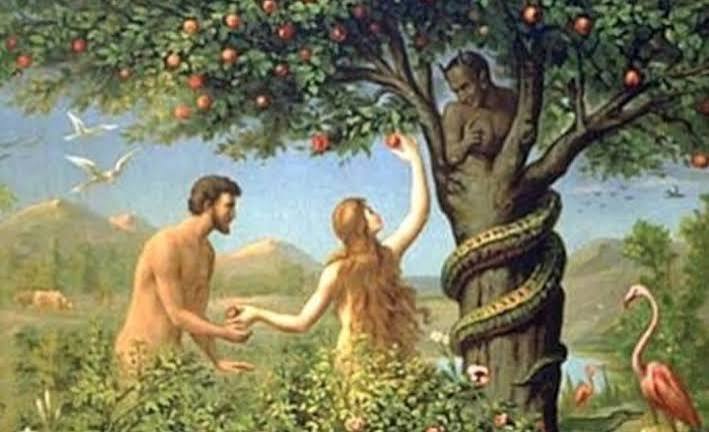
The serpent in Genesis 3 persuades the woman to eat from the tree of knowledge. The chapter does not name Satan. Later texts and interpretations connect the serpent with the Devil, adding to the history of the Eden story.

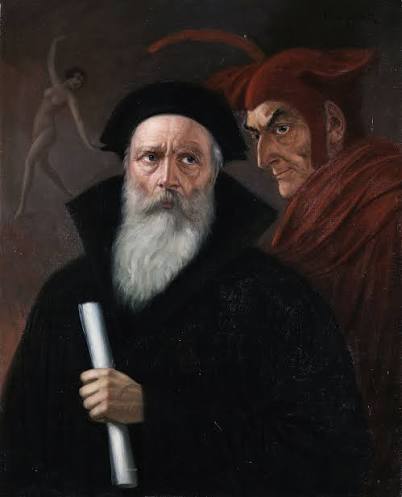
Faust is the scholar or magician at the center of a European legend about bargaining with the Devil. The 1587 Faust book, Marlowe’s Doctor Faustus, and Goethe’s Faust give the story different treatments of knowledge, desire, damnation, and human striving.

Mastema is a leader of harmful spirits in the Book of Jubilees. His appearances in the stories of Noah, Abraham, and Moses connect temptation, accusation, and hostility with a power that remains subject to divine limits.

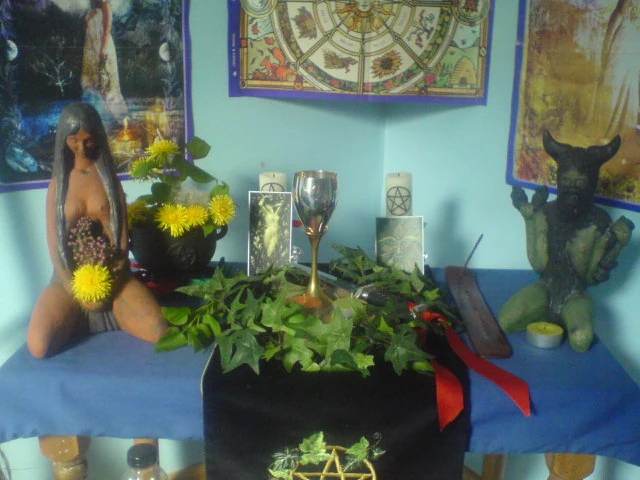
Modern Pagan religious witchcraft, its Gardnerian and Alexandrian traditions, ritual practice, and relationship to Satanism.

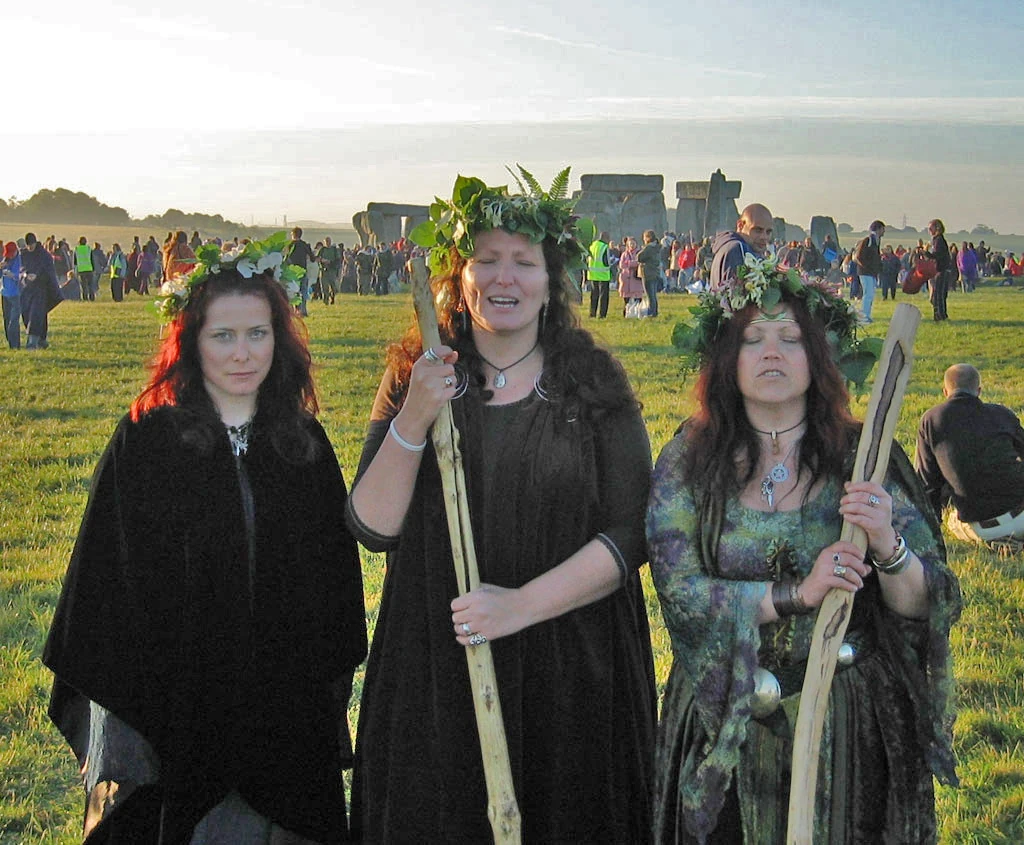
An introduction to contemporary Pagan traditions, including Wicca, Druidry, and Heathenry, and their different uses of older sources.

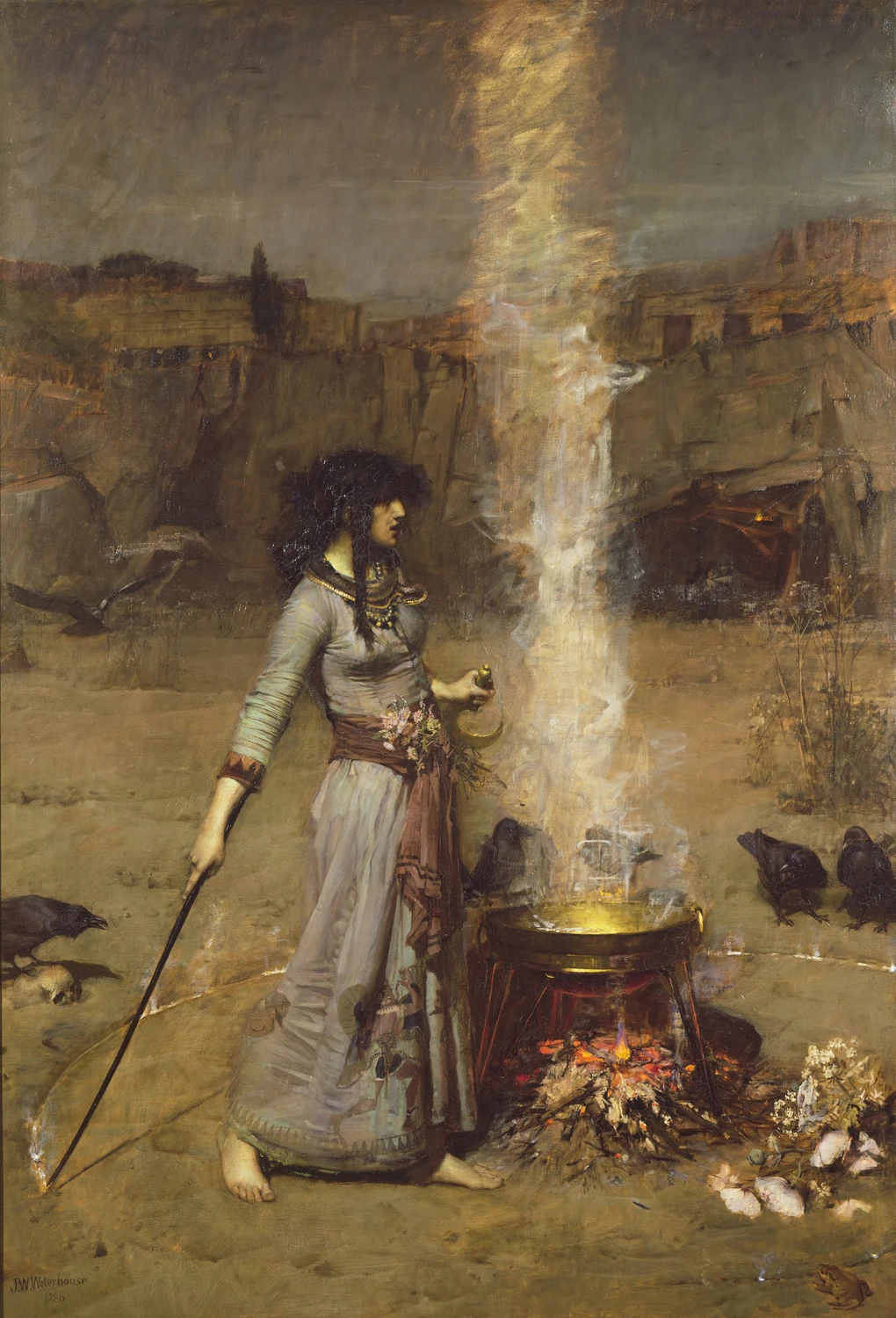
How witchcraft has meant an accusation, a magical practice, and a modern identity, with examples from museums and trial records.

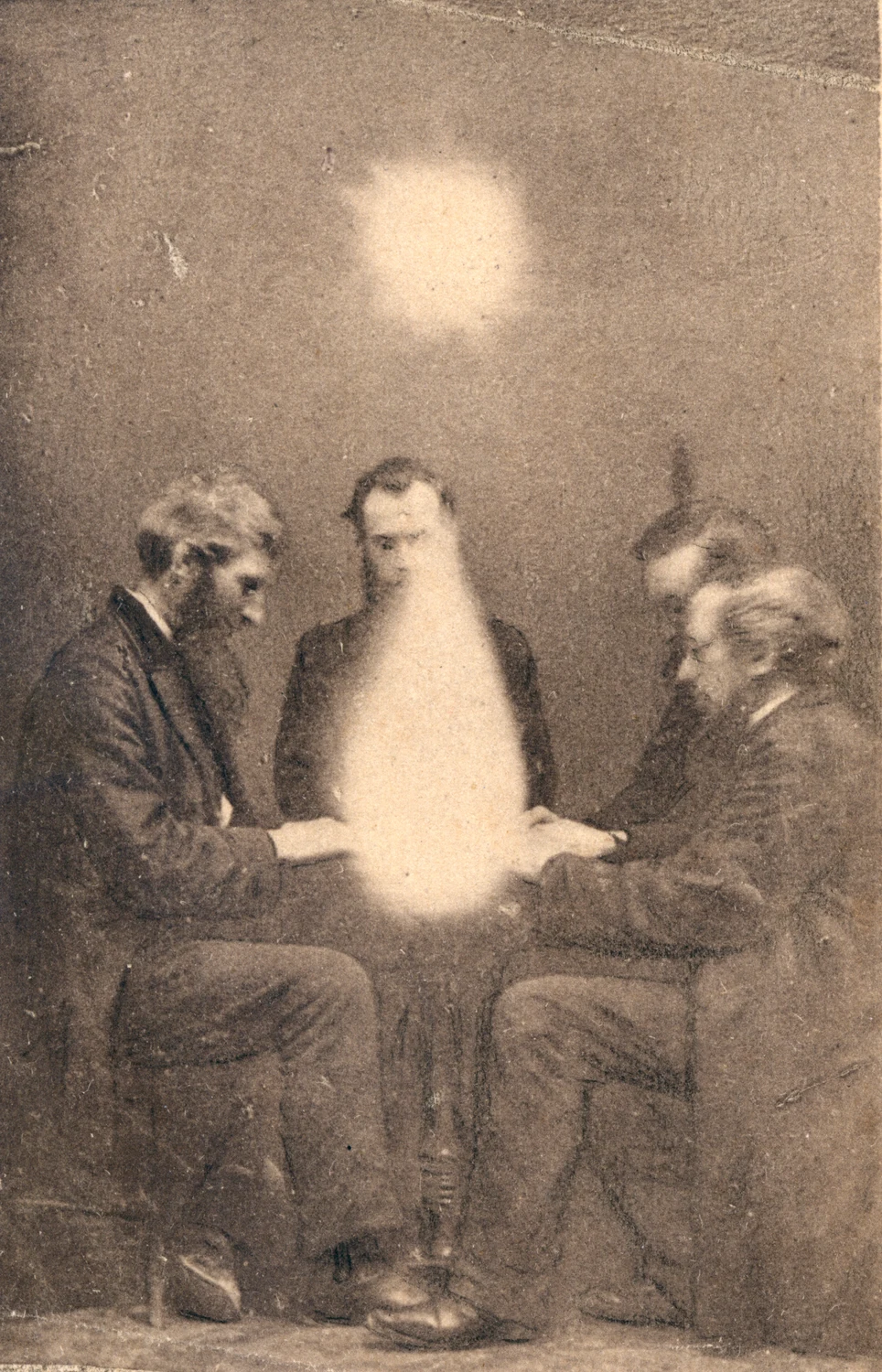
A religious movement centered on mediumship and continued personal identity after death, with church teachings and spirit photography.

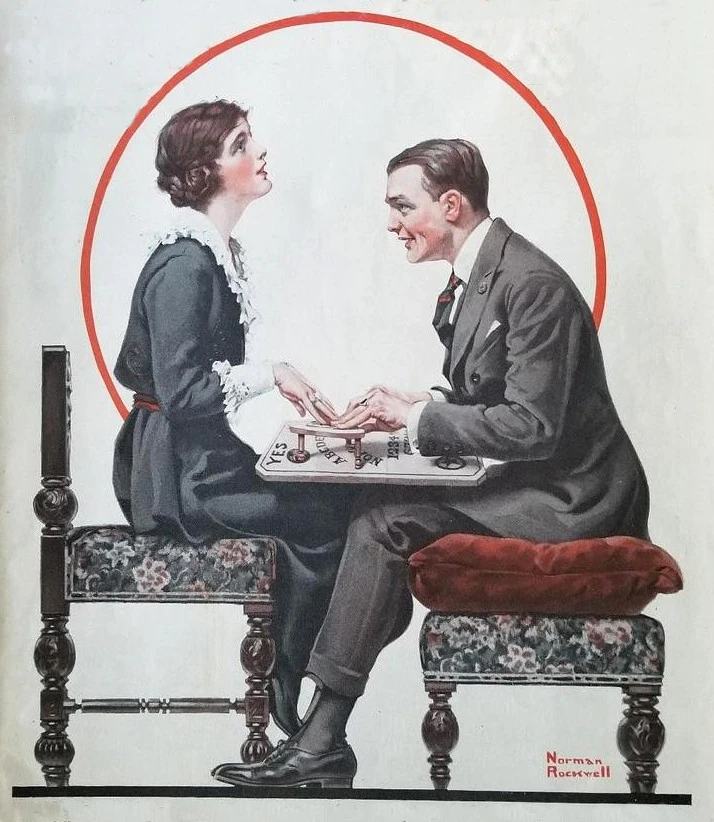
The patented talking-board game, its pointer and commercial history, and research on ideomotor movement and implicit memory.

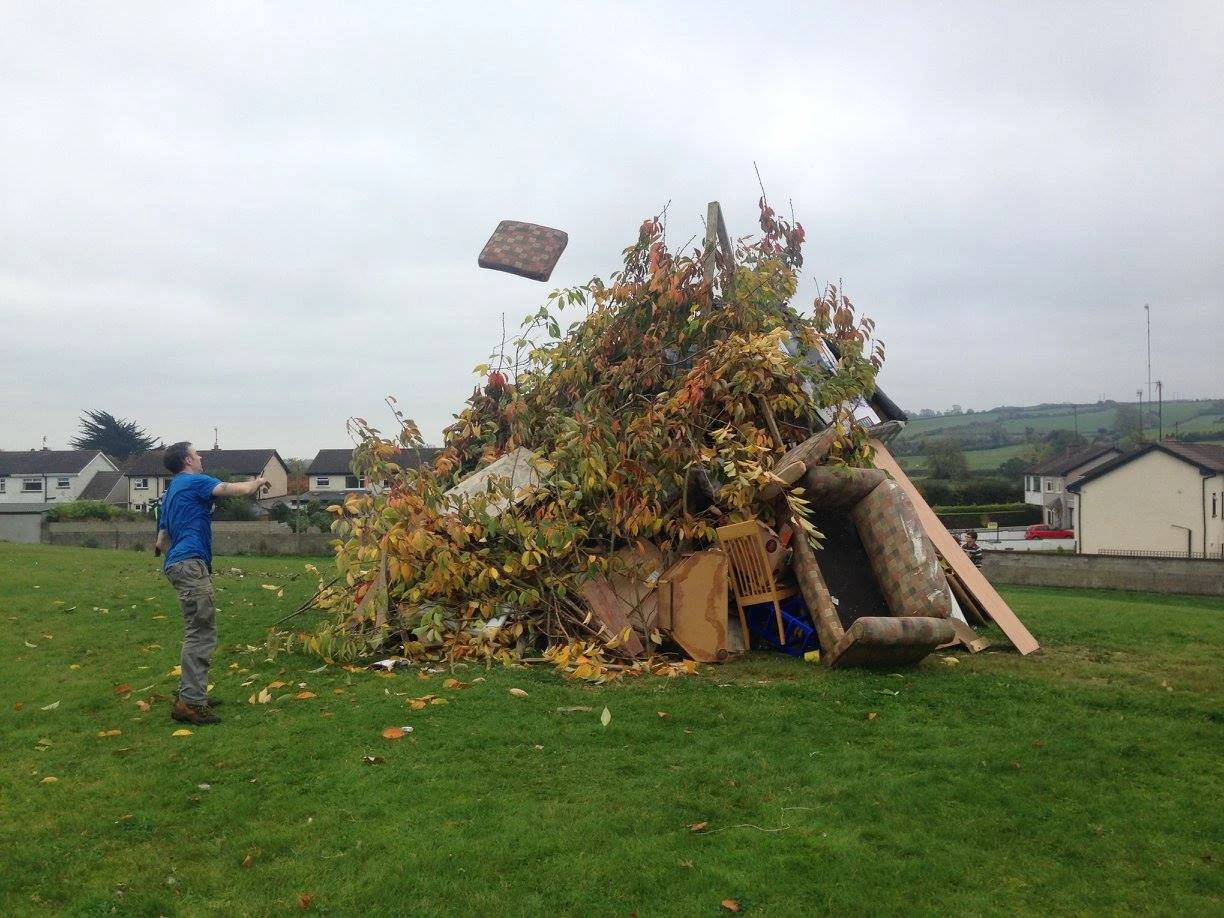
The Gaelic beginning-of-winter festival, Irish customs of food and divination, and its place in modern Pagan practice.

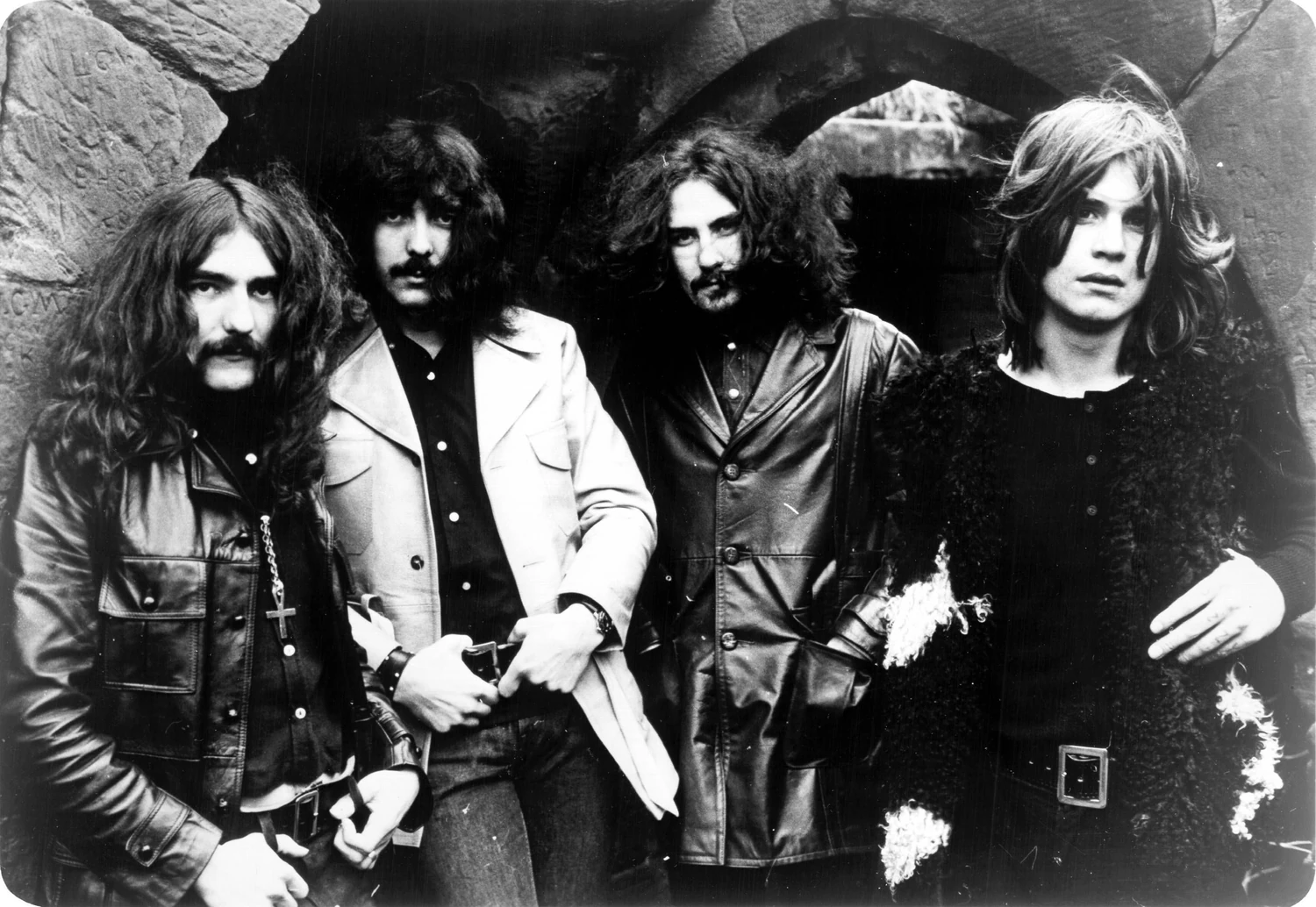
How Black Sabbath and Venom used dark or Satanic imagery, and why a song, stage character, and religious affiliation are different evidence.

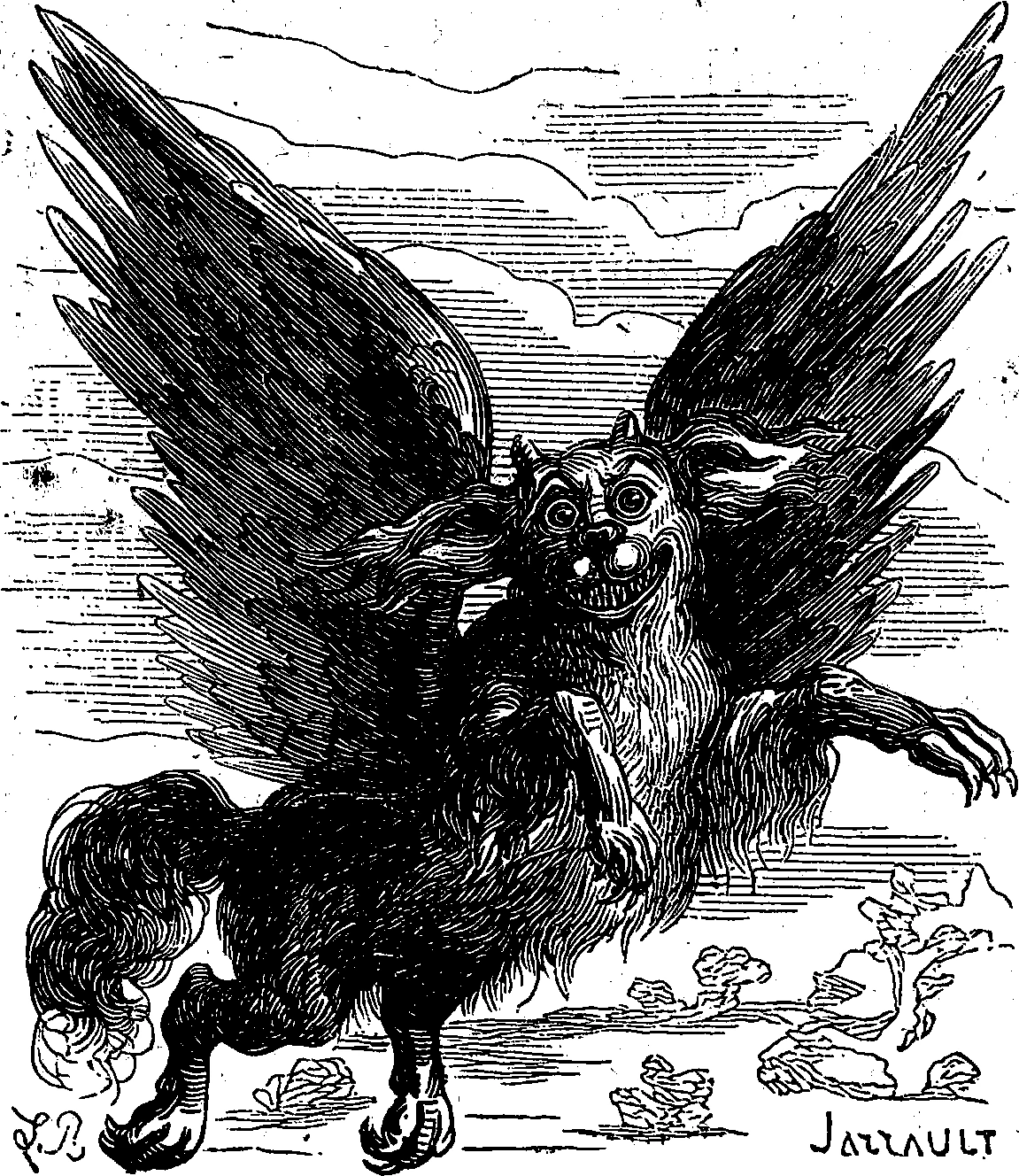
A Goetic spirit combining learned offices with a violent reputation and a winged dog form.

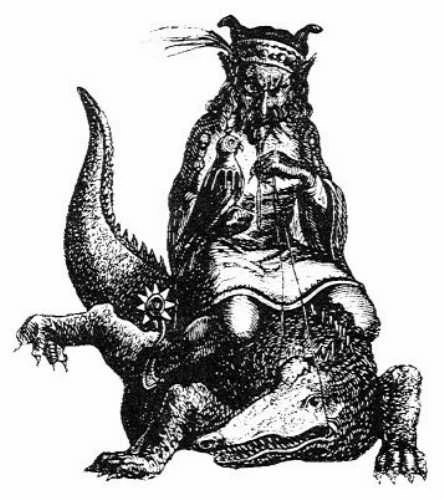
The second Goetic spirit, described as an elderly rider with a crocodile and a goshawk.

A Goetic marquis with a wolf-like appearance, associated with knowledge and the making or resolution of disputes.

A Goetic king riding a pale horse, associated with desire and an elaborate ceremonial reception.

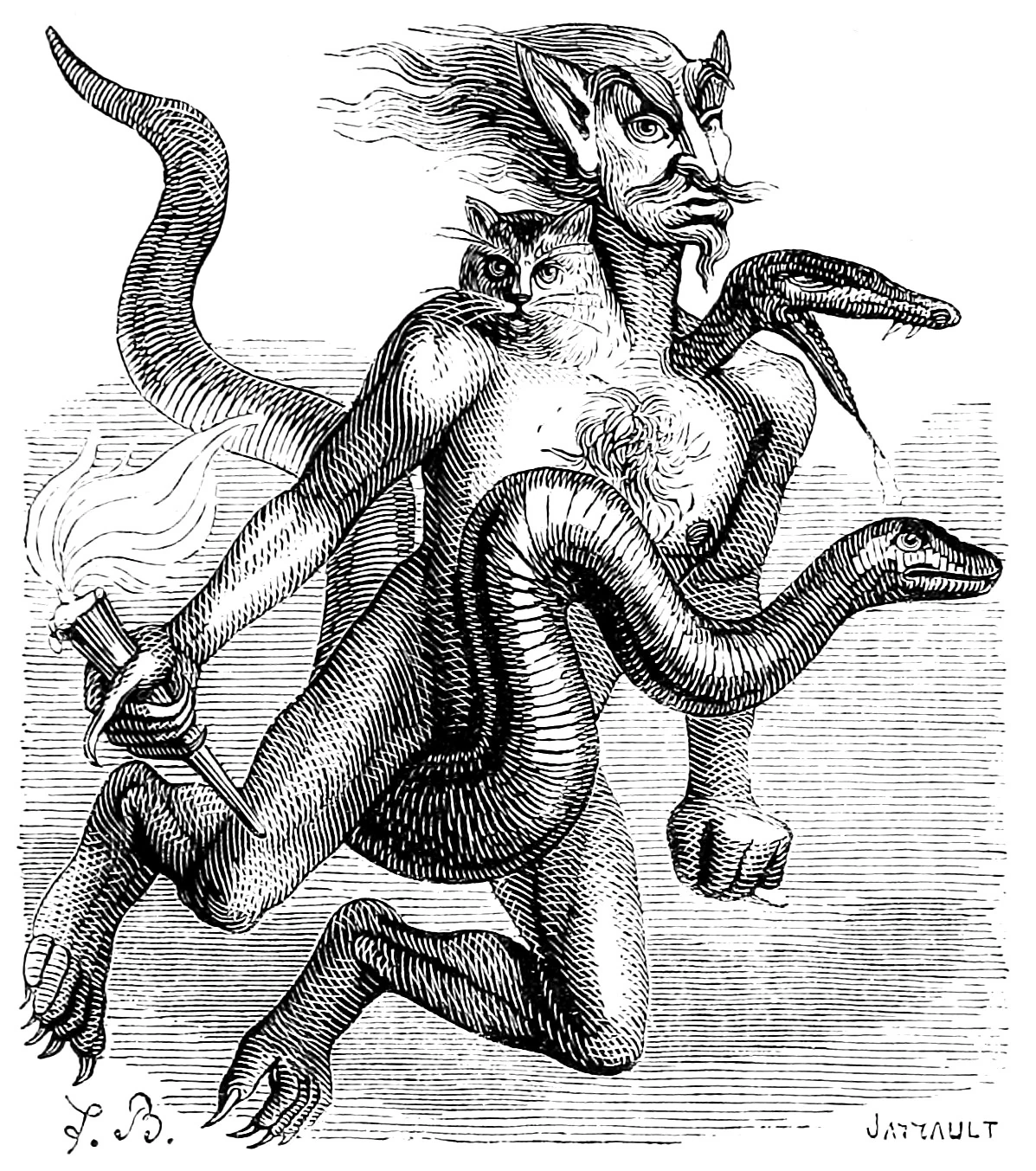
A Goetic duke with three heads, a serpent mount, and a firebrand, associated with fire and private questions.

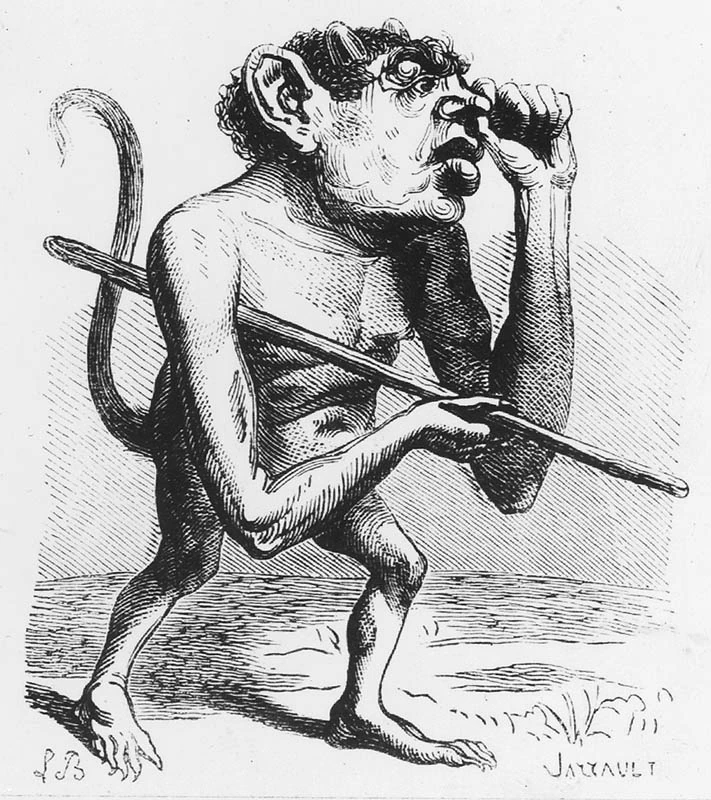
A Goetic spirit associated with rhetoric, languages, servants, and social favor.

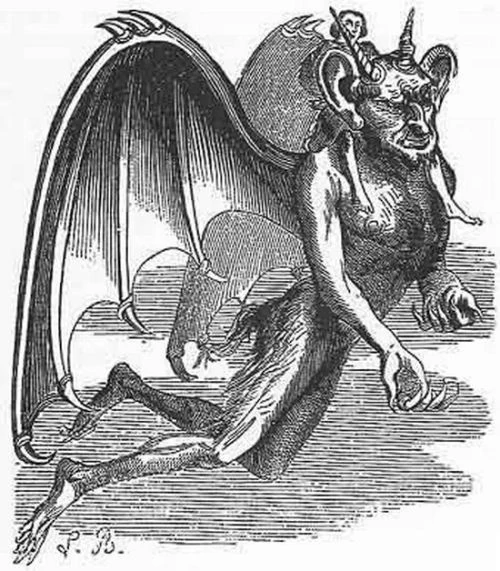
A Goetic spirit associated with learning, altered perception, familiars, and rapid travel.

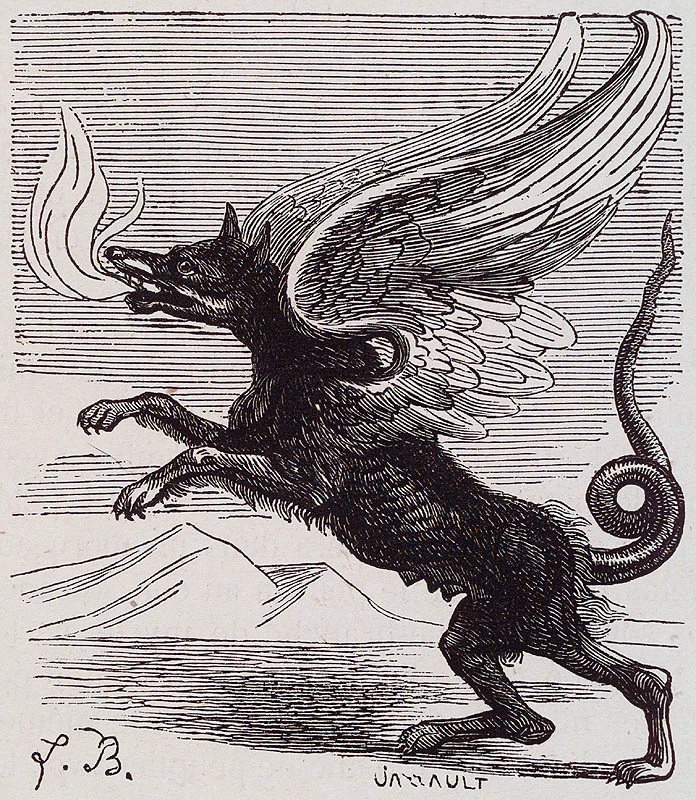
A Goetic marquis with a winged wolf form, described as a fighter who hopes to return to a heavenly throne.