Demonology & Spirits
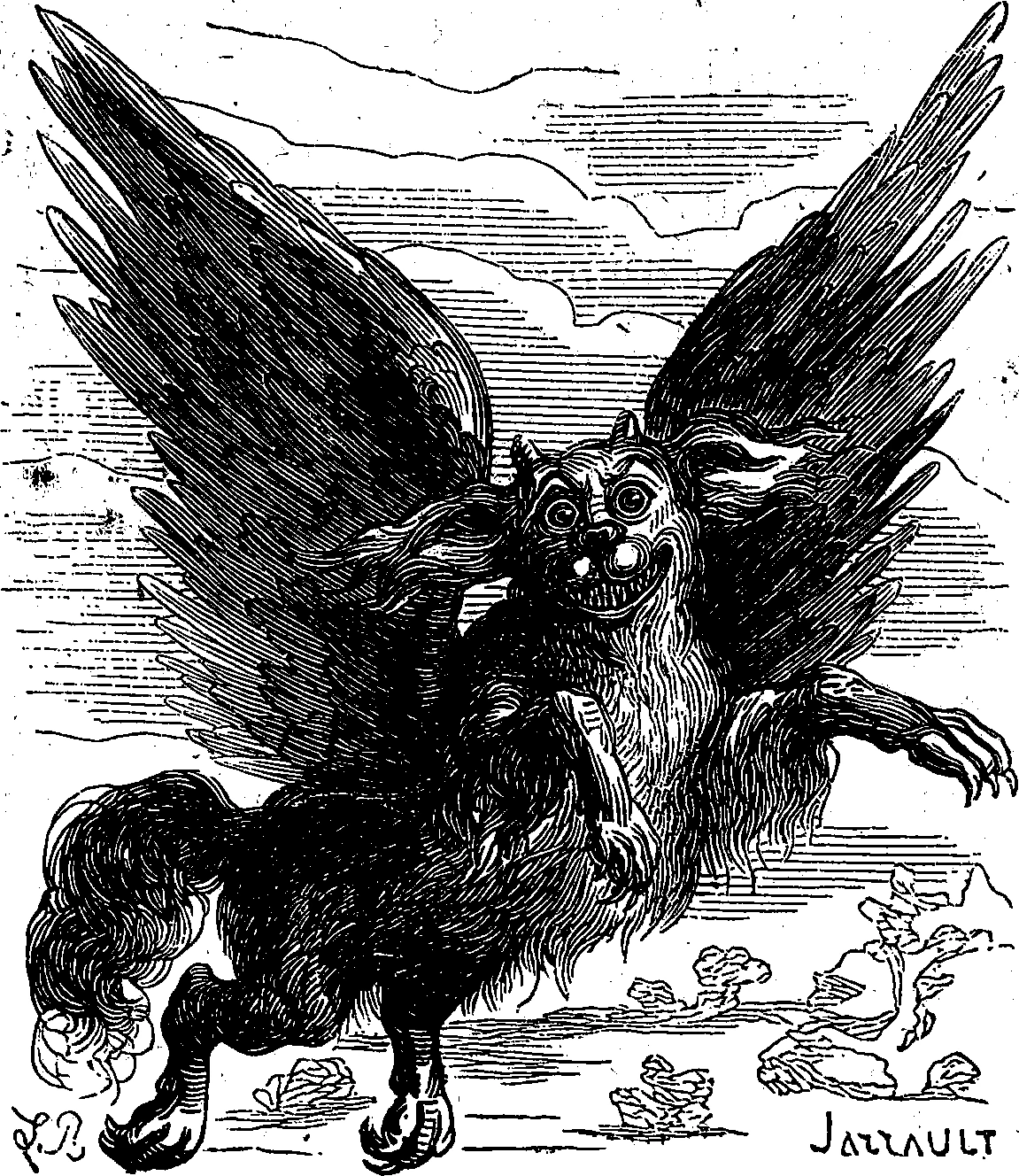
Glasya-Labolas
A Goetic spirit combining learned offices with a violent reputation and a winged dog form.
A Goetic spirit combining learned offices with a violent reputation and a winged dog form.
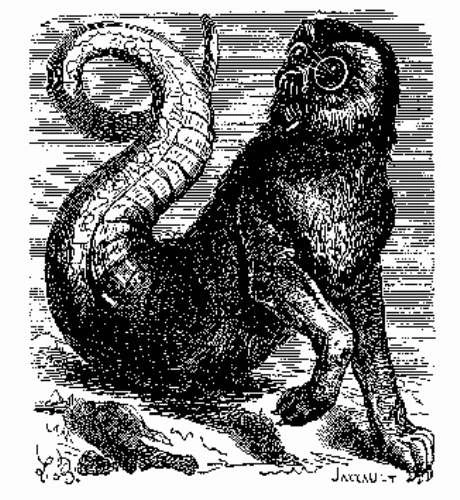
A Goetic marquis with a wolf-like appearance, associated with knowledge and the making or resolution of disputes.
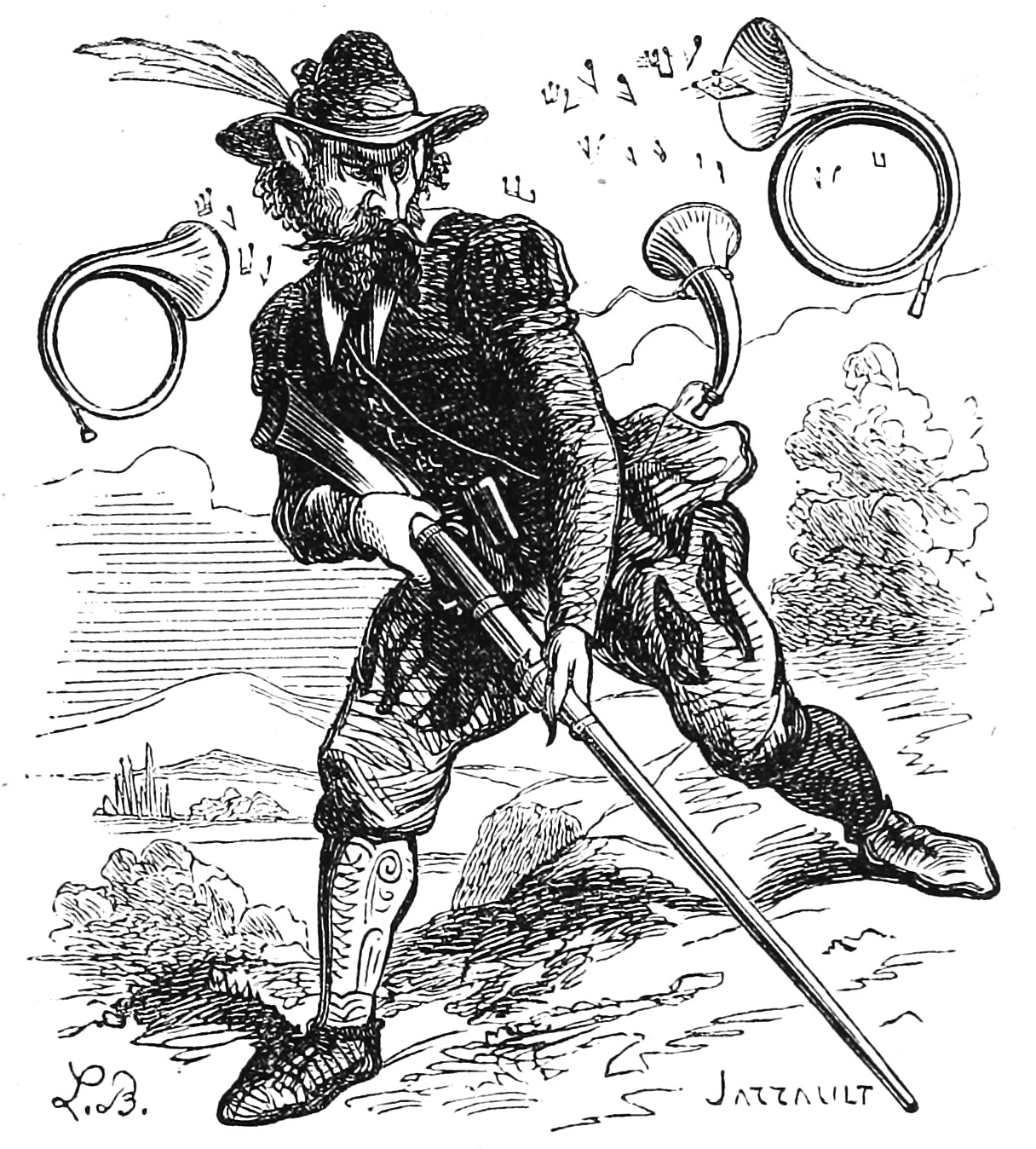
A Goetic duke connected with the speech of animals, enchanted treasure, and reconciliation.
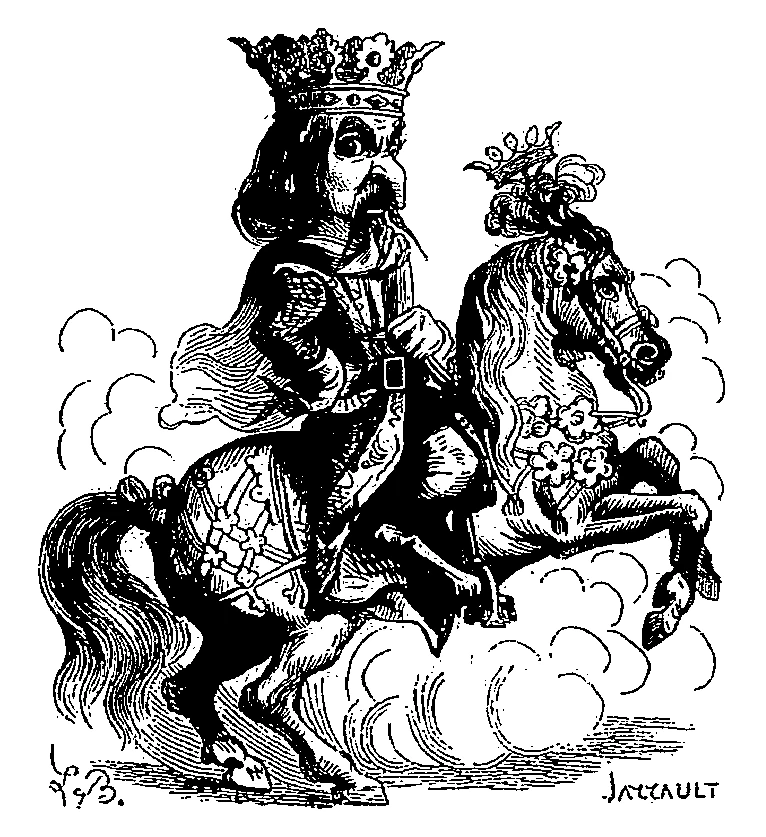
A Goetic duke riding a red horse, credited with knowledge, honors, and the transformation of metals.
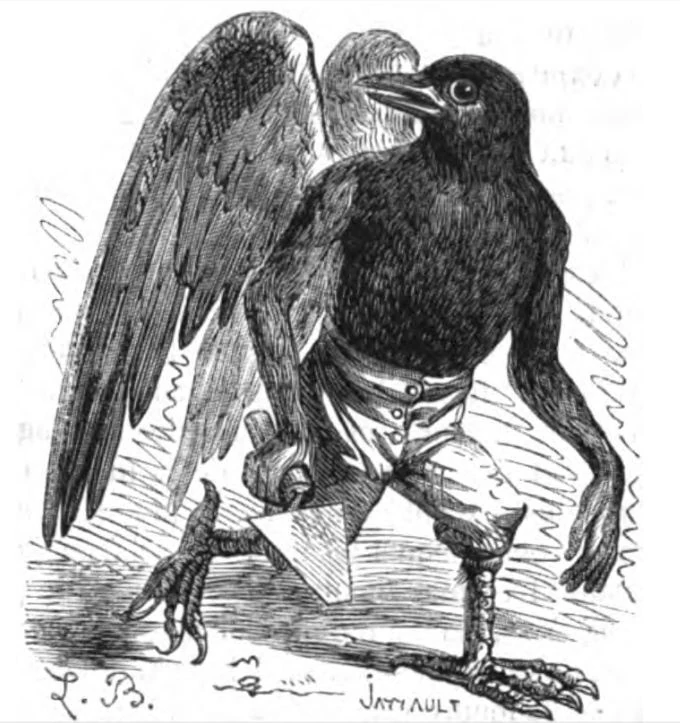
A Goetic president in a dark bird form, associated with building and a warning about offerings.
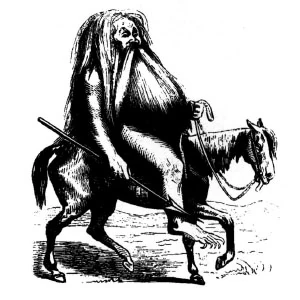
The Goetic knight, associated with philosophy, learned arts, and forms of divination.
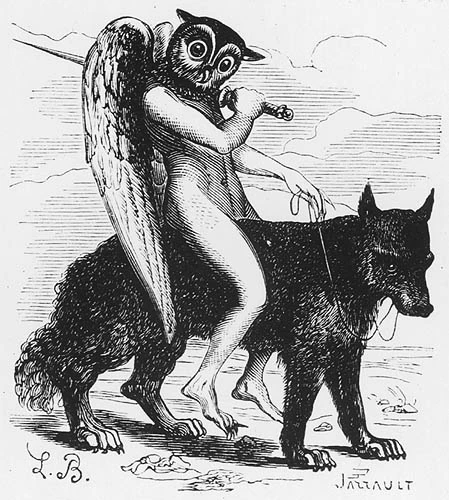
A Goetic marquis portrayed with a bird's head on a wolf, associated with discord and a warning of danger.

Anton LaVey’s 1969 book of Satanic philosophy and ritual, foundational to the Church of Satan.
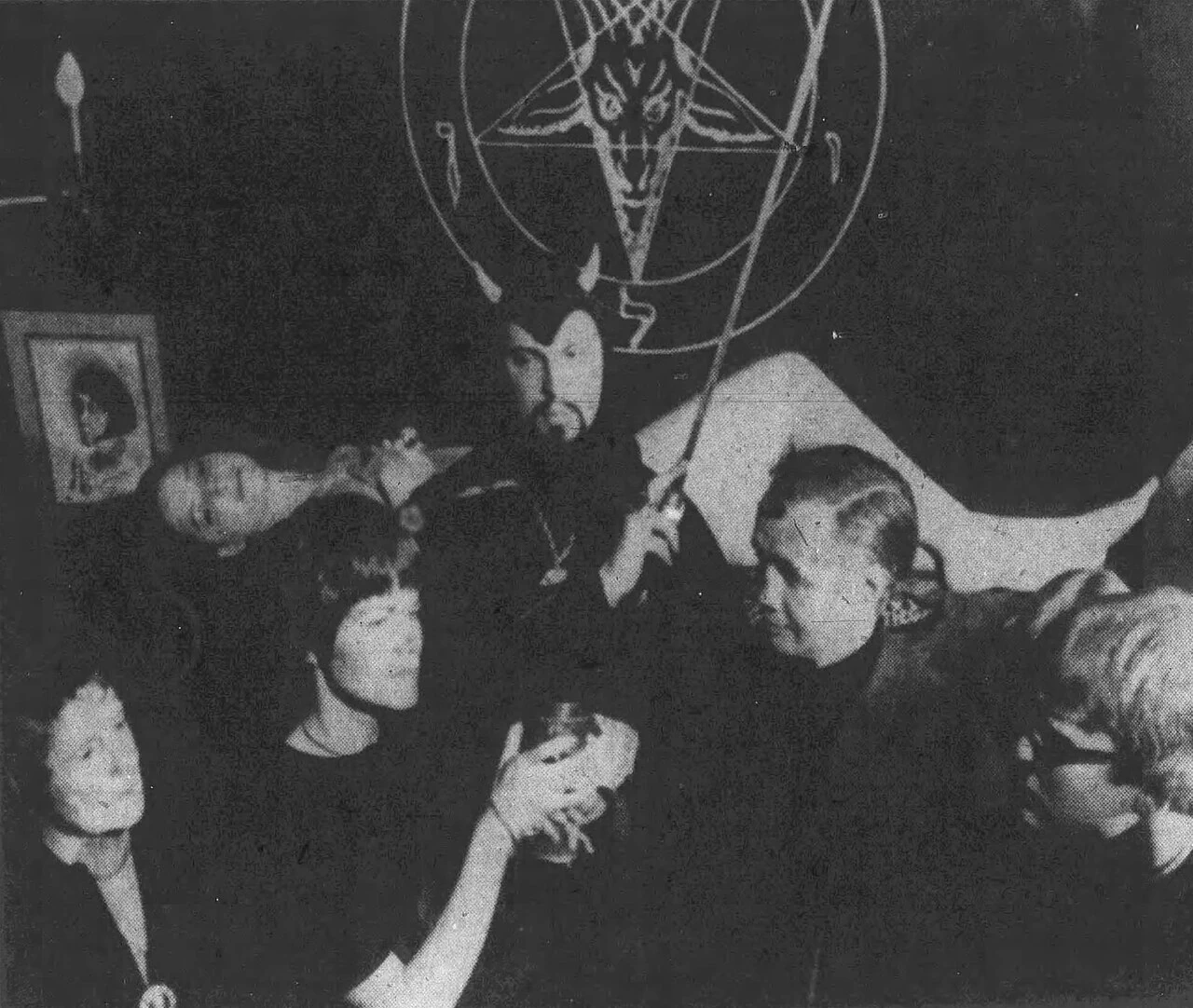
Anton LaVey’s collection of ceremonial material, published as a companion to The Satanic Bible.
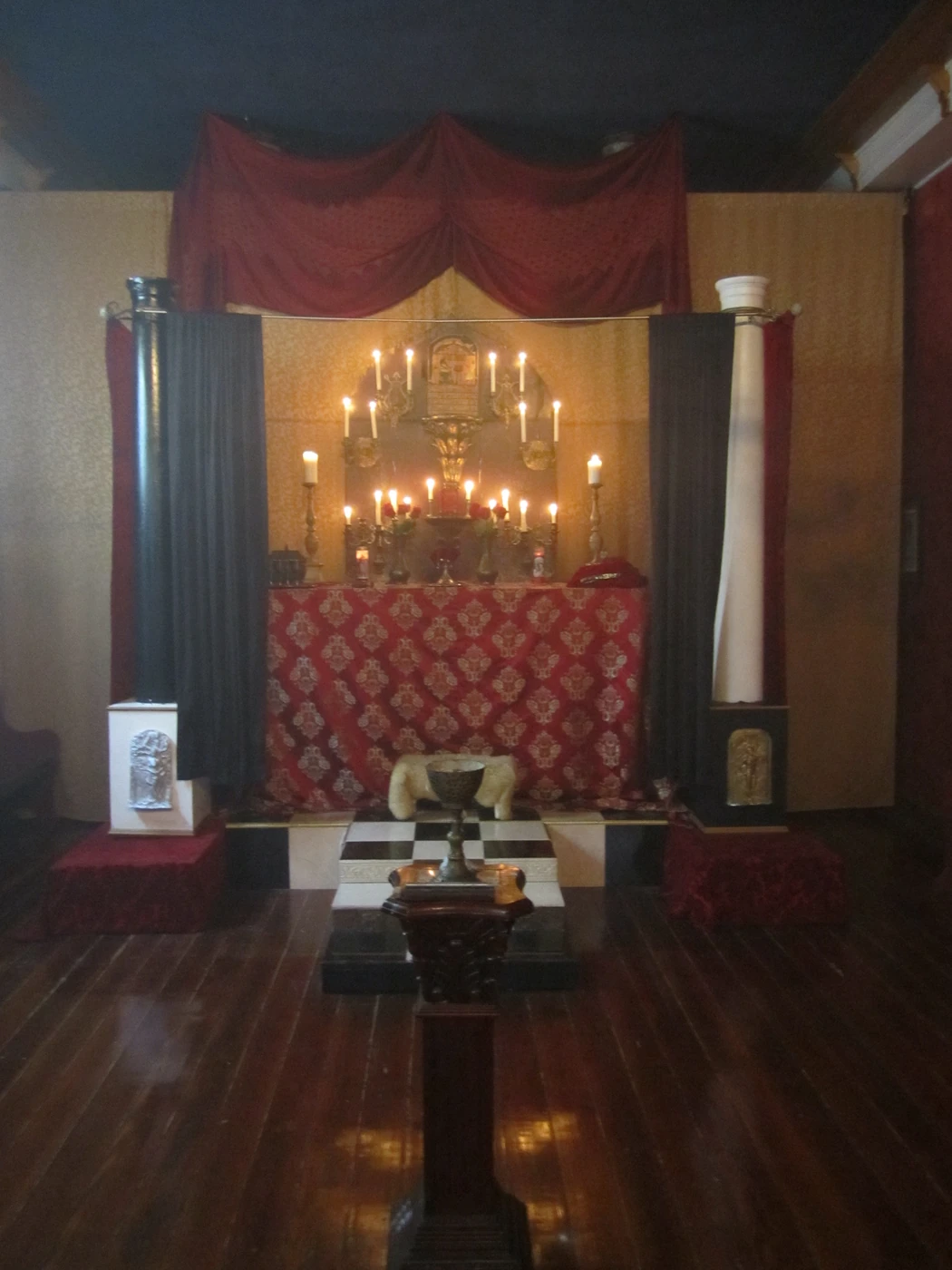
The central public liturgy of Ecclesia Gnostica Catholica, written by Aleister Crowley as Liber XV.
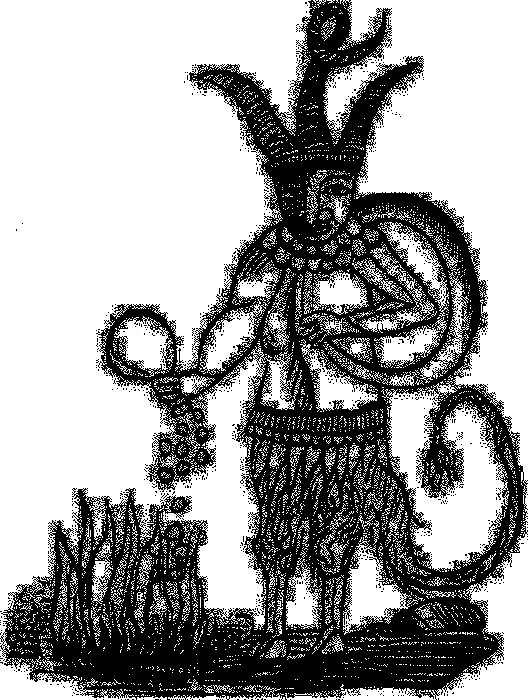
A grimoire best known for its staged encounter and pact with Lucifuge Rofocale.
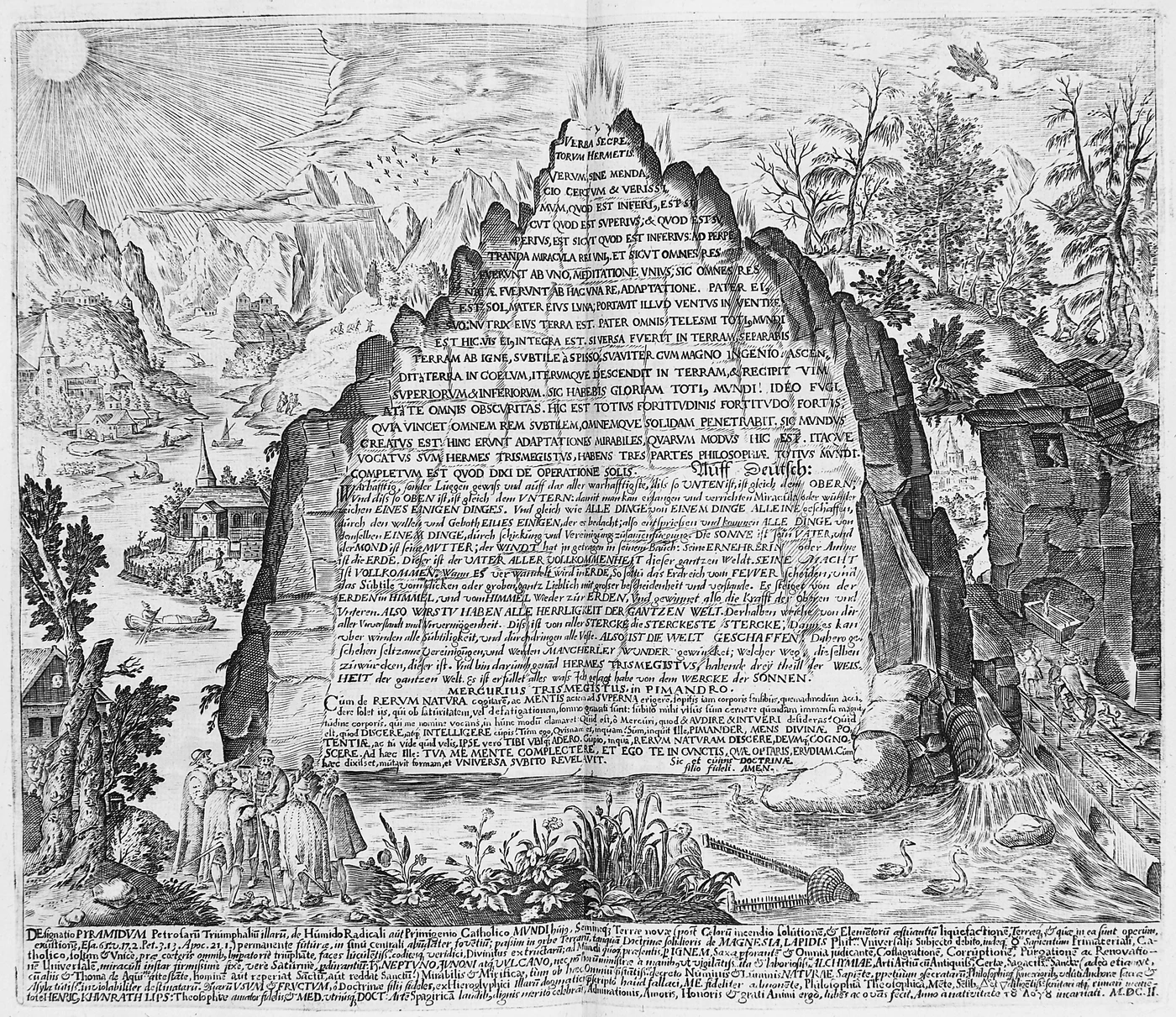
A brief Hermetic text whose images of above and below, sun and moon, and transformation influenced alchemical writing.

A British occult writer associated with the Typhonian current, Thelema, and the work of Austin Osman Spare.
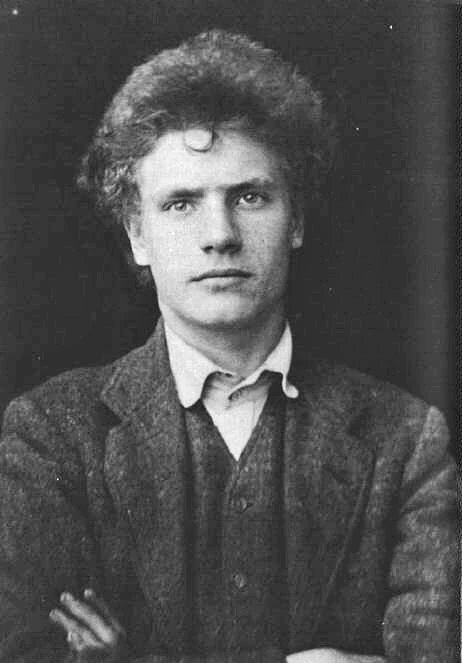
An English artist and occult author whose treatment of desire and sigils influenced later magical practice.
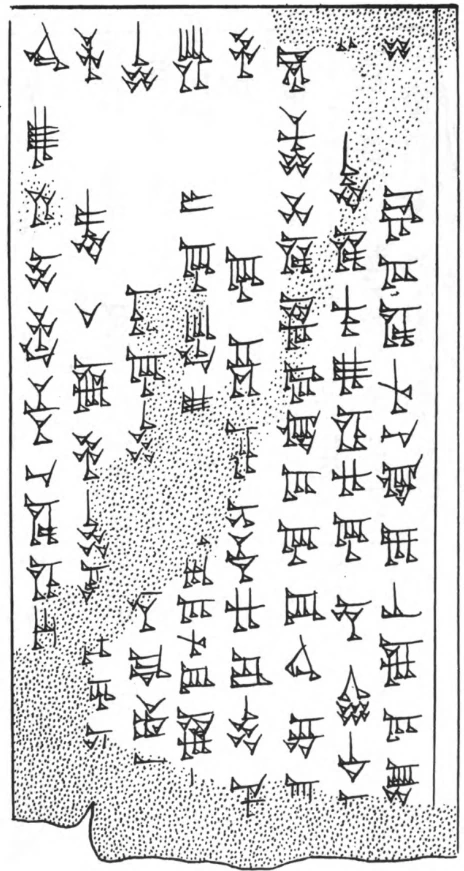
The primordial sea figure in the Babylonian creation epic Enuma Elish, defeated by Marduk in its account of cosmic ordering.
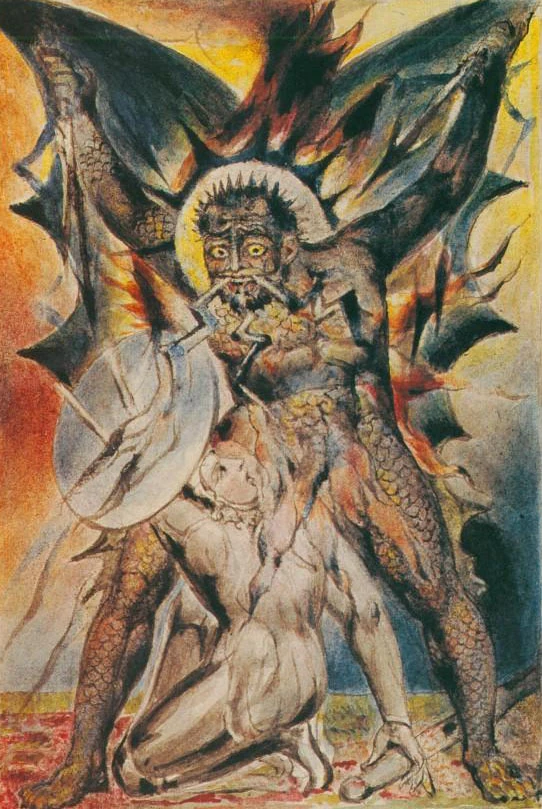
A biblical name associated with destruction, used in Revelation for the angel of the abyss.
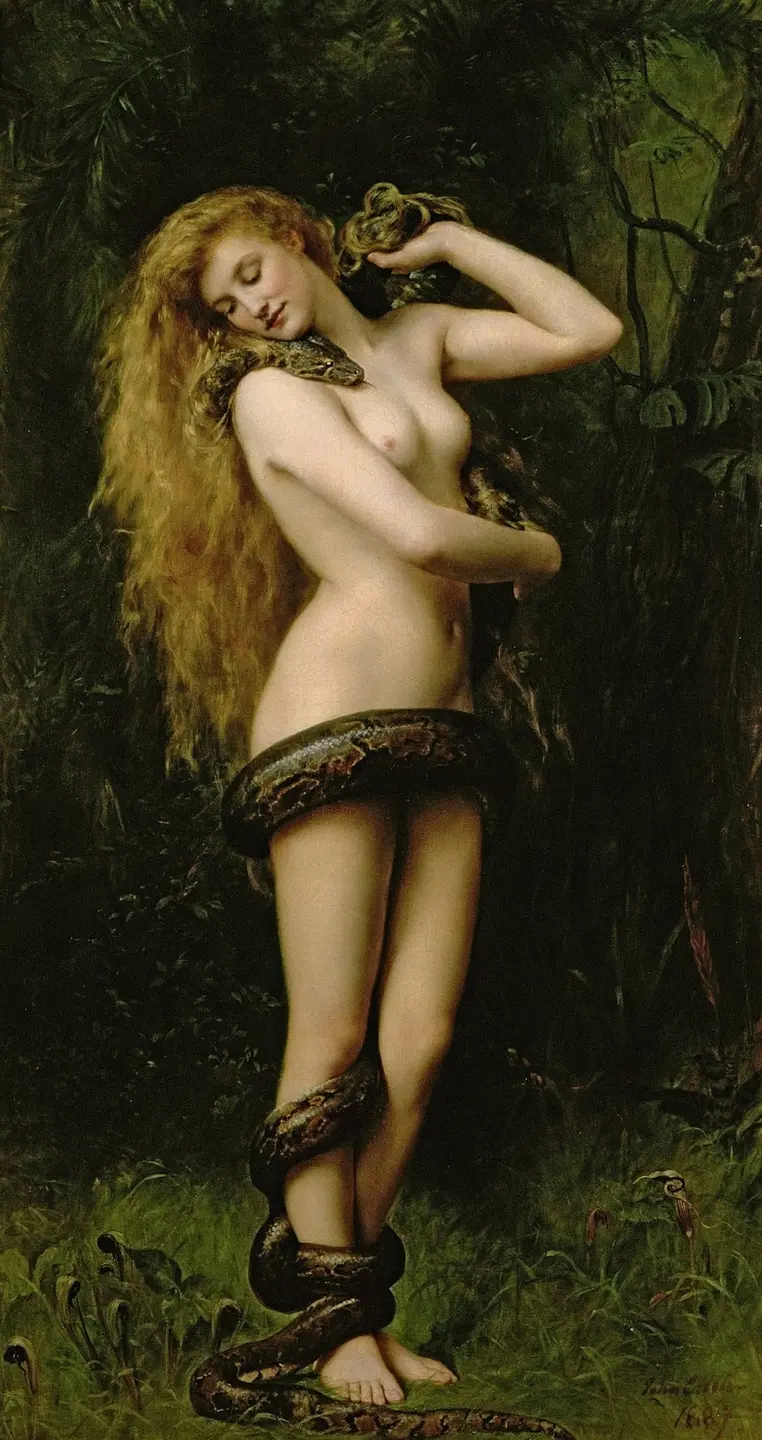
Lilith is a figure whose history spans ancient Near Eastern demonology, Jewish folklore, medieval protective magic, Kabbalah, literature, feminist reinterpretation, modern occultism, and contemporary Satanic or Luciferian religion. She is often introduced today as “Adam’s first wife,” but that familiar story is medieval rather than biblical. Earlier sources describe beings called lilith or lilin in…
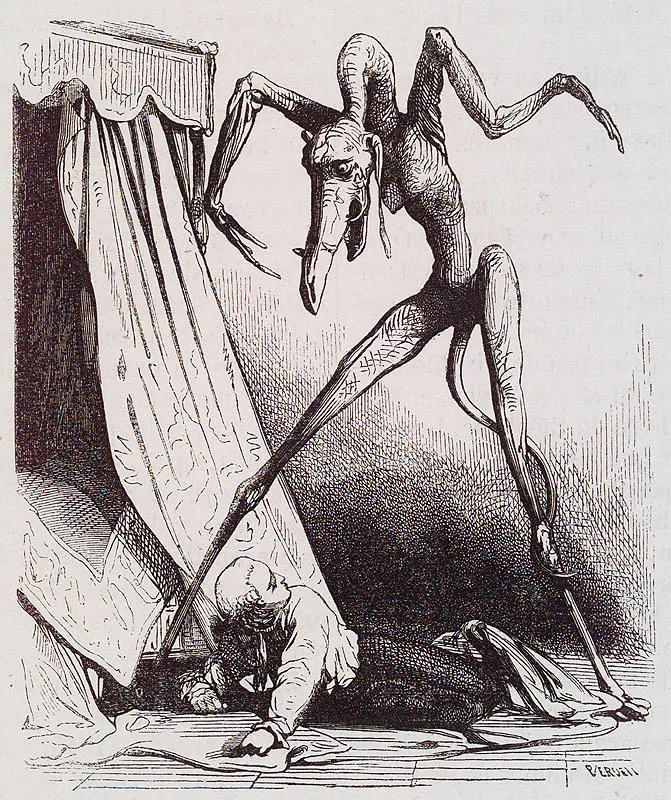
Demonology is the study, classification, and interpretation of demons and related spirits. In Western religious history it has included theological arguments about the nature and powers of demons, lists of named spirits, explanations of possession and temptation, magical techniques for summoning or constraining spirits, and folklore about dangerous supernatural beings. Modern theistic Satanists and…
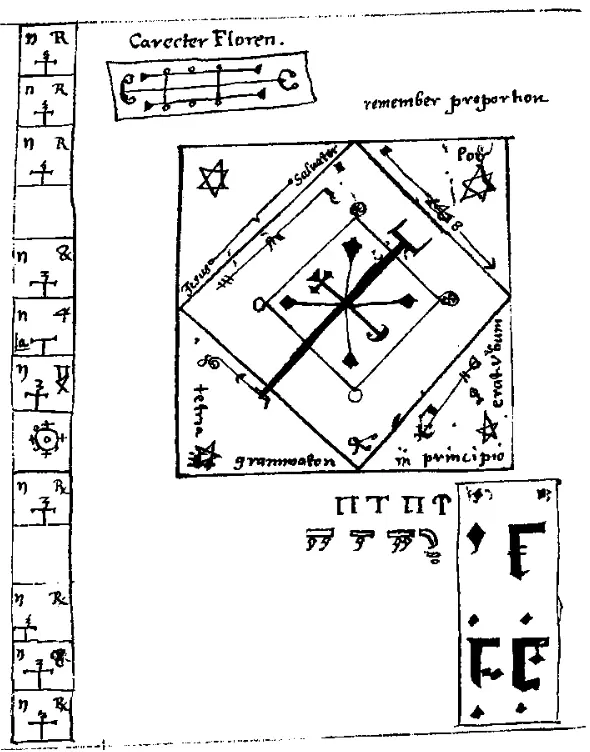
A grimoire is a book or manuscript containing magical knowledge, ritual procedures, charms, conjurations, talismans, spirit catalogues, astrological instructions, prayers, or other techniques intended to produce supernatural or occult effects. The term is most strongly associated with European magic, but scholars use it within a much wider history of magical books and written ritual technologies.
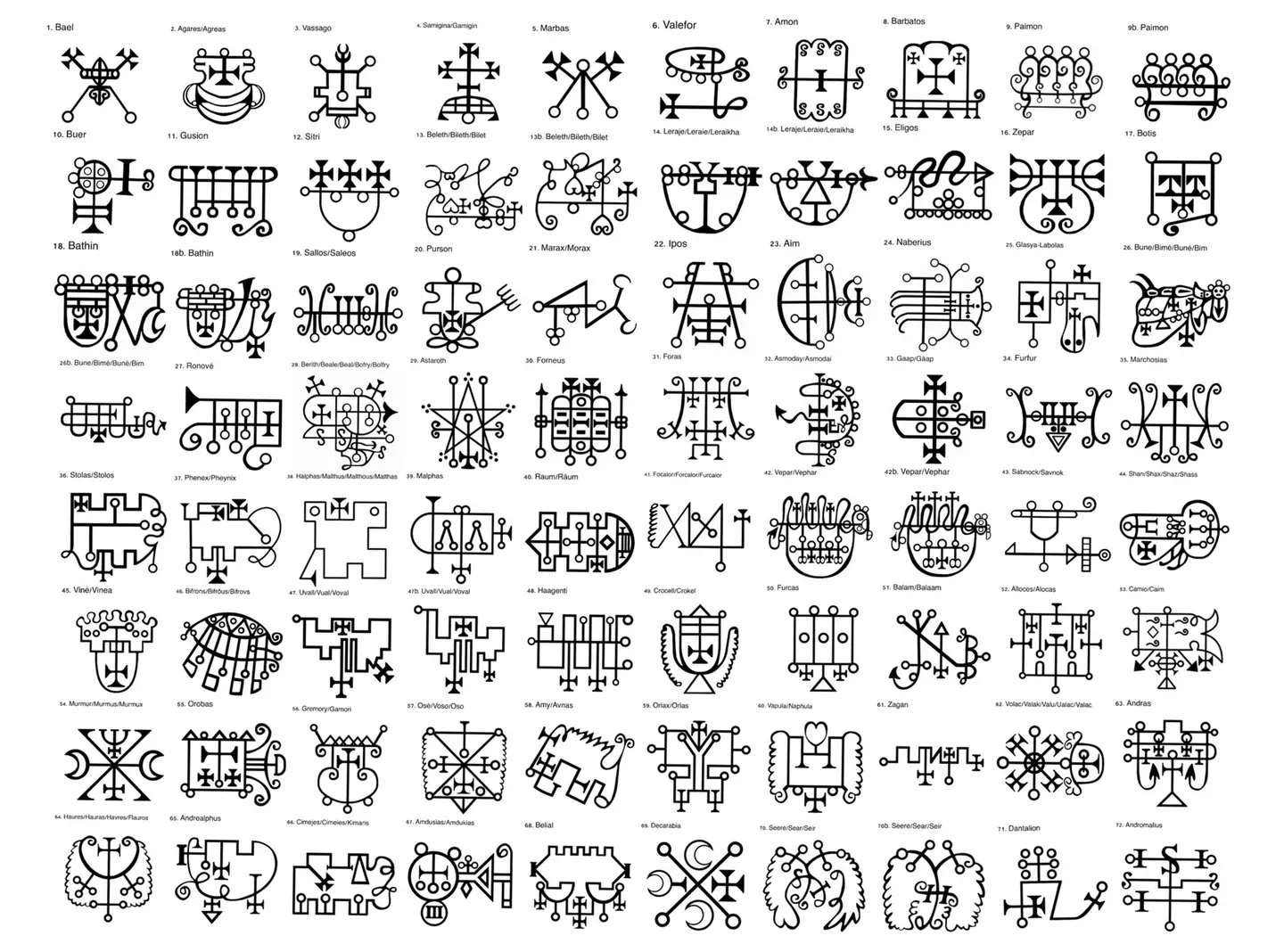
The Ars Goetia is the first section of the Lemegeton or Lesser Key of Solomon, an early modern English compilation of ceremonial magic. It is famous for a catalogue of seventy-two spirits, each described by name, rank, appearance, abilities, and a seal or character. In modern occultism the term “Goetia” is often used loosely for demon-summoning or work with these spirits, but historically the Ars Goetia…