
Demonology & Spirits
Crocell
A Goetic duke, also called Procel, associated with geometry, hidden matters, and sounds of water.
A Goetic duke, also called Procel, associated with geometry, hidden matters, and sounds of water.

A Goetic president associated with learned subjects and transformations that alter a person's understanding of identity.
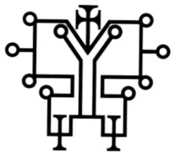
A mounted Goetic marquis whose office includes the stars, planetary mansions, and social dignities.
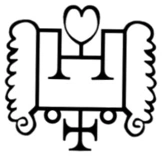
A winged lion-shaped Goetic duke associated with crafts, philosophy, and learned subjects.
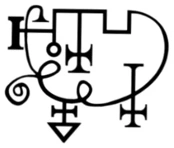
A peacock-shaped Goetic marquis associated with geometry, measurement, astronomy, and bird transformation.
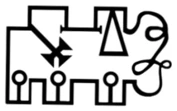
A mounted Goetic marquis associated with grammar, rhetoric, logic, and hidden treasure.
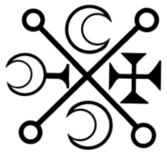
A Goetic marquis appearing as a star, associated with plants, stones, and bird-like apparitions.

A Goetic prince riding a winged horse, associated with rapid movement and the recovery of hidden things.
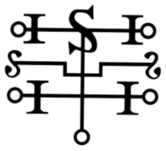
The final Goetic spirit, associated with stolen goods, concealed wrongdoing, and hidden treasure.
The second part of the Lemegeton, arranging aerial spirits through princes, directions, and wandering hierarchies.
Agrippa’s Renaissance synthesis of natural, celestial, and religious magic.
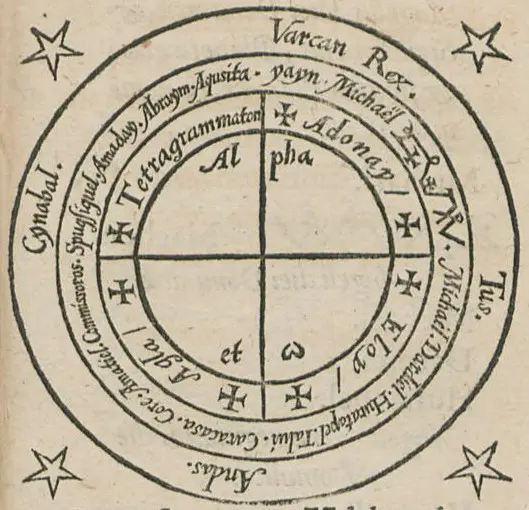
A grimoire of angelic conjuration organized around the seven days of the week.
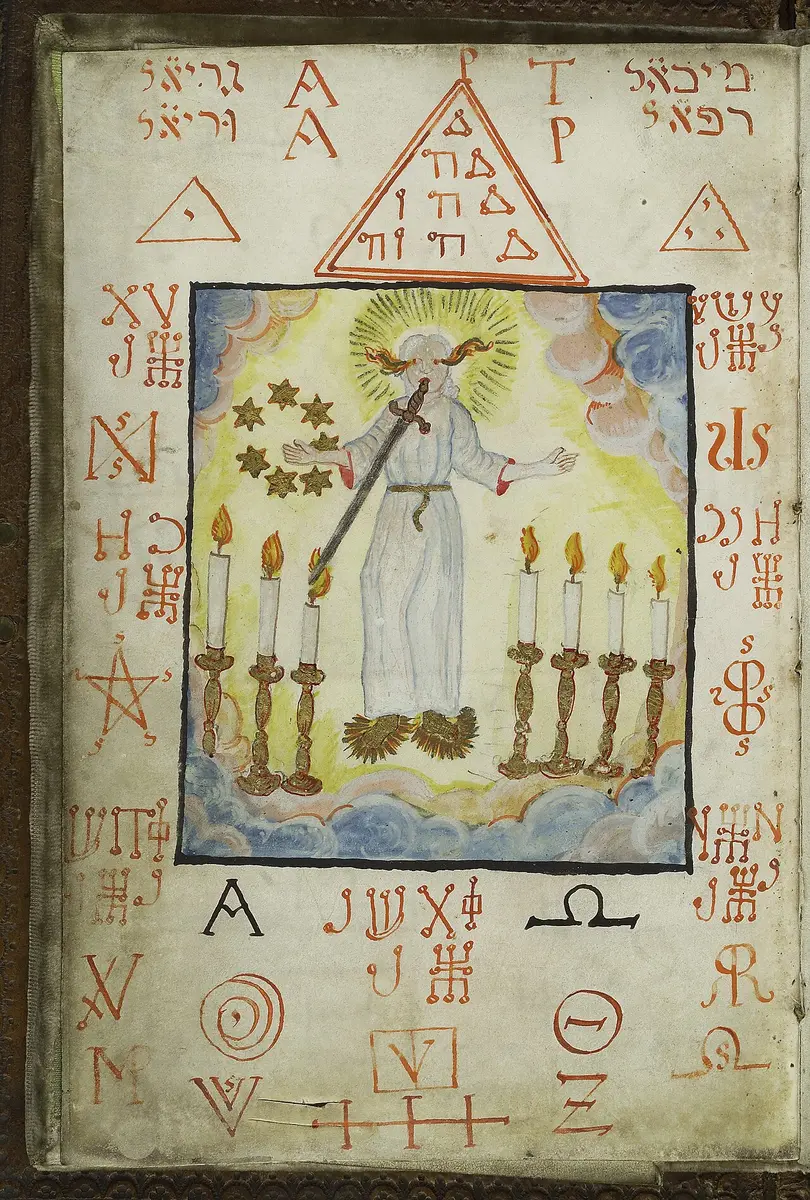
A grimoire with a hierarchy centered on Lucifer, Beelzebub, and Astaroth, followed by spirit operations and practical recipes.
The Hebrew Enochic work associated with heavenly palaces and Enoch’s transformation into Metatron.
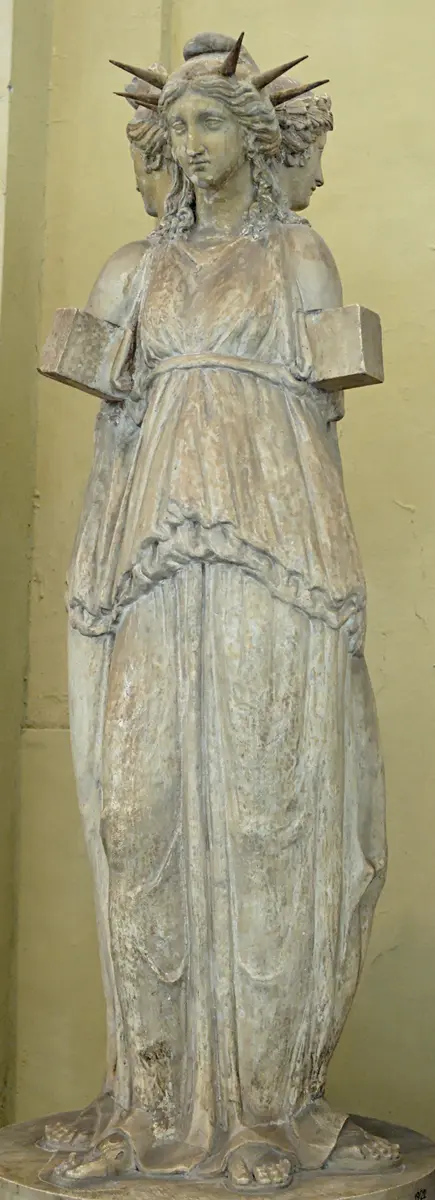
A Greek goddess with broad early powers and later associations with crossroads, spirits, and magic.
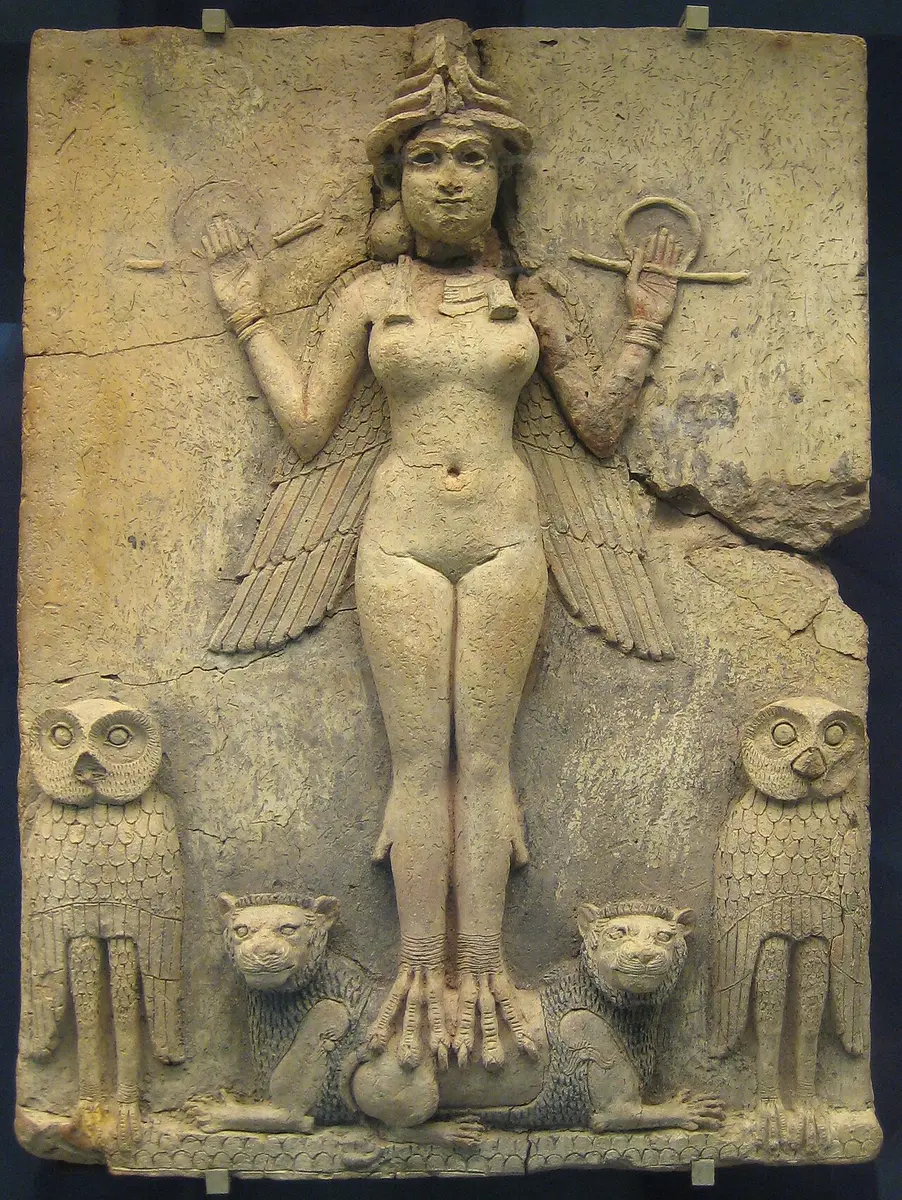
A Mesopotamian queen of the underworld, known through myths of descent and traditions concerning Nergal.
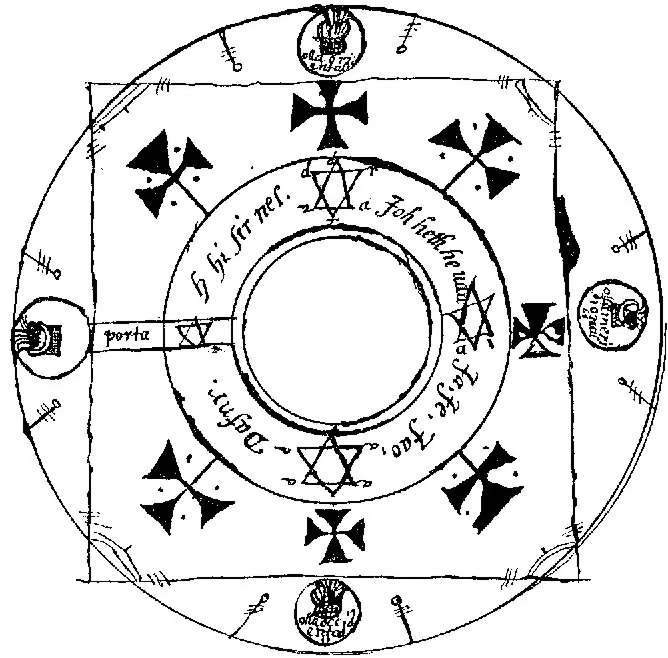
A marked ritual space whose names, divisions, and purpose differ among magical texts and modern traditions.
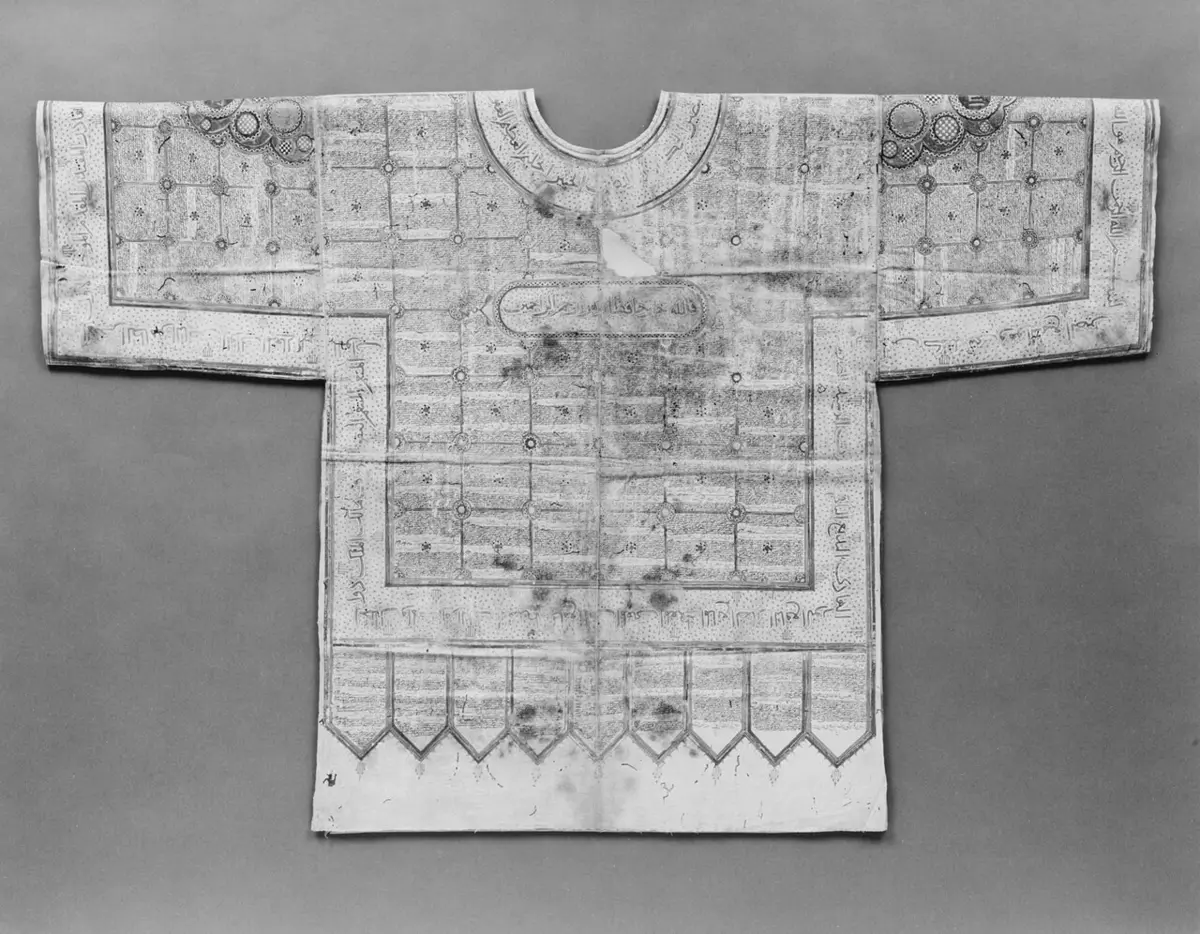
Objects prepared or used for a particular effect through inscriptions, images, materials, and ritual meaning.
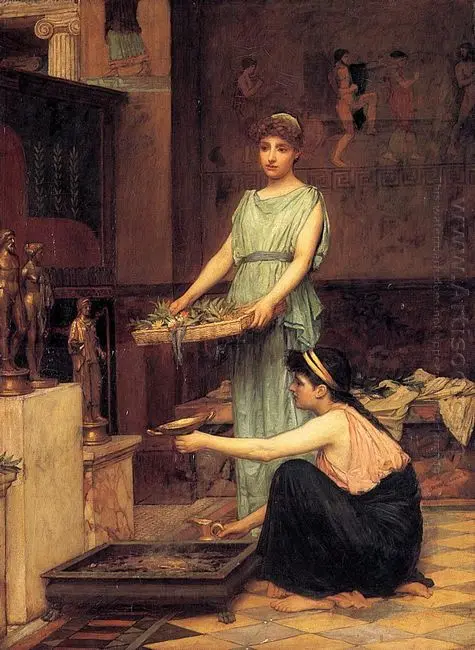
Offerings are objects, substances, actions, or works intentionally presented to a deity, spirit, sacred power, or religious community. Across religious history offerings have included food, drink, incense, flowers, animal sacrifice, money, vows, music, labor, art, and acts of service. In theistic Satanism, offerings are commonly used to express devotion, gratitude, hospitality, dedication, or…
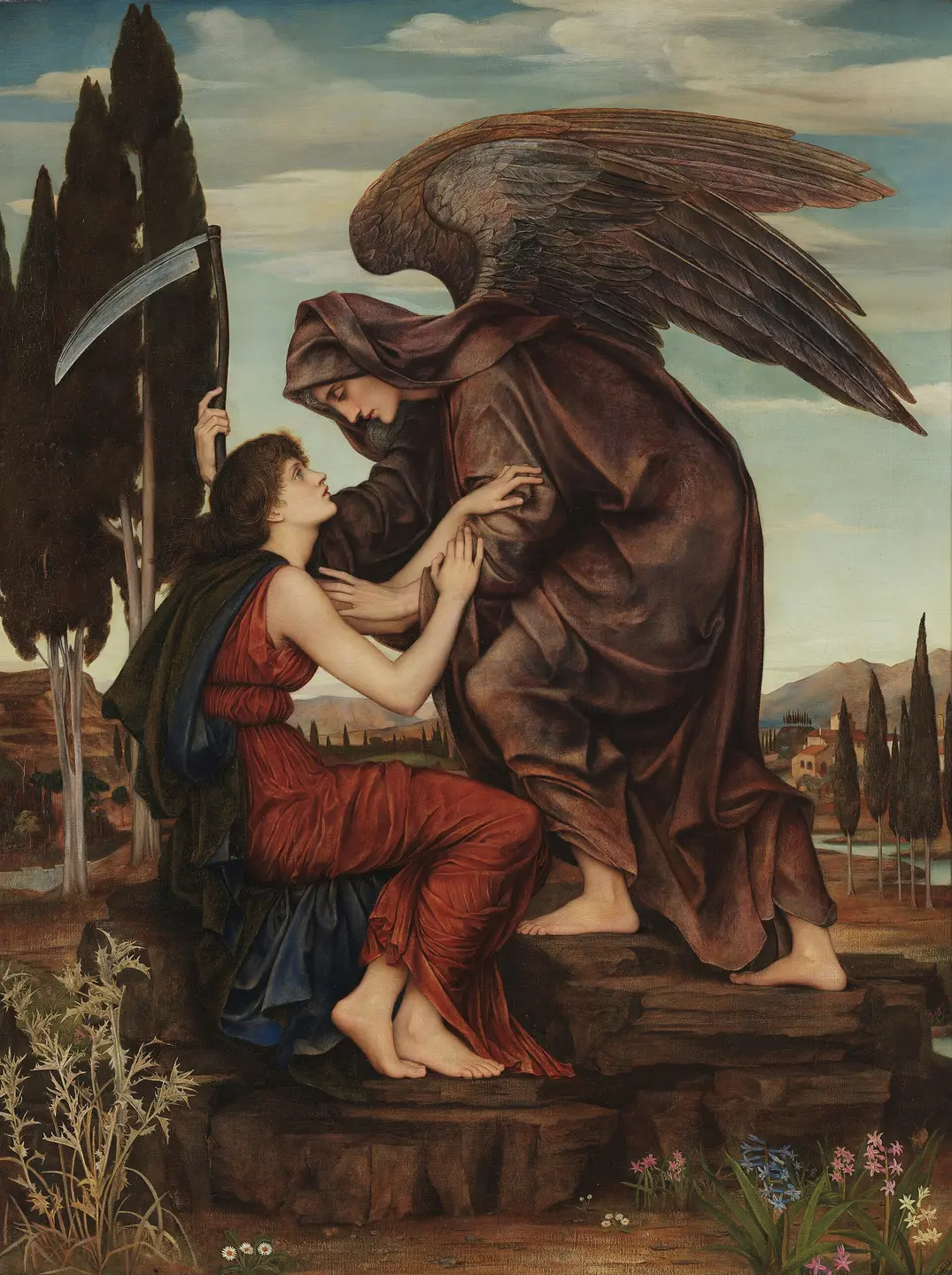
Samael appears in Jewish interpretive literature in roles that vary between texts. His relationship with Satan, the serpent, and other figures should be described source by source.