Demonology & Spirits
Raum
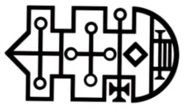
A Goetic earl associated with royal treasure, the destruction of cities, and altered relationships.
A Goetic earl associated with royal treasure, the destruction of cities, and altered relationships.
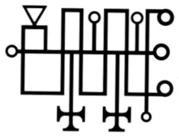
A Goetic president with a winged bull form, associated with wisdom and the transformation of substances.

A Goetic duke, also called Procel, associated with geometry, hidden matters, and sounds of water.
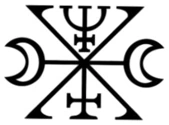
A Goetic spirit associated with philosophy and the compelled appearance of deceased souls.

A Goetic president associated with learned subjects and transformations that alter a person's understanding of identity.
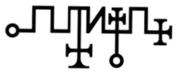
A Goetic spirit with a winged bull form, associated with wit and transformations of liquids and metals.
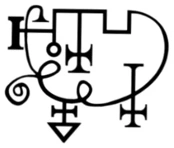
A peacock-shaped Goetic marquis associated with geometry, measurement, astronomy, and bird transformation.
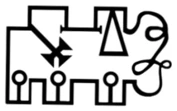
A mounted Goetic marquis associated with grammar, rhetoric, logic, and hidden treasure.

A Goetic prince riding a winged horse, associated with rapid movement and the recovery of hidden things.
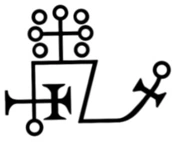
A many-faced Goetic duke carrying a book, associated with thoughts, knowledge, and visions of other people.
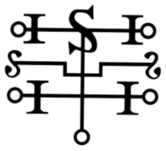
The final Goetic spirit, associated with stolen goods, concealed wrongdoing, and hidden treasure.
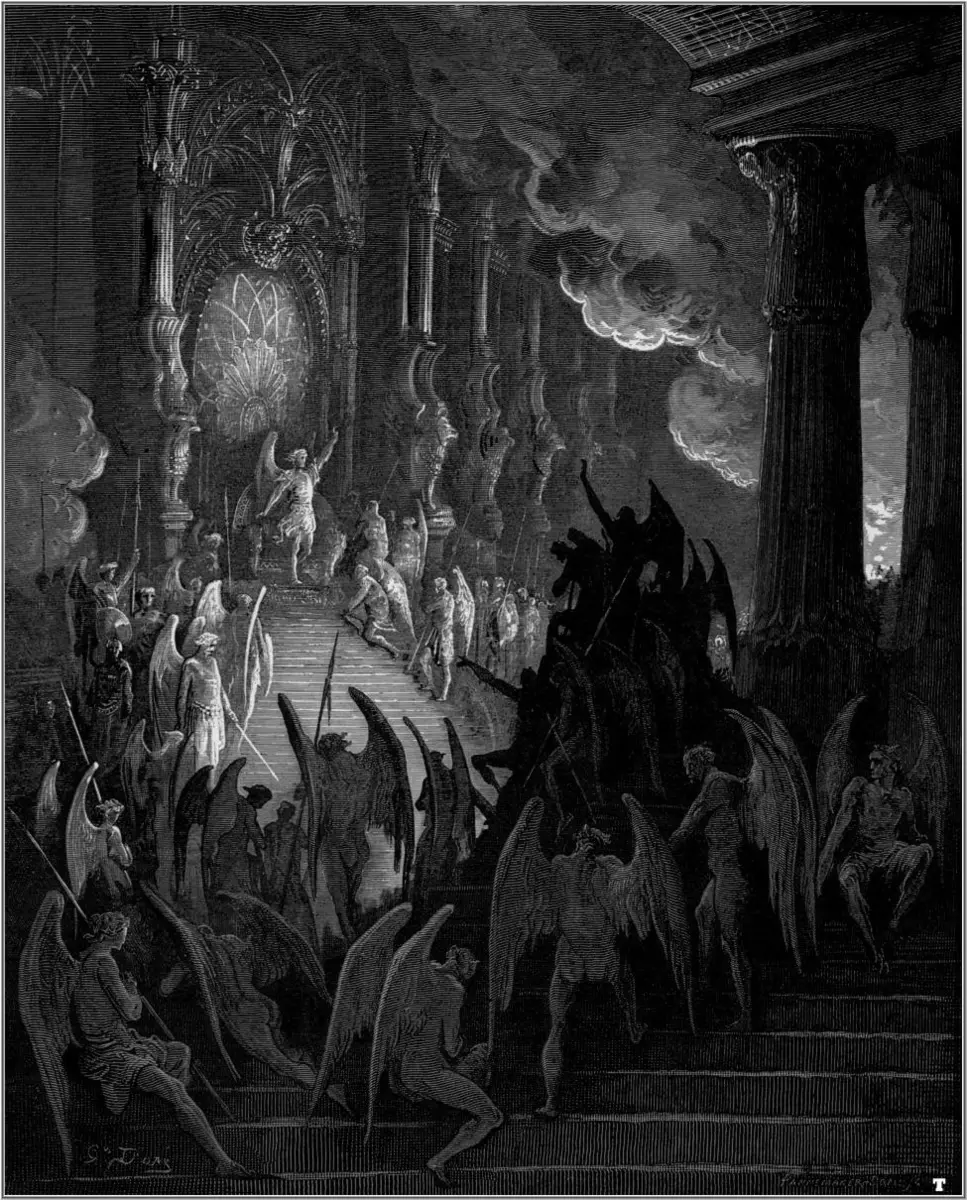
A nontheistic Satanic organization whose public principles emphasize self-determination, compassion, and responsibility.
A grimoire with a hierarchy centered on Lucifer, Beelzebub, and Astaroth, followed by spirit operations and practical recipes.
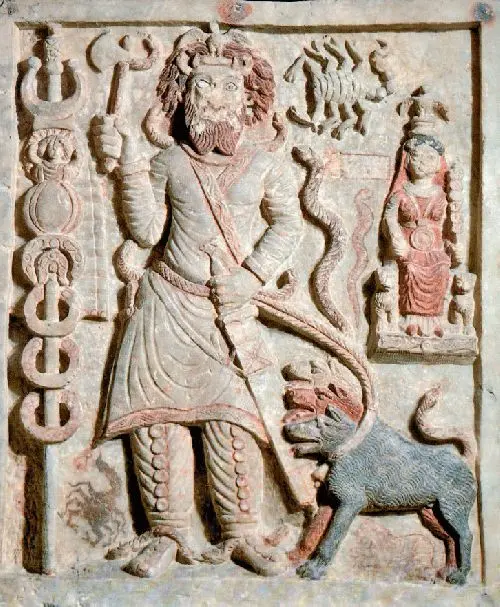
A Mesopotamian deity associated with death, war, disease, and the underworld.

The Devil is the principal personification of evil in much of Christian tradition and a major source for later Western images of Satan. The term is not identical with every historical use of Satan, nor does it describe one unchanging character across the Bible, theology, folklore, literature, art, and modern religion. In contemporary speech “the Devil” often functions as a proper name for Satan, but…
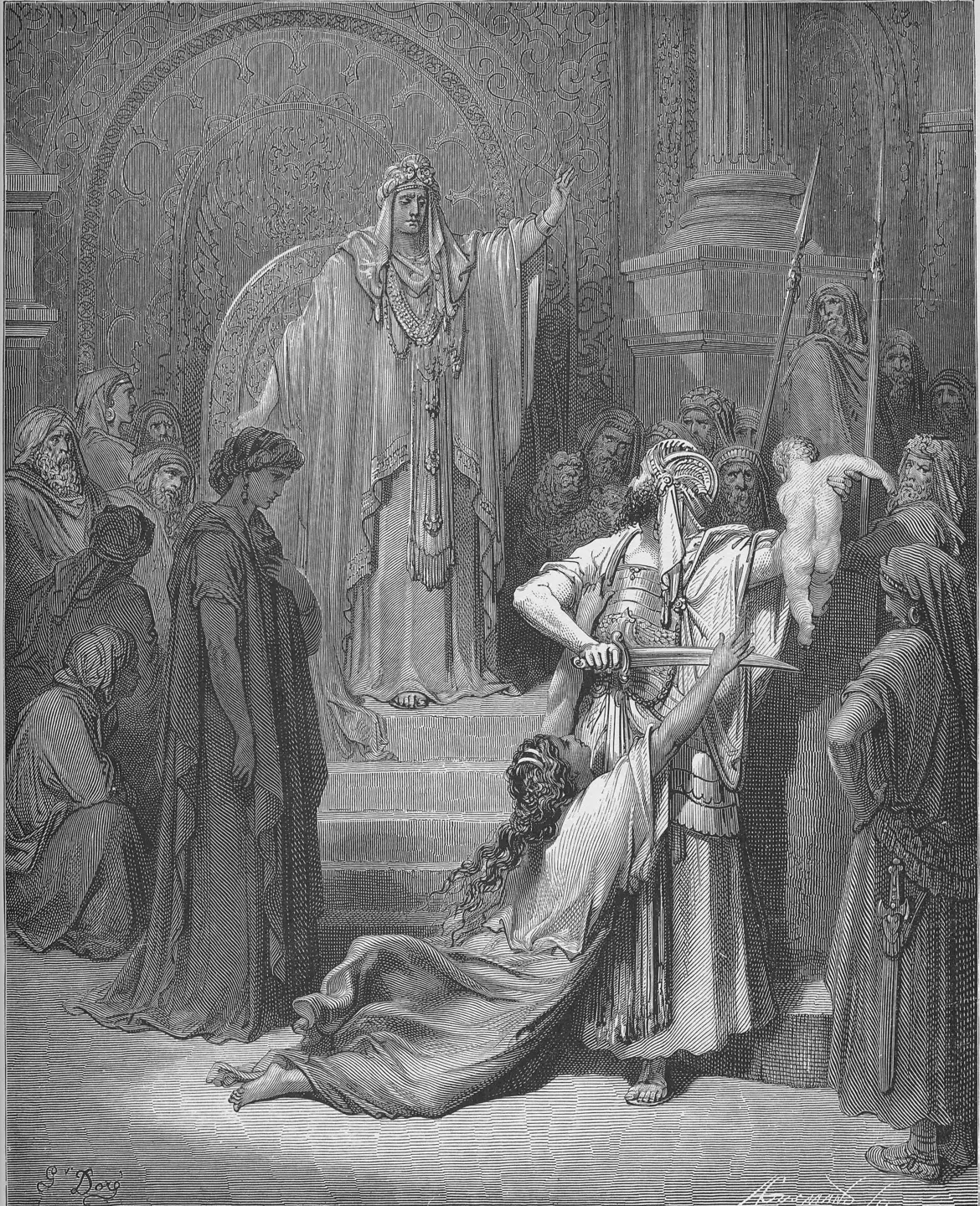
Solomon’s name supplies authority to several magical and religious works. Attribution to the king must be distinguished from the date and authorship of the surviving text.
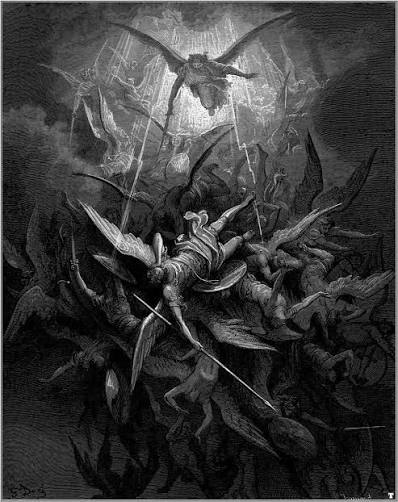
The Book of Giants names a fragmentary Jewish Enochic work represented at Qumran and a related Manichaean adaptation. Its surviving witnesses concern the offspring of the Watchers, ominous dreams, Enoch, and impending judgment.
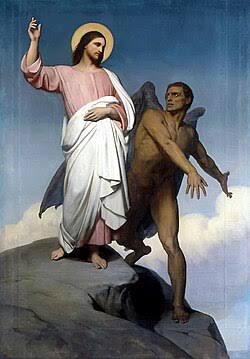
The temptation of Jesus is an encounter with Satan in the wilderness narrated by Matthew, Mark, and Luke. Its differing forms connect hunger, divine sonship, scriptural argument, worldly rule, and worship.
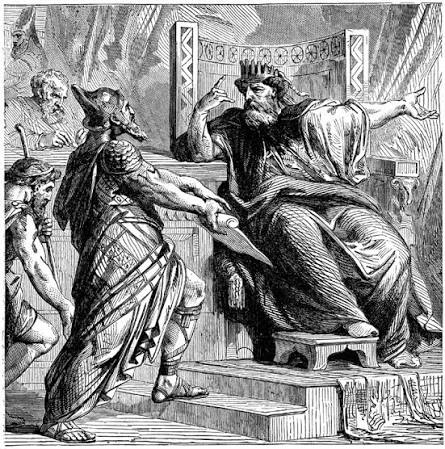
In 1 Chronicles 21, Satan or an adversary incites David to count Israel. Comparison with 2 Samuel 24 raises questions about divine agency, translation, and the development of the adversary figure.
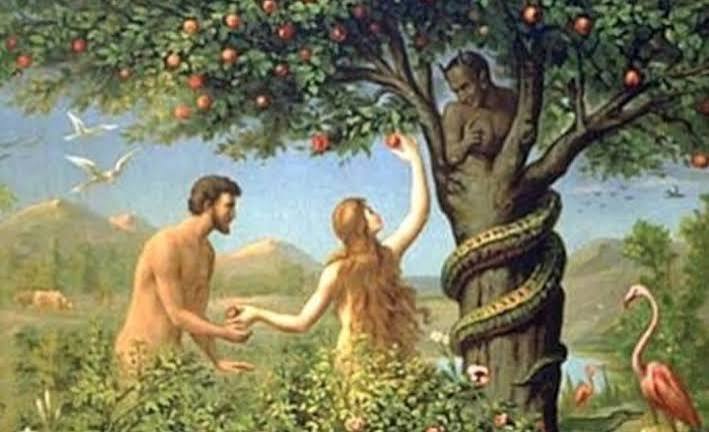
The serpent in Genesis 3 persuades the woman to eat from the tree of knowledge. The chapter does not name Satan. Later texts and interpretations connect the serpent with the Devil, adding to the history of the Eden story.