
Culture & Ethics
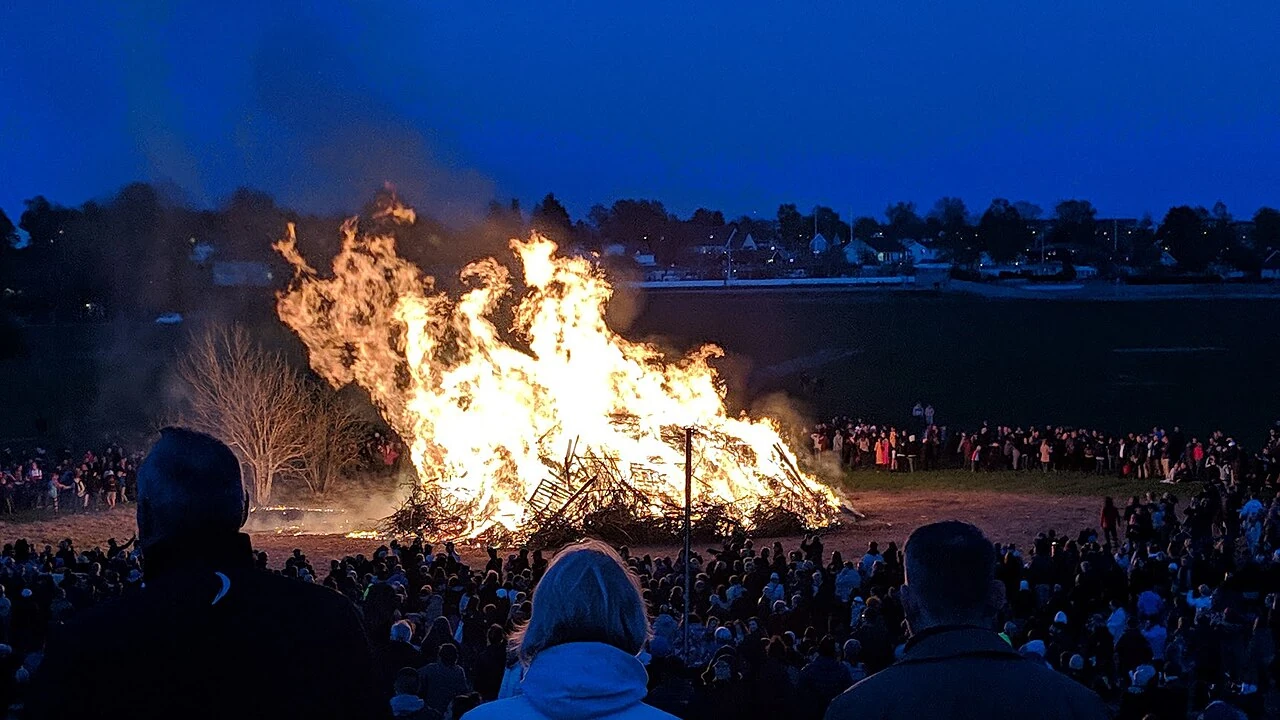
Samhain
The Gaelic beginning-of-winter festival, Irish customs of food and divination, and its place in modern Pagan practice.
The Gaelic beginning-of-winter festival, Irish customs of food and divination, and its place in modern Pagan practice.
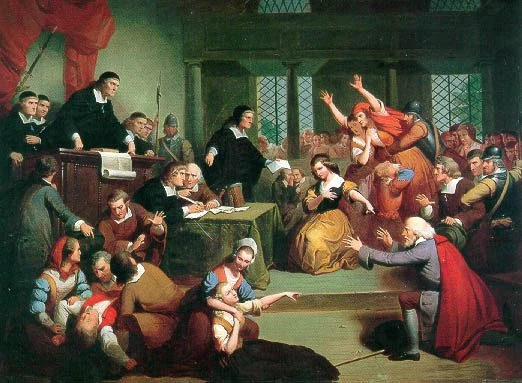
The Massachusetts prosecutions of 1692-1693, the spread of accusations, spectral evidence, and the surviving court archive.
The different holiday calendars published by the Church of Satan and The Satanic Temple, with dates and organizational meanings.
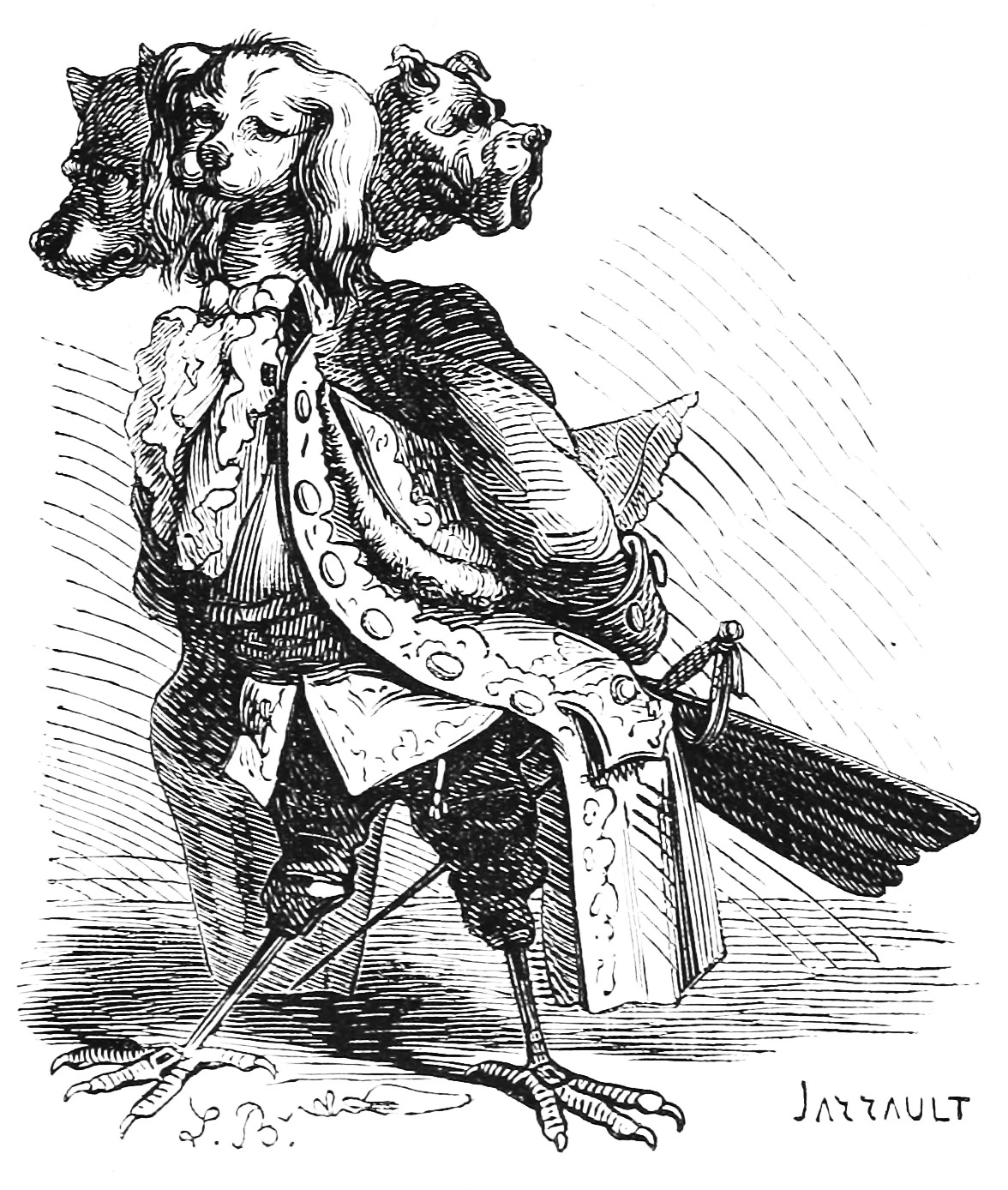
A Goetic marquis associated with rhetoric and the restoration of lost honors.
A Goetic marquis with a wolf-like appearance, associated with knowledge and the making or resolution of disputes.
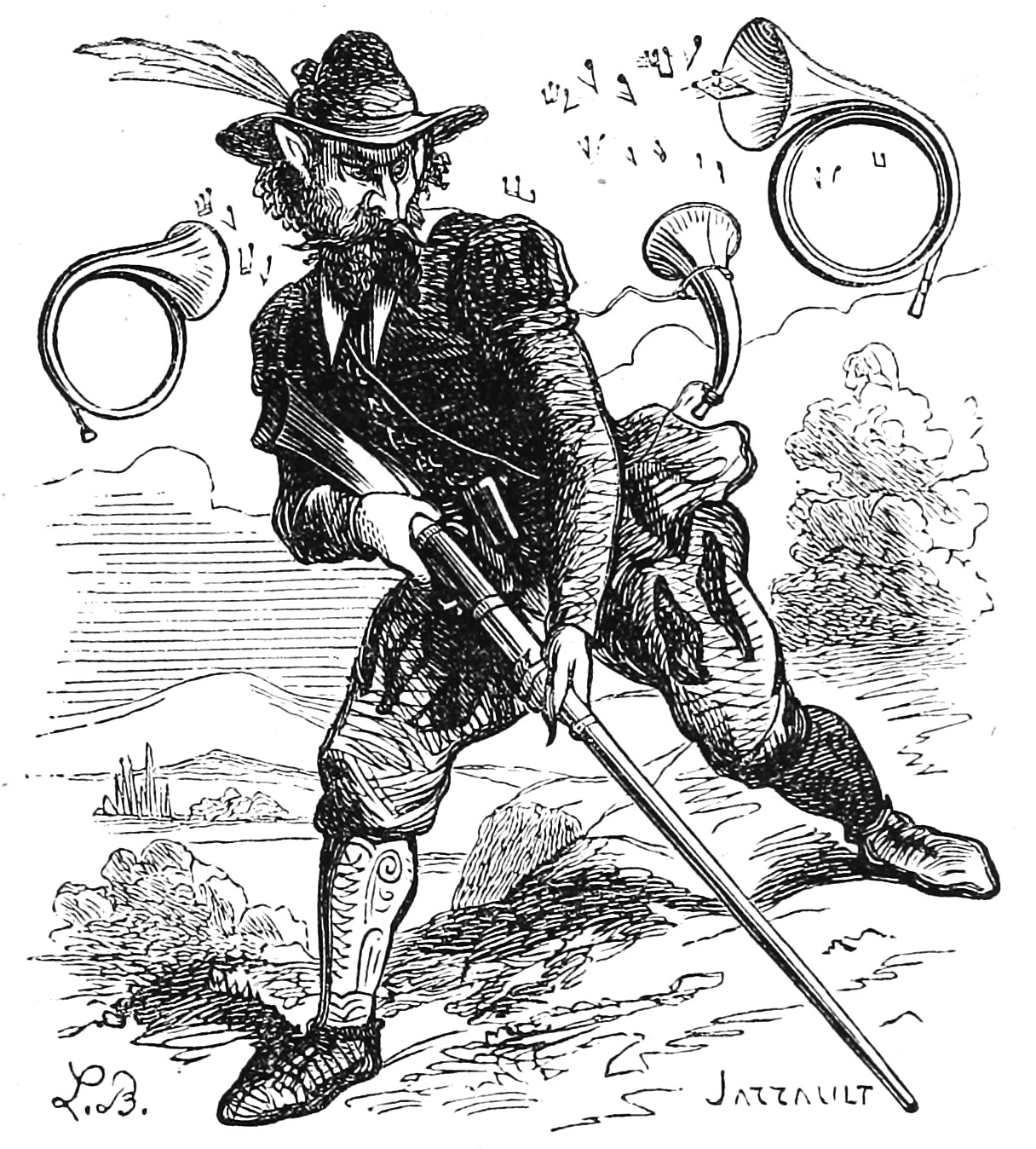
A Goetic duke connected with the speech of animals, enchanted treasure, and reconciliation.
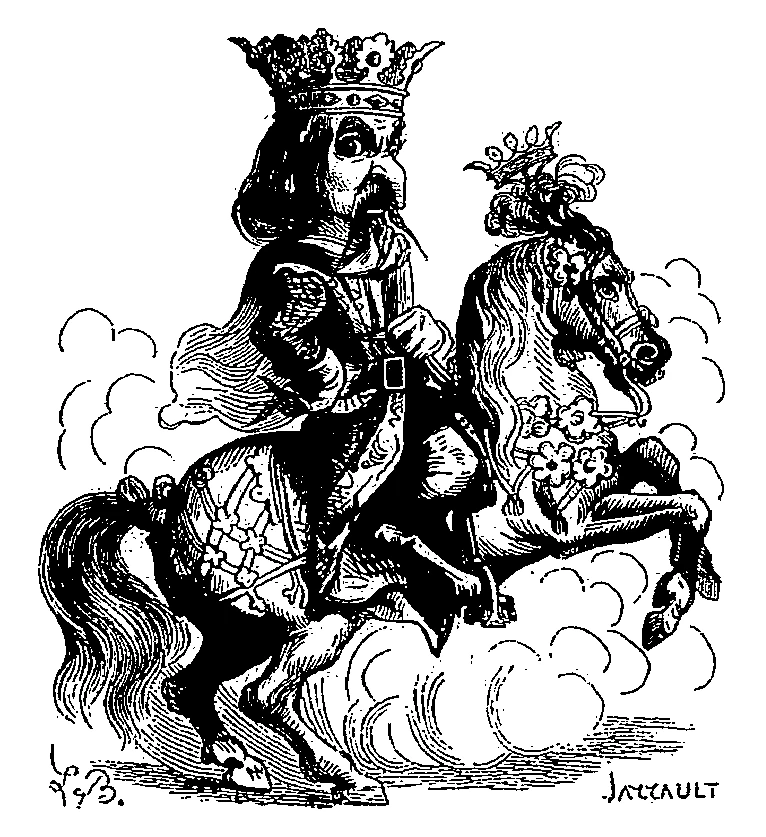
A Goetic duke riding a red horse, credited with knowledge, honors, and the transformation of metals.
The Goetic knight, associated with philosophy, learned arts, and forms of divination.
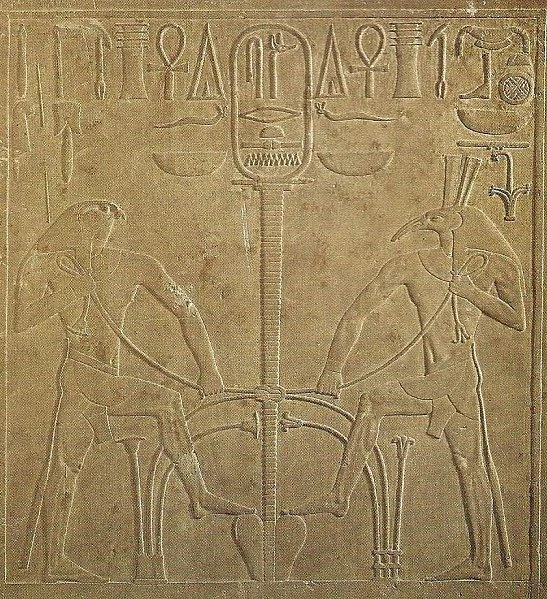
The religious philosophy associated with the Temple of Set, the Egyptian name Set, and the idea of Xeper.

The central public liturgy of Ecclesia Gnostica Catholica, written by Aleister Crowley as Liber XV.
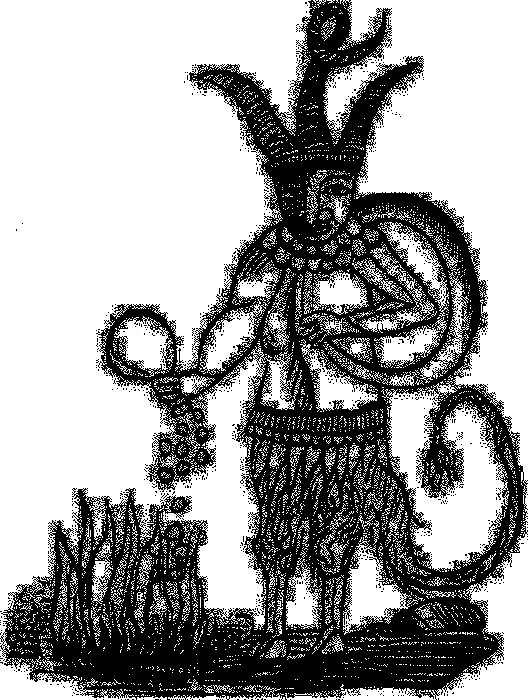
A grimoire best known for its staged encounter and pact with Lucifuge Rofocale.
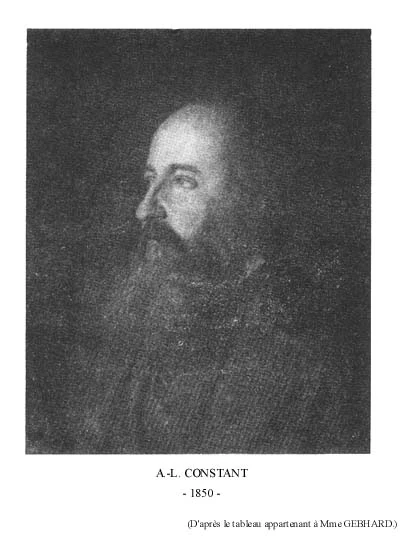
A nineteenth-century French occult author associated with ceremonial symbolism and the influential image of Baphomet.
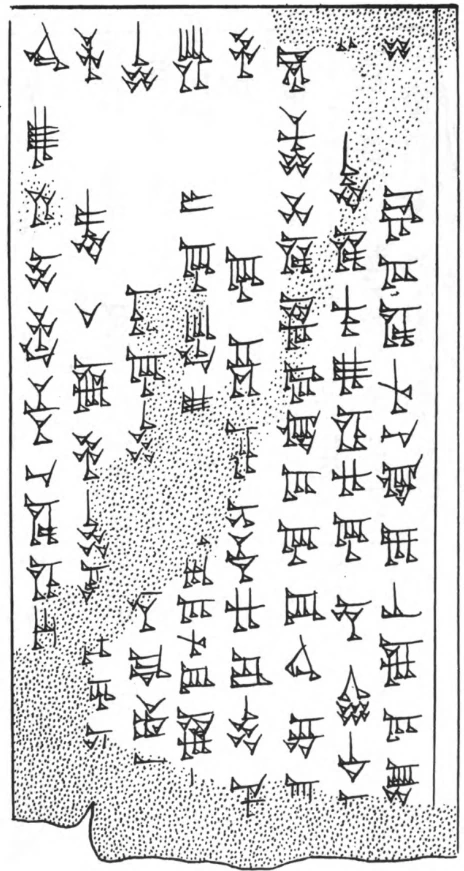
The primordial sea figure in the Babylonian creation epic Enuma Elish, defeated by Marduk in its account of cosmic ordering.
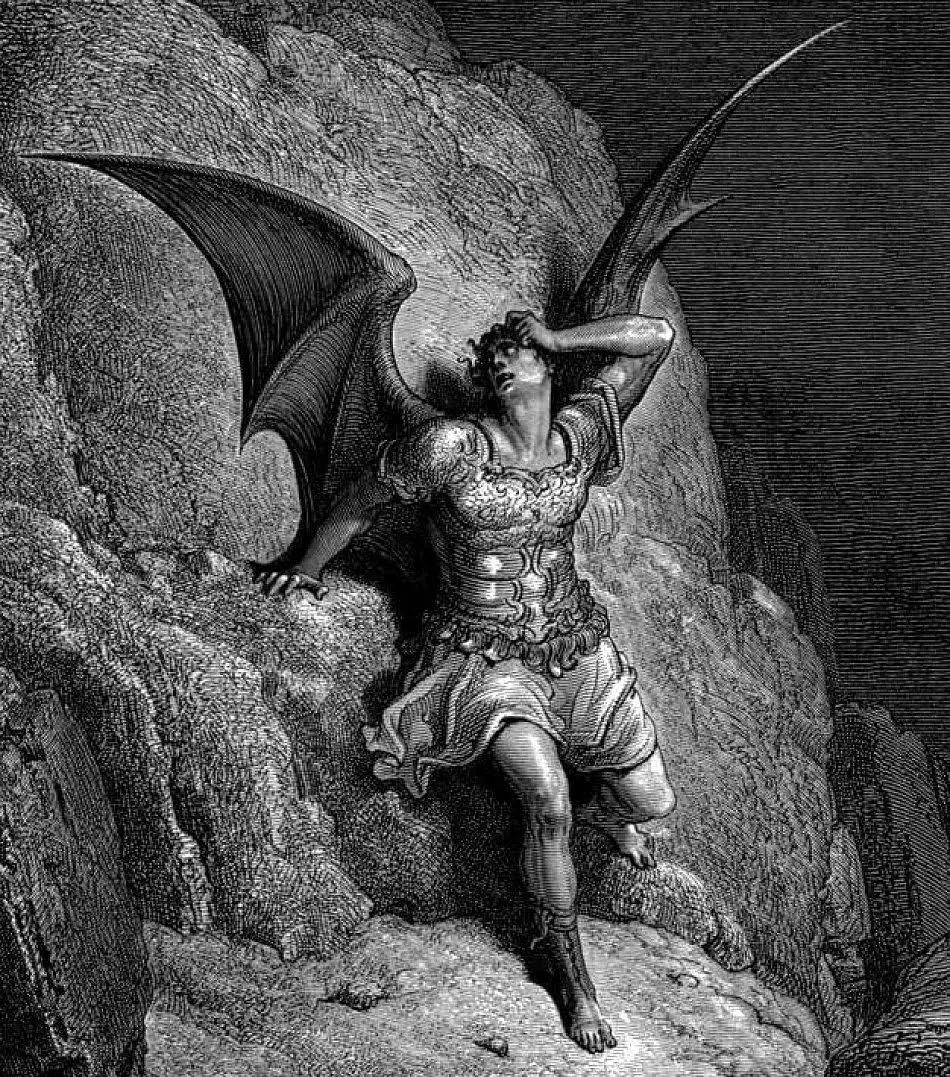
Satan is a figure whose meaning has changed substantially across Jewish, Christian, Islamic, literary, esoteric, and modern Satanic contexts. In contemporary theistic Satanism, Satan may be understood as a real deity, spirit, adversary, initiator, or metaphysical intelligence. Those modern interpretations draw on, but are not identical with, the much older history of the word and character.
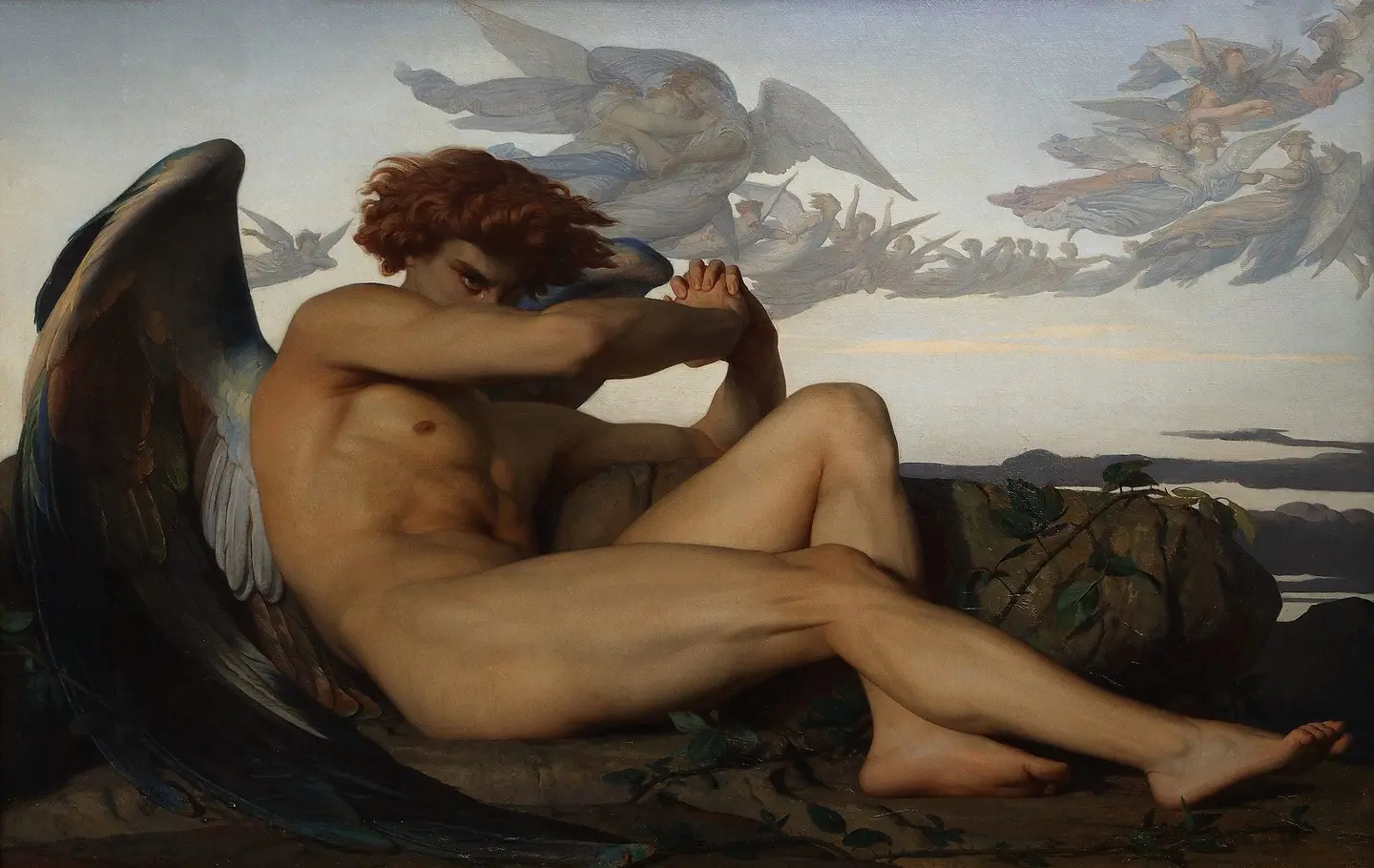
Lucifer is a name whose religious meaning developed from an ancient expression for the morning star into one of the best-known names associated with the Devil, fallen angels, occult illumination, and modern Luciferian religion. The word itself is Latin: lūcifer means “light-bringer” or “light-bearer” and was used for the planet Venus when it appeared before sunrise. The later equation “Lucifer = Satan”…
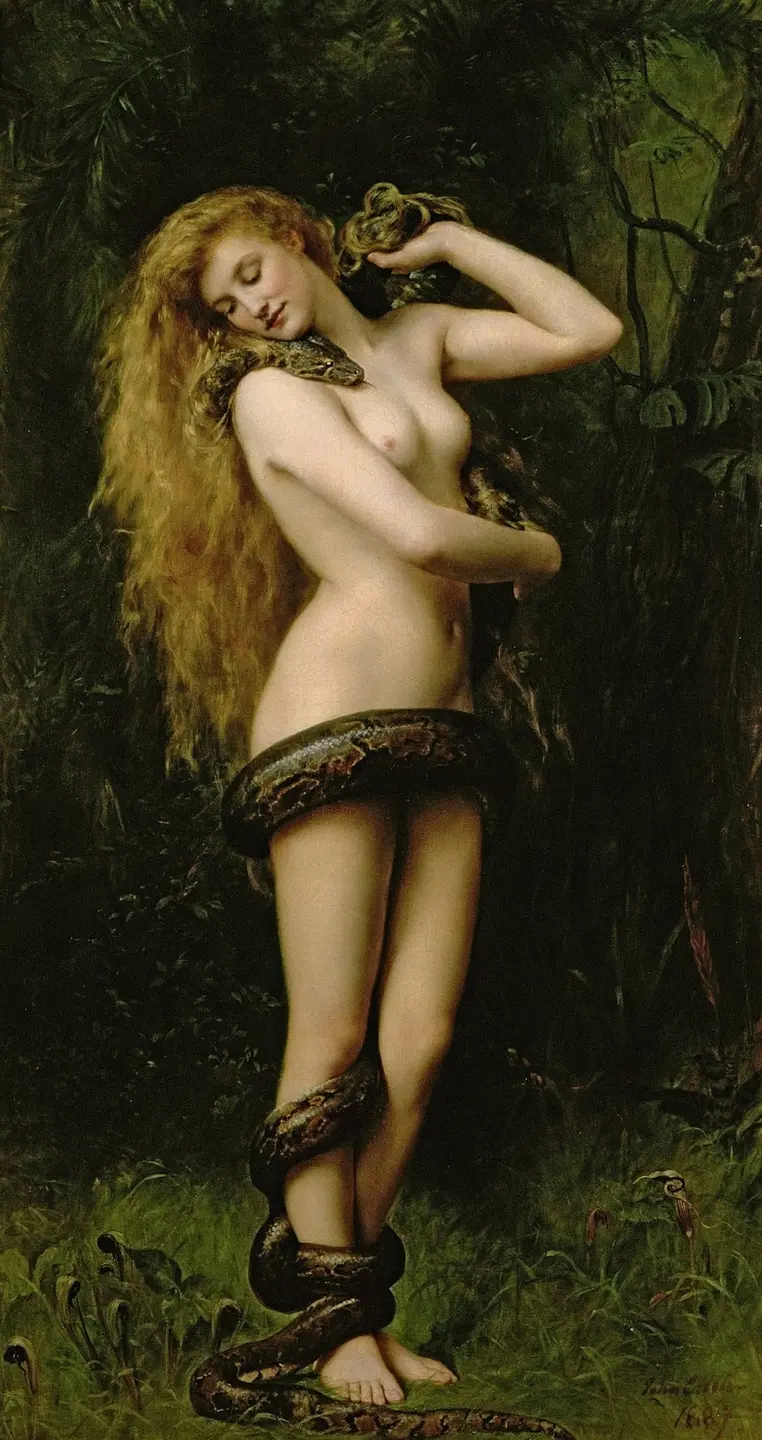
Lilith is a figure whose history spans ancient Near Eastern demonology, Jewish folklore, medieval protective magic, Kabbalah, literature, feminist reinterpretation, modern occultism, and contemporary Satanic or Luciferian religion. She is often introduced today as “Adam’s first wife,” but that familiar story is medieval rather than biblical. Earlier sources describe beings called lilith or lilin in…
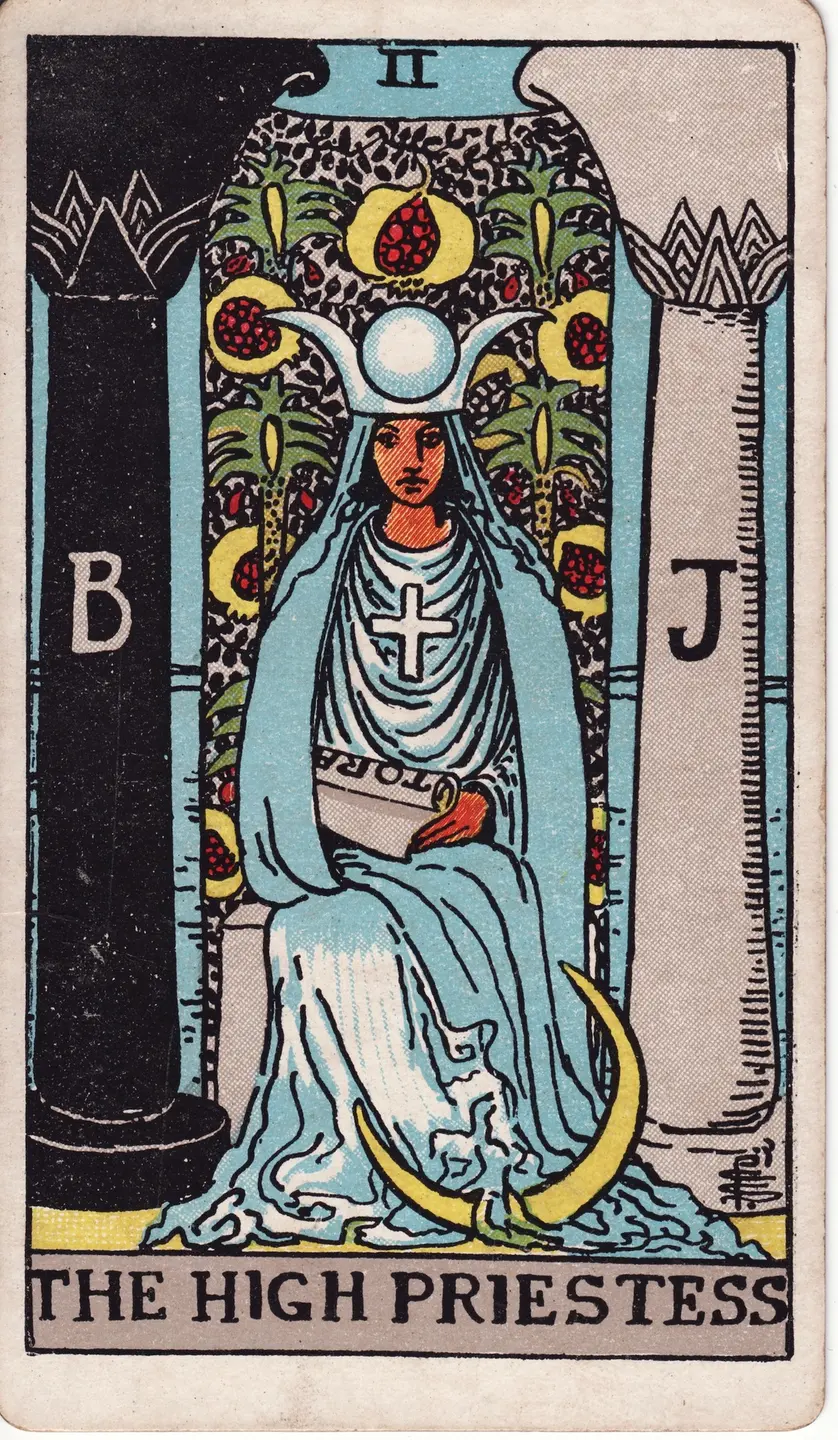
Tarot developed as playing cards before becoming an influential tool of occult interpretation. The history of the cards differs from later claims about their hidden origins.
Religious discernment concerns how experiences are interpreted and assessed. An immediate event, a theological explanation, and a claim about another person require different kinds of evidence.
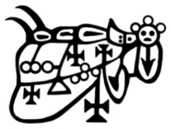
A Goetic duke associated with wealth, eloquence, and the places of the dead.
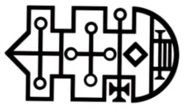
A Goetic earl associated with royal treasure, the destruction of cities, and altered relationships.