History
Nephilim
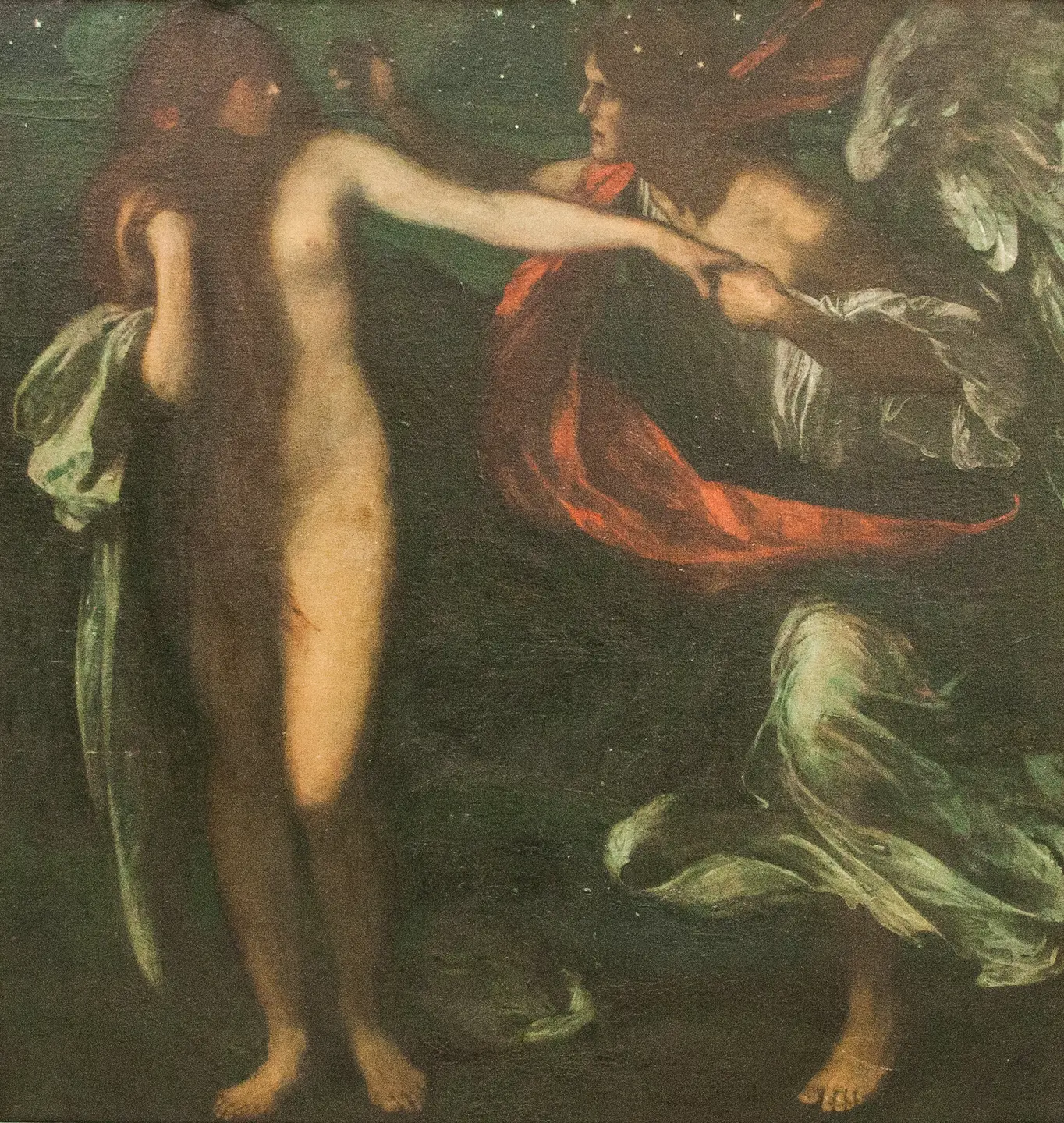
The Nephilim appear in brief biblical passages and in later traditions about giants. Different texts should be distinguished before their accounts are combined.
The Nephilim appear in brief biblical passages and in later traditions about giants. Different texts should be distinguished before their accounts are combined.
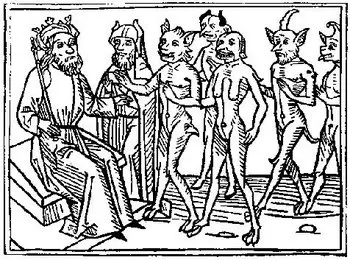
Belial appears in biblical religious language and later spirit catalogues. These uses should be distinguished rather than treated as one unchanged biography.
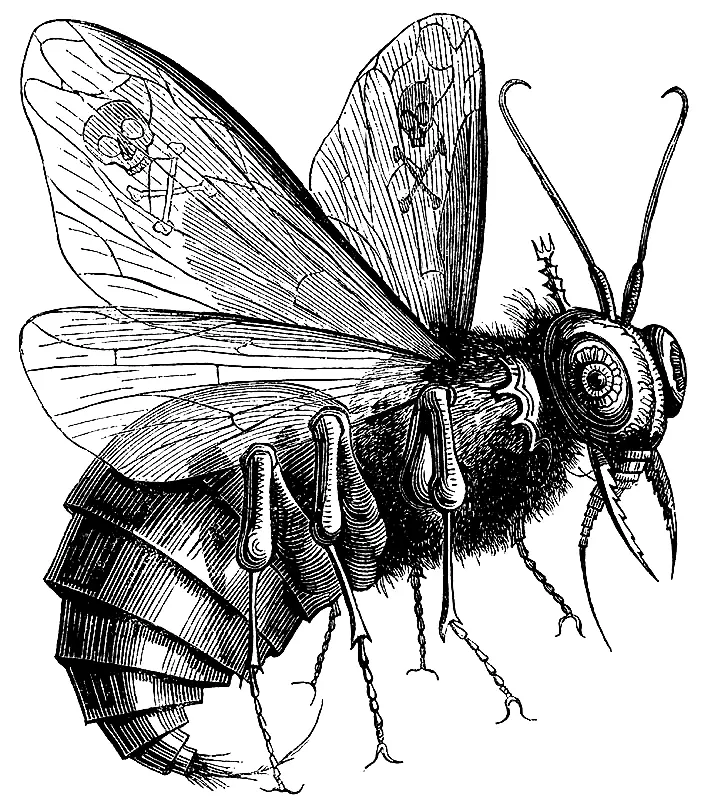
Beelzebub and related spellings appear in distinct biblical contexts. Later demonological interpretations should not be retroactively read into each earlier occurrence.
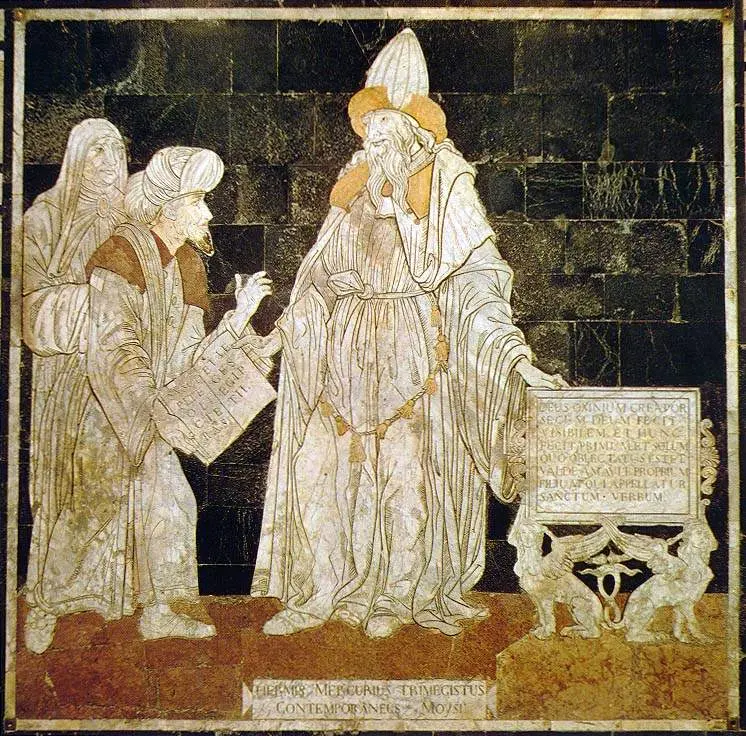
Hermeticism names several related traditions associated with Hermes Trismegistus. Philosophical dialogues, alchemical texts, and later occult systems require separate historical treatment.
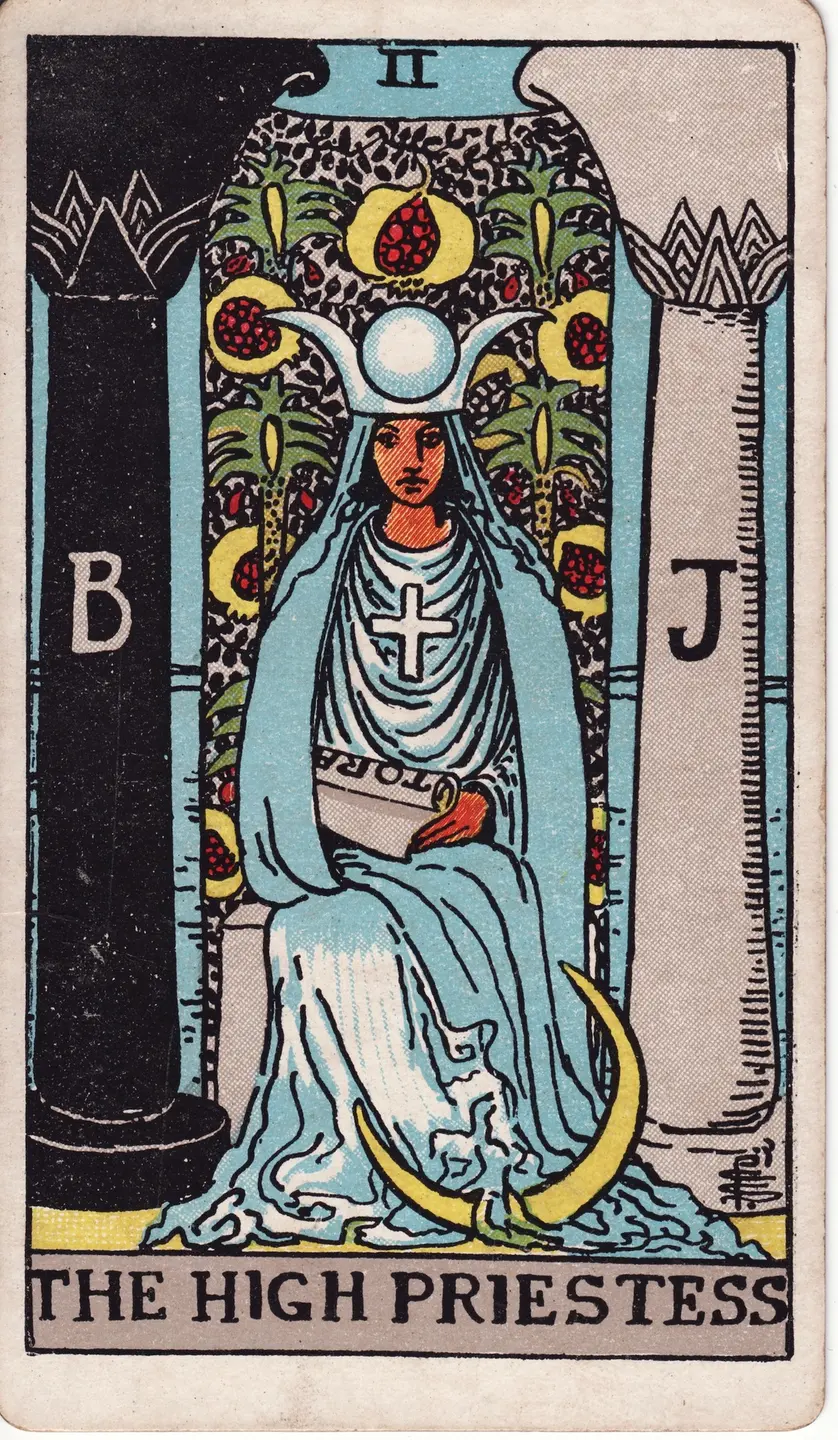
Tarot developed as playing cards before becoming an influential tool of occult interpretation. The history of the cards differs from later claims about their hidden origins.
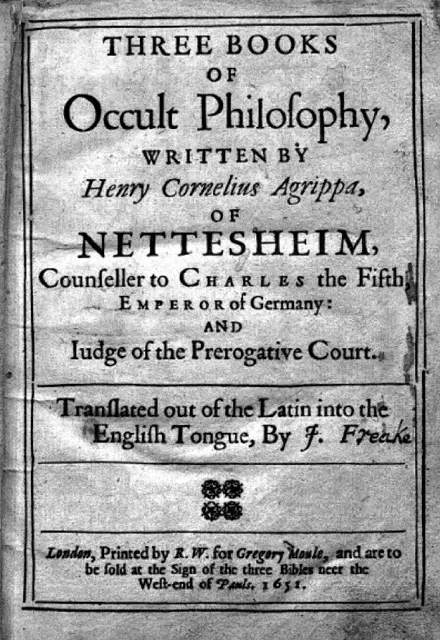
Ceremonial magic uses formally organized ritual actions. Its historical systems combine preparation, symbols, instruments, and accounts of spiritual authority in different ways.
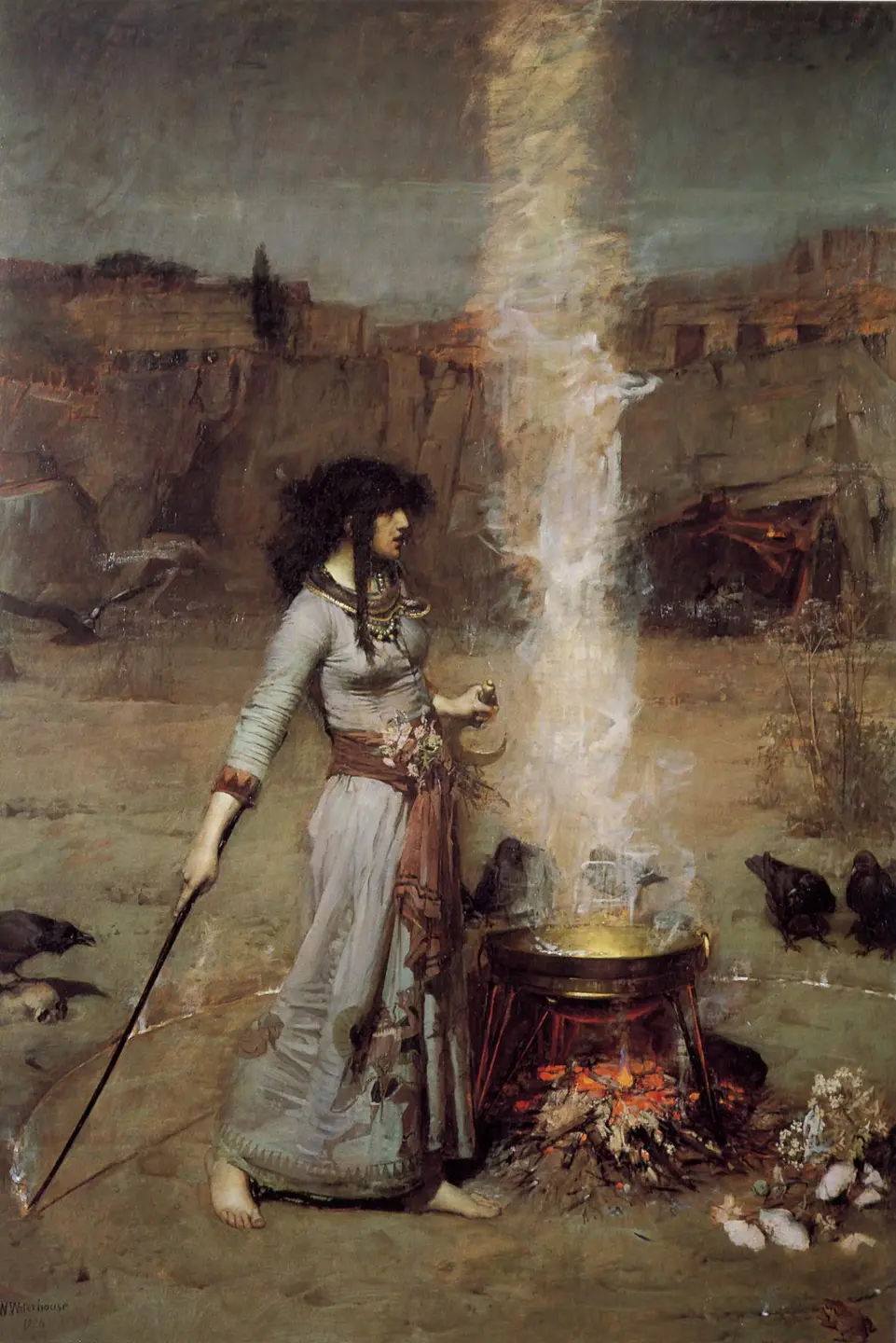
Demonolatry refers to devotion to demons or daemonic beings. Modern accounts vary in theology, authority, and their relationship with historical grimoires.
A Goetic president depicted as a lion, associated with hidden knowledge, mechanical arts, and transformation.
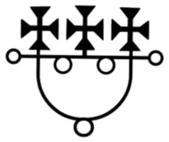
A Goetic prince portrayed with a leopard head and griffin wings, whose stated office concerns desire.
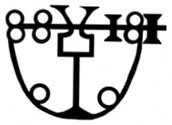
A Goetic marquis described as a green-clad archer associated with conflict and arrow wounds.
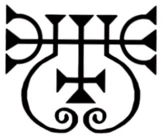
A Goetic duke depicted as a red-clad soldier whose entry concerns attraction and fertility.
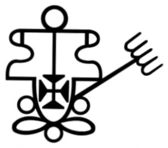
A Goetic king riding a bear, with offices concerning hidden knowledge, treasure, and cosmology.

A Goetic duke associated with wealth, eloquence, and the places of the dead.

A Goetic marquis described as a sea monster, associated with language, reputation, and rhetoric.
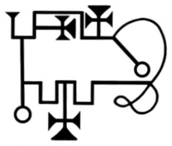
A Goetic marquis in phoenix form, associated with poetry, learning, and a hope of heavenly restoration.

A Goetic earl associated with royal treasure, the destruction of cities, and altered relationships.

A Goetic spirit with royal and comital rank, associated with hidden things, walls, and stormy waters.

A Goetic duke, also called Procel, associated with geometry, hidden matters, and sounds of water.
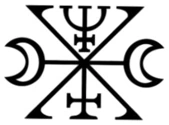
A Goetic spirit associated with philosophy and the compelled appearance of deceased souls.

A mounted Goetic marquis whose office includes the stars, planetary mansions, and social dignities.