Demonology & Spirits
Forneus
A Goetic marquis described as a sea monster, associated with language, reputation, and rhetoric.
A Goetic marquis described as a sea monster, associated with language, reputation, and rhetoric.
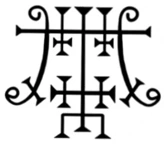
A Goetic president associated with logic, ethics, plants, stones, longevity, and lost things.
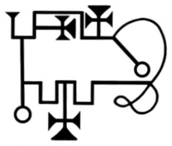
A Goetic marquis in phoenix form, associated with poetry, learning, and a hope of heavenly restoration.
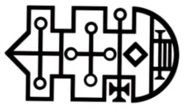
A Goetic earl associated with royal treasure, the destruction of cities, and altered relationships.
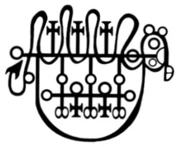
A Goetic duke portrayed as a mermaid, associated with ships, storms, and afflicted wounds.

A Goetic spirit with royal and comital rank, associated with hidden things, walls, and stormy waters.
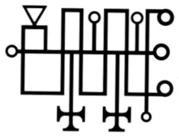
A Goetic president with a winged bull form, associated with wisdom and the transformation of substances.

A Goetic president associated with learned subjects and transformations that alter a person's understanding of identity.
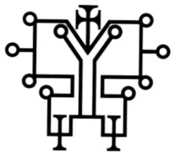
A mounted Goetic marquis whose office includes the stars, planetary mansions, and social dignities.
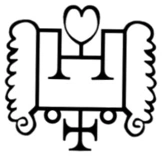
A winged lion-shaped Goetic duke associated with crafts, philosophy, and learned subjects.
An initiatory organization associated with Thelema and the public celebration of the Gnostic Mass.
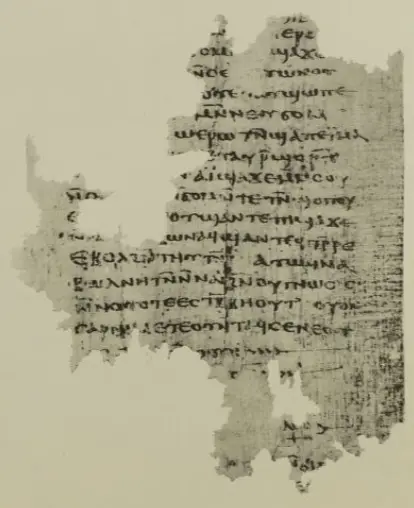
A modern umbrella term for several ancient religious movements and texts concerned with saving knowledge and divine origins.
The second part of the Lemegeton, arranging aerial spirits through princes, directions, and wandering hierarchies.
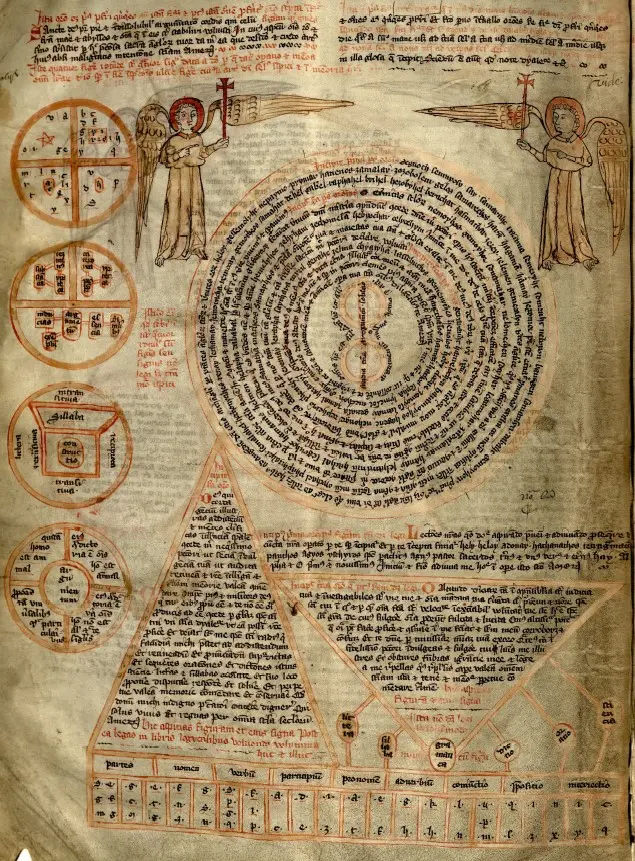
A medieval art of prayer and contemplation intended to confer learning, memory, and eloquence.
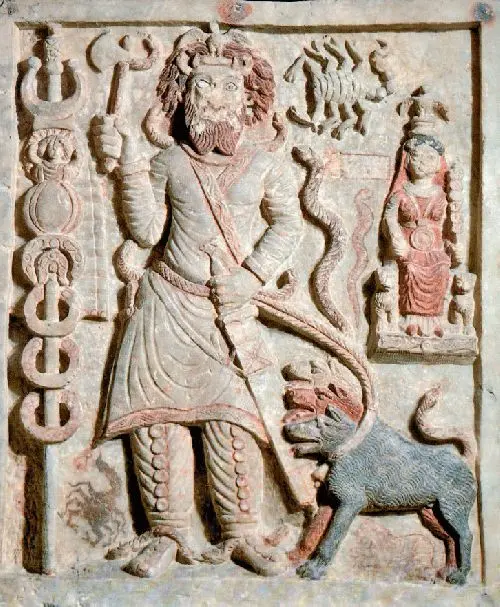
A Mesopotamian deity associated with death, war, disease, and the underworld.
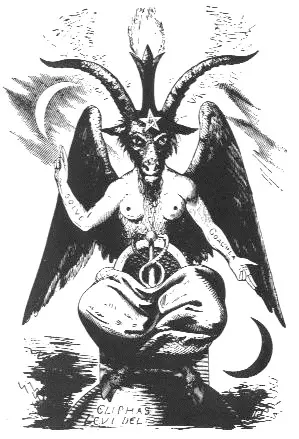
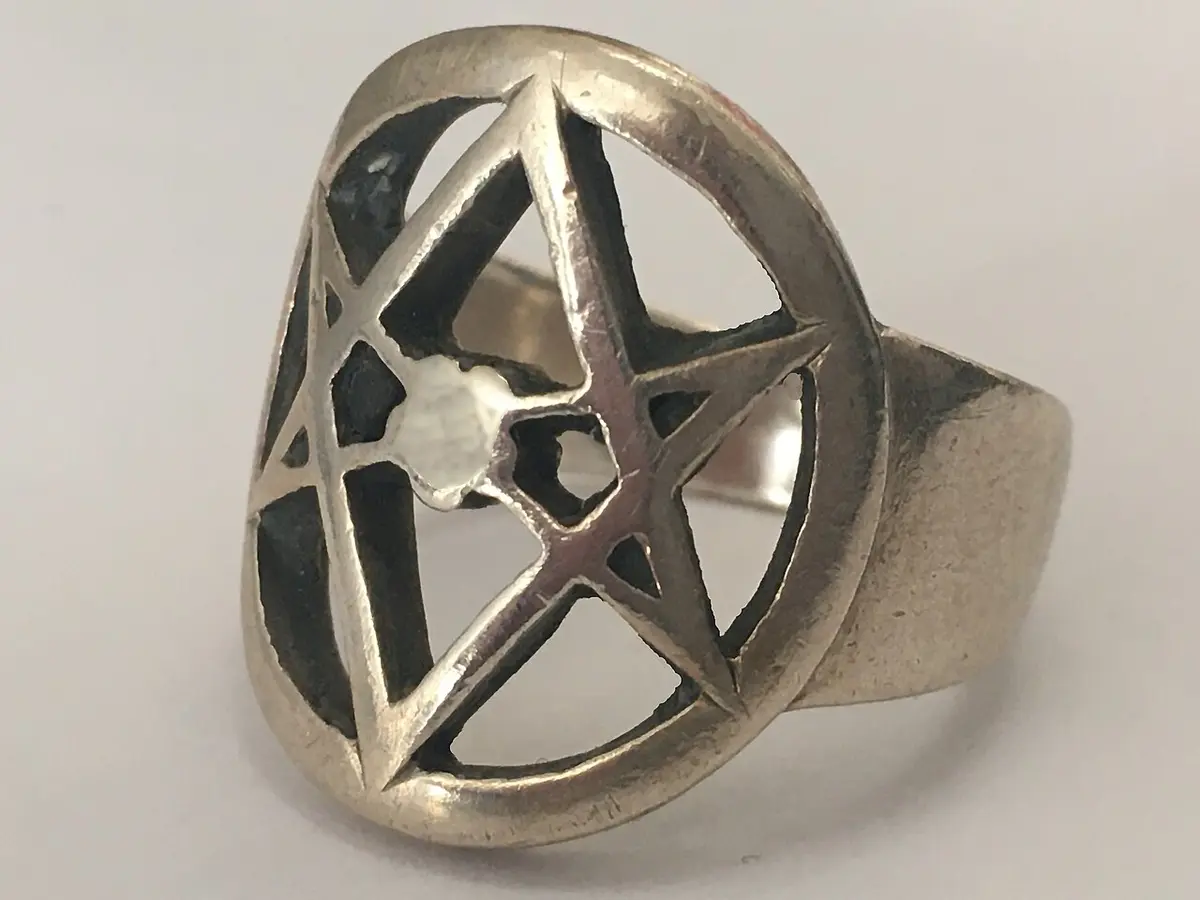
The images, names, and gestures used by Satanic traditions, whose meanings depend on their religious and historical setting.
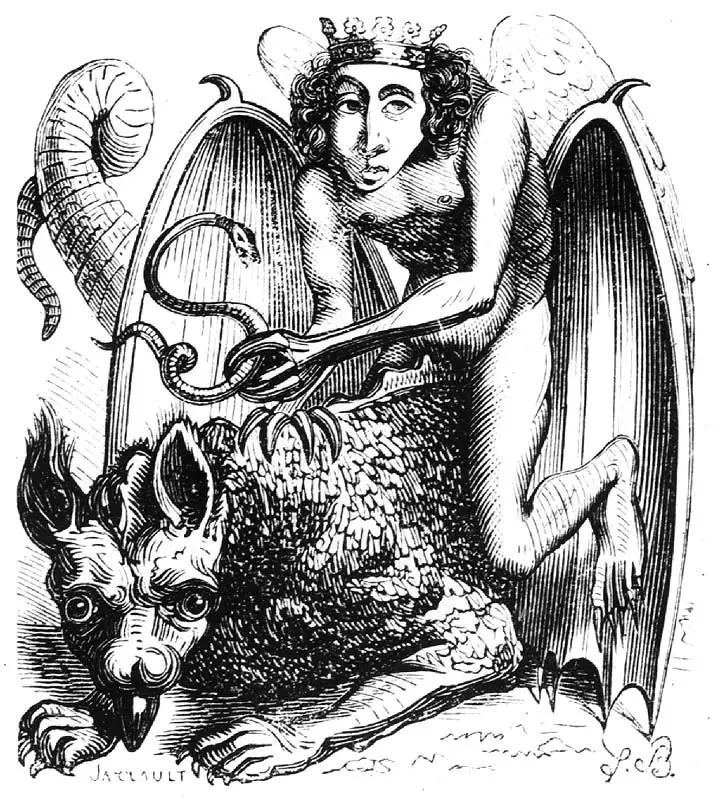
Astaroth appears in early modern spirit catalogues and later illustrated demonology. Source editions matter when comparing the figure’s rank, appearance, and supposed knowledge.
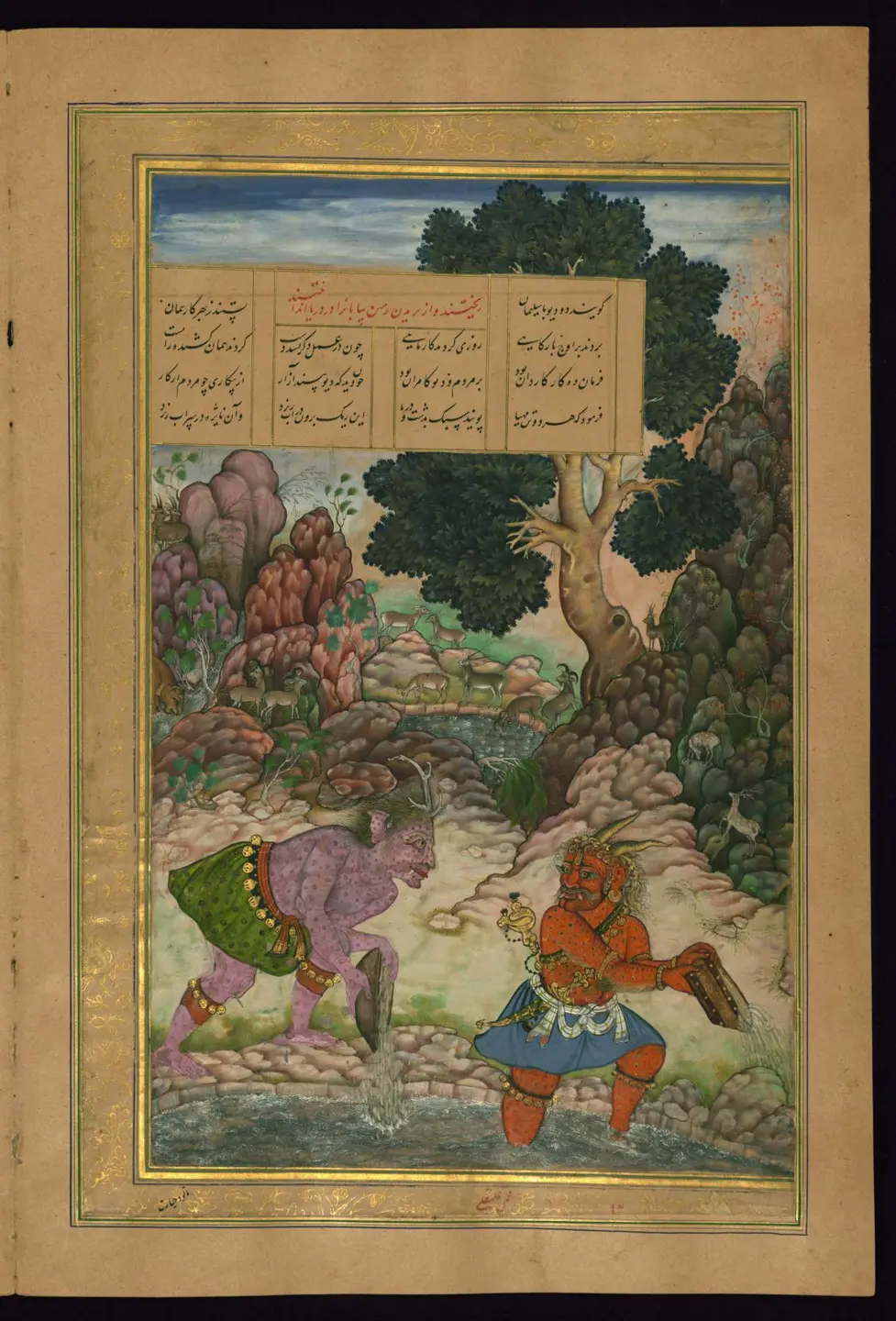
The Testament of Solomon is a pseudepigraphal religious narrative in which Solomon questions and commands spirits. It differs from later procedural Solomonic grimoires.
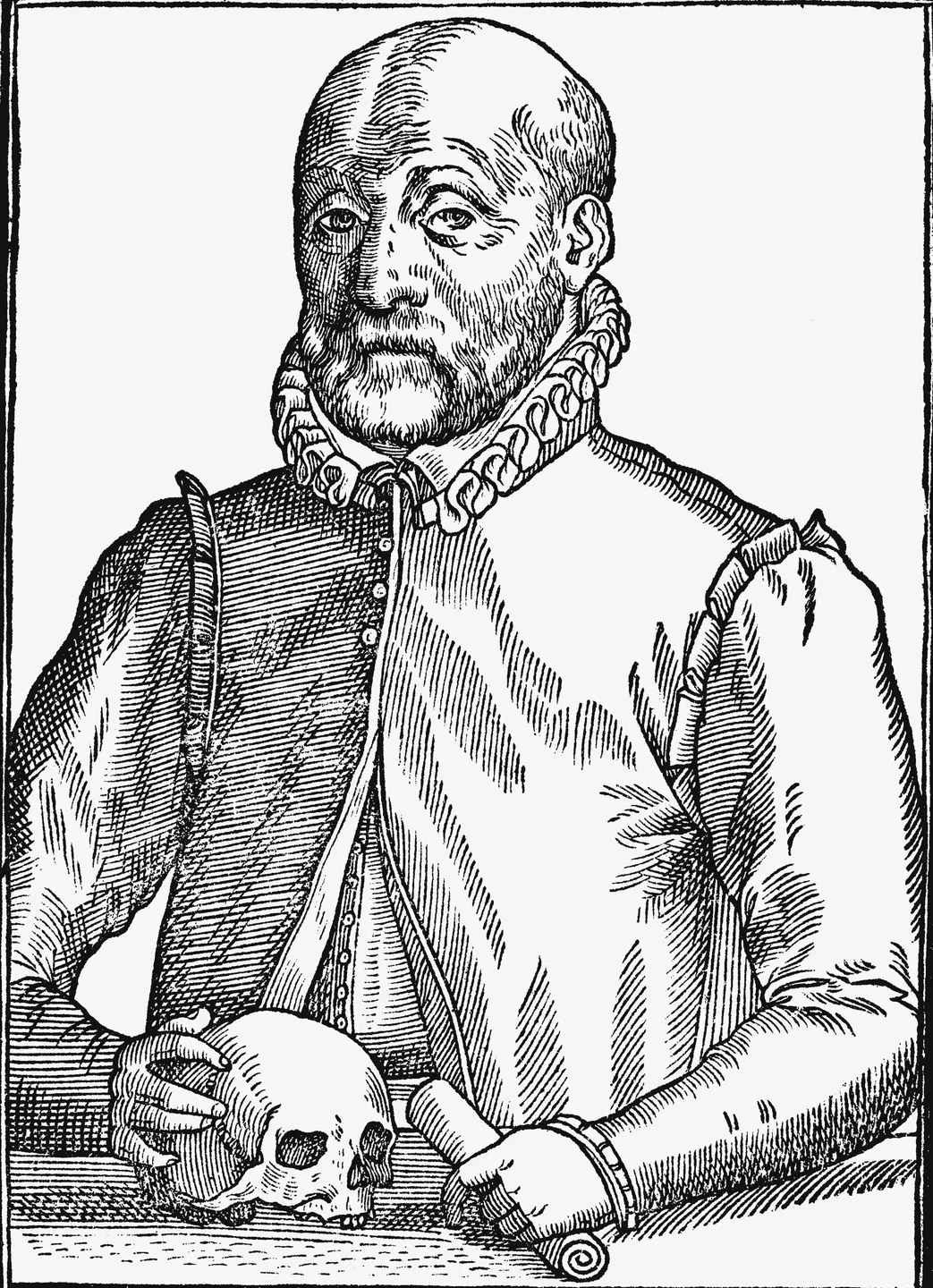
Pseudomonarchia Daemonum is a spirit catalogue associated with Johann Weyer. Its transmission helps explain similarities and differences in the later Ars Goetia.
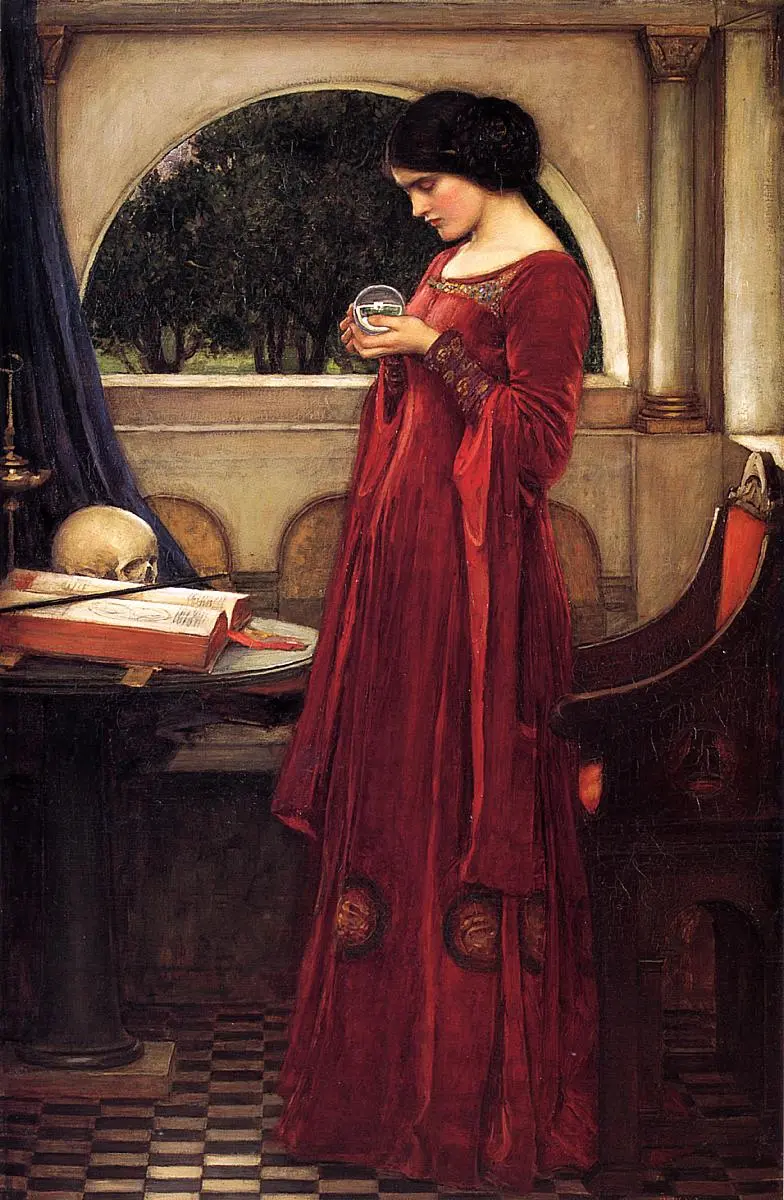
Divination consists of practices that interpret signs as answers, indications, or guidance. Methods differ in their religious assumptions and in the kinds of claims they make.