Demonology & Spirits
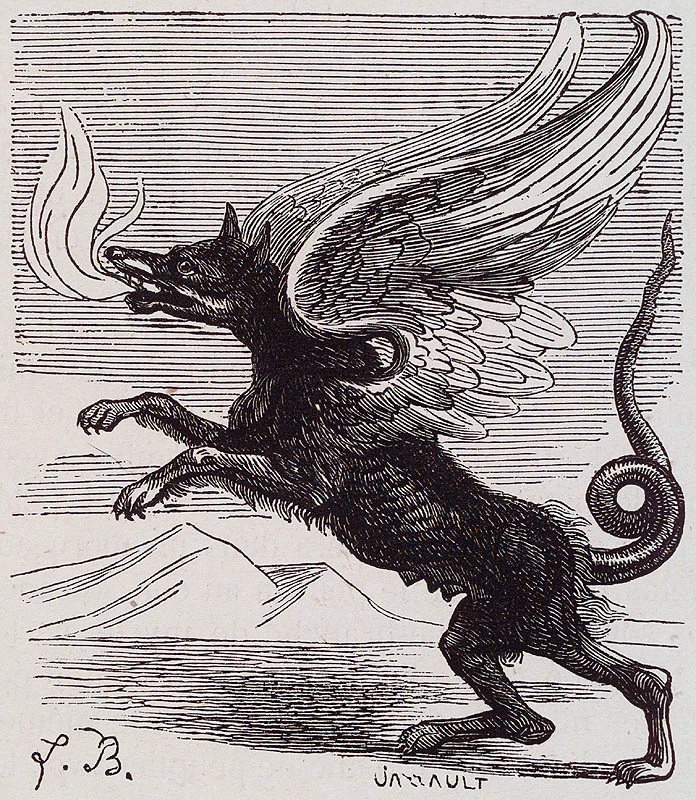
Marchosias
A Goetic marquis with a winged wolf form, described as a fighter who hopes to return to a heavenly throne.
A Goetic marquis with a winged wolf form, described as a fighter who hopes to return to a heavenly throne.
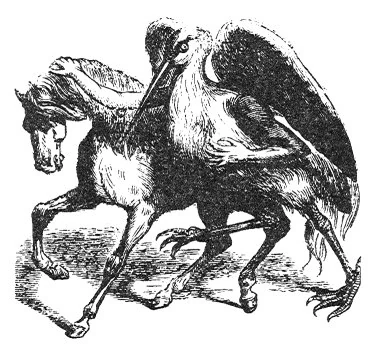
A Goetic marquis in bird form, associated with concealment, royal money, and unreliable answers.
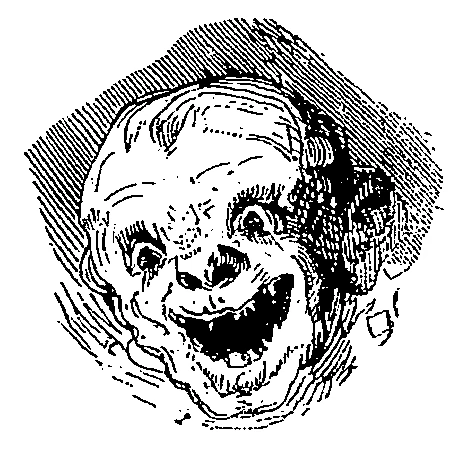
A Goetic earl associated with learned subjects, burial places, and lights at graves.
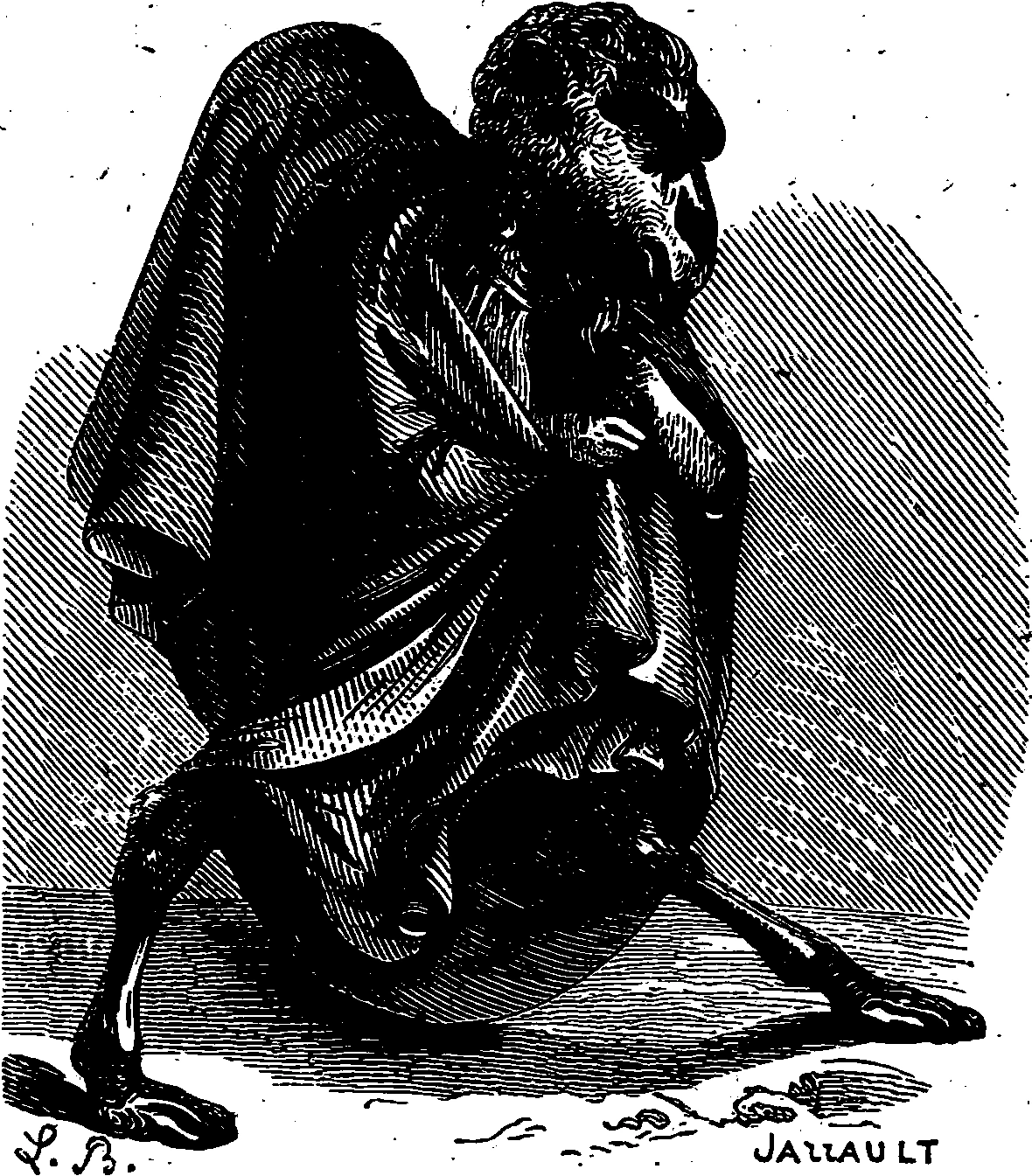
A Goetic duke first appearing as a dromedary, associated with affection, friendship, and knowledge.
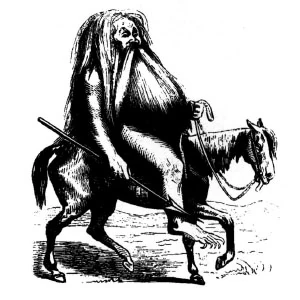
The Goetic knight, associated with philosophy, learned arts, and forms of divination.
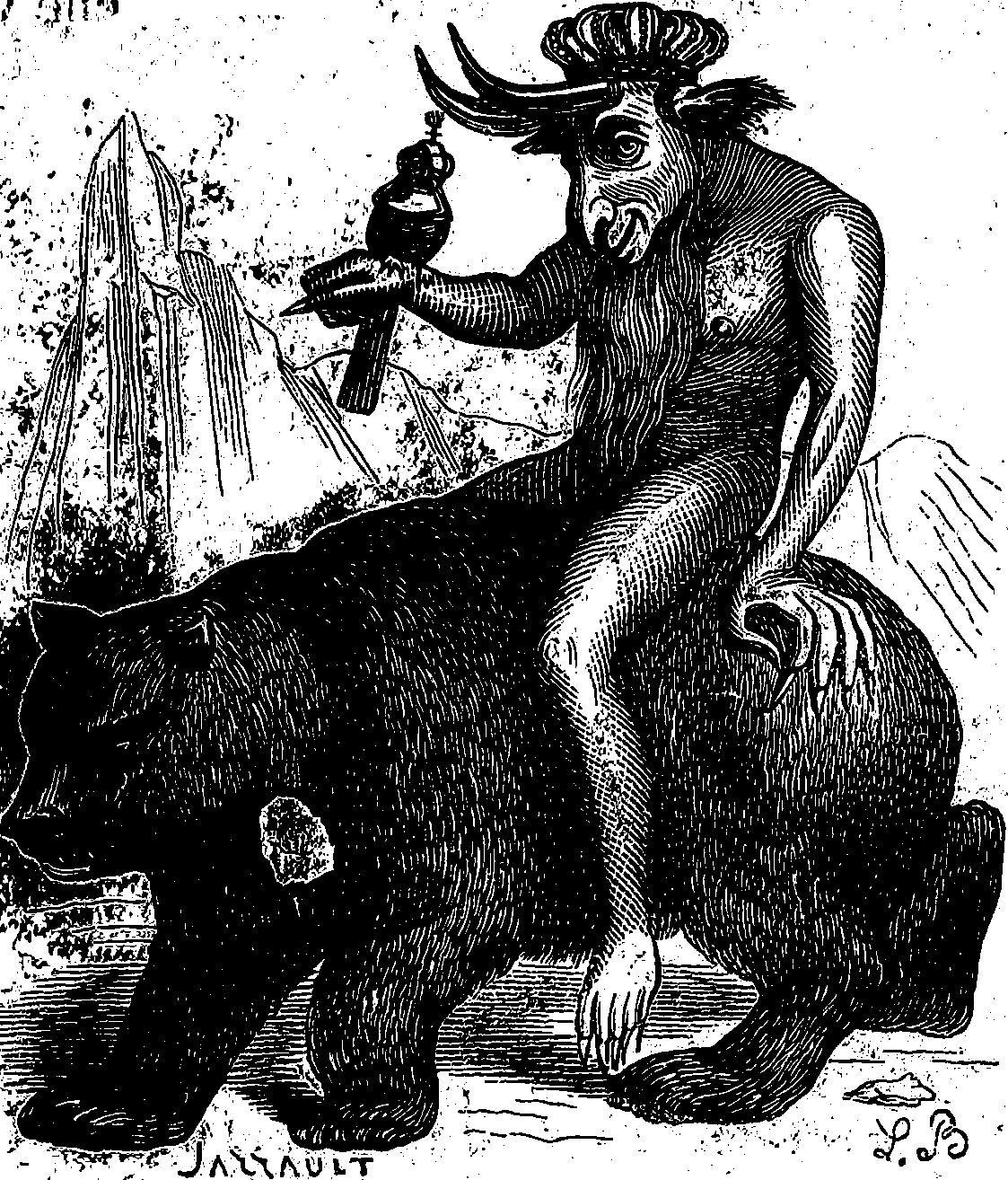
A three-headed Goetic king riding a bear, associated with answers, wit, and invisibility.
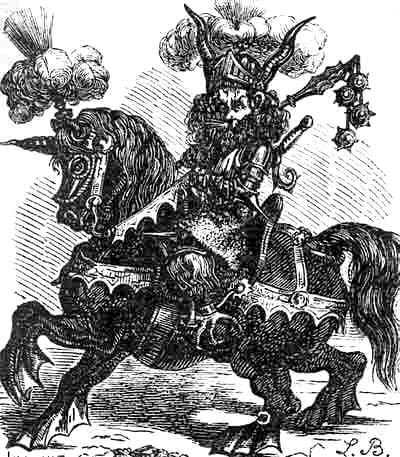
A lion-faced Goetic duke who teaches astronomy and the liberal sciences.

A Goetic president associated with animal voices, disputation, and answers given through burning ashes.
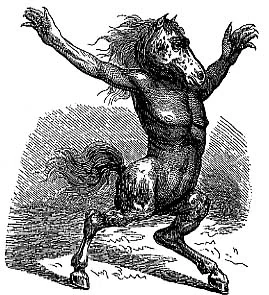
A Goetic prince portrayed as a horse and then a human, noted for the fidelity attributed to him.
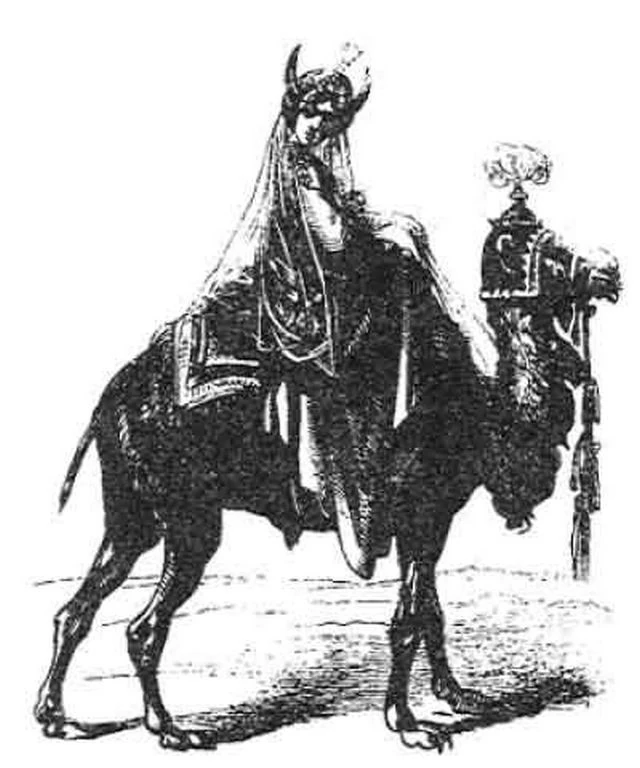
A Goetic duke depicted as a woman on a camel, associated with hidden knowledge, treasure, and attraction.
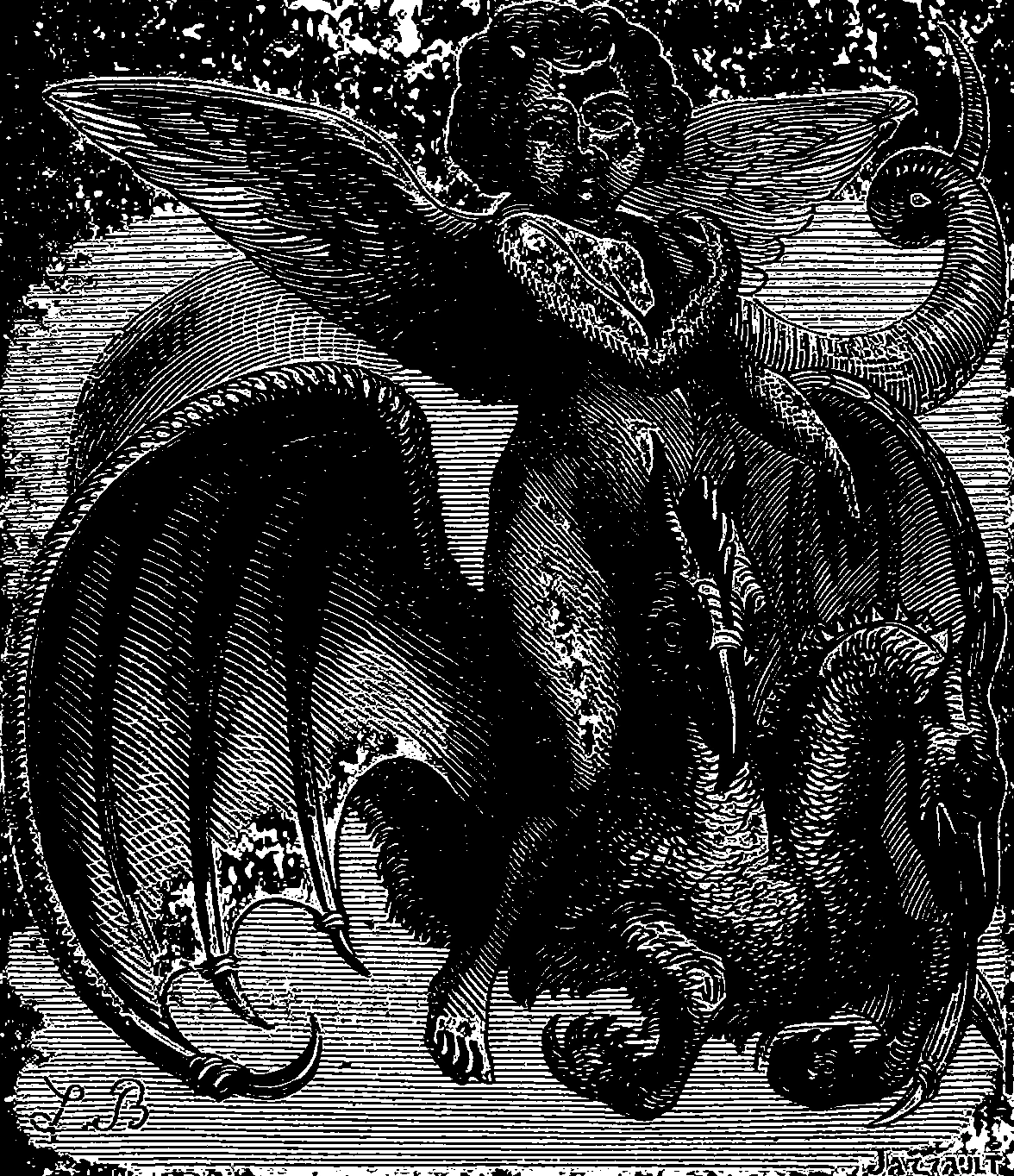
A Goetic president described as a winged boy on a two-headed dragon, associated with treasure and serpents.
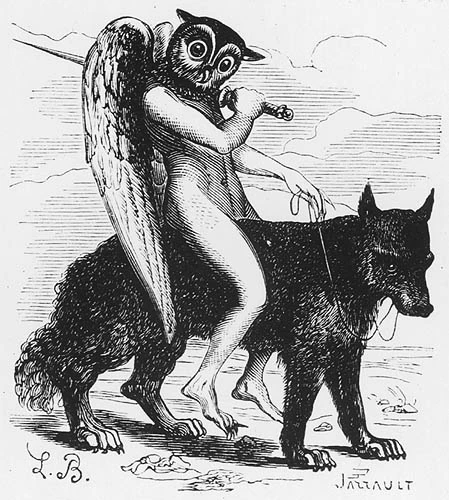
A Goetic marquis portrayed with a bird's head on a wolf, associated with discord and a warning of danger.
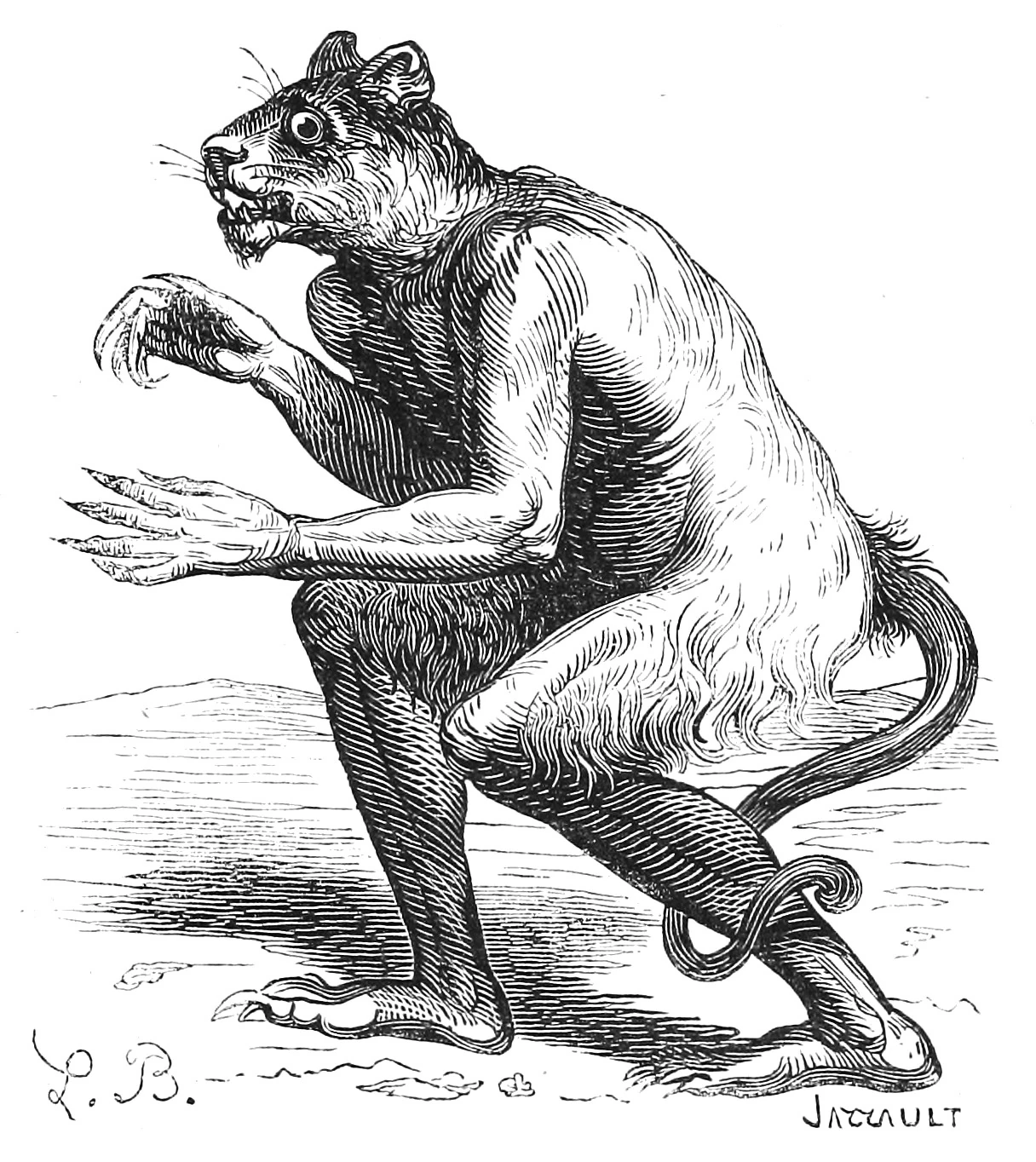
A Goetic duke, also called Flauros, associated with fiery destruction and answers about divine matters.
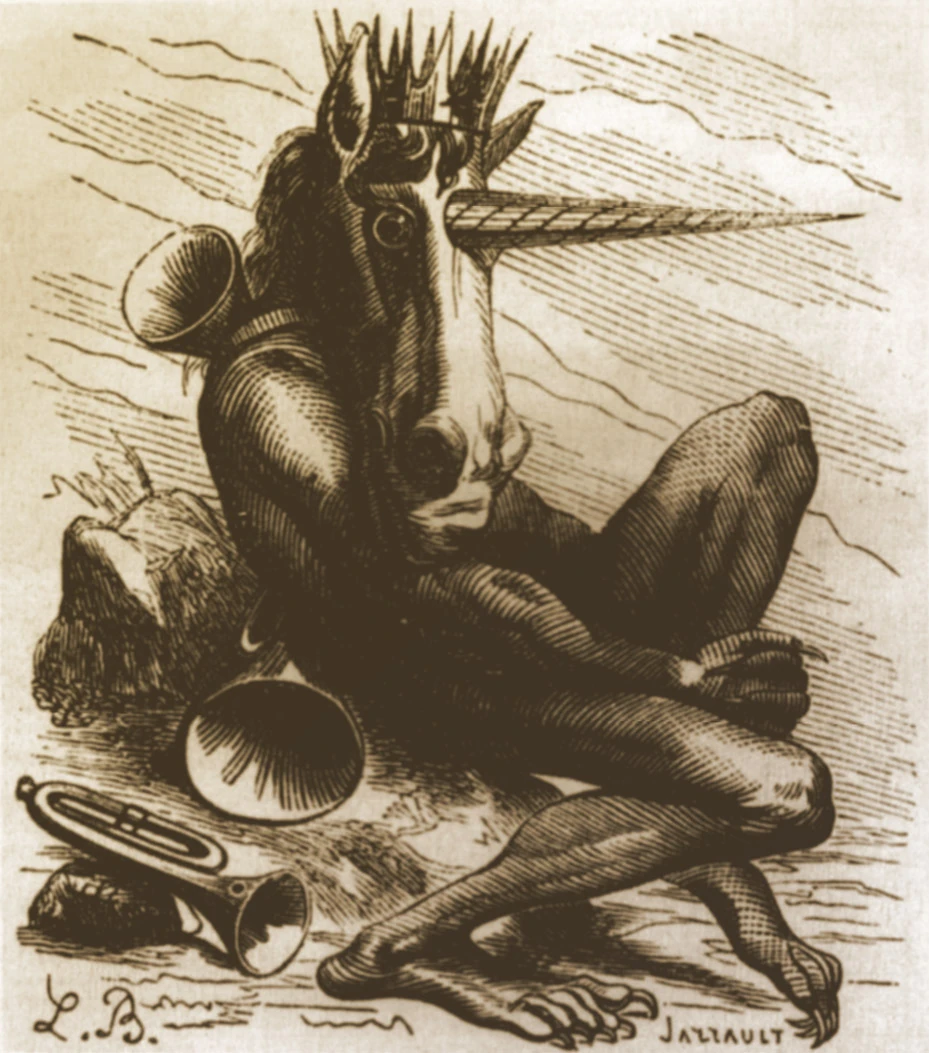
A unicorn-shaped Goetic duke associated with unseen music, bending trees, and familiars.
A school of the Western mysteries associated with Paul Foster Case, Ann Davies, Tarot, and Qabalistic study.
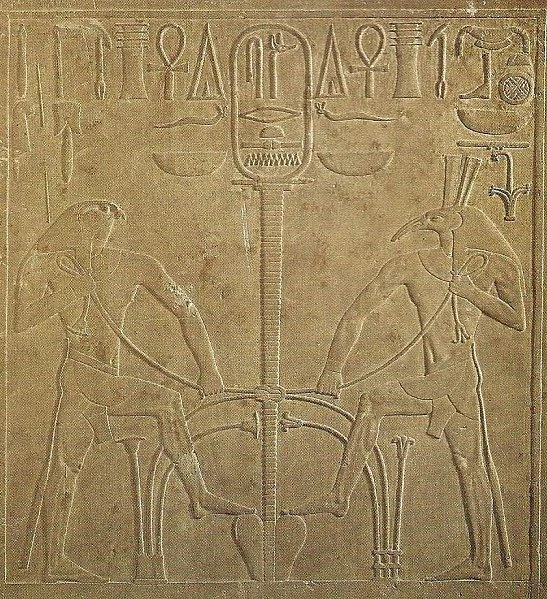
The religious philosophy associated with the Temple of Set, the Egyptian name Set, and the idea of Xeper.
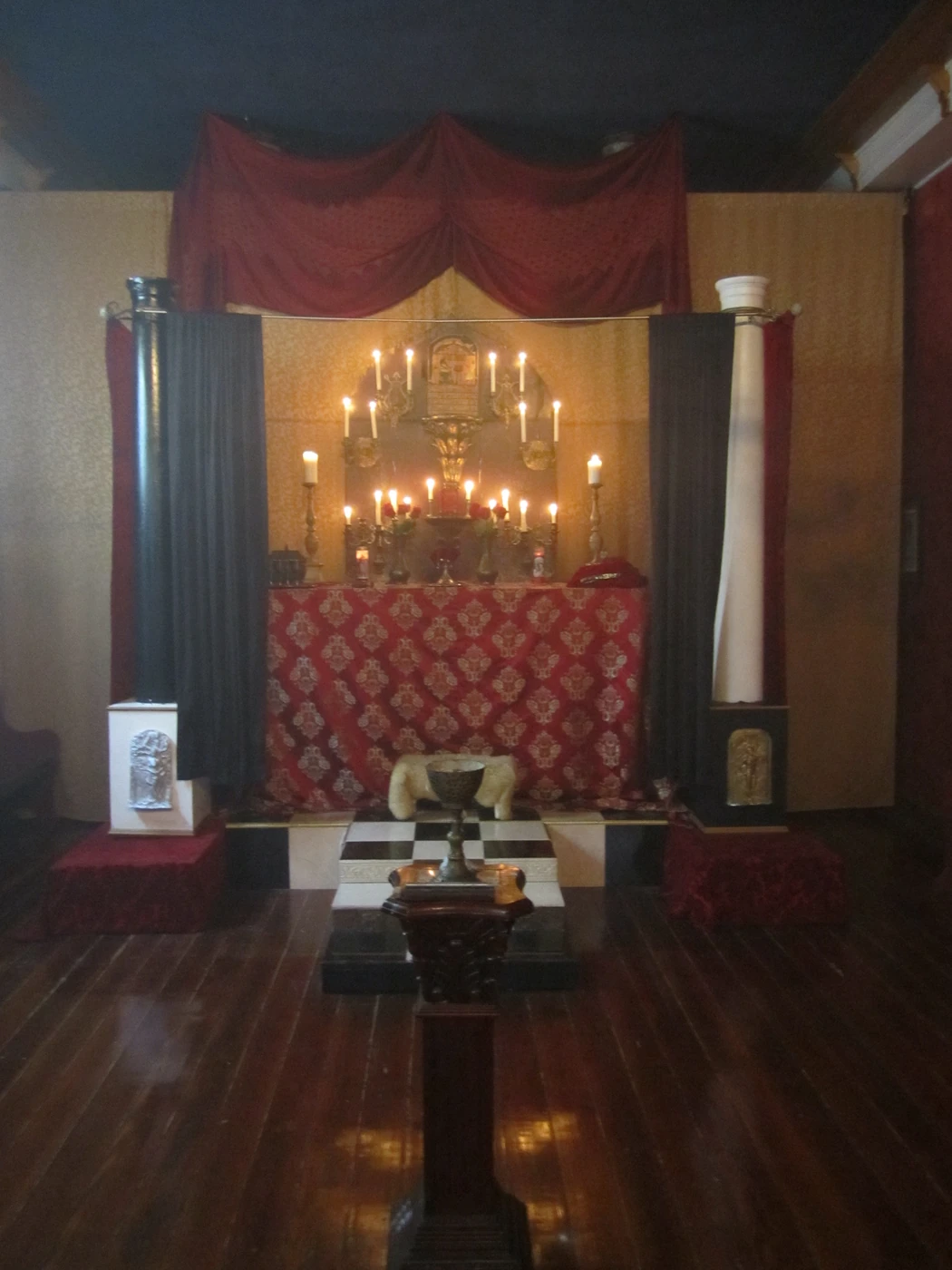
The central public liturgy of Ecclesia Gnostica Catholica, written by Aleister Crowley as Liber XV.
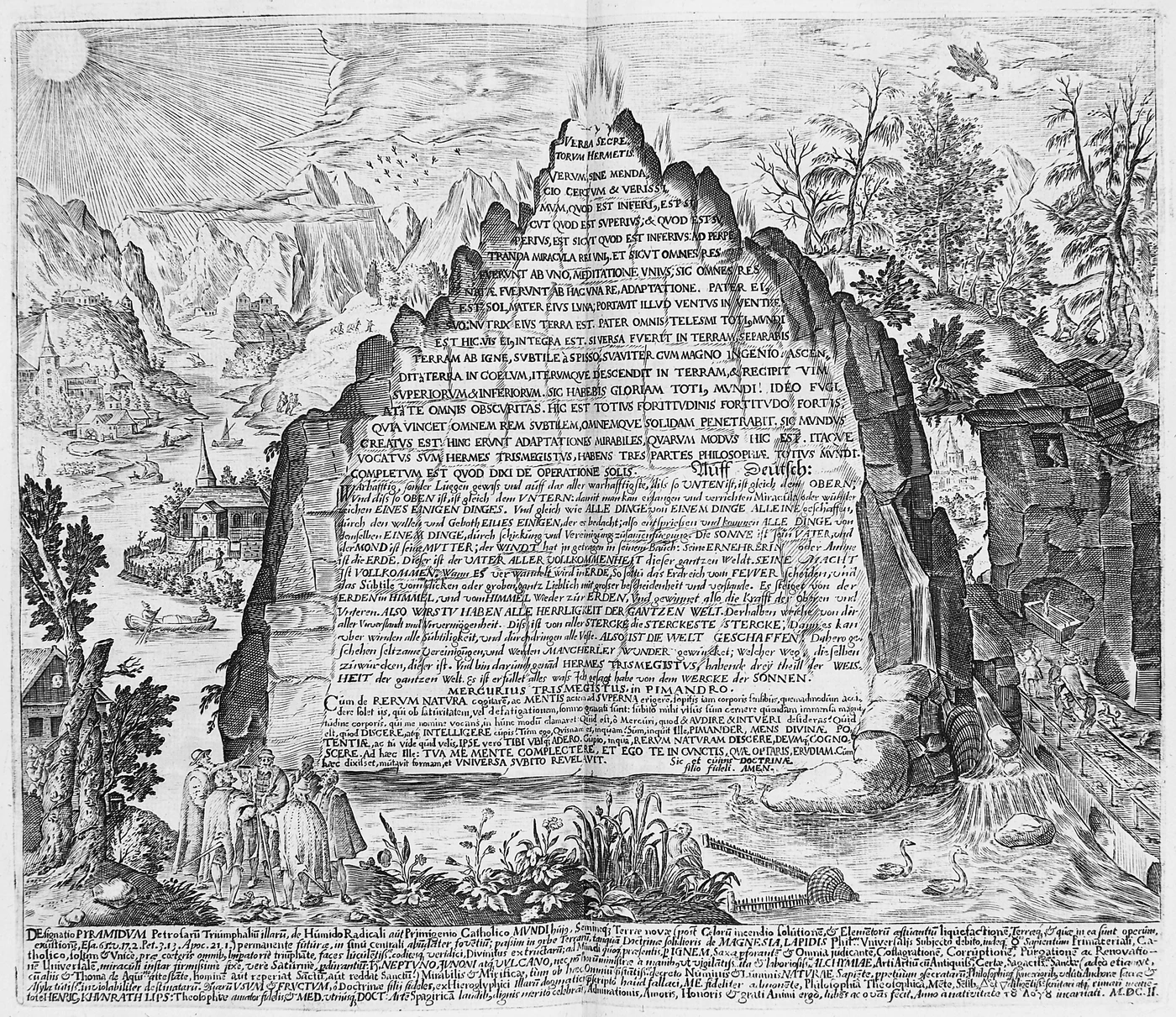
A brief Hermetic text whose images of above and below, sun and moon, and transformation influenced alchemical writing.
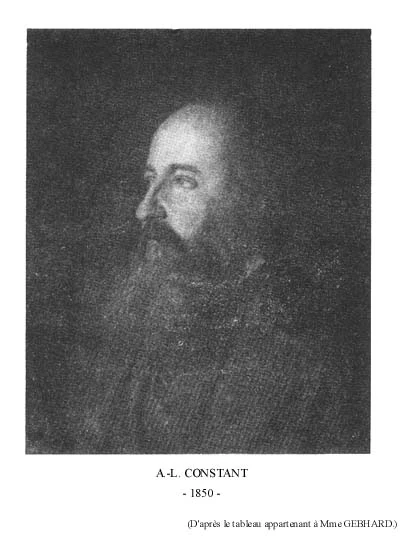
A nineteenth-century French occult author associated with ceremonial symbolism and the influential image of Baphomet.
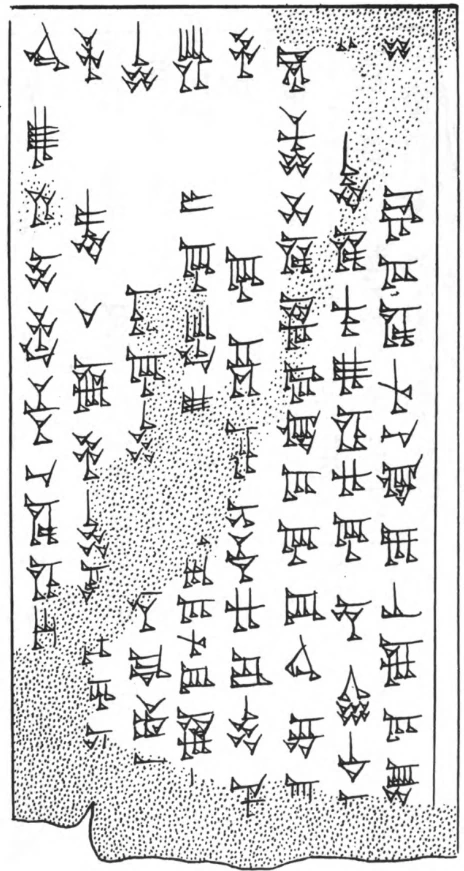
The primordial sea figure in the Babylonian creation epic Enuma Elish, defeated by Marduk in its account of cosmic ordering.