Texts & Sources
Satan in Job
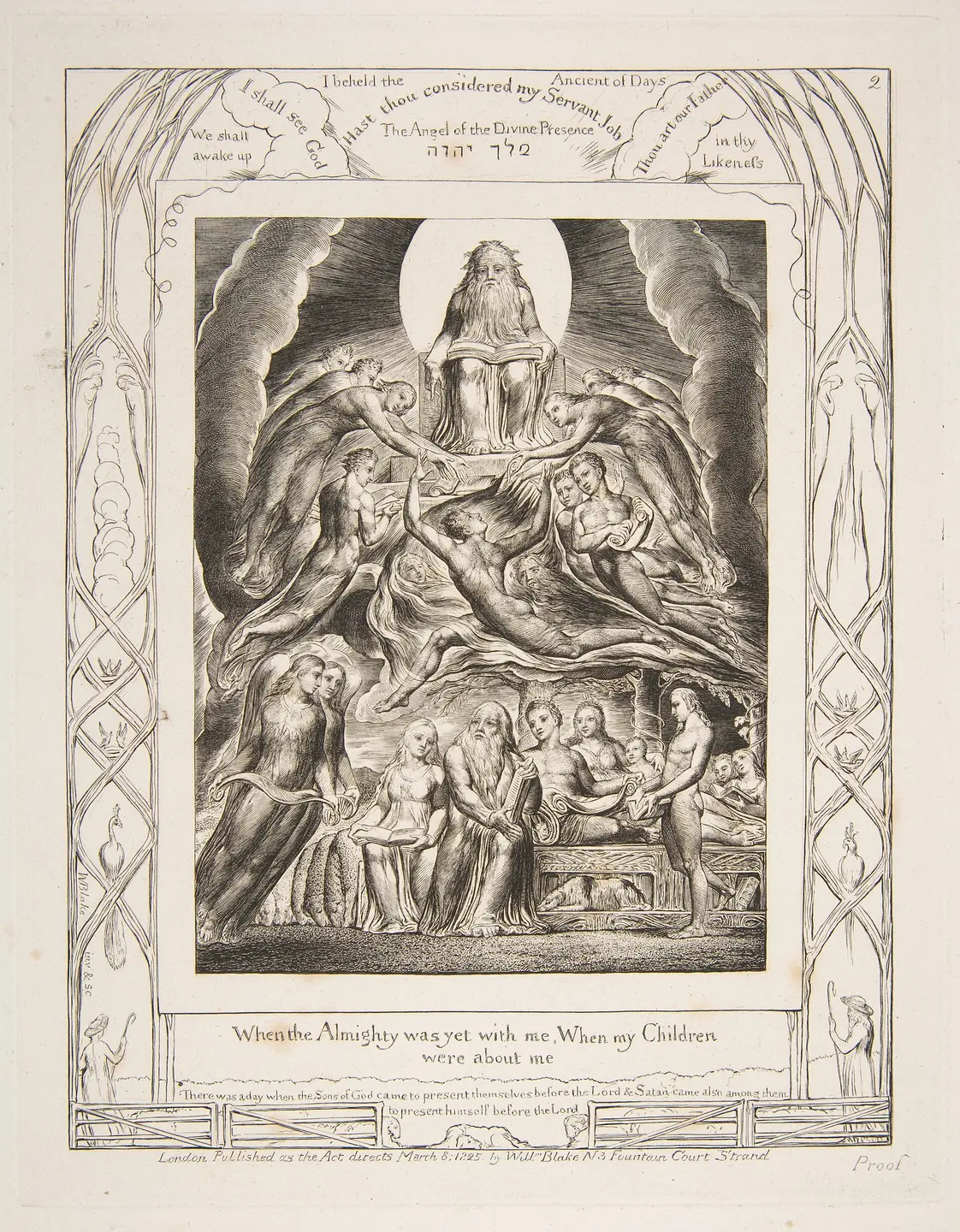
Job 1–2 presents Satan in a heavenly assembly and in a dispute about Job’s righteousness. The passage should be read before later accounts of Satan’s origins are supplied.
Job 1–2 presents Satan in a heavenly assembly and in a dispute about Job’s righteousness. The passage should be read before later accounts of Satan’s origins are supplied.
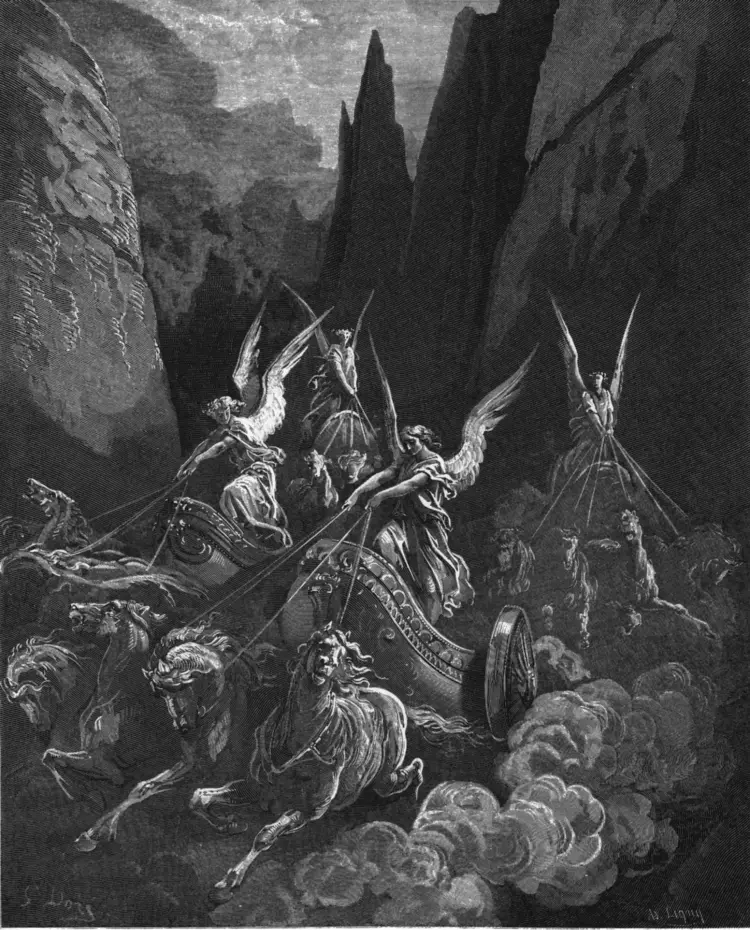
Zechariah 3 presents Satan accusing Joshua the high priest within a vision of judgment and restoration. The scene has a specific religious and literary purpose.
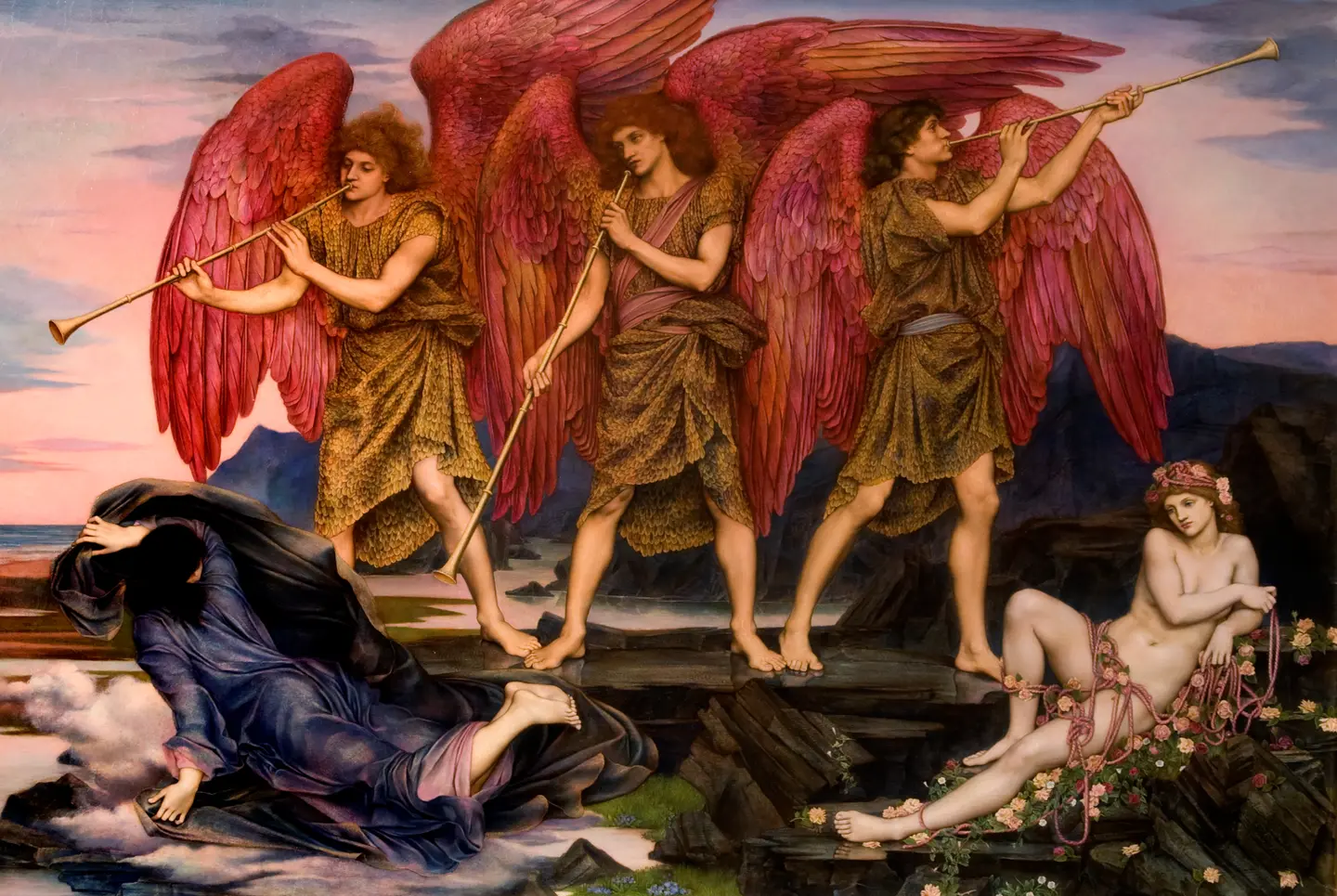
Isaiah 14 addresses the downfall of a ruler through an image of a fallen morning star. Later religious interpretations connect the passage with Lucifer and Satan.
The Satanic Panic refers to a wave of allegations concerning organized Satanic abuse, especially in the late twentieth century. Actual evidence of harm must be distinguished from expansive conspiracy claims.
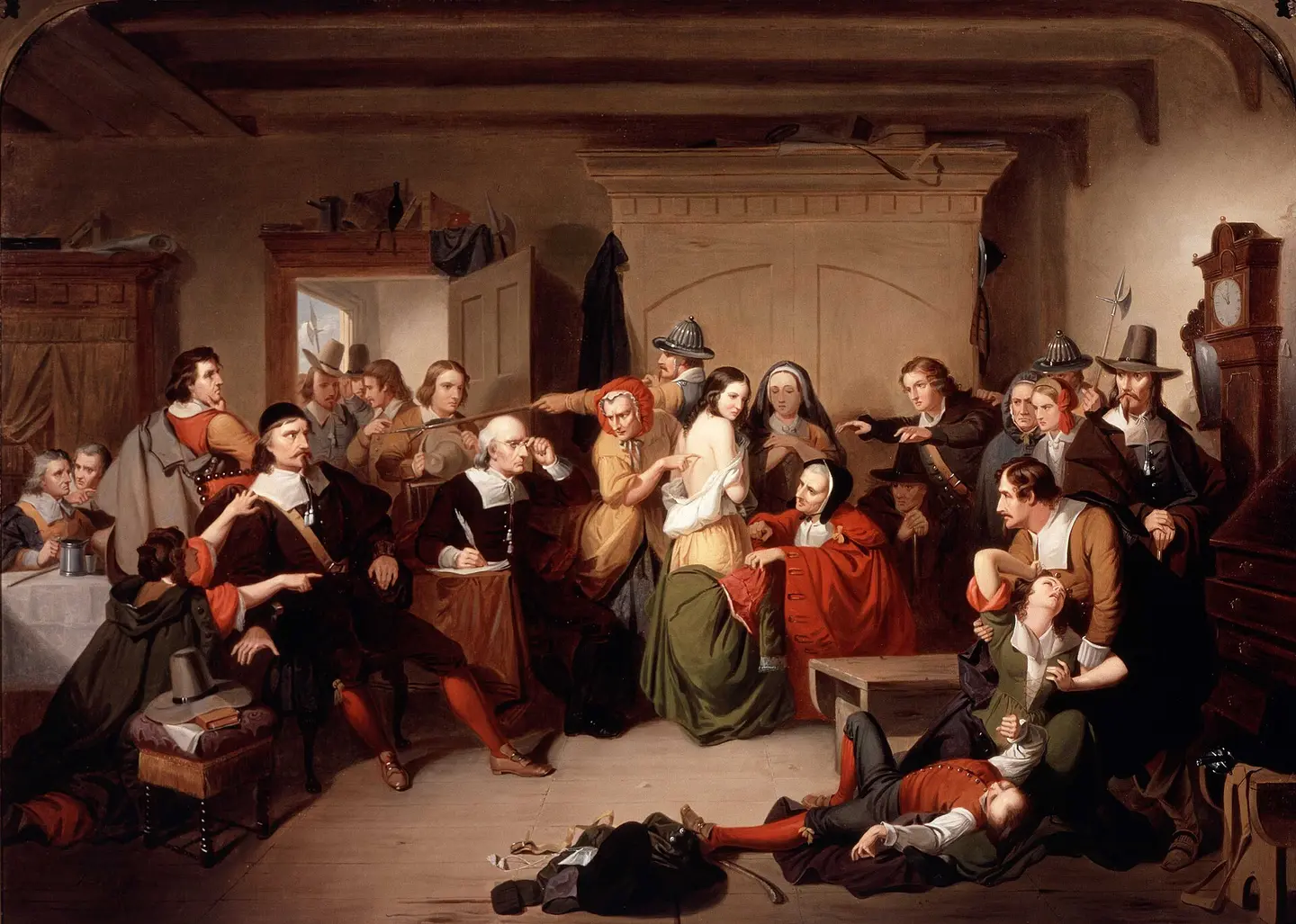
Witch trials produced records of accusations about harmful magic and the Devil. Those records require attention to how testimony was obtained and to the purposes of judges and writers.
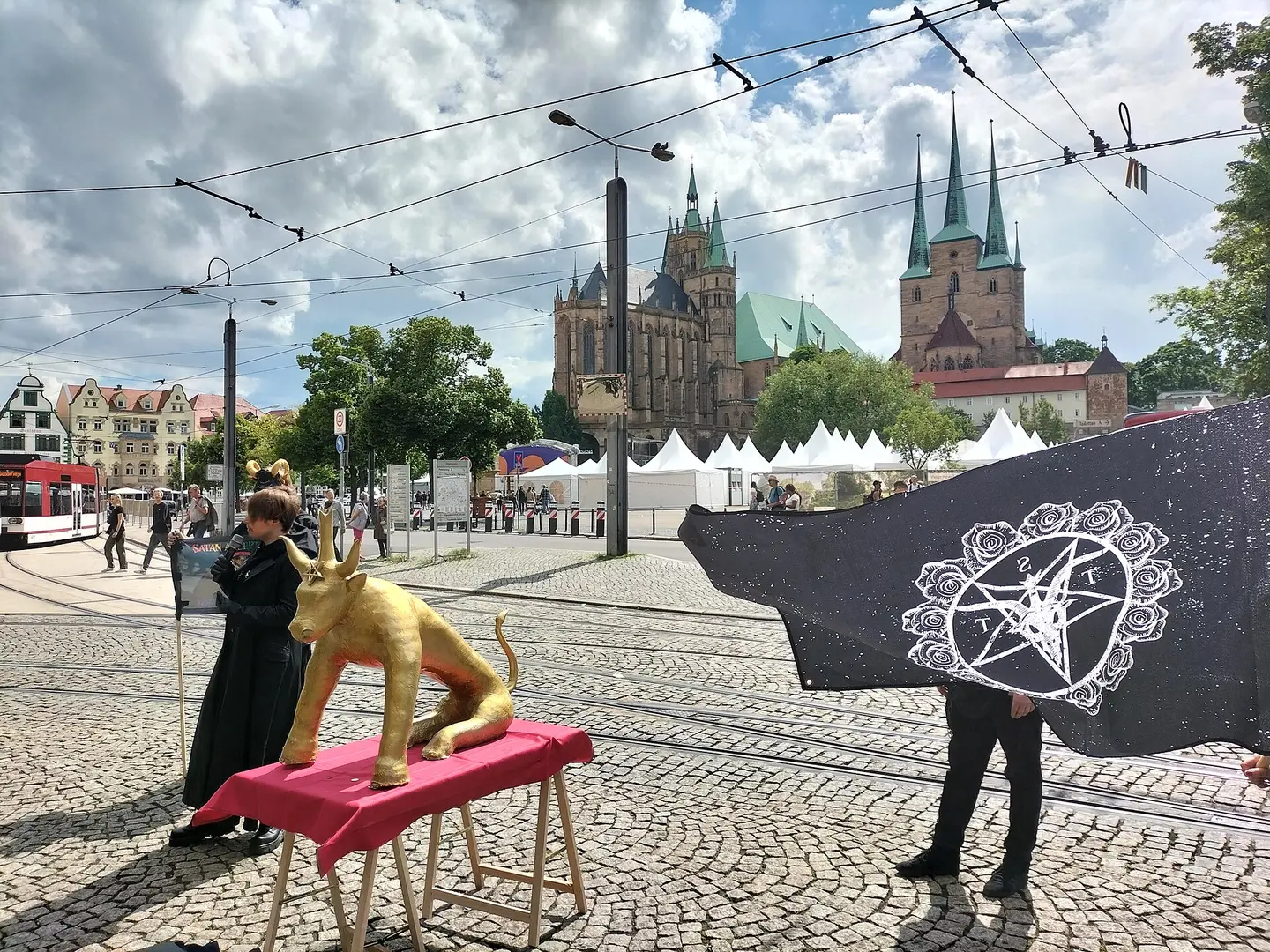
The Satanic Temple is a non-theistic religious organization whose public principles and activism differ from those of the Church of Satan and from theistic Satanist devotion.
The life and writings of David Myatt, covering his extremist activism, later philosophy, and disputed identification as Anton Long.
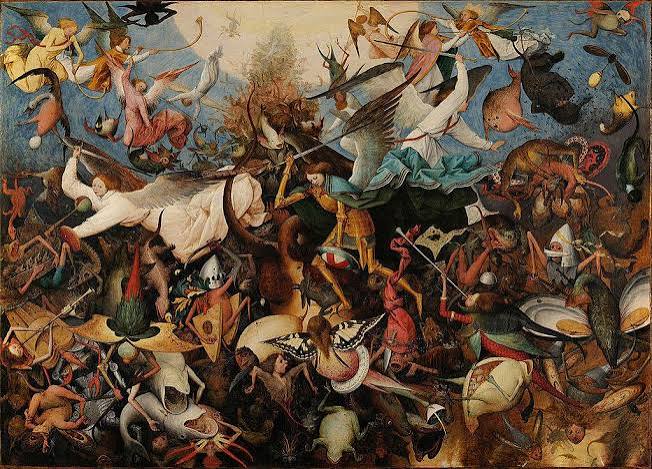
Fallen angels are heavenly beings portrayed as losing their place or proper condition through transgression. Enochic descent, Satan’s refusal to honor Adam, and the war in Revelation are distinct accounts that later interpretation can bring together.
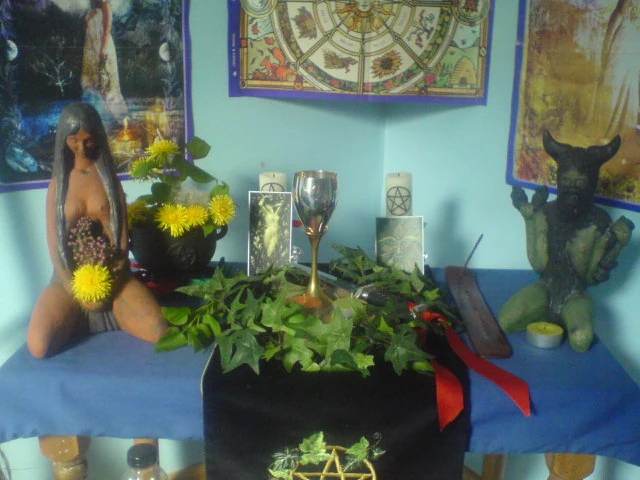
Modern Pagan religious witchcraft, its Gardnerian and Alexandrian traditions, ritual practice, and relationship to Satanism.
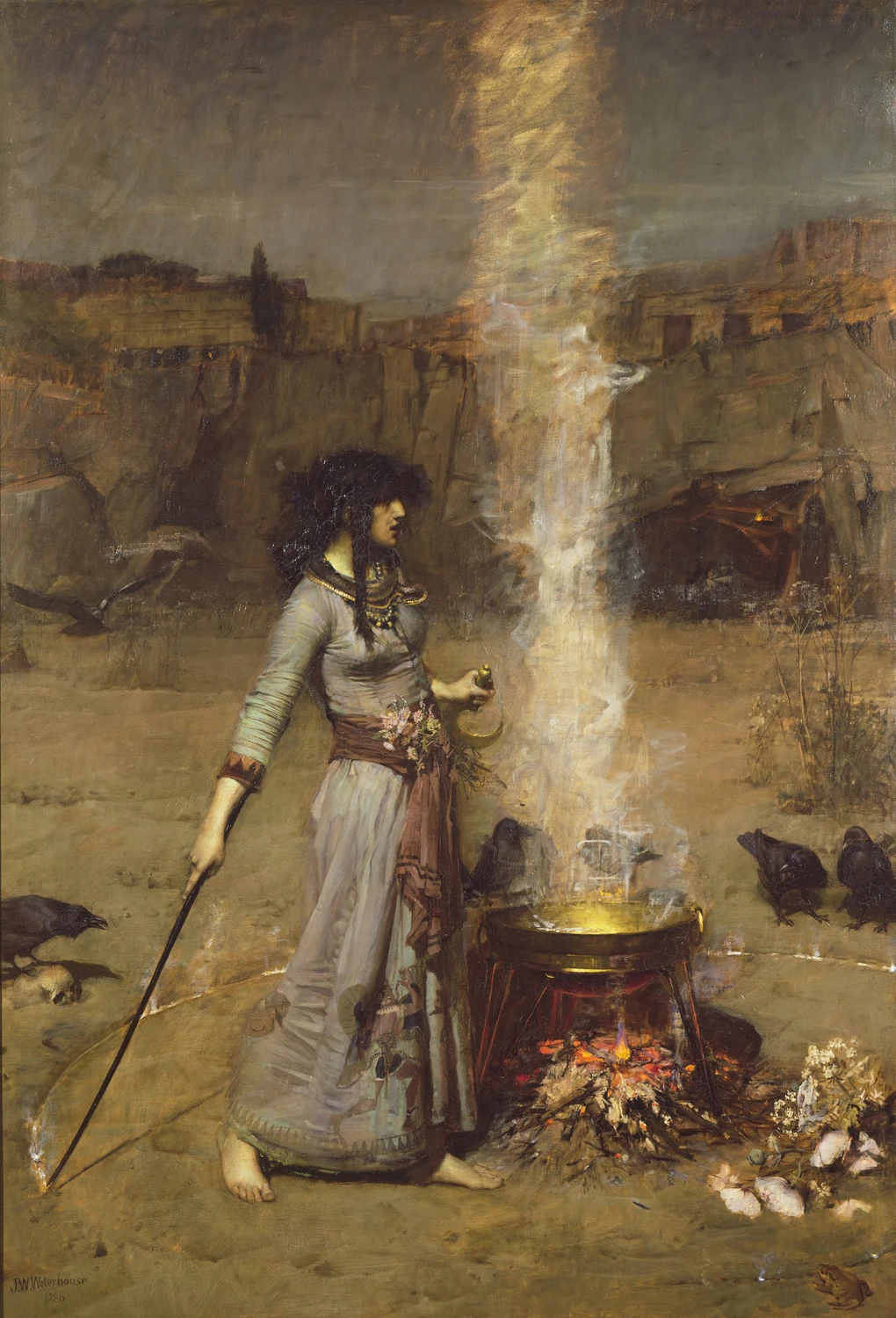
How witchcraft has meant an accusation, a magical practice, and a modern identity, with examples from museums and trial records.
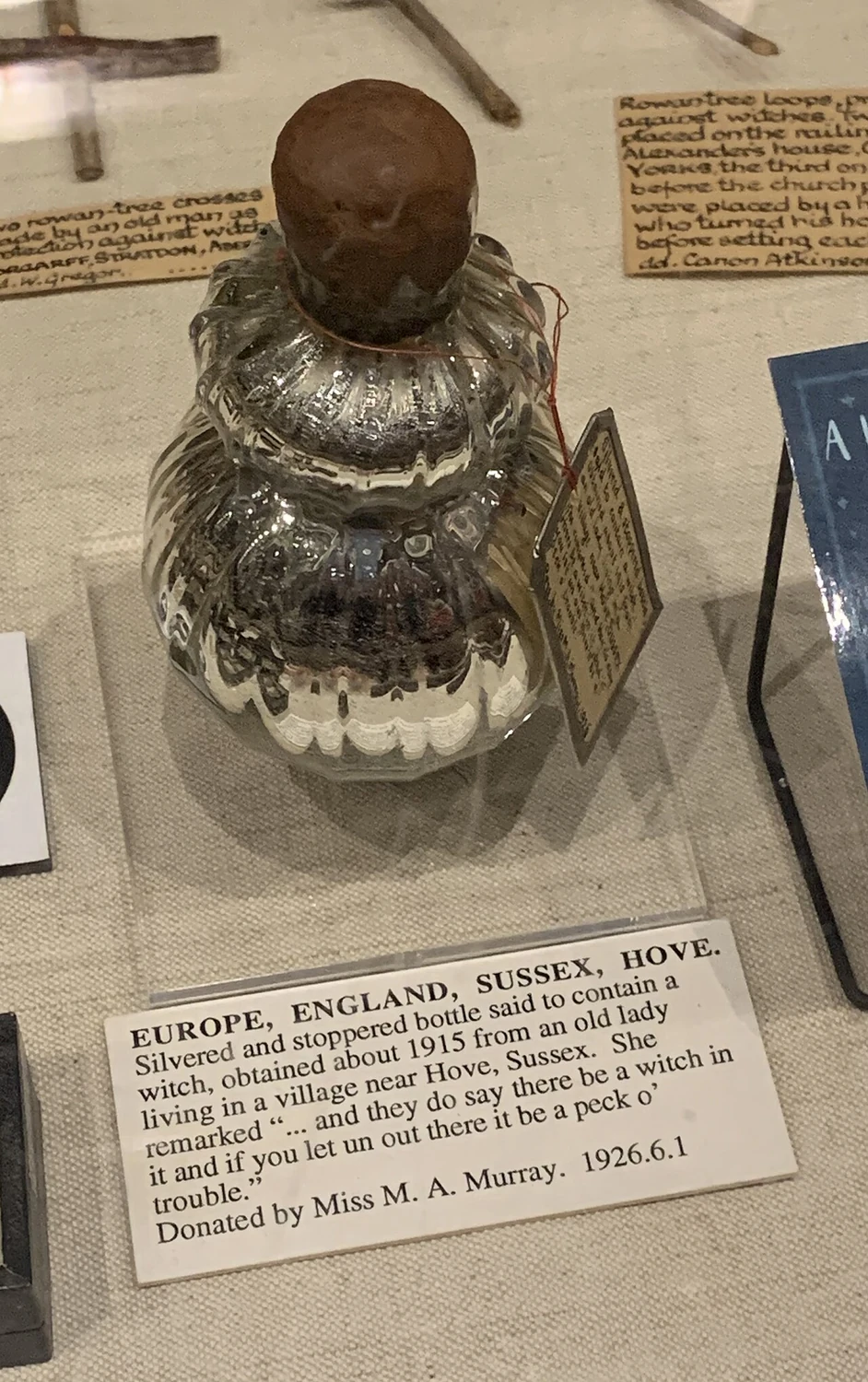
Protective charms, witch bottles, and everyday materials in local magical traditions, with documented British museum examples.
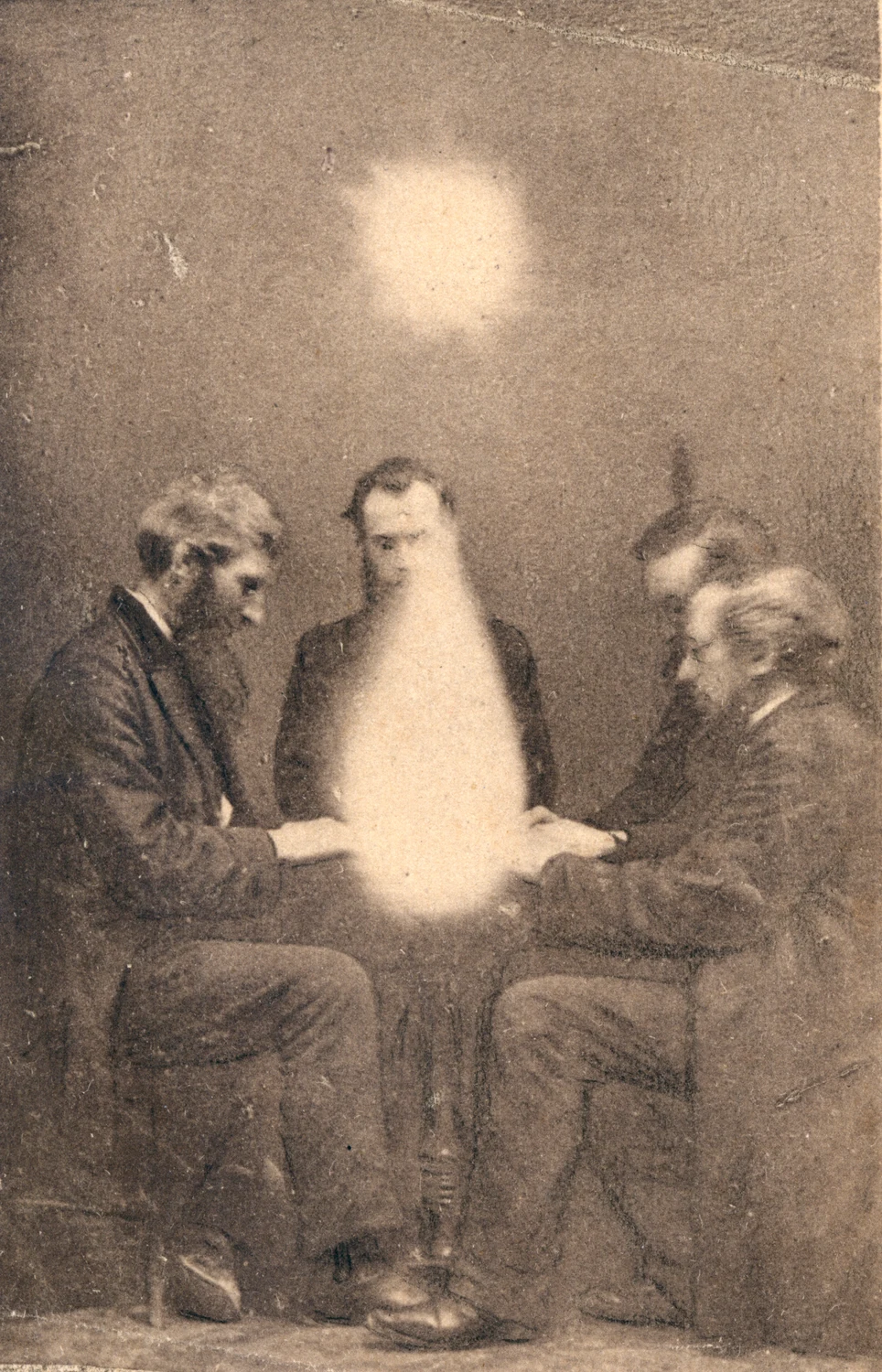
A religious movement centered on mediumship and continued personal identity after death, with church teachings and spirit photography.
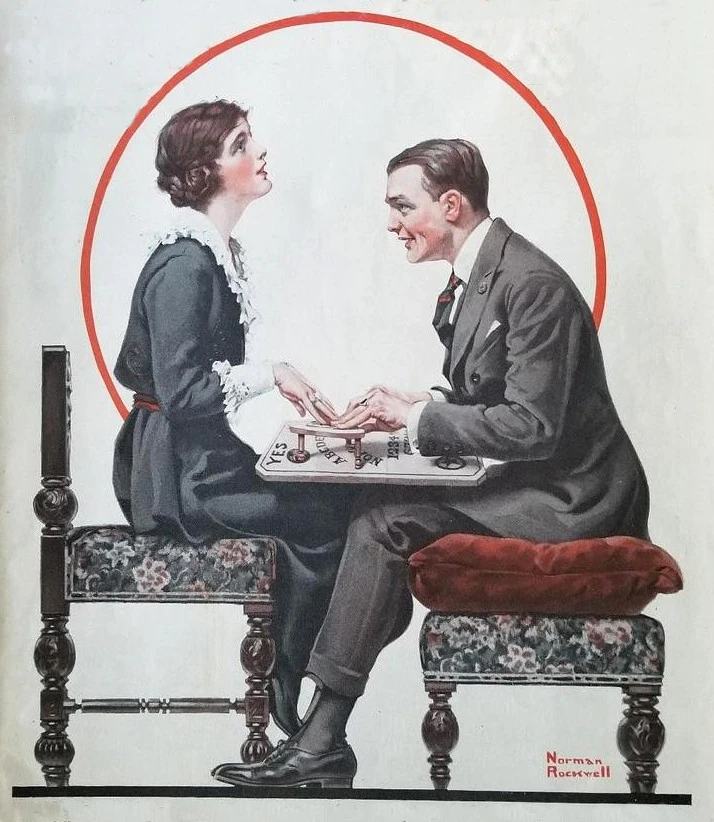
The patented talking-board game, its pointer and commercial history, and research on ideomotor movement and implicit memory.
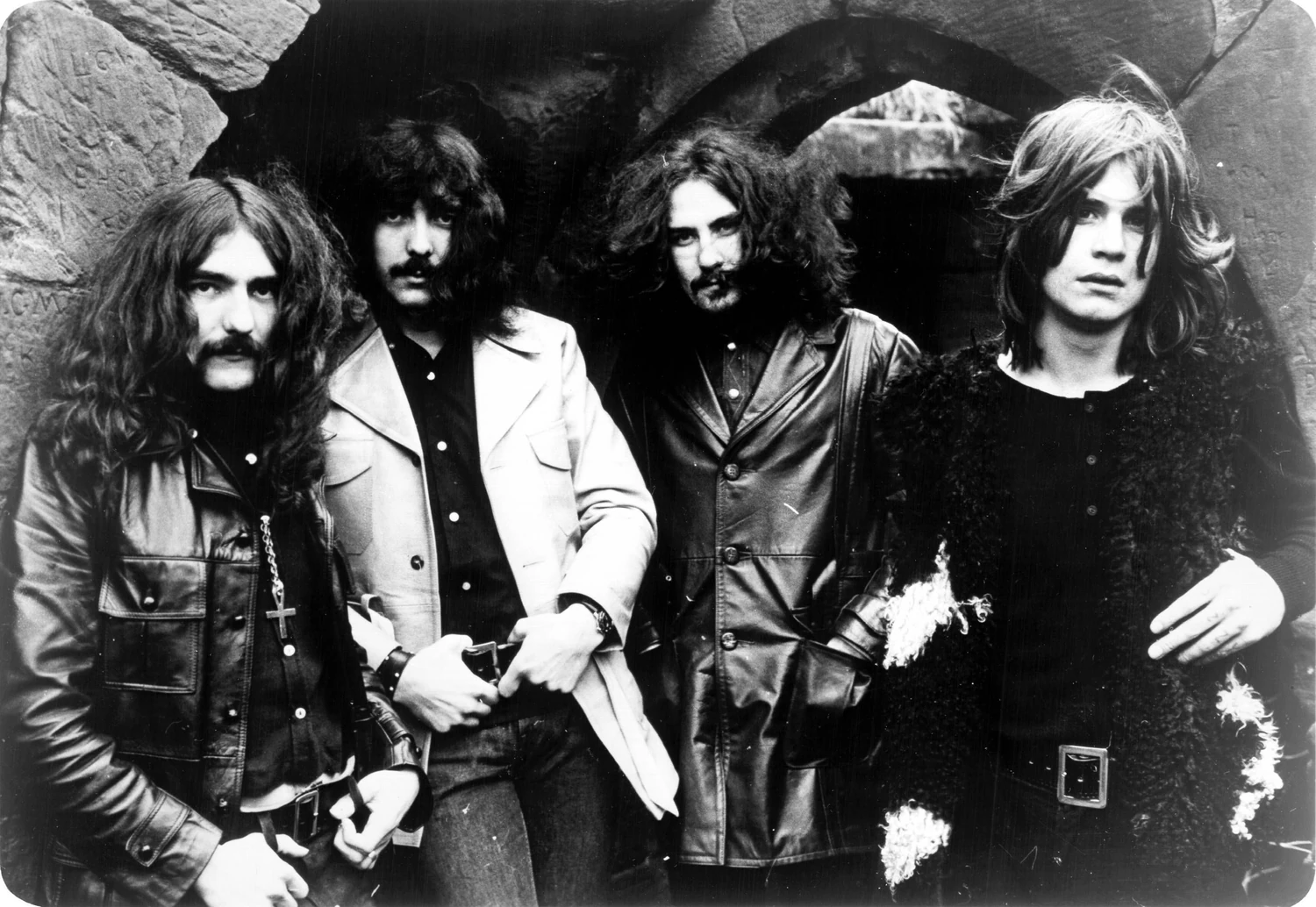
How Black Sabbath and Venom used dark or Satanic imagery, and why a song, stage character, and religious affiliation are different evidence.
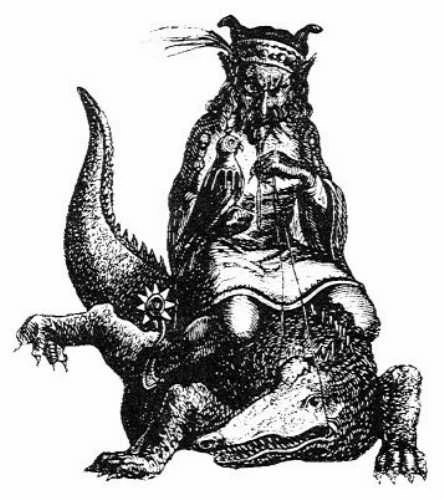
The second Goetic spirit, described as an elderly rider with a crocodile and a goshawk.
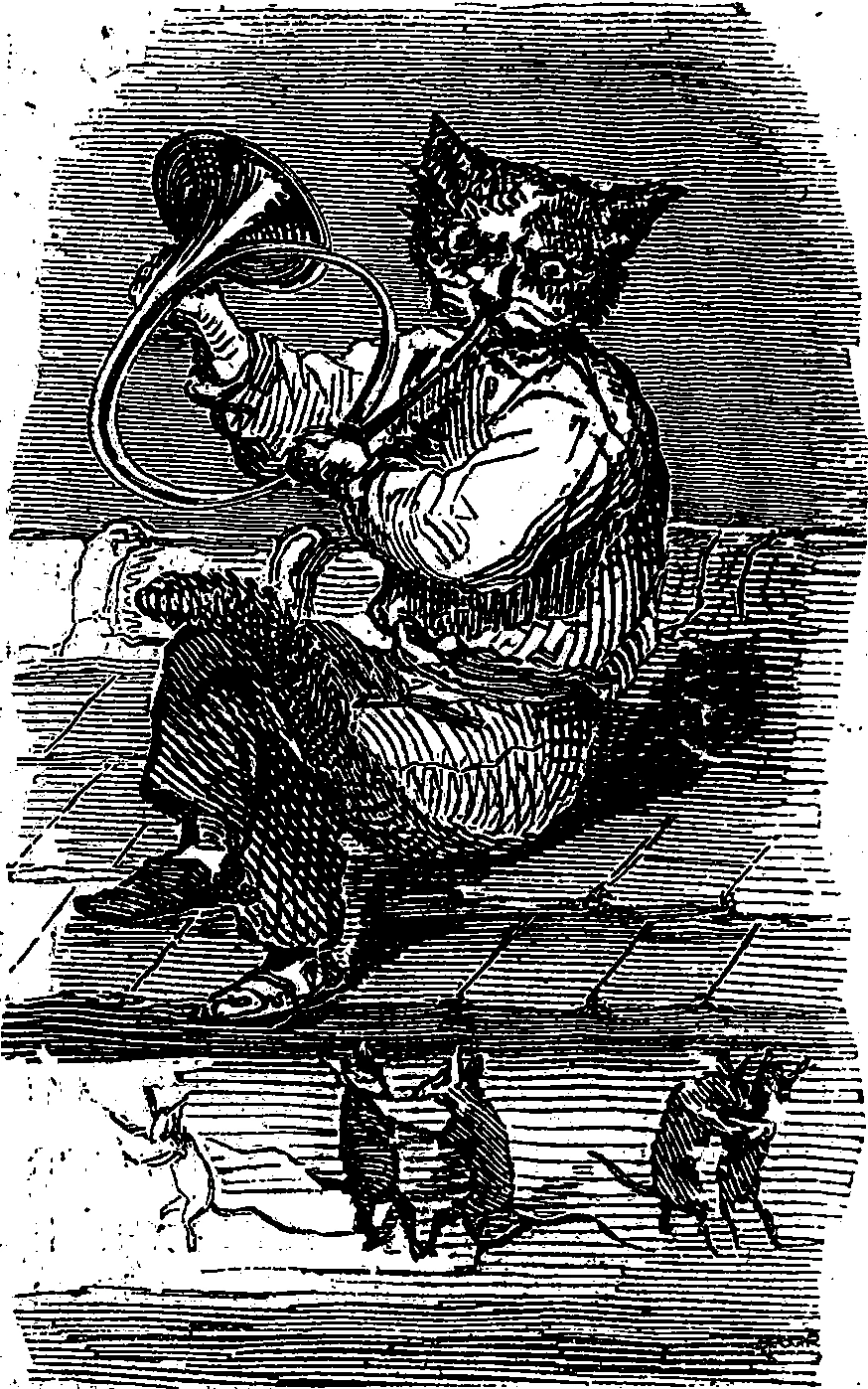
A Goetic king riding a pale horse, associated with desire and an elaborate ceremonial reception.
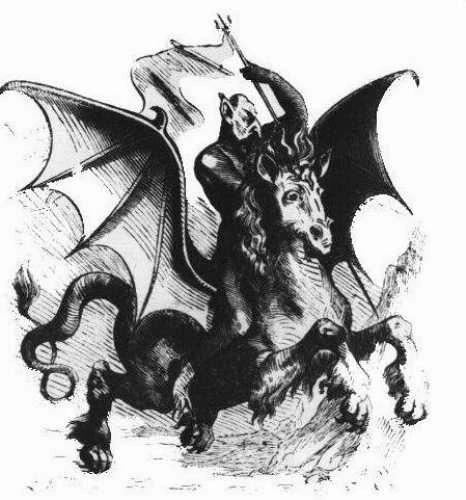
A Goetic duke depicted as a knight, associated with hidden matters, battles, and favor from powerful people.
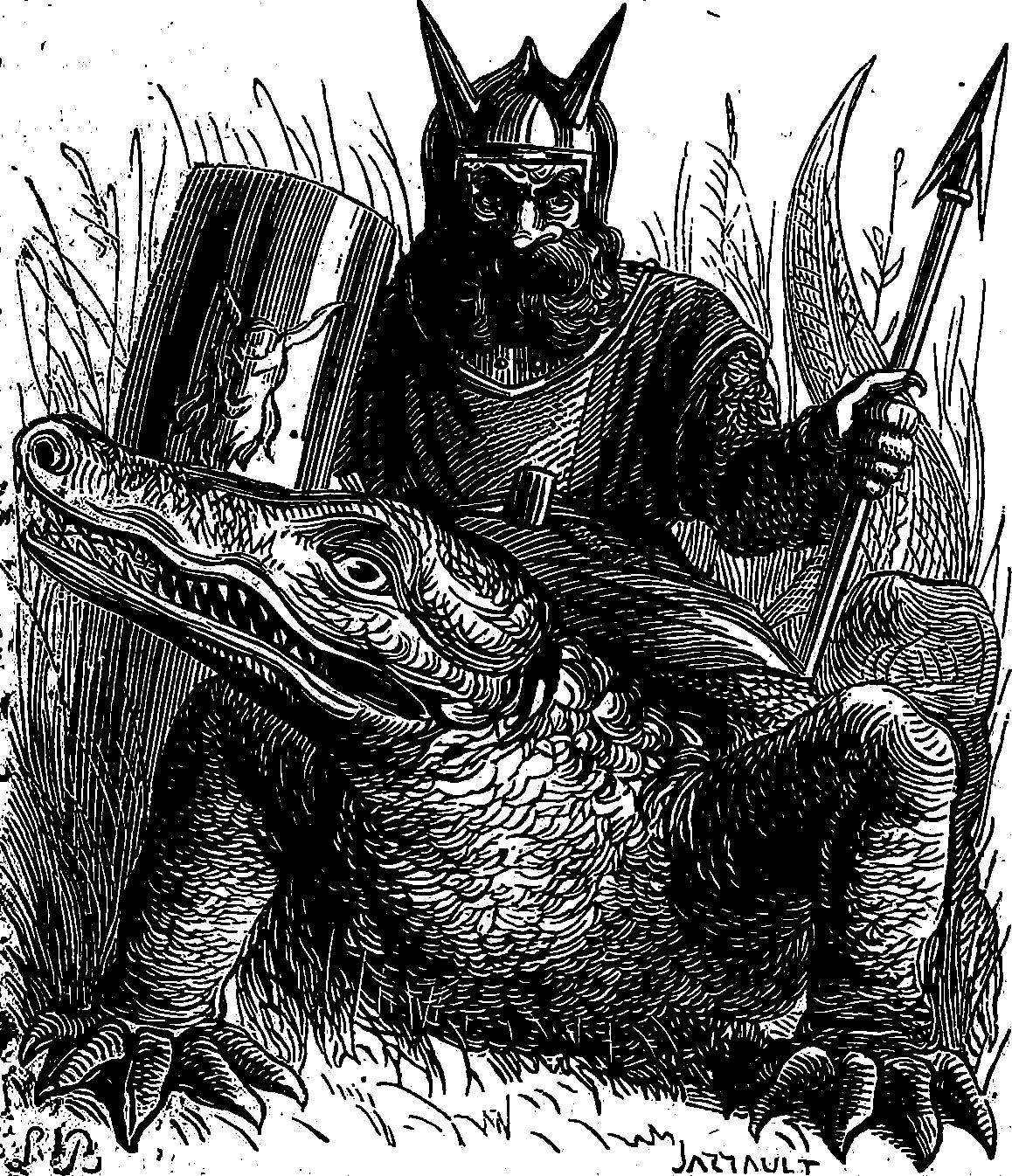
A Goetic duke, also called Saleos, described as a peaceful soldier riding a crocodile.
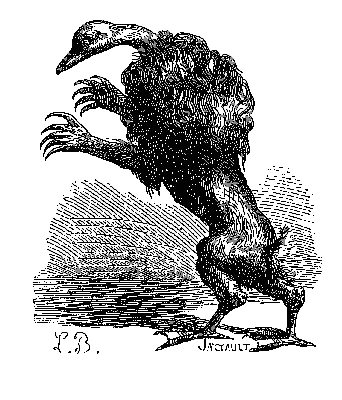
A Goetic spirit with an angelic body, lion head, goose foot, and hare tail, associated with knowledge and boldness.
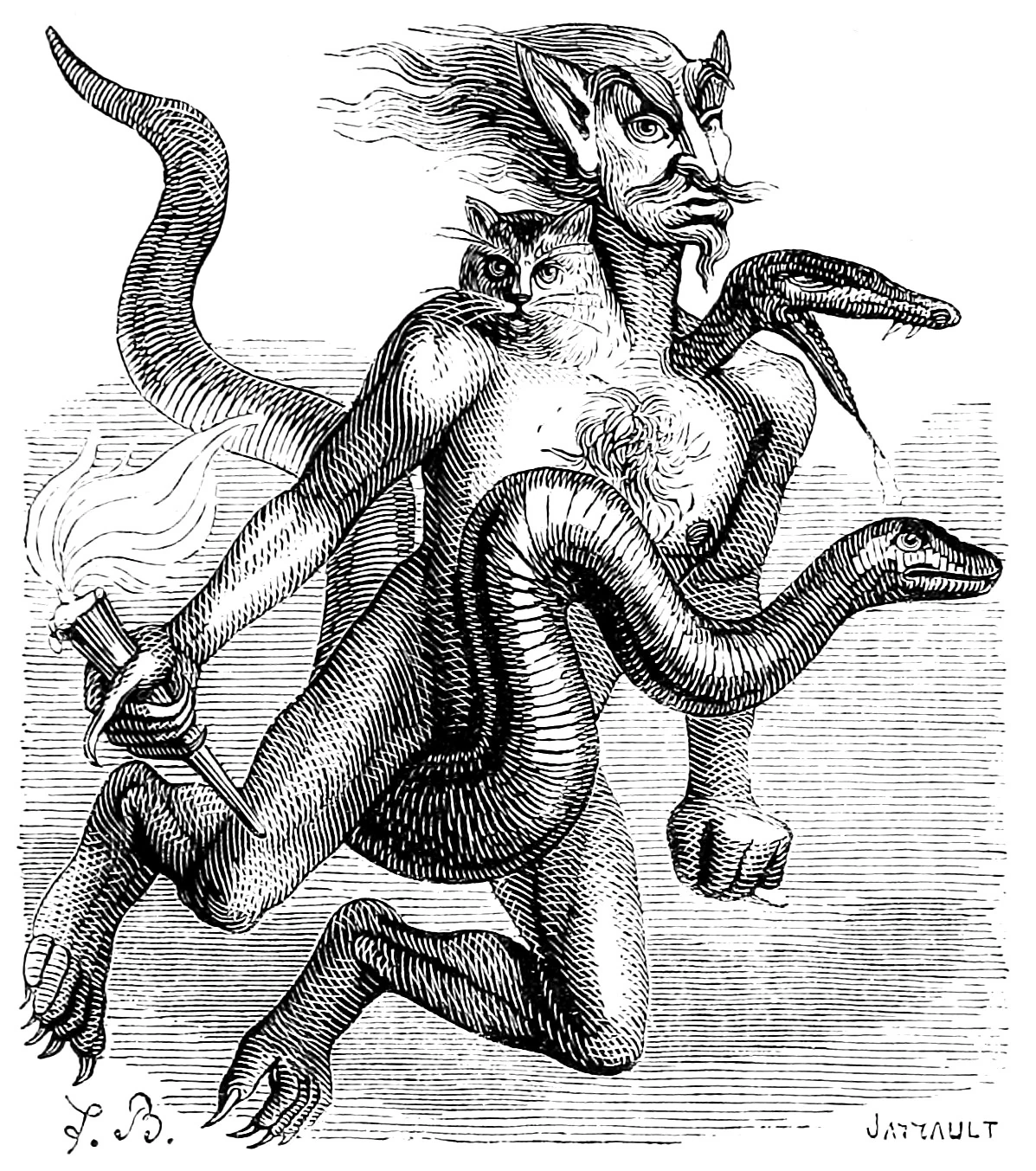
A Goetic duke with three heads, a serpent mount, and a firebrand, associated with fire and private questions.