Demonology & Spirits
Haagenti
A Goetic president with a winged bull form, associated with wisdom and the transformation of substances.
A Goetic president with a winged bull form, associated with wisdom and the transformation of substances.

A Goetic duke, also called Procel, associated with geometry, hidden matters, and sounds of water.
A Goetic spirit associated with philosophy and the compelled appearance of deceased souls.

A Goetic president associated with learned subjects and transformations that alter a person's understanding of identity.
A mounted Goetic marquis whose office includes the stars, planetary mansions, and social dignities.
A Goetic spirit with a winged bull form, associated with wit and transformations of liquids and metals.

A Goetic prince riding a winged horse, associated with rapid movement and the recovery of hidden things.
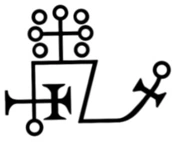
A many-faced Goetic duke carrying a book, associated with thoughts, knowledge, and visions of other people.
The second part of the Lemegeton, arranging aerial spirits through princes, directions, and wandering hierarchies.
The Pauline Art in the Lemegeton, concerning angels of the hours and the degrees of the zodiac.
An angelic art in the Lemegeton, using a wax tablet, candles, and a hierarchy of heavenly altitudes.
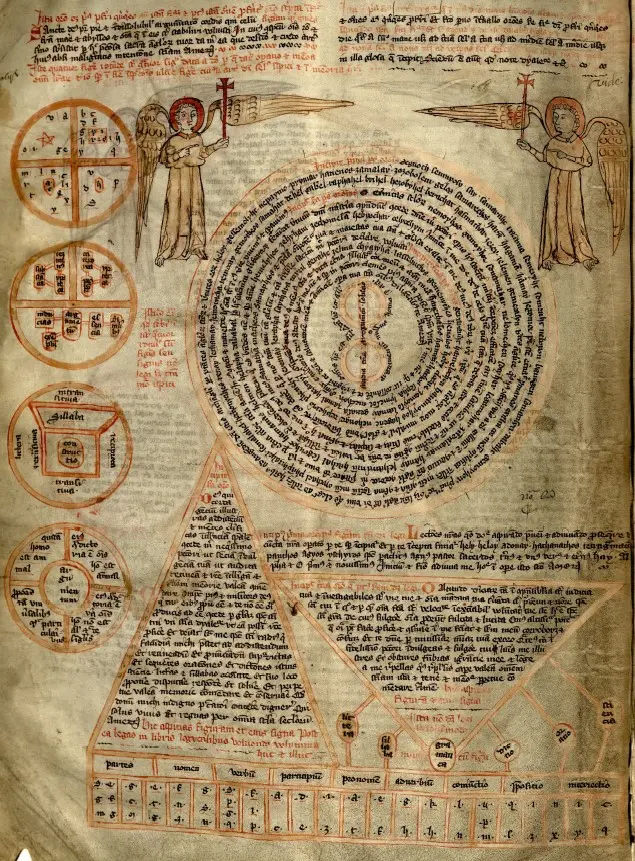
A medieval art of prayer and contemplation intended to confer learning, memory, and eloquence.
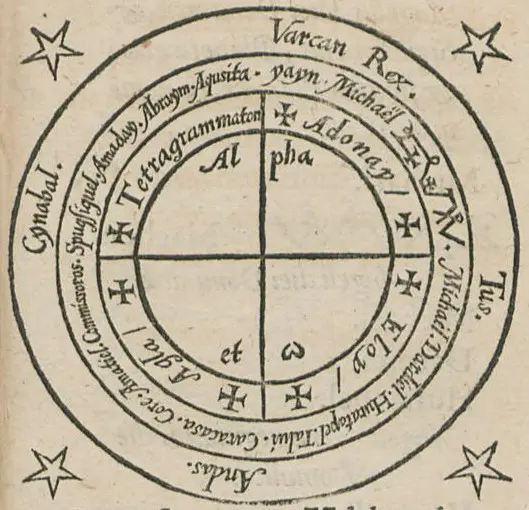
A grimoire of angelic conjuration organized around the seven days of the week.
The Slavonic Enochic work also known as the Book of the Secrets of Enoch, describing ascent, creation, and instruction.
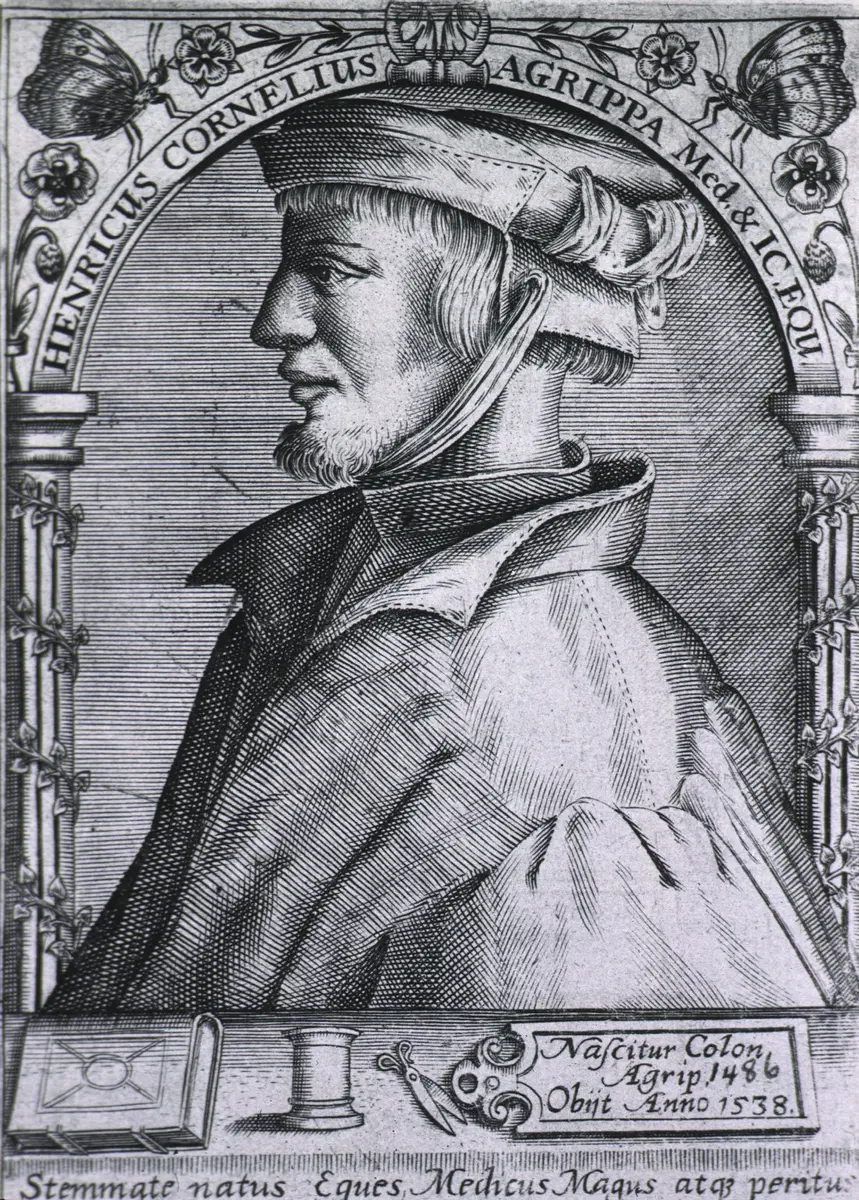
A Renaissance author whose Three Books of Occult Philosophy became a major source for Western magical systems.
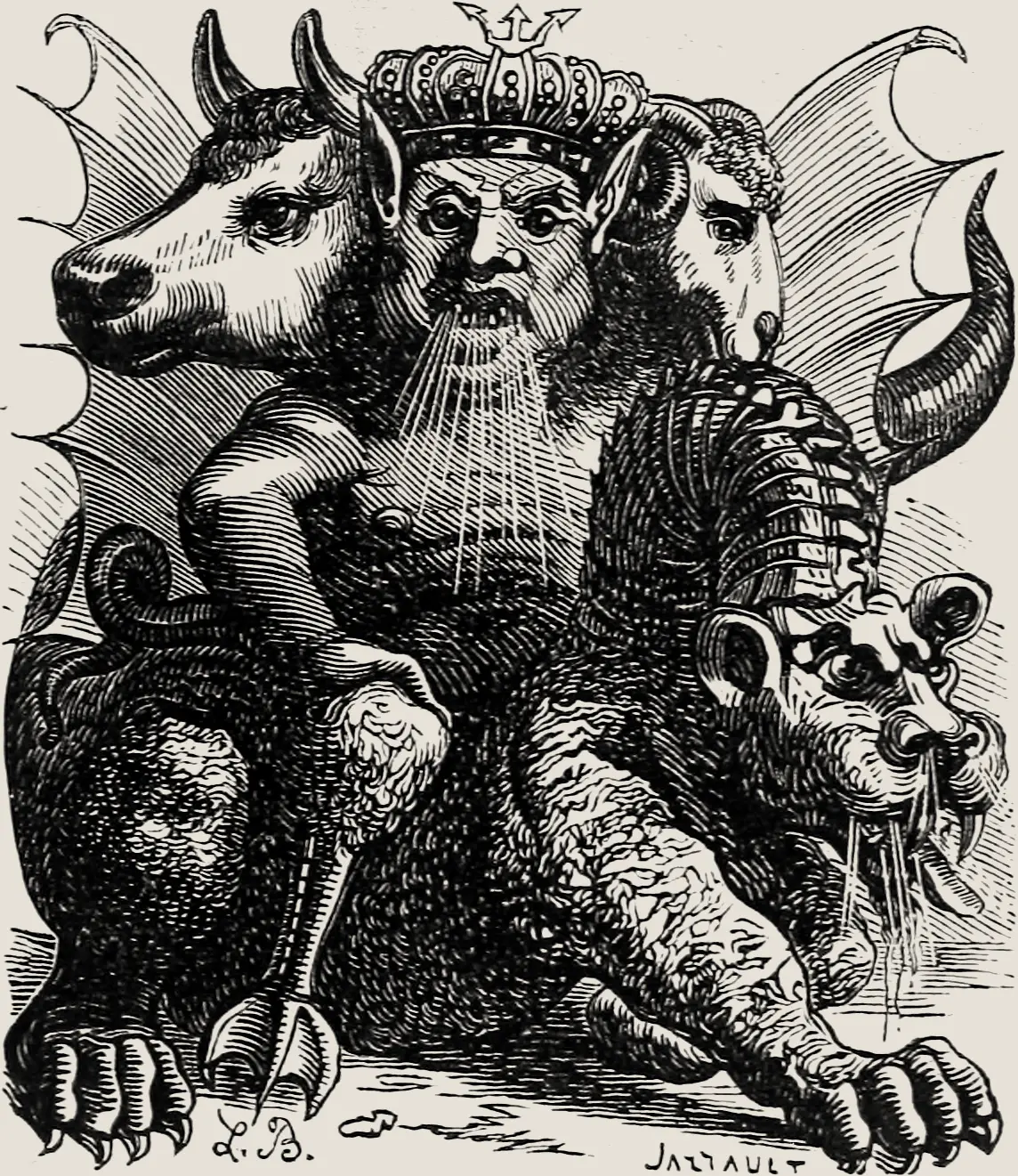
Asmodeus appears in the narrative of Tobit and in later magical and demonological literature. His different roles reflect the purposes of those texts.
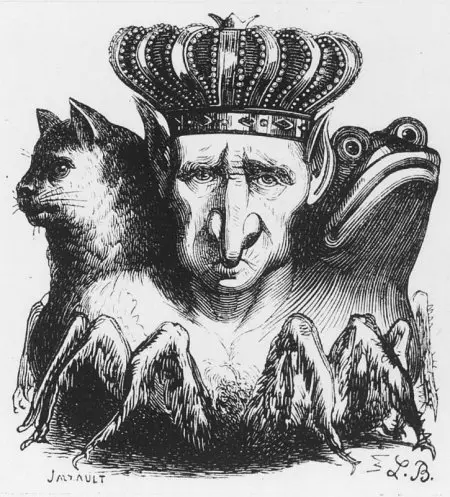
Bael is a ranked spirit in early modern magical catalogues. The Goetic figure should be distinguished from the wider use of the ancient title Baal.
Paimon is a royal spirit described in the Ars Goetia and related literature. Musical procession and the teaching of knowledge are important elements of his received image.
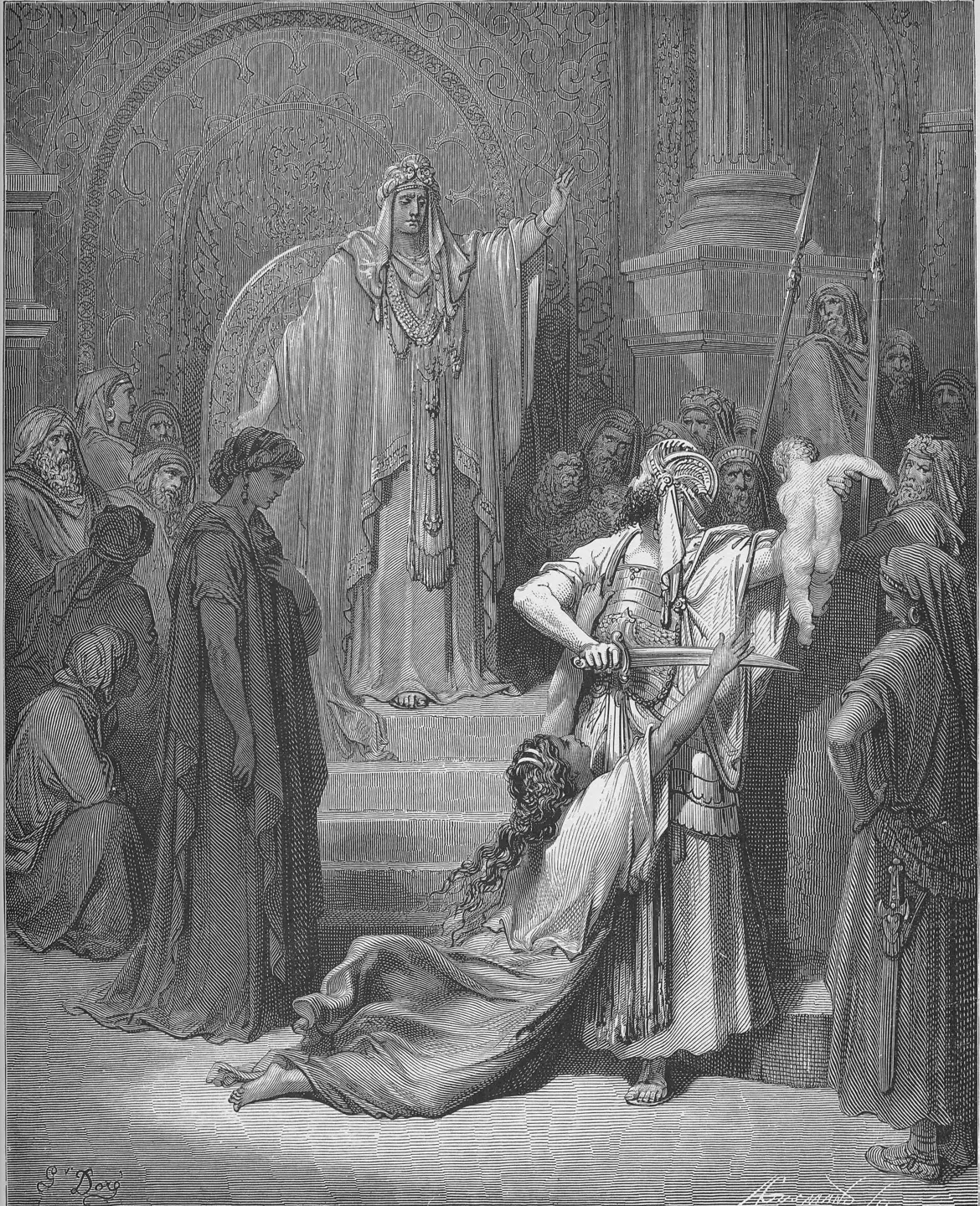
Solomon’s name supplies authority to several magical and religious works. Attribution to the king must be distinguished from the date and authorship of the surviving text.
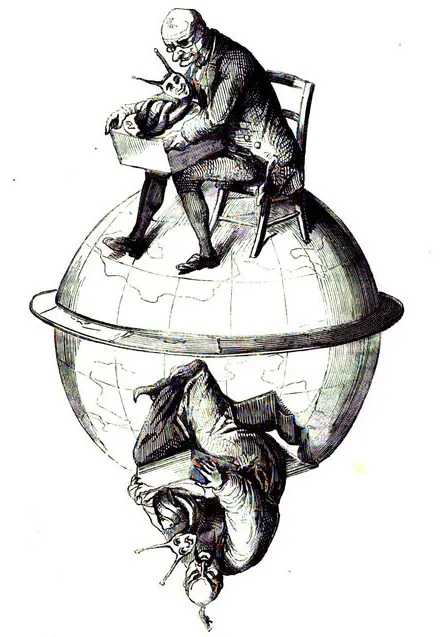
Collin de Plancy’s Dictionnaire infernal gathered supernatural traditions in a dictionary format. Its 1863 entries and illustrations remain influential in modern depictions of spirits.