Texts & Sources
Sworn Book of Honorius
The medieval Liber Juratus, a work of sacred magic concerned with divine vision, angels, and ritual authority.
The medieval Liber Juratus, a work of sacred magic concerned with divine vision, angels, and ritual authority.
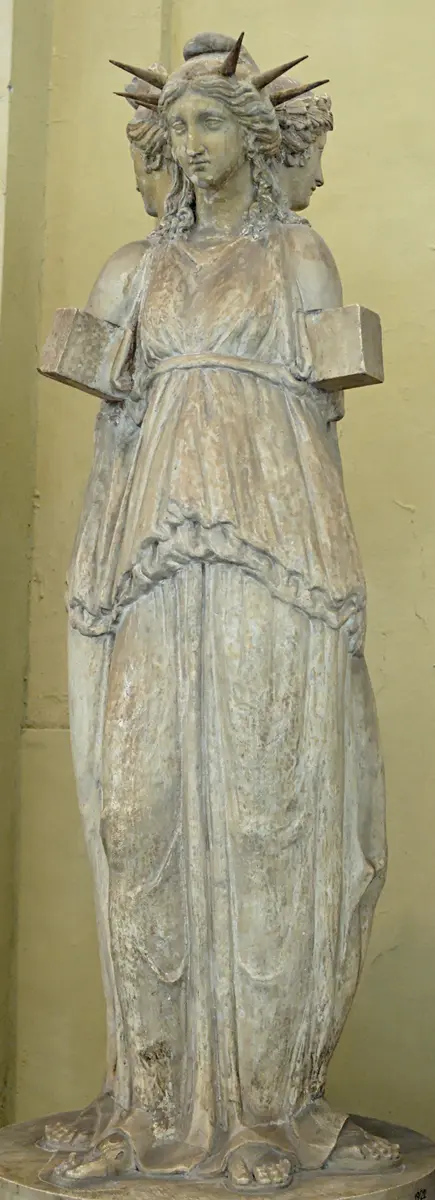
A Greek goddess with broad early powers and later associations with crossroads, spirits, and magic.
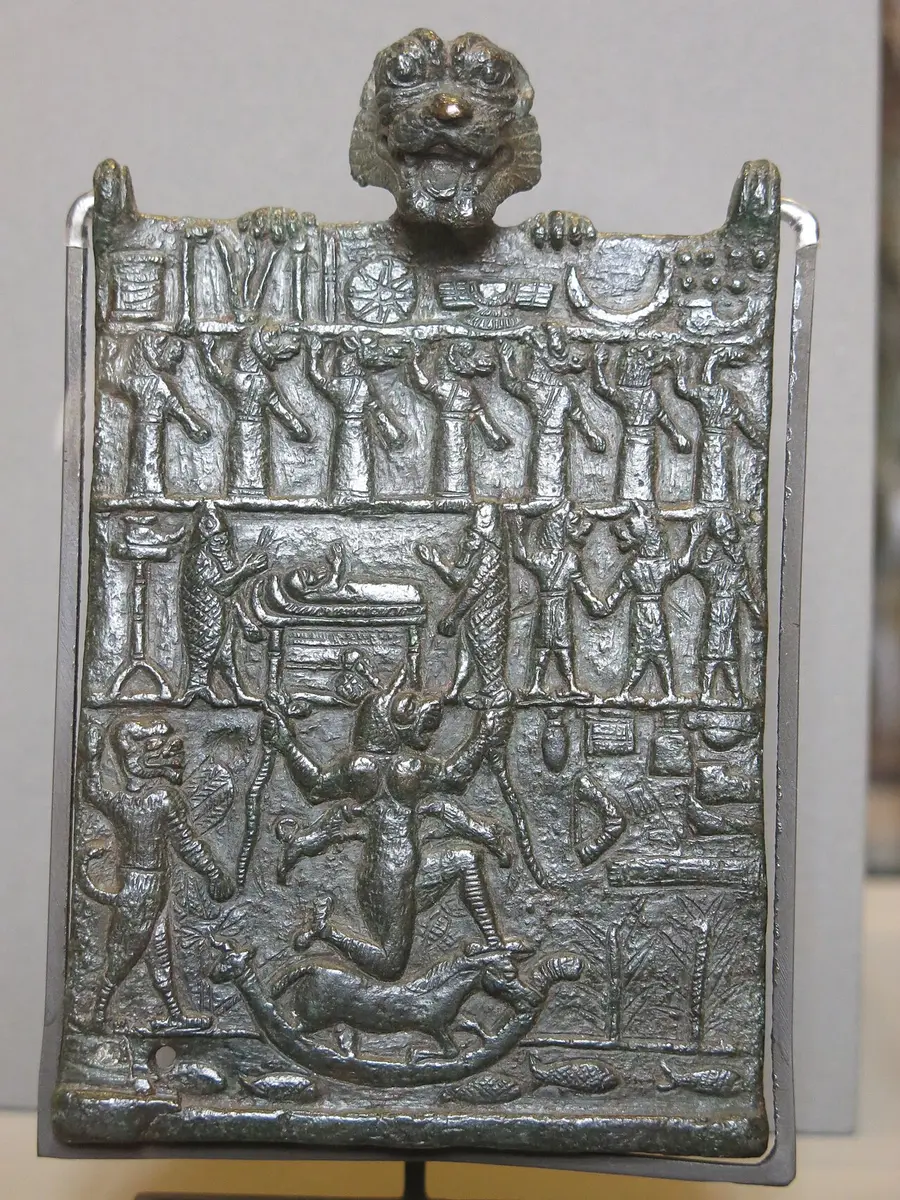
A Mesopotamian harmful female power represented on amulets and plaques intended to repel her.
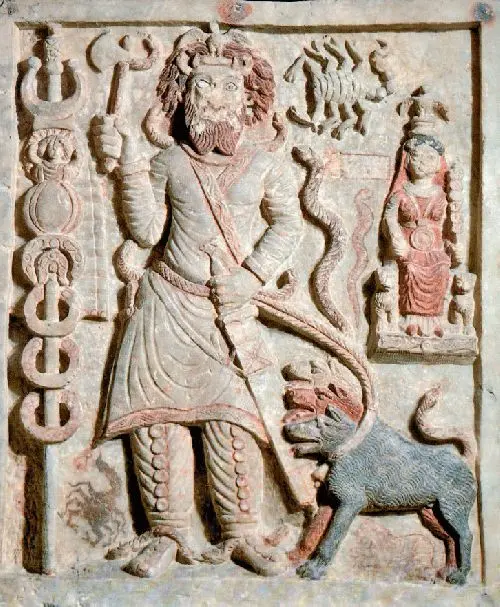
A Mesopotamian deity associated with death, war, disease, and the underworld.
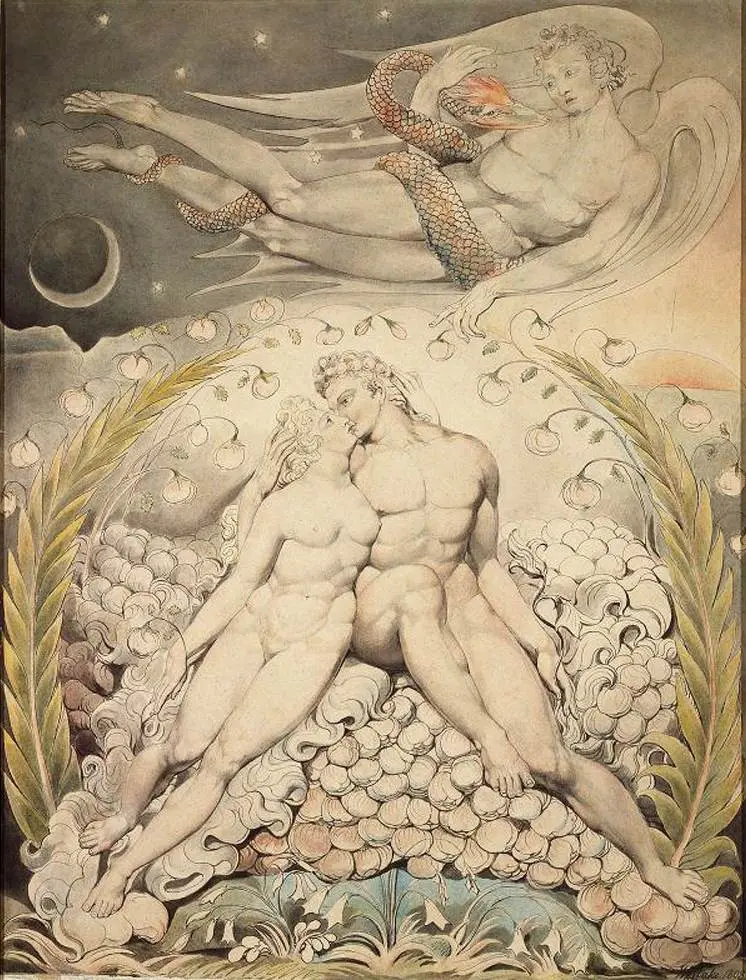
Religions that give Satan a central symbolic or divine role, with substantial differences in belief and practice.
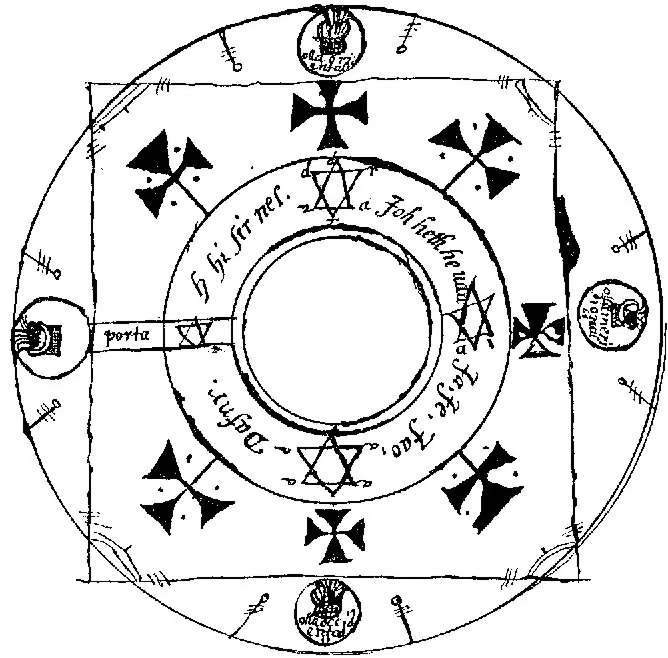
A marked ritual space whose names, divisions, and purpose differ among magical texts and modern traditions.

A divinatory or visionary practice involving a reflective surface, crystal, or other focus for reported images and messages.
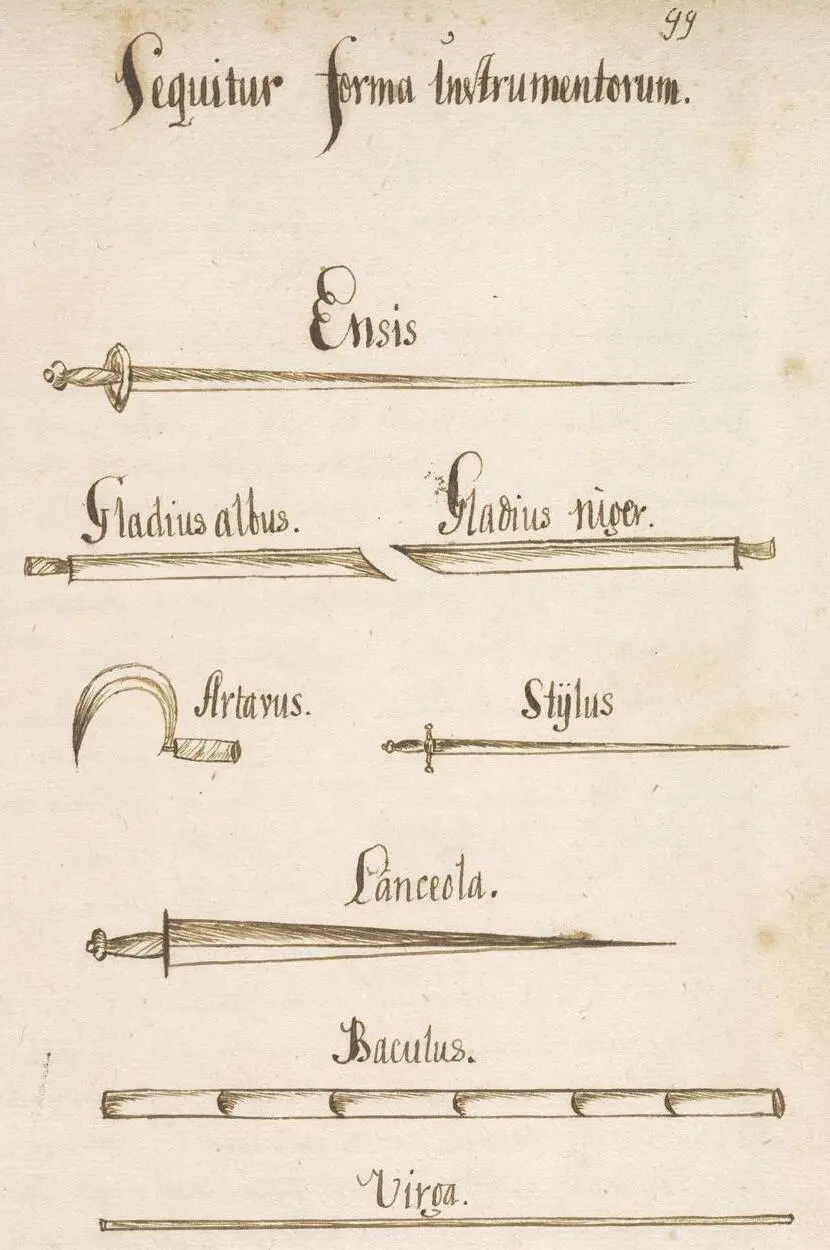
The Key of Solomon is a transmitted family of magical texts concerning preparation, ritual, and ceremonial instruments. It should be distinguished from the five-part Lesser Key of Solomon.
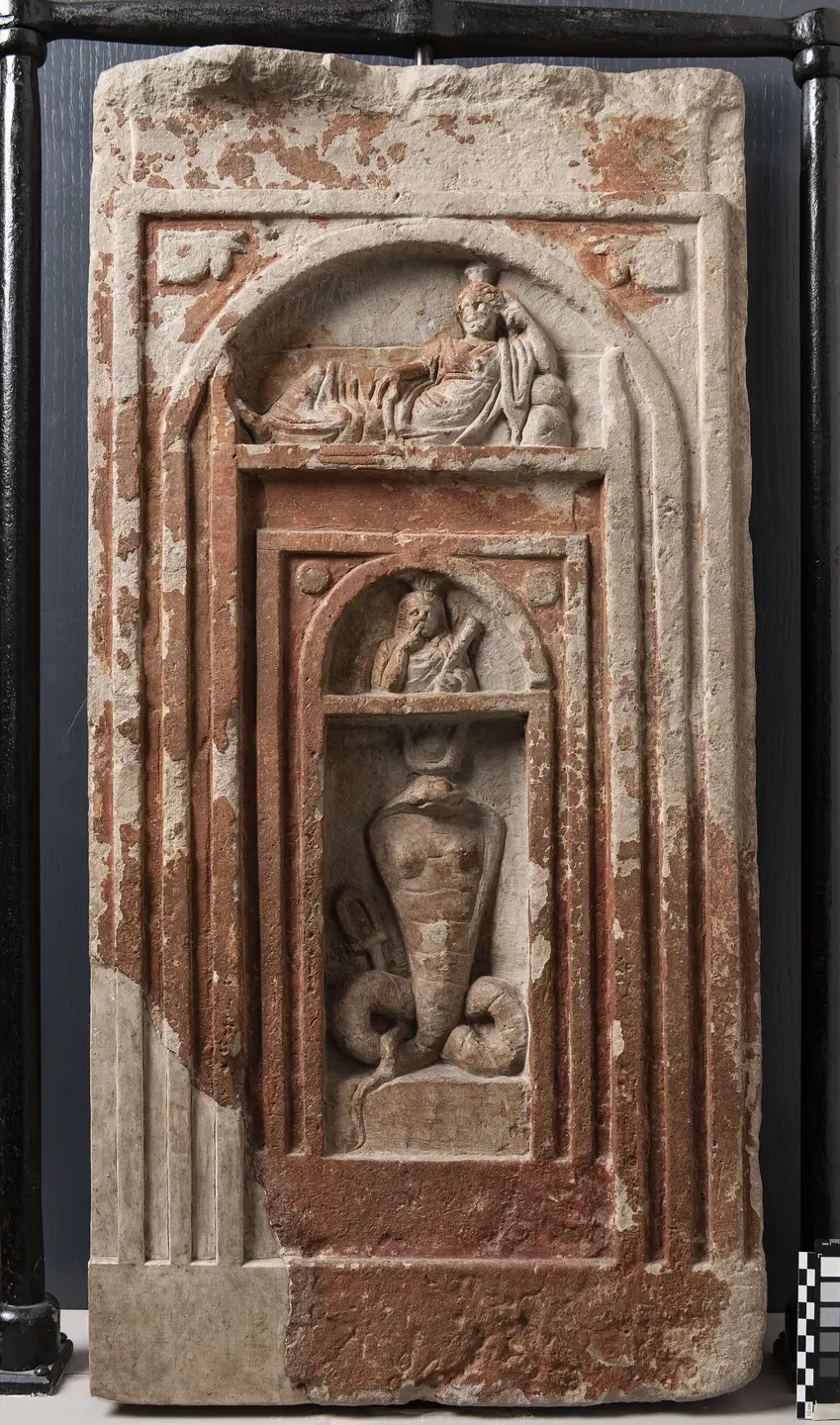
Religious syncretism concerns the combination of ideas, figures, and practices from different traditions. Similarity of names or imagery alone does not establish identity or historical continuity.
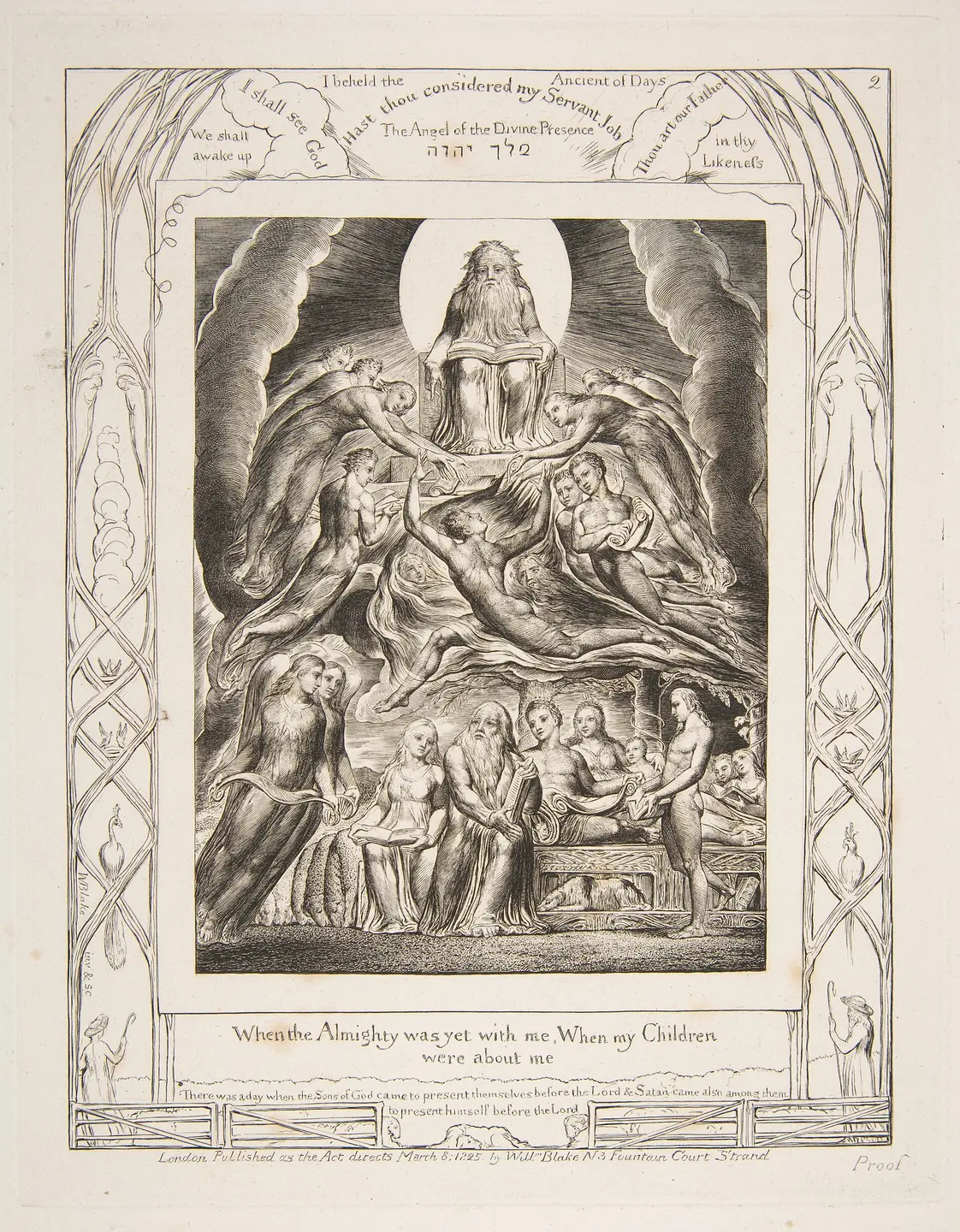
Job 1–2 presents Satan in a heavenly assembly and in a dispute about Job’s righteousness. The passage should be read before later accounts of Satan’s origins are supplied.
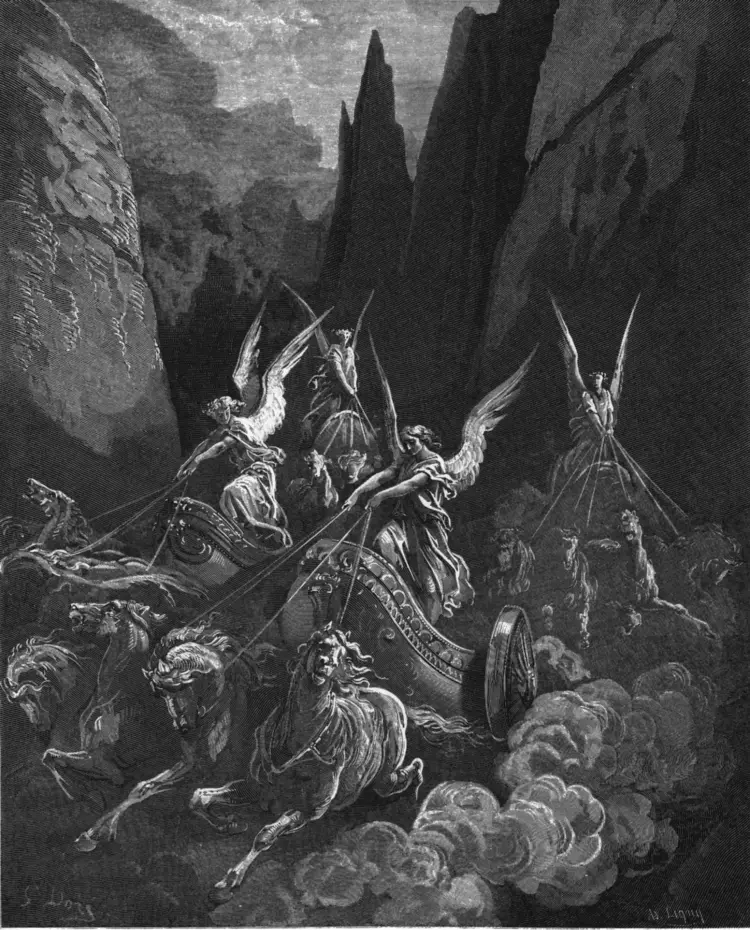
Zechariah 3 presents Satan accusing Joshua the high priest within a vision of judgment and restoration. The scene has a specific religious and literary purpose.
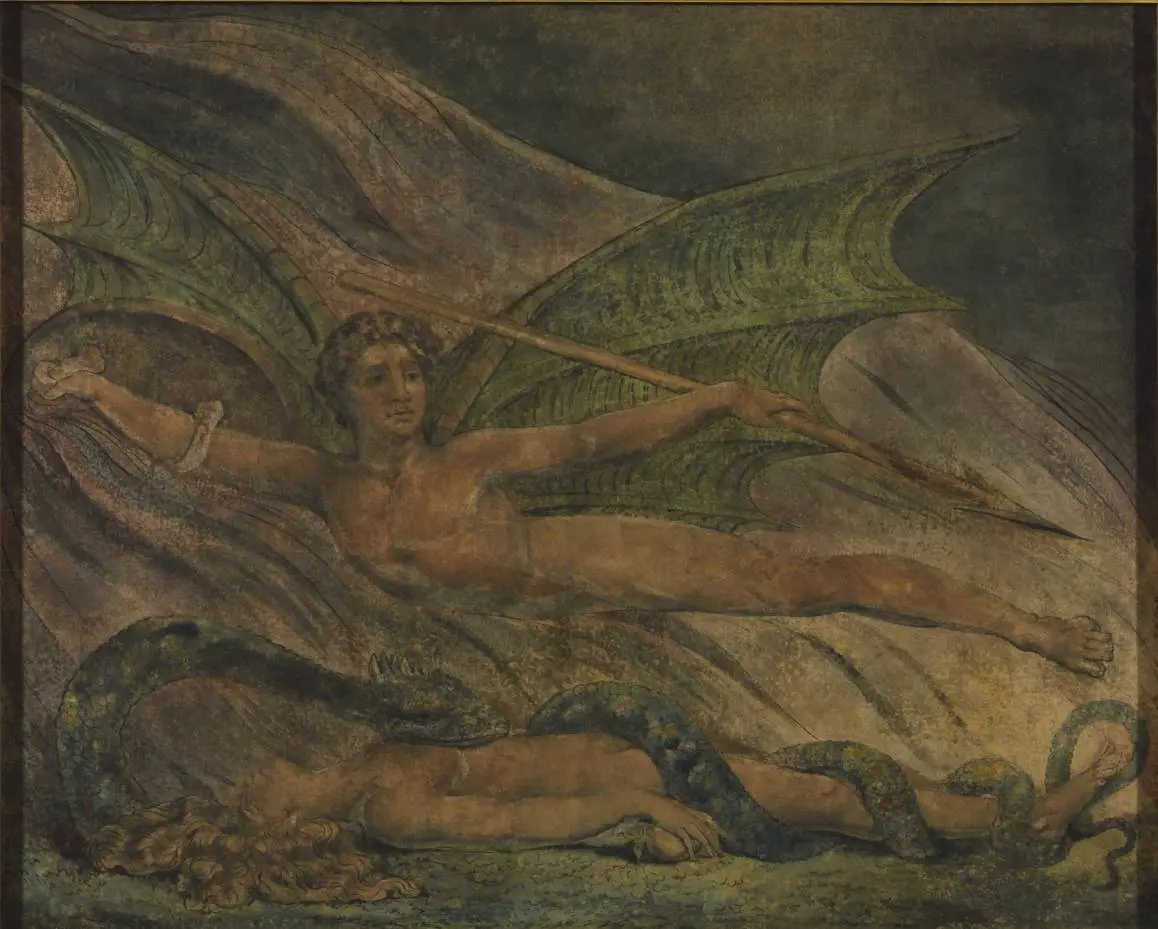
Romantic Satanism concerns literary and political readings that give Satan a positive role in opposition to tyranny or conventional authority. It should be distinguished from membership in a religious organization.
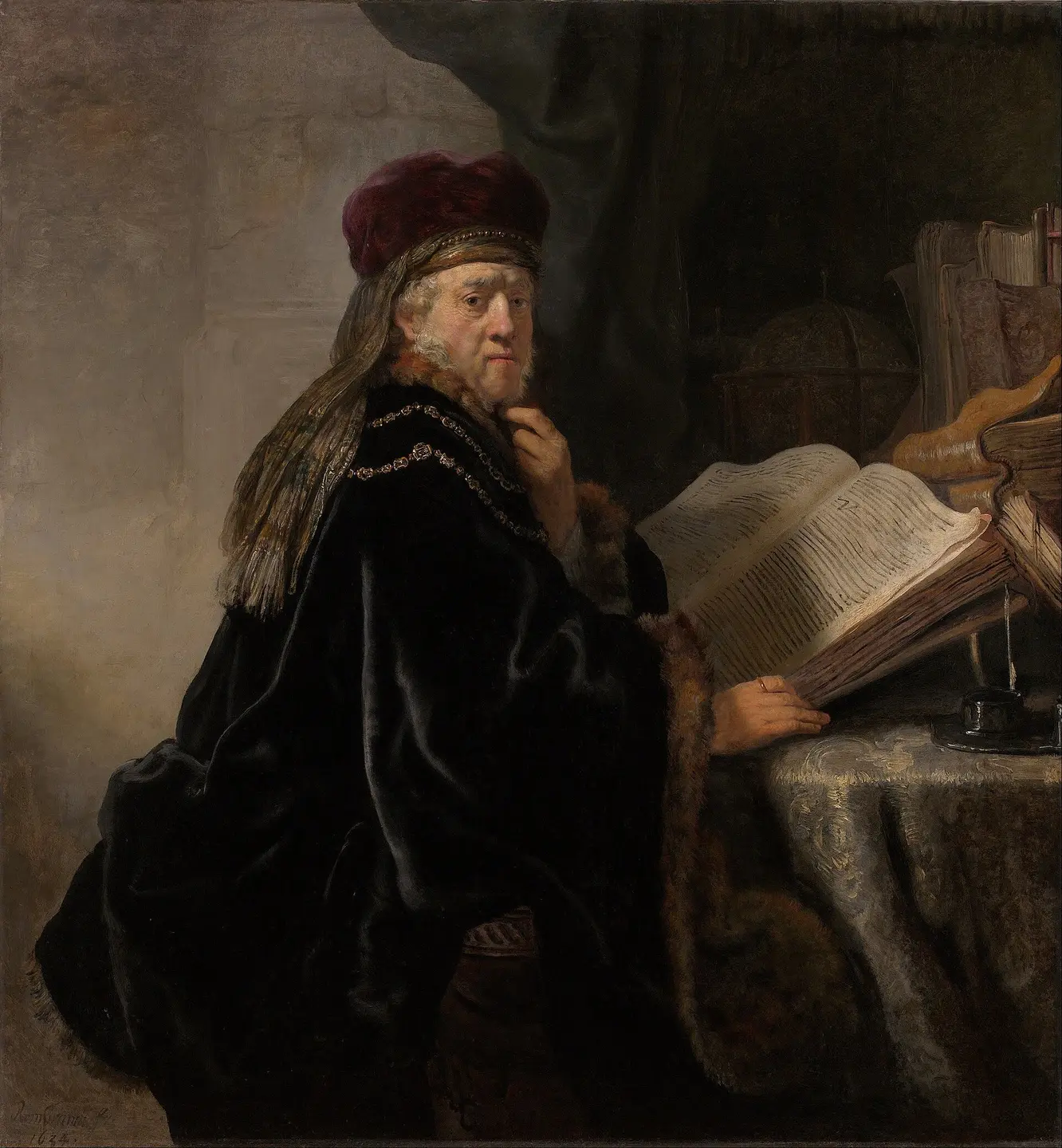
Primary sources provide direct evidence for a text, community, or historical setting. Reading them well requires context, precise citations, and comparison with other evidence.
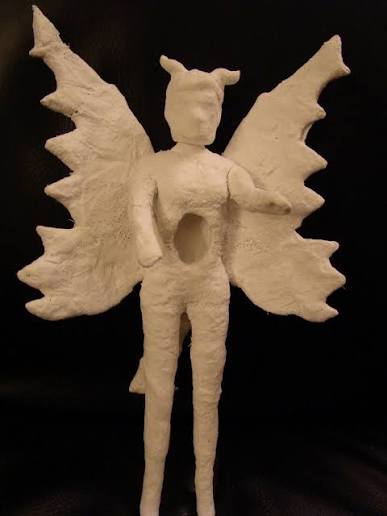
Mastema is a leader of harmful spirits in the Book of Jubilees. His appearances in the stories of Noah, Abraham, and Moses connect temptation, accusation, and hostility with a power that remains subject to divine limits.
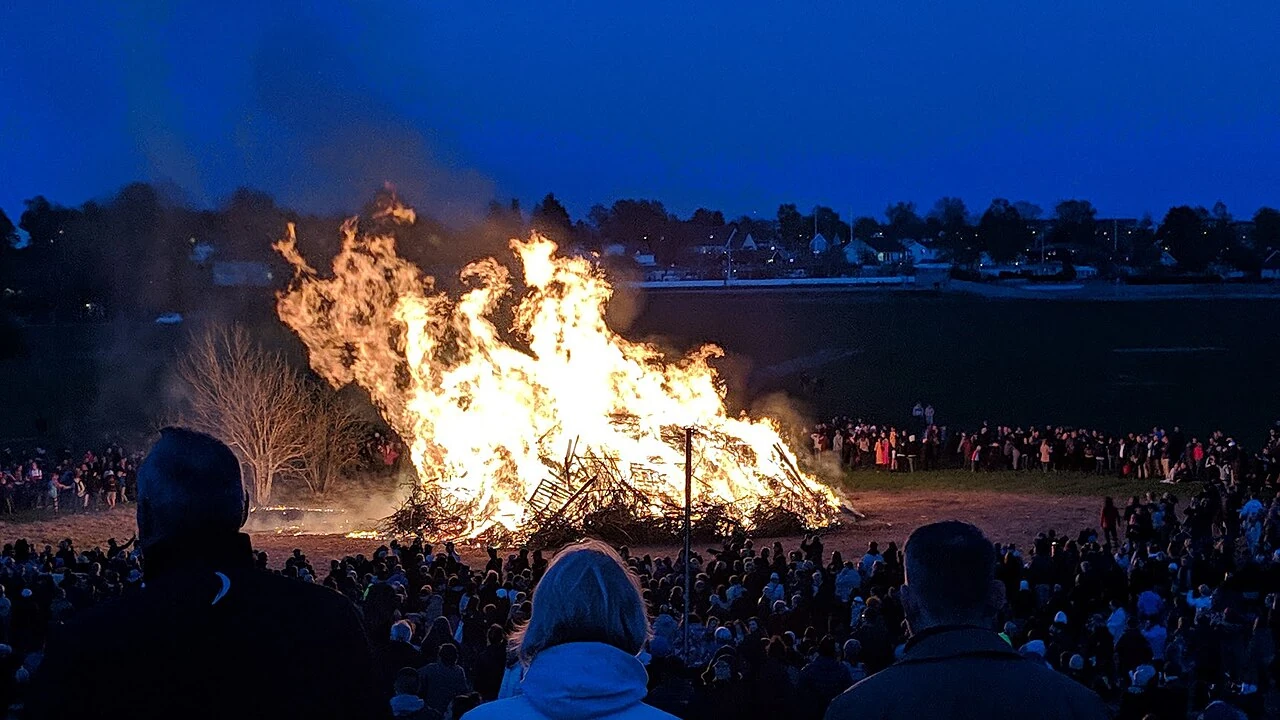
The different holiday calendars published by the Church of Satan and The Satanic Temple, with dates and organizational meanings.
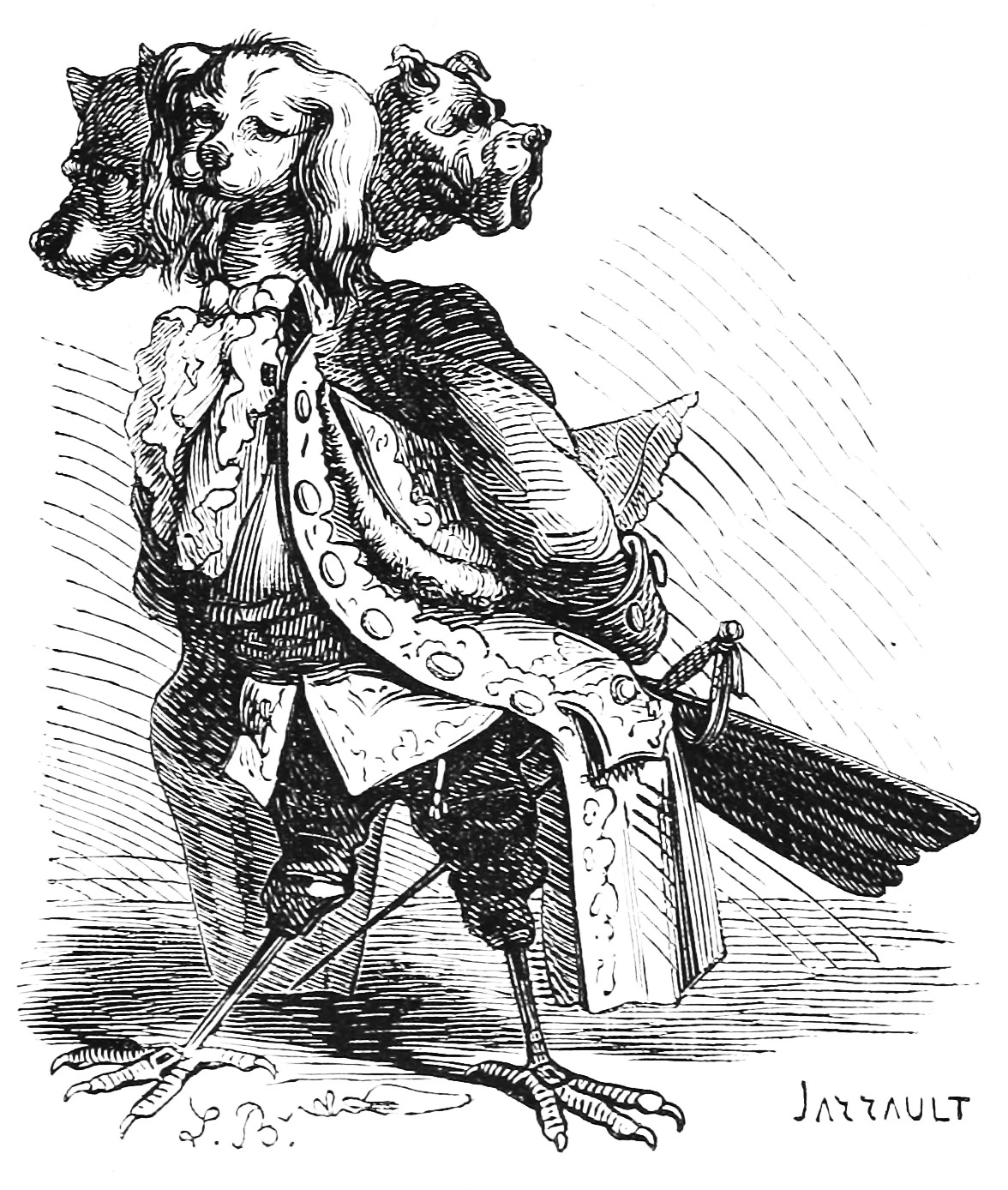
A Goetic marquis associated with rhetoric and the restoration of lost honors.
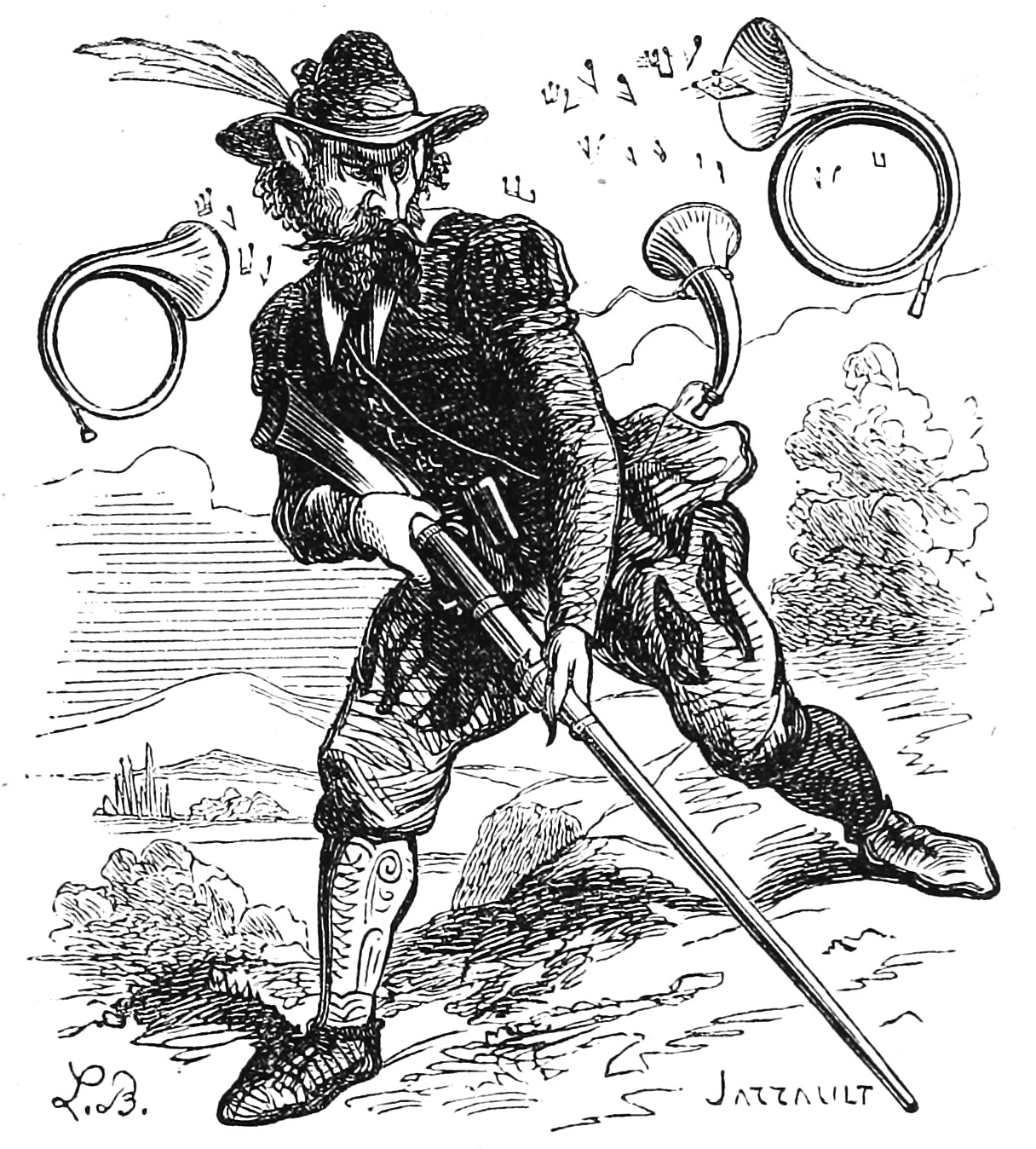
A Goetic duke connected with the speech of animals, enchanted treasure, and reconciliation.
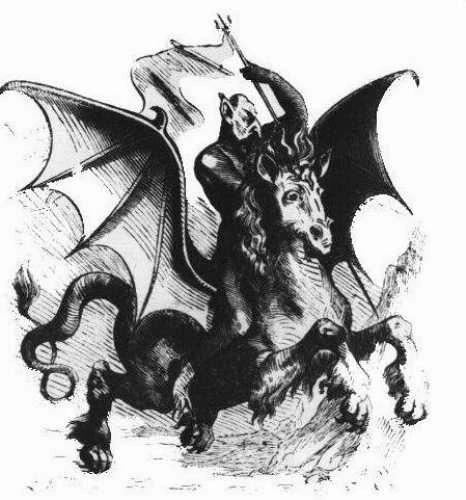
A Goetic duke depicted as a knight, associated with hidden matters, battles, and favor from powerful people.
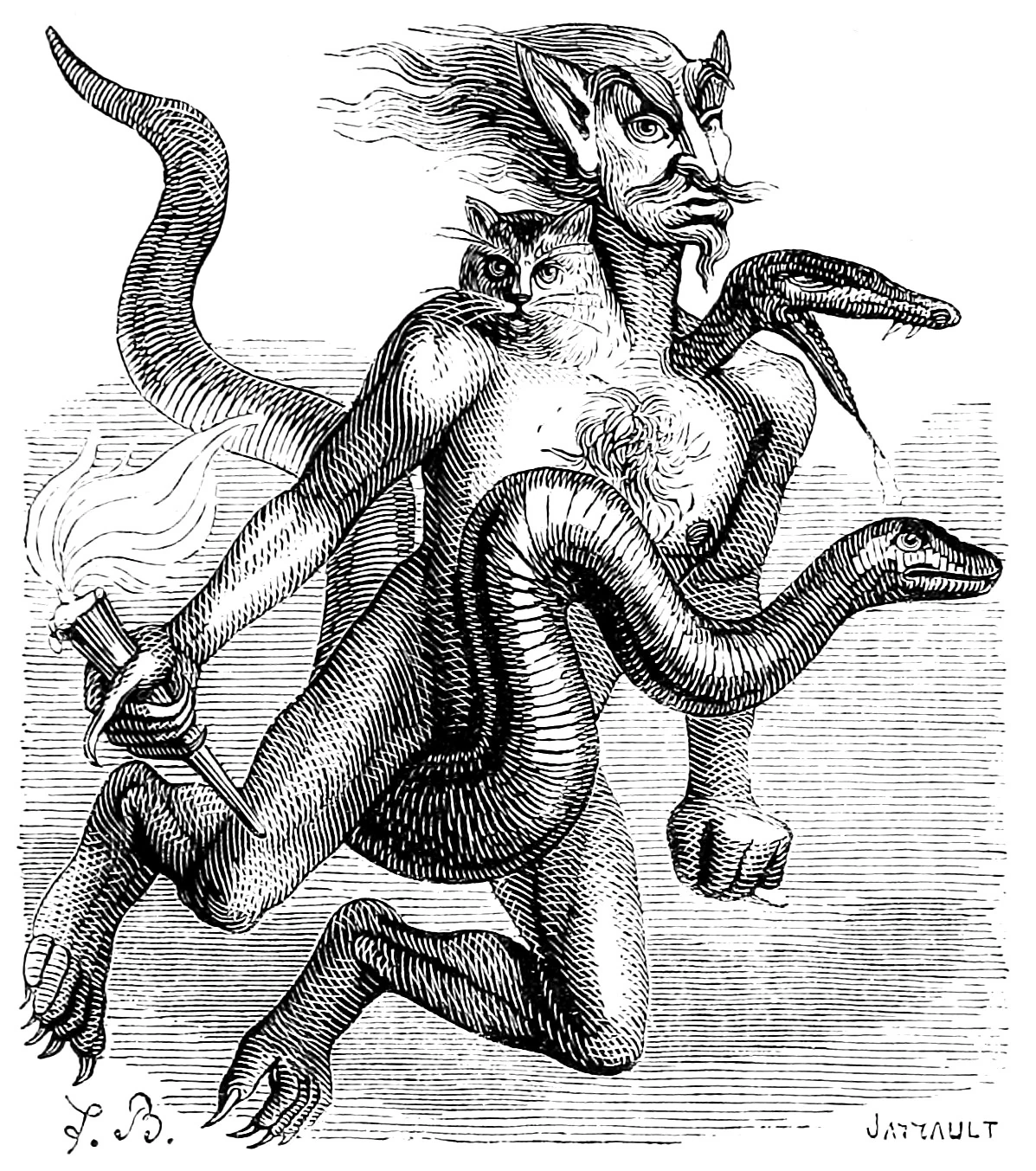
A Goetic duke with three heads, a serpent mount, and a firebrand, associated with fire and private questions.
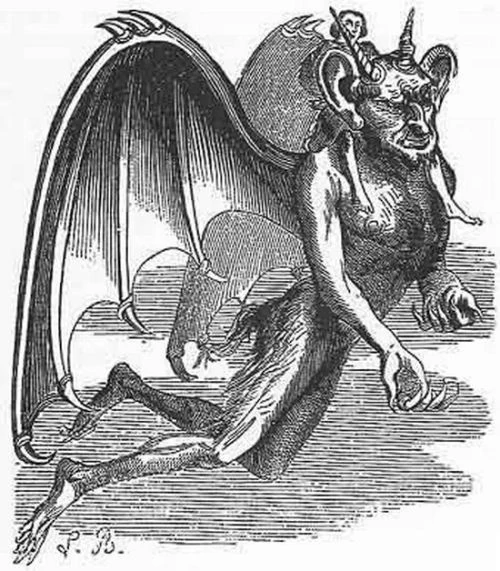
A Goetic spirit associated with learning, altered perception, familiars, and rapid travel.