History
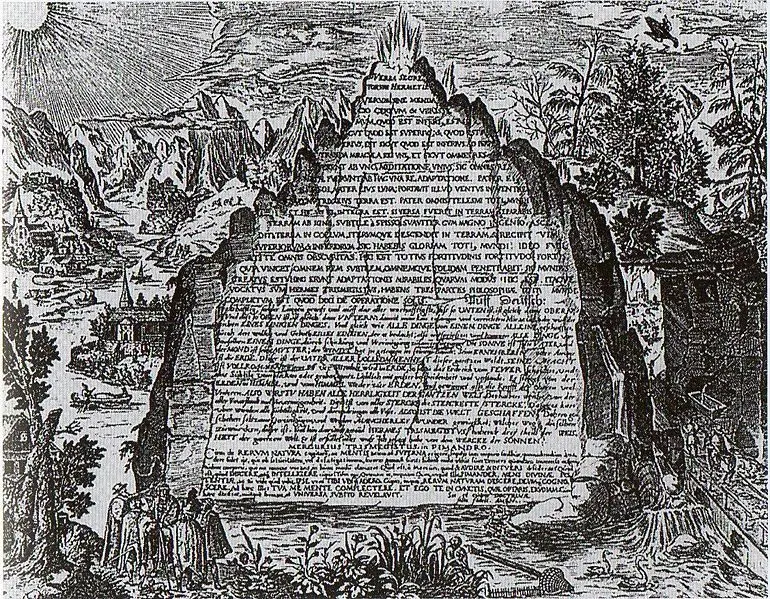
Alchemy
Alchemy concerns historical approaches to material transformation and the interpretation of nature. Spiritual readings form part of its reception but should not replace the material history.
Alchemy concerns historical approaches to material transformation and the interpretation of nature. Spiritual readings form part of its reception but should not replace the material history.
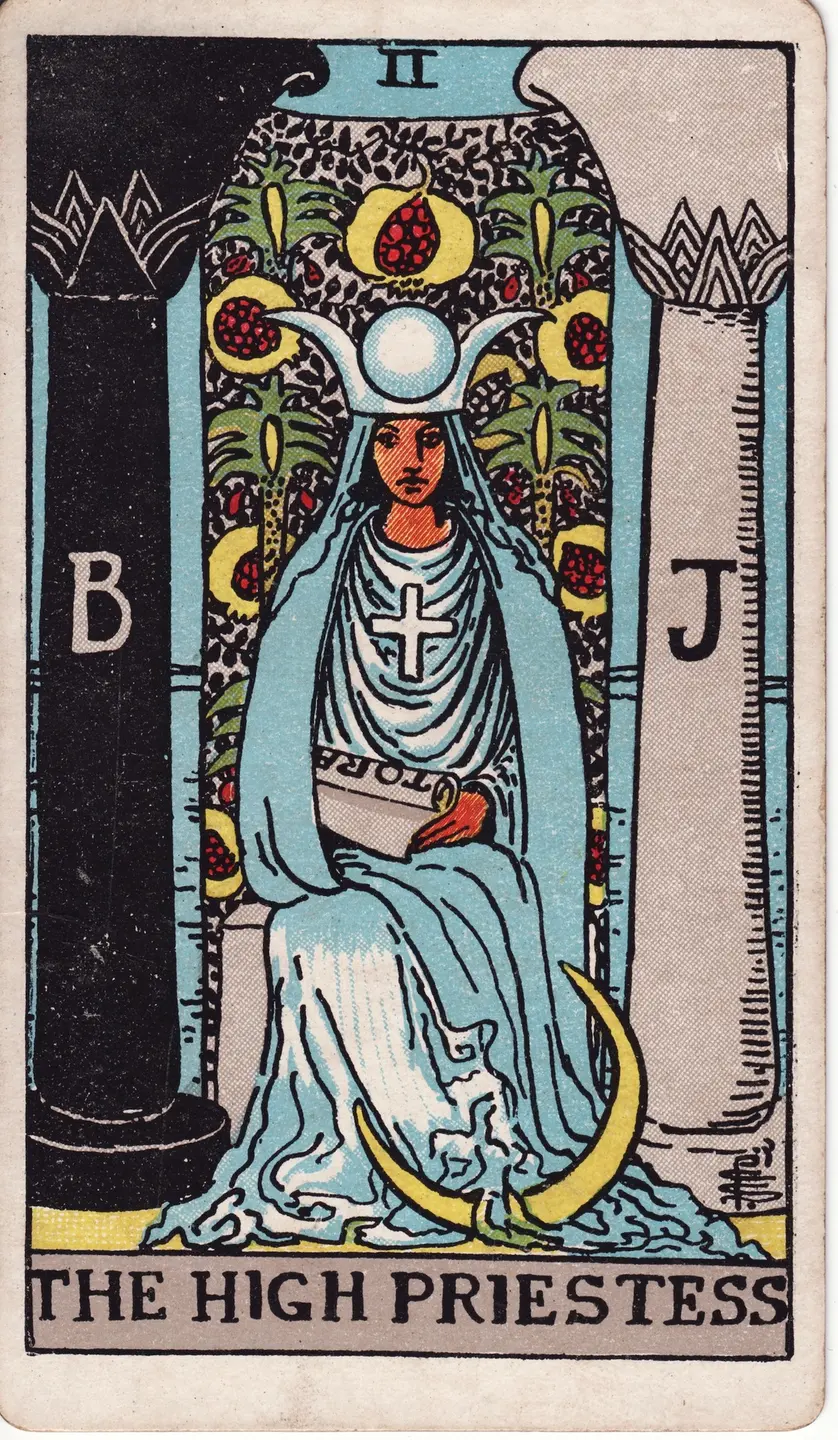
Tarot developed as playing cards before becoming an influential tool of occult interpretation. The history of the cards differs from later claims about their hidden origins.
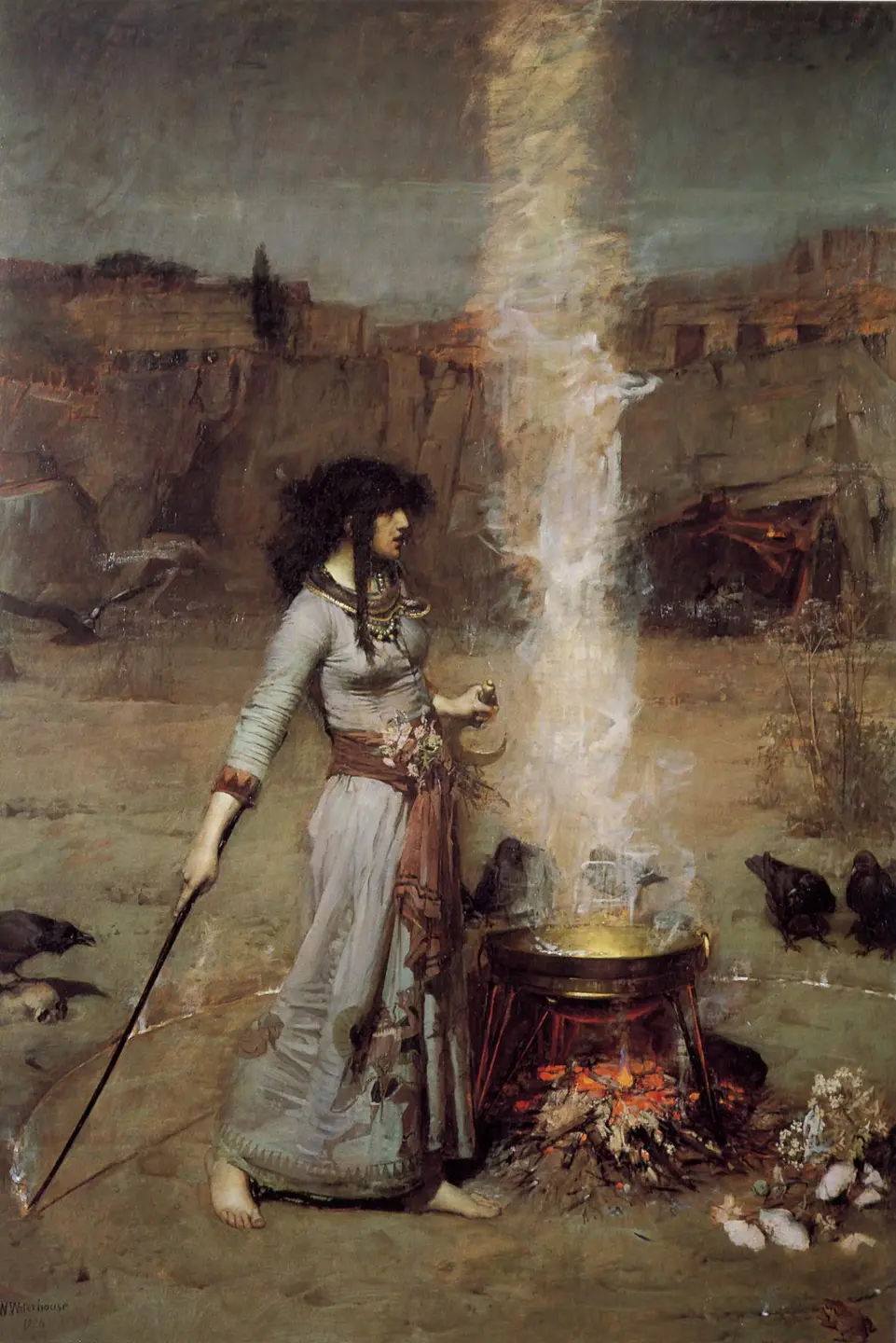
Demonolatry refers to devotion to demons or daemonic beings. Modern accounts vary in theology, authority, and their relationship with historical grimoires.
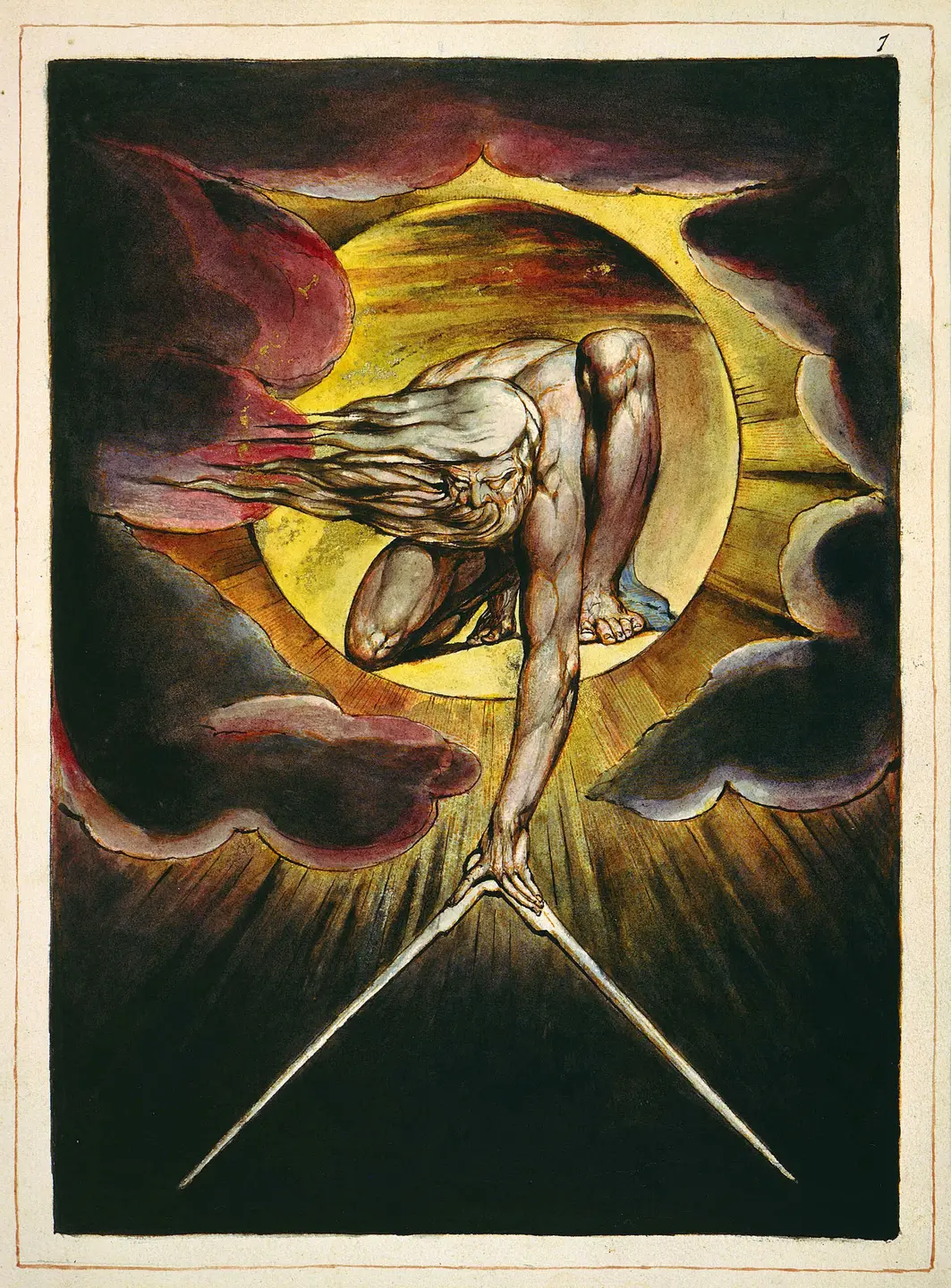
Religious discernment concerns how experiences are interpreted and assessed. An immediate event, a theological explanation, and a claim about another person require different kinds of evidence.
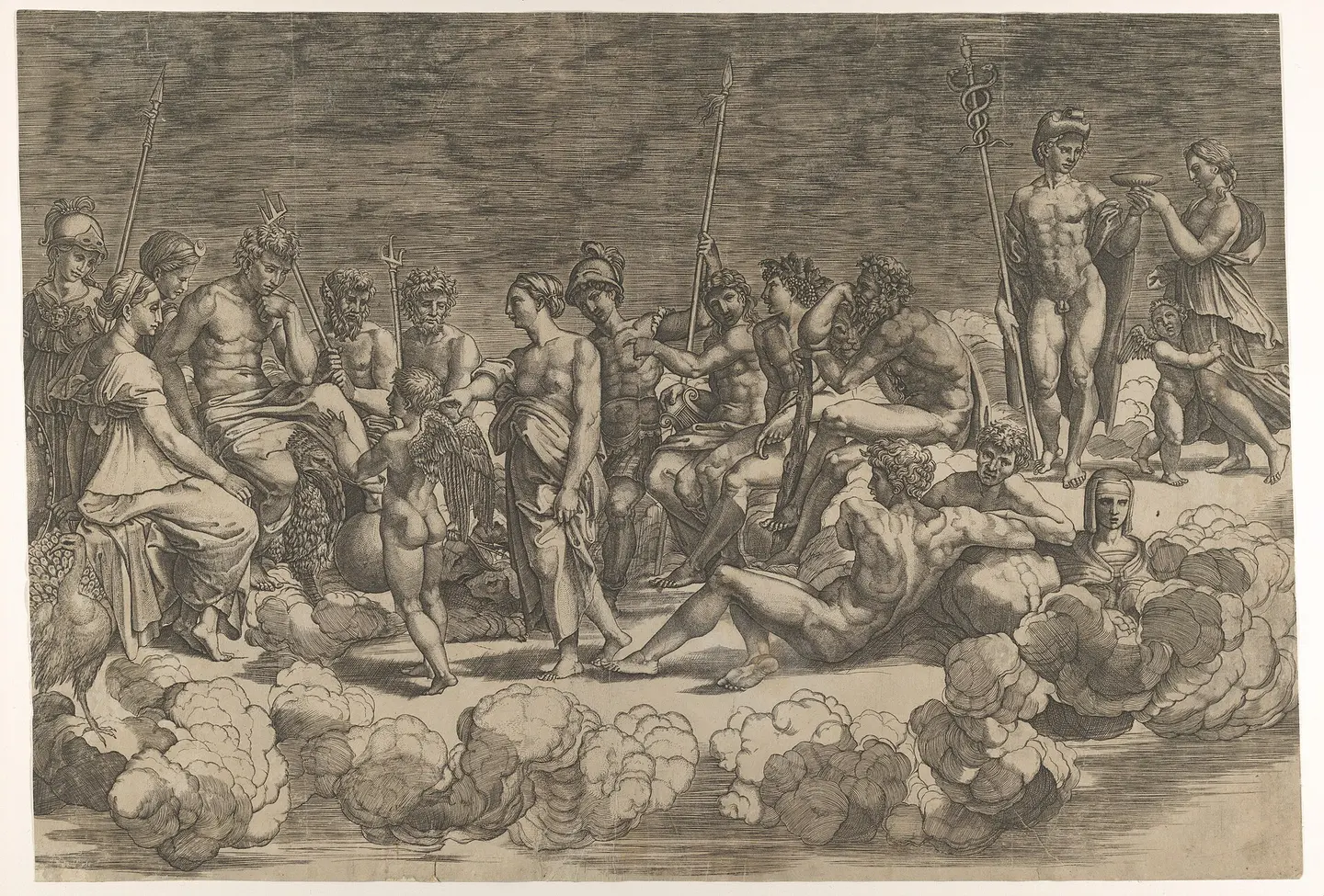
Polytheism involves belief in multiple deities. The existence of several gods does not by itself settle their relationships, moral authority, or the forms of devotion directed toward them.
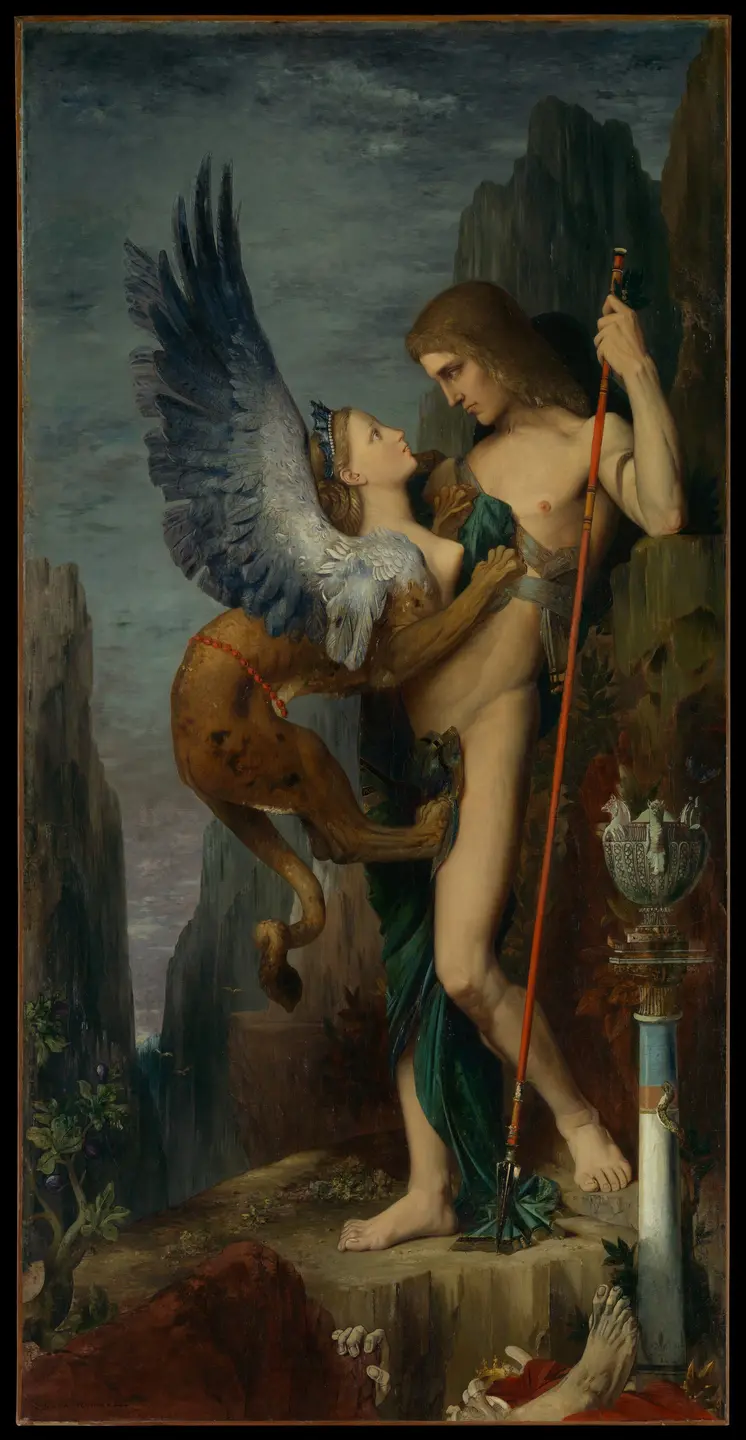
A religious myth can organize meaning while also receiving literal belief. Literary form, personal interpretation, and historical evidence should be discussed as related but distinct questions.
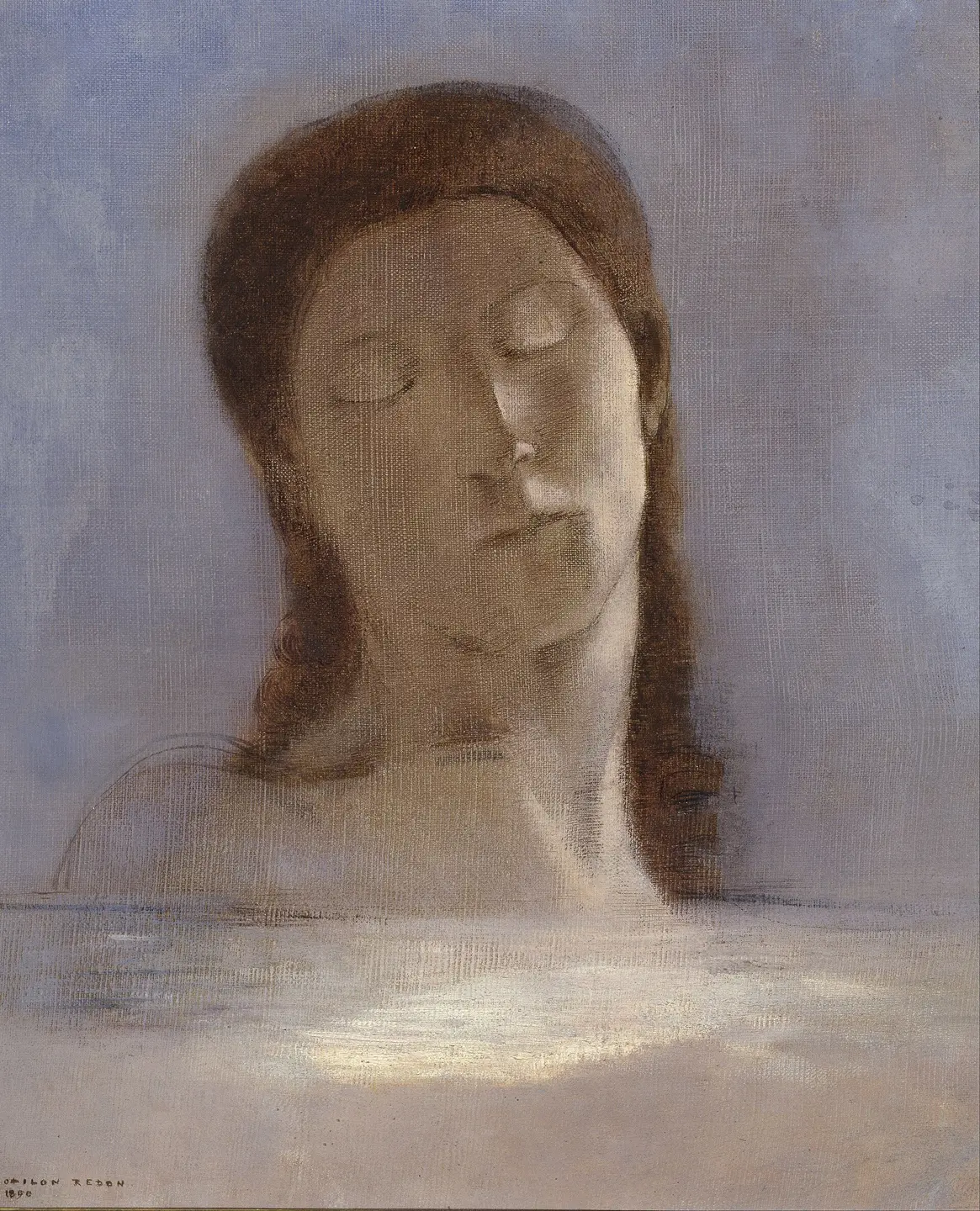
Unverified personal gnosis identifies a spiritual claim or interpretation whose source is personal experience rather than established textual or communal authority.
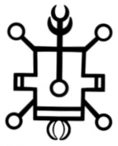
A Goetic prince associated with finding lost things and knowledge of past and future events.
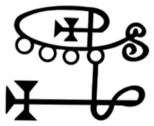
A Goetic duke whose description combines a lion-like form with a warning about theft and familiar spirits.
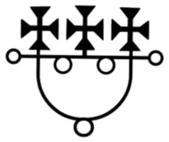
A Goetic prince portrayed with a leopard head and griffin wings, whose stated office concerns desire.
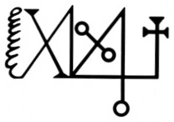
A Goetic duke with griffin wings, associated with winds, the sea, and shipwreck.
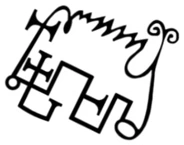
A Goetic president initially appearing as flame, associated with astrology, learning, familiars, and protected treasure.
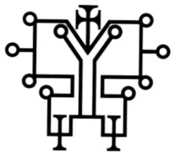
A mounted Goetic marquis whose office includes the stars, planetary mansions, and social dignities.
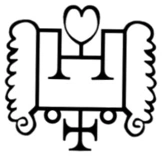
A winged lion-shaped Goetic duke associated with crafts, philosophy, and learned subjects.
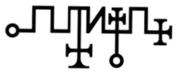
A Goetic spirit with a winged bull form, associated with wit and transformations of liquids and metals.
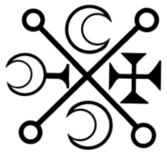
A Goetic marquis appearing as a star, associated with plants, stones, and bird-like apparitions.

A Goetic prince riding a winged horse, associated with rapid movement and the recovery of hidden things.
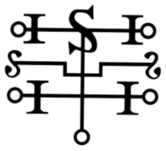
The final Goetic spirit, associated with stolen goods, concealed wrongdoing, and hidden treasure.
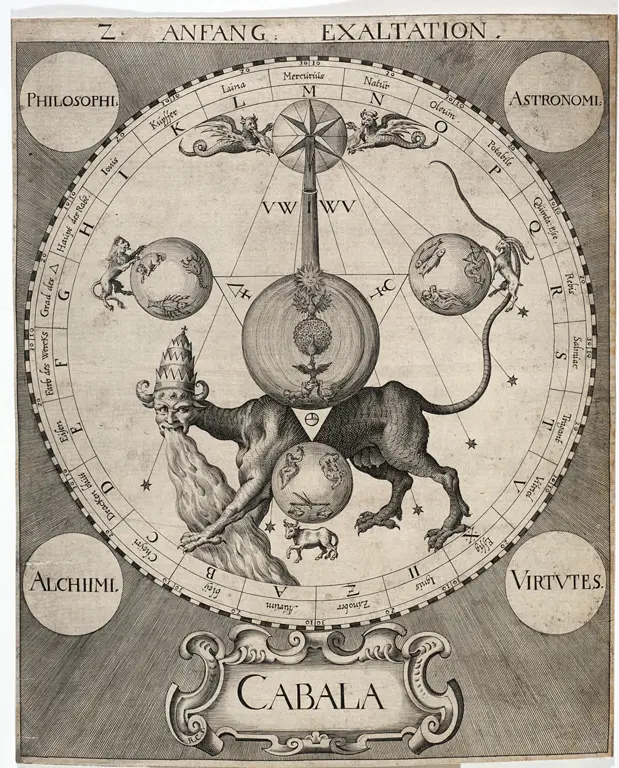
An initiatory order whose Draconian system brings together Qliphoth, Goetic magic, alchemy, and other esoteric traditions.
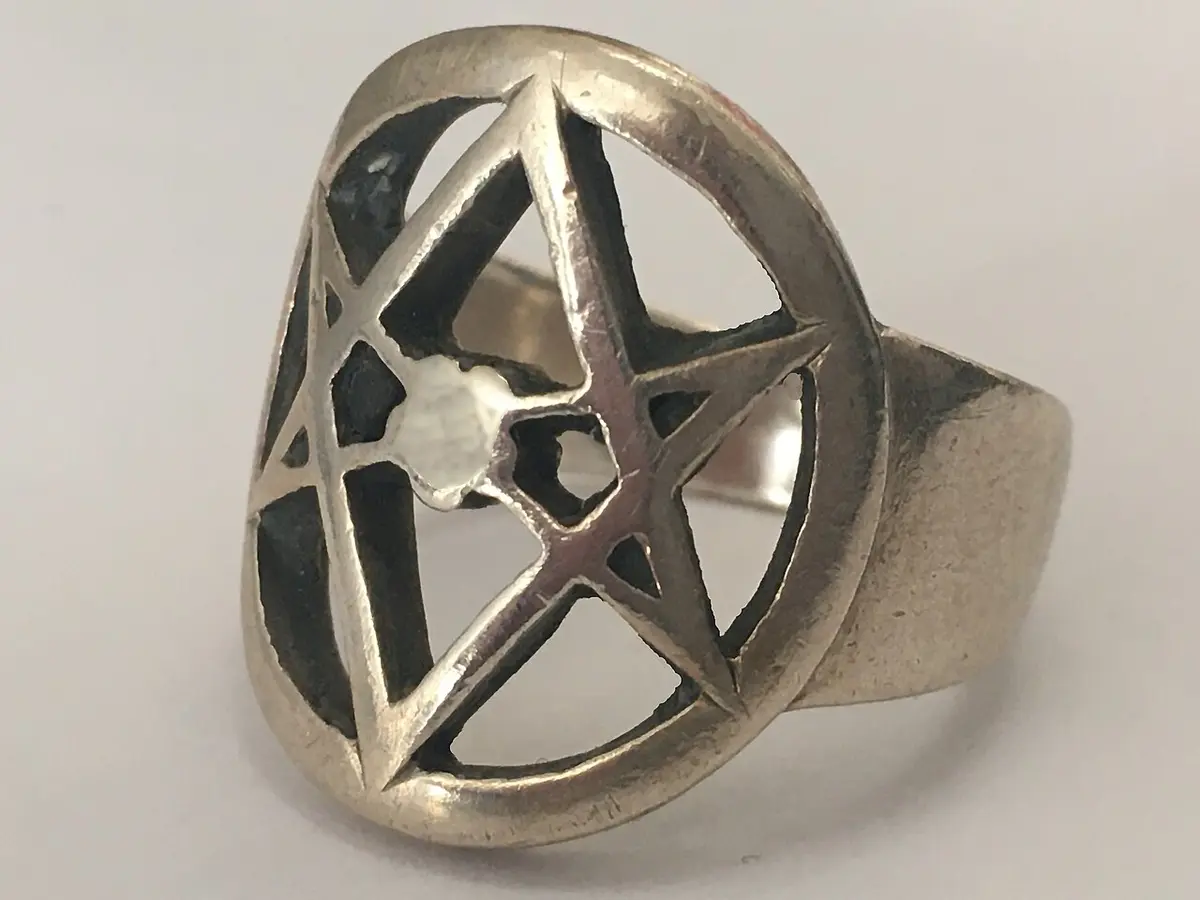
An initiatory organization associated with Thelema and the public celebration of the Gnostic Mass.