Devotional Practice
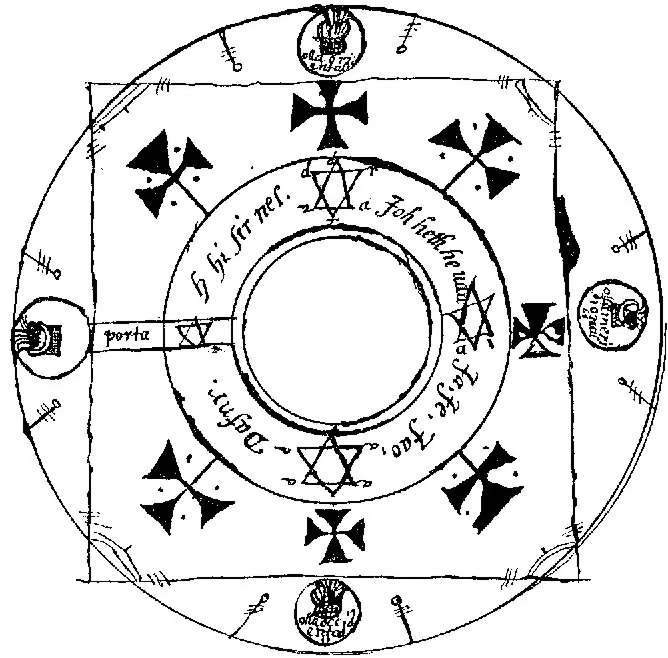
Magical circle
A marked ritual space whose names, divisions, and purpose differ among magical texts and modern traditions.
A marked ritual space whose names, divisions, and purpose differ among magical texts and modern traditions.
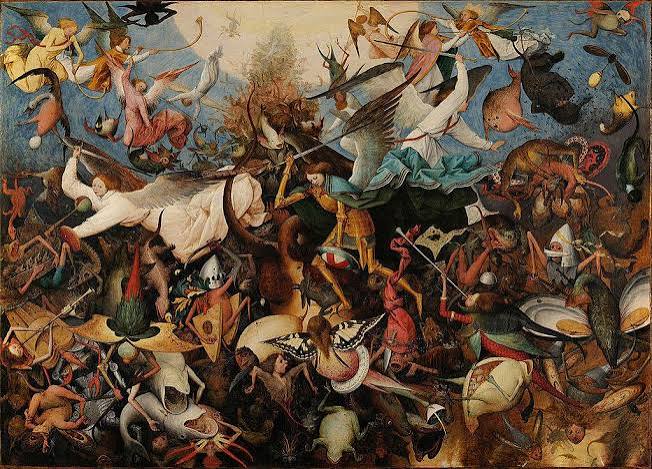
Fallen angels are heavenly beings portrayed as losing their place or proper condition through transgression. Enochic descent, Satan’s refusal to honor Adam, and the war in Revelation are distinct accounts that later interpretation can bring together.
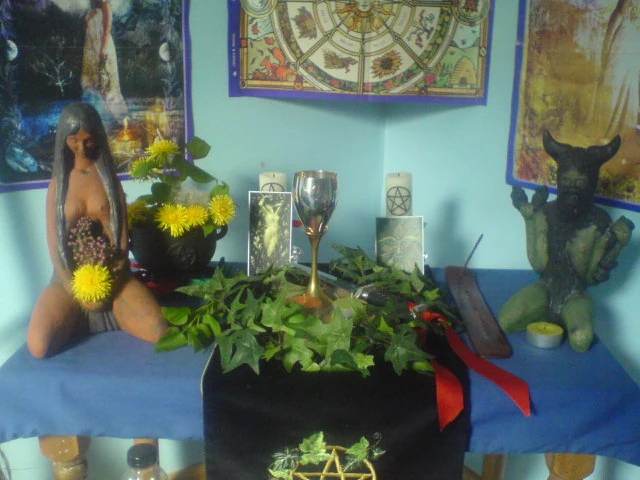
Modern Pagan religious witchcraft, its Gardnerian and Alexandrian traditions, ritual practice, and relationship to Satanism.
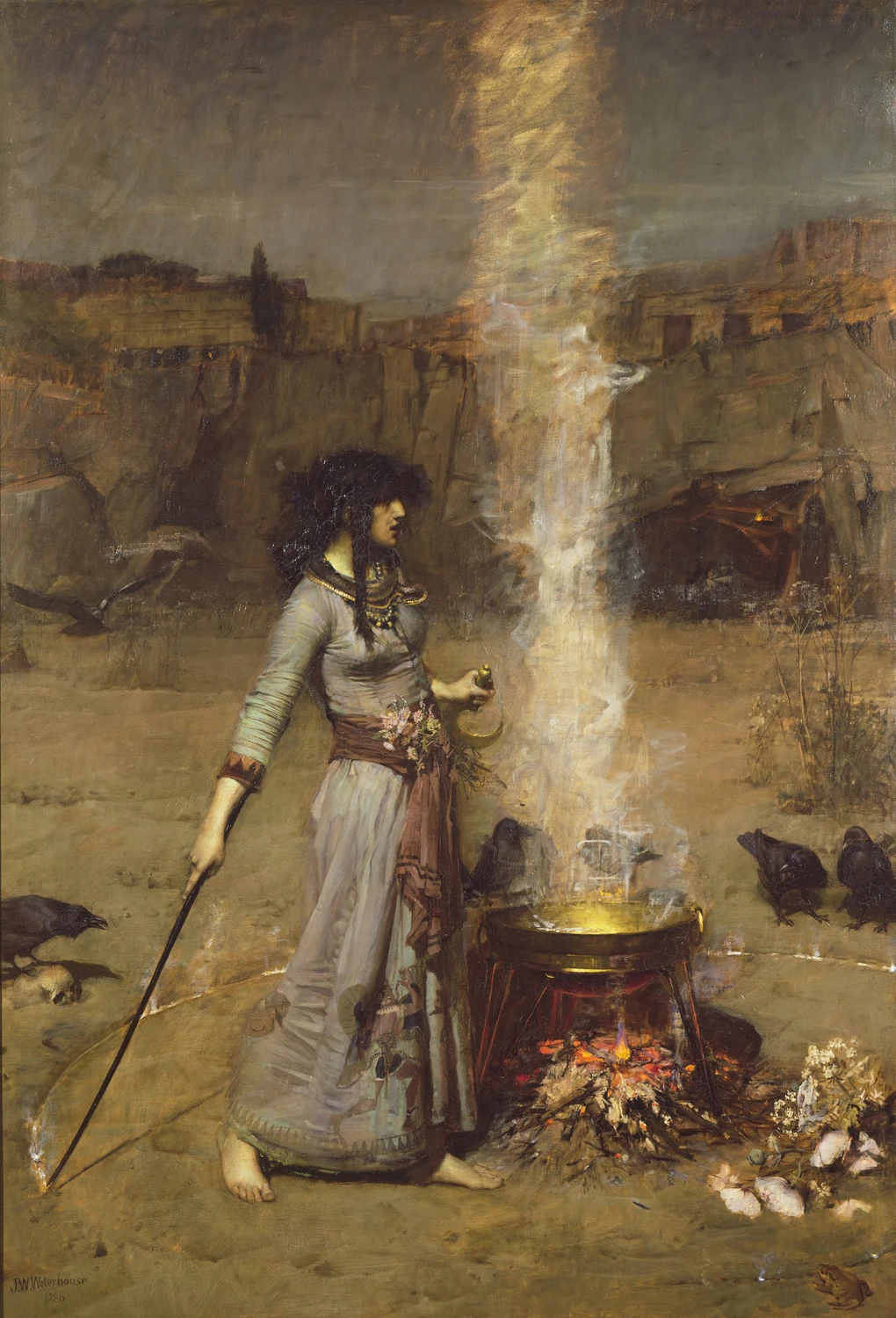
How witchcraft has meant an accusation, a magical practice, and a modern identity, with examples from museums and trial records.
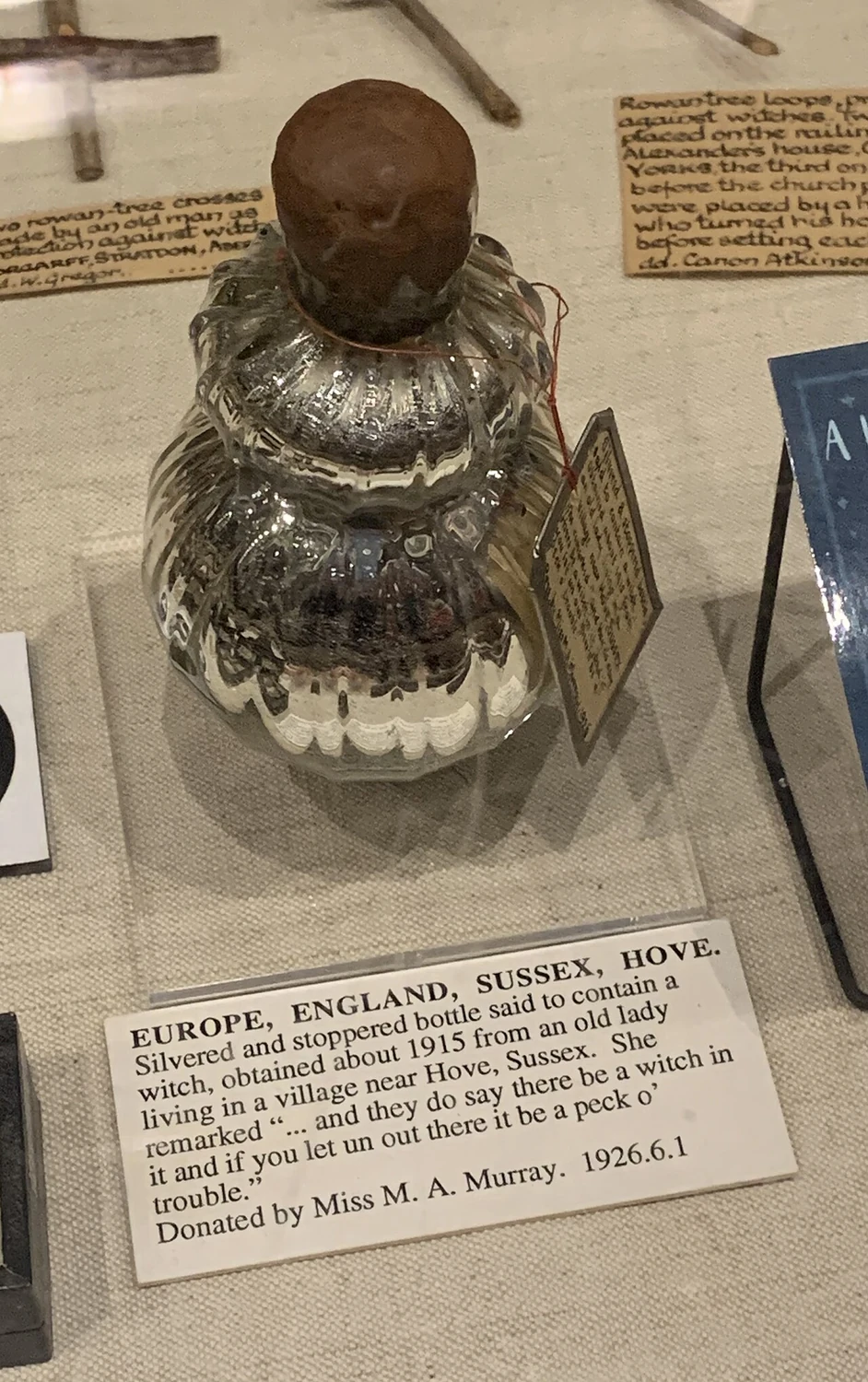
Protective charms, witch bottles, and everyday materials in local magical traditions, with documented British museum examples.
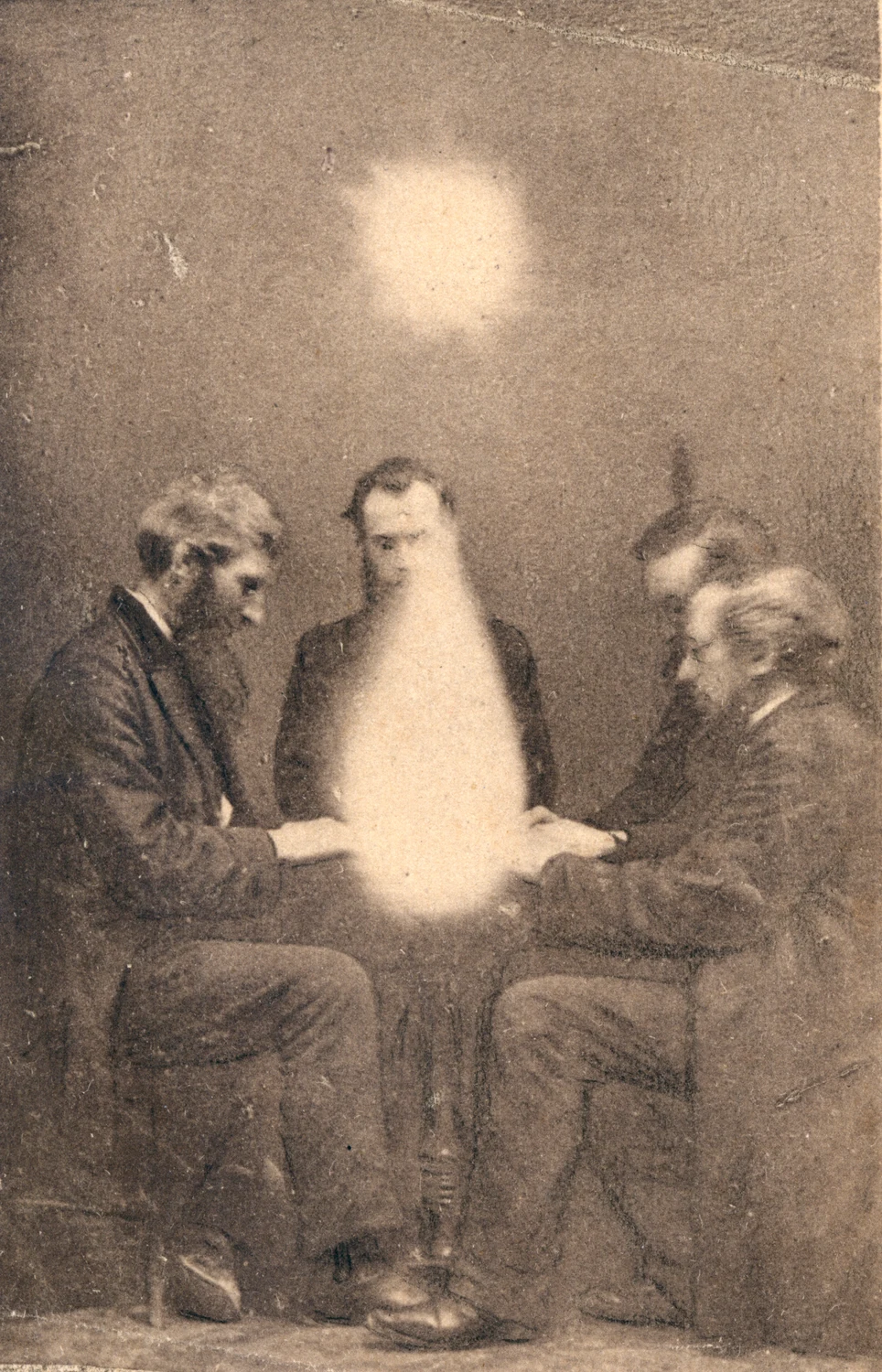
A religious movement centered on mediumship and continued personal identity after death, with church teachings and spirit photography.
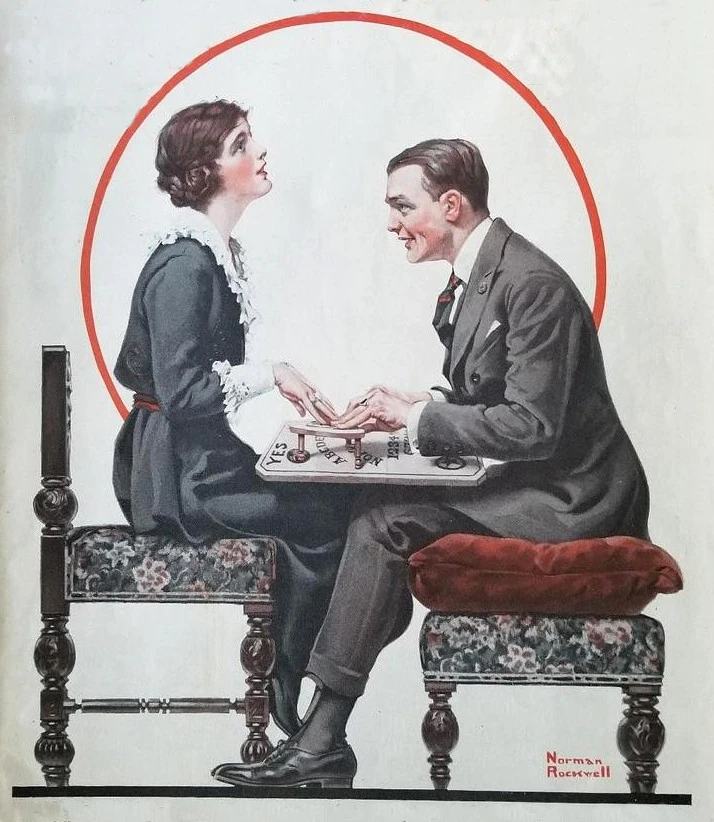
The patented talking-board game, its pointer and commercial history, and research on ideomotor movement and implicit memory.
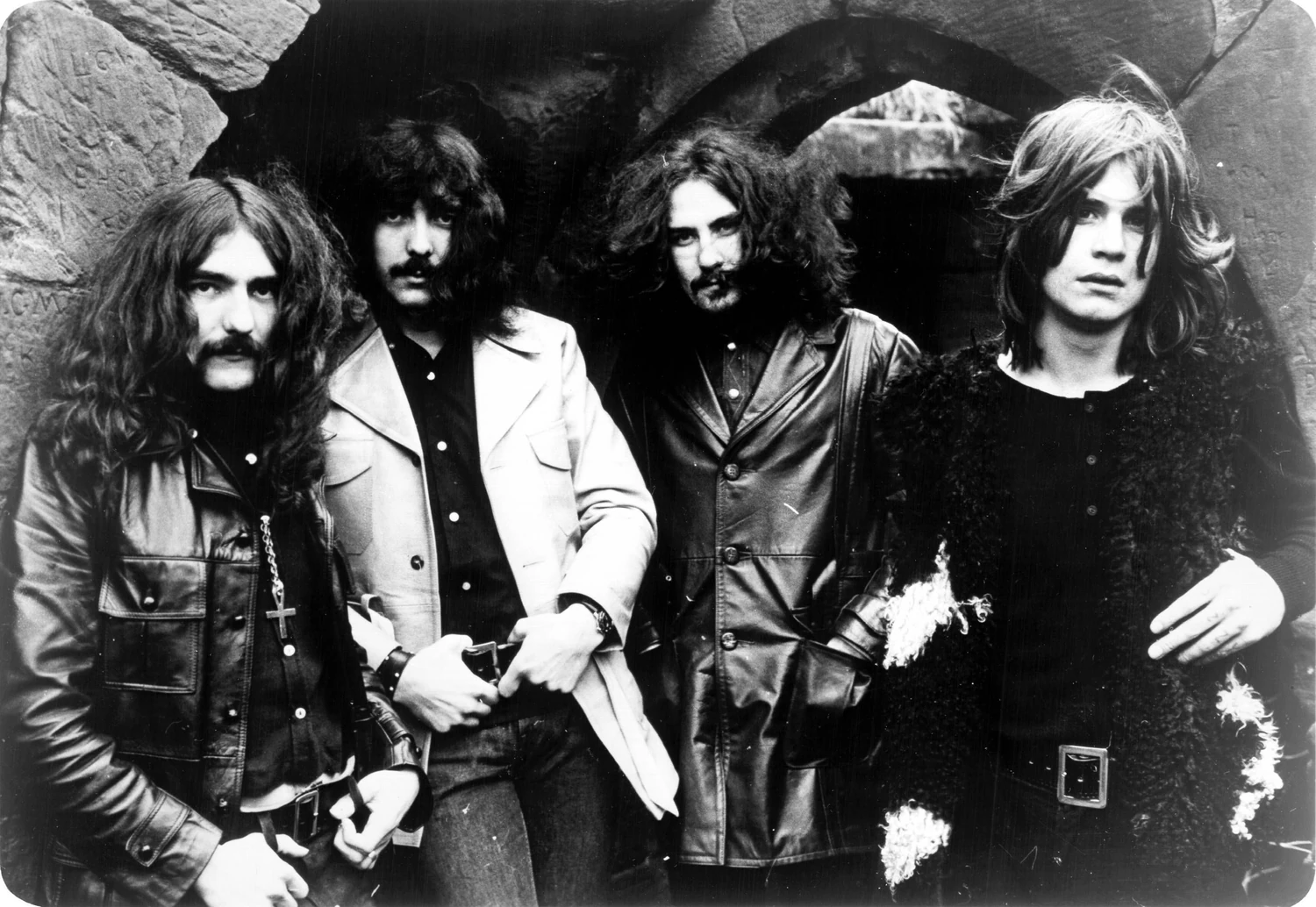
How Black Sabbath and Venom used dark or Satanic imagery, and why a song, stage character, and religious affiliation are different evidence.
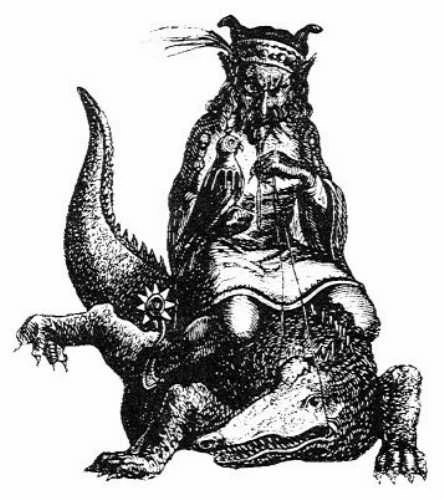
The second Goetic spirit, described as an elderly rider with a crocodile and a goshawk.
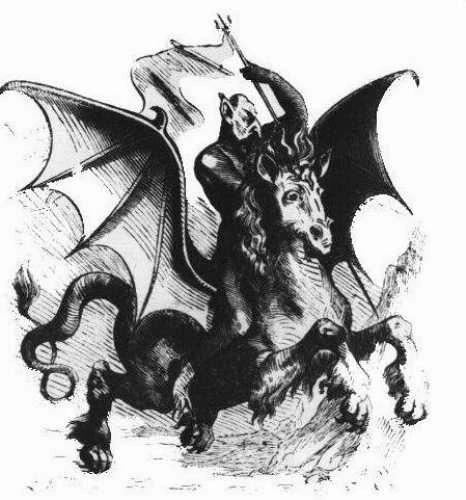
A Goetic duke depicted as a knight, associated with hidden matters, battles, and favor from powerful people.
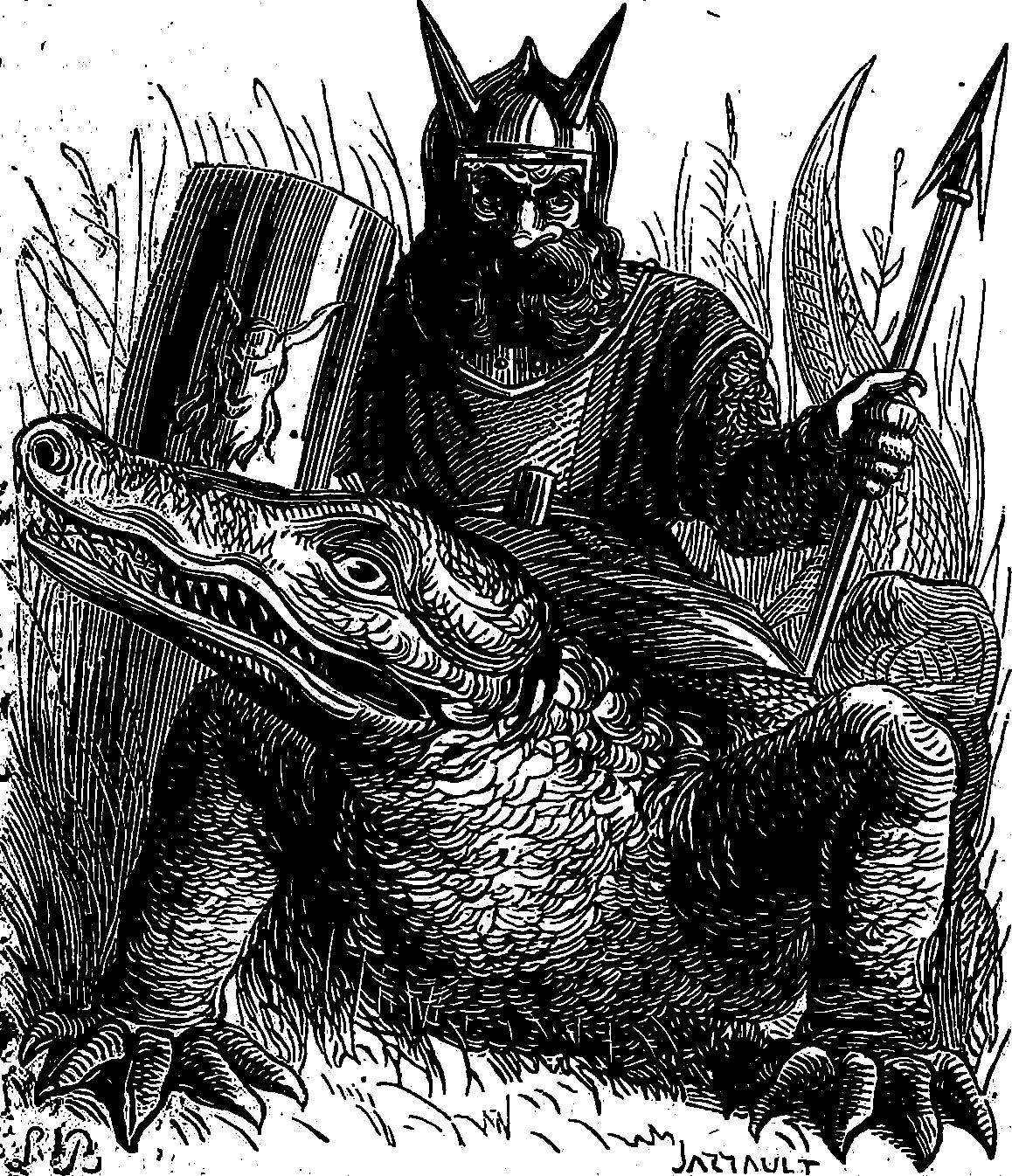
A Goetic duke, also called Saleos, described as a peaceful soldier riding a crocodile.
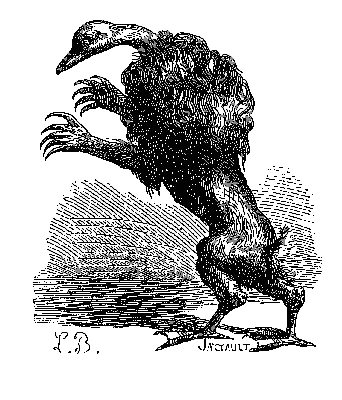
A Goetic spirit with an angelic body, lion head, goose foot, and hare tail, associated with knowledge and boldness.
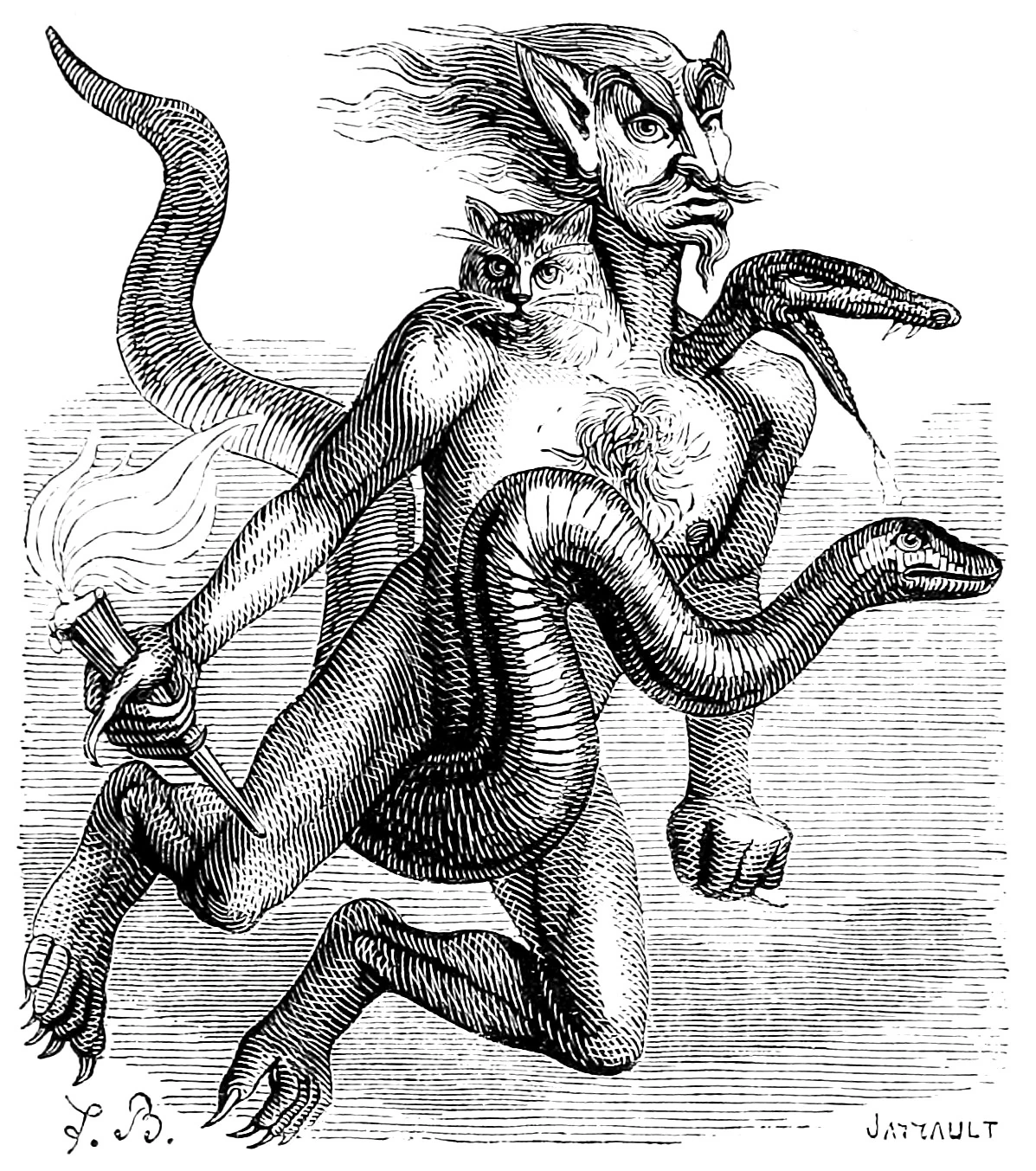
A Goetic duke with three heads, a serpent mount, and a firebrand, associated with fire and private questions.
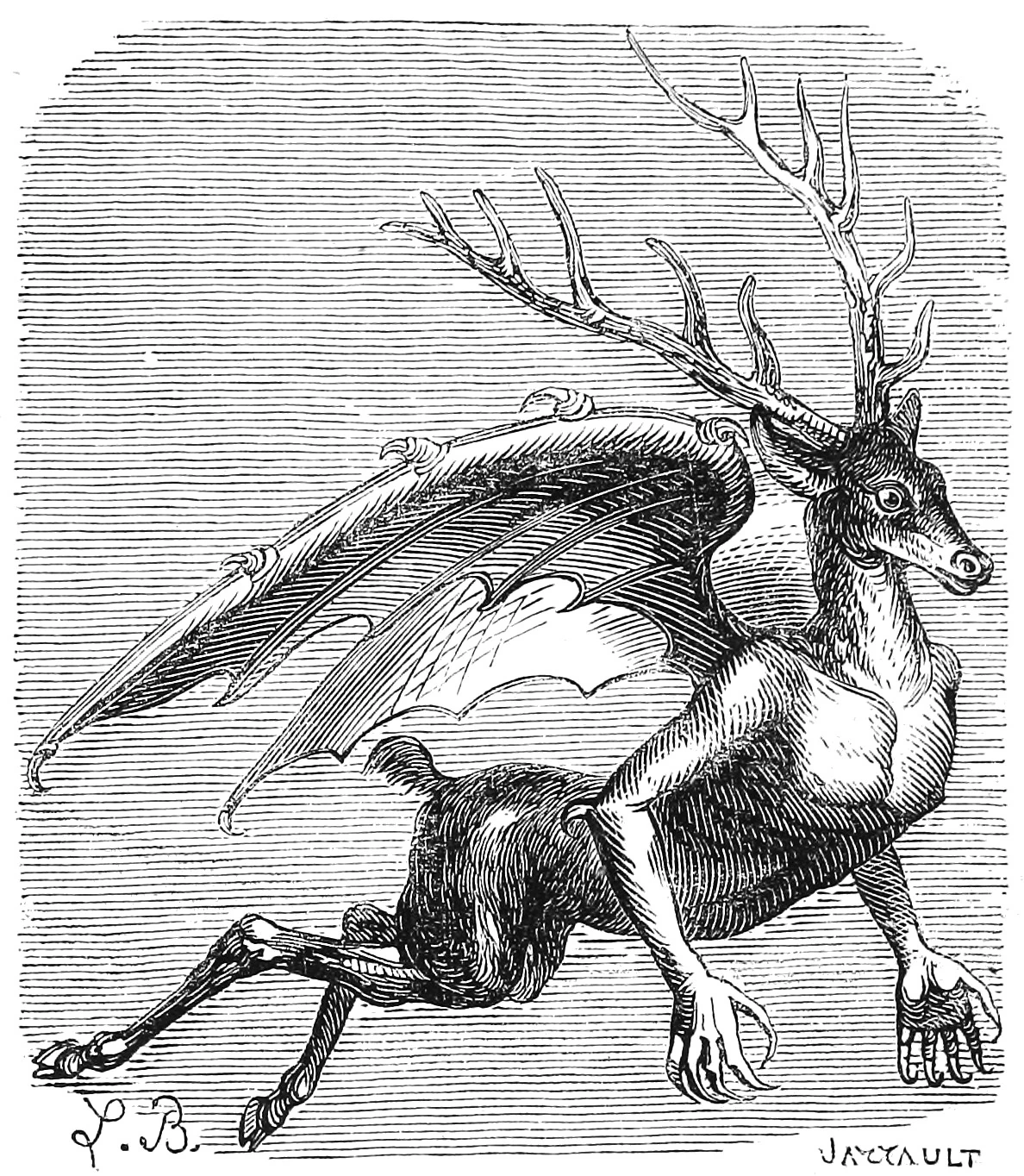
A Goetic earl depicted as a hart with a fiery tail, associated with storms and constrained answers.
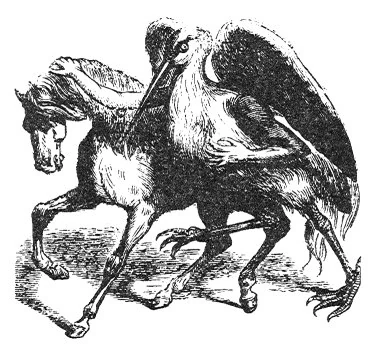
A Goetic marquis in bird form, associated with concealment, royal money, and unreliable answers.
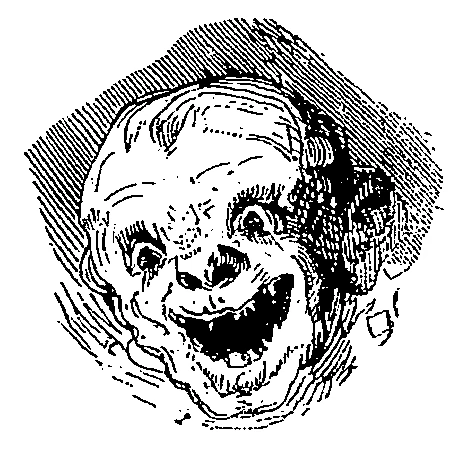
A Goetic earl associated with learned subjects, burial places, and lights at graves.
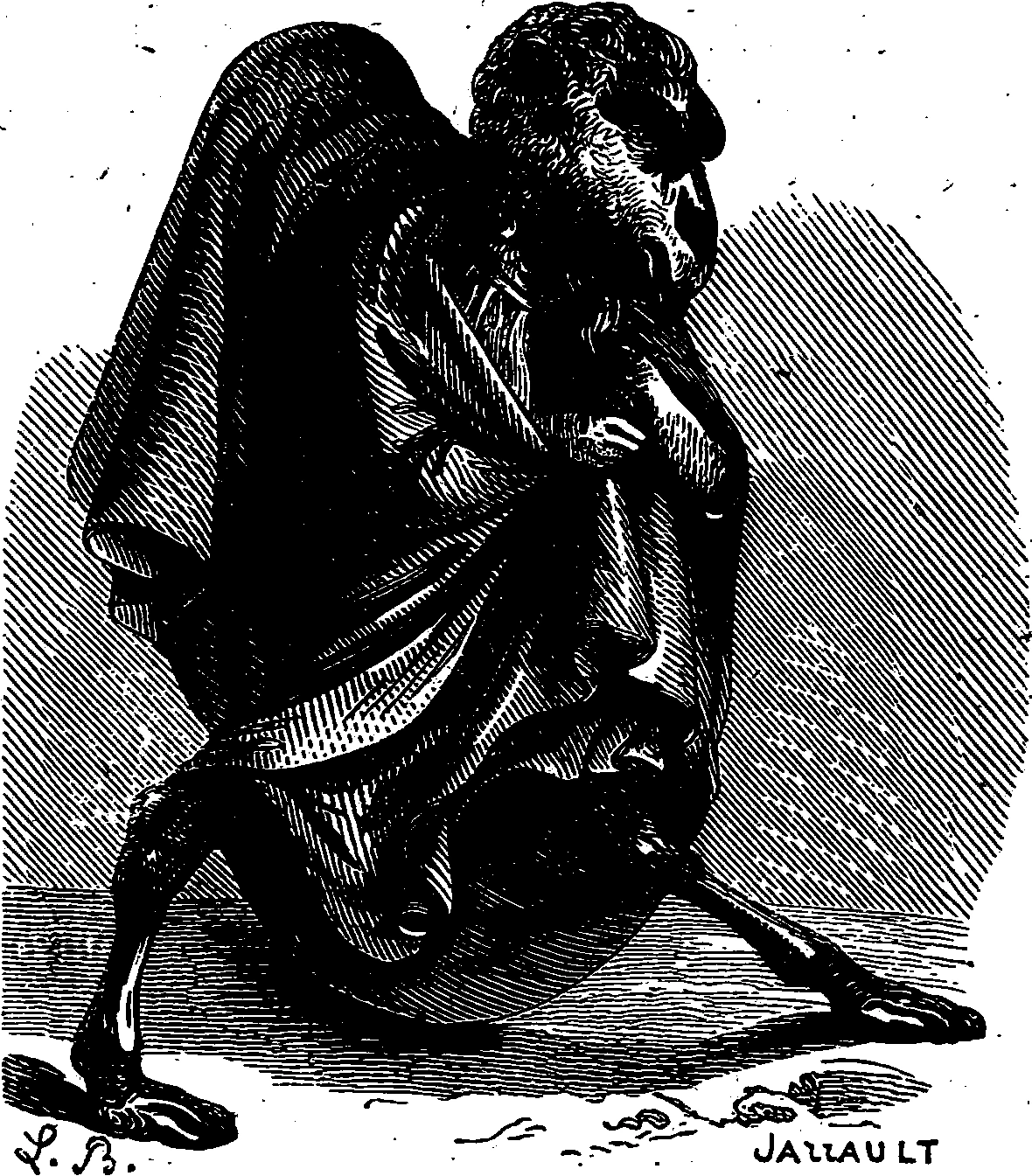
A Goetic duke first appearing as a dromedary, associated with affection, friendship, and knowledge.
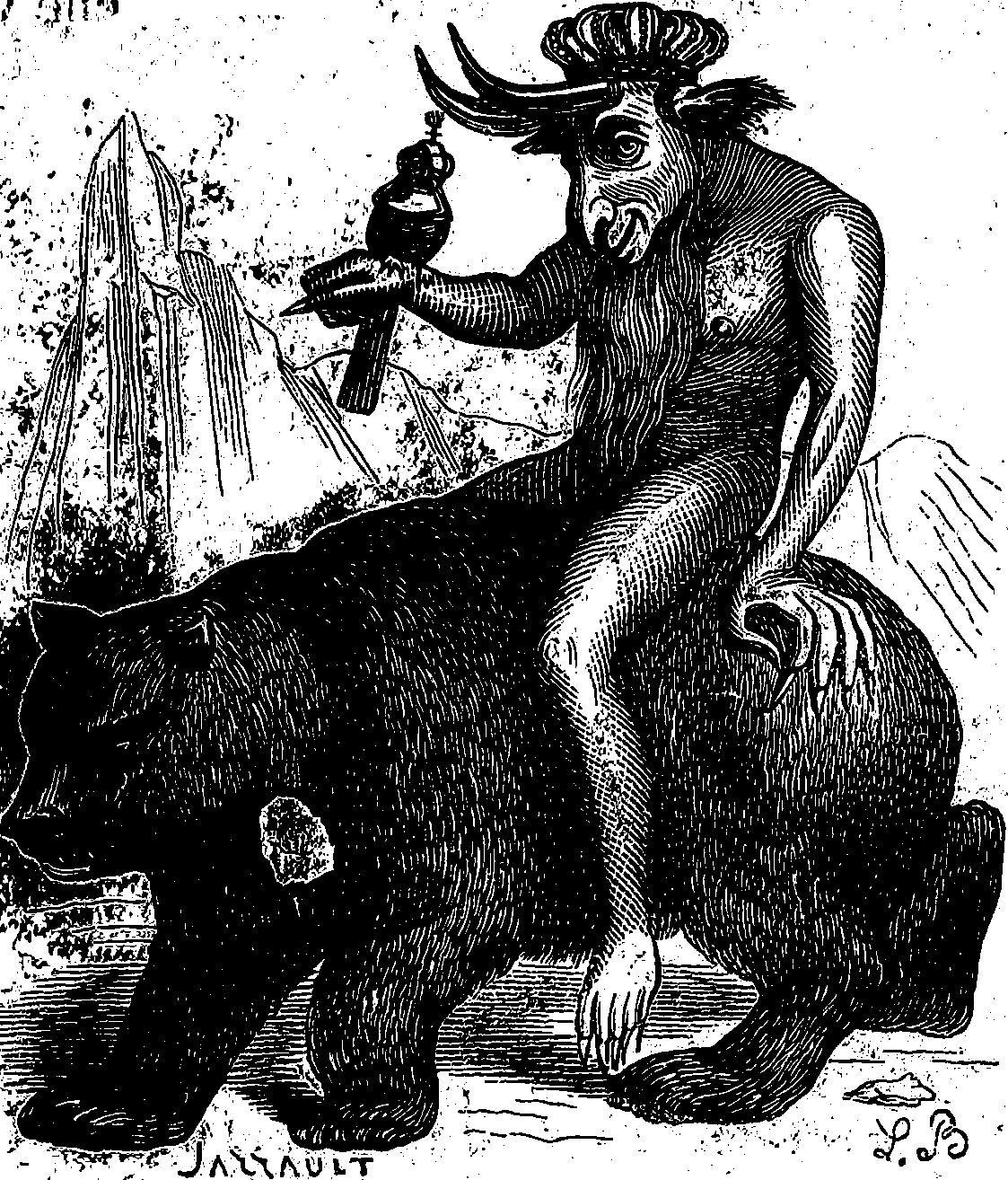
A three-headed Goetic king riding a bear, associated with answers, wit, and invisibility.

A Goetic president associated with animal voices, disputation, and answers given through burning ashes.
A Goetic prince portrayed as a horse and then a human, noted for the fidelity attributed to him.