Demonology & Spirits
Agares
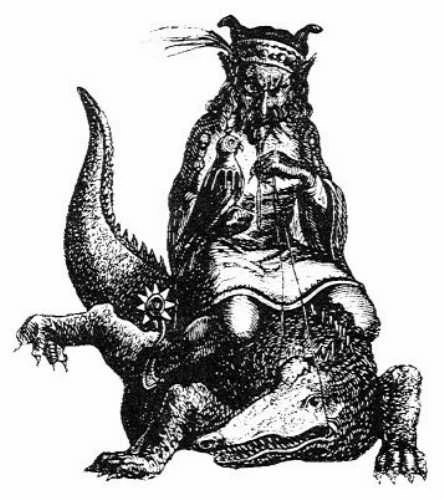
The second Goetic spirit, described as an elderly rider with a crocodile and a goshawk.
The second Goetic spirit, described as an elderly rider with a crocodile and a goshawk.
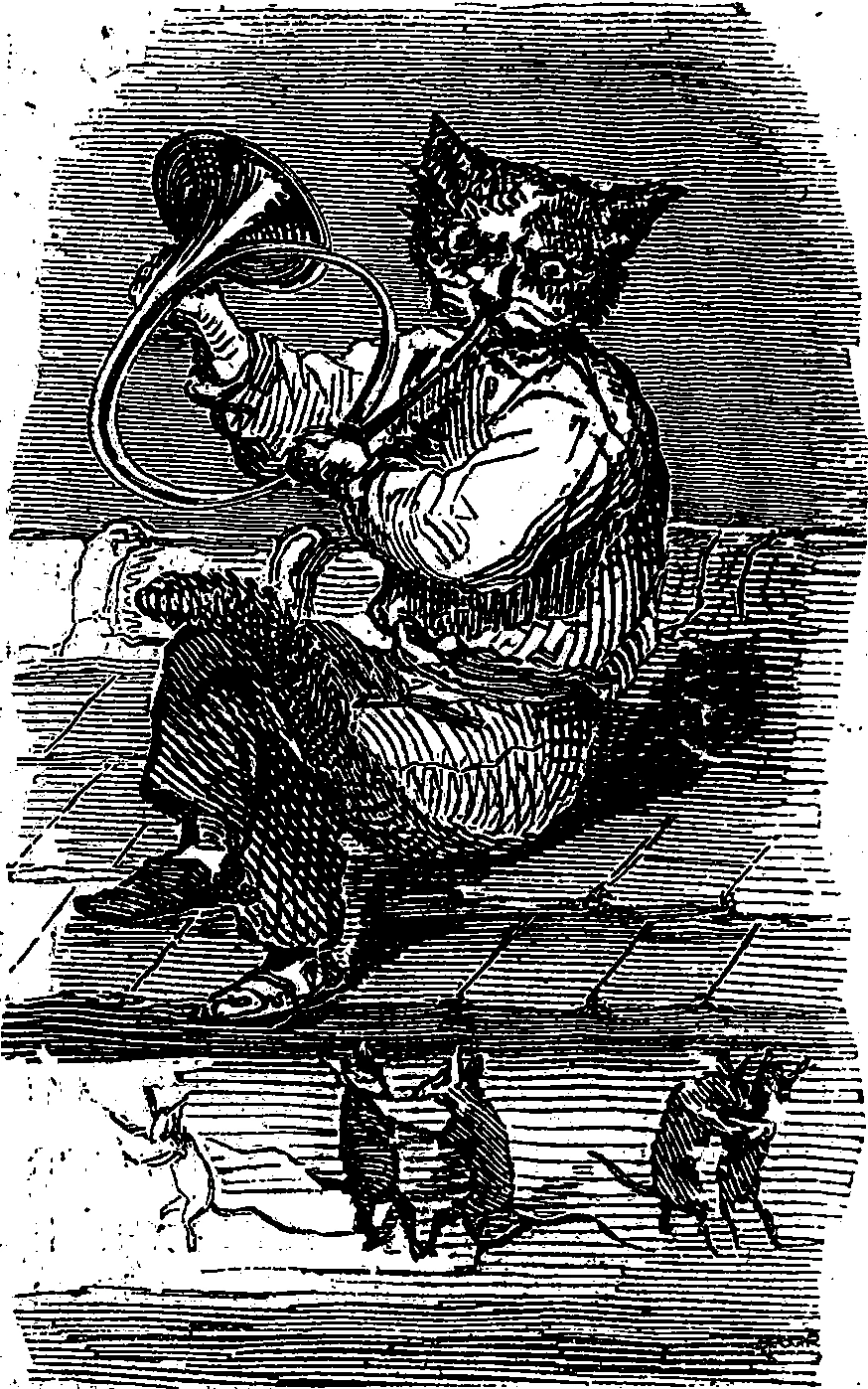
A Goetic king riding a pale horse, associated with desire and an elaborate ceremonial reception.
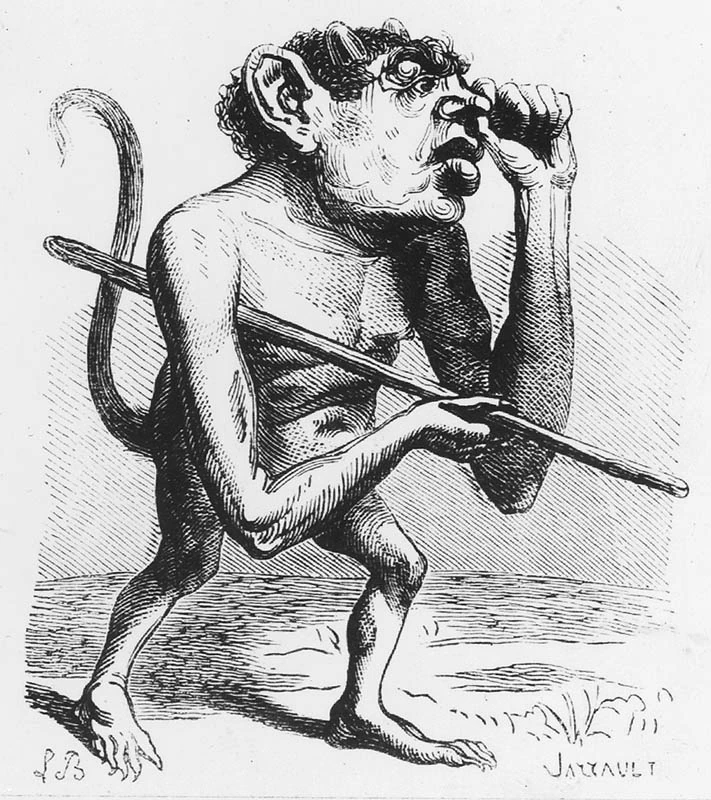
A Goetic spirit associated with rhetoric, languages, servants, and social favor.
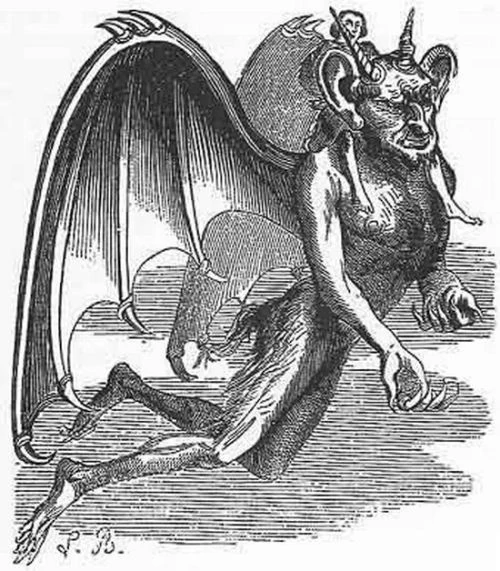
A Goetic spirit associated with learning, altered perception, familiars, and rapid travel.
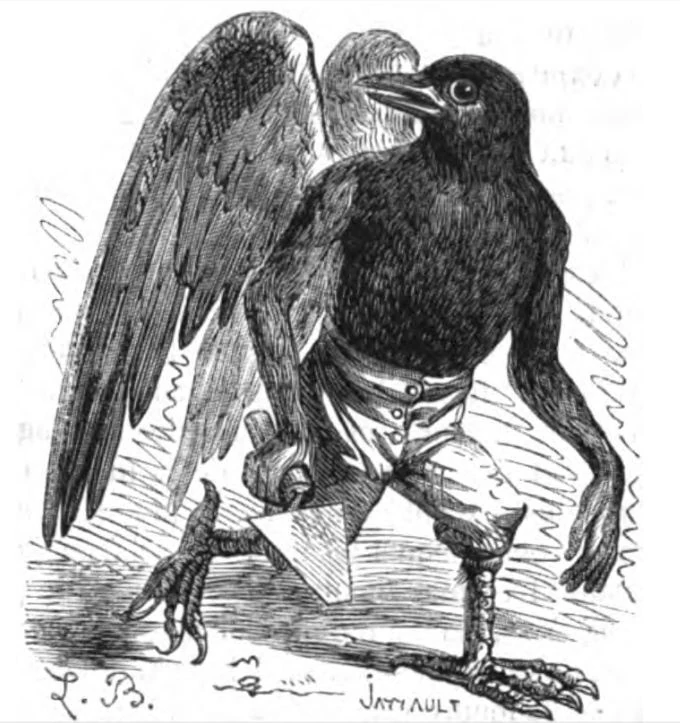
A Goetic president in a dark bird form, associated with building and a warning about offerings.
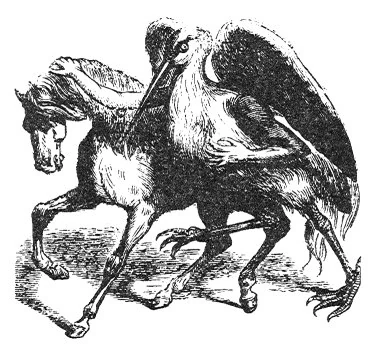
A Goetic marquis in bird form, associated with concealment, royal money, and unreliable answers.
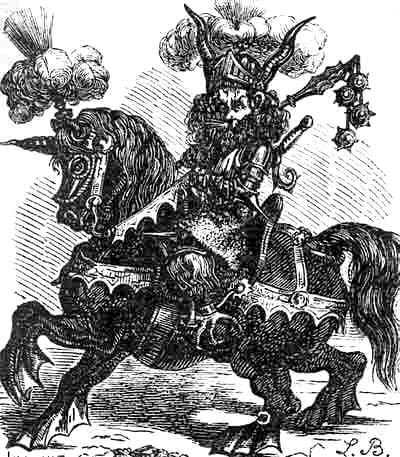
A lion-faced Goetic duke who teaches astronomy and the liberal sciences.

A Goetic president associated with animal voices, disputation, and answers given through burning ashes.
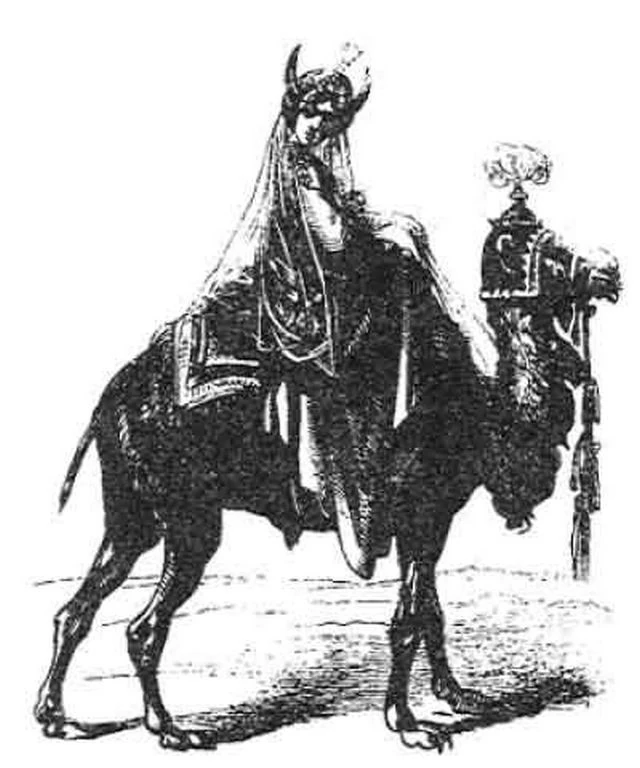
A Goetic duke depicted as a woman on a camel, associated with hidden knowledge, treasure, and attraction.
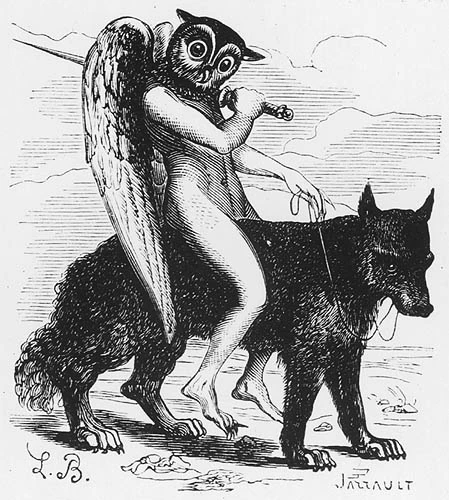
A Goetic marquis portrayed with a bird's head on a wolf, associated with discord and a warning of danger.
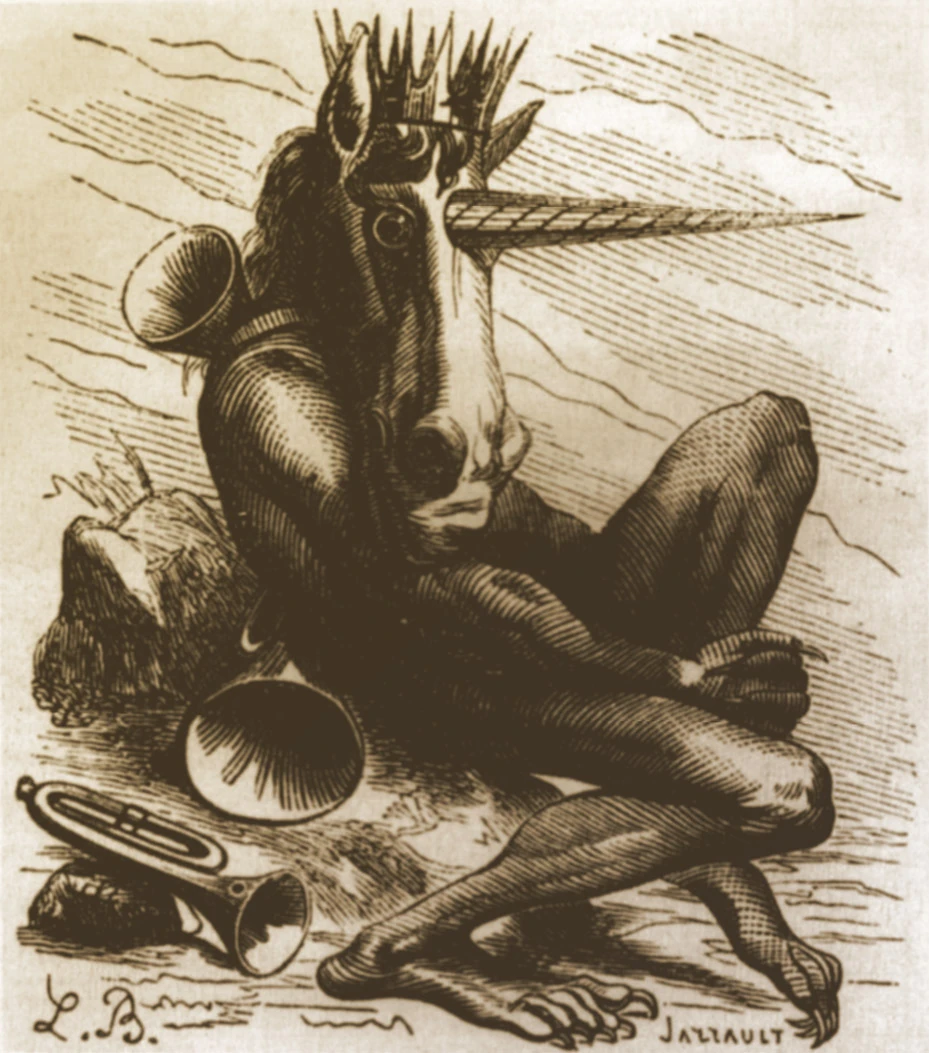
A unicorn-shaped Goetic duke associated with unseen music, bending trees, and familiars.
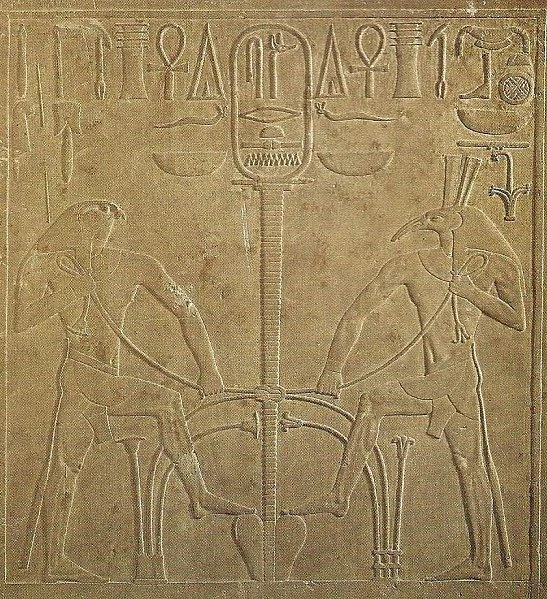
The religious philosophy associated with the Temple of Set, the Egyptian name Set, and the idea of Xeper.

Anton LaVey’s 1969 book of Satanic philosophy and ritual, foundational to the Church of Satan.
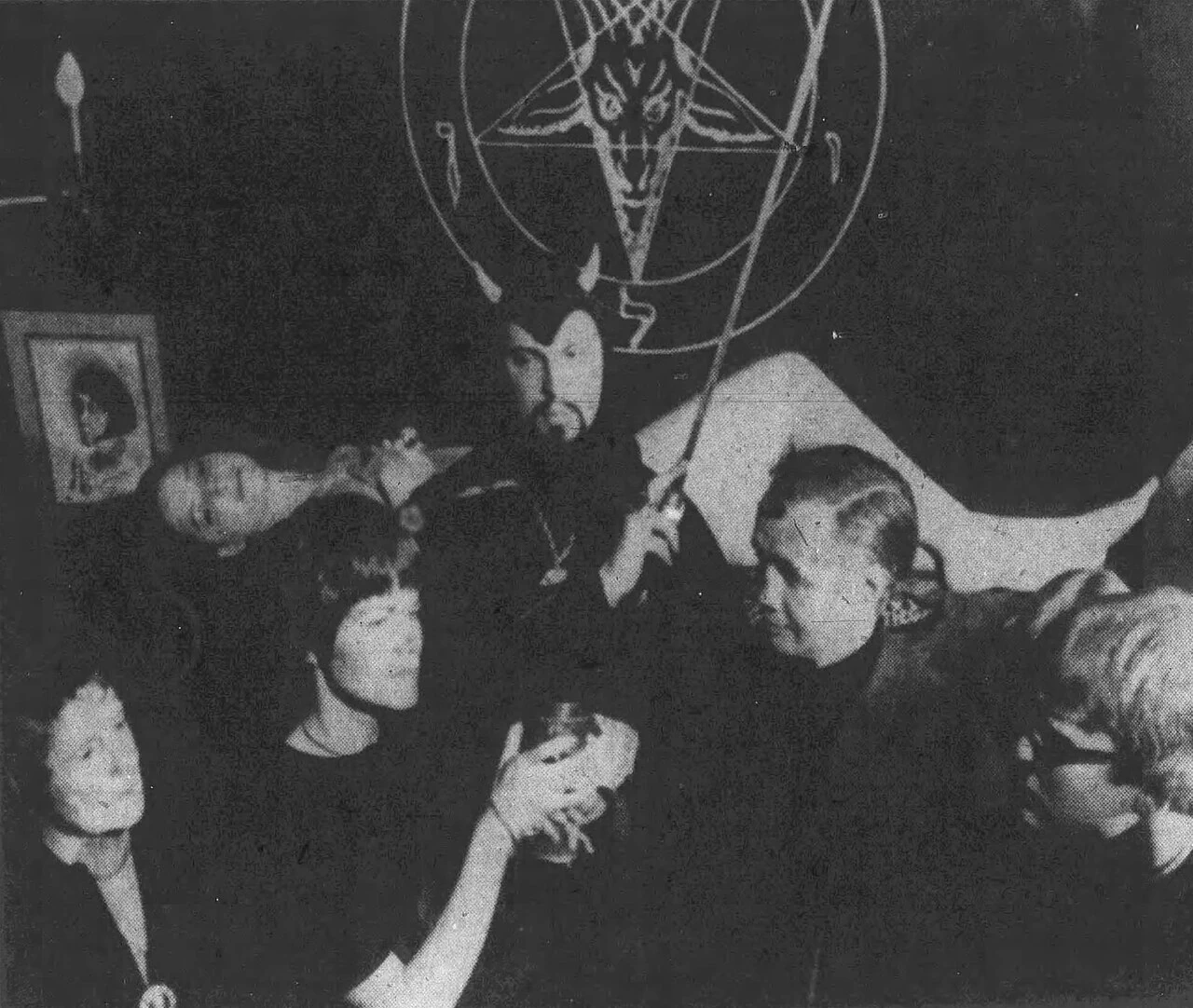
Anton LaVey’s collection of ceremonial material, published as a companion to The Satanic Bible.
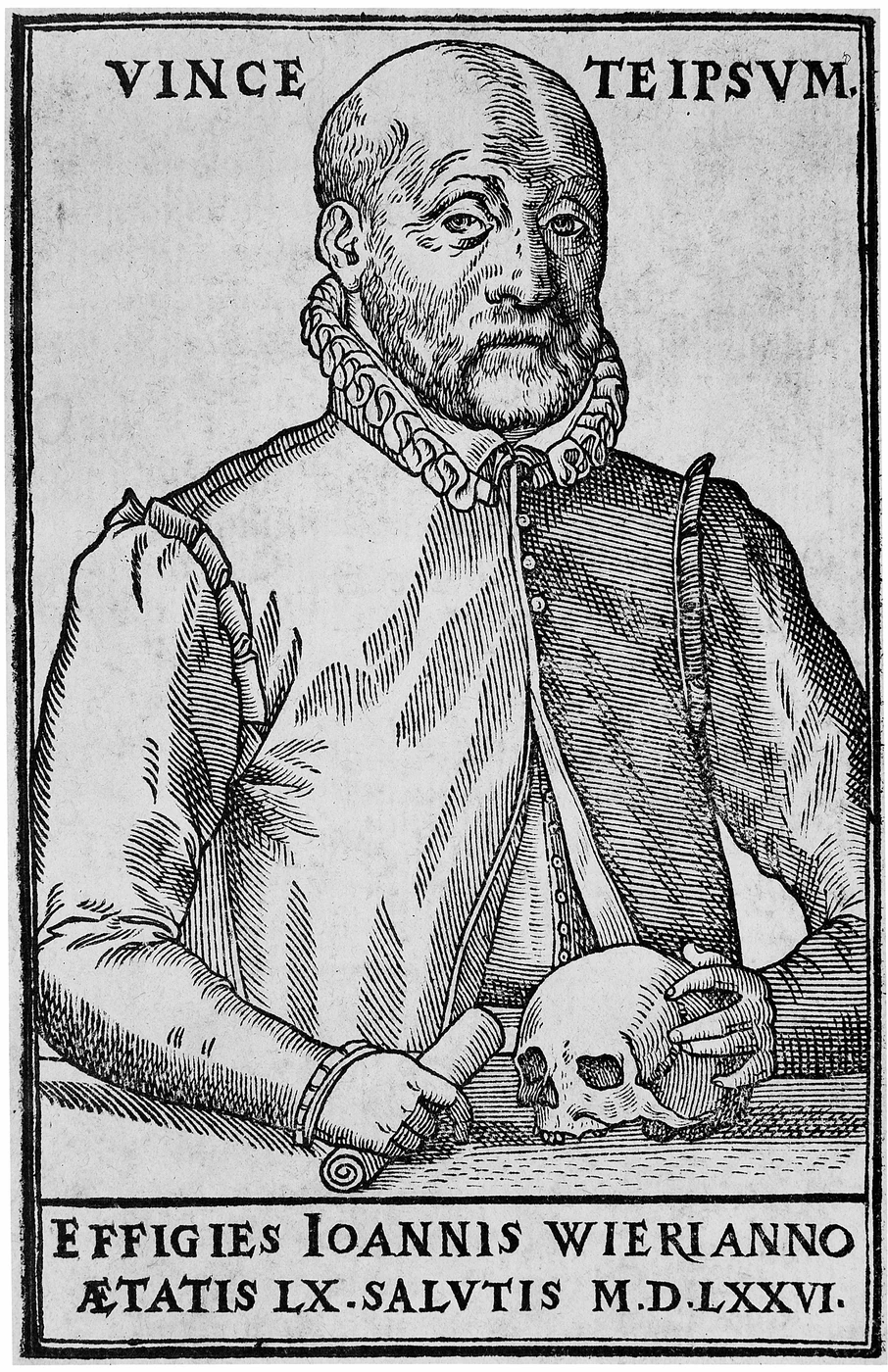
The physician and author whose Pseudomonarchia daemonum supplied an important source for later spirit catalogues.
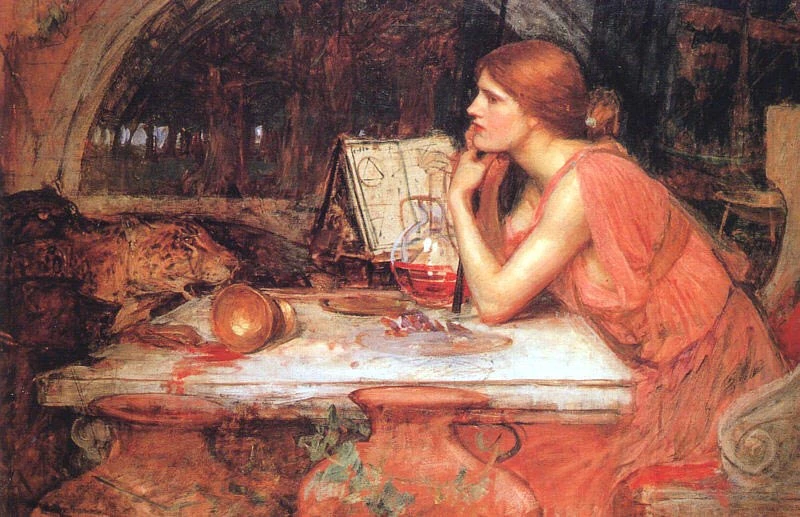
Ceremonies intended to clear, delimit, or reorder a ritual setting, with methods that vary by tradition.
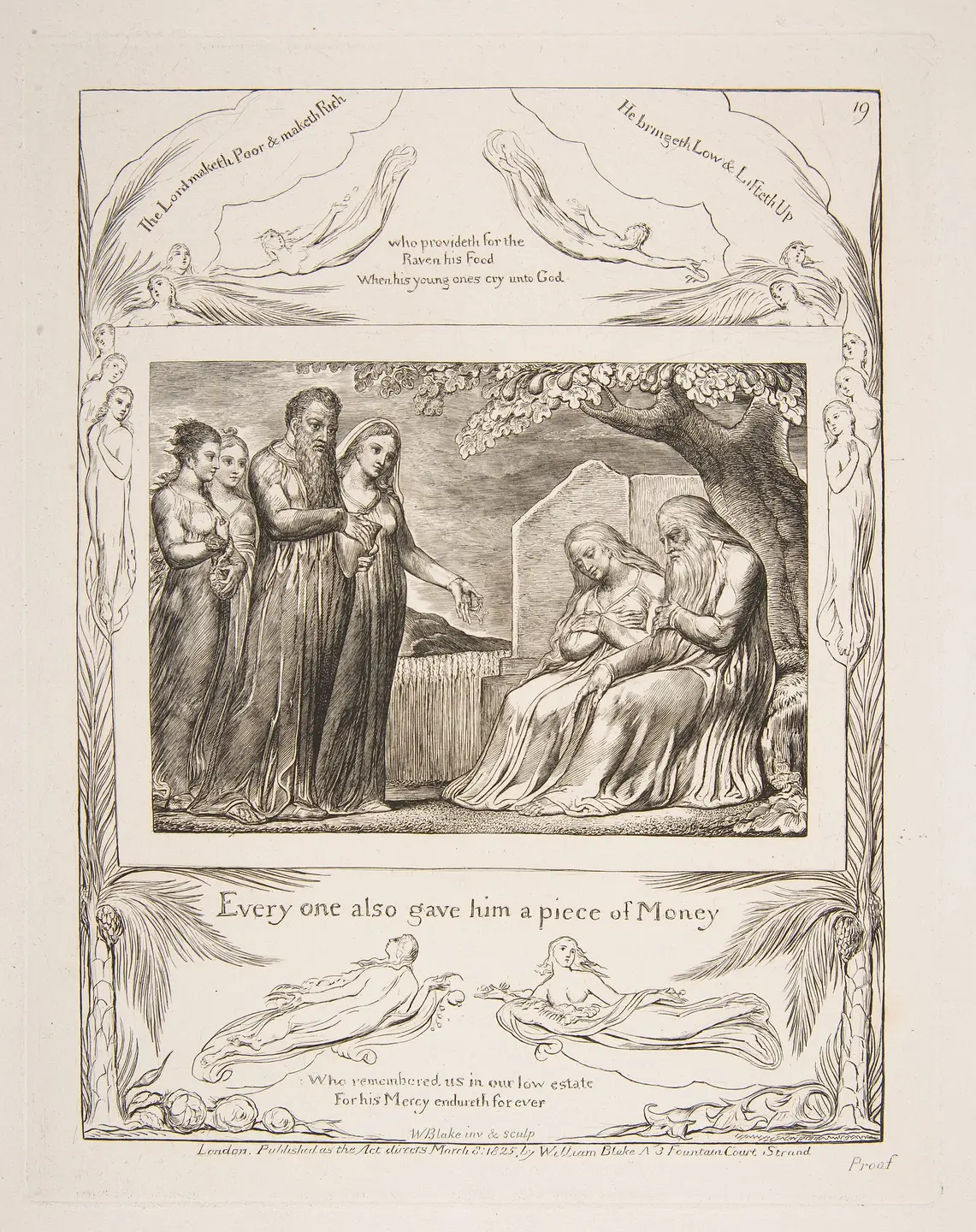
Ethics in theistic Satanism concerns the moral principles, responsibilities, virtues, prohibitions, and methods of judgement developed by Satanists who regard Satan or related beings as real rather than purely symbolic. There is no universal Satanic ethical code. Theistic Satanism is decentralized, and its practitioners may draw on personal conscience, religious devotion, philosophical individualism,…
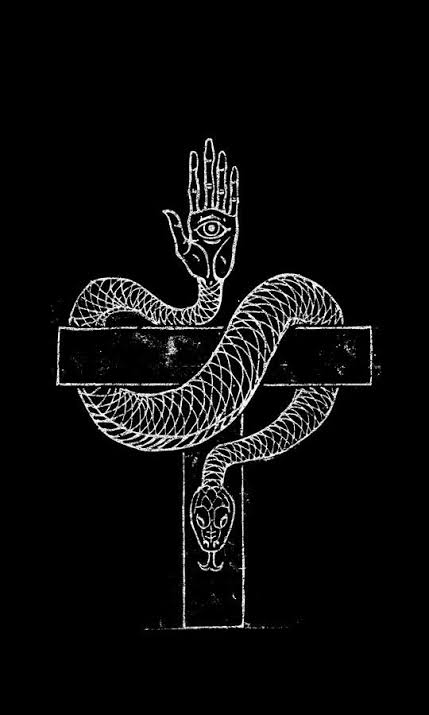
The left-hand path is a modern esoteric category used for religious and magical currents that emphasize themes such as individual self-direction, antinomianism, self-deification, initiatory transformation, or deliberate engagement with symbols rejected by dominant religious culture. It overlaps with some forms of Satanism, Luciferianism, Setianism, and modern occultism, but the terms are not synonymous.
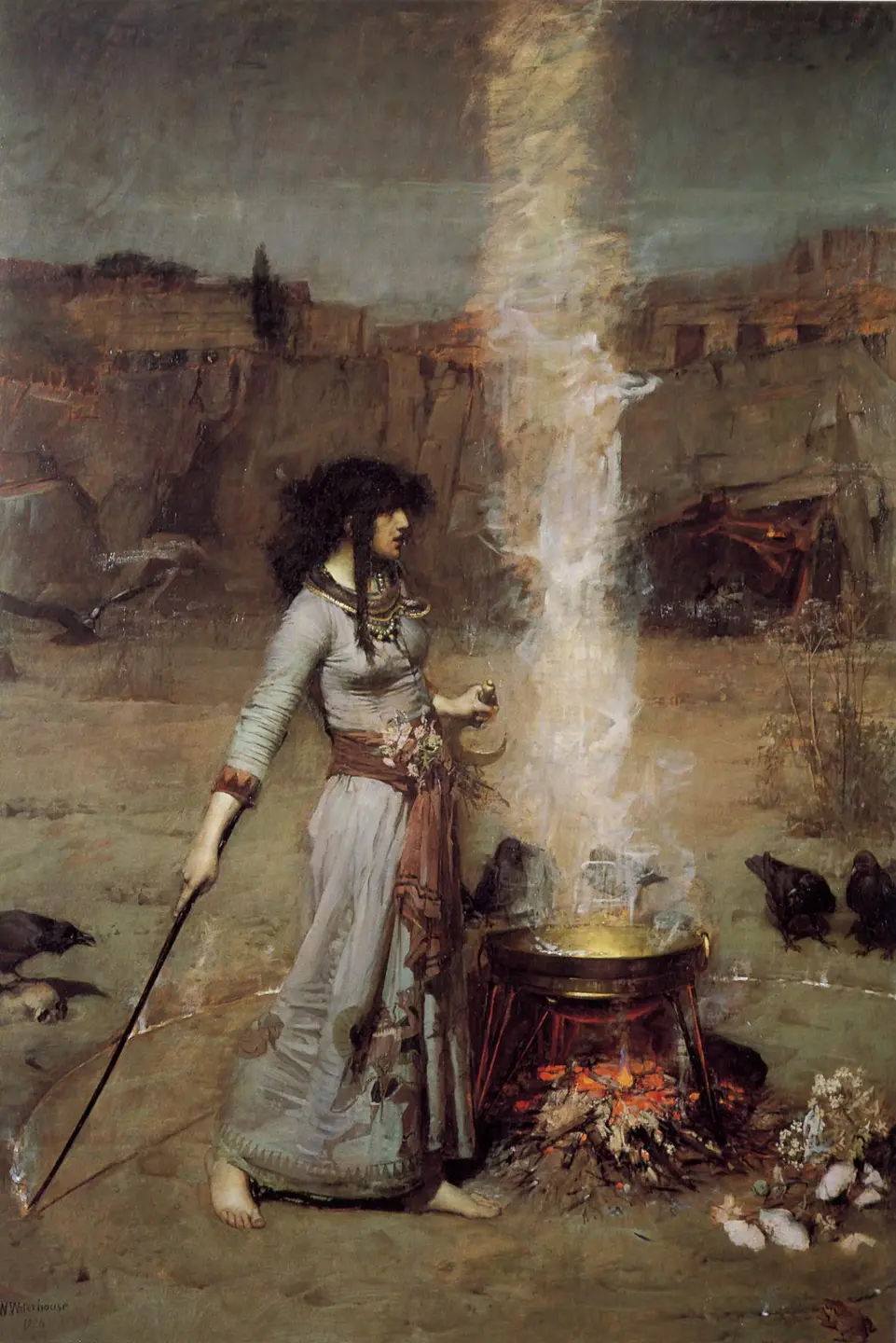
Demonolatry refers to devotion to demons or daemonic beings. Modern accounts vary in theology, authority, and their relationship with historical grimoires.
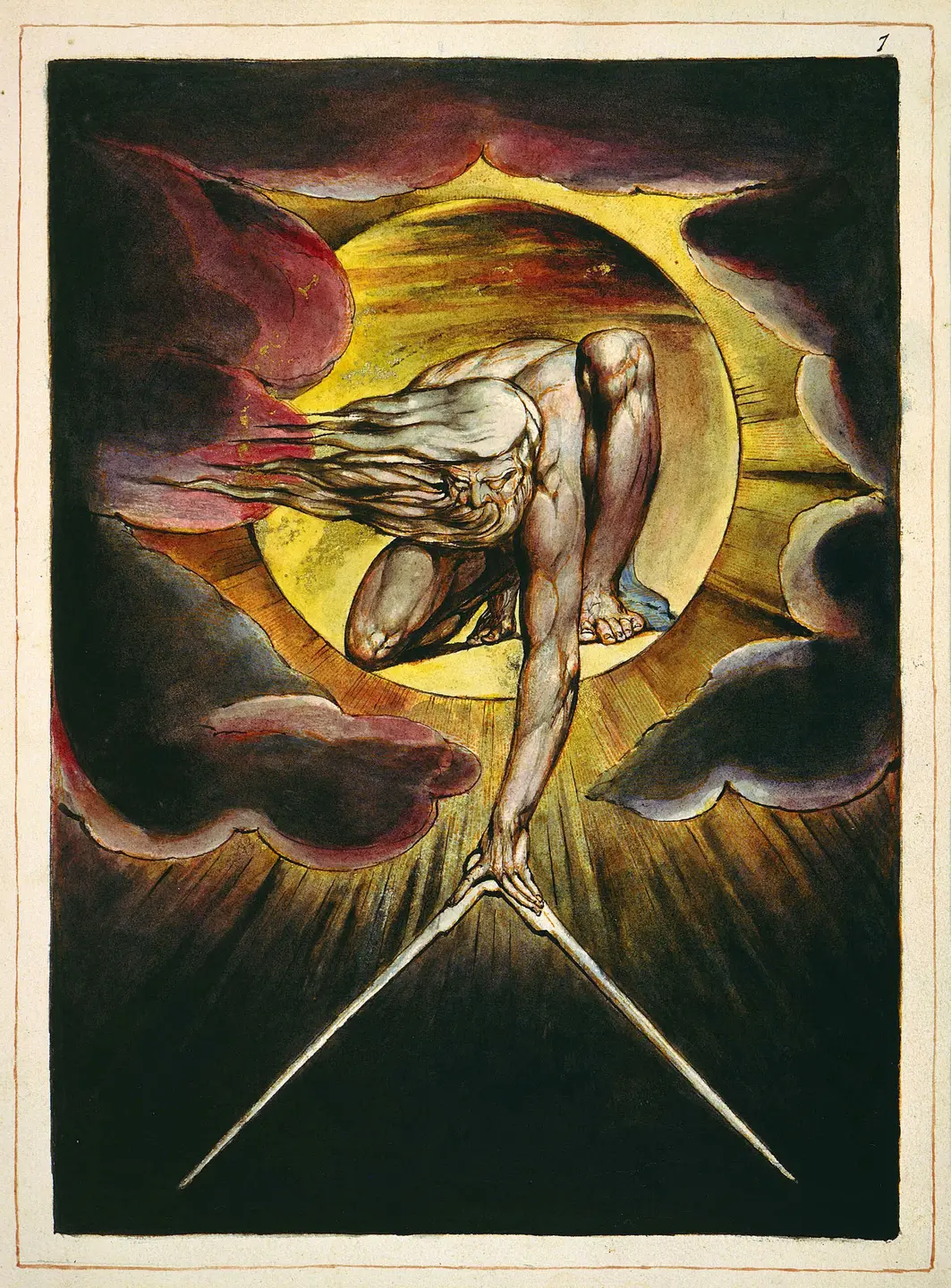
Religious discernment concerns how experiences are interpreted and assessed. An immediate event, a theological explanation, and a claim about another person require different kinds of evidence.