Texts & Sources
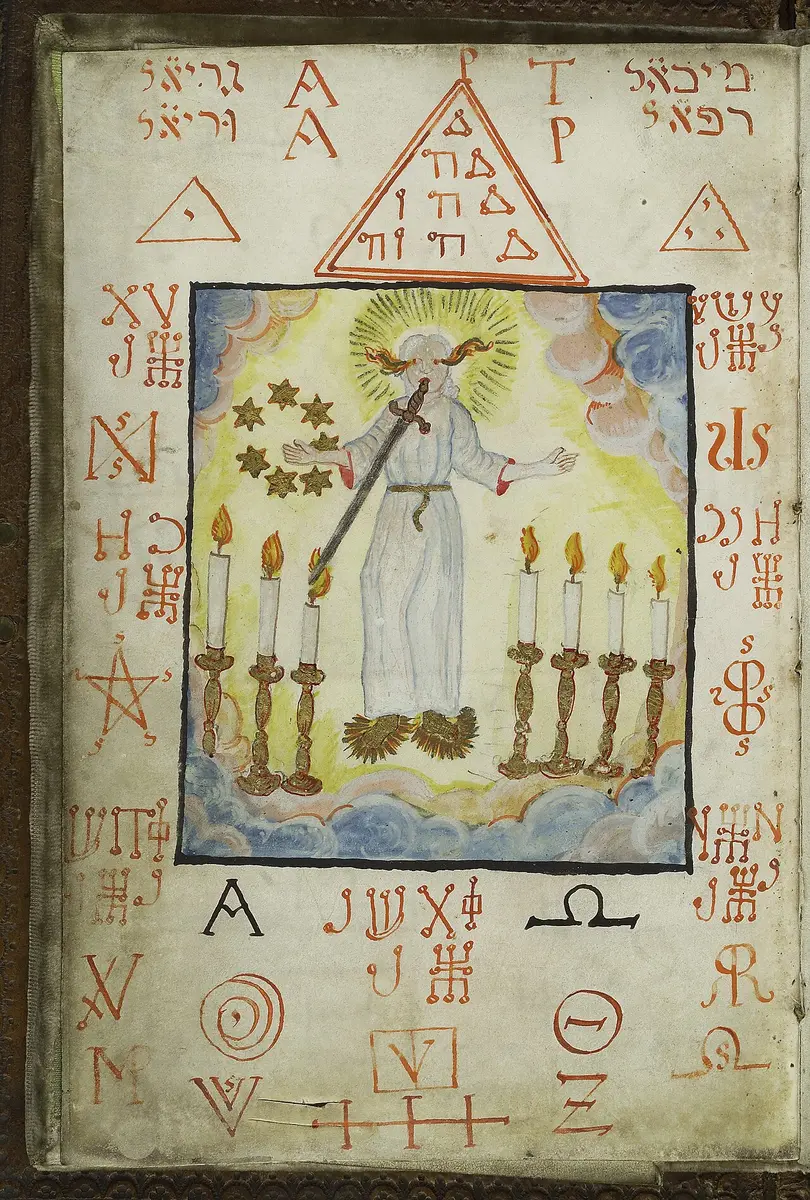
Third Enoch
The Hebrew Enochic work associated with heavenly palaces and Enoch’s transformation into Metatron.
The Hebrew Enochic work associated with heavenly palaces and Enoch’s transformation into Metatron.
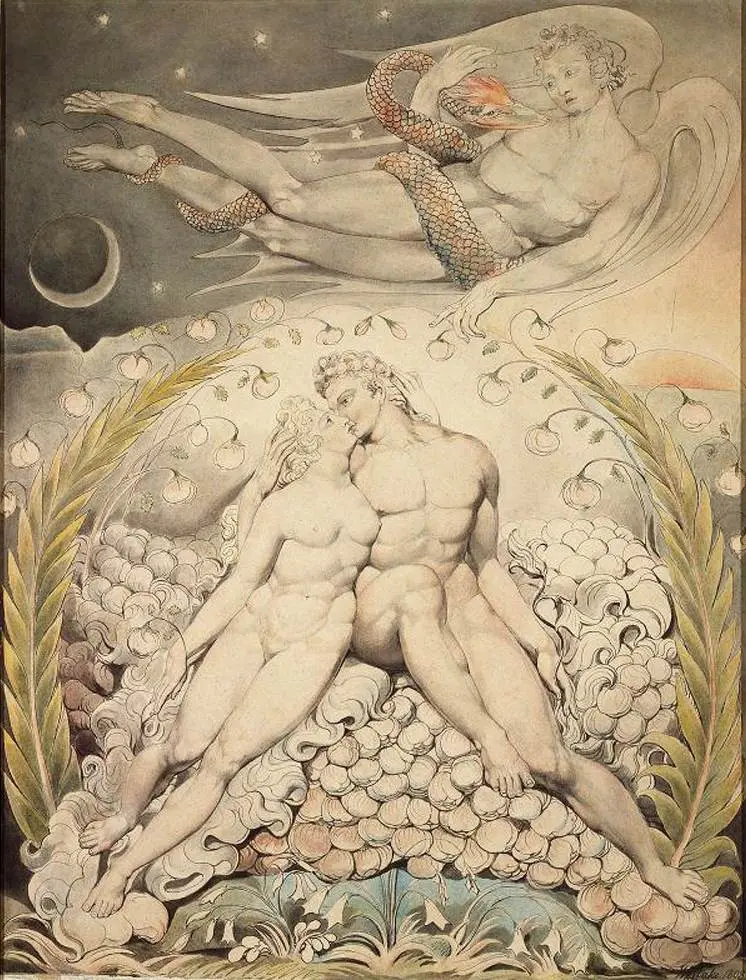
Religions that give Satan a central symbolic or divine role, with substantial differences in belief and practice.
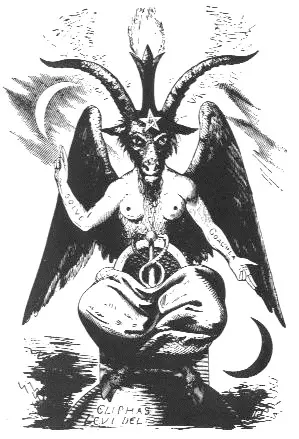
The images, names, and gestures used by Satanic traditions, whose meanings depend on their religious and historical setting.
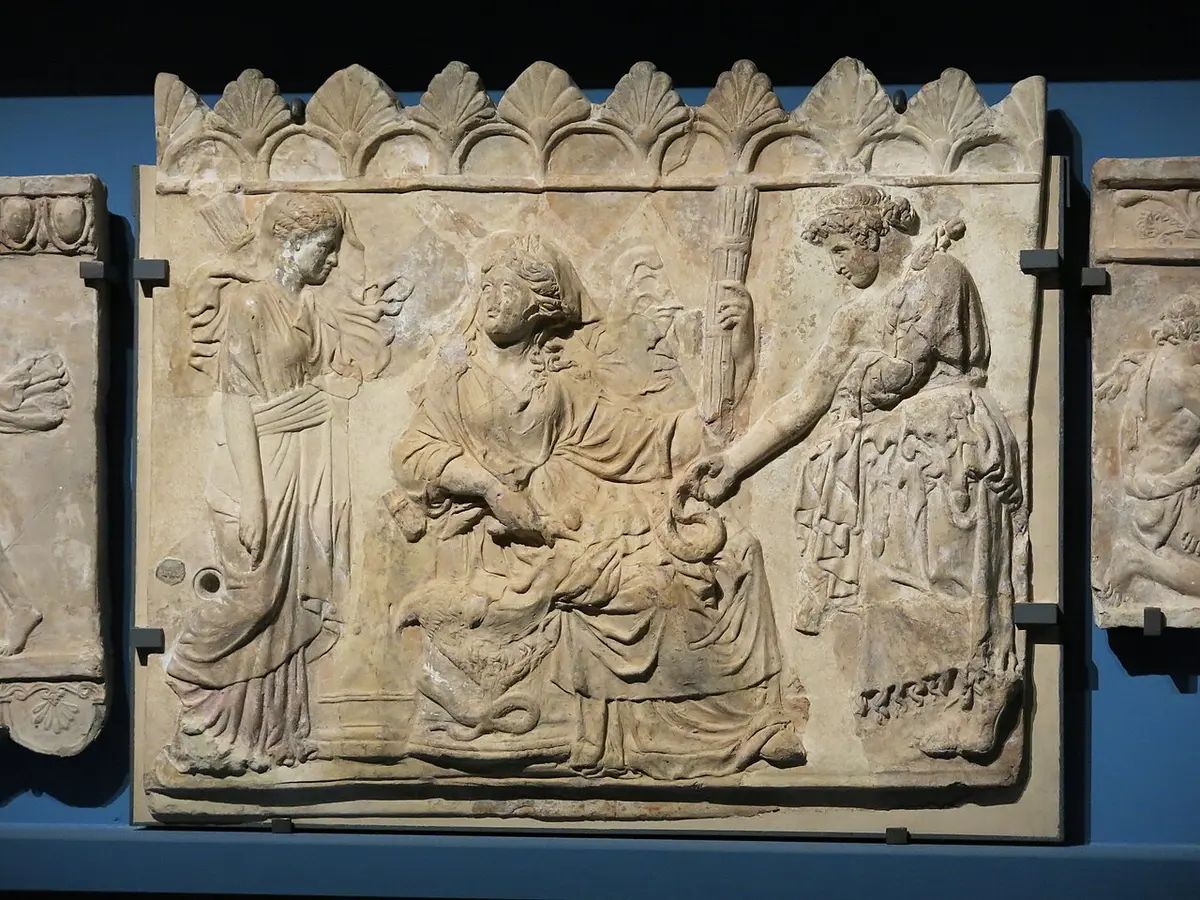
Entry into a religious or esoteric path through ceremony, instruction, recognition, and lived development.
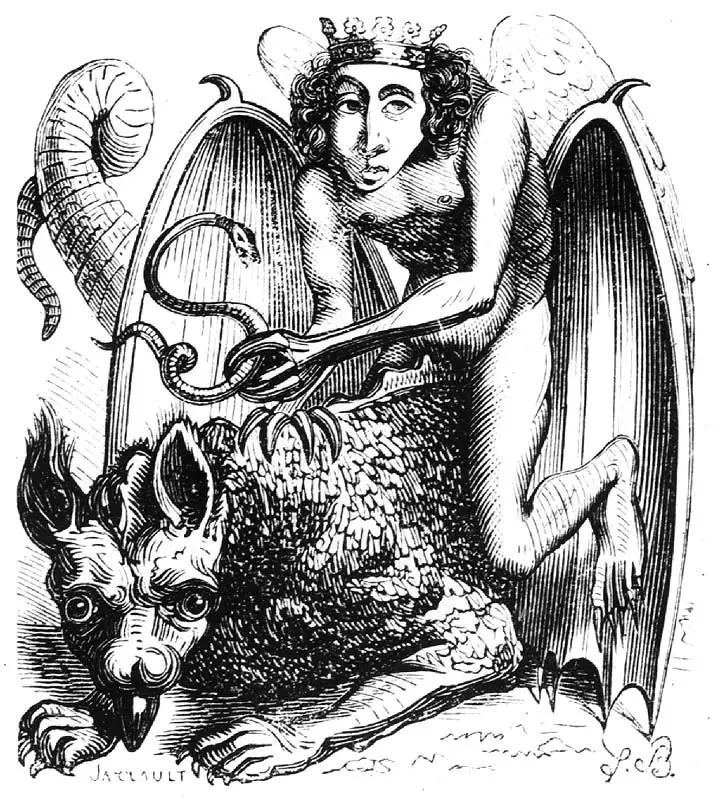
Astaroth appears in early modern spirit catalogues and later illustrated demonology. Source editions matter when comparing the figure’s rank, appearance, and supposed knowledge.
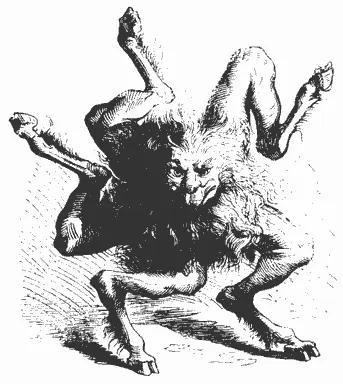
Buer is a spirit associated in magical catalogues with learning and healing. The well-known radial illustration belongs to later printed demonology.
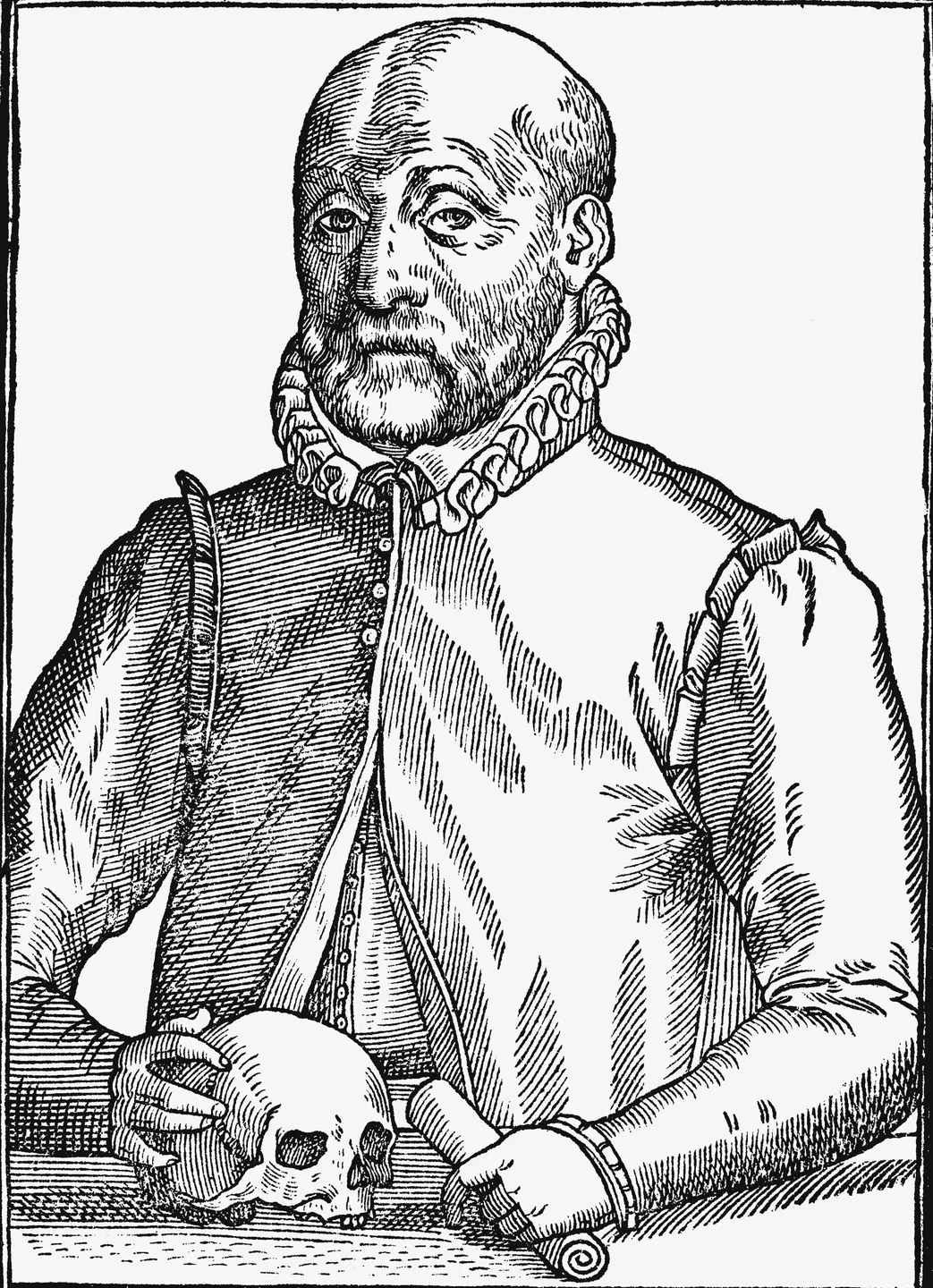
Pseudomonarchia Daemonum is a spirit catalogue associated with Johann Weyer. Its transmission helps explain similarities and differences in the later Ars Goetia.
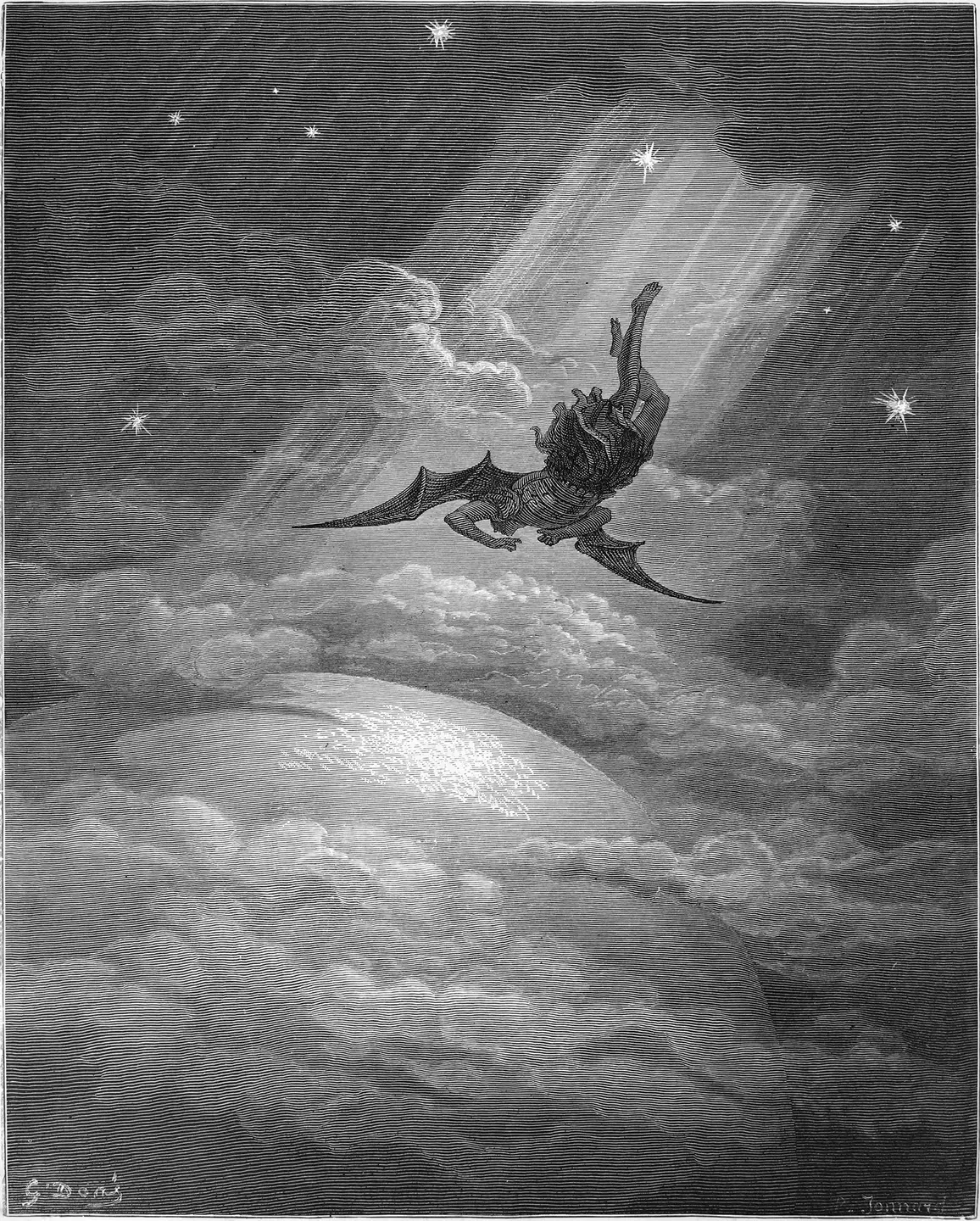
Luciferianism describes different religious and philosophical approaches that give Lucifer a positive role. Belief, practice, and identity vary among writers and communities.
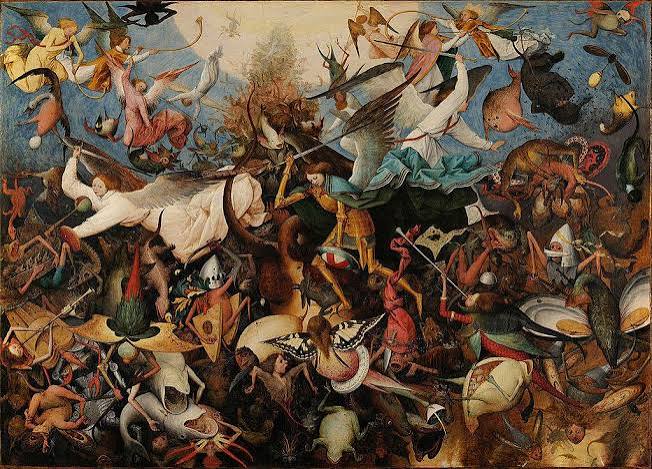
Fallen angels are heavenly beings portrayed as losing their place or proper condition through transgression. Enochic descent, Satan’s refusal to honor Adam, and the war in Revelation are distinct accounts that later interpretation can bring together.
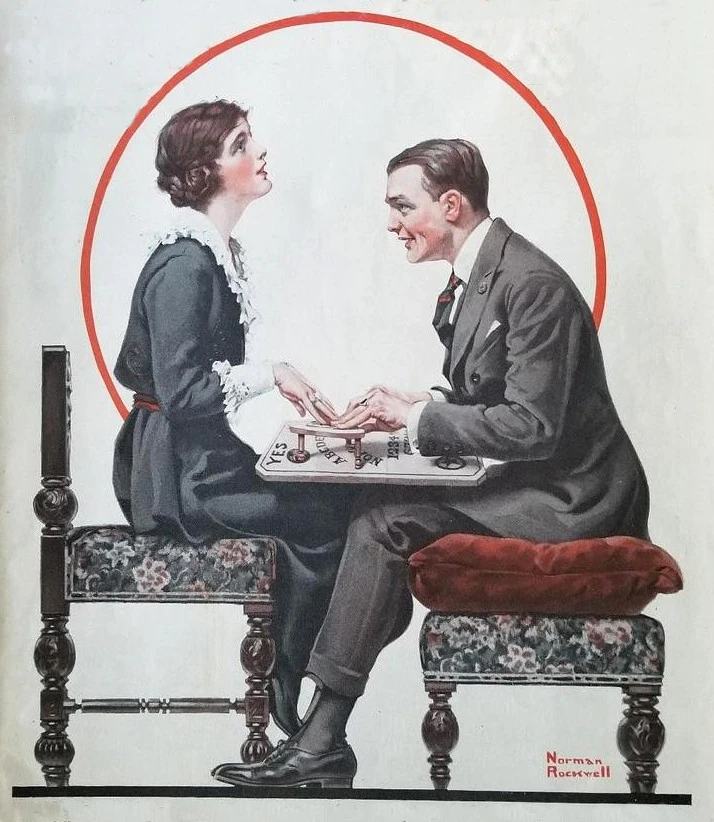
The patented talking-board game, its pointer and commercial history, and research on ideomotor movement and implicit memory.
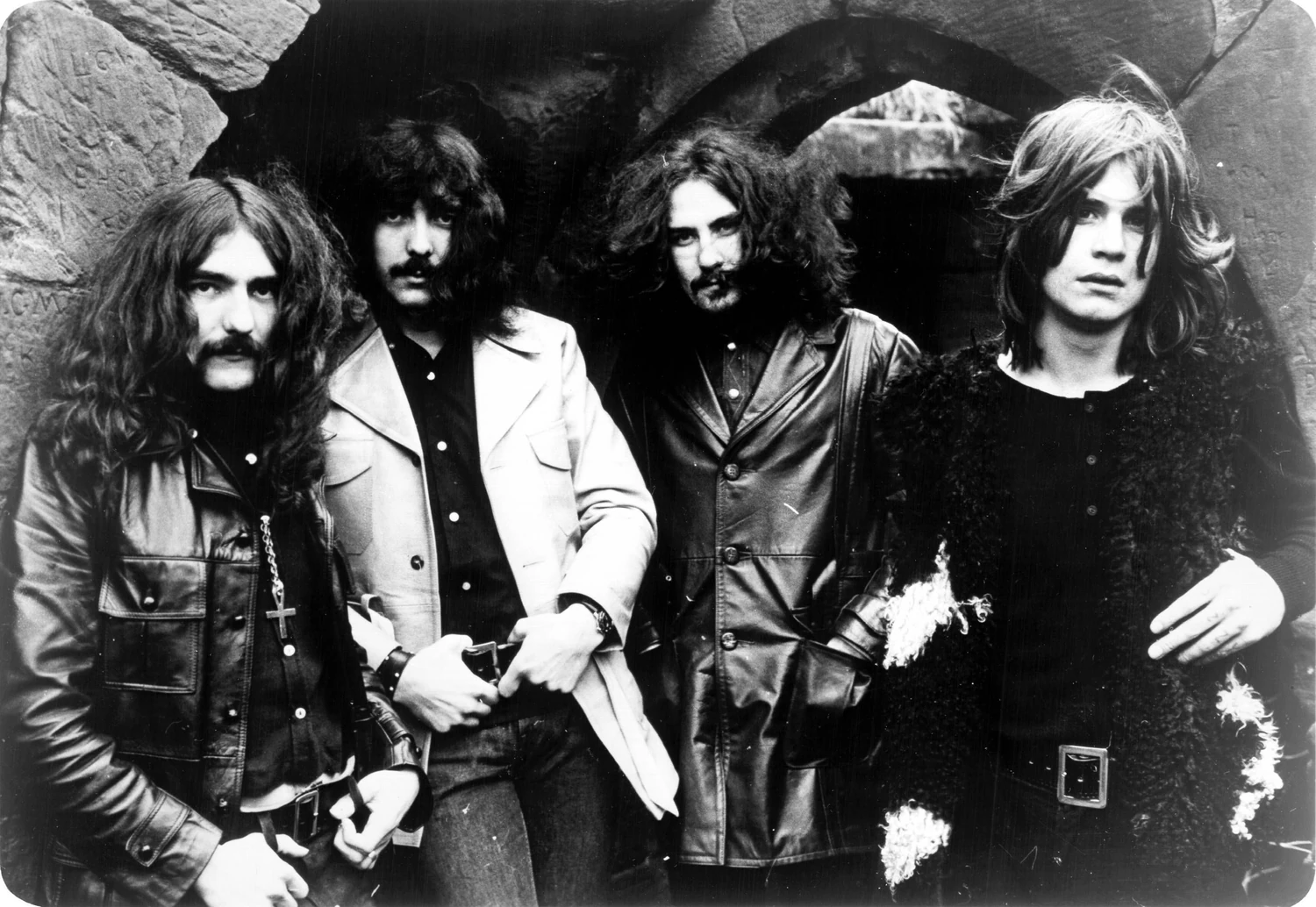
How Black Sabbath and Venom used dark or Satanic imagery, and why a song, stage character, and religious affiliation are different evidence.
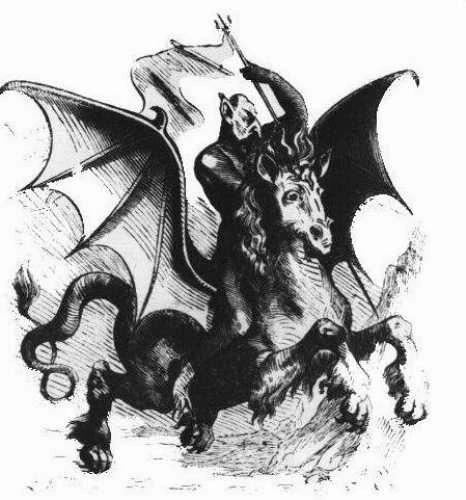
A Goetic duke depicted as a knight, associated with hidden matters, battles, and favor from powerful people.
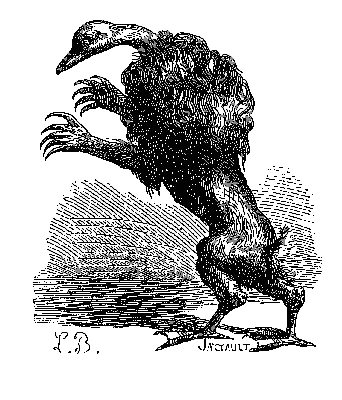
A Goetic spirit with an angelic body, lion head, goose foot, and hare tail, associated with knowledge and boldness.
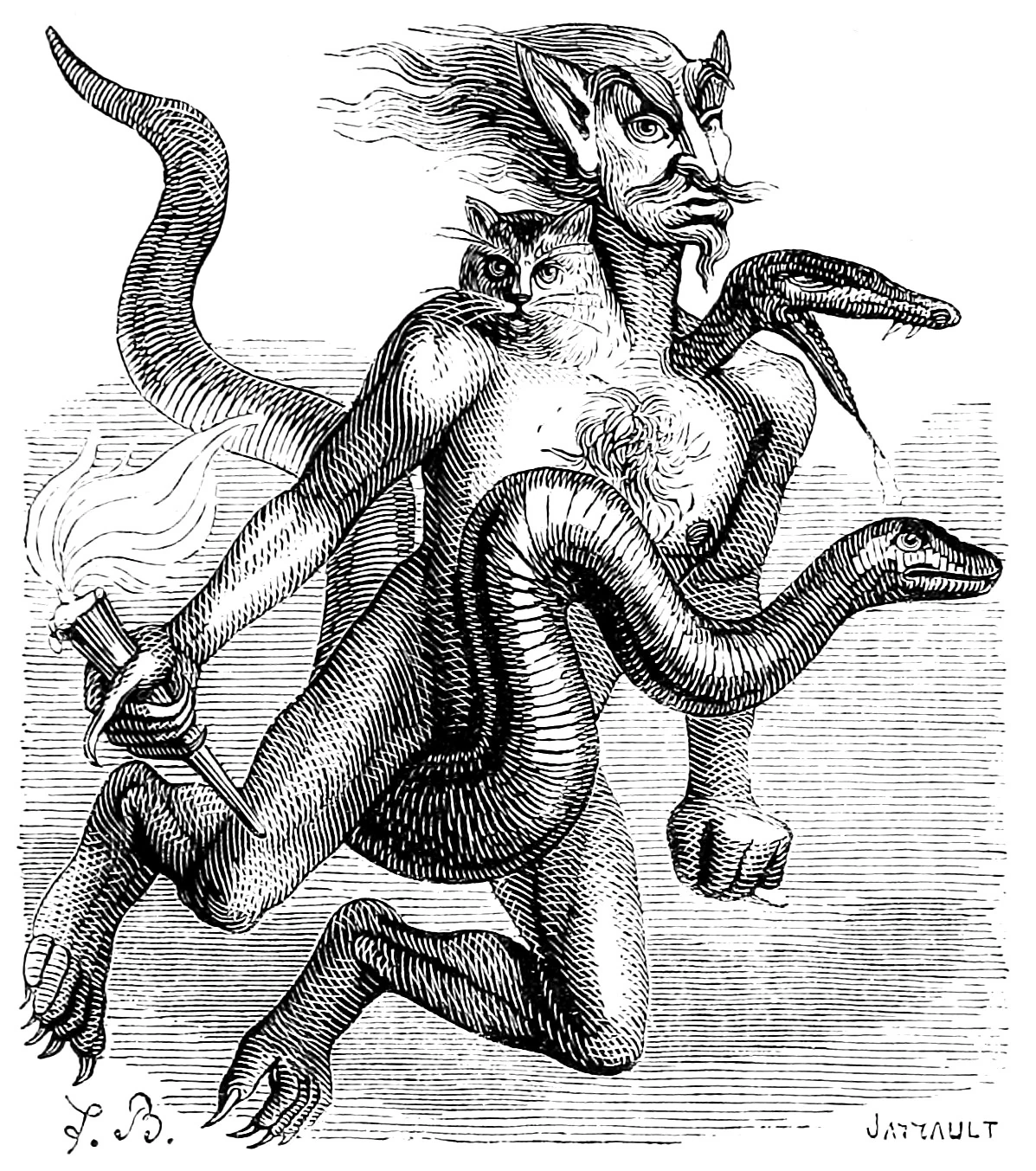
A Goetic duke with three heads, a serpent mount, and a firebrand, associated with fire and private questions.
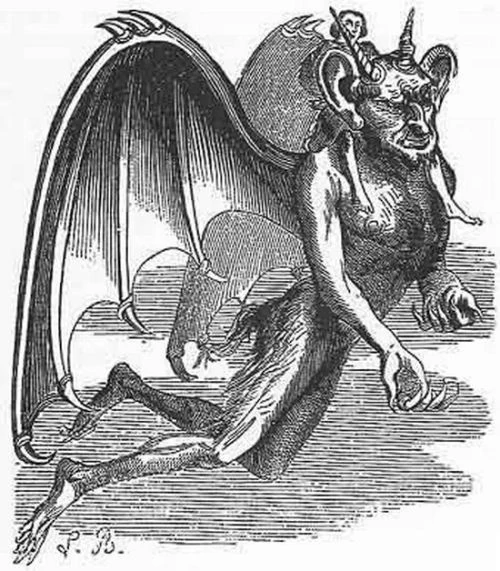
A Goetic spirit associated with learning, altered perception, familiars, and rapid travel.
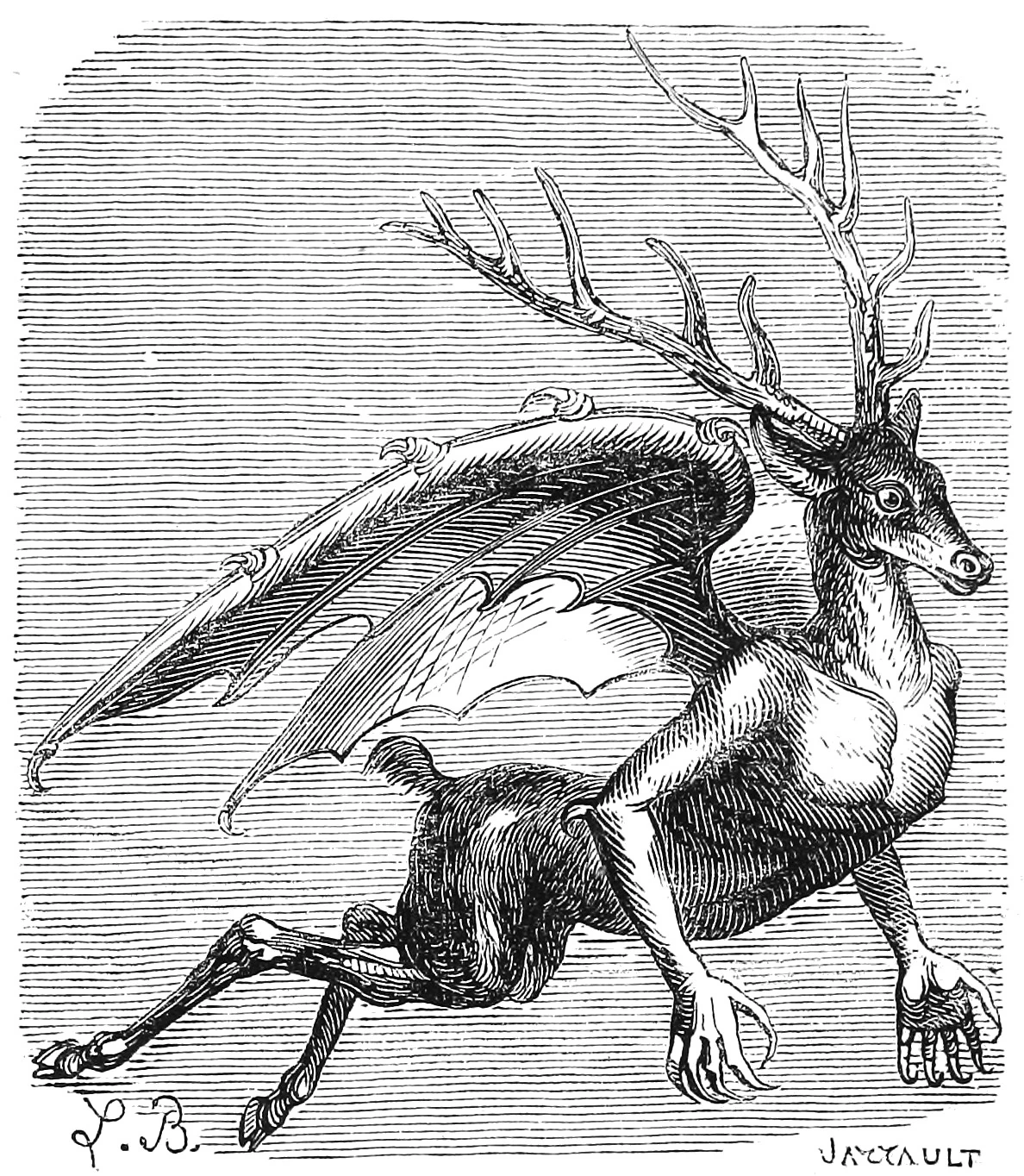
A Goetic earl depicted as a hart with a fiery tail, associated with storms and constrained answers.
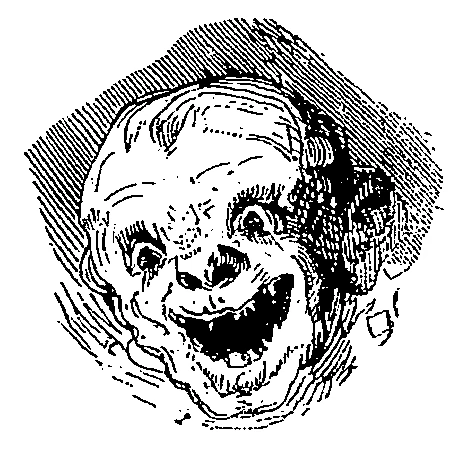
A Goetic earl associated with learned subjects, burial places, and lights at graves.
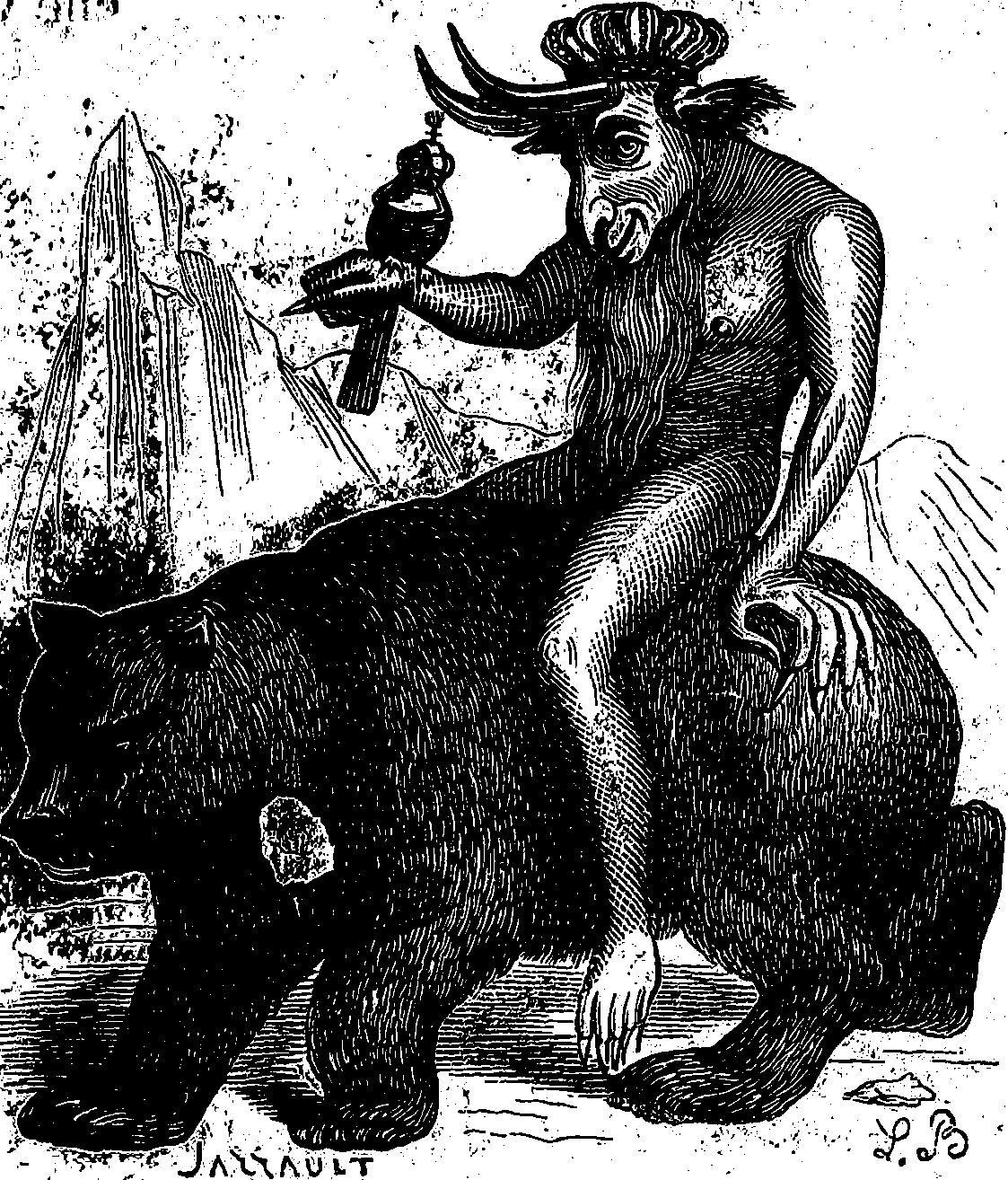
A three-headed Goetic king riding a bear, associated with answers, wit, and invisibility.
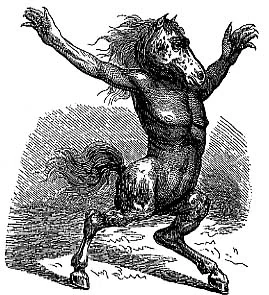
A Goetic prince portrayed as a horse and then a human, noted for the fidelity attributed to him.
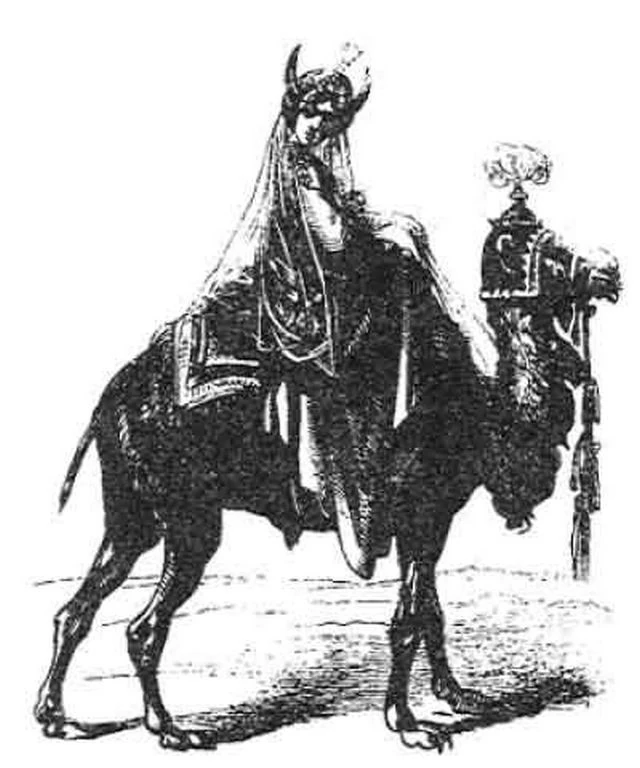
A Goetic duke depicted as a woman on a camel, associated with hidden knowledge, treasure, and attraction.