Demonology & Spirits
Furfur
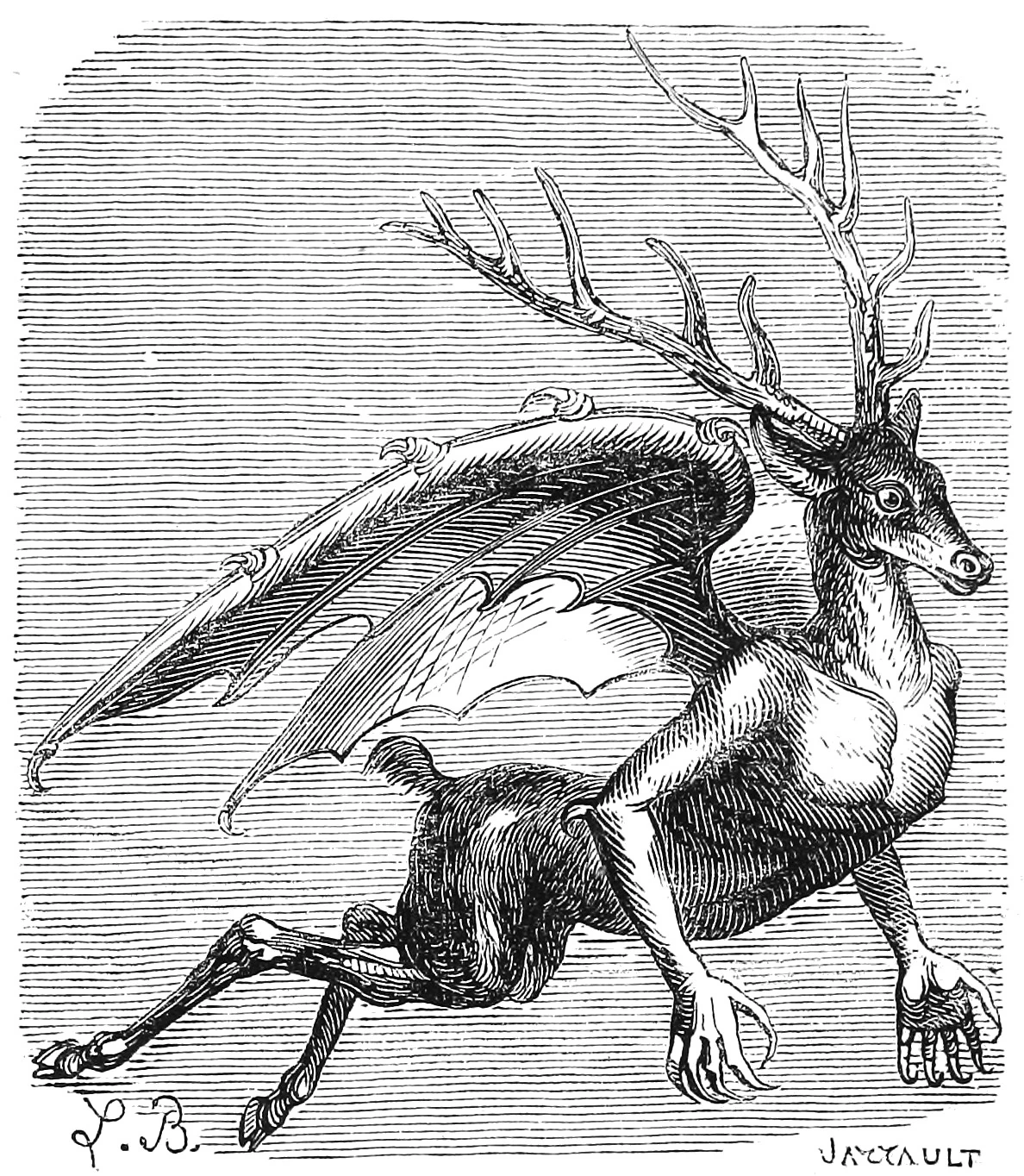
A Goetic earl depicted as a hart with a fiery tail, associated with storms and constrained answers.
A Goetic earl depicted as a hart with a fiery tail, associated with storms and constrained answers.
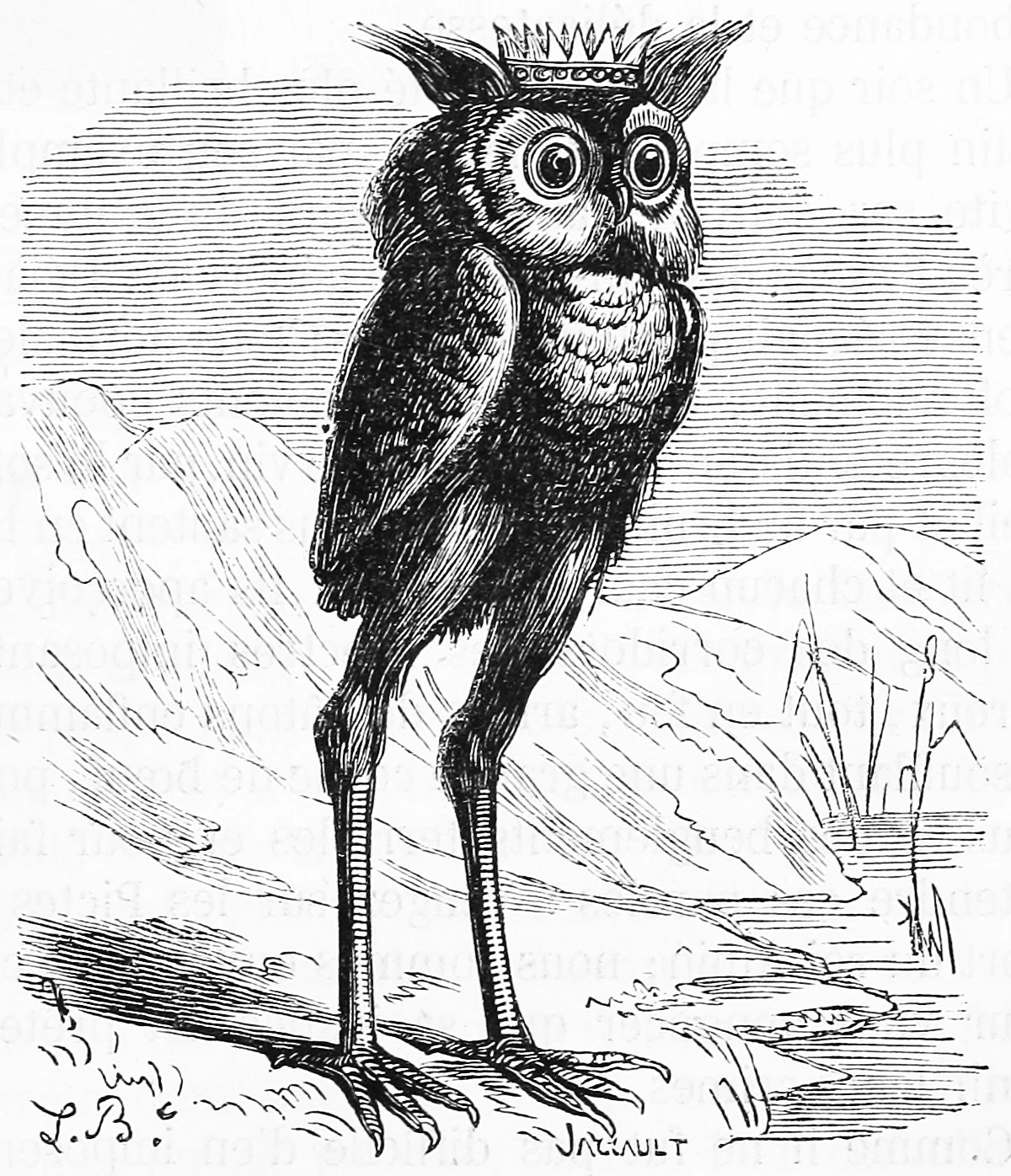
A Goetic prince associated with astronomy, herbs, and precious stones, with changing bird imagery in later reception.
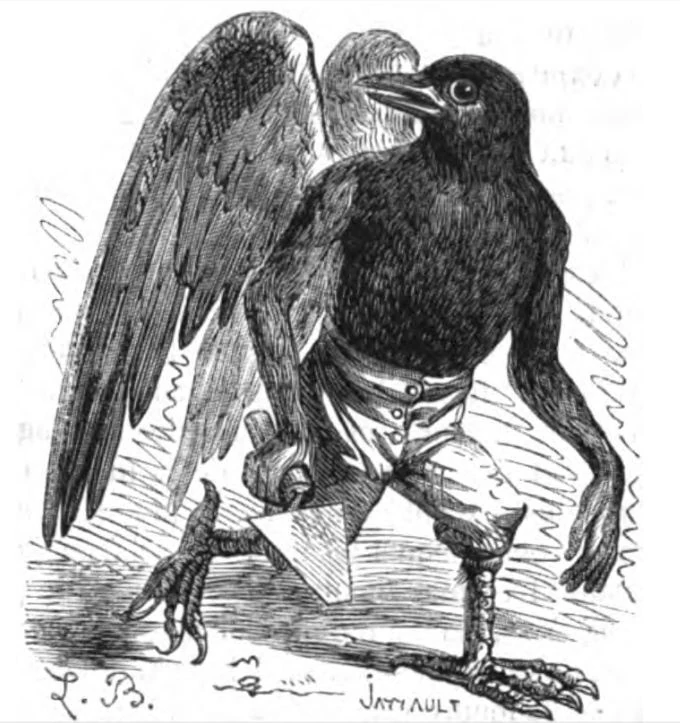
A Goetic president in a dark bird form, associated with building and a warning about offerings.
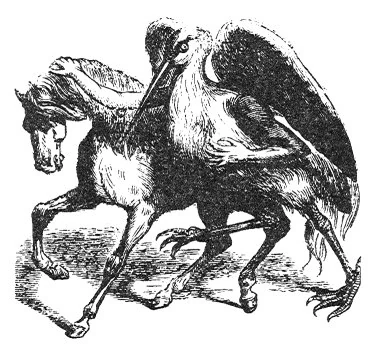
A Goetic marquis in bird form, associated with concealment, royal money, and unreliable answers.
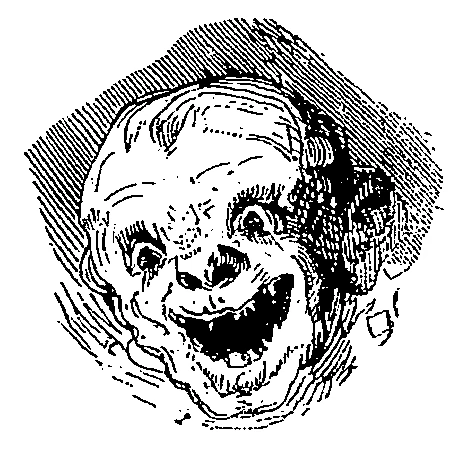
A Goetic earl associated with learned subjects, burial places, and lights at graves.
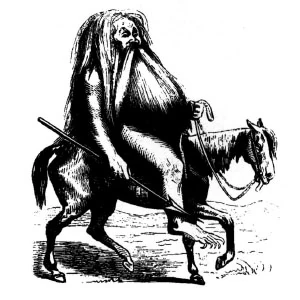
The Goetic knight, associated with philosophy, learned arts, and forms of divination.
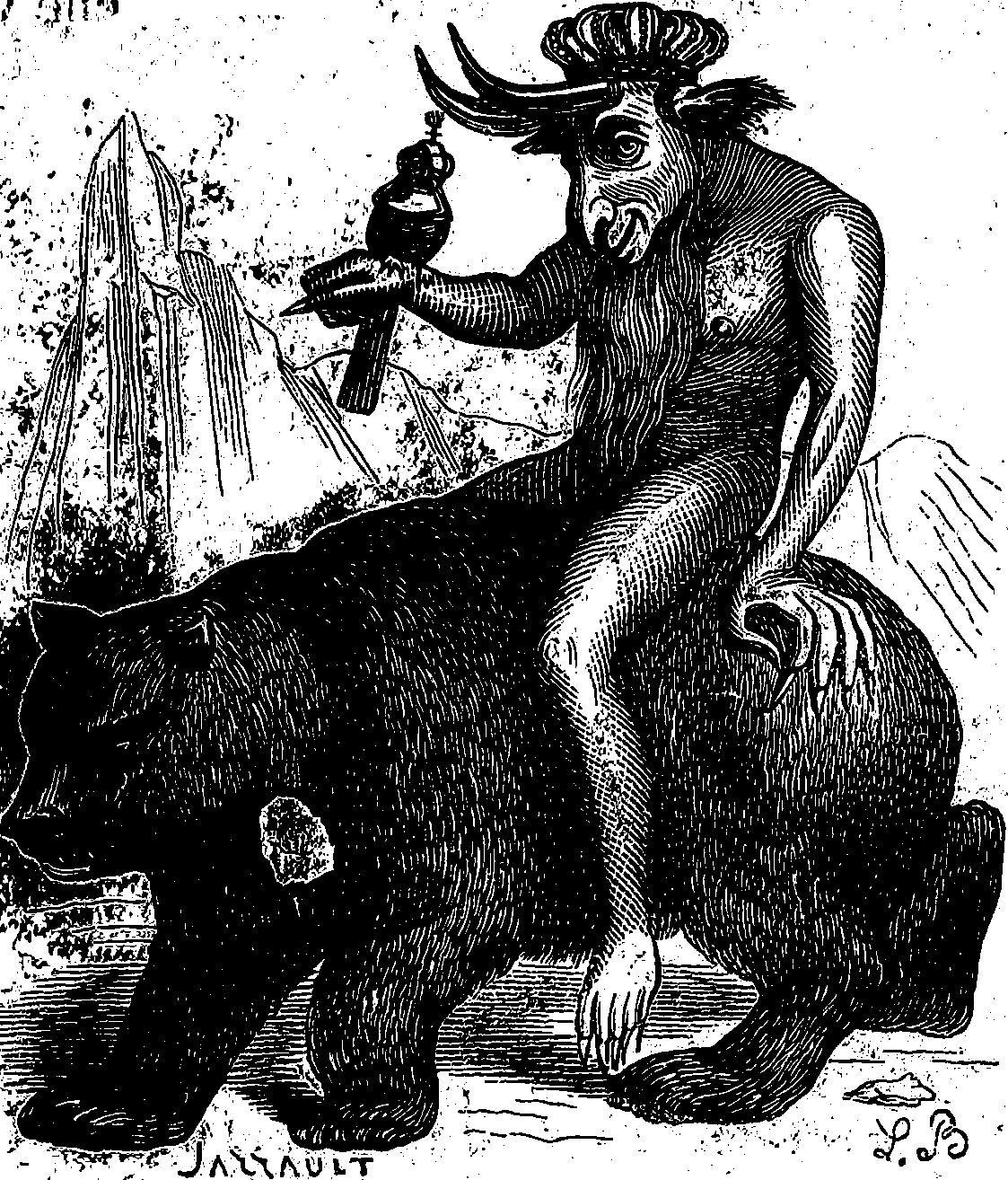
A three-headed Goetic king riding a bear, associated with answers, wit, and invisibility.
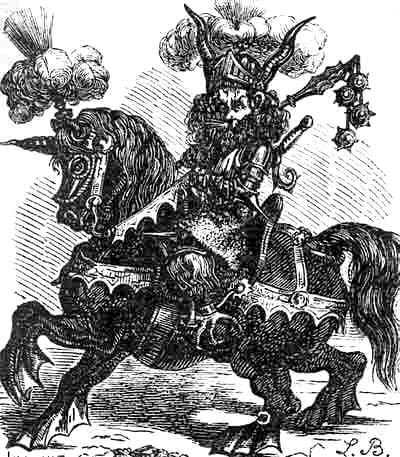
A lion-faced Goetic duke who teaches astronomy and the liberal sciences.

A Goetic president associated with animal voices, disputation, and answers given through burning ashes.
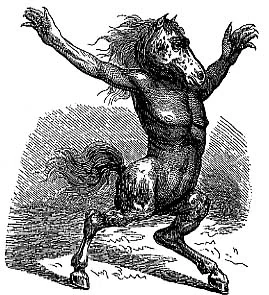
A Goetic prince portrayed as a horse and then a human, noted for the fidelity attributed to him.
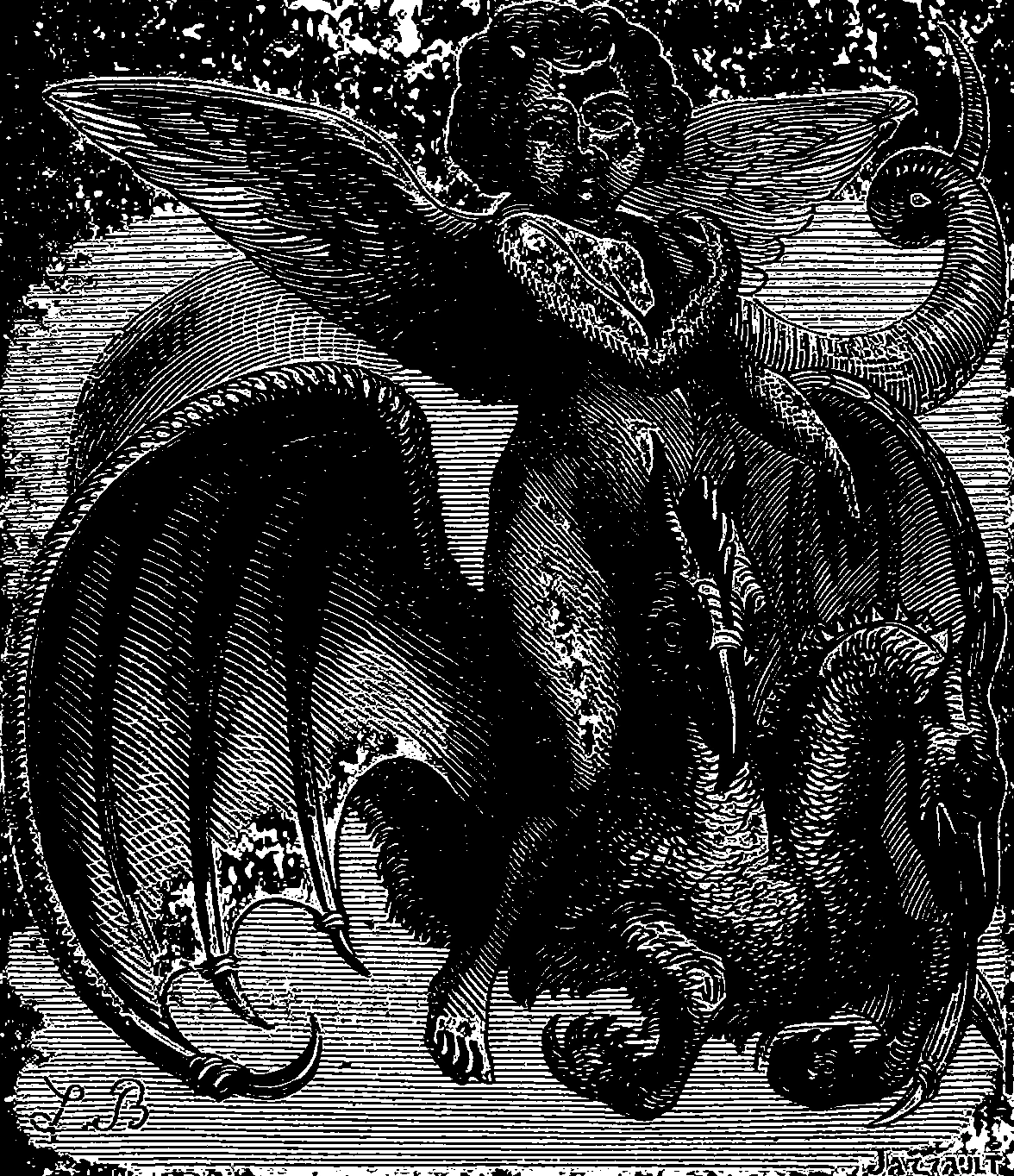
A Goetic president described as a winged boy on a two-headed dragon, associated with treasure and serpents.
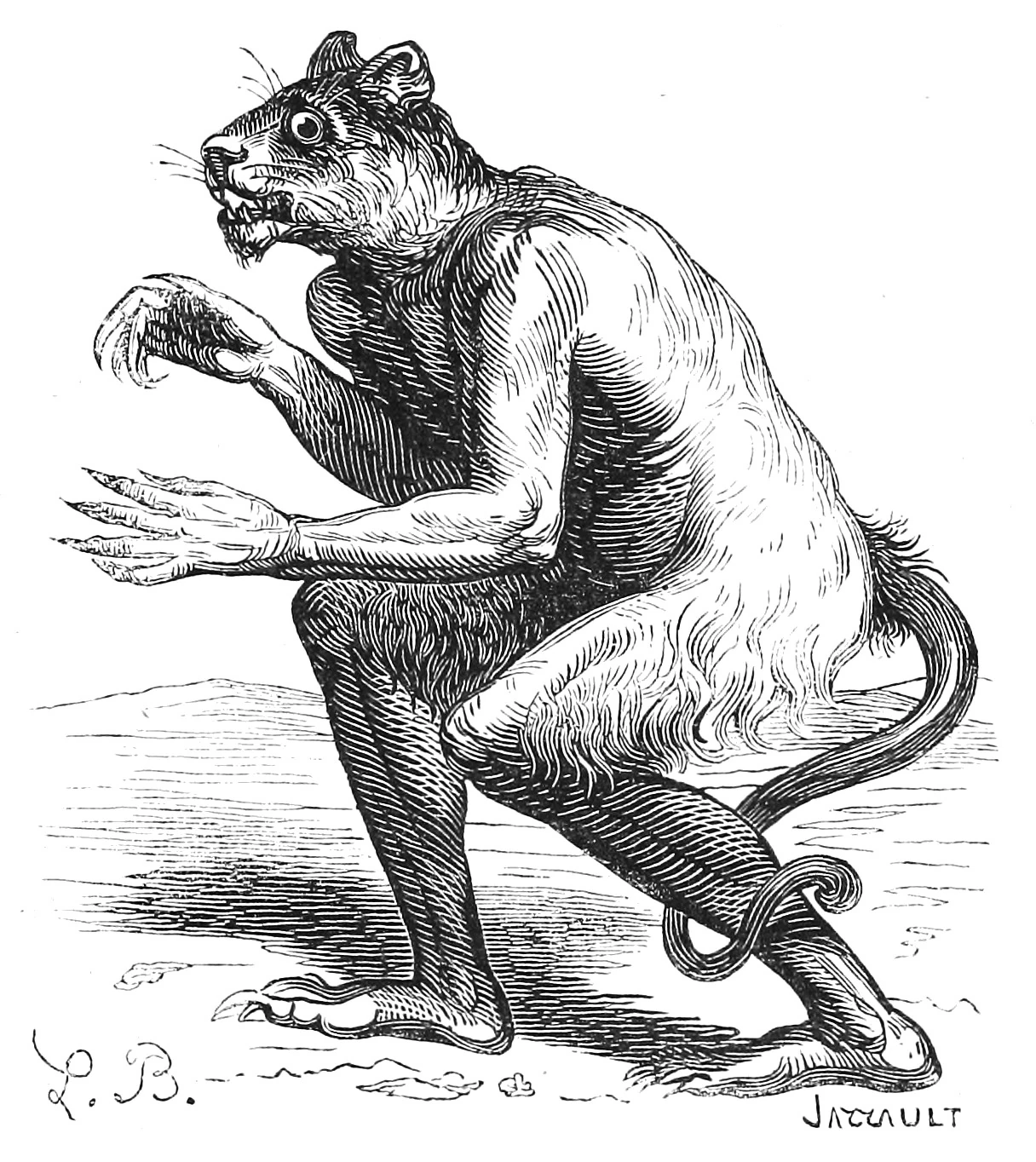
A Goetic duke, also called Flauros, associated with fiery destruction and answers about divine matters.
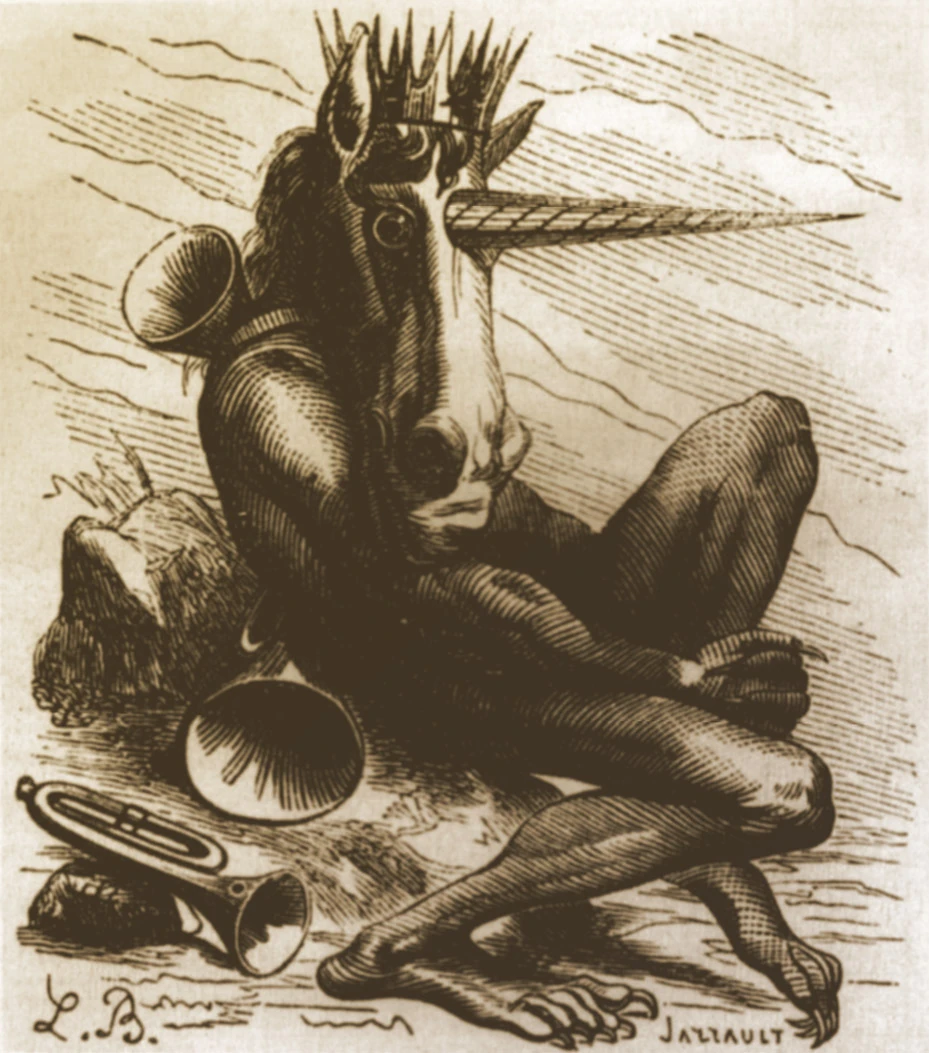
A unicorn-shaped Goetic duke associated with unseen music, bending trees, and familiars.
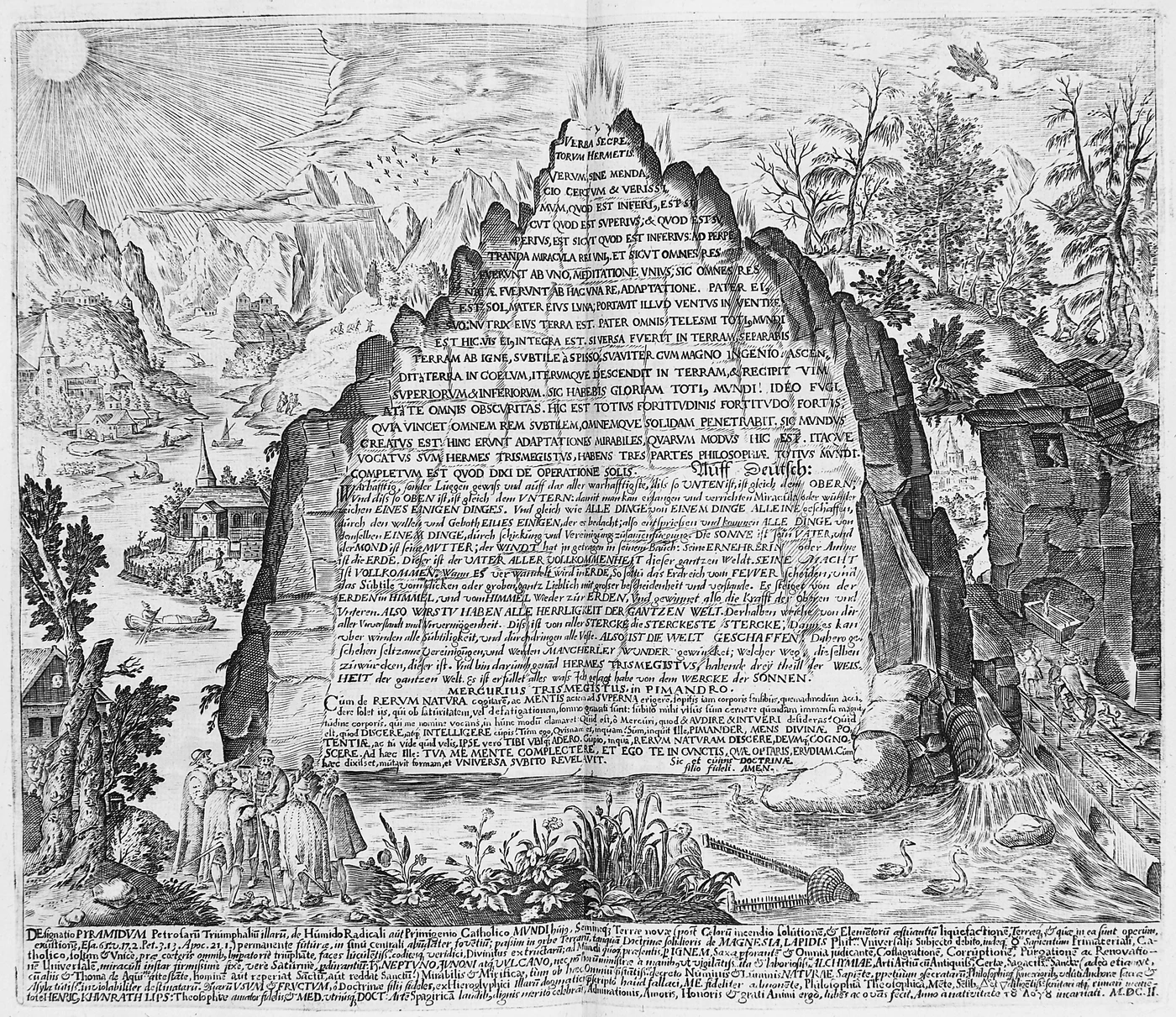
A brief Hermetic text whose images of above and below, sun and moon, and transformation influenced alchemical writing.
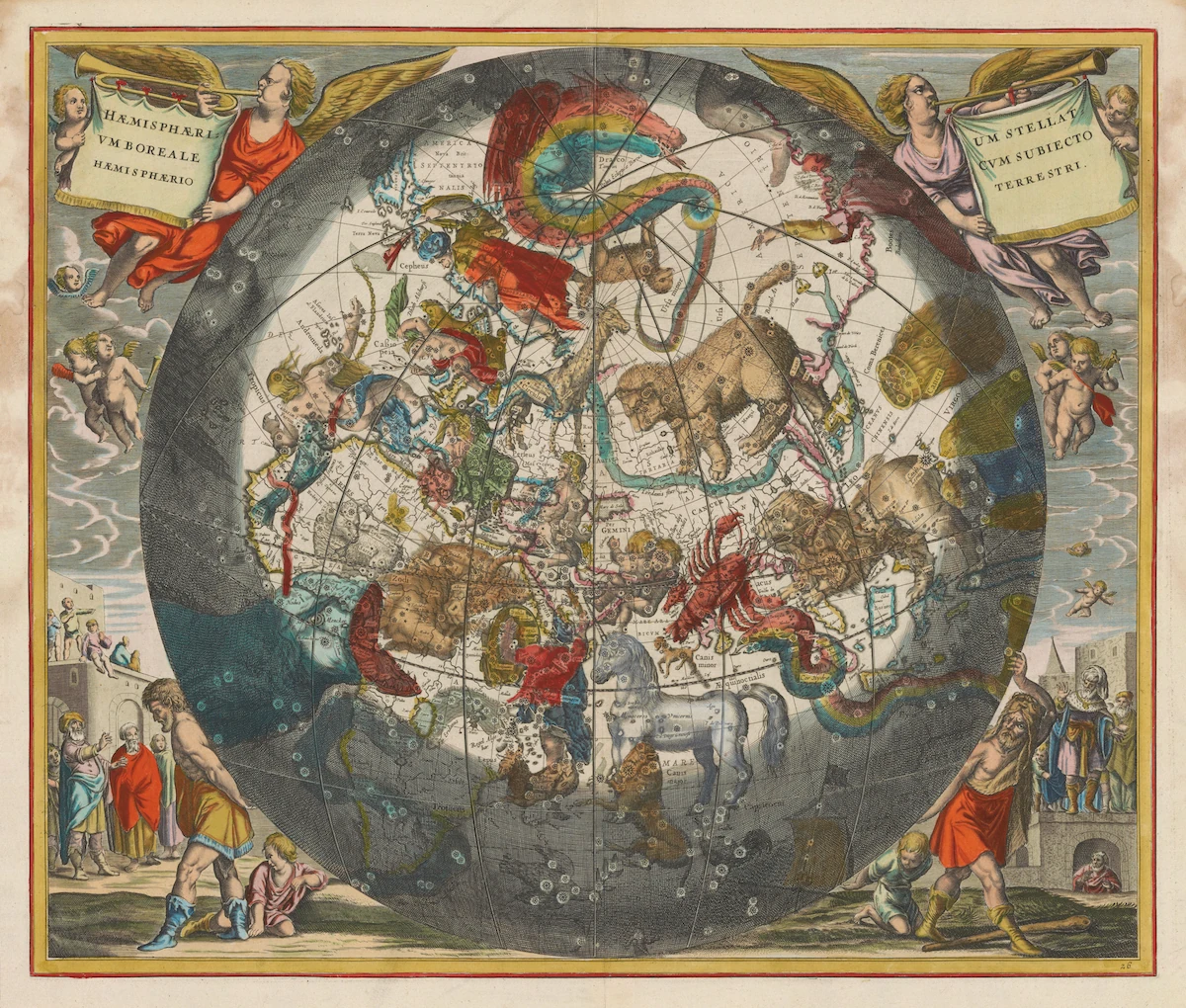
Magical systems using the seven traditional planets through timing, correspondences, images, and invocations.
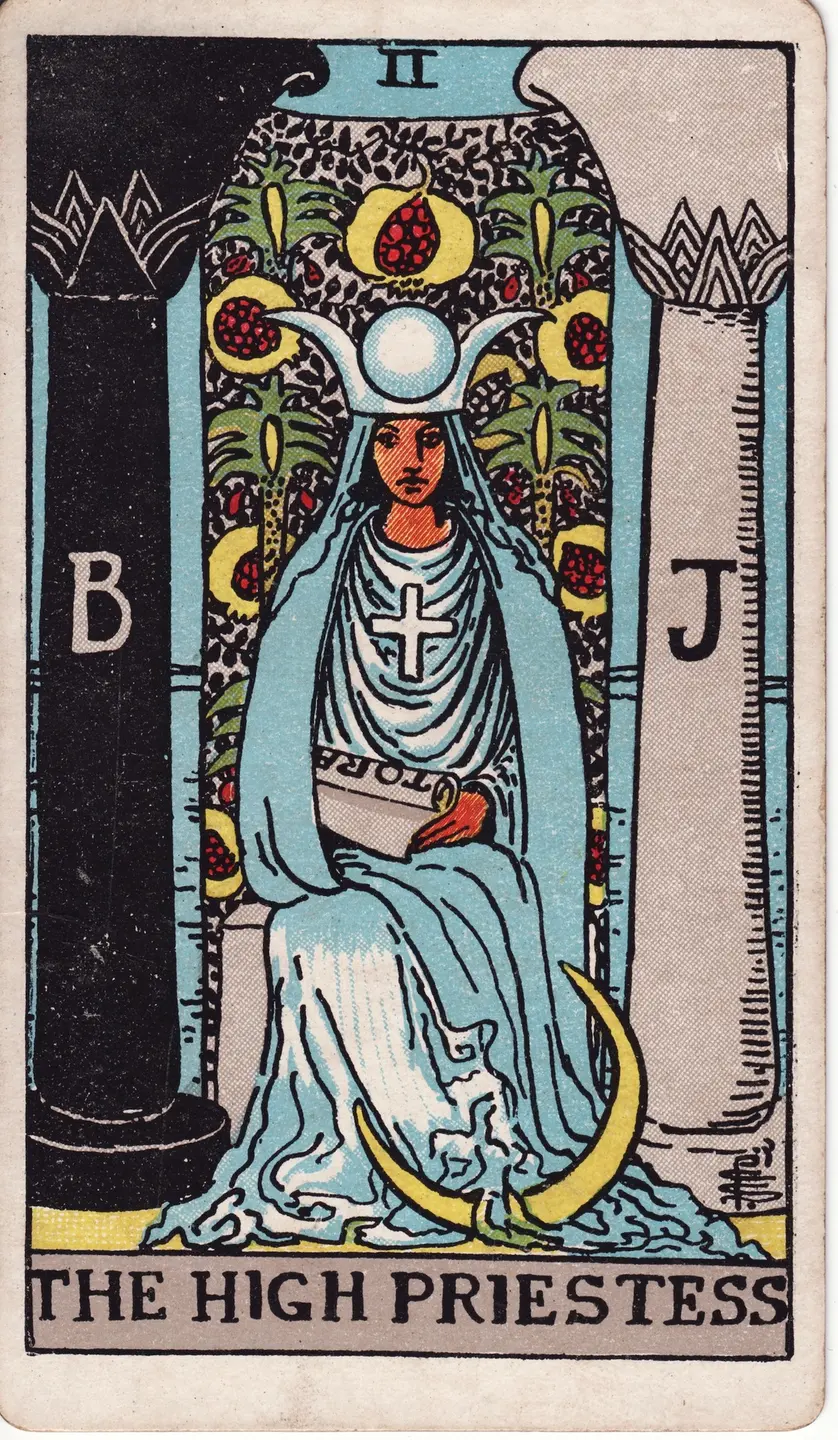
Tarot developed as playing cards before becoming an influential tool of occult interpretation. The history of the cards differs from later claims about their hidden origins.
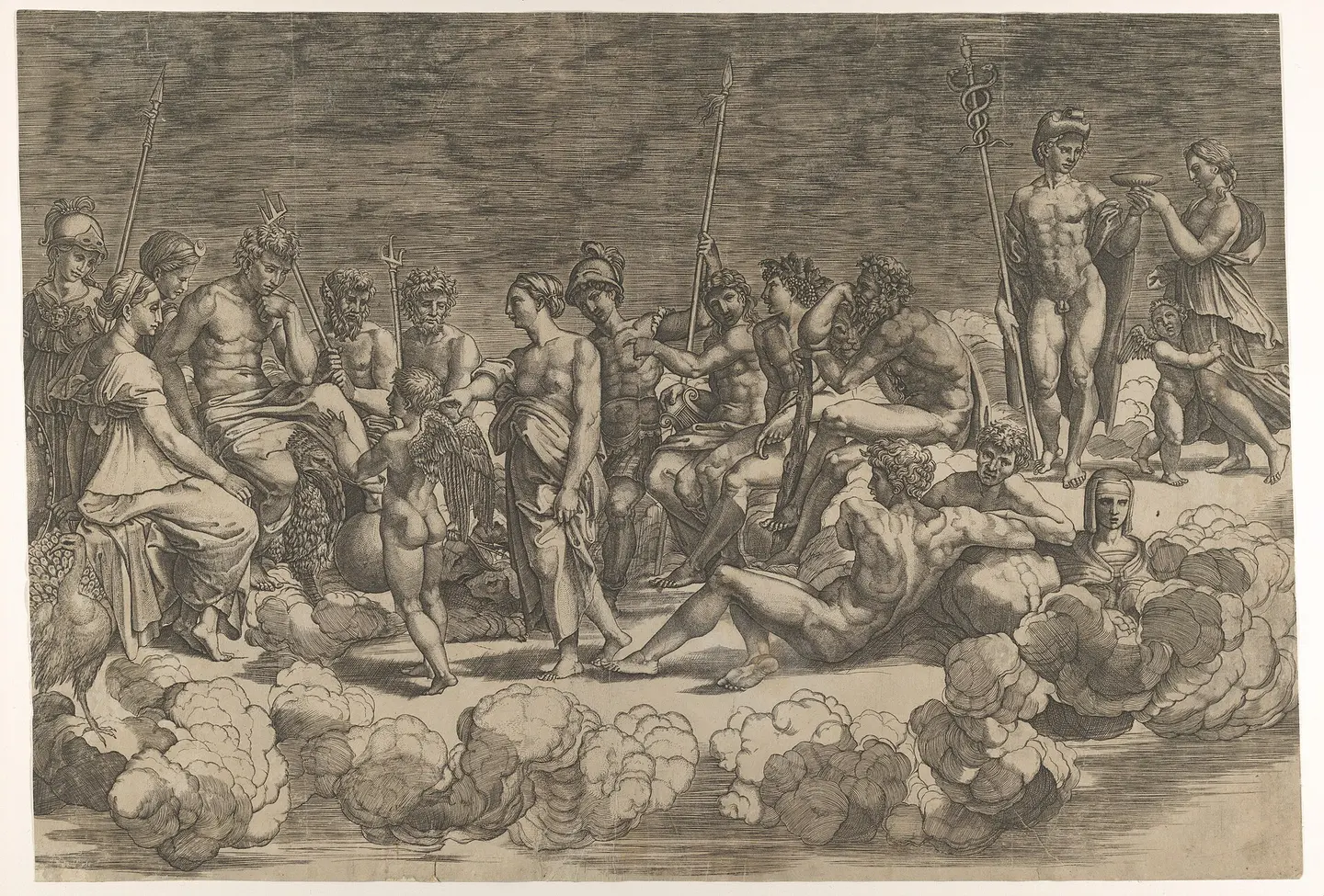
Polytheism involves belief in multiple deities. The existence of several gods does not by itself settle their relationships, moral authority, or the forms of devotion directed toward them.

A Goetic prince associated with finding lost things and knowledge of past and future events.
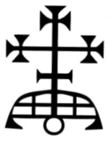
A Goetic marquis, also called Gamigin, associated with liberal studies and accounts of deceased souls.
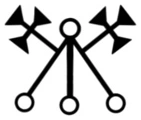
A Goetic president depicted as a lion, associated with hidden knowledge, mechanical arts, and transformation.