Demonology & Spirits
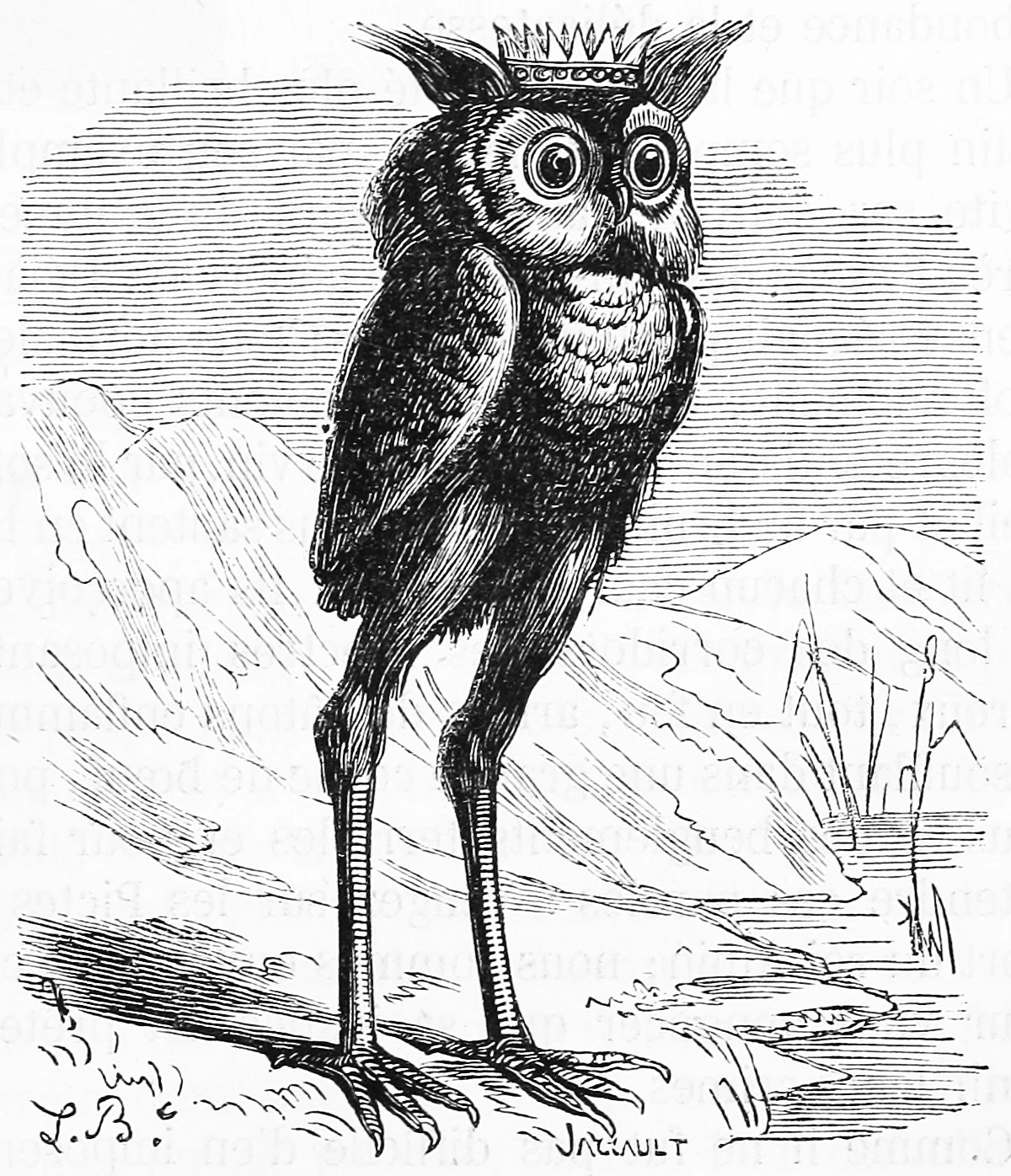
Stolas
A Goetic prince associated with astronomy, herbs, and precious stones, with changing bird imagery in later reception.
A Goetic prince associated with astronomy, herbs, and precious stones, with changing bird imagery in later reception.
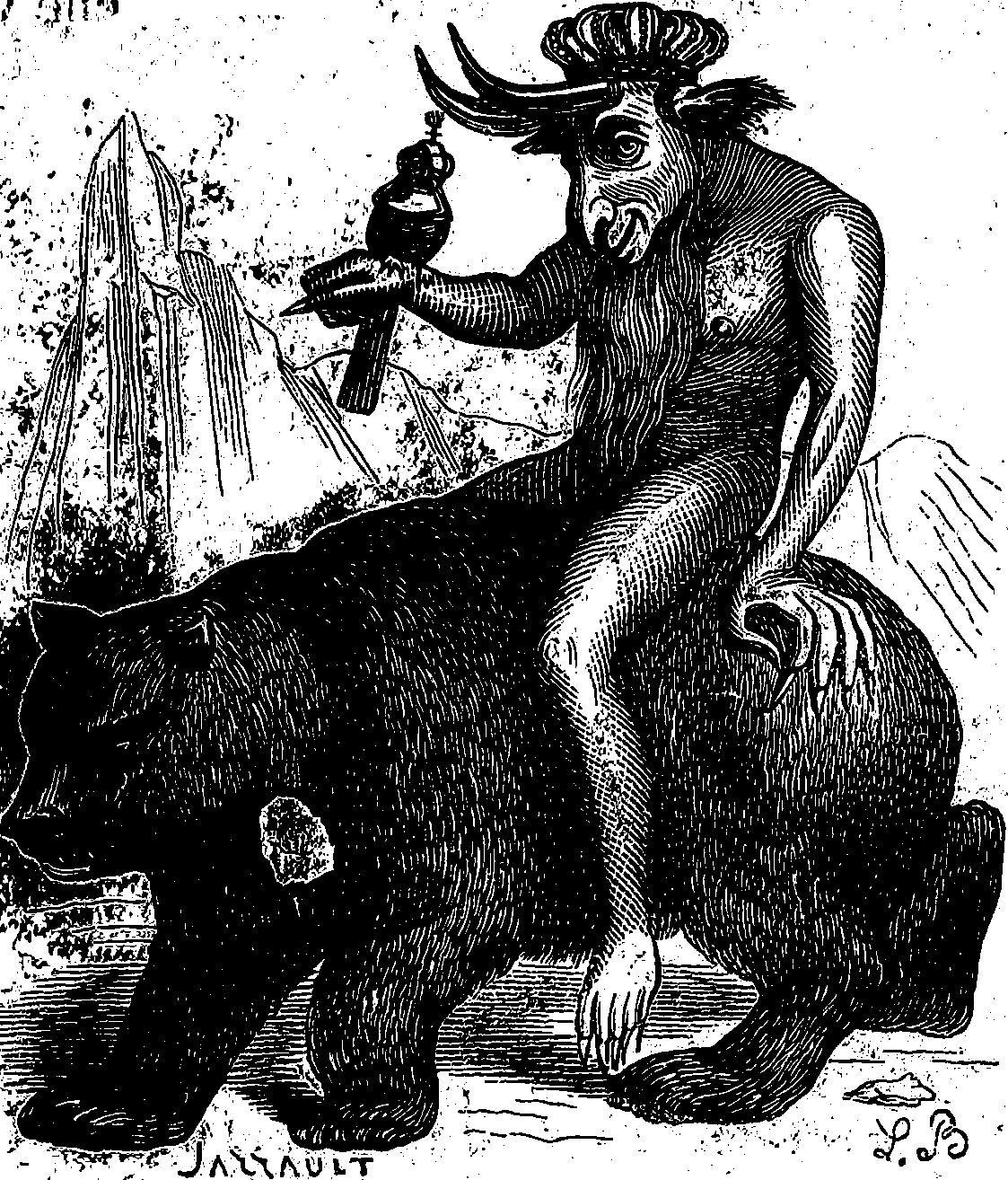
A three-headed Goetic king riding a bear, associated with answers, wit, and invisibility.

A Goetic president associated with animal voices, disputation, and answers given through burning ashes.
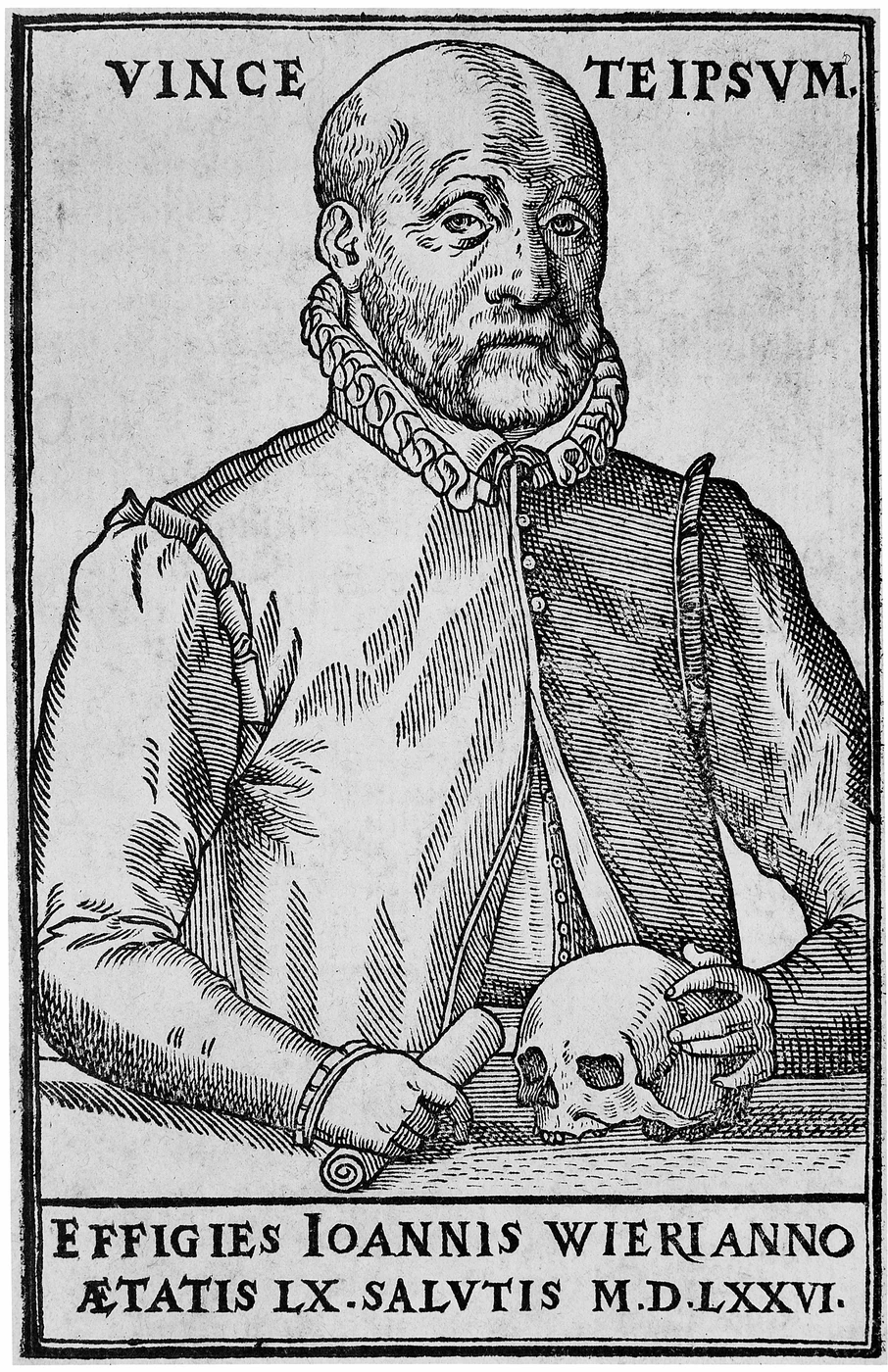
The physician and author whose Pseudomonarchia daemonum supplied an important source for later spirit catalogues.
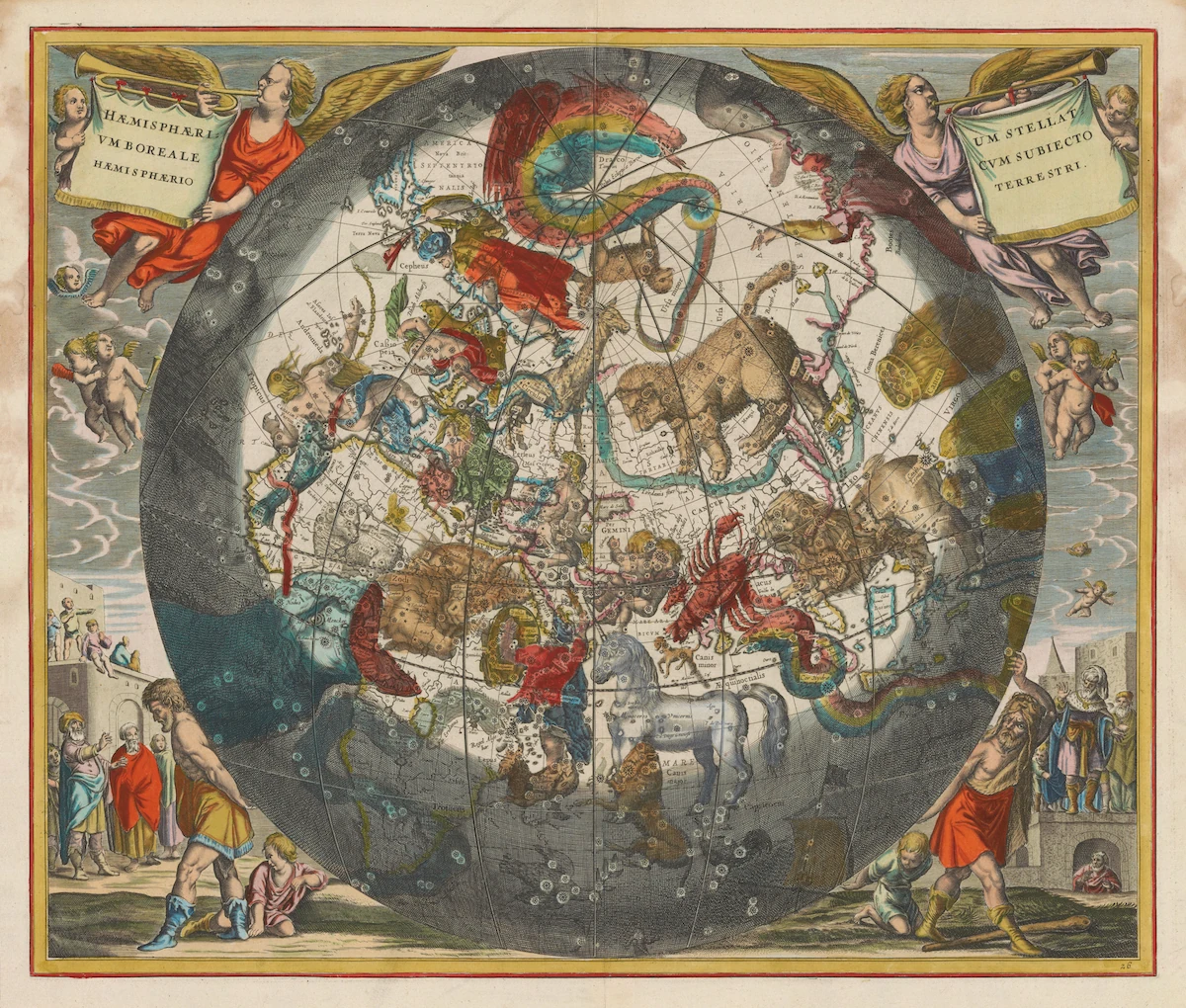
Magical systems using the seven traditional planets through timing, correspondences, images, and invocations.
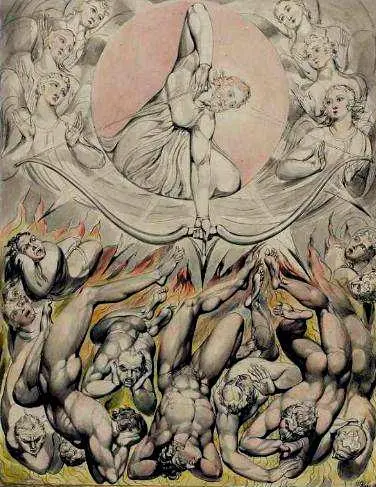
The Watchers are heavenly beings whose descent, teachings, and punishment are narrated in 1 Enoch. Their literary identity must be distinguished from later religious interpretations.
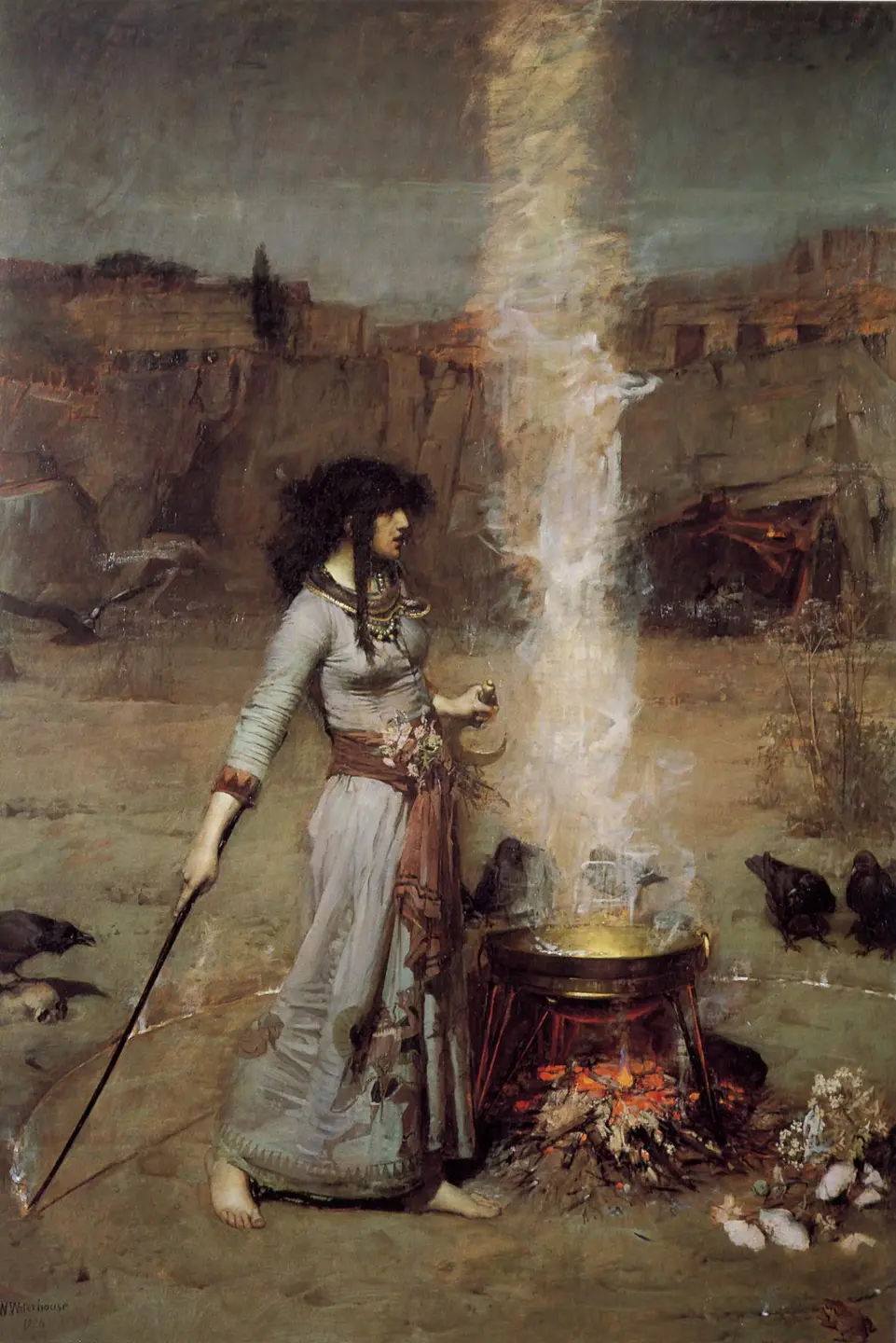
Demonolatry refers to devotion to demons or daemonic beings. Modern accounts vary in theology, authority, and their relationship with historical grimoires.
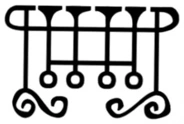
A Goetic duke associated with answers, reconciliation, and the obscure term Xenopilus.
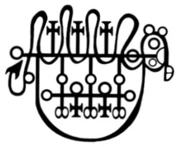
A Goetic duke portrayed as a mermaid, associated with ships, storms, and afflicted wounds.

A Goetic spirit with royal and comital rank, associated with hidden things, walls, and stormy waters.
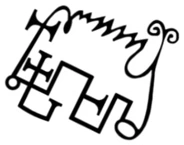
A Goetic president initially appearing as flame, associated with astrology, learning, familiars, and protected treasure.
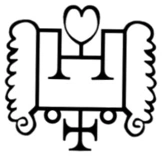
A winged lion-shaped Goetic duke associated with crafts, philosophy, and learned subjects.
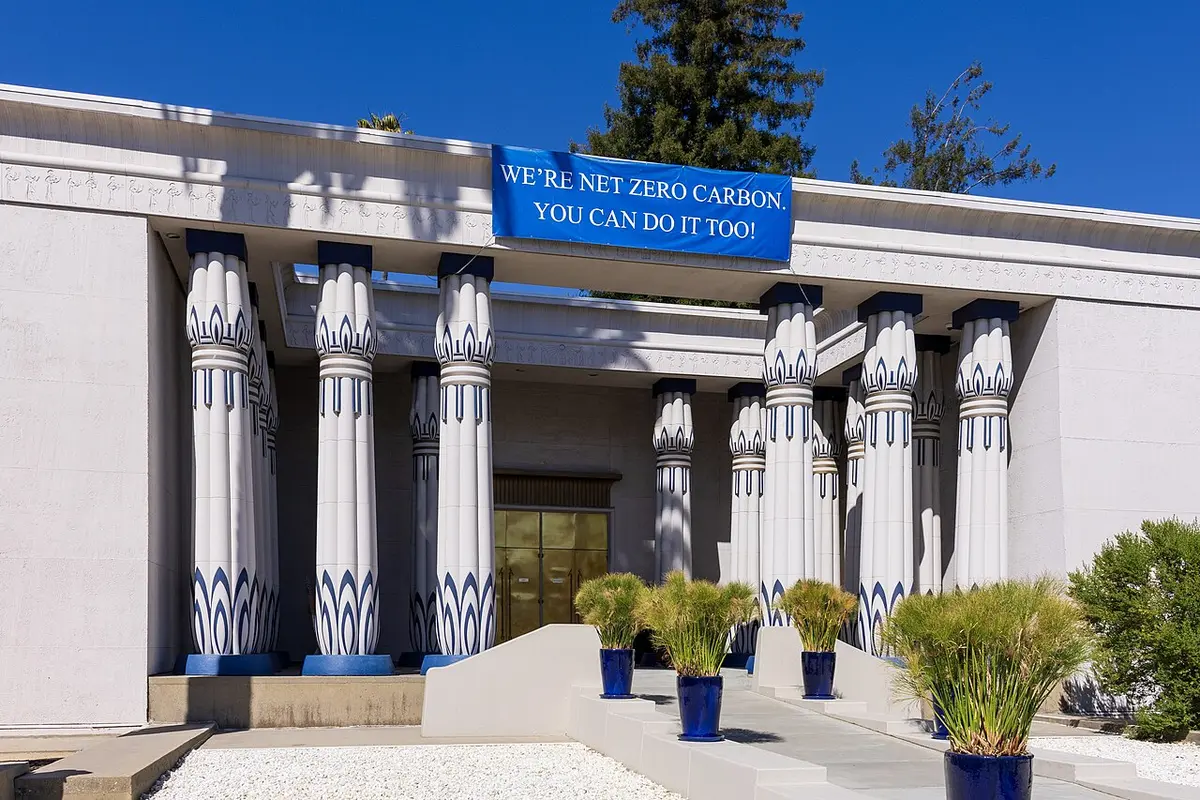
A modern Rosicrucian organization, usually called AMORC, that teaches through lessons and local study groups.
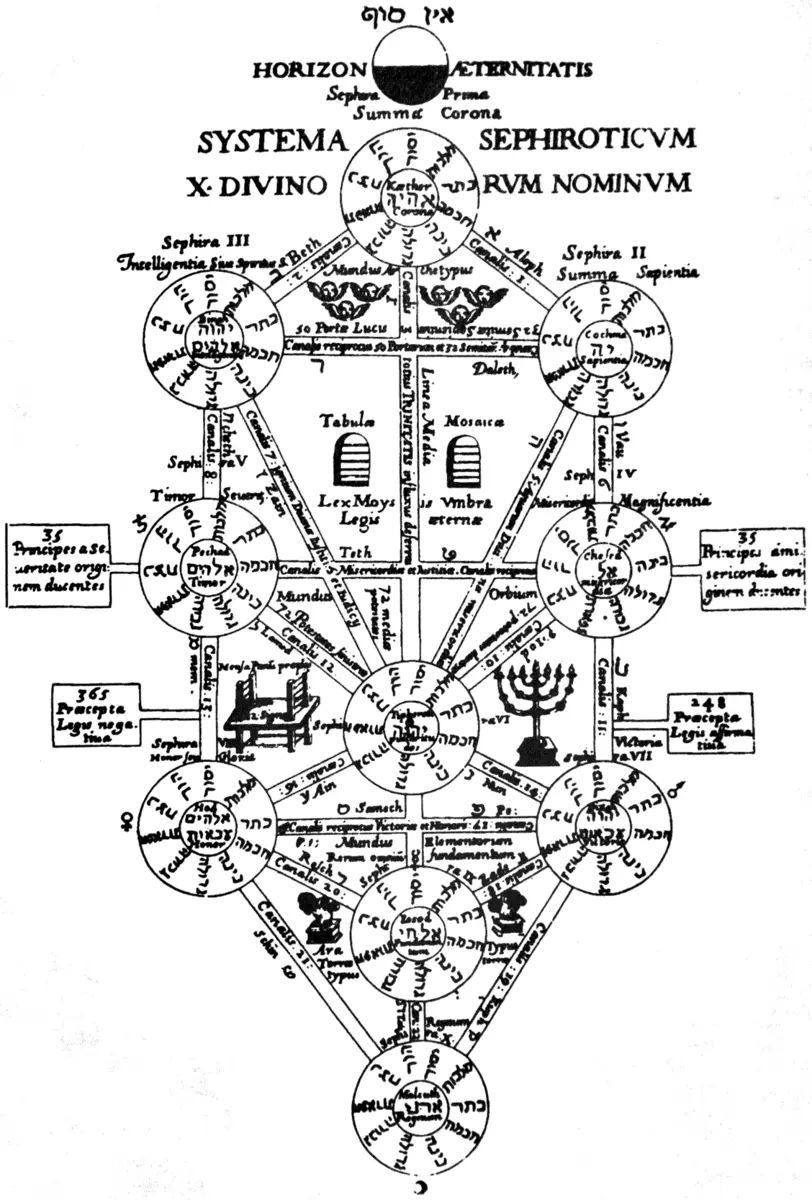
Western esoteric systems that adapt Kabbalistic ideas through ritual, correspondence tables, and symbolic interpretation.
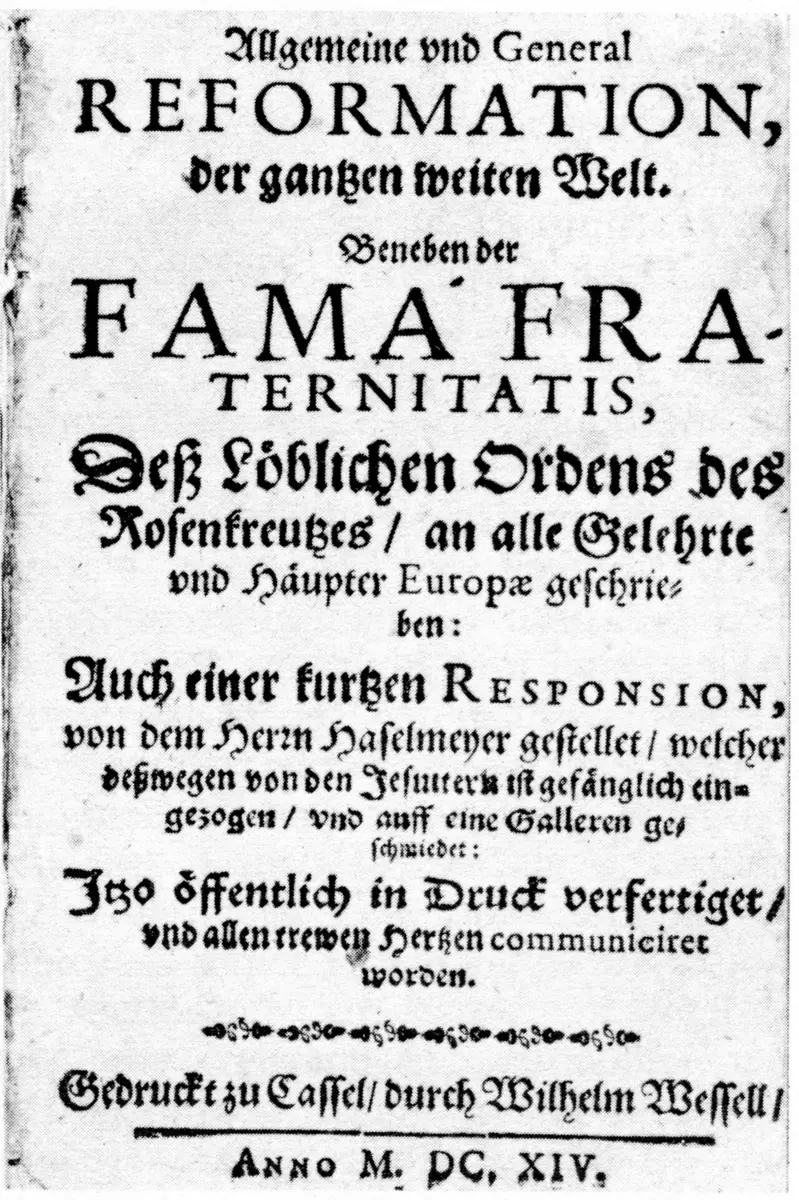
Traditions associated with the rose and cross, the early modern Rosicrucian manifestos, and later initiatory societies.
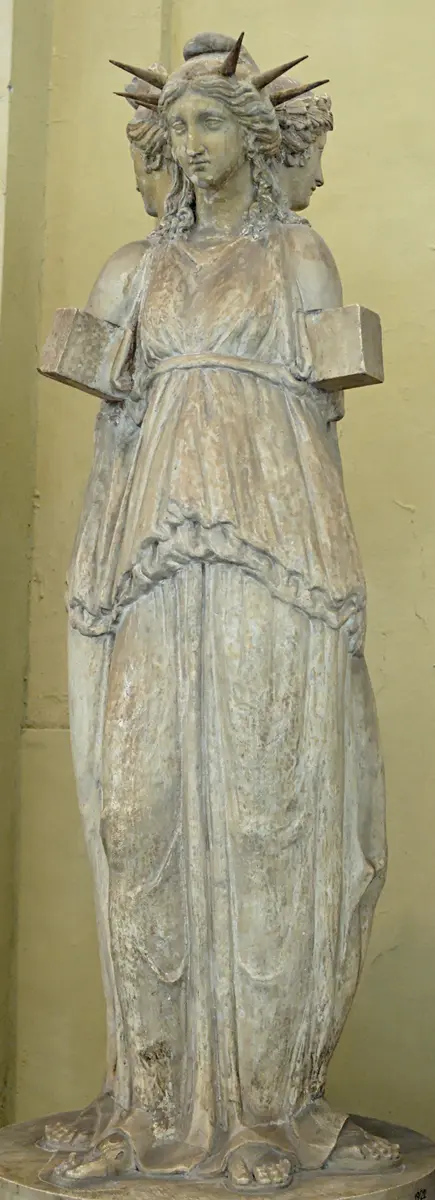
A Greek goddess with broad early powers and later associations with crossroads, spirits, and magic.
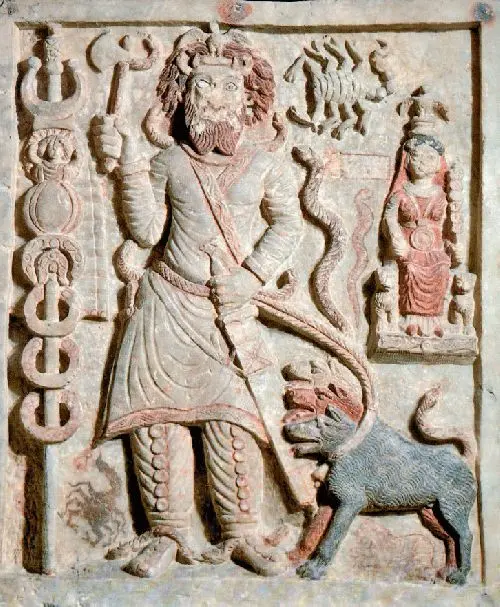
A Mesopotamian deity associated with death, war, disease, and the underworld.
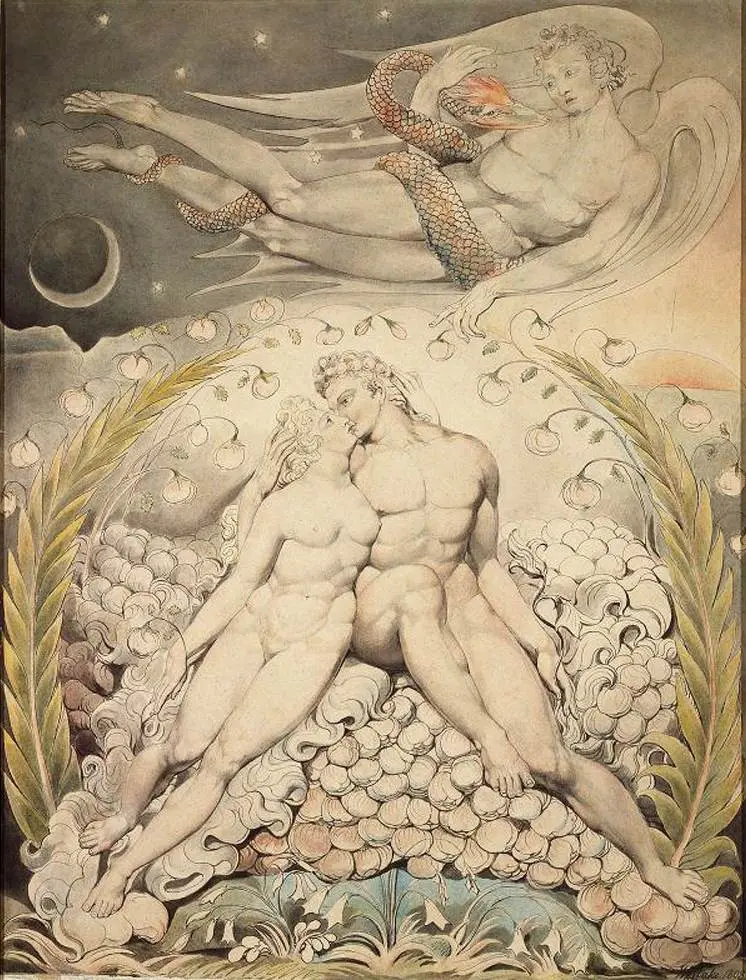
Religions that give Satan a central symbolic or divine role, with substantial differences in belief and practice.
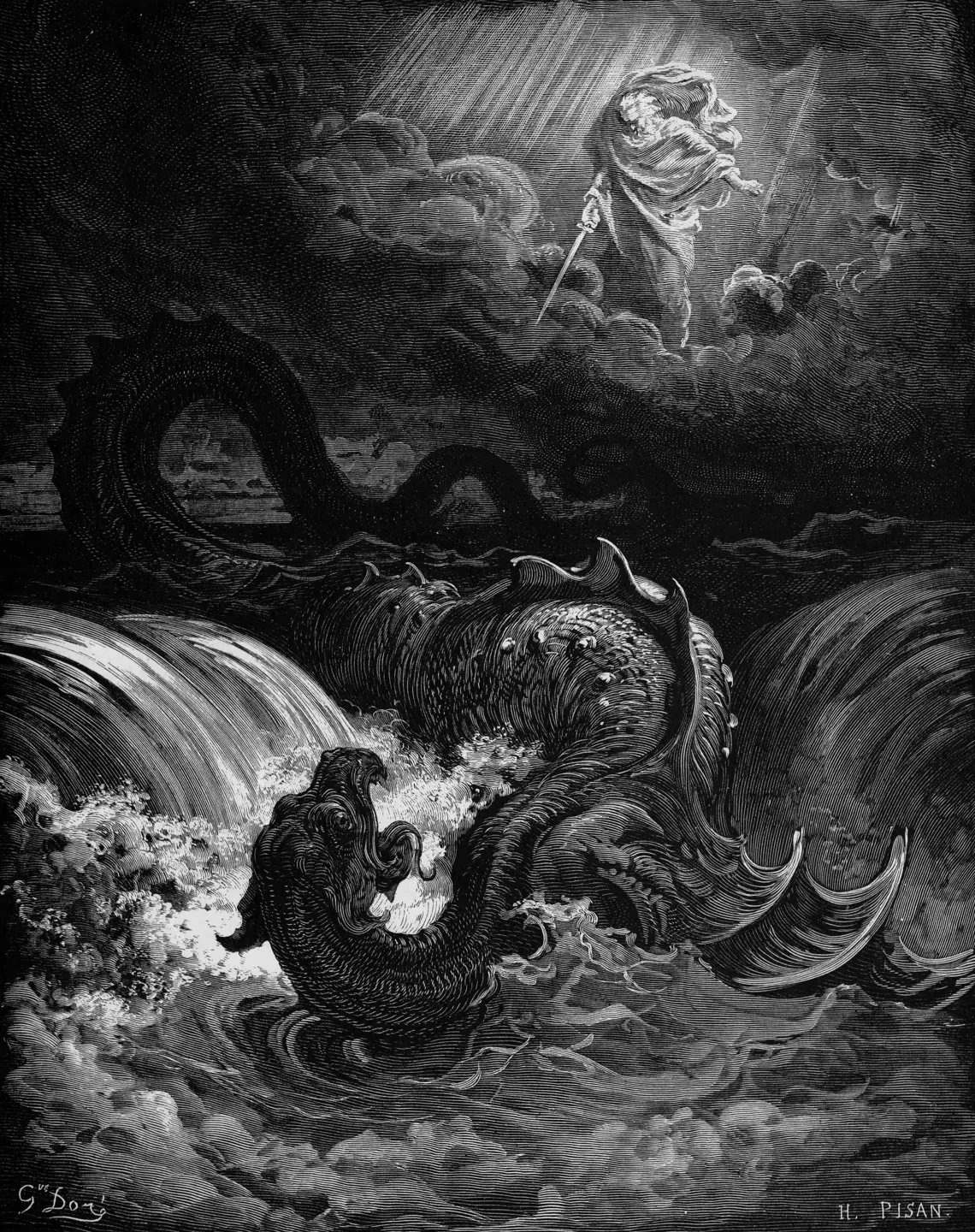
Leviathan appears in biblical poetry and later religious symbolism. The vivid descriptions belong to different literary contexts and should be interpreted accordingly.