Search

Results for “grimoires”

90 resultsResults prioritize title matches, then summaries and article text.Try topic browsing →
Texts & Sources

Grimoires

A grimoire is a book or manuscript containing magical knowledge, ritual procedures, charms, conjurations, talismans, spirit catalogues, astrological instructions, prayers, or other techniques intended to produce supernatural or occult effects. The term is most strongly associated with European magic, but scholars use it within a much wider history of magical books and written ritual technologies.
Theistic Satanism

Demonolatry

Demonolatry refers to devotion to demons or daemonic beings. Modern accounts vary in theology, authority, and their relationship with historical grimoires.

Texts & Sources

Testament of Solomon

The Testament of Solomon is a pseudepigraphal religious narrative in which Solomon questions and commands spirits. It differs from later procedural Solomonic grimoires.

Demonology & Spirits

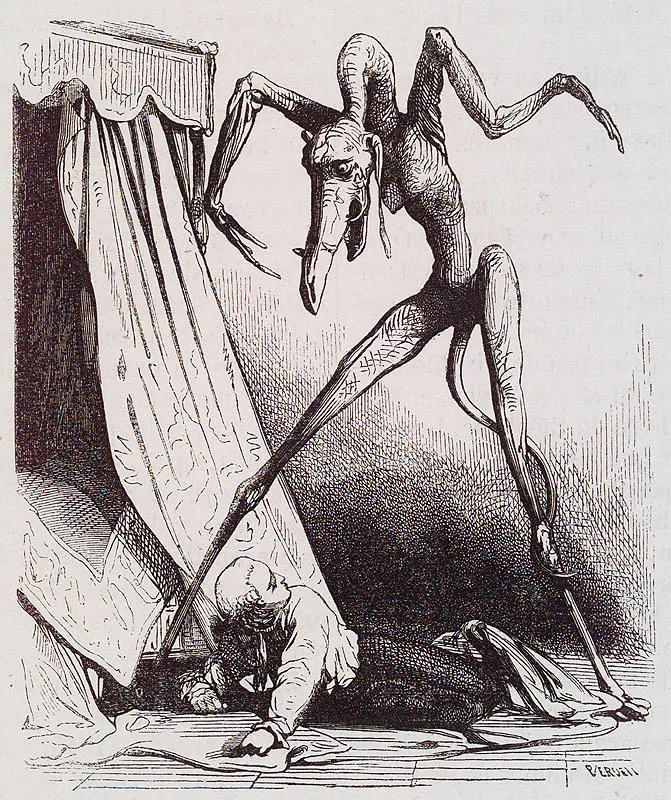
Demonology

Demonology is the study, classification, and interpretation of demons and related spirits. In Western religious history it has included theological arguments about the nature and powers of demons, lists of named spirits, explanations of possession and temptation, magical techniques for summoning or constraining spirits, and folklore about dangerous supernatural beings. Modern theistic Satanists and…

History

Occultism and Western esotericism

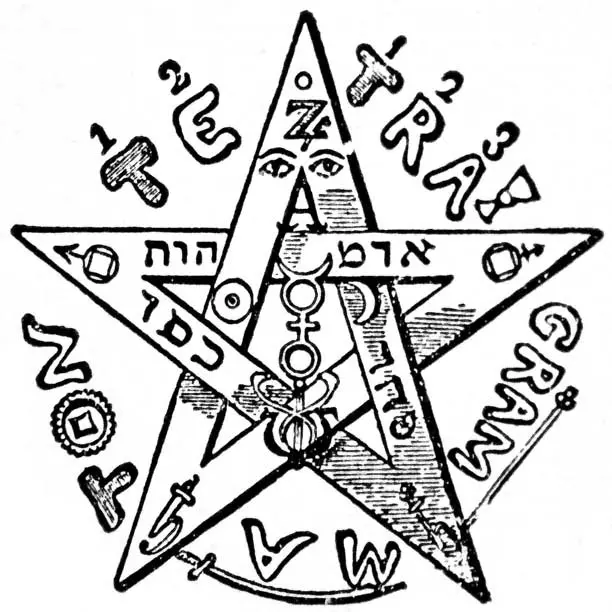
Occultism and Western esotericism provide an important historical and intellectual background for many forms of modern Satanism, but neither term is a synonym for Satanism. Western esotericism is an academic field encompassing currents such as Renaissance Hermetism, alchemy, astrology, Christian theosophy, Kabbalistic reception, Rosicrucianism, ceremonial magic, spiritualism, occultism, and later…

Texts & Sources

Ars Goetia

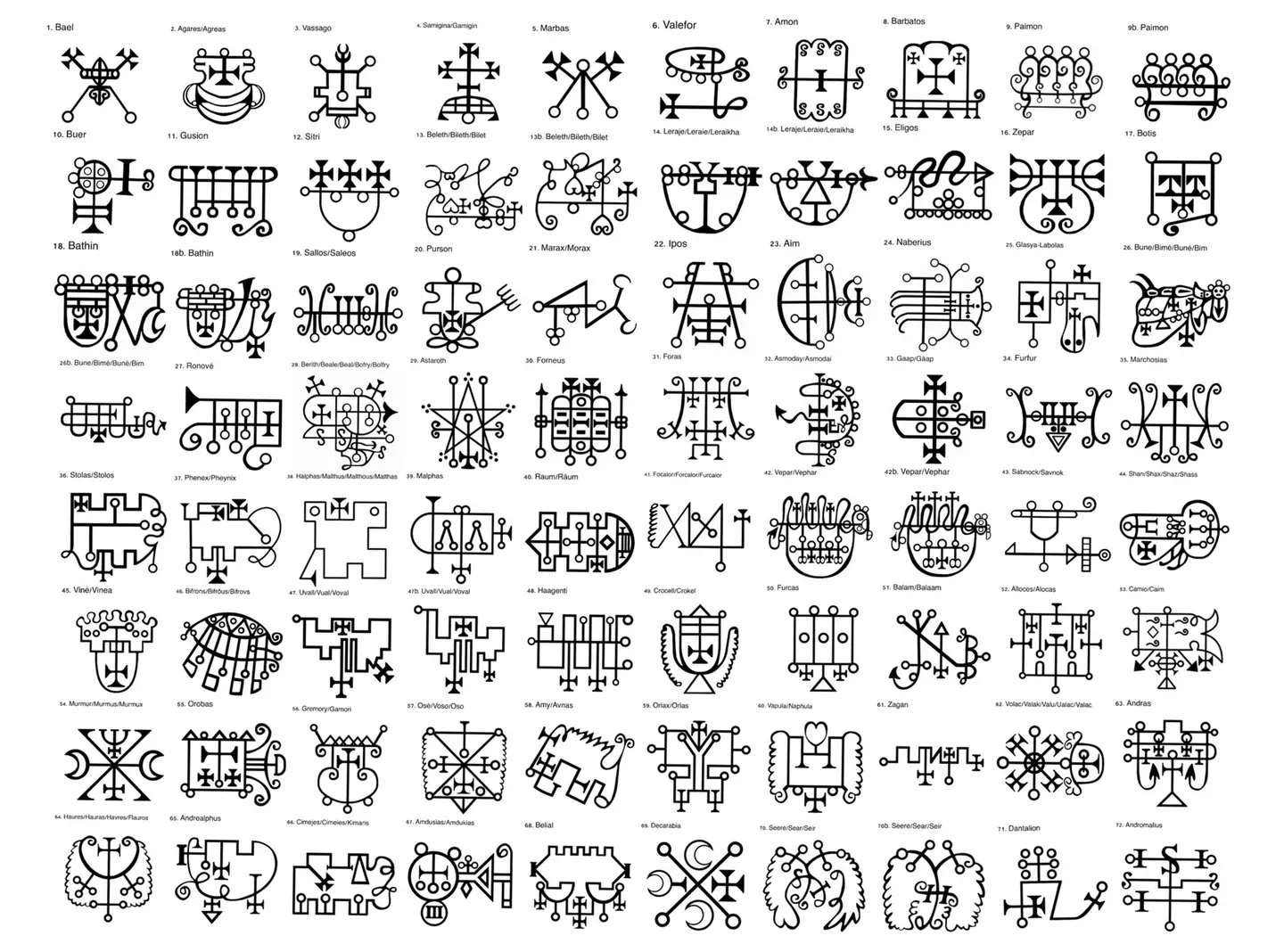
The Ars Goetia is the first section of the Lemegeton or Lesser Key of Solomon, an early modern English compilation of ceremonial magic. It is famous for a catalogue of seventy-two spirits, each described by name, rank, appearance, abilities, and a seal or character. In modern occultism the term “Goetia” is often used loosely for demon-summoning or work with these spirits, but historically the Ars Goetia…

Demonology & Spirits

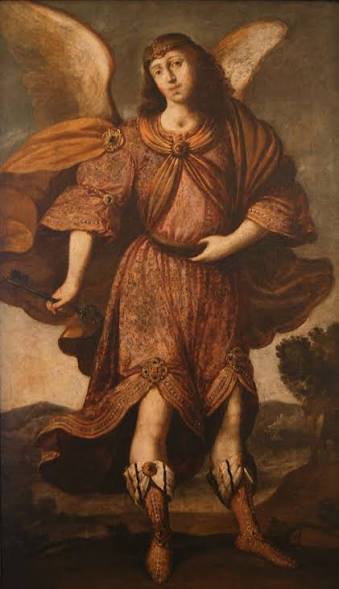
Raziel

Raziel is an angel associated with the revelation of divine secrets, especially the legendary book given to Adam. His name appears in Jewish interpretive and magical literature and later Western esotericism, where Agrippa connects him with Chokmah, or Wisdom.

Theistic Satanism

Theistic Satanism

Theistic Satanism is a family of religious positions in which Satan is understood as an actually existing spiritual being, deity, intelligence, or metaphysical presence, rather than only a literary symbol or political metaphor. It is not a single church or creed. The term is best used as an umbrella for practitioners and groups whose beliefs differ on the nature of Satan, the status of other spirits,…

Theology & Cosmology

Lucifer

Lucifer is a name whose religious meaning developed from an ancient expression for the morning star into one of the best-known names associated with the Devil, fallen angels, occult illumination, and modern Luciferian religion. The word itself is Latin: lūcifer means “light-bringer” or “light-bearer” and was used for the planet Venus when it appeared before sunrise. The later equation “Lucifer = Satan”…

Texts & Sources

Grimorium Verum

A grimoire with a hierarchy centered on Lucifer, Beelzebub, and Astaroth, followed by spirit operations and practical recipes.

Texts & Sources

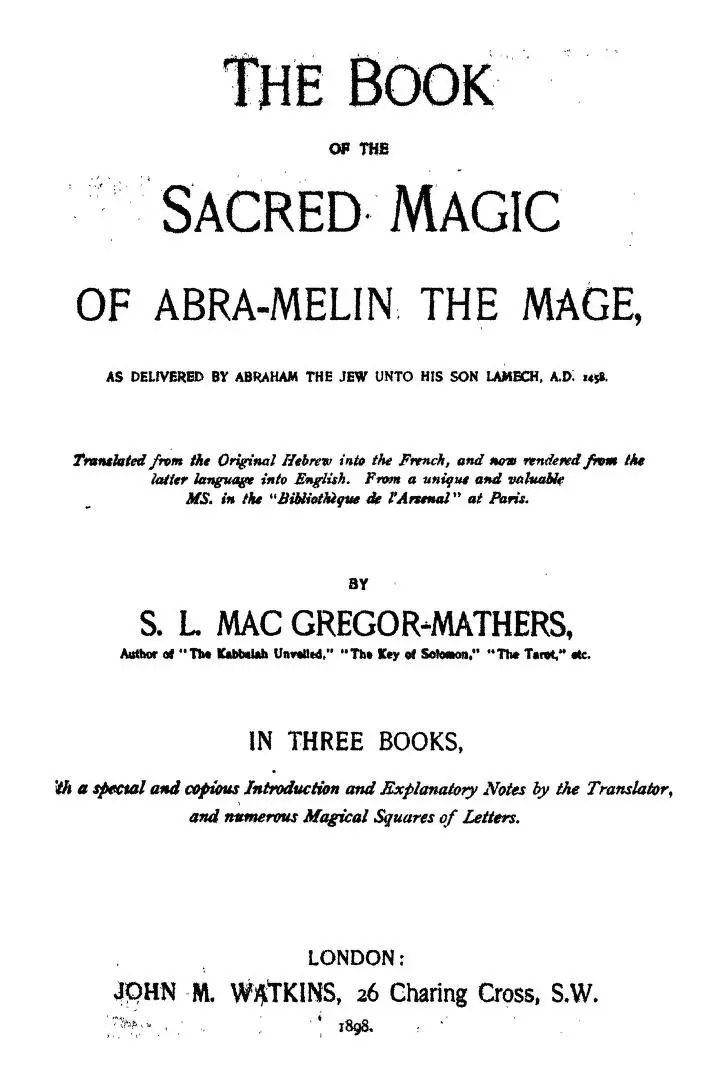
Book of Abramelin

A grimoire built around religious preparation, the guardian angel, and subsequent work with spirits and magical squares.

Devotional Practice

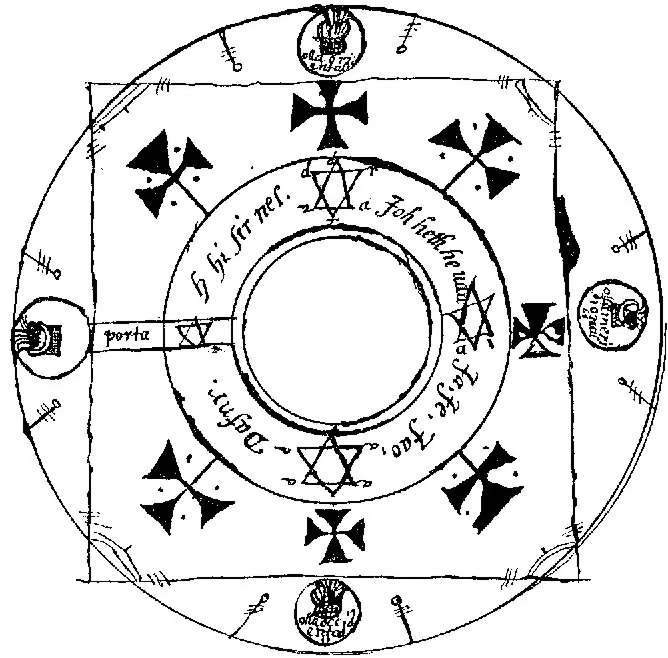
Magical circle

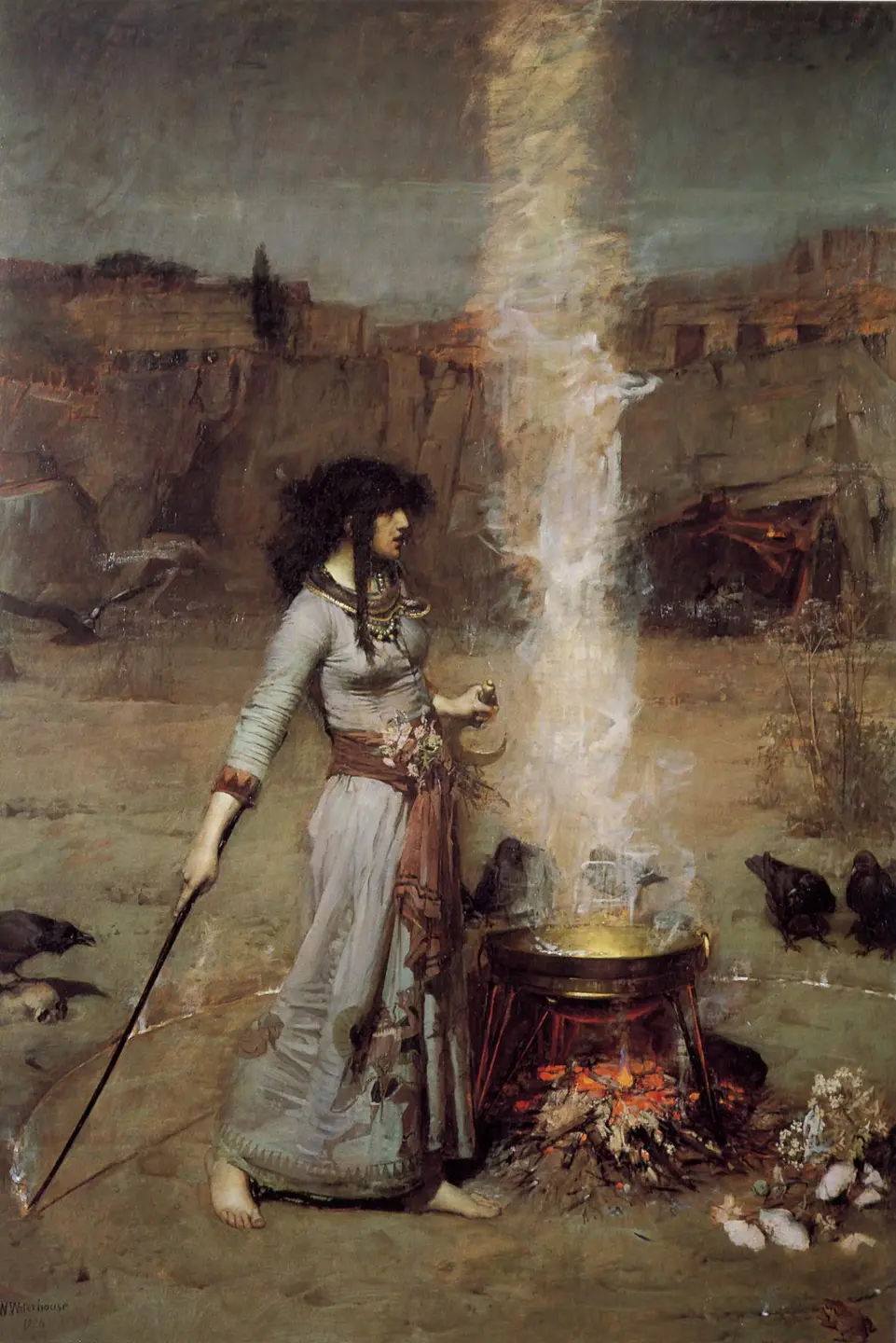
A marked ritual space whose names, divisions, and purpose differ among magical texts and modern traditions.

Culture & Ethics

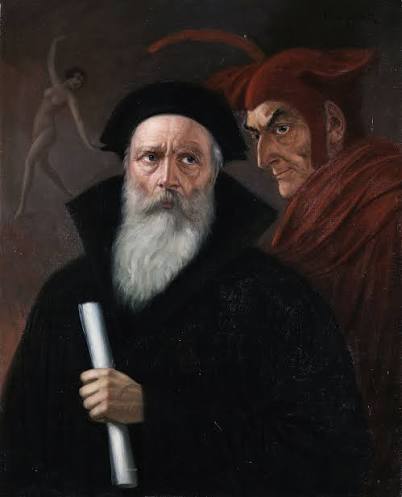
Faust

Faust is the scholar or magician at the center of a European legend about bargaining with the Devil. The 1587 Faust book, Marlowe’s Doctor Faustus, and Goethe’s Faust give the story different treatments of knowledge, desire, damnation, and human striving.

Demonology & Spirits

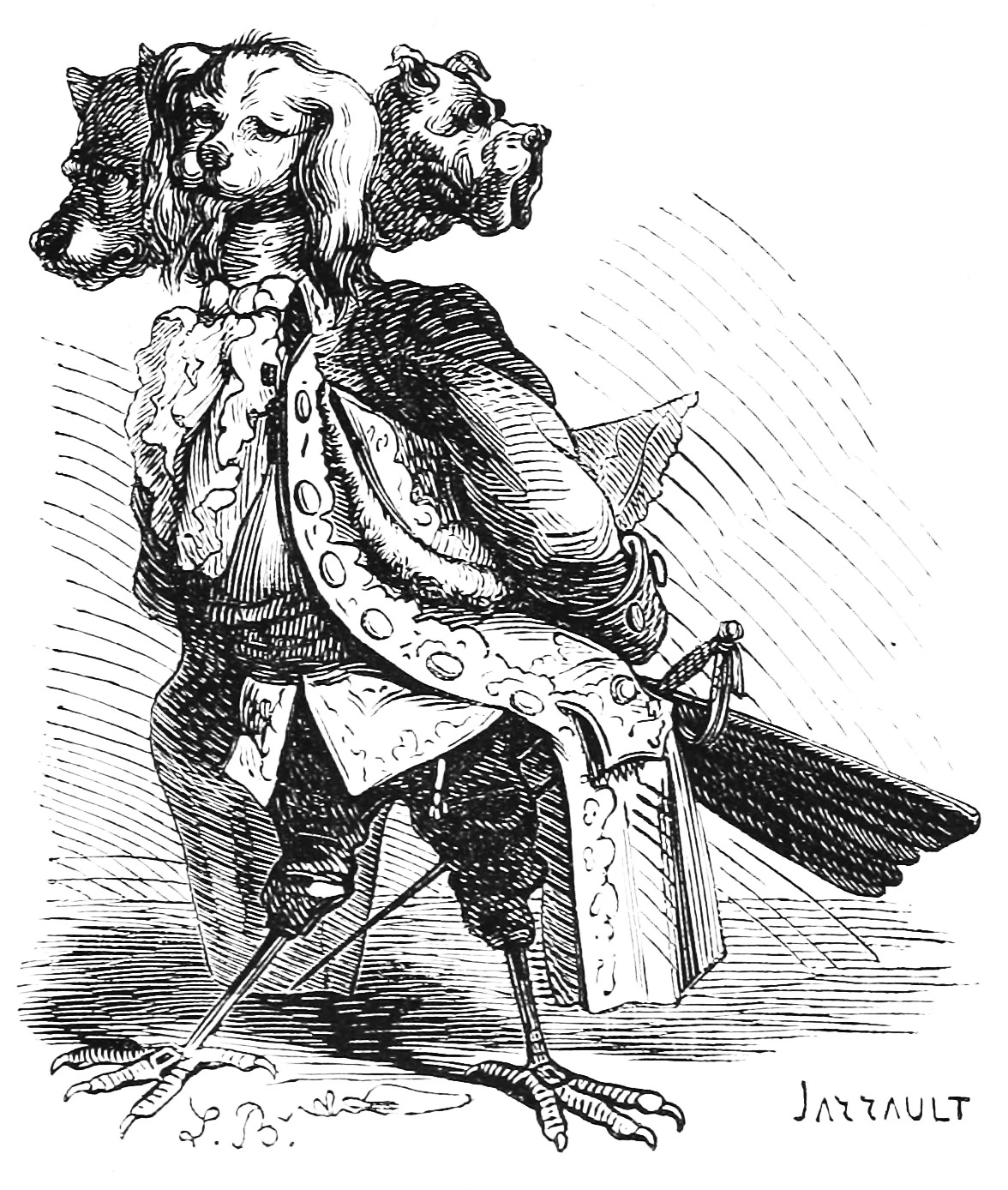
Naberius

A Goetic marquis associated with rhetoric and the restoration of lost honors.

Demonology & Spirits

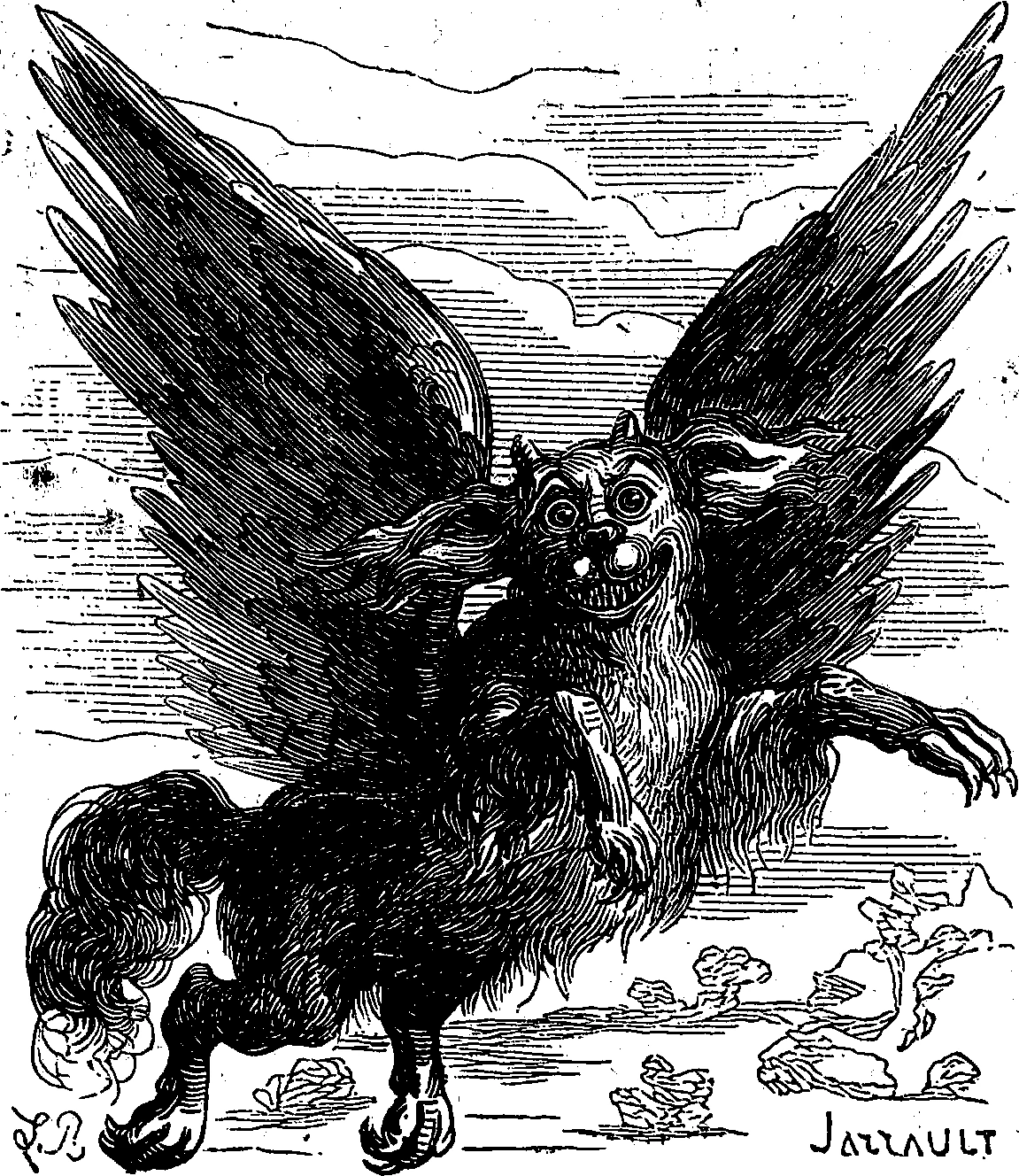
Glasya-Labolas

A Goetic spirit combining learned offices with a violent reputation and a winged dog form.

Demonology & Spirits

Agares

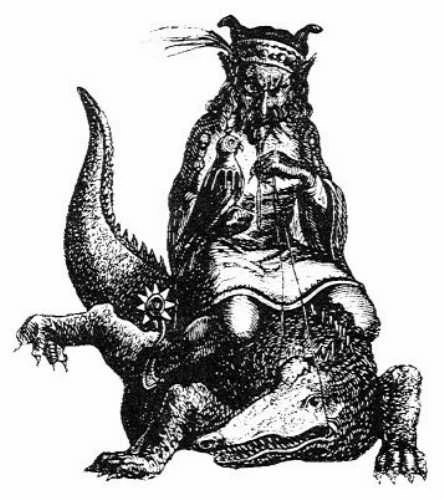
The second Goetic spirit, described as an elderly rider with a crocodile and a goshawk.

Demonology & Spirits

Amon

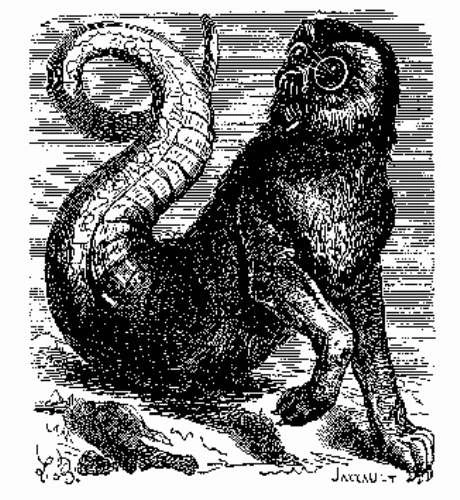
A Goetic marquis with a wolf-like appearance, associated with knowledge and the making or resolution of disputes.

Demonology & Spirits

Barbatos

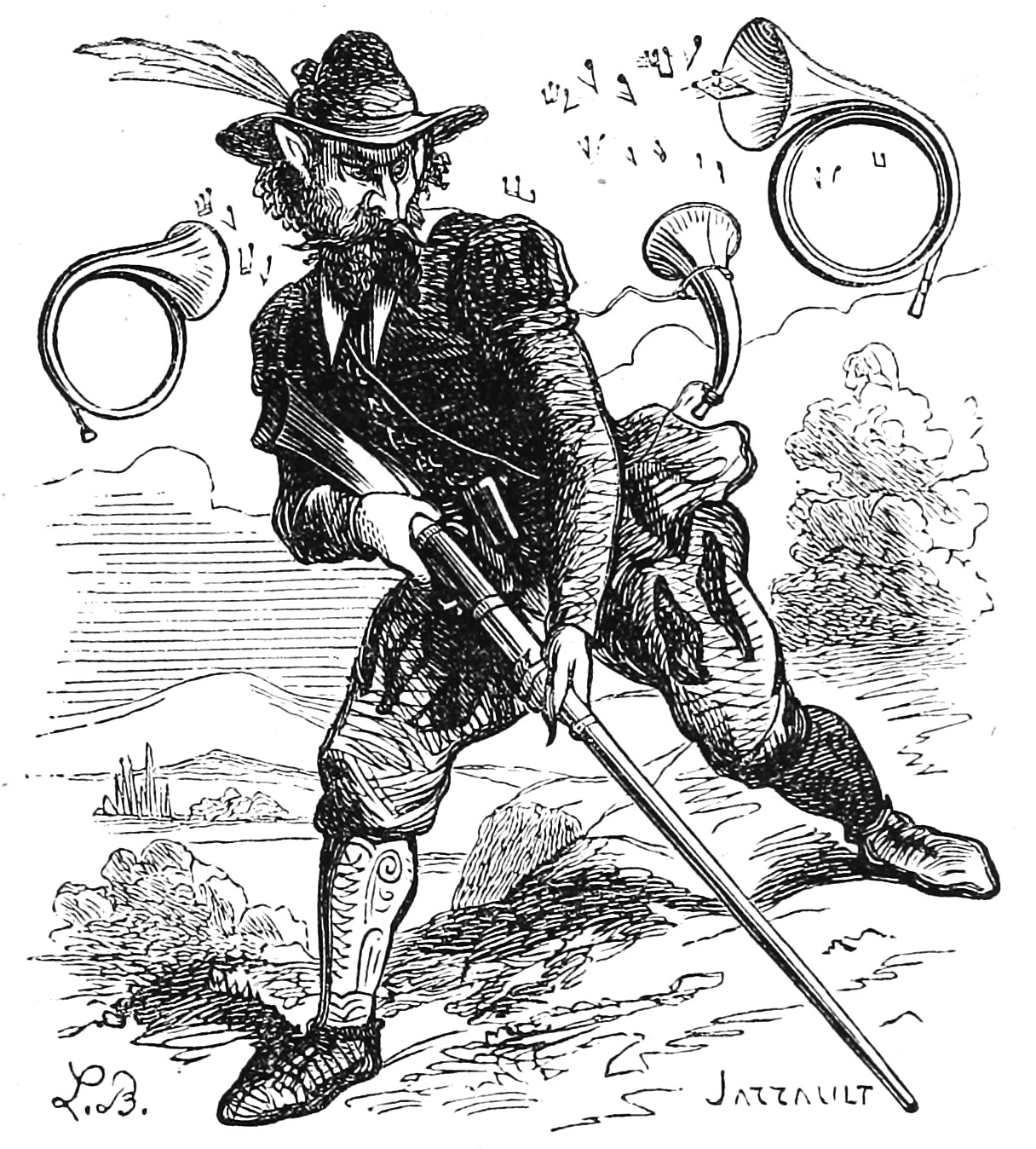
A Goetic duke connected with the speech of animals, enchanted treasure, and reconciliation.

Demonology & Spirits

Beleth

A Goetic king riding a pale horse, associated with desire and an elaborate ceremonial reception.

Demonology & Spirits

Eligos

A Goetic duke depicted as a knight, associated with hidden matters, battles, and favor from powerful people.