
Satanic Panic
The Satanic Panic refers to a wave of allegations concerning organized Satanic abuse, especially in the late twentieth century. Actual evidence of harm must be distinguished from expansive conspiracy claims.
Browse 226 published entries across 9 subjects, or narrow the index by topic, title, or update date.
From the indexSatanic PanicThe Satanic Panic refers to a wave of allegations concerning organized Satanic abuse, especially in the late twentieth century. Actual evidence of harm must be distinguished from expansive conspiracy claims.
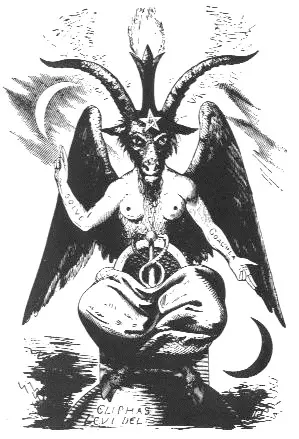
The images, names, and gestures used by Satanic traditions, whose meanings depend on their religious and historical setting.
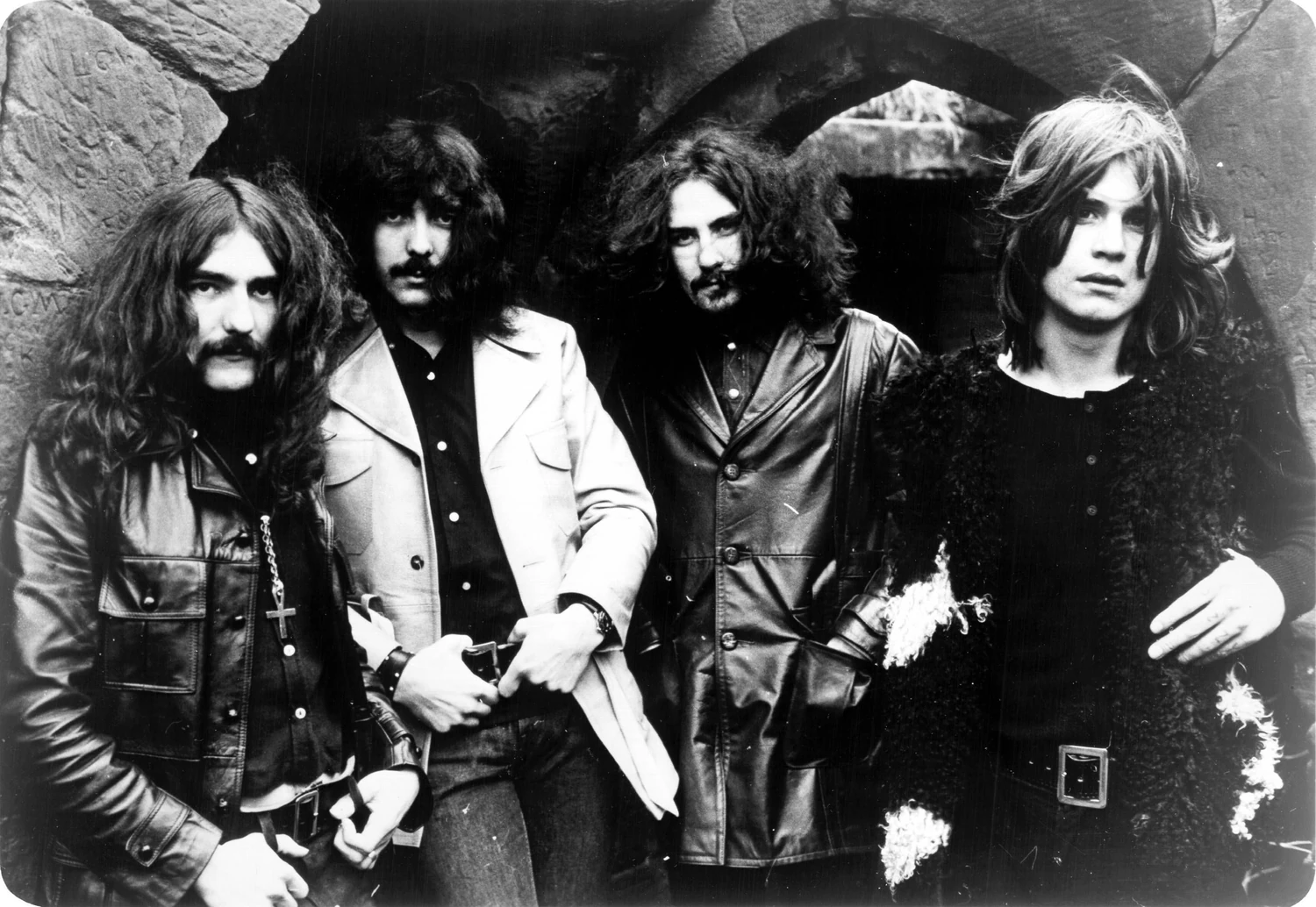
How Black Sabbath and Venom used dark or Satanic imagery, and why a song, stage character, and religious affiliation are different evidence.

A divinatory or visionary practice involving a reflective surface, crystal, or other focus for reported images and messages.

The Slavonic Enochic work also known as the Book of the Secrets of Enoch, describing ascent, creation, and instruction.

A Goetic prince riding a winged horse, associated with rapid movement and the recovery of hidden things.
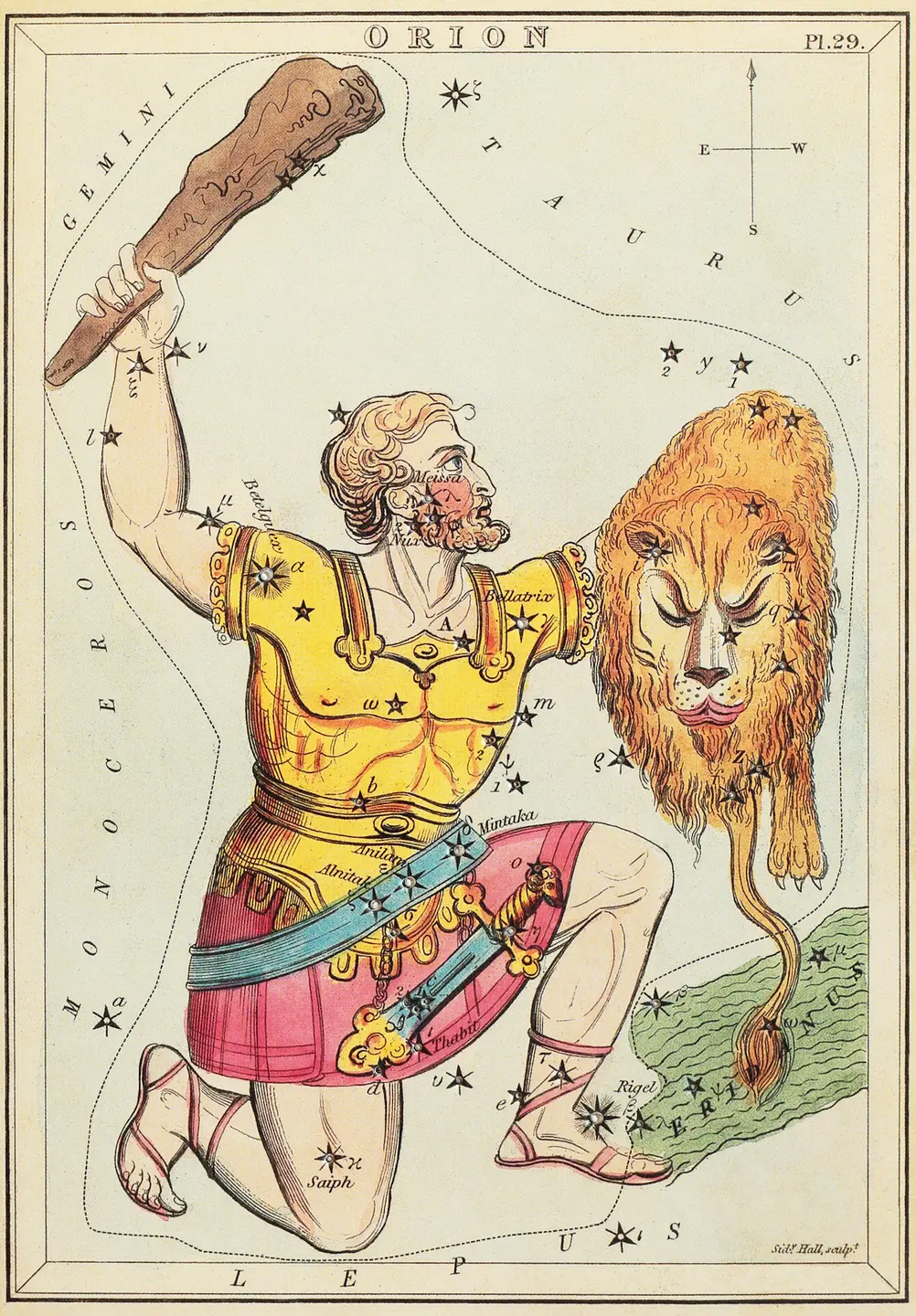
Semjaza is a leading figure in the Enochic account of the Watchers’ oath and descent. His role differs from the teaching and punishment associated with Azazel.
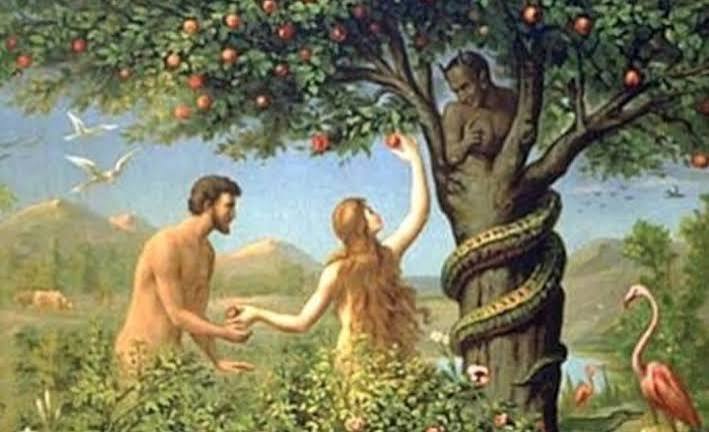
The serpent in Genesis 3 persuades the woman to eat from the tree of knowledge. The chapter does not name Satan. Later texts and interpretations connect the serpent with the Devil, adding to the history of the Eden story.
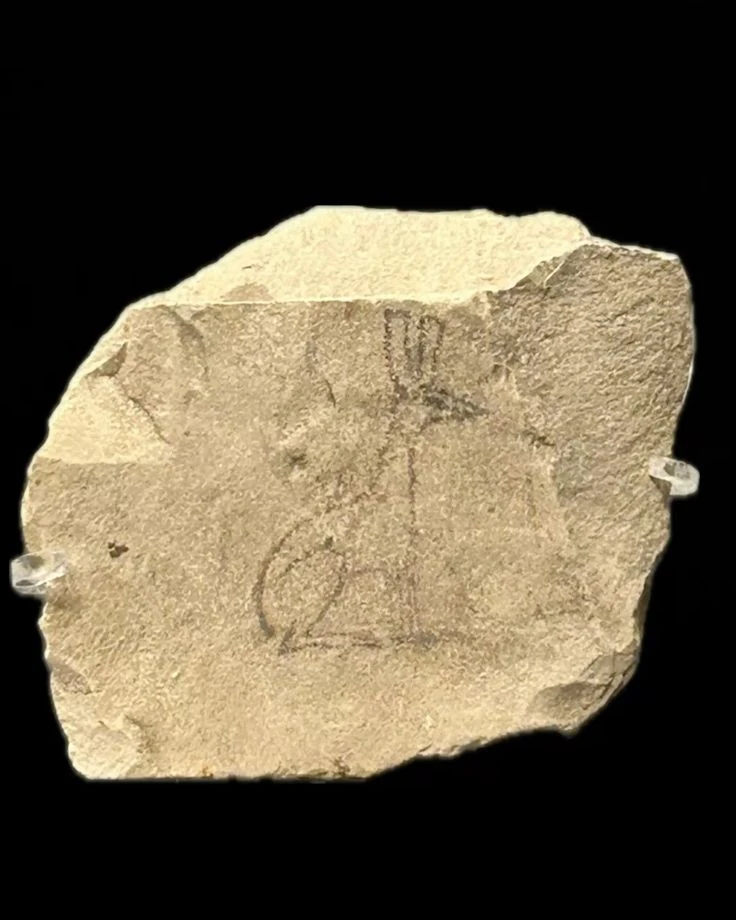
An ancient Egyptian deity associated with conflict and disorder, also reinterpreted in modern Setian religion.
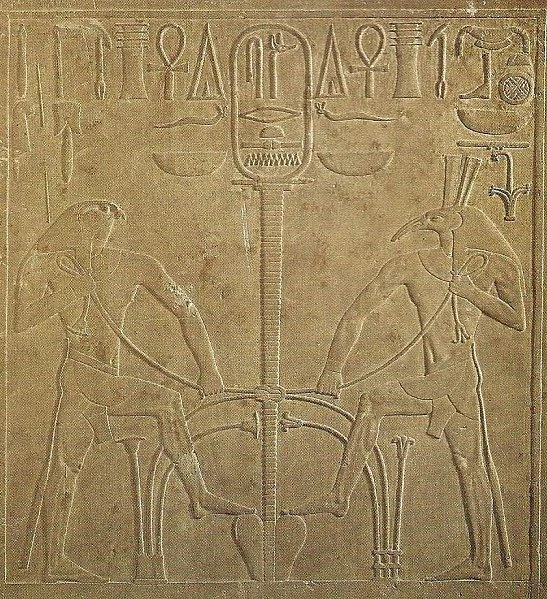
The religious philosophy associated with the Temple of Set, the Egyptian name Set, and the idea of Xeper.
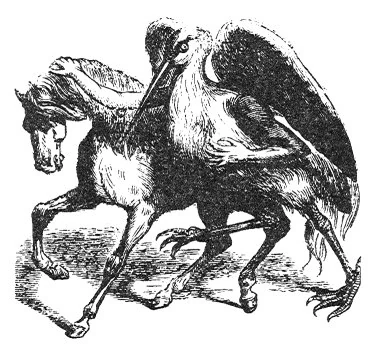
A Goetic marquis in bird form, associated with concealment, royal money, and unreliable answers.

Sigils are graphic signs used in particular magical systems. Historical spirit seals, ceremonial figures, and modern personal signs should be distinguished.