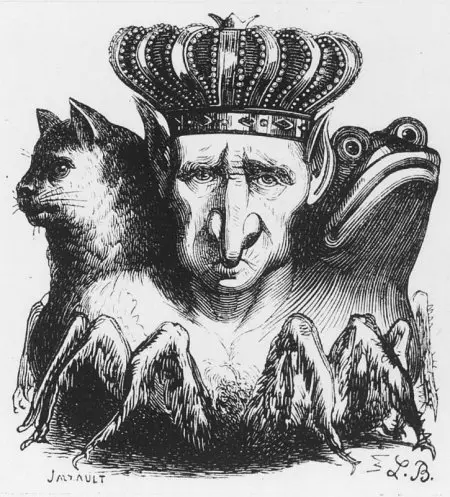
Bael
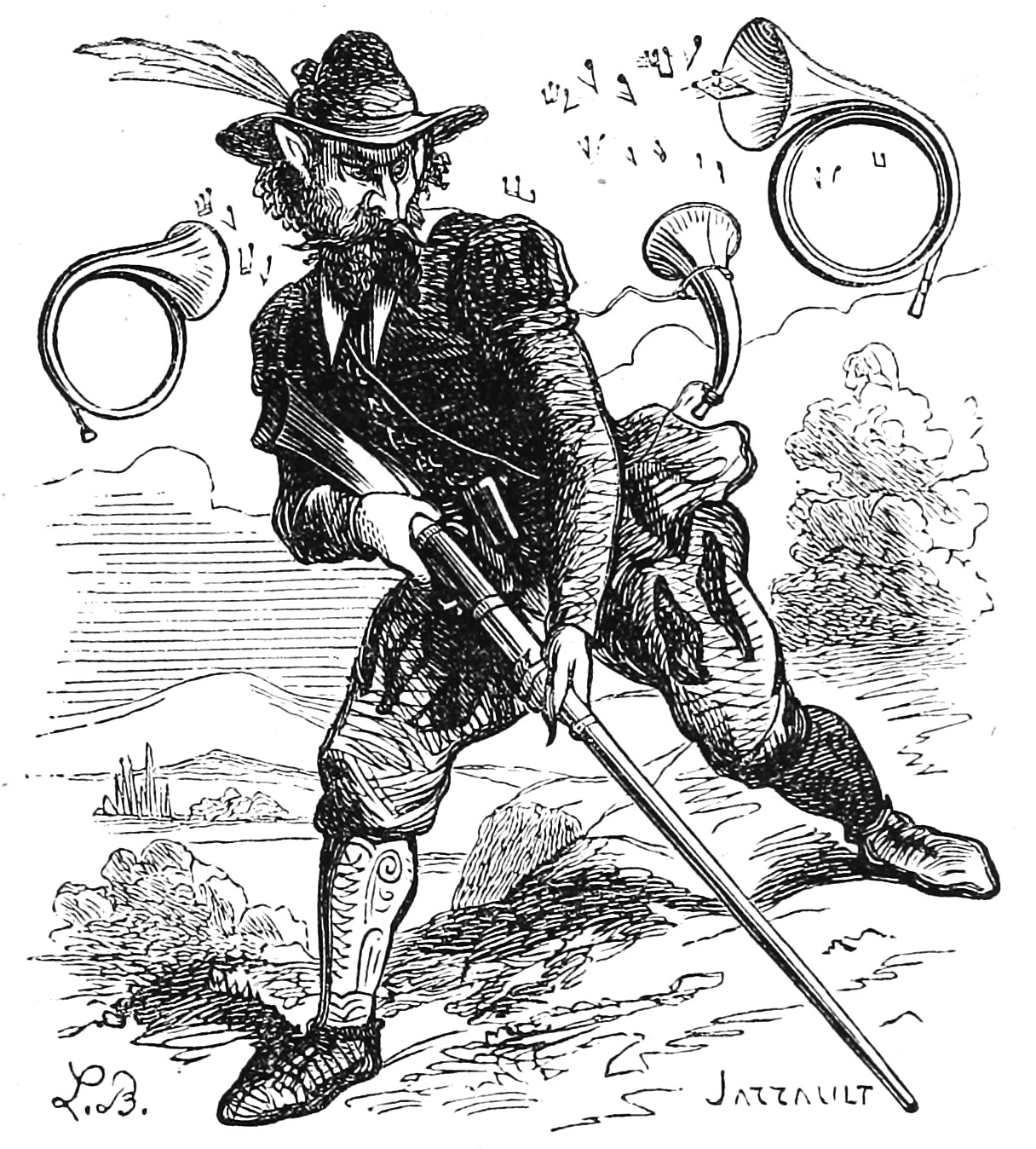
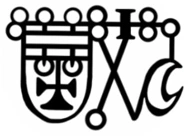
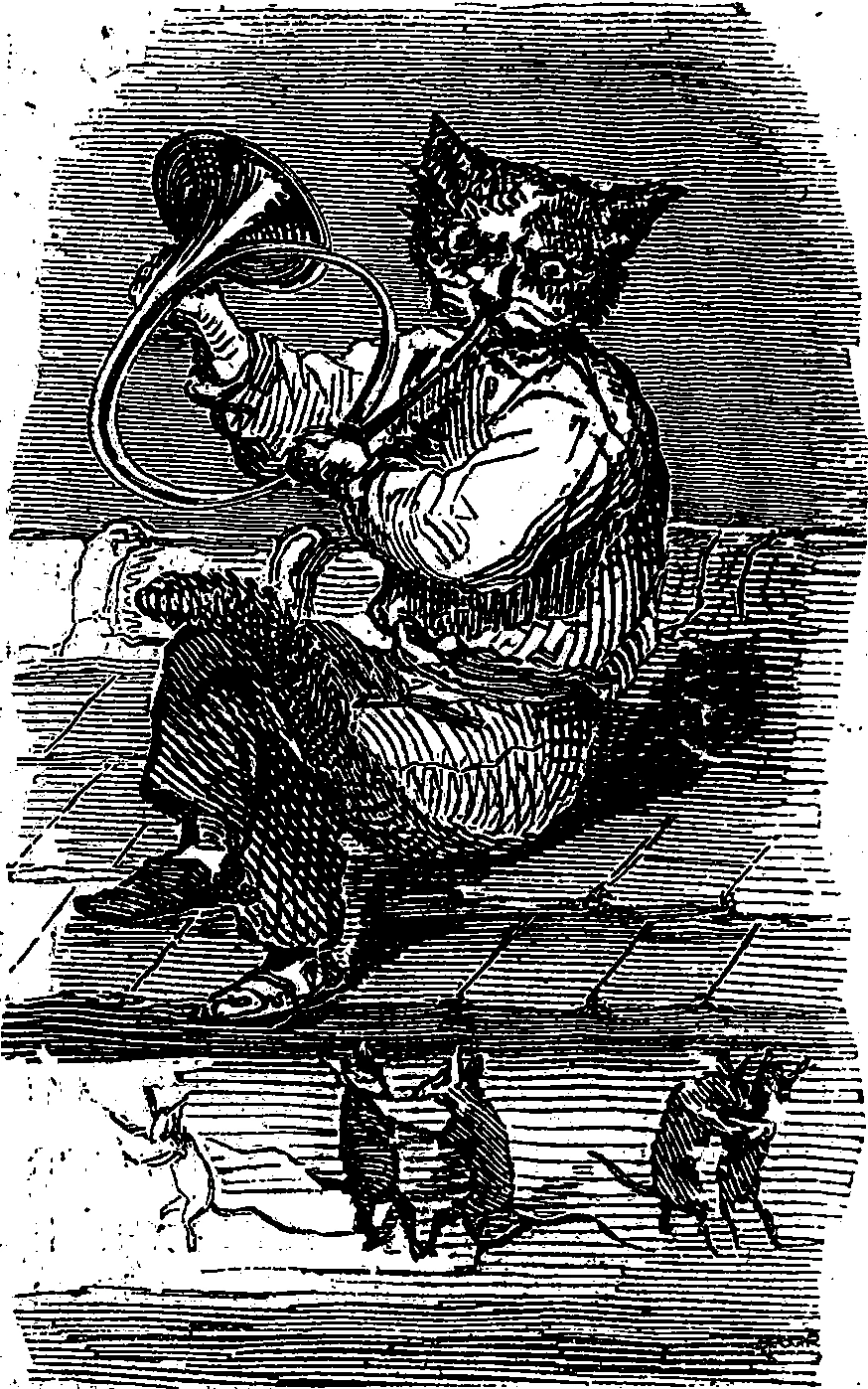
Bael is a ranked spirit in early modern magical catalogues. The Goetic figure should be distinguished from the wider use of the ancient title Baal.
Browse 226 published entries across 9 subjects, or narrow the index by topic, title, or update date.
From the indexBaelBael is a ranked spirit in early modern magical catalogues. The Goetic figure should be distinguished from the wider use of the ancient title Baal.
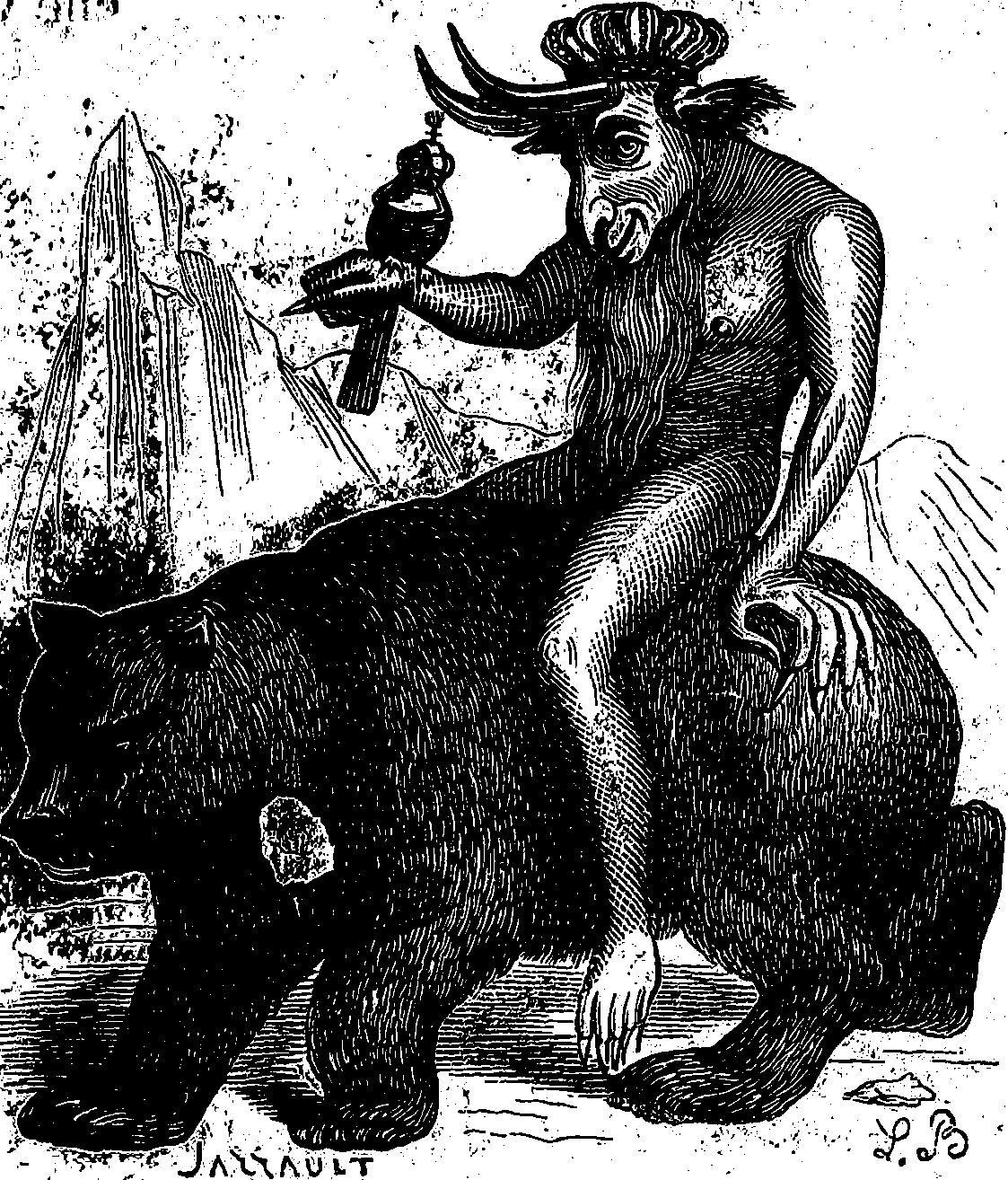
A three-headed Goetic king riding a bear, associated with answers, wit, and invisibility.
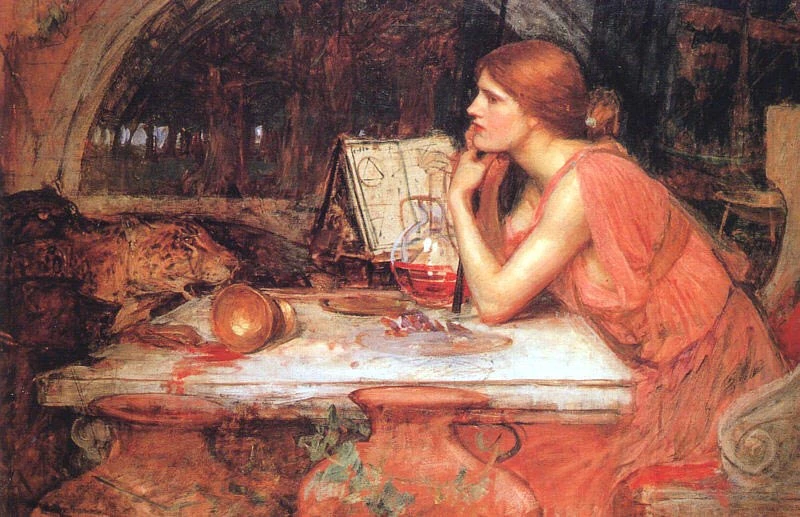
Ceremonies intended to clear, delimit, or reorder a ritual setting, with methods that vary by tradition.
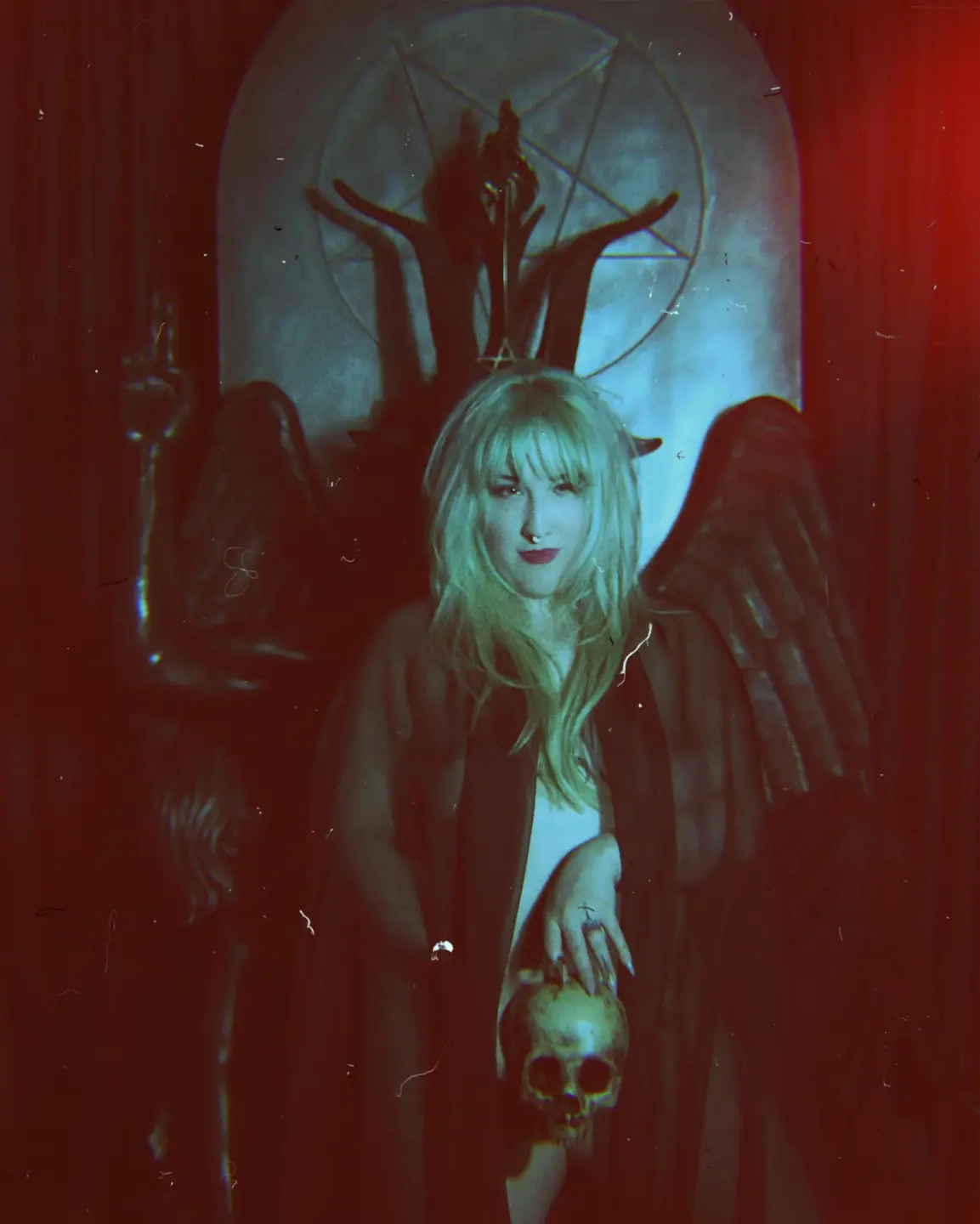
Baphomet is an occult figure whose history connects the medieval trial of the Knights Templar, nineteenth-century ceremonial symbolism, twentieth-century Satanic iconography, and the modern public imagery of The Satanic Temple. The familiar goat-headed, winged, androgynous figure is not a medieval portrait of a secret Templar god. It was created in the nineteenth century by the French occultist Éliphas…
A Goetic duke connected with the speech of animals, enchanted treasure, and reconciliation.
A Goetic duke associated with herbs, precious stones, and sudden travel between countries.
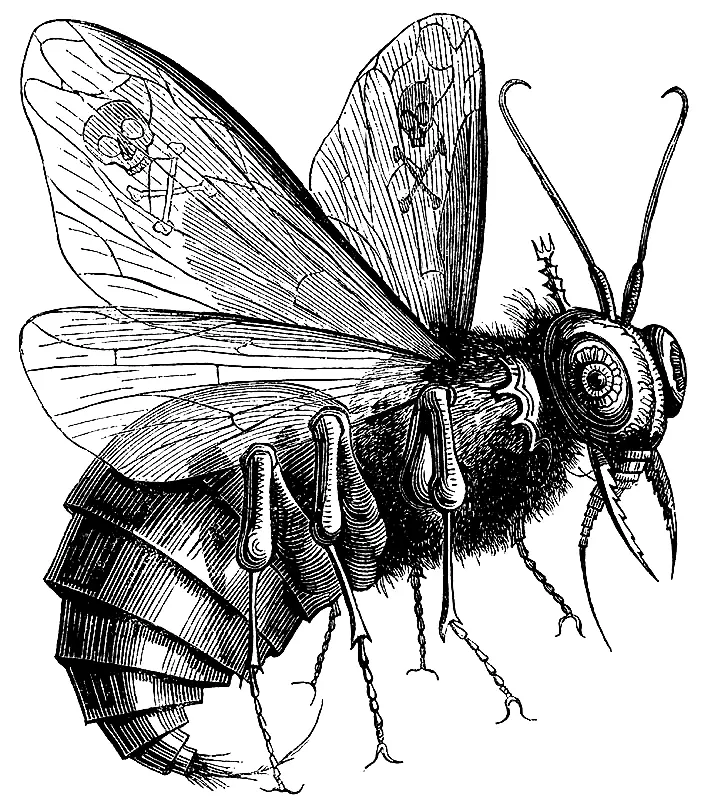
Beelzebub and related spellings appear in distinct biblical contexts. Later demonological interpretations should not be retroactively read into each earlier occurrence.
A Goetic king riding a pale horse, associated with desire and an elaborate ceremonial reception.
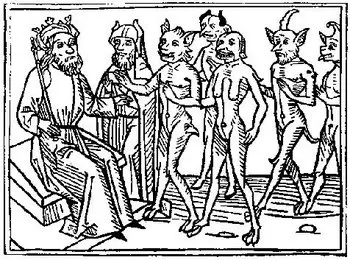
Belial appears in biblical religious language and later spirit catalogues. These uses should be distinguished rather than treated as one unchanged biography.
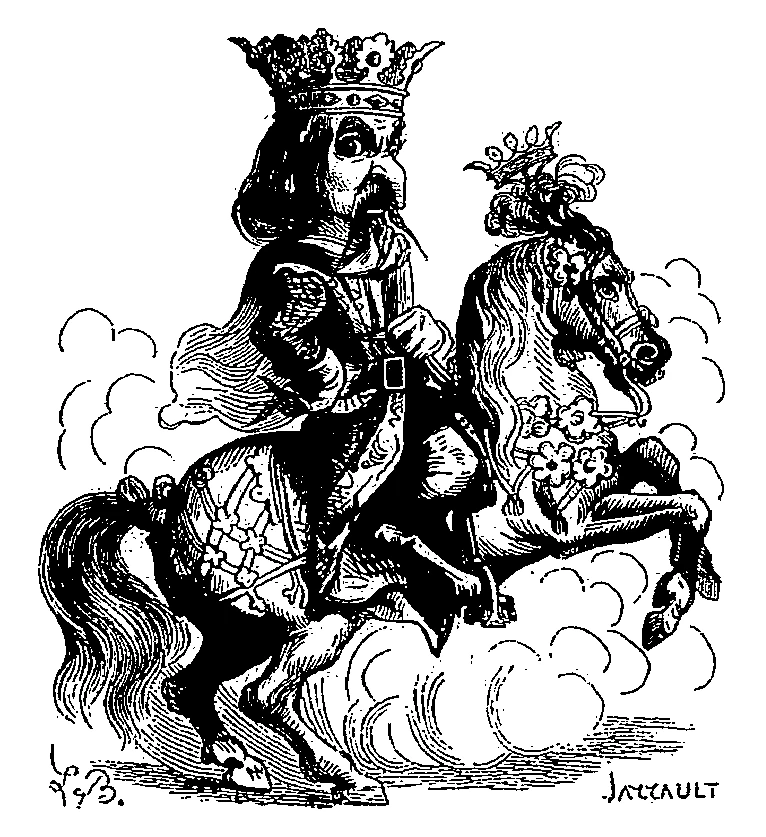
A Goetic duke riding a red horse, credited with knowledge, honors, and the transformation of metals.
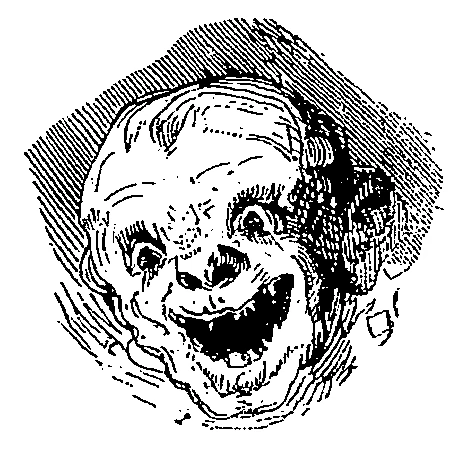
A Goetic earl associated with learned subjects, burial places, and lights at graves.
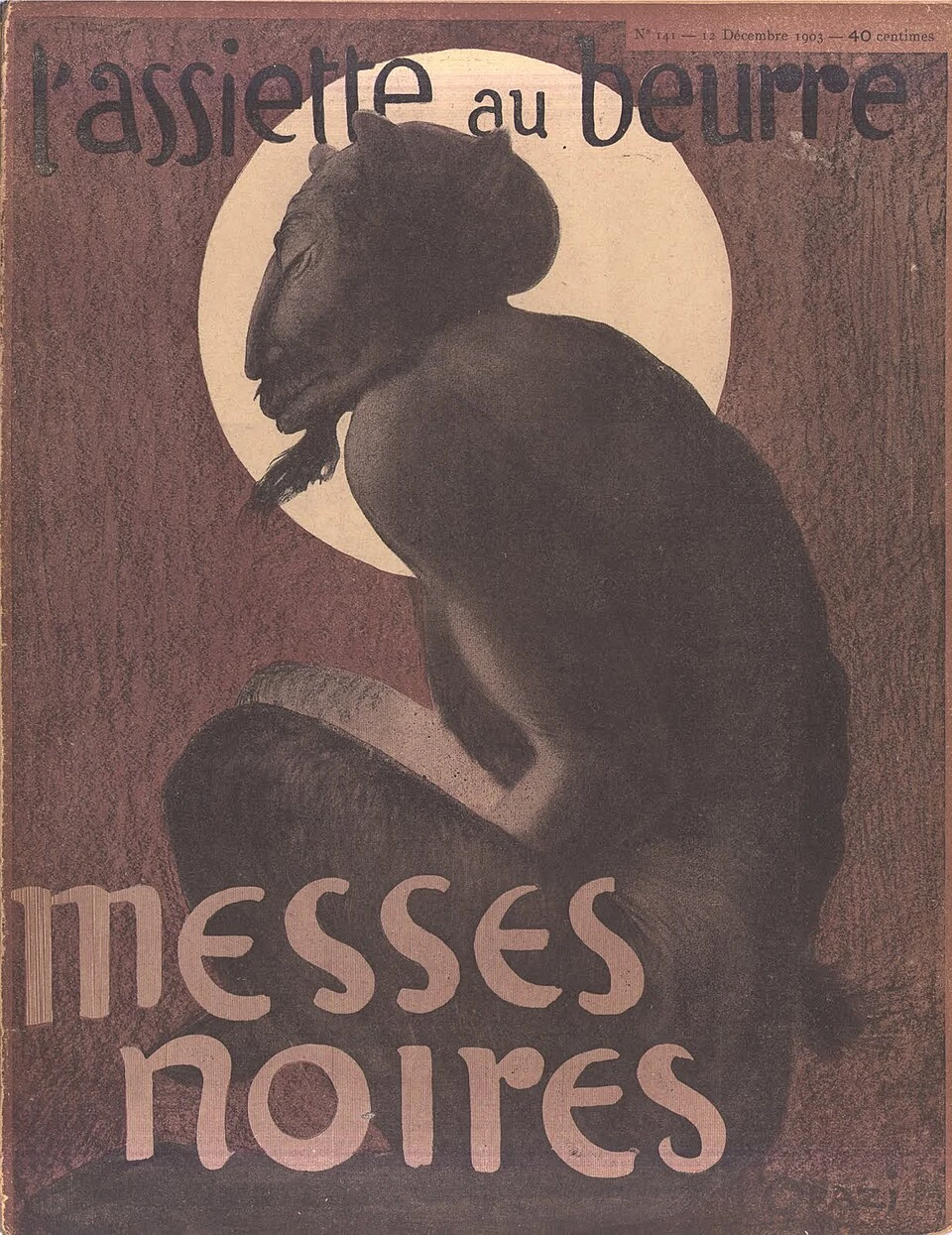
A term for ritual inversion of Christian worship, with Huysmans's literary portrayal and a modern distinction from Satanic Mass.