
Demonology & Spirits
Crocell
A Goetic duke, also called Procel, associated with geometry, hidden matters, and sounds of water.
A Goetic duke, also called Procel, associated with geometry, hidden matters, and sounds of water.

A Goetic president associated with learned subjects and transformations that alter a person's understanding of identity.
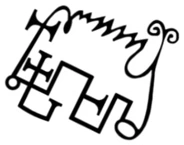
A Goetic president initially appearing as flame, associated with astrology, learning, familiars, and protected treasure.

A winged lion-shaped Goetic duke associated with crafts, philosophy, and learned subjects.
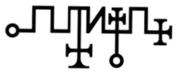
A Goetic spirit with a winged bull form, associated with wit and transformations of liquids and metals.
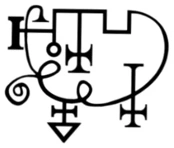
A peacock-shaped Goetic marquis associated with geometry, measurement, astronomy, and bird transformation.
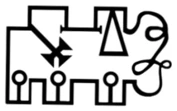
A mounted Goetic marquis associated with grammar, rhetoric, logic, and hidden treasure.
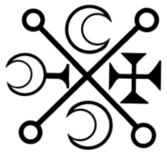
A Goetic marquis appearing as a star, associated with plants, stones, and bird-like apparitions.
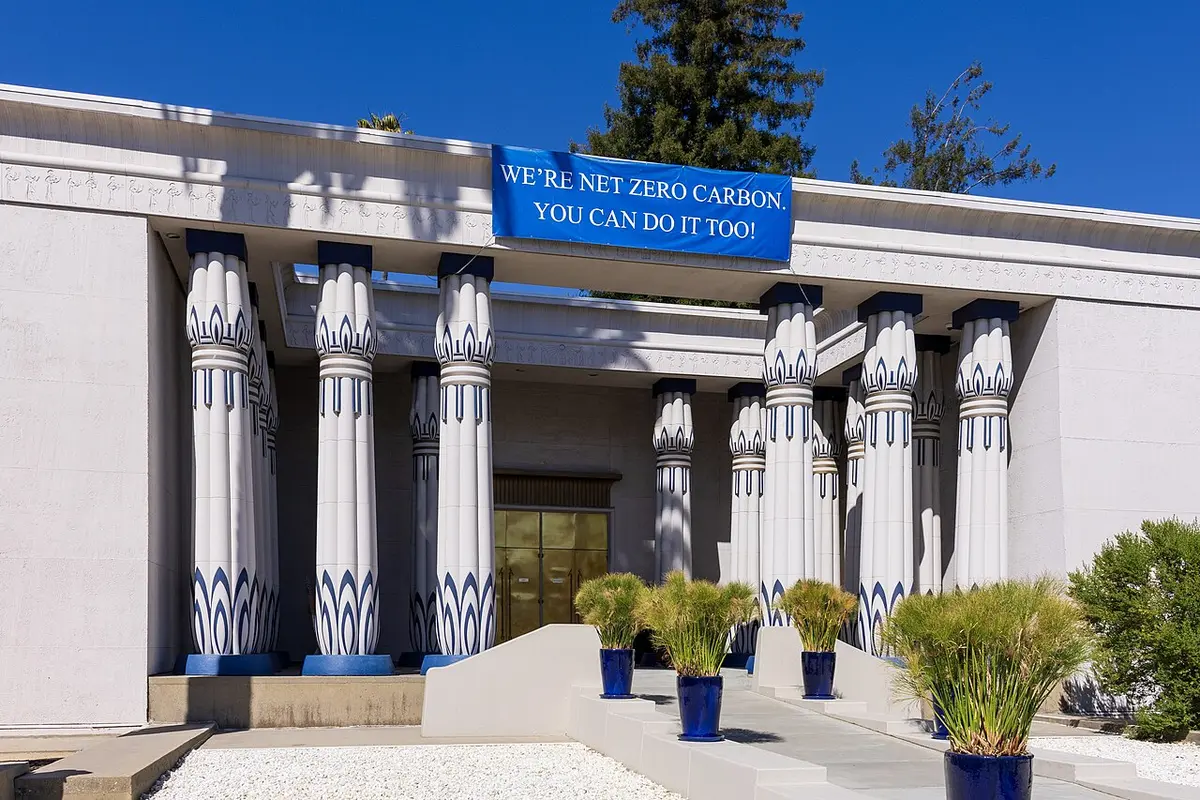
A modern Rosicrucian organization, usually called AMORC, that teaches through lessons and local study groups.
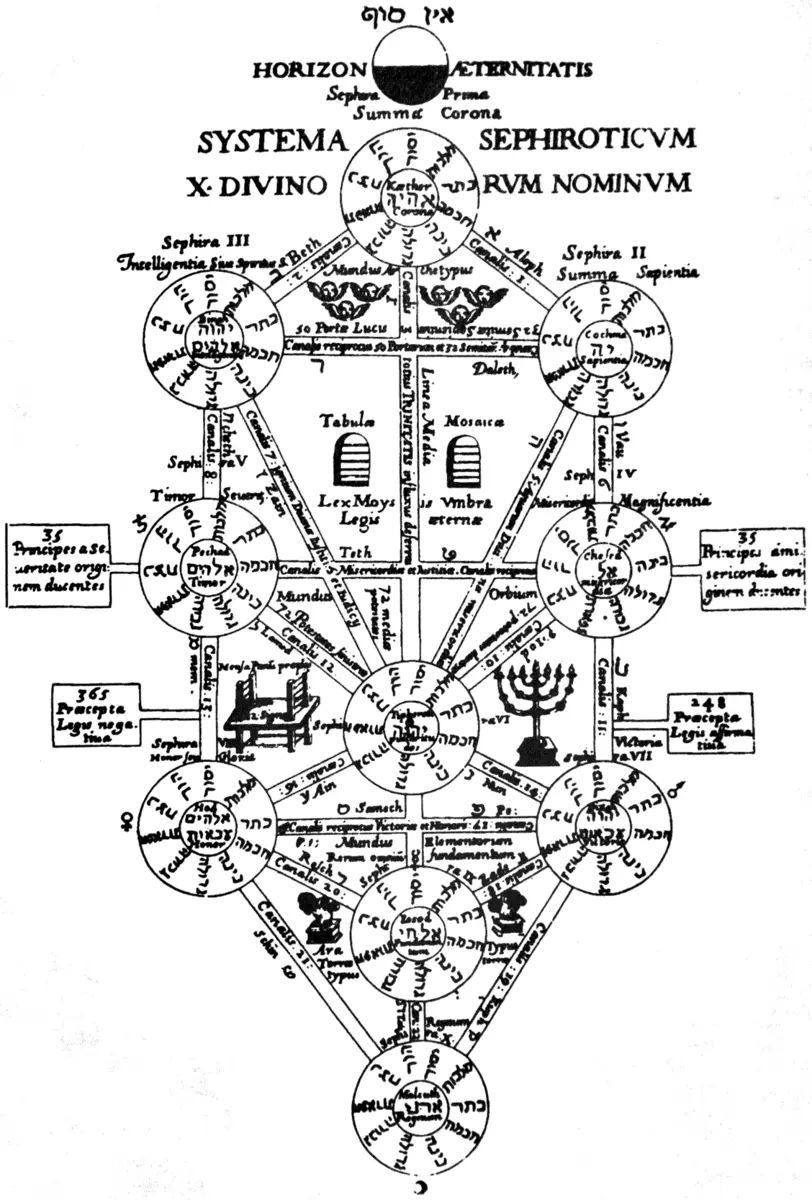
Western esoteric systems that adapt Kabbalistic ideas through ritual, correspondence tables, and symbolic interpretation.
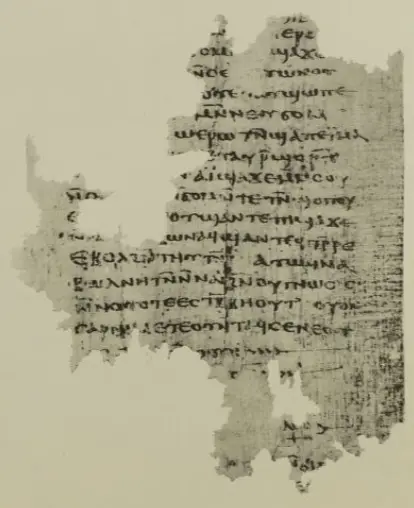
A modern umbrella term for several ancient religious movements and texts concerned with saving knowledge and divine origins.
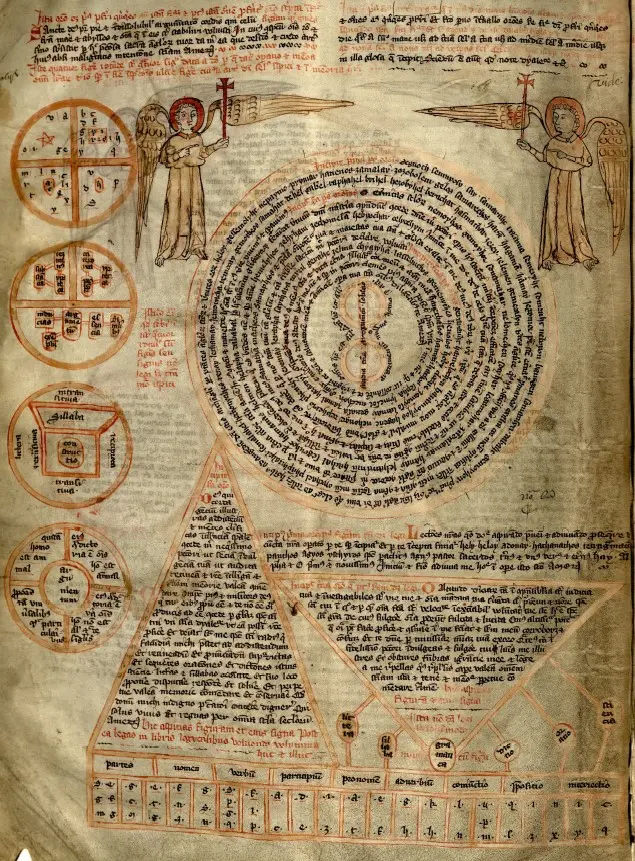
A medieval art of prayer and contemplation intended to confer learning, memory, and eloquence.
A grimoire with a hierarchy centered on Lucifer, Beelzebub, and Astaroth, followed by spirit operations and practical recipes.
A retelling of Genesis and early Exodus arranged through jubilees, with angelic revelation, calendar teaching, and expanded narratives.
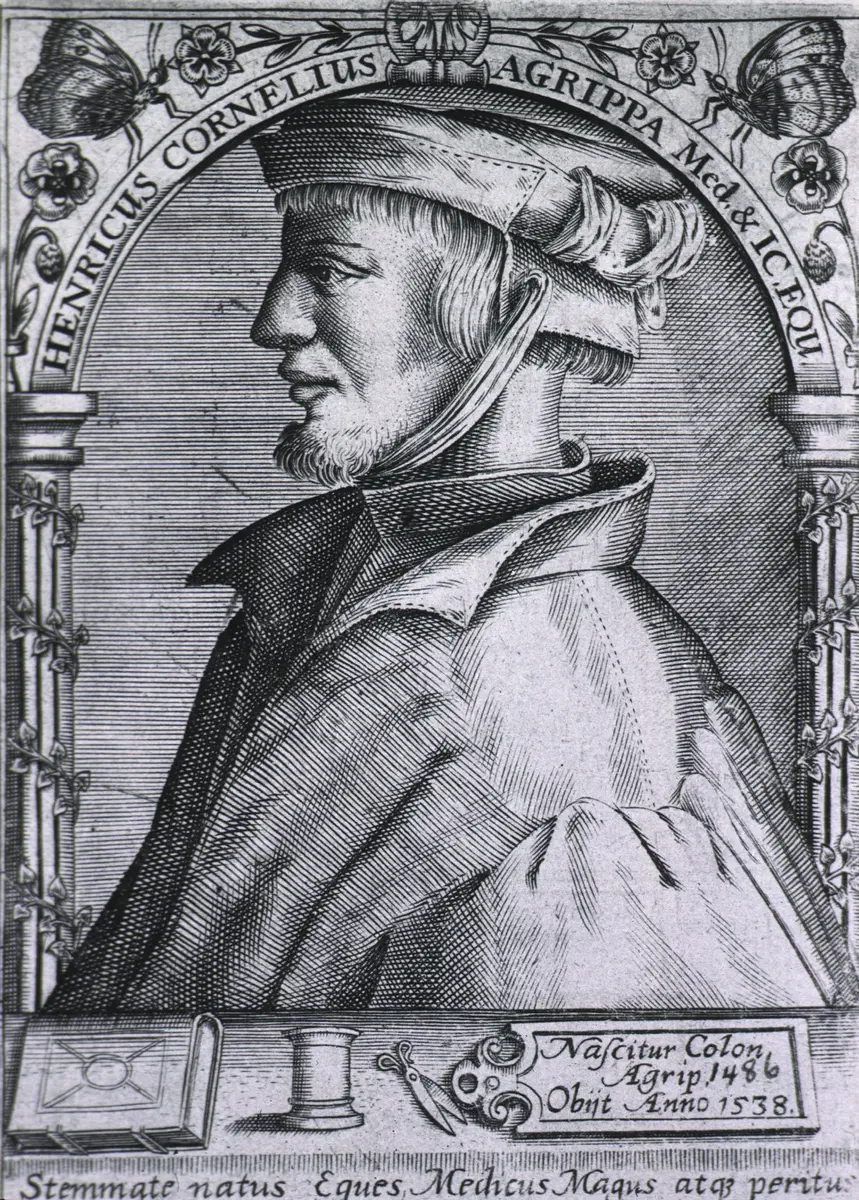
A Renaissance author whose Three Books of Occult Philosophy became a major source for Western magical systems.
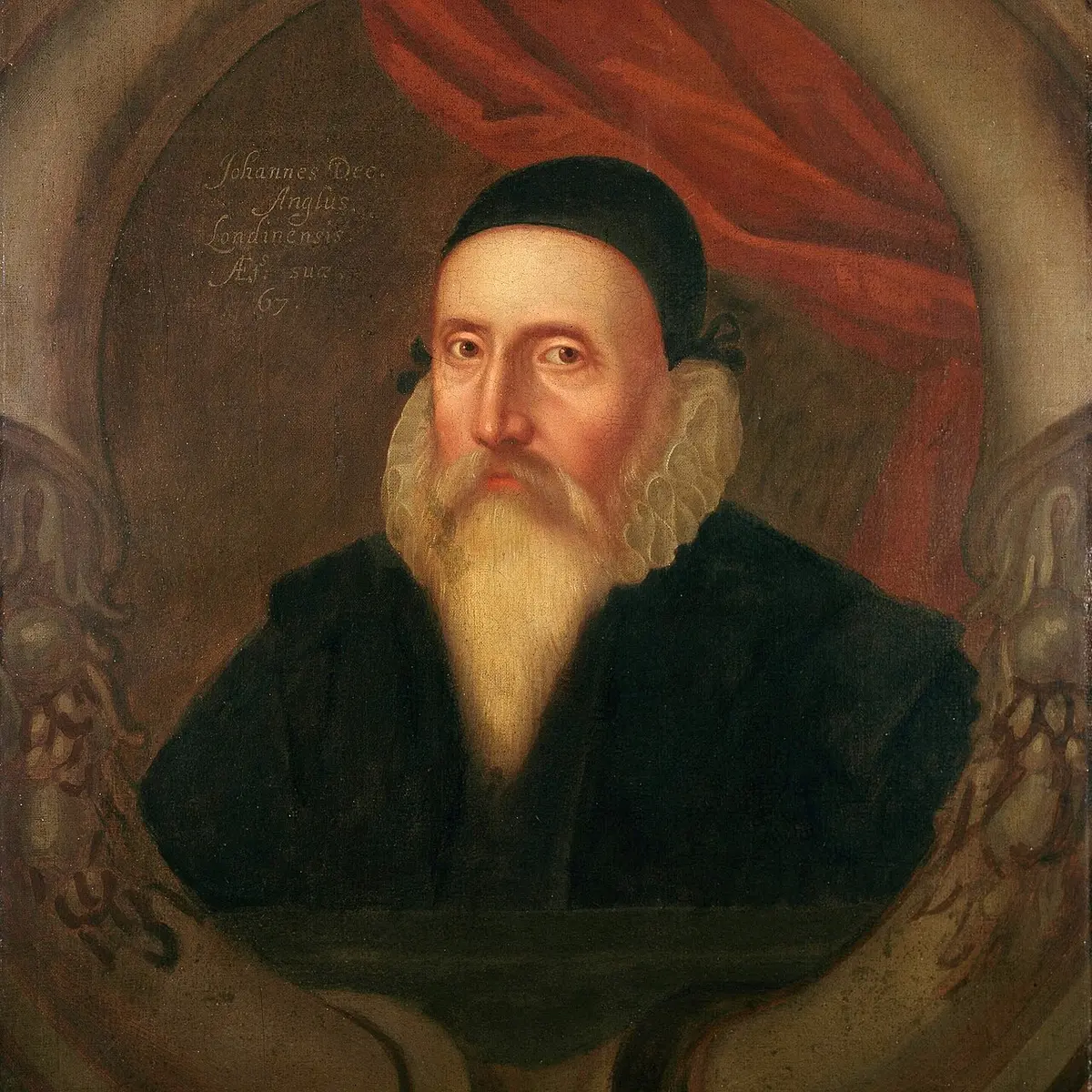
An English scholar whose records of spirit conversations became a major source for later angelic magic.
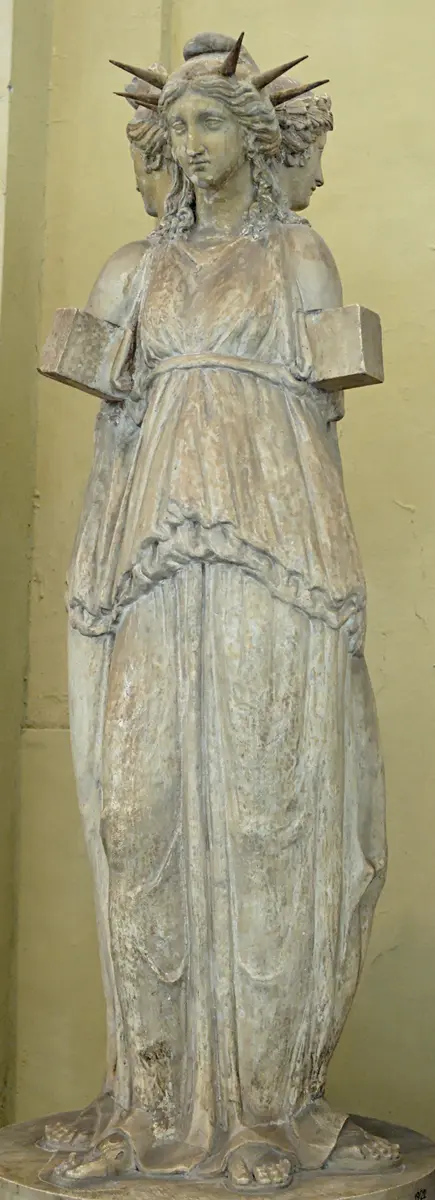
A Greek goddess with broad early powers and later associations with crossroads, spirits, and magic.
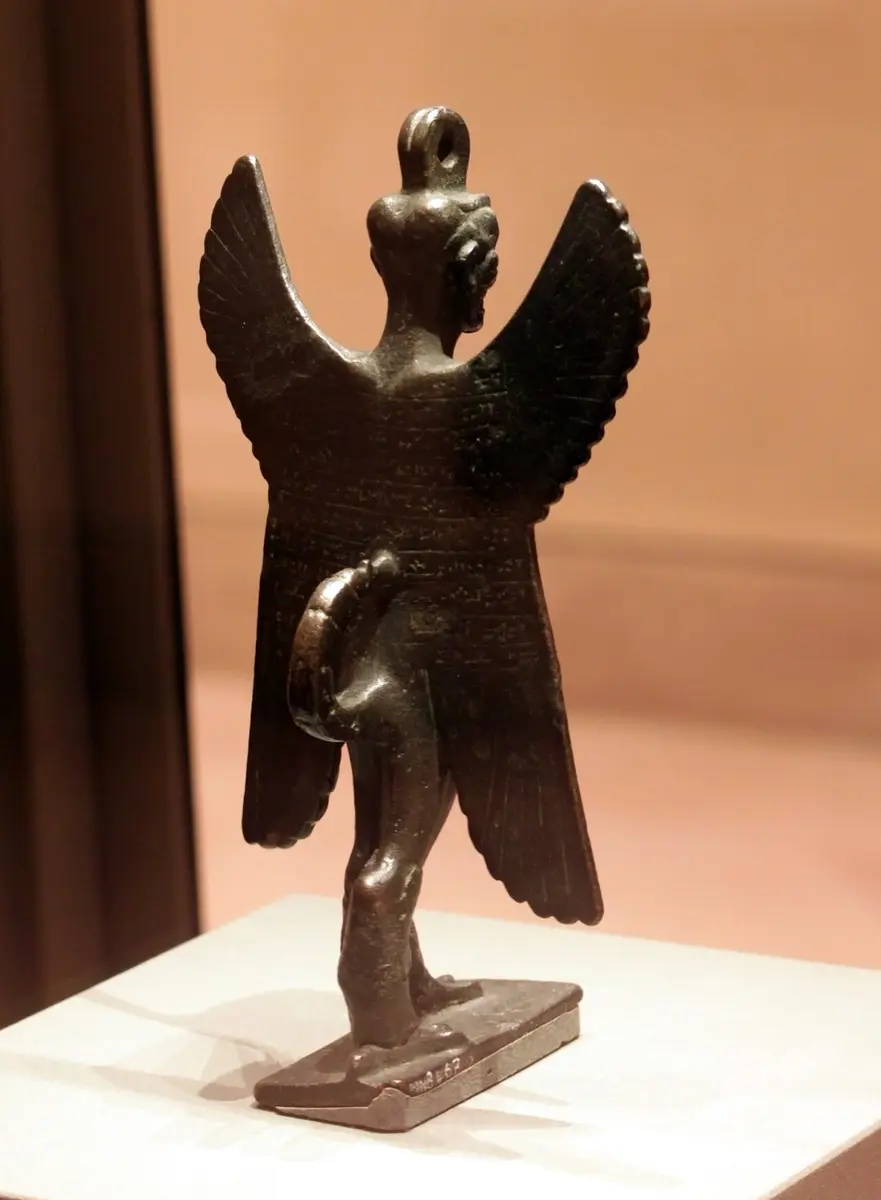
A Mesopotamian wind demon whose image was also used protectively, especially against Lamashtu.
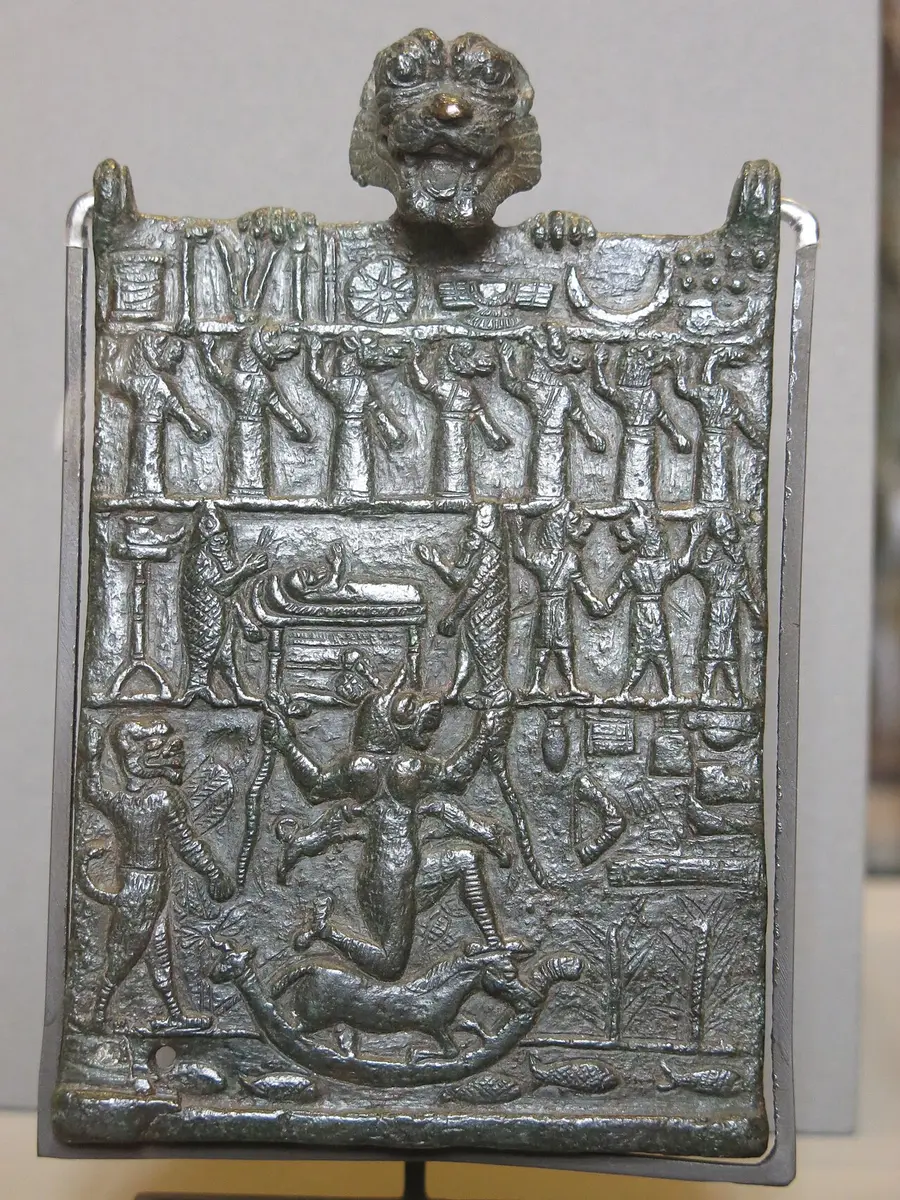
A Mesopotamian harmful female power represented on amulets and plaques intended to repel her.
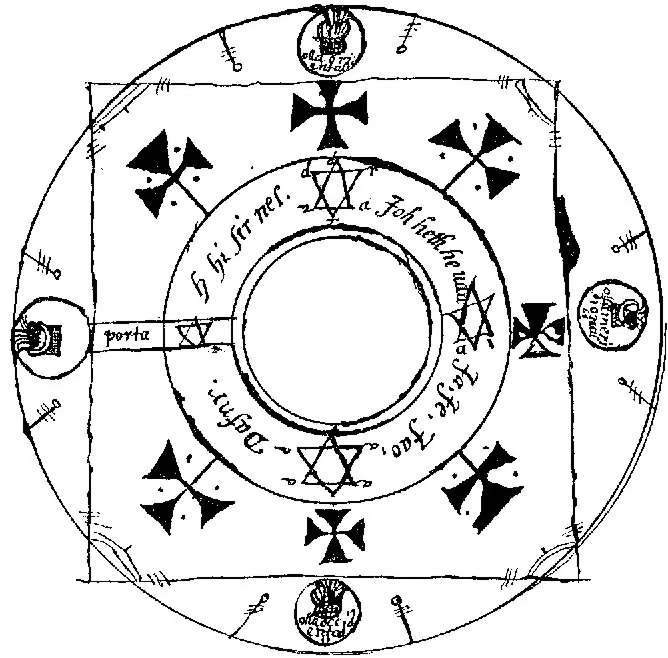
A marked ritual space whose names, divisions, and purpose differ among magical texts and modern traditions.