Serpent in Genesis
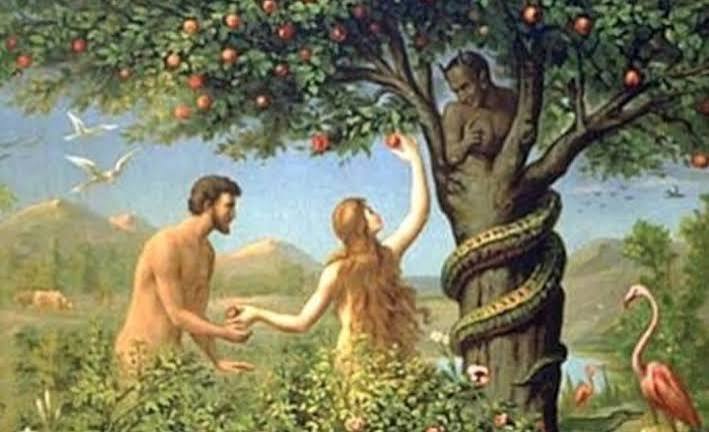
The serpent in Genesis 3 persuades the woman to eat from the tree of knowledge. The chapter does not name Satan. Later texts and interpretations connect the serpent with the Devil, adding to the history of the Eden story.
The serpent in Genesis 3 persuades the woman to eat from the tree of knowledge. The chapter does not name Satan. Later texts and interpretations connect the serpent with the Devil, adding to the history of the Eden story.
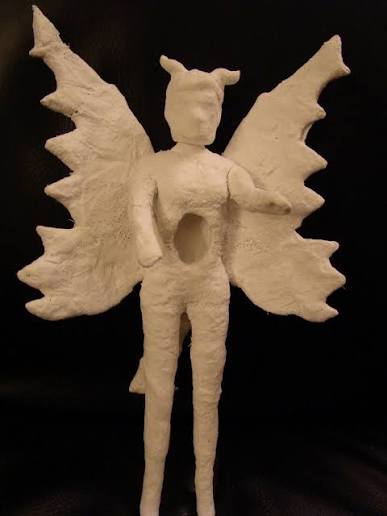
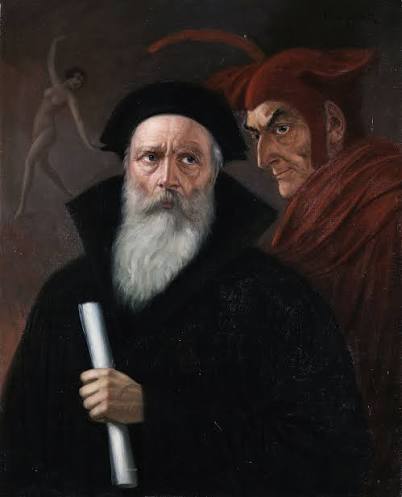
Faust is the scholar or magician at the center of a European legend about bargaining with the Devil. The 1587 Faust book, Marlowe’s Doctor Faustus, and Goethe’s Faust give the story different treatments of knowledge, desire, damnation, and human striving.

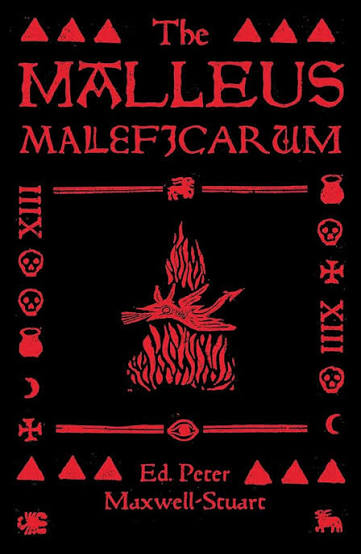
The Malleus Maleficarum is a Latin treatise associated with the inquisitor Heinrich Kramer. It combined demonological argument with proposals for prosecuting alleged witches. Its allegations, treatment of women, and influence require critical historical reading.

Mastema is a leader of harmful spirits in the Book of Jubilees. His appearances in the stories of Noah, Abraham, and Moses connect temptation, accusation, and hostility with a power that remains subject to divine limits.

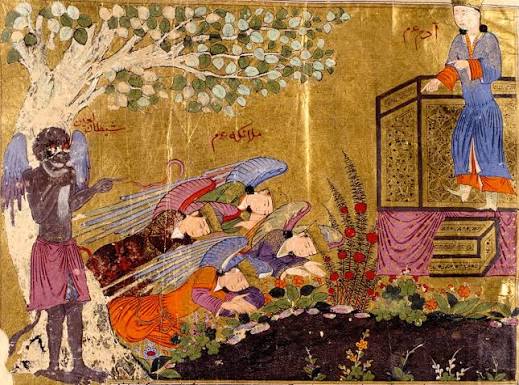
Iblis is the figure who refuses God’s command to bow to Adam in the Qur’an. Islamic commentary and Sufi literature explore his pride, his relationship to the jinn, his role as a tempter, and the meaning of his disobedience.

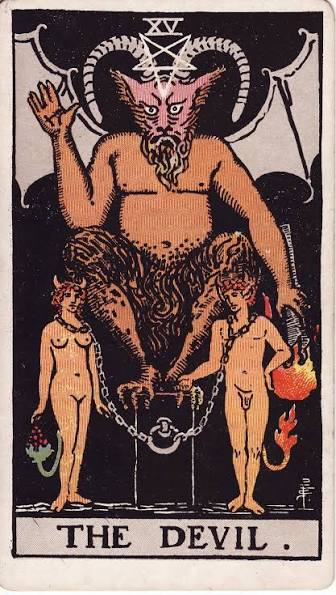
The Devil is a tarot trump commonly numbered XV. Its imagery and interpretation vary between decks and writers. Waite and Papus connect it with material constraint, fatality, and occult forces, while tarot’s history begins in the world of playing cards.

The Massachusetts prosecutions of 1692-1693, the spread of accusations, spectral evidence, and the surviving court archive.

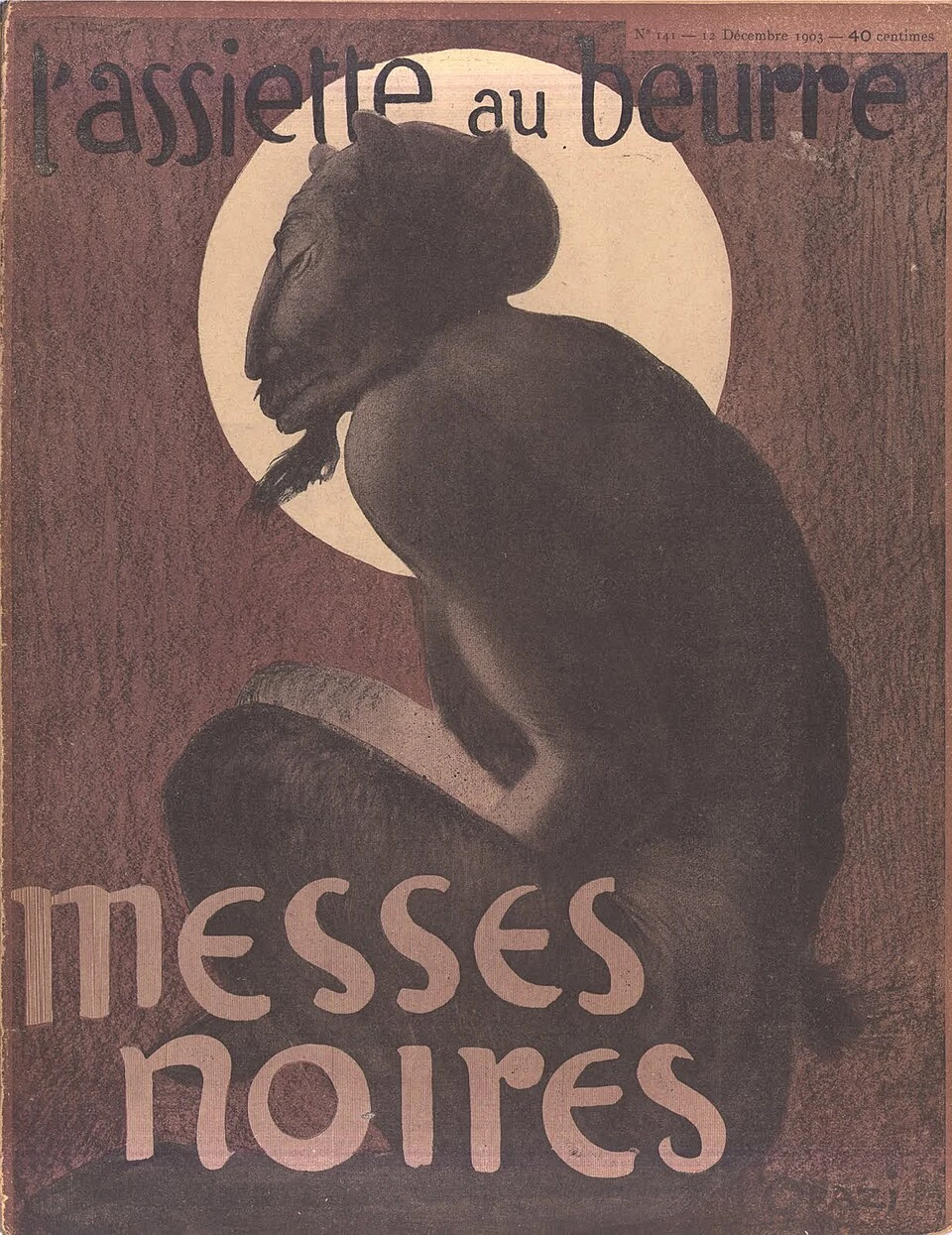
A term for ritual inversion of Christian worship, with Huysmans's literary portrayal and a modern distinction from Satanic Mass.

Freedom of religion and belief in international human rights texts, including minority religions, nonbelief, and religious expression.

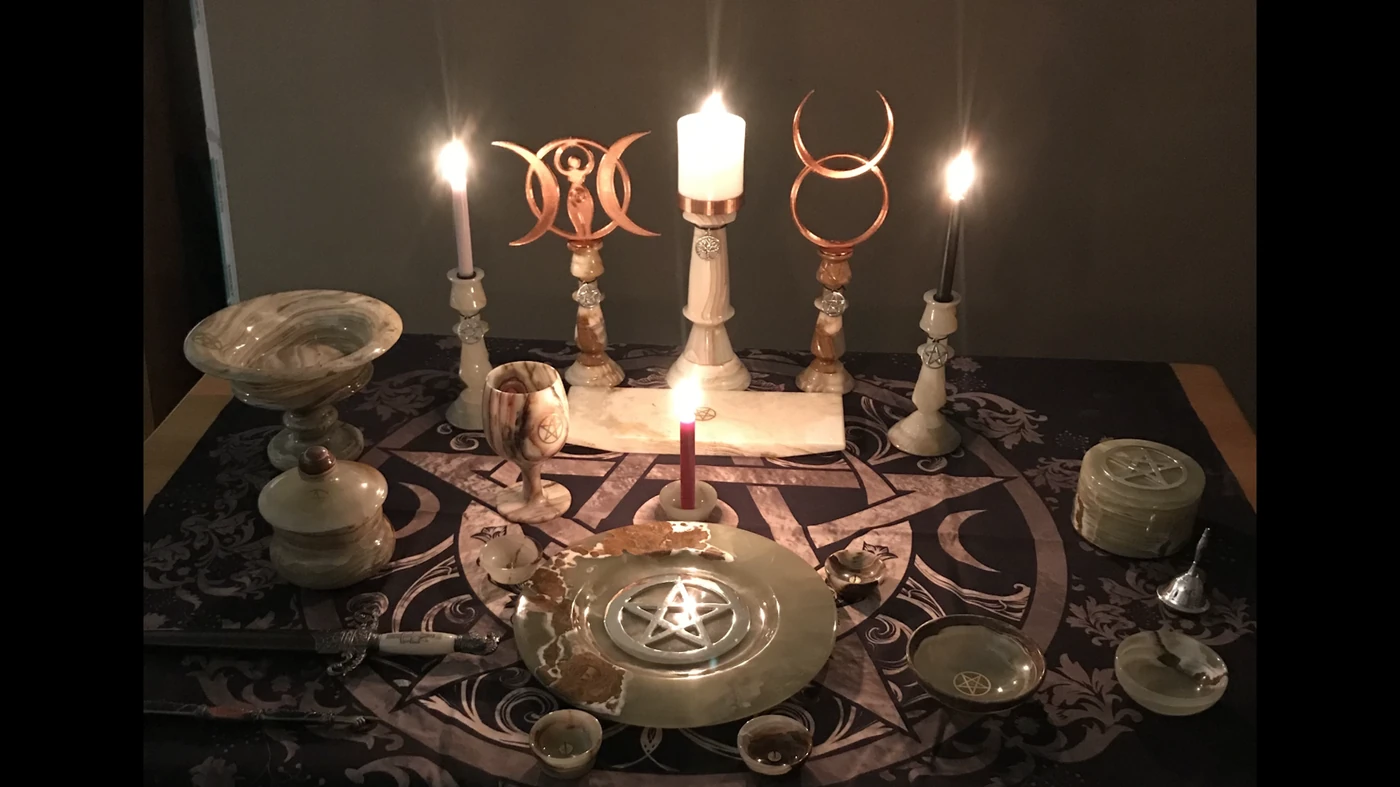
An altar is a designated place or surface used for religious devotion, ritual, offerings, sacred objects, or symbolic focus. Altars occur in many religious traditions, but their forms and meanings vary widely. In modern theistic Satanism an altar may function as a place for Prayer, Ritual, Offerings, meditation, spirit work, or the display of symbols connected with Satan and other beings.

A Goetic marquis associated with rhetoric and the restoration of lost honors.

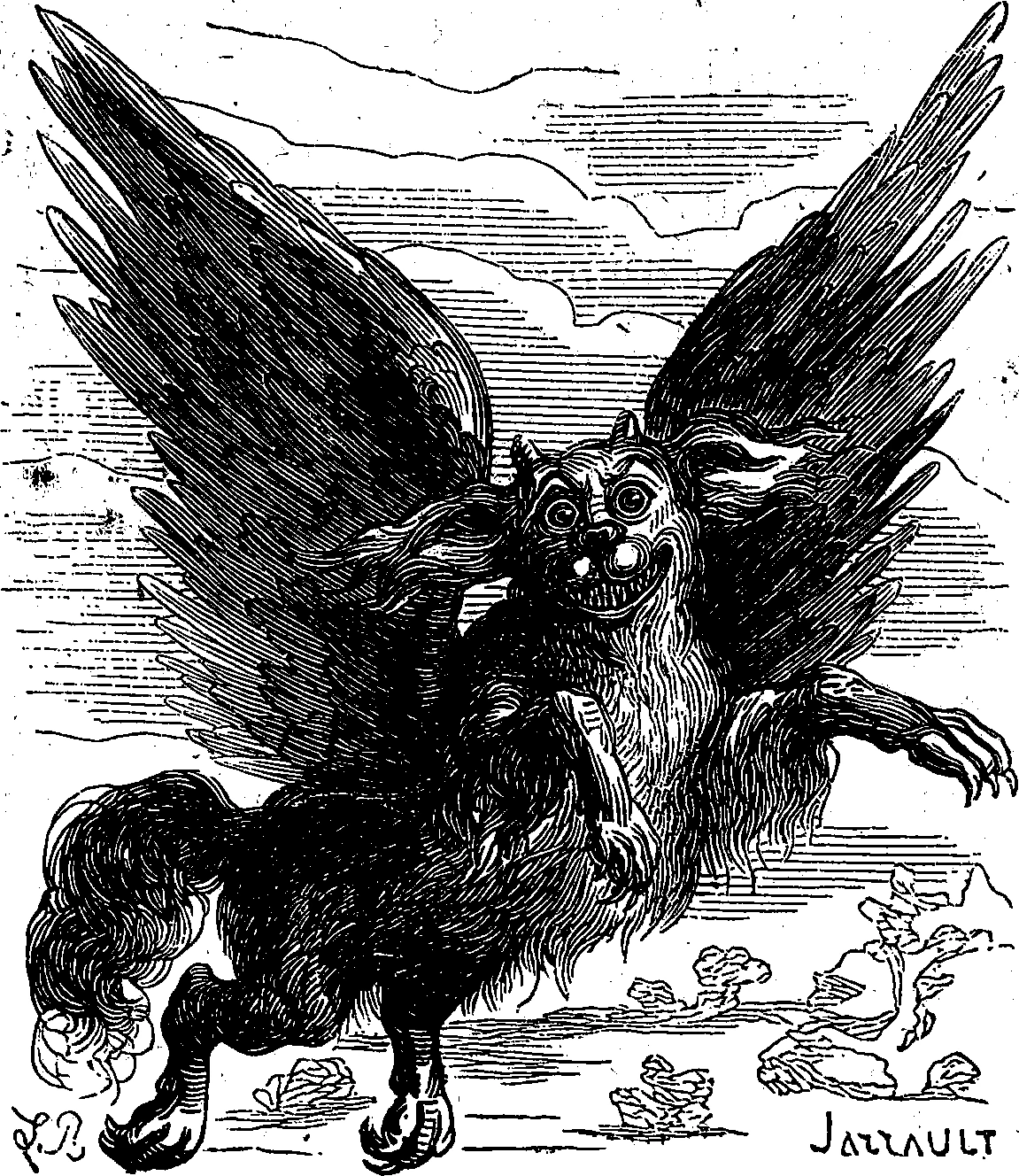
A Goetic spirit combining learned offices with a violent reputation and a winged dog form.

A Goetic marquis with a wolf-like appearance, associated with knowledge and the making or resolution of disputes.

A Goetic duke connected with the speech of animals, enchanted treasure, and reconciliation.

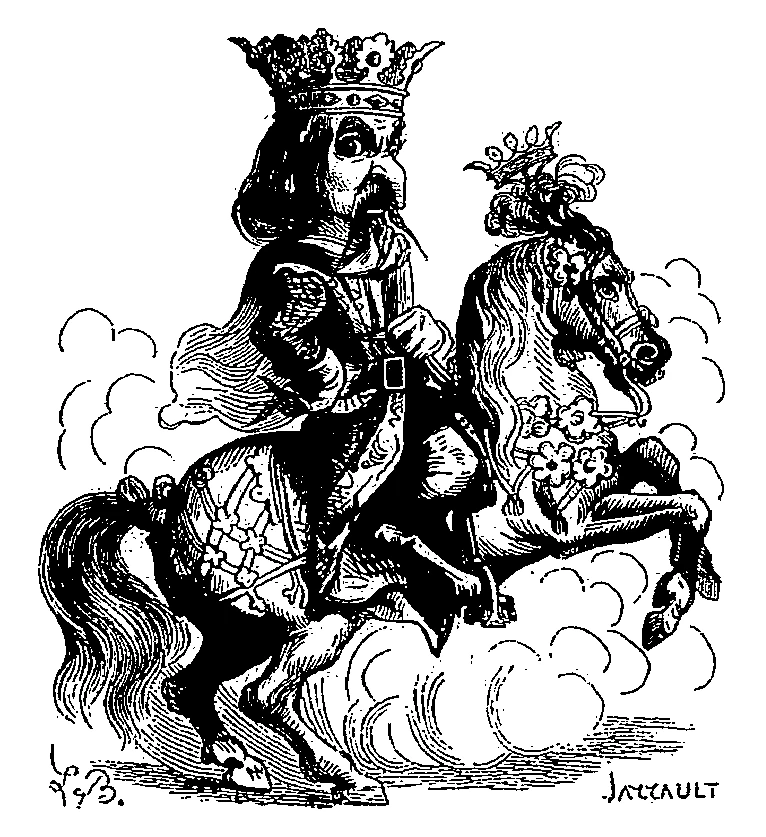
A Goetic duke riding a red horse, credited with knowledge, honors, and the transformation of metals.

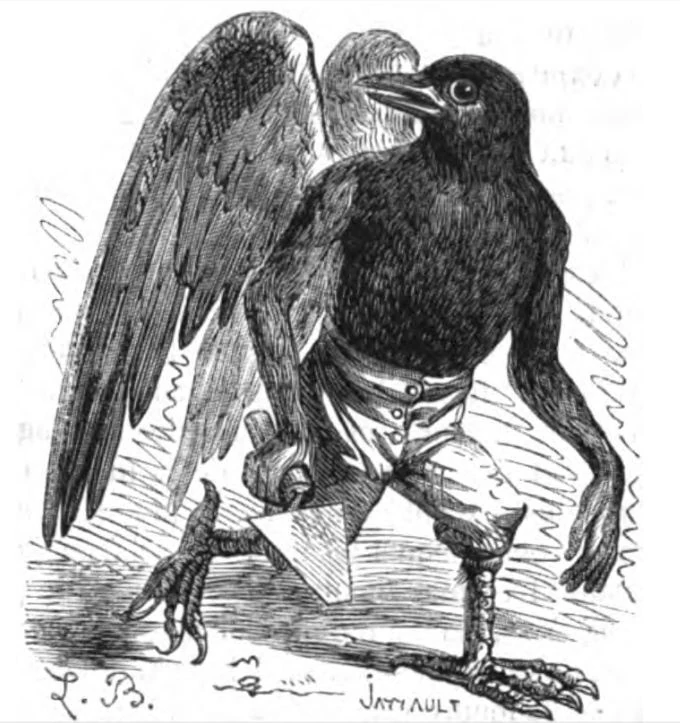
A Goetic president in a dark bird form, associated with building and a warning about offerings.

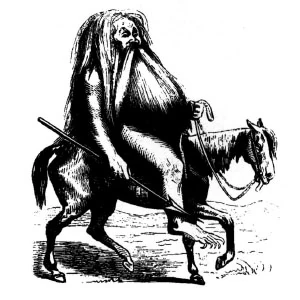
The Goetic knight, associated with philosophy, learned arts, and forms of divination.

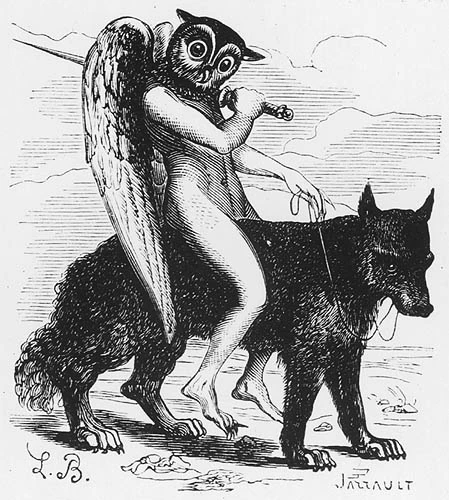
A Goetic marquis portrayed with a bird's head on a wolf, associated with discord and a warning of danger.

The religious philosophy associated with the Temple of Set, the Egyptian name Set, and the idea of Xeper.

Anton LaVey’s 1969 book of Satanic philosophy and ritual, foundational to the Church of Satan.