Demonology & Spirits
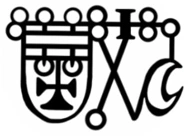
Bathin
A Goetic duke associated with herbs, precious stones, and sudden travel between countries.
A Goetic duke associated with herbs, precious stones, and sudden travel between countries.
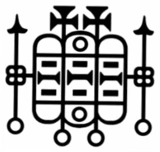
A Goetic marquis described as a sea monster, associated with language, reputation, and rhetoric.
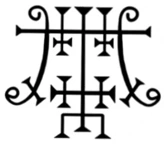
A Goetic president associated with logic, ethics, plants, stones, longevity, and lost things.
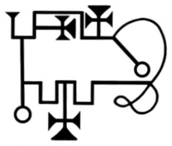
A Goetic marquis in phoenix form, associated with poetry, learning, and a hope of heavenly restoration.
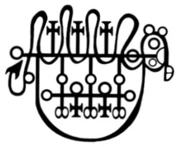
A Goetic duke portrayed as a mermaid, associated with ships, storms, and afflicted wounds.
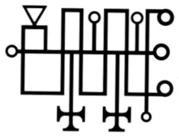
A Goetic president with a winged bull form, associated with wisdom and the transformation of substances.
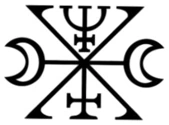
A Goetic spirit associated with philosophy and the compelled appearance of deceased souls.

A Goetic president associated with learned subjects and transformations that alter a person's understanding of identity.
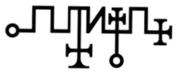
A Goetic spirit with a winged bull form, associated with wit and transformations of liquids and metals.
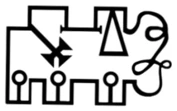
A mounted Goetic marquis associated with grammar, rhetoric, logic, and hidden treasure.
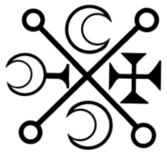
A Goetic marquis appearing as a star, associated with plants, stones, and bird-like apparitions.
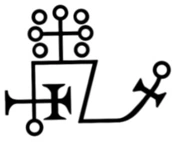
A many-faced Goetic duke carrying a book, associated with thoughts, knowledge, and visions of other people.
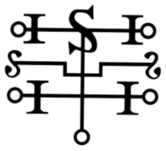
The final Goetic spirit, associated with stolen goods, concealed wrongdoing, and hidden treasure.
The medieval Liber Juratus, a work of sacred magic concerned with divine vision, angels, and ritual authority.
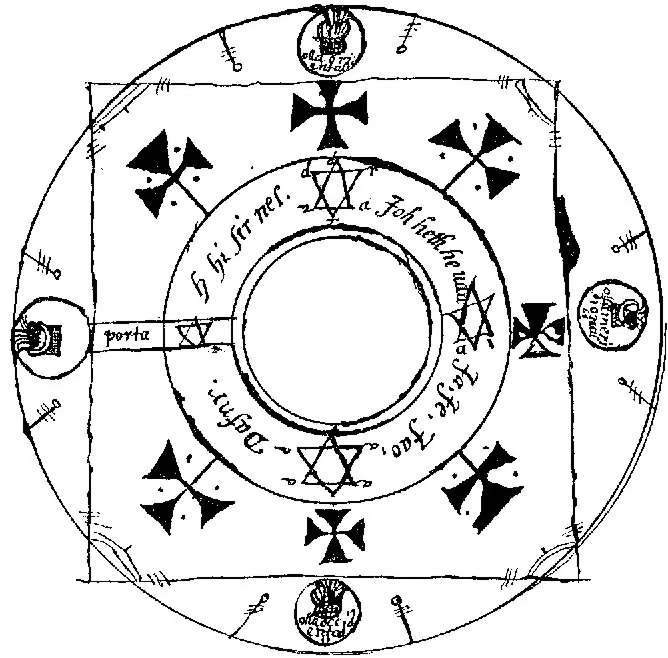
A marked ritual space whose names, divisions, and purpose differ among magical texts and modern traditions.
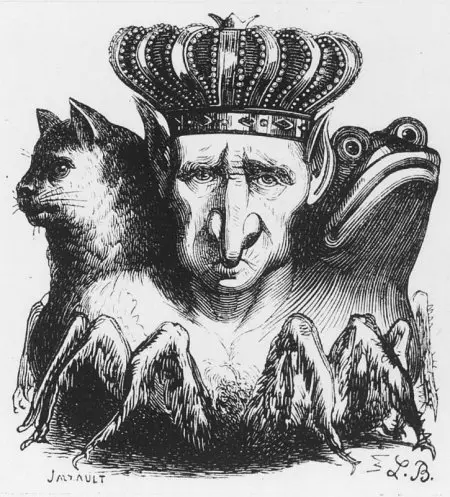
Bael is a ranked spirit in early modern magical catalogues. The Goetic figure should be distinguished from the wider use of the ancient title Baal.
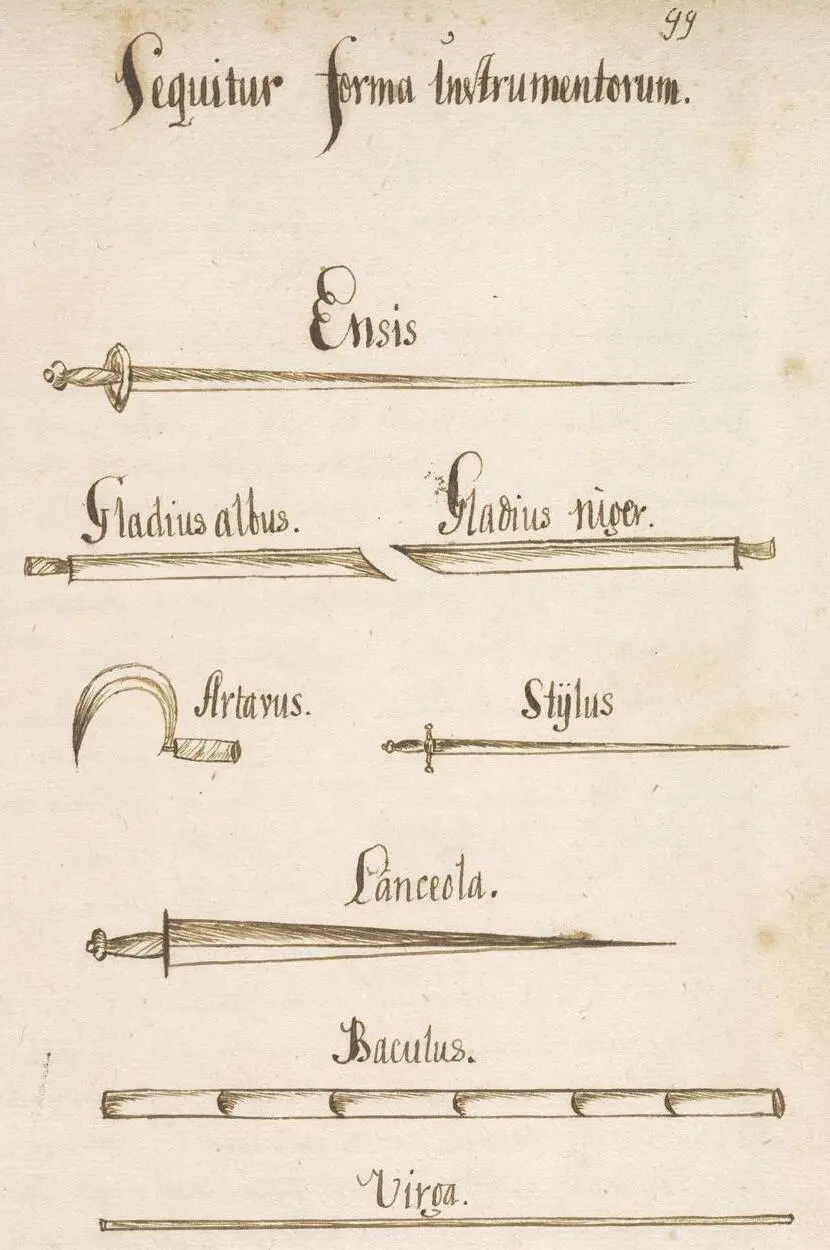
The Key of Solomon is a transmitted family of magical texts concerning preparation, ritual, and ceremonial instruments. It should be distinguished from the five-part Lesser Key of Solomon.
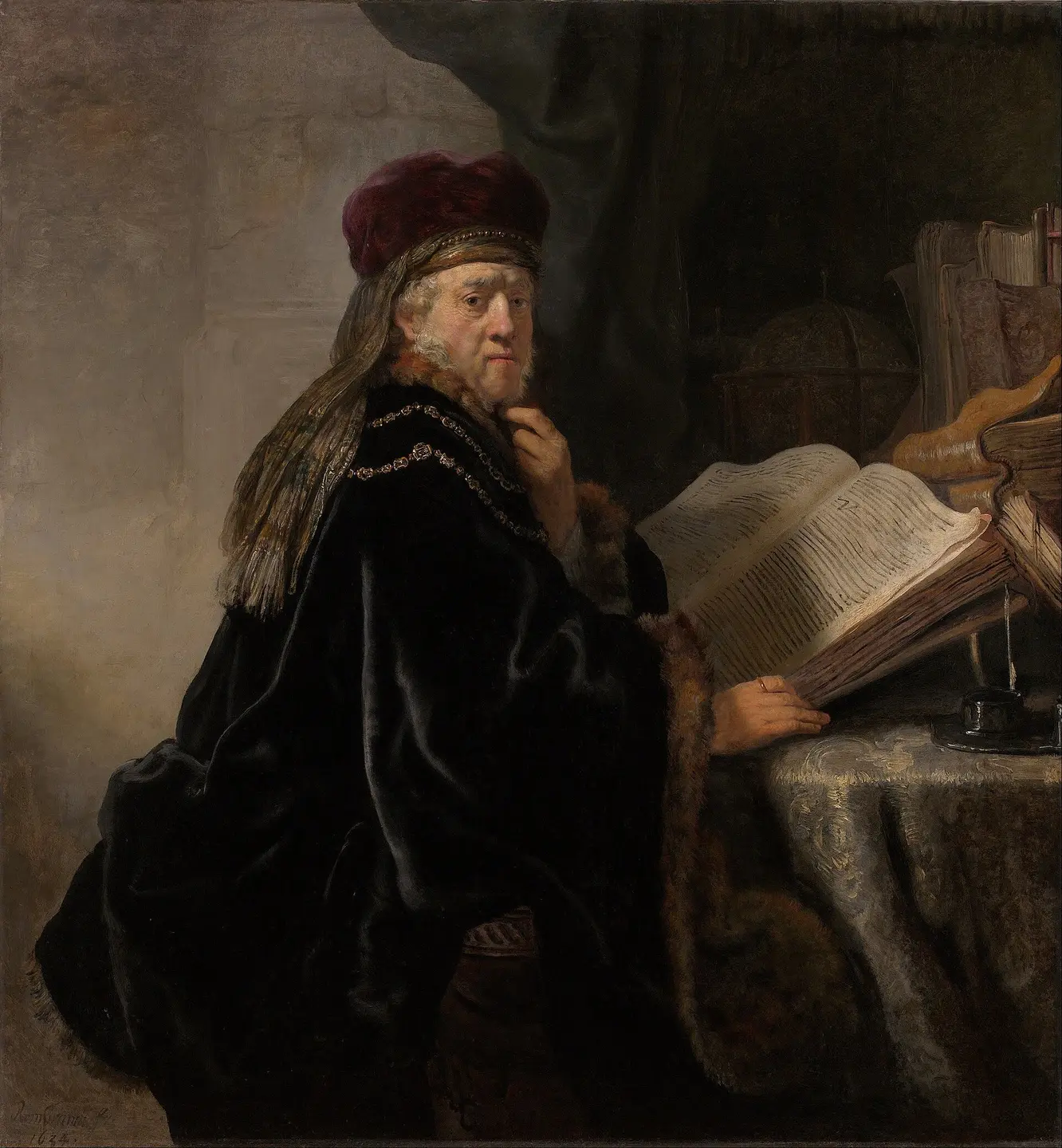
Primary sources provide direct evidence for a text, community, or historical setting. Reading them well requires context, precise citations, and comparison with other evidence.
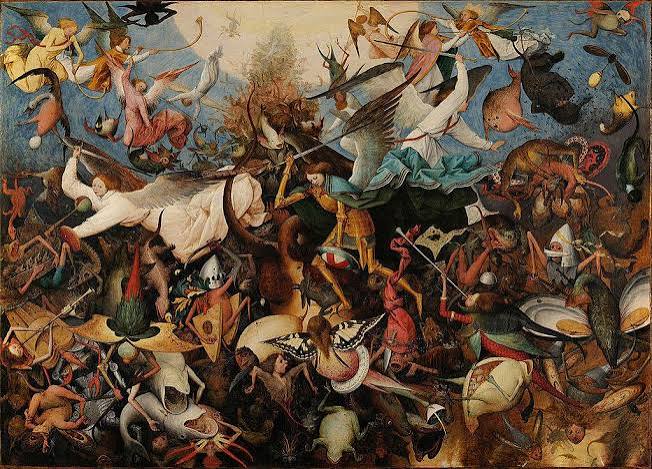
Fallen angels are heavenly beings portrayed as losing their place or proper condition through transgression. Enochic descent, Satan’s refusal to honor Adam, and the war in Revelation are distinct accounts that later interpretation can bring together.
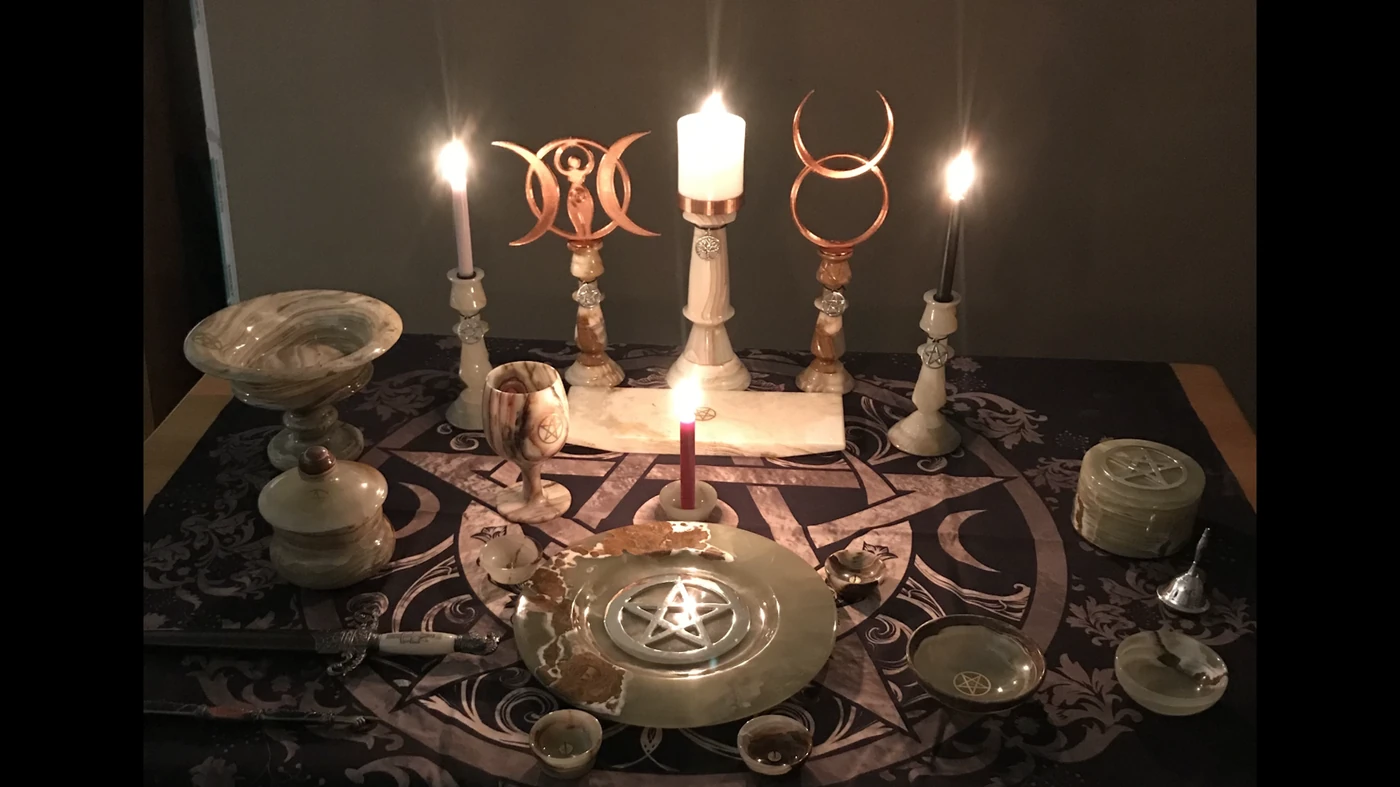
An altar is a designated place or surface used for religious devotion, ritual, offerings, sacred objects, or symbolic focus. Altars occur in many religious traditions, but their forms and meanings vary widely. In modern theistic Satanism an altar may function as a place for Prayer, Ritual, Offerings, meditation, spirit work, or the display of symbols connected with Satan and other beings.